The 5-Minute Makeup Routine That Makes You Look Instantly Polished
The modern face isn’t built — it’s edited. A few precise adjustments, the right textures, and just enough colour in the right places.
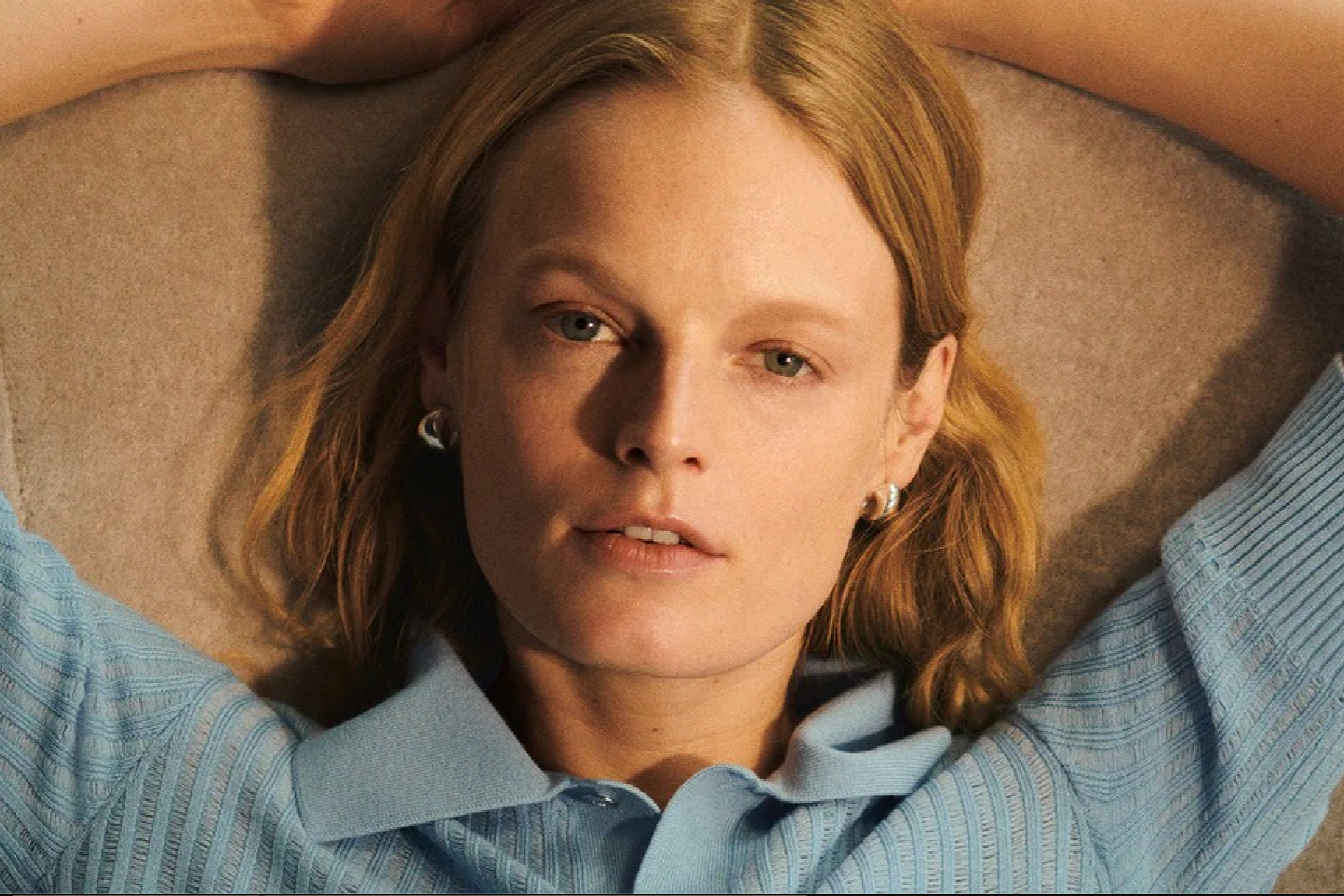
Polished makeup used to be easy to recognise. It looked even. Finished. Set in place. You could see where the foundation stopped and the bronzer began — where the effort had gone in. It was controlled, reliable, and for a long time, that was the point.
What once read as polished now often feels heavier than it needs to.
Not because the technique is wrong, but because everything around it has changed.
Skin is no longer something we’re trying to completely perfect — it’s something we’ve spent time improving. Barrier repair, better ingredients, more consistent routines. The kind of skin you don’t instinctively want to cover the moment you’ve finished your skincare.
And makeup has quietly followed that shift.
“The difference now isn’t how much you apply — it’s how much you leave alone.”
Textures are lighter, finishes more adaptive, pigments designed to diffuse rather than sit heavily on top. Which means when you apply makeup in the old way — evenly, all over, built up and set — it does something quite specific to the face.
It flattens it. Natural variation in tone disappears. The slight differences in colour that give the face dimension are evened out. Light no longer moves across the skin in the same way, because coverage and powder interrupt it. Everything becomes technically “perfect” — but also slightly uniform, and therefore less flattering.
That’s where the shift happens.
Towards something more selective. More deliberate. The kind of understated, considered finish that Carolyn Bessette-Kennedy made feel effortless — and that French beauty has always understood — where nothing is excessive, but nothing is accidental either.
STEP ONE: SKIN — EVEN, NOT COVERED
A full base is rarely what actually improves the face here . The instinct to even everything out in one step is hard to shake, but it’s also where this look starts to lose its edge — too much coverage, too evenly applied, and the skin stops behaving like skin. The natural variation in tone that gives the face dimension disappears, and everything starts to look slightly flat.
What works now is far more selective.
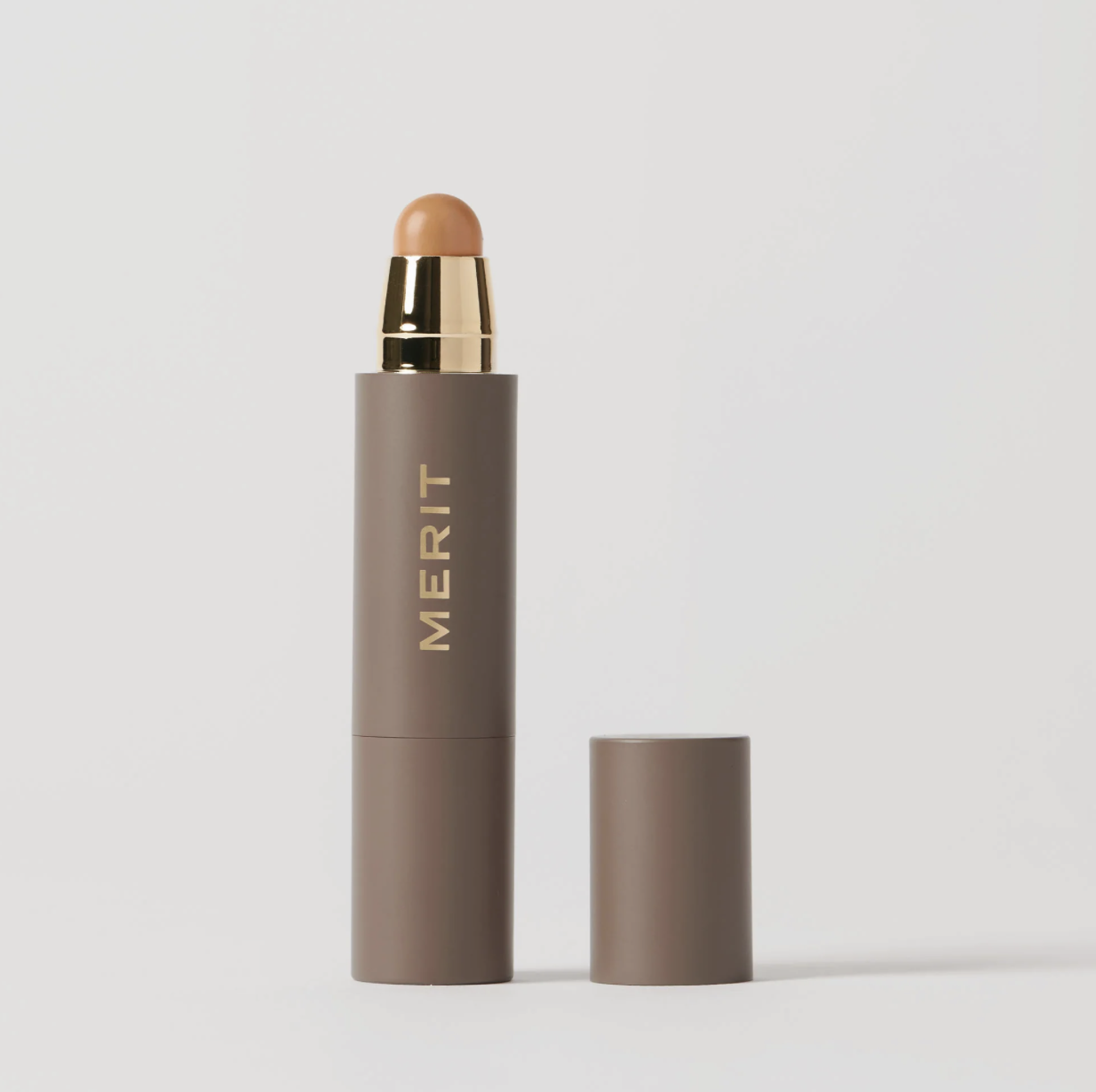
Tap it into the inner corners of the eyes, around the nose, and anywhere uneven. Press it in with your fingers so it melts into the skin rather than sitting on top.
This isn’t a base — it’s a correction.
Used sparingly, it evens the face without removing the movement of light across the skin.
STEP TWO: BROWS — QUIET STRUCTURE
Brows don’t need redesigning — they need better direction.
For a long time, brows were something you built: filled, sharpened, defined. The result was neat, but often slightly separate from the rest of the face — as if they’d been drawn on rather than grown there. What works now is softer, but more precise. Brushed upwards and slightly outwards, the brow opens the eye area and brings structure back to the face without making it look worked on. It’s a small adjustment, but it changes how everything sits.
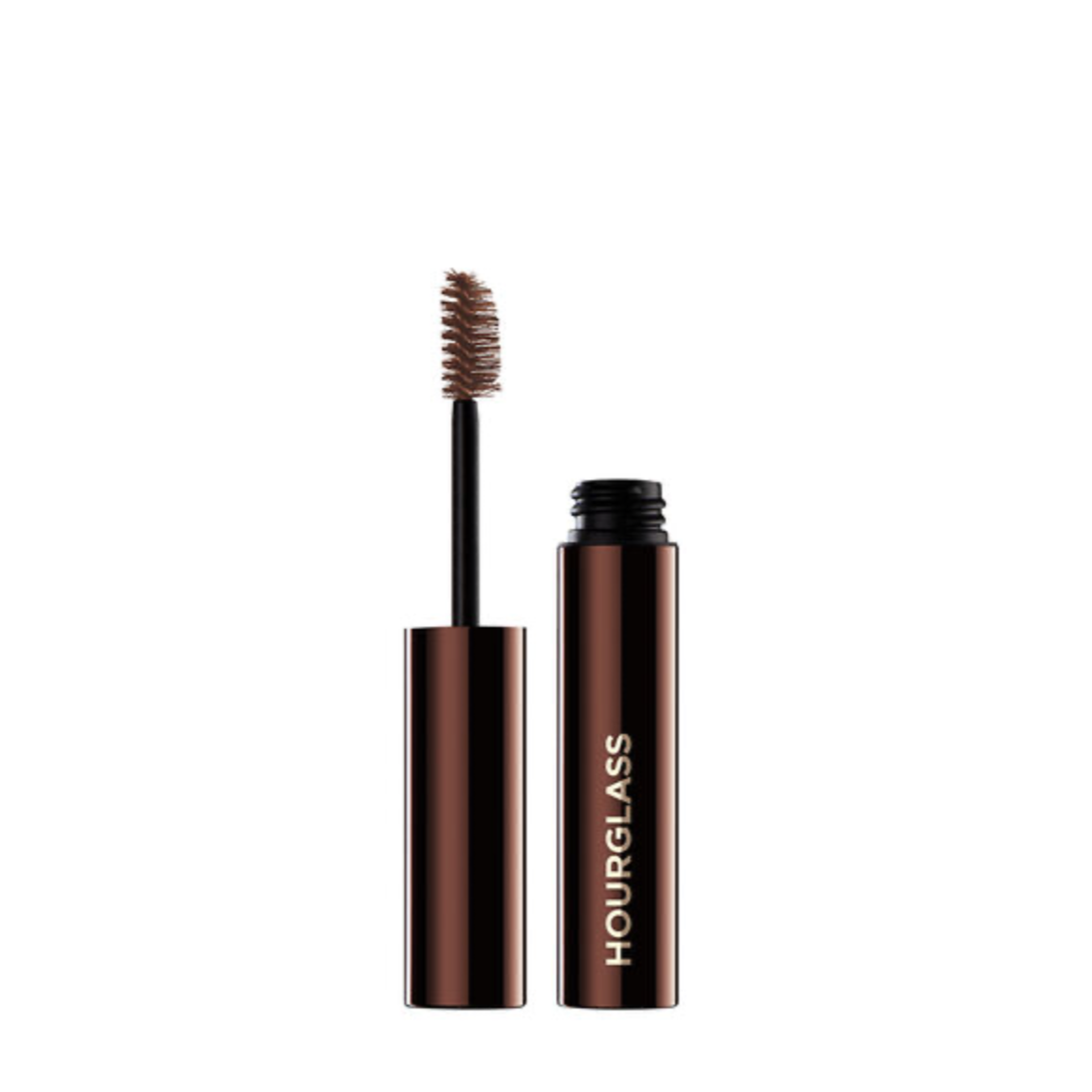
Try: Hourglass Arch Brow Volumizing Fiber Gel (28)
The fibres add just enough density while holding everything in place, so you get fullness and structure in one step — without needing to layer pencil or powder underneath.
Brush upwards at the front, then slightly outwards through the tail. If there are gaps, fill them lightly.
The goal isn’t perfection — it’s balance
STEP THREE: EYES — SOFT DEFINITION IN THE RIGHT TONE
Eyes don’t need building — they need anchoring.
The instinct is often to add more — more colour, more depth, more shape. But in natural light, that approach tends to sit on the face rather than within it, which is why it can feel slightly too much during the day. The difference here is tone. A soft taupe, a muted brown — something close to the natural shadow of your own eye — creates definition without ever reading as “eyeshadow.” It gives depth, but in a way that feels inherent to the face.
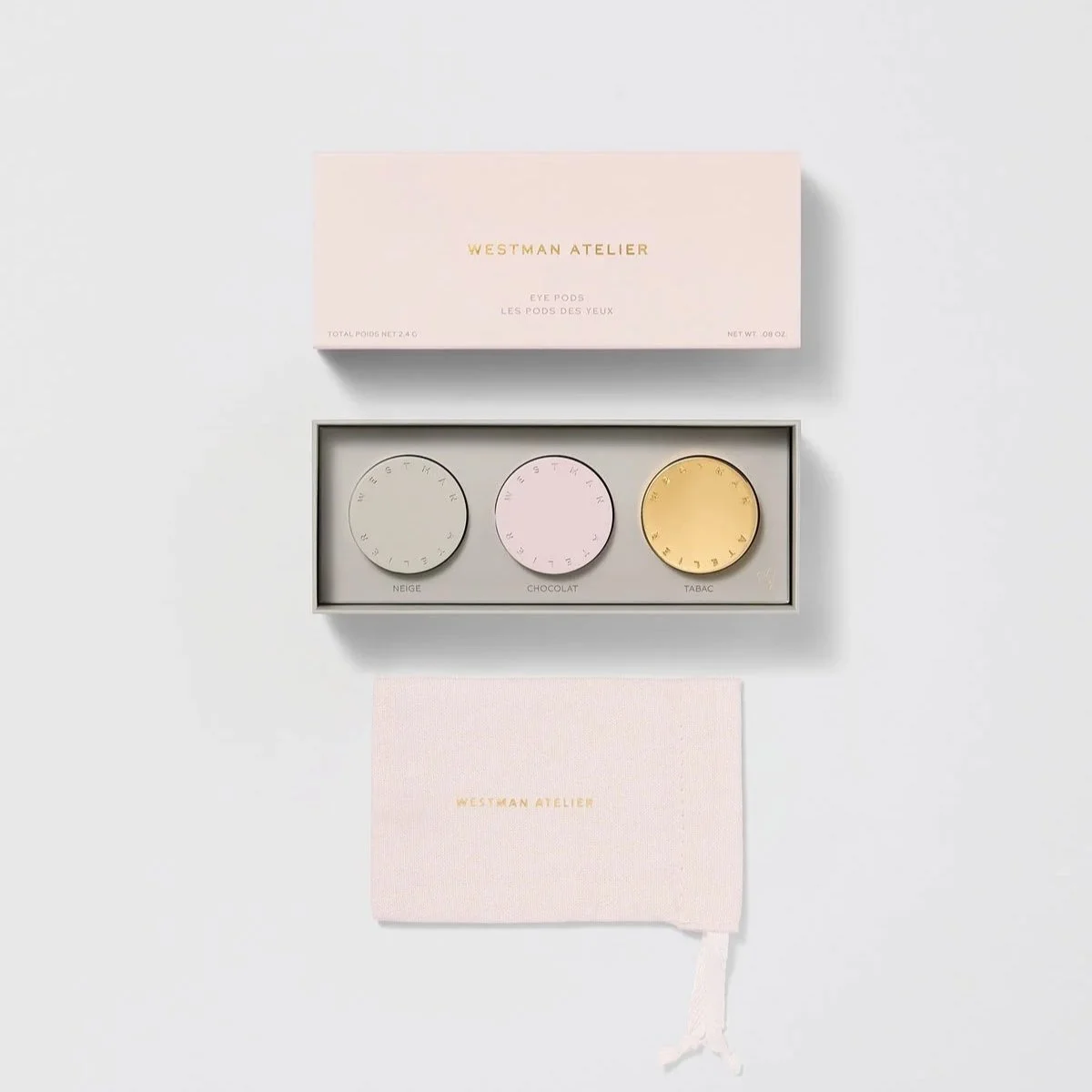
Try: Westman Atelier Eye Pods (£80)
The pigment is finely milled and slightly translucent, which allows it to blur as you apply it rather than sitting heavily on the lid.
Use your finger, not a brush.
Press onto the centre of the lid, then gently diffuse upwards towards the socket. No sharp edges, no perfect symmetry.
You’re not building a look — you’re restoring depth.
STEP FOUR: CHEEKS — WHERE THE FACE LIFTS
Blush has quietly become one of the most important steps.
Not because of the colour itself, but because of what it does to the structure of the face. Placed too centrally, it softens everything — sometimes too much. The face looks rounder, flatter, less defined. It’s technically “correct,” but not always flattering. Shift it slightly higher, and the effect changes completely.
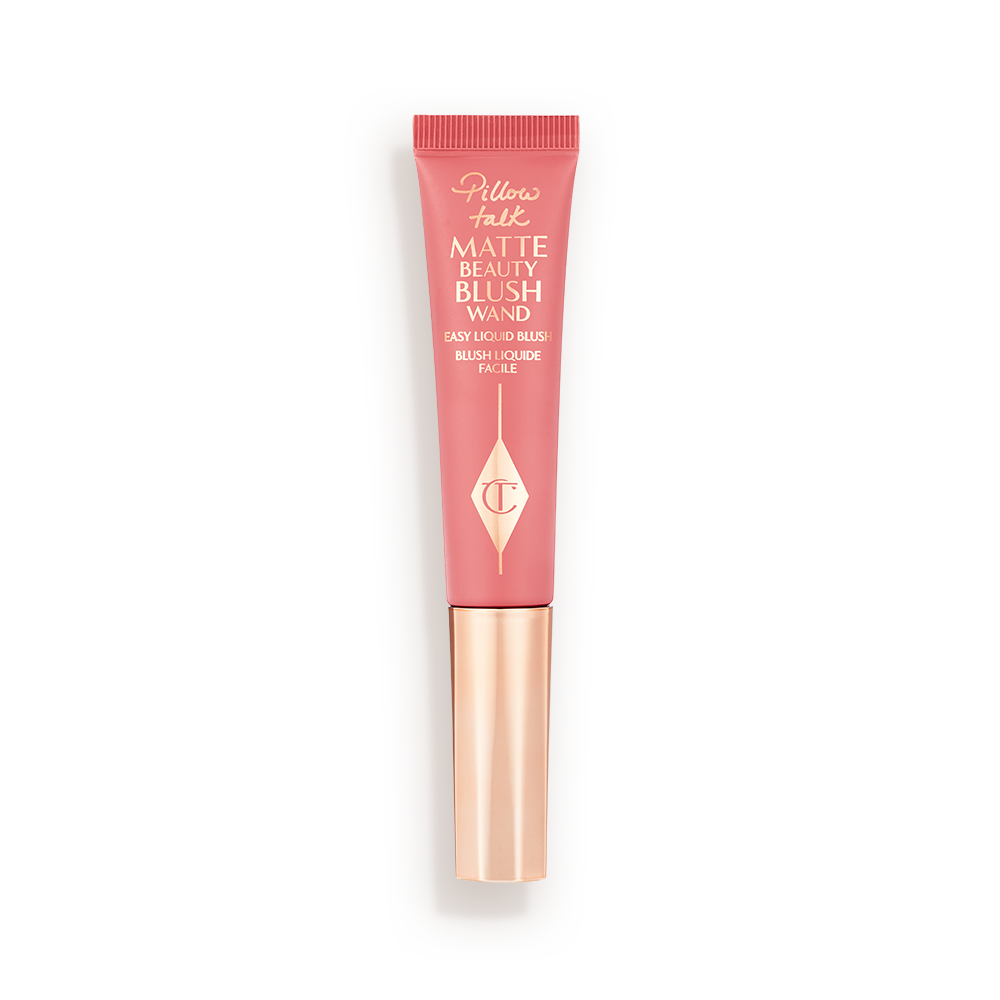
Try: Charlotte Tilbury Matte Beauty Blush Wand (£30)
The texture spreads easily but settles softly, which means it stays exactly where you place it — essential when placement is doing most of the work.
Start just above the apple of the cheek and blend into the cheekbone, roughly in line with the outer corner of the eye.
Blend upwards and slightly back towards the temple.
The lift is subtle — but once you see it, it’s hard to unsee.
STEP FIVE: LIPS — THE BOUCHE MORDUE EFFECT
A defined lip used to signal polish. Now, it can feel slightly too considered — particularly when the rest of the face is softer. What’s more flattering is something less exact. Colour that looks like it belongs to the lips rather than sitting on top of them. The French have always approached it this way — la bouche mordue, or “bitten lips.”
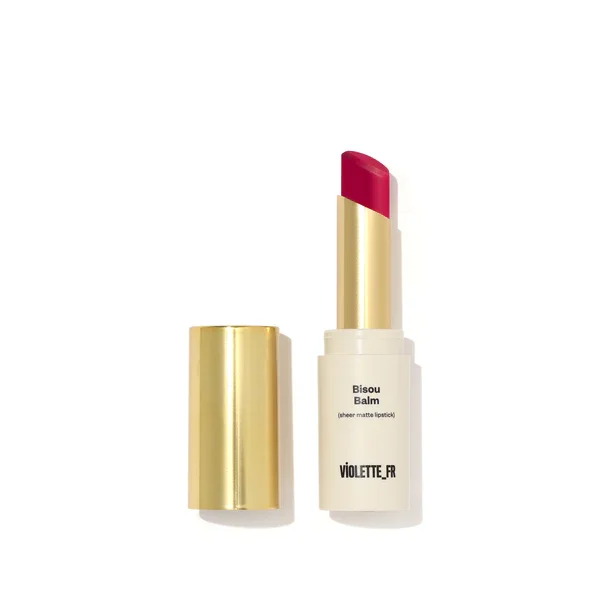
The pigment is deliberately muted and the finish softly matte, so it mimics the natural tone of the lips rather than layering over them.
Tap it into the centre of the lips, press them together, then soften the edges with your finger.
No liner, no defined outline.
It should look like colour that’s settled — not been applied.
STEP SIX: FINISH — WHERE RESTRAINT SHOWS
This is the step that quietly determines the outcome.
The instinct to “set” everything comes from wanting makeup to last — but too much powder removes the very thing that makes this look work: movement, light, and variation across the skin. The face becomes flat again — controlled, but less alive.
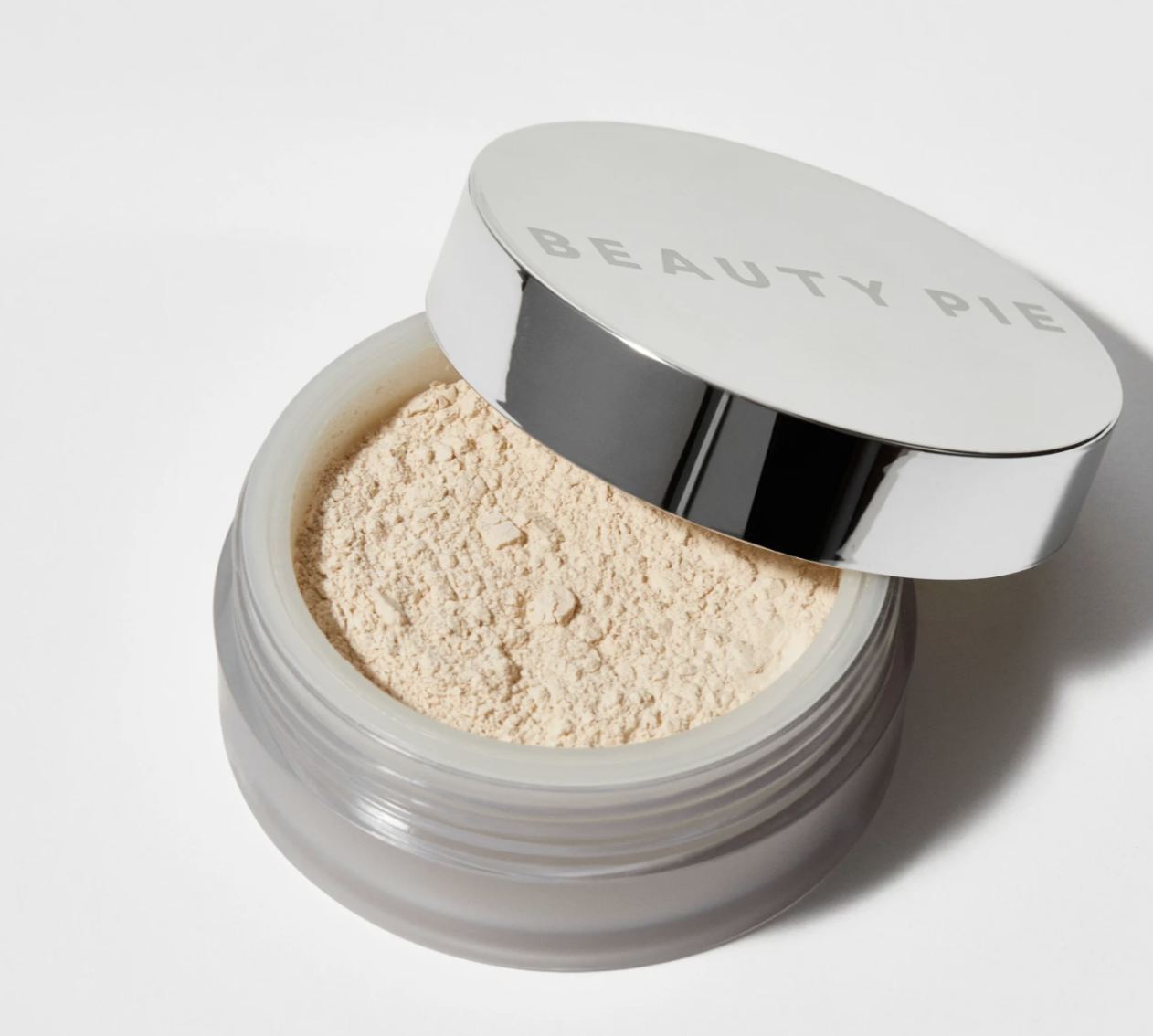
Light enough to create a soft-focus veil rather than a visible layer, it takes down shine without cancelling out the skin underneath — which is exactly the balance you want here.
Apply lightly through the centre of the face — forehead, sides of the nose, chin. Leave everything else untouched.
Skin should still catch the light.