Fibre Maxxing vs Protein: What Women Are Still Missing
Protein has dominated the conversation for years — but fibre may be the missing piece affecting everything from energy to hormones.
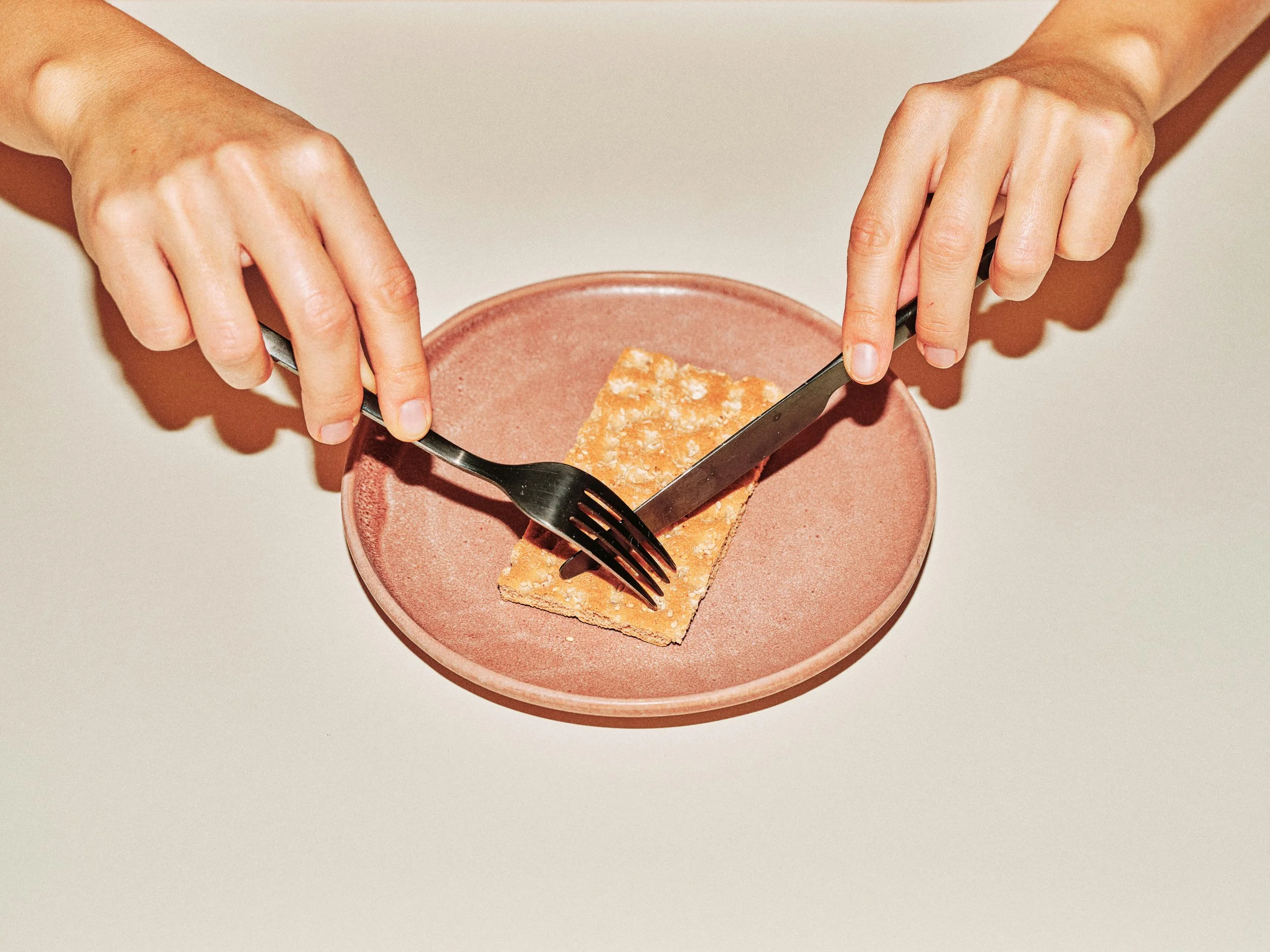
For years, we’ve been taught to look at food through a strangely narrow lens. Atkins introduced the idea of low-carb, turning bread, pasta and anything remotely beige into the enemy. That thinking never really left — it lingered, softened, showed up in different forms — and more recently sharpened again through keto, which pushed the same idea — only further.
Carbs were out, protein was in, and somewhere along the way that message settled so deeply into the collective female brain that many of us still approach meals as if success depends on how much protein we can squeeze in and how effectively we can avoid everything else.
The problem is that this didn’t just change what we ate. It changed how we thought. Protein became the good girl nutrient: disciplined, safe, slimming, sensible. Fibre, meanwhile, got swept up in the anti-carb panic almost by accident. Because if carbs were the devil, foods naturally rich in fibre — oats, beans, lentils, fruit, whole grains — were often treated with the same suspicion, despite doing something completely different inside the body.
That mindset has followed us into adulthood in ways that feel almost absurd once you notice them. Protein yoghurt. Protein granola. Protein bars that taste faintly of wallpaper paste but still feel virtuous. And now, as women’s health conversations have finally become more mainstream, the advice is often strikingly similar. Hit perimenopause? Increase protein. Feeling flat, foggy, softer around the middle, vaguely unlike yourself? More protein. Again, it’s not wrong. But it is incomplete.
Because while protein has spent the past two decades enjoying one of the best PR campaigns in modern nutrition, fibre has been sitting quietly in the corner — unfashionable, unglamorous, and far more important than most of us were ever taught to believe.
Which matters, because this is often the missing link in those small, familiar moments women tend to brush off. The mid-afternoon slump that arrives even after a decent lunch. The sudden sense that your energy, mood and even your skin are behaving unpredictably, despite the fact that you’re supposedly doing everything “right”.
That’s the part the protein conversation has never fully explained.
The Change you can feel (even if you haven’t named it)
Part of the reason this has gone largely unnoticed is that the effects don’t feel dramatic. They’re subtle, easy to dismiss, and often written off as something else entirely.
For many women, it doesn’t feel like something has changed — it just feels like this is how things are. Energy that never quite holds. Focus that comes and goes. The sense that you’re doing everything “right” — eating well, making sensible choices, prioritising protein — and yet still relying on coffee, or finding your energy doesn’t quite stretch as far as it should.
It’s not an obvious problem. It’s just a pattern that’s quietly become normal. Which is why it rarely gets questioned. Because for many women, the shift hasn’t been about eating badly. It’s been about eating in a way that quietly deprioritises something essential.
Meals built around protein. Snacks designed to increase it. Carbohydrates reduced, swapped, or avoided altogether — often without much thought for what that removes alongside them. Because when fibre-rich foods are consistently minimised, fibre itself tends to disappear almost by default.
And that’s where things start to change. Blood sugar is one part of the picture. When meals are low in fibre, glucose is absorbed more quickly, leading to sharper rises and more noticeable drops. The body works to correct that, releasing cortisol to stabilise things, which can leave you feeling slightly wired, slightly tired, or just not quite as steady as you’d expect.
“When we eat foods that cause rapid spikes in blood sugar, the body works hard to bring levels back down,” says Sana Alajmovic, co-founder of healthtech company Sigrid Therapeutics. “Those sharp rises are often followed by equally sharp drops — and from the body’s perspective, that dip is a stress signal.”
What follows is a pattern many women recognise instantly once it’s pointed out. You eat, you feel fine — and then, somewhere between twenty minutes and a couple of hours later, you don’t. Not dramatically, just enough to notice.
Protein can help buffer that to a degree. But it doesn’t replace what fibre does.
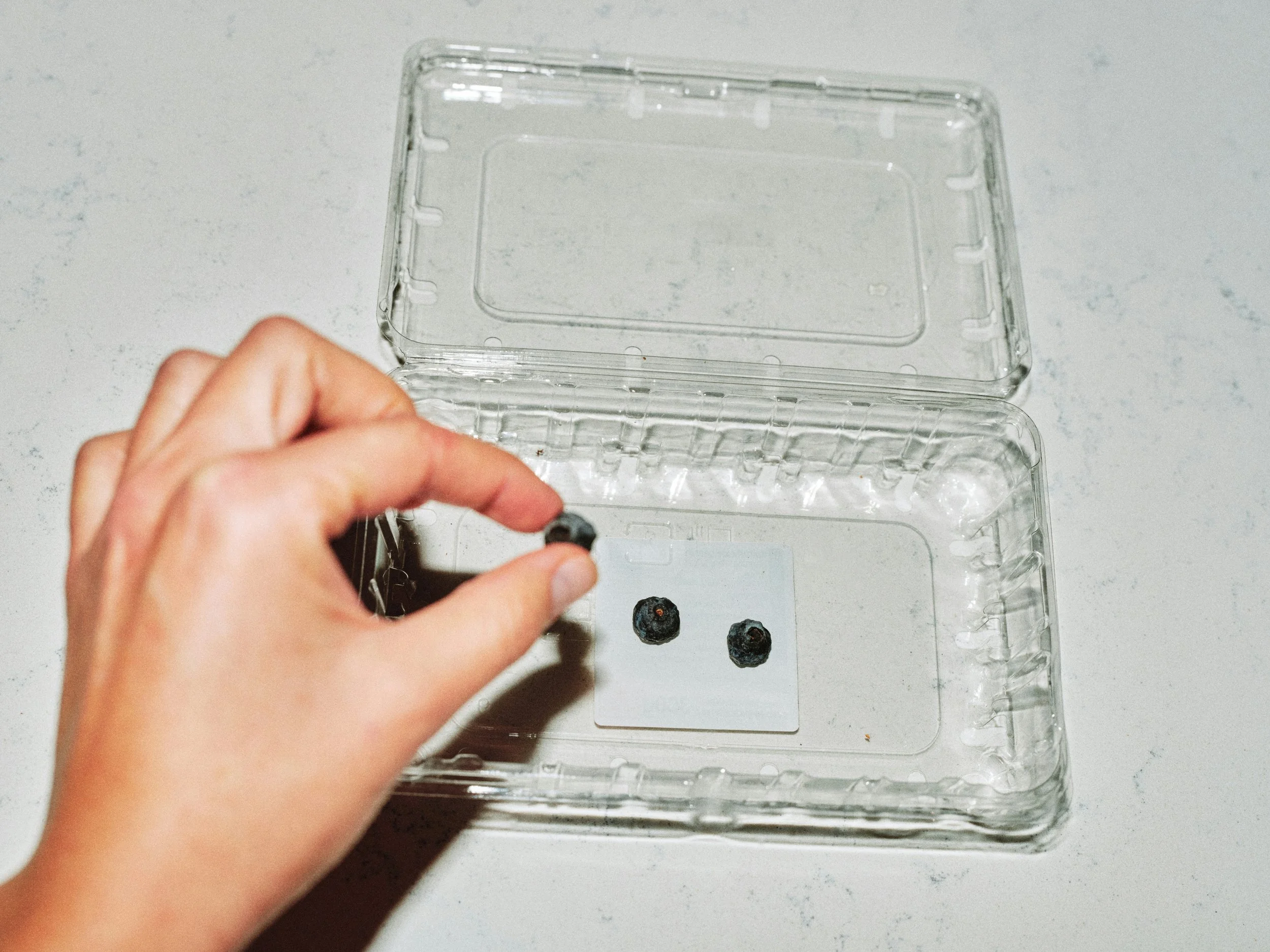
Because fibre isn’t just about slowing things down — it’s about feeding the gut microbiome. And when that system isn’t properly supported, the effects tend to show up in ways that feel frustratingly vague. Fluctuating energy. A subtle pull towards something more — not necessarily sugary, just something that feels like it might steady you. Digestion that feels slower than it should. Less regular. Slightly off, in a way that’s easy to normalise. Skin that behaves unpredictably. A general sense that your body is reacting more than it used to.
This is also why so many women feel convinced that carbohydrates — and by extension fibre — don’t work for them. Not because they’re eating badly, but often because they’re eating well — just in a way that’s become overly structured around protein.
The familiar “I feel groggy after I eat carbohydrates” line. The sense that something causes a spike, followed by a drop, and that the solution is simply to avoid it altogether.
But more often than not, that reaction isn’t about fibre itself. It’s about how those foods are being eaten — and what’s missing alongside them. Because when fibre intake is already low, and meals are built in a way that allows glucose to rise quickly, that spike-and-drop pattern becomes far more noticeable. Which makes it easy to blame the carbohydrate, rather than the overall structure of the meal.
And so the cycle continues. Carbohydrates get reduced further. Fibre drops even lower. And the very thing that would help stabilise the response is the thing being removed.
It’s not just about what you’re eating more of. It’s about what’s quietly been left out.
Why fibre changes more than you think
The part that’s been quietly missed in all of this is how much fibre is actually doing. Because once you stop thinking of it as a digestion thing — something vaguely worthy but not especially interesting — it starts to look a lot more like infrastructure. The kind of thing everything else depends on, but no one really talks about.
Hormones are a good place to start. Fibre plays a role in how the body processes and clears excess oestrogen, which becomes increasingly relevant as things begin to change. Not dramatically, not overnight — just enough to notice. Mood that feels slightly less predictable. Energy that doesn’t quite hold in the same way. Skin that, for no obvious reason, starts behaving differently.
None of it feels extreme. It just feels… off.
“Many women focus heavily on protein, especially around perimenopause,” says London-based nutritionist Zoë Hill, who specialises in women’s health and PCOS. “But fibre is just as important — it supports gut health, which in turn plays a key role in hormone balance and metabolic function.”
“It’s not just about what you’re eating more of — it’s about what’s quietly been left out.”
It’s the kind of thing that rarely gets the same attention, but underpins far more than most people realise.
And then there’s the metabolic side of it — which sounds technical, but is really just about how stable everything feels day to day. Blood sugar, insulin response, energy levels. The things that determine whether you feel steady, or slightly at the mercy of whatever you last ate.
Because protein supports structure. It builds, repairs, maintains.
Fibre, on the other hand, regulates. It feeds the gut microbiome — the system that influences everything from hormone balance to inflammation to how your body responds to food in the first place. And when that system isn’t properly supported, the effects don’t show up in one obvious way. They show up everywhere, just slightly.
A subtle pull towards something more. Energy that comes and goes. Digestion that feels heavier, slower, less predictable than it used to. Skin that looks different week to week without any clear reason why.
It’s not dramatic enough to fix. But it’s enough to notice.
Fibre also does something far more practical than it’s usually credited for — it’s what makes food feel satisfying in the first place. Not just full, but properly satisfied. The kind that holds, rather than the slightly hollow version that has you back in the kitchen an hour later, opening the fridge without really knowing why.
Which makes the current narrative feel slightly out of step. Because if you zoom out, many of the healthiest diets in the world aren’t built around avoiding these foods — they’re built around them. Bread, pasta and potatoes across Europe. Rice-based meals throughout Asia. Beans and rice across South America. Lentils, pulses and grains forming the backbone of traditional diets across parts of Africa and the Middle East.
Different cuisines, different lifestyles — but a shared pattern of eating that treats these foods as normal, not something to work around.
The difference isn’t fibre itself. It’s what’s happened to the way we eat. More processed. More refined. More removed from their original form — and in the process, stripped of the very things that made them work properly in the first place. And layered on top of that, a version of diet culture that has taught us to approach these foods with caution, rather than understanding the role they were always meant to play.
That doesn’t mean overhauling everything overnight. In practical terms, it’s often much simpler than that — but also a little more specific than just “adding fibre”. Because the kind matters.
Not the processed versions that tend to dominate supermarket shelves, but the original forms. Oats. Lentils. Beans. Vegetables. Fruit. Whole grains that still resemble what they started as.
That’s where fibre actually does its job. And most women are still falling short of it — around 30 grams a day is the general recommendation — often without realising what that really looks like in practice.
It’s not one “healthy” choice. It’s cumulative. An apple might give you 3–4 grams. A portion of lentils, closer to 7 or 8. Vegetables across a day, another 5 or so. A bowl of oats in the morning. Some beans added to a meal. It builds gradually — or doesn’t, depending on how meals are structured.
And that’s the switch. Not dramatic. Not restrictive. Just a slightly different way of putting things together — one that includes the parts that have quietly been missing.
It’s not about moving away from protein — but moving away from the idea that protein alone is doing the heavy lifting. Because once fibre is brought back into the picture — properly, consistently, not as an afterthought — things don’t suddenly transform. They just… settle.
Energy holds. Everything feels a little more predictable again.