The Spring Skin Reset: Why Your Skin Looks Duller in March
Why skin often looks duller by spring — and the biological shifts winter quietly causes beneath the surface.

By the time early spring arrives, many complexions start behaving slightly differently. The glow that carried you through autumn quietly disappears somewhere between central heating, grey skies and February. Skin isn’t necessarily dry and it isn’t breaking out either — it just looks a little… flatter. Foundation sits heavier, highlighter suddenly feels like hard work and even good skincare routines seem to be doing slightly less than they did a few months ago.
It’s easy to assume winter has simply made skin dull. In reality, something slightly more interesting tends to be happening beneath the surface.
In our teens the solution was usually enthusiastic exfoliation — often involving something like St. Ives Apricot Scrub, leaving skin satisfyingly pink and suspiciously squeaky.
Our twenties weren’t necessarily much gentler. The Clarisonic cleansing brush era convinced many of us that glowing skin was simply a matter of scrubbing more thoroughly, followed shortly afterwards by the acid-toner phase when glycolic pads seemed capable of solving almost everything.
“Winter dullness isn’t just dryness — it’s what happens when slower renewal, barrier stress and environmental exposure all collide.”
Skin generally tolerated it.
By our thirties and forties, however, the biology has shifted slightly. Cell turnover slows, the lipid barrier becomes easier to disrupt and hormonal fluctuations begin influencing how efficiently skin renews itself — something we explored in our recent features on hormonal skin changes and perimenopause.
Which means the dullness many people notice at the end of winter isn’t simply dryness. It’s the cumulative effect of slower renewal, subtle barrier disruption and months of environmental stress quietly building beneath the surface.
When Skin Just Looks… Flat
You’ll recognise this version immediately.
Skin isn’t dehydrated, it’s not breaking out and yet something about the complexion looks… muted. The glow that seemed effortless in October now requires significantly more persuasion. Foundation suddenly feels heavier and highlighter behaves more like a small spotlight than a subtle enhancement.
Most of the time this comes down to cell turnover slowing down.
Skin constantly renews itself by pushing fresh cells upward while older ones shed from the surface. In our twenties that process happens roughly every four weeks. By our thirties and forties it can stretch closer to six weeks — and colder temperatures slow it further.
The result is that older skin cells linger on the surface slightly longer than they should. Those cells scatter light unevenly, which is why the complexion suddenly looks dull even when the skin itself is healthy.
This is where gentle enzymatic exfoliation comes in. Rice enzymes break down the proteins that bind dead cells together so they can shed naturally rather than being aggressively scrubbed away.
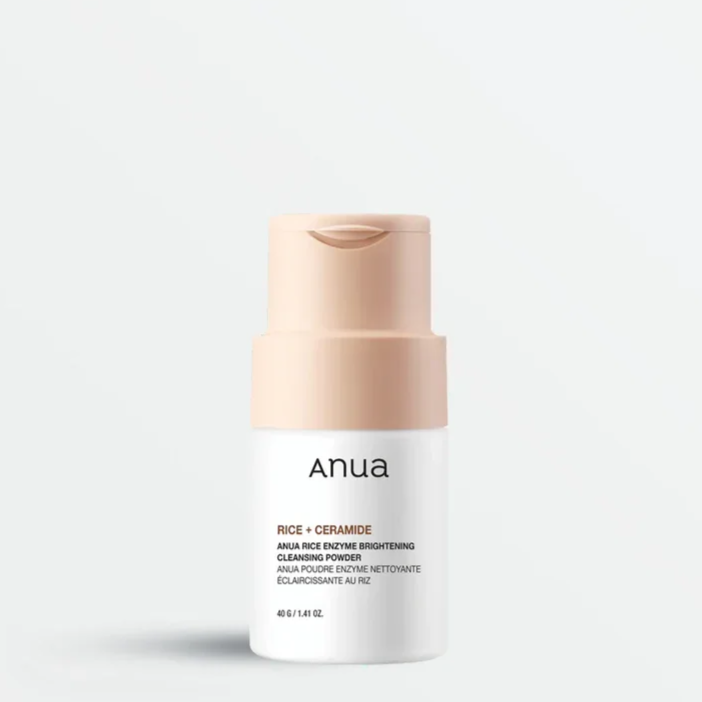
Powder cleansers like Anua Rice + Ceramide Brightening Enzyme Powder Cleanser (£16) use rice-derived enzymes to dissolve that dull surface layer while ceramides help support the skin barrier — meaning you get clearer, brighter skin without the slightly alarming redness many of us once interpreted as proof that something was “working”.
When Your Skin Looks Tired (Even When You’re Not)
Another version of winter skin tends to show up in a way that feels faintly unfair.
You’re sleeping reasonably well, drinking enough water and keeping up with skincare — yet the complexion still looks slightly tired, as though it hasn’t quite caught up with the rest of you.
This usually comes down to barrier function.
The outermost layer of skin is held together by a delicate structure of lipids — primarily ceramides, cholesterol and fatty acids — that act like mortar between the skin cells. Cold outdoor air and heated interiors both dramatically reduce humidity levels, gradually weakening that structure over the winter months.
When the barrier becomes compromised, moisture escapes more easily and the surface of the skin becomes microscopically rougher. Even when moisturiser is applied, light no longer reflects across the surface in quite the same way.
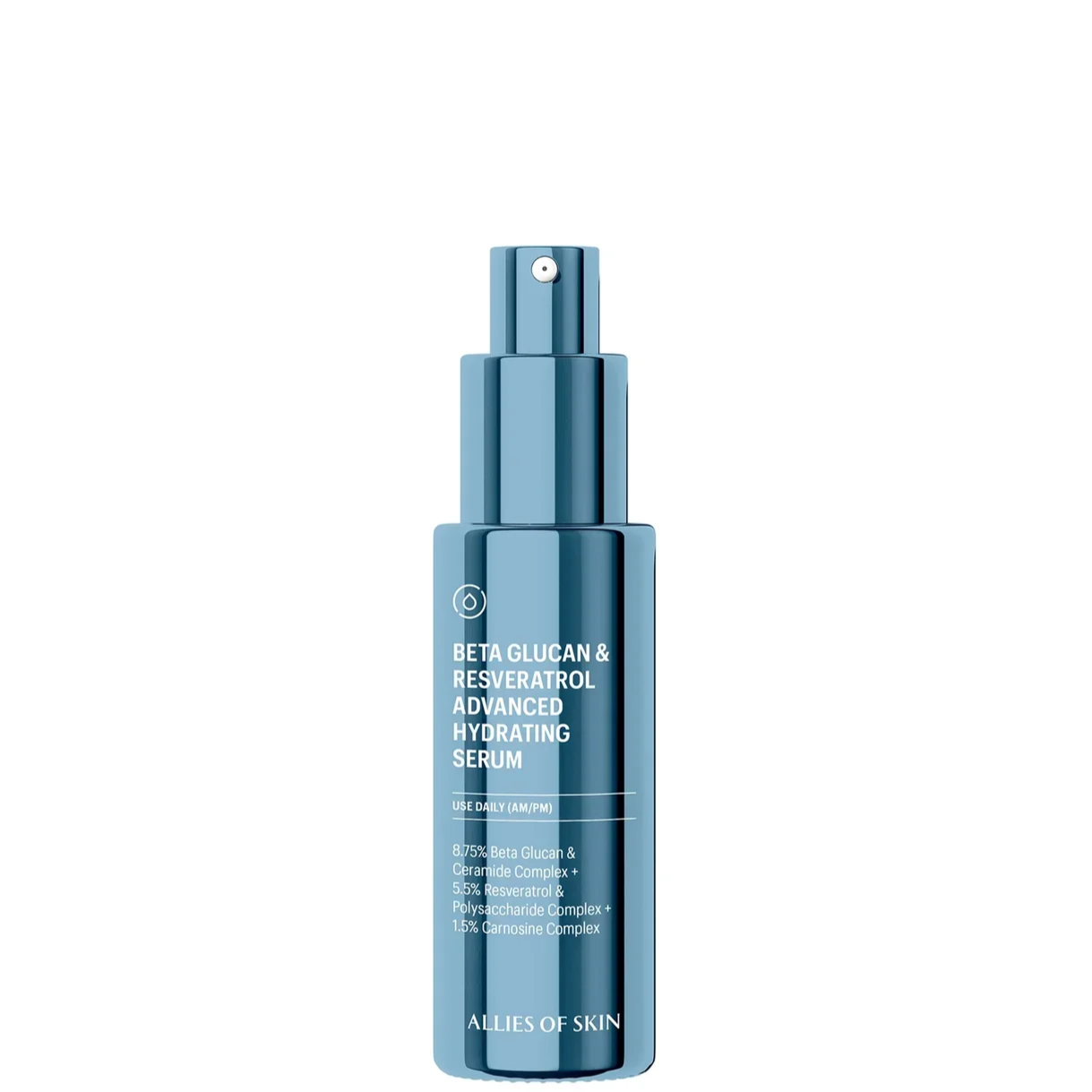
This is where barrier-supporting ingredients become useful. Beta glucan, for example, helps draw water back into the skin while calming the low-level inflammation that often develops when the barrier has been exposed to cold air and indoor heating for months.
Serums like Allies of Skin Beta Glucan & Resveratrol Advanced Hydrating Serum (£84) pair that hydration effect with resveratrol, an antioxidant that helps neutralise the free radicals generated by pollution and environmental exposure over winter. Once hydration is properly held within the skin again, the surface becomes smoother — and brightness tends to return almost automatically.
When Skin Loses Its Clarity
Sometimes dullness isn’t really about brightness at all — it’s about clarity.
You might notice it most in natural daylight: tone looking slightly less uniform across the cheeks or forehead. Nothing dramatic, just a subtle loss of the smooth luminosity that makes skin appear healthy.
Winter quietly contributes to this too.
Even during colder months the skin continues to accumulate oxidative stress from pollution particles, UV radiation that penetrates cloud cover and everyday metabolic processes. And if we’re honest, winter is also when many people quietly stop applying sunscreen.
Those environmental factors generate free radicals that stimulate melanocytes — the cells responsible for pigment production.
Over time this can lead to the subtle unevenness many people notice by early spring.
This is why vitamin C remains one of the most widely studied ingredients for improving skin clarity. L-ascorbic acid helps neutralise free radicals while also inhibiting tyrosinase, the enzyme responsible for melanin production, gradually improving tone and luminosity.
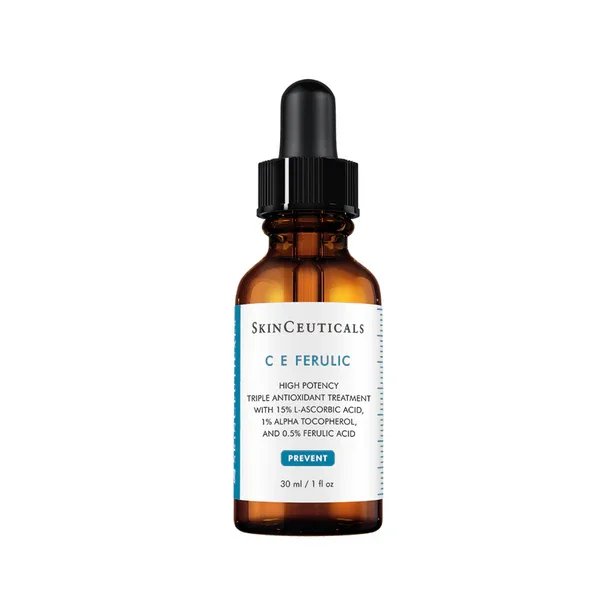
Formulas like SkinCeuticals C E Ferulic (£169) combine vitamin C with vitamin E and ferulic acid to stabilise the molecule and increase its antioxidant potency in the skin — helping restore the kind of even, luminous tone that tends to fade somewhere around mid-February.
When Texture Starts Changing
Texture is often the next thing people notice. Skin that once felt naturally smooth begins behaving slightly differently — foundation settles into places it didn’t before and pores suddenly seem a little more… opinionated.
This shift is largely linked to slower cellular renewal and declining collagen support. Retinol works by activating receptors within skin cells that regulate growth and differentiation. In practical terms, it encourages the skin to produce new cells more efficiently while also stimulating collagen production in deeper layers.
Over time this improves both texture and luminosity, because smoother skin reflects light more evenly.
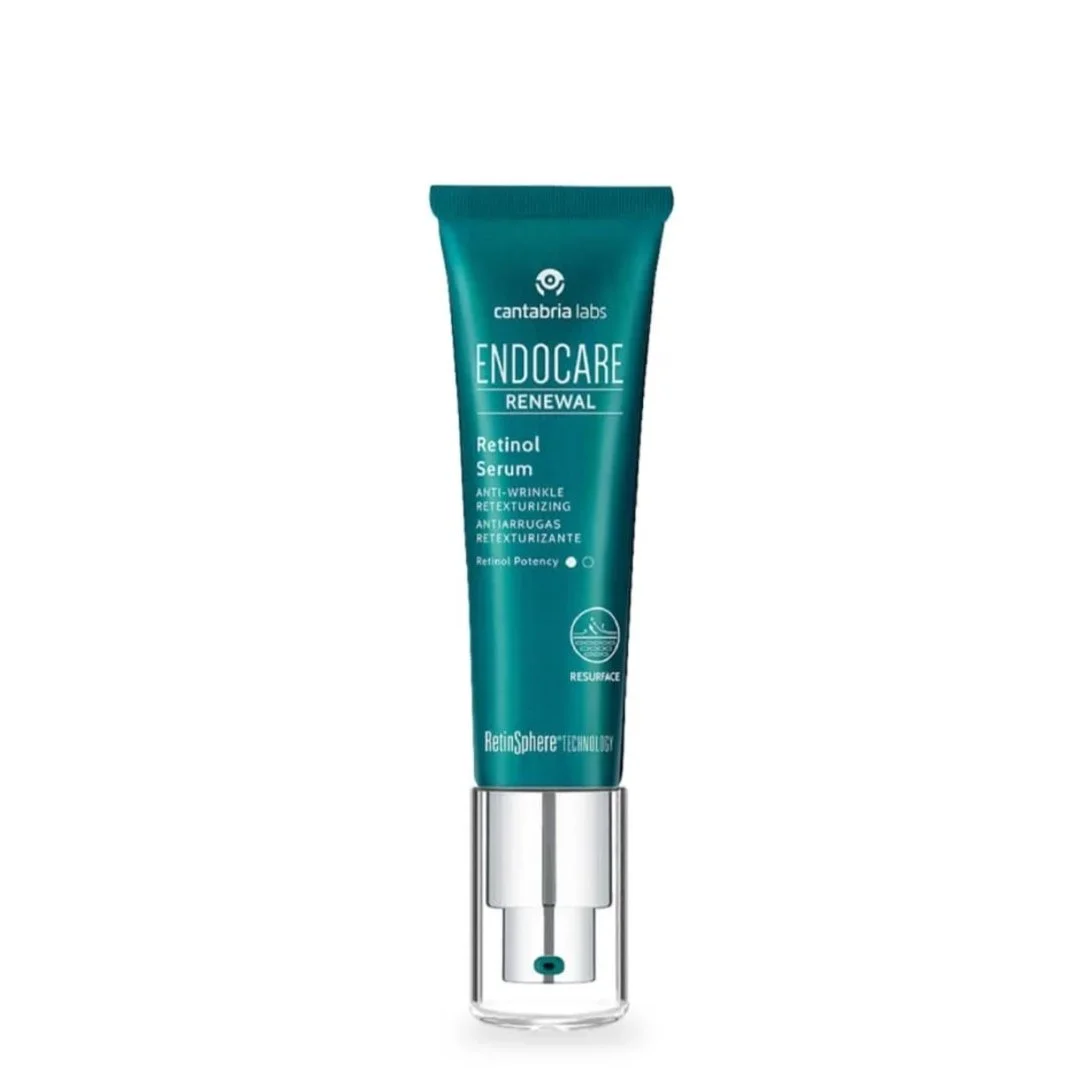
Formulas like Endocare Renewal Retinol Serum (£49.50) combine retinol with regenerative ingredients designed to support the skin during that renewal process, helping accelerate cell turnover while improving firmness and clarity over time.
When Skin Needs a Reset
By the time spring arrives, the skin has often spent several months renewing itself more slowly than usual. Lower humidity, disrupted barrier function and reduced cell turnover mean older surface cells accumulate more readily — which is why the complexion can start to look slightly dull no matter how many serums are involved.
Sometimes the most efficient solution is simply to clear the backlog.
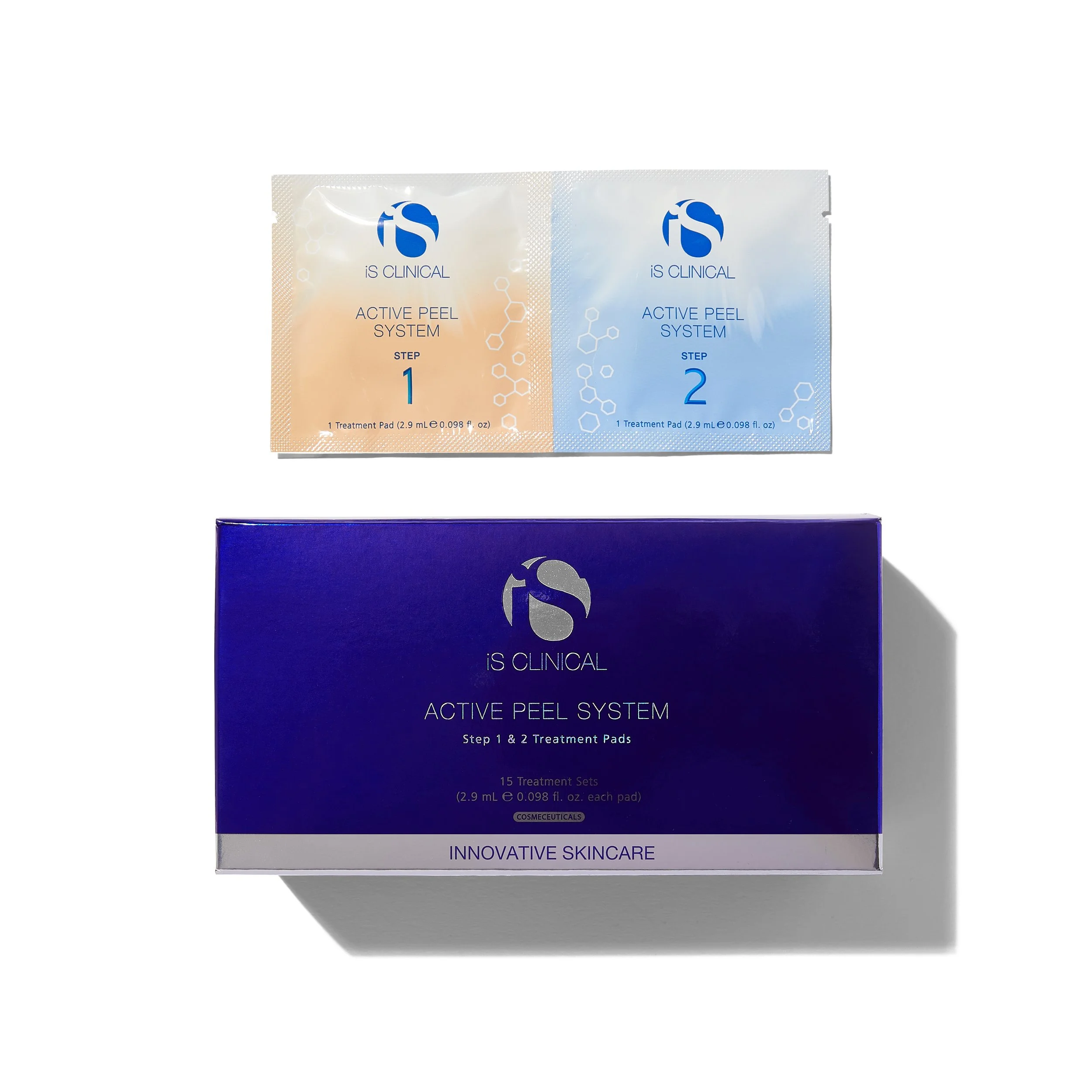
That’s the idea behind resurfacing treatments like IS Clinical Active Peel System (£92). The two-step system works by first using exfoliating acids — including glycolic and salicylic acid — to loosen the bonds between dead skin cells sitting on the surface. This allows that dull outer layer to shed more quickly, revealing the fresher cells beneath.
The second step then delivers a cocktail of soothing botanicals and hydrators designed to calm inflammation and support the skin barrier, which is what allows the treatment to resurface the skin without leaving it feeling stripped or irritated.
The overall effect is a bit like pressing reset on the renewal cycle. Instead of waiting several weeks for sluggish winter turnover to catch up, the treatment accelerates the process — which is why skin often looks clearer, smoother and noticeably brighter within a few days.
In other words, it’s less about “exfoliating more” and more about helping the skin get back on schedule.
Spring skincare rarely requires a dramatic overhaul. Most of the dullness people notice by March is simply the result of a few seasonal shifts happening beneath the surface — slower cell turnover, a slightly weakened barrier and months of environmental stress quietly accumulating along the way.
Correct those mechanisms and the glow tends to return surprisingly quickly.
Which is reassuring news for anyone who remembers believing the solution was simply scrubbing harder with a Clarisonic.