Lymphatic Drainage for the Face — More Than Depuffing
Fluid sits, shifts, and changes everything from definition to how your makeup lands.
Lymphatic drainage is being built into everything from facial devices to skincare — but very few people can explain what it’s actually doing to your skin.
“Depuffing” is the usual answer, which sounds useful but doesn’t tell you much. What’s actually moving? Why does your face hold onto fluid in the first place? And does supporting that process do anything beyond a short-lived difference in the mirror?
Because this isn’t sculpting. And it’s not detoxing (your organs already handle that).
It’s about fluid — where it sits, why it lingers, and how that changes the way your face looks and behaves. The difference between a jawline that feels defined and one that doesn’t. Skin that looks clear and even, and skin that feels slightly off without any obvious reason. Makeup that works, until it suddenly doesn’t.
Understand that properly, and lymphatic drainage stops sounding like something you’re supposed to be doing, and starts making practical sense — including which tools, techniques and skincare are actually worth your time, and which ones aren’t.
Lymphatic drainage sounds complicated. It isn’t.
“Your face isn’t static — fluid shifts more than most people realise, and it changes everything from definition to how your makeup sits”
You have a drainage system in your body designed to move excess fluid away from tissue, along with the byproducts of inflammation that tend to linger if nothing shifts them on. Unlike your bloodstream, it doesn’t have a pump. It relies on movement — or on you doing something about it.
Which is why your face is where you notice it.
Fluid doesn’t just pass through. It settles. Under your eyes, along your jaw, through your cheeks — enough to change how everything looks. Structure softens slightly. Skin behaves differently. Makeup that usually works needs rethinking.
That’s what most of this is.
Not sculpting. Not detoxing (your organs already handle that). Just fluid, sitting where you’d rather it didn’t.
Once you see it that way, the results people talk about start to sound a lot less mysterious.
“Depuffing” is essentially shorthand for less fluid sitting in the face. Which is why things look sharper — not because anything’s been lifted, but because what was softening it has moved on.
There’s also an effect on the skin itself. Fluid doesn’t just sit there — it interferes. Circulation slows, oxygen delivery drops off, and the movement of waste and inflammatory signals becomes less efficient, which is when clarity starts to slip. Move it on, and things reset — which is why the effect is less about “glow” and more about the skin looking like itself again.
And then there’s the part most people notice without fully connecting the dots — makeup.
When there’s fluid retention, makeup behaves differently for a reason.
Extra fluid sits between skin cells, which changes the surface you’re working on — less even, slightly more mobile, holding product differently. That’s when base starts to separate, concealer creases in places it didn’t last week, and texture becomes harder to smooth out.
It’s not usually the formula. It’s the structure underneath it shifting.
It’s subtle, but it’s enough to make everything feel slightly wrong.
Which is why the whole “drainage” category exists — even if it’s rarely explained properly.
At its simplest, it’s your hands. Light, directional movement that encourages fluid to move on rather than sit.
The Tools That Make Sense
Not everything labelled “lymphatic” is doing the same job. Some tools physically move fluid. Some reduce swelling. Others improve circulation so things don’t sit in the first place. Lumping them together is where most of the confusion starts.
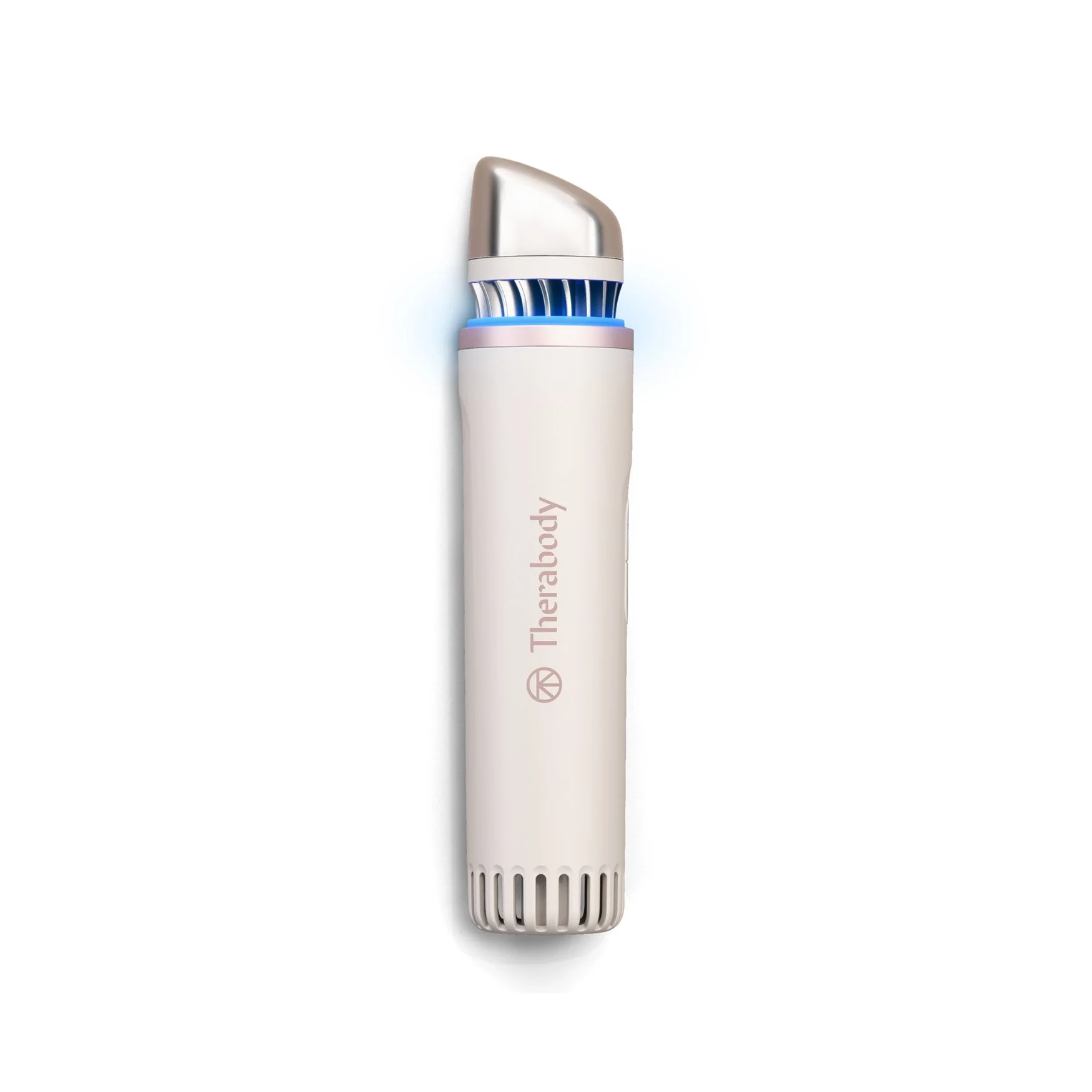
TheraFace Depuffing Wand (£129)
What it does: Uses targeted vibration to encourage fluid to move through the tissue rather than settle.
Why it helps: It’s the closest thing to manual lymphatic massage without needing to know what you’re doing. The movement is consistent, the pressure is controlled, and it’s very good at shifting that slightly heavy, morning-after feeling in the face.
Best for: Under-eyes, jawline puffiness, or anyone who wants something effective without having to think too much about technique.
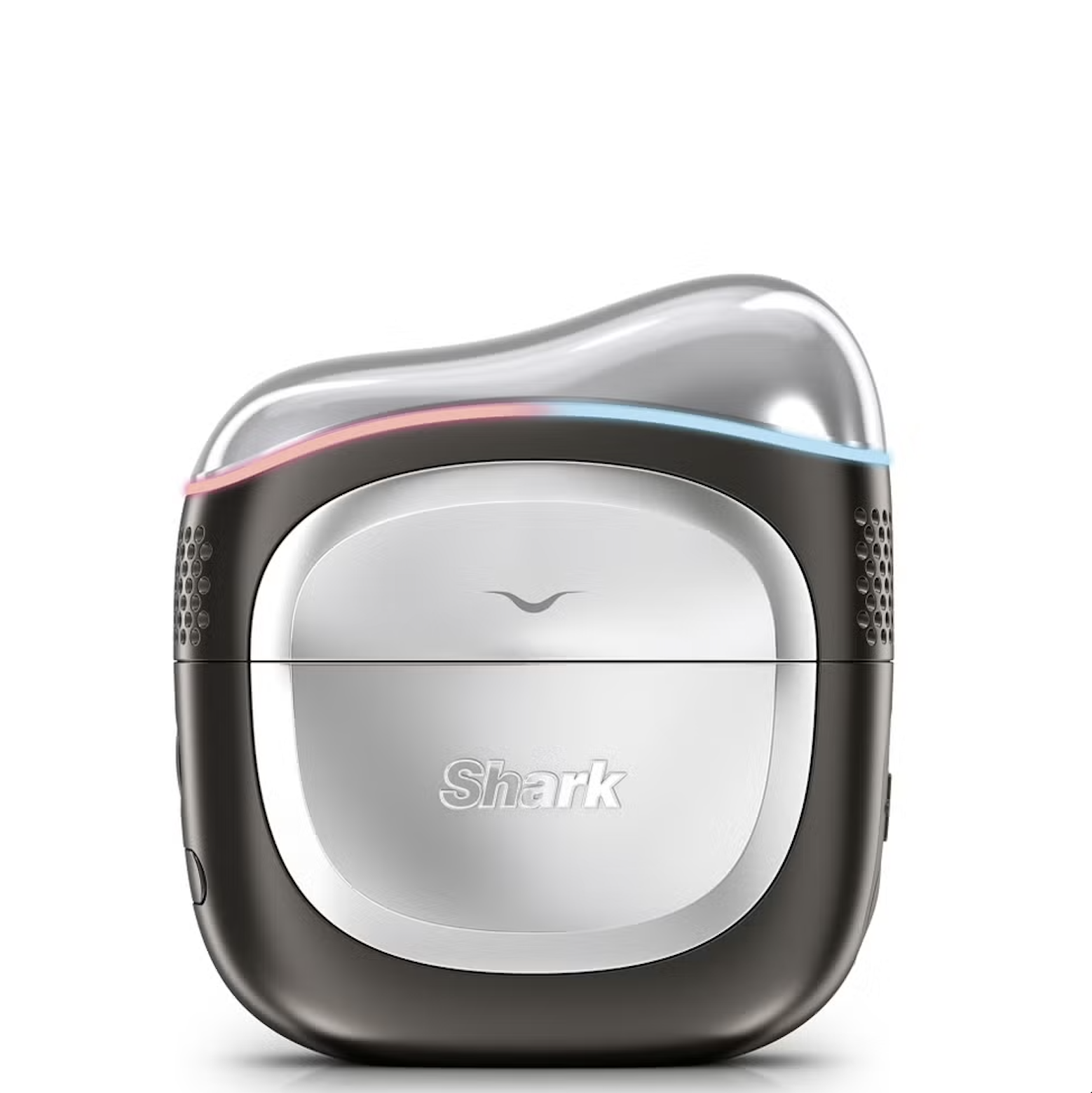
What it does: Alternates between cold and warmth to constrict then stimulate circulation.
Why it helps: Cold deals with swelling quickly — think of it as damage control — while warmth gets things moving again underneath. It’s less about long-term change, more about resetting your face when it’s clearly not on your side.
Best for: Travel, heat, poor sleep, or any day your face looks noticeably more swollen than it did 48 hours ago.
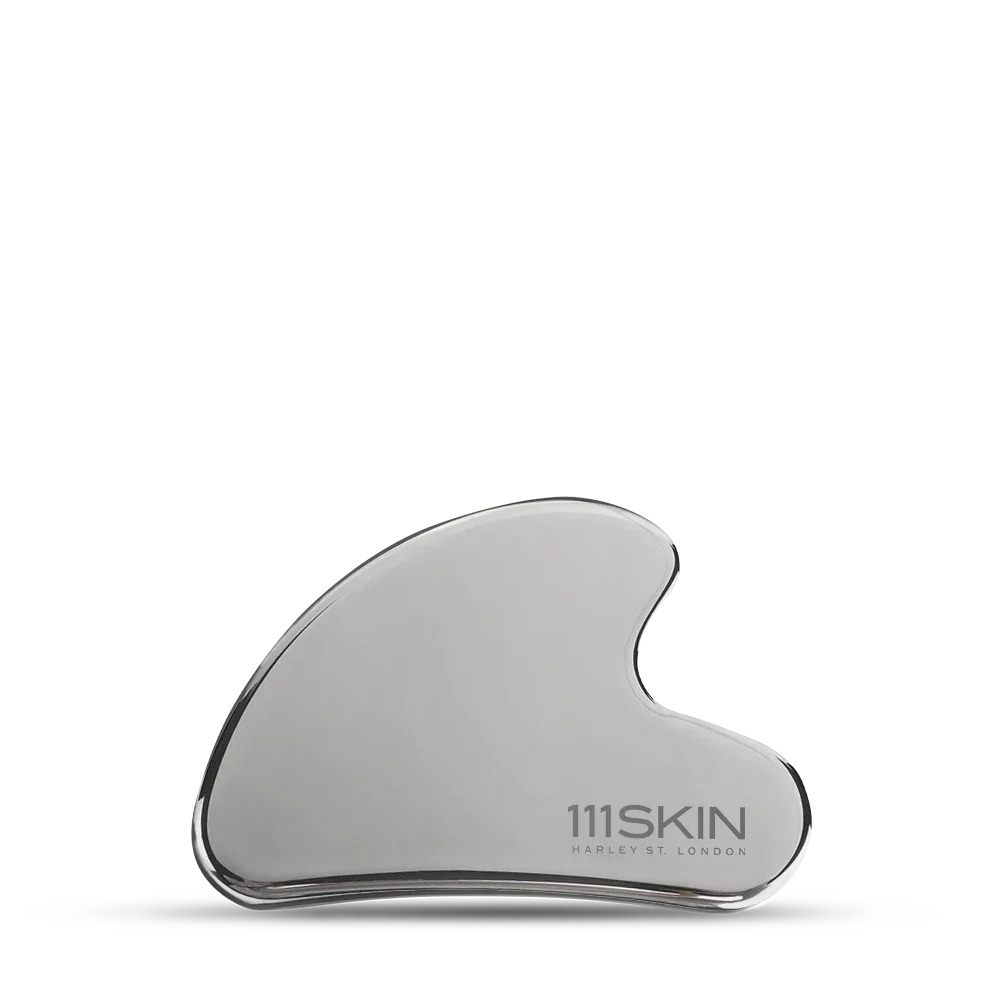
What it does: A manual tool designed to guide fluid along lymphatic pathways with directional movement.
Why it helps: This is where technique matters. Used properly (light pressure, correct direction), it’s one of the most effective ways to actually move fluid rather than just stimulate the surface. Done badly, it’s just a nice piece of stone.
Best for: Anyone willing to learn it properly and stick with it — slower, but more precise.
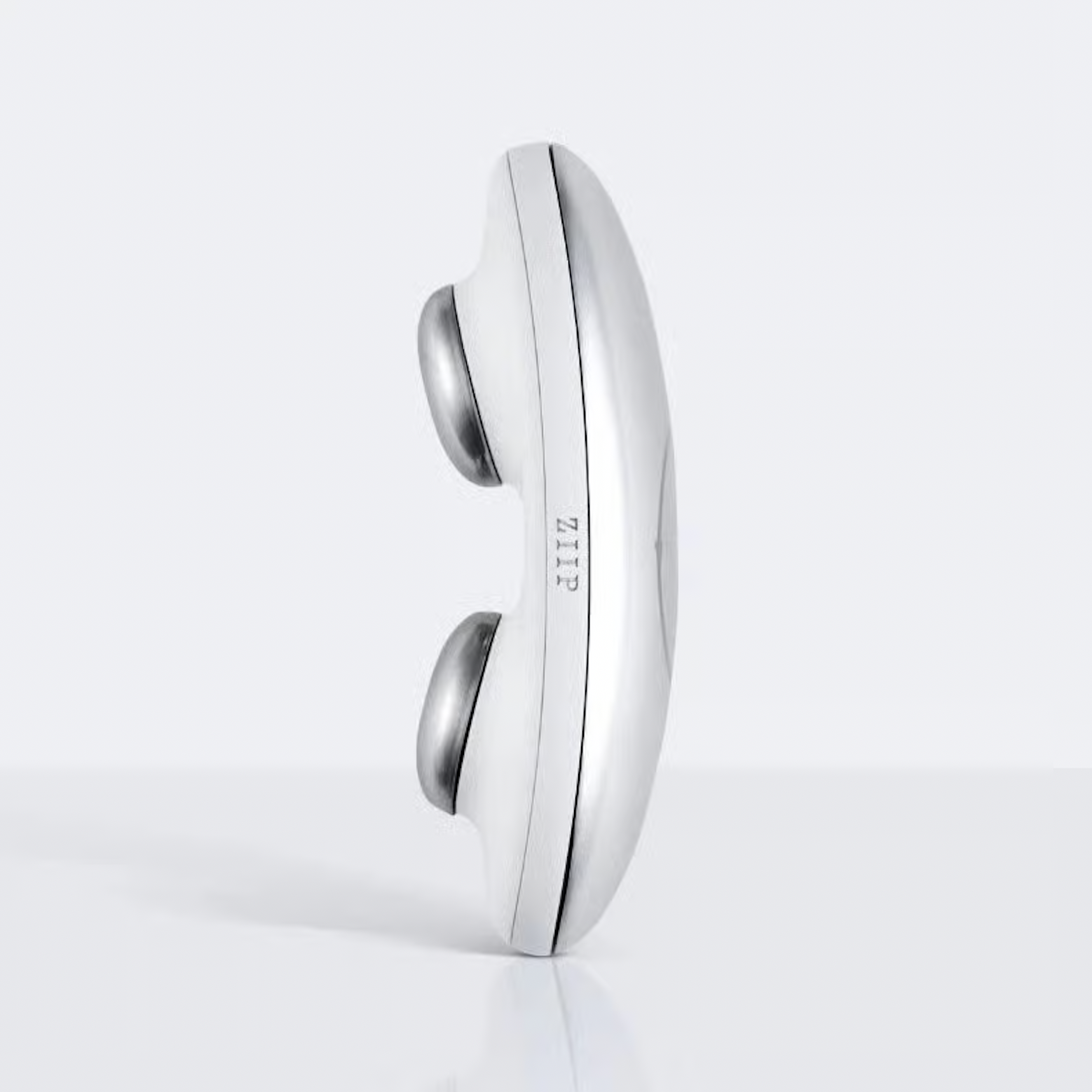
What it does: Uses microcurrent to stimulate facial muscles and boost circulation.
Why it helps: It doesn’t “drain” in a literal sense, but it improves movement across the face — which is why everything looks less stagnant and slightly more defined afterwards. Think less fluid build-up, more overall lift in how the face sits.
Best for: Dullness, loss of definition, or when your face looks flat rather than puffy.
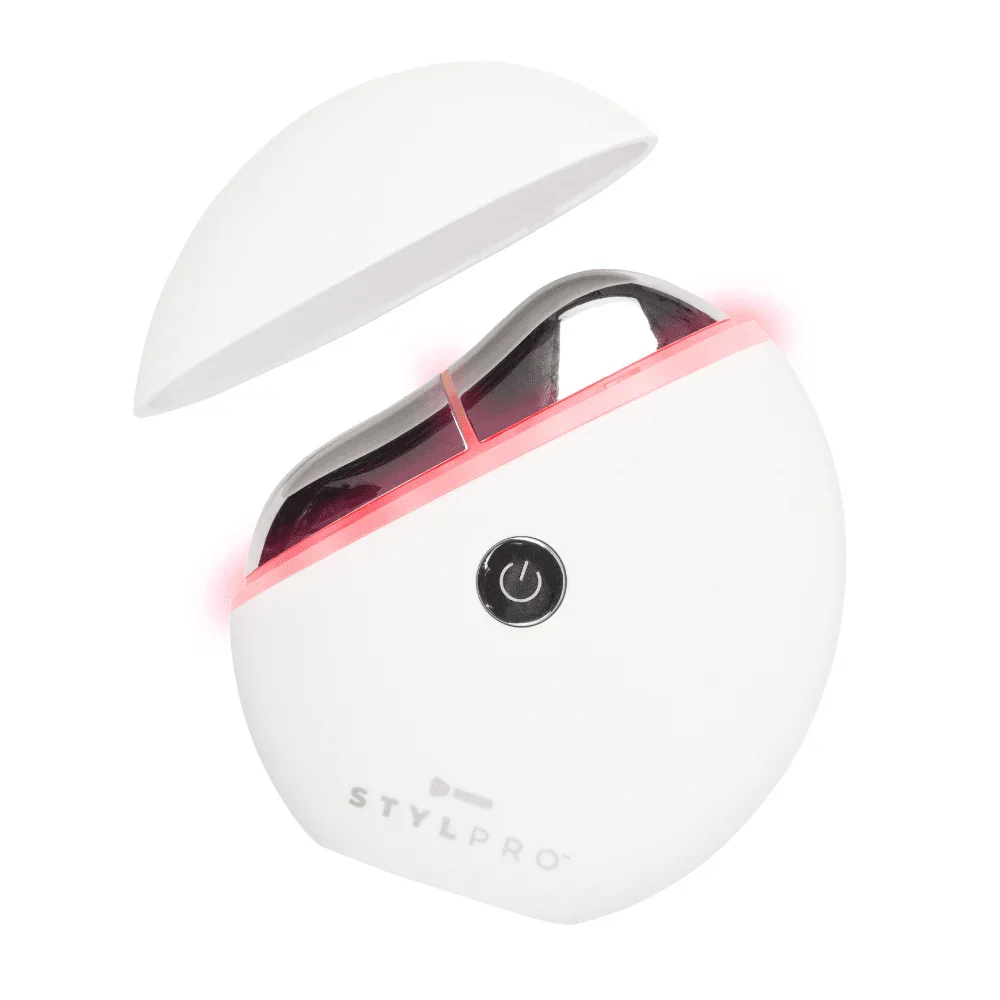
STYLPRO Heated LED Electric Gua Sha (£29.99)
What it does: Combines heat, LED and massage to increase circulation and support skin function.
Why it helps: Unlike a traditional gua sha, which is designed to guide fluid along lymphatic pathways, this is working more broadly. Heat encourages blood flow, LED supports the skin itself, and the massage element helps keep things moving — so while it can support lymphatic movement if used directionally, it’s less about precise drainage and more about improving how the skin behaves overall.
Best for: Skin that looks tired, uneven or just not landing — rather than anything that needs precise, targeted drainage.
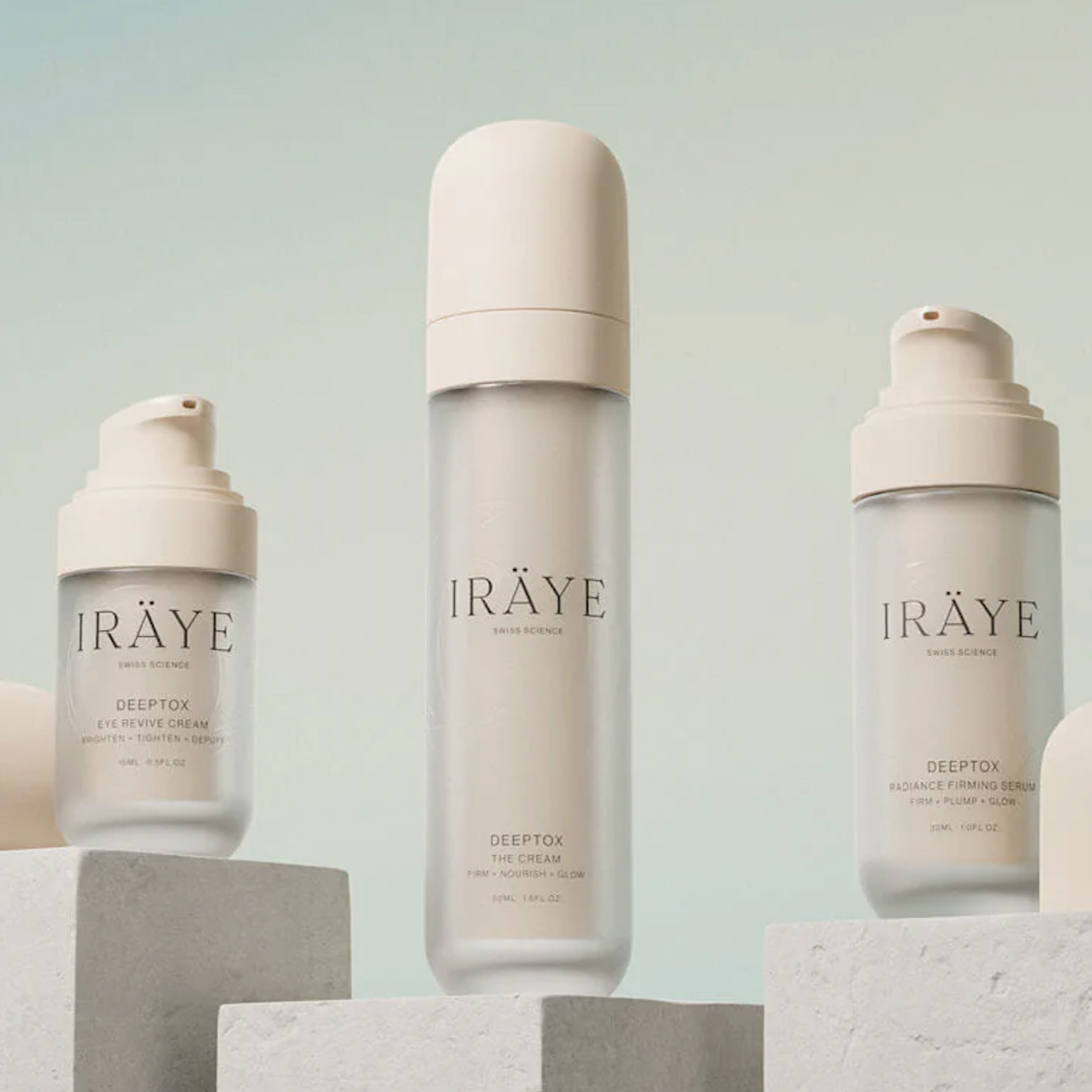
Iräye Lymphatic Skincare (from £30)
What it does: Targets inflammation and microcirculation within the skin.
Why it helps: Instead of trying to move fluid after the fact, it looks at why it’s sitting there in the first place — dialling down inflammation and helping the skin hold onto less over time. It’s quieter, but more strategic.
Best for: Ongoing puffiness, reactive skin, or that constant “it doesn’t look bad, but it doesn’t look right either” phase.
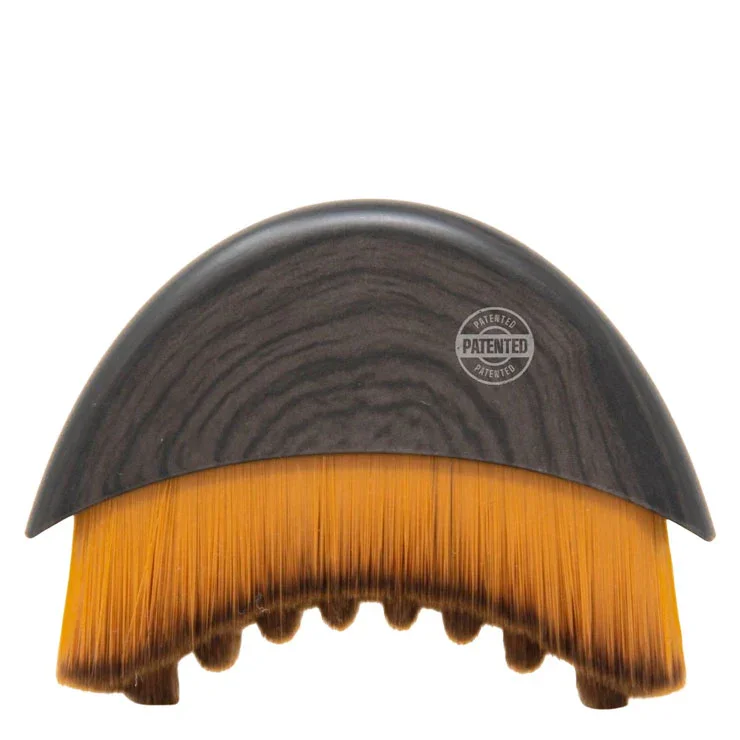
Cecily Braden The Lymphatic Brush Duo (£133)
What it does: Uses ultra-soft, directional bristles to encourage fluid movement across the surface of the skin, following lymphatic pathways.
Why it helps: It’s a simplified take on manual lymphatic drainage. Less precise than gua sha, but far easier to use consistently — the sweeping motion helps move surface-level fluid and reduce that slightly heavy, congested look. It won’t give you the same targeted result as proper technique, but it’s effective in a more general, low-effort way.
Best for: Anyone who wants something easy to stick with — particularly if you’re not going to commit to learning gua sha properly but still want a visible difference.
Your face isn’t static. It’s constantly dealing with small shifts — fluid, inflammation, everything that comes with being a body — and those shifts show up in ways that are easy to misread. Understand that, and most of the noise around “depuffing” becomes a lot easier to ignore.