Electrolytes: The Hydration Fix Everyone’s Talking About — But Do You Actually Need Them?
Suddenly, water isn’t enough. But is any of this actually necessary?

2026 might quietly go down as the year water stopped working. Not officially, of course. But scroll for a minute and the message is hard to miss. If you’re thirsty, you don’t need water — you need electrolytes. If your skin feels dry, it’s not skincare — it’s electrolytes. Tired in the afternoon? Electrolytes again.
Somewhere along the way, they’ve quietly become the answer to everything.
Plain water, apparently, doesn’t quite cut it anymore. It’s not hydrating you properly. It’s not being absorbed. It’s just passing straight through — or so the language goes. What you actually need, we’re told, is something more effective. More considered. A better version of hydration.
And like most ideas that arrive dressed in just enough science, it’s taken hold quickly, with the kind of confidence that makes it feel less like a trend and more like something we’ve all been getting slightly wrong. Which is usually the moment it’s worth pausing.
It sounds logical. It isn’t quite how hydration works.
So what are electrolytes, really?
Electrolytes are, at their simplest, minerals. Sodium, potassium, magnesium — the ones doing most of the work — all help manage how fluid moves through the body. They’re involved in nerve signals, muscle function, and the quiet background systems that keep everything ticking over.
Important, yes. Mysterious, not really.
Crucially, they’re not something your body suddenly “runs out of” on a random Tuesday afternoon. You don’t make electrolytes — you get them from food. And in the case of sodium, very easily. It’s in salt, obviously, but also in most of the things people eat without thinking twice. Bread, sauces, anything vaguely processed — it adds up quickly.
Potassium and magnesium come from fruit, vegetables, nuts and grains. Again, not exactly rare.
In other words, unless you’re eating in a very specific way, your body isn’t quietly waiting for you to tip a sachet into your water bottle to function properly. It’s already handling it.
Your body is constantly managing these levels for you. Your kidneys adjust what you keep and what you get rid of. Hormones step in when things move slightly out of range. It’s a system that corrects itself all day, every day, without needing much input. It’s not fragile — it’s actually very good at this.
That’s why true electrolyte depletion tends to show up in very specific situations: long, sweaty workouts, very hot weather, illness, or anything where you’re actively losing fluid — and with it, those minerals. That’s when you might feel it. Not just a bit tired, but properly off — lightheaded, crampy, a bit depleted in a way that doesn’t shift with a glass of water.
That’s the context electrolytes were designed for. Outside of that, the story is a lot less dramatic.
More isn’t automatically better — and in some cases, it’s just… more. Sodium is the obvious one. Most people are already getting plenty, often more than they need. Adding electrolytes on top, daily, doesn’t unlock some hidden level of hydration — it just increases your intake.
Potassium and magnesium are slightly different — people can run a bit lower — but even then, it’s not a case of “the more the better.” Too much, especially from supplements, can leave you feeling off in a different way: digestive issues, imbalances, things that aren’t quite what you were aiming for.
The body works on balance, not volume — and balance is rarely improved by adding more of something you weren’t lacking in the first place.
How electrolytes became the answer to everything
Which brings it back to the part that’s been repeated most often — that electrolytes explain why you feel the way you feel: thirst, dry skin, that low, dragging tiredness that creeps in mid-afternoon.
All now being quietly redirected back to the same answer.
It’s neat. It just isn’t quite right.
Because thirst, in most cases, is exactly what it feels like — your body asking for fluid. There are moments when electrolytes matter, after heavy sweating for example, but for day-to-day thirst, they’re not the missing piece people think they are.

The skin claim is where it becomes more persuasive — and more misleading. The idea that dryness is a hydration problem feels logical: drink more, fix it from within, add electrolytes to make it more effective.
But skin doesn’t work like that.
Hydrated skin isn’t just about how much water you drink. It’s about how well your skin can hold onto it. Barrier function, lipids, ceramides — the structures that stop water escaping once it’s there. You can be perfectly hydrated internally and still have dry skin, because the issue isn’t supply, it’s retention. Electrolytes don’t fix that.
And then there’s tiredness. This is the one that resonates, because it’s the one most people recognise — that slightly low-energy feeling that turns up in the afternoon and makes everything feel harder than it should.
It’s tempting to want a clean explanation for it. But more often than not, it comes down to things that are far less marketable: sleep, blood sugar, stress, the natural rhythm of the day. Not a sudden electrolyte imbalance that needs correcting at 3pm.
That’s not to say electrolytes never play a role. In the right context, they absolutely can. But they’re not the underlying reason most people feel tired, thirsty, or a bit off. They’ve just become a very convenient one.
So if electrolytes aren’t the answer to everything, why does it suddenly feel like they are?
Partly because they sound like they should be. They sit in that sweet spot — just enough science to feel credible, just enough simplicity to feel actionable. Add this to your water, feel better. No overhaul required, just a small daily upgrade.
It’s an easy idea to buy into.
There’s also the language around it: “absorption”, “cellular hydration”, the suggestion that water on its own is somehow incomplete — that your body needs help to use it properly. Once something basic is reframed as something technical, it’s very easy to believe you’ve been doing it wrong.
And then there’s the fact that people do feel a bit off. Tired more often than they’d like, a little low on energy, skin that doesn’t behave the way it used to. When something offers a clean explanation — one that feels rooted in biology, not lifestyle — it’s understandably appealing.
Electrolytes step neatly into that gap. They offer a reason that doesn’t involve sleep, stress, or the general accumulation of modern life. Something more contained. More fixable. Add, rather than change.
And then, repetition. Once something appears often enough — across different voices, different formats, all pointing in the same direction — it starts to feel less like a trend and more like something you’ve somehow missed.
There are, of course, moments when electrolytes earn their place — and you can usually feel the difference when you’re in one.
That post-workout feeling on a hot day, when you’ve pushed a bit harder than usual and water alone doesn’t quite cut it. Not dramatic, just a bit depleted — like something hasn’t fully caught up yet.
Or travel, which quietly throws everything off. Long flights, warm air, too much coffee, not quite enough water. You arrive feeling slightly heavy, slightly foggy — not ill, just not entirely yourself.
Even the start of a headache — the kind that sits behind your eyes and makes everything feel a bit harder than it should — can sometimes ease more quickly when hydration is a little more supported.
In those moments, electrolytes make sense. Not because they’re doing anything extraordinary, but because they’re being used with a bit of context.
So if you are going to use them, it’s less about taking them daily and more about recognising when they actually help — and choosing accordingly.
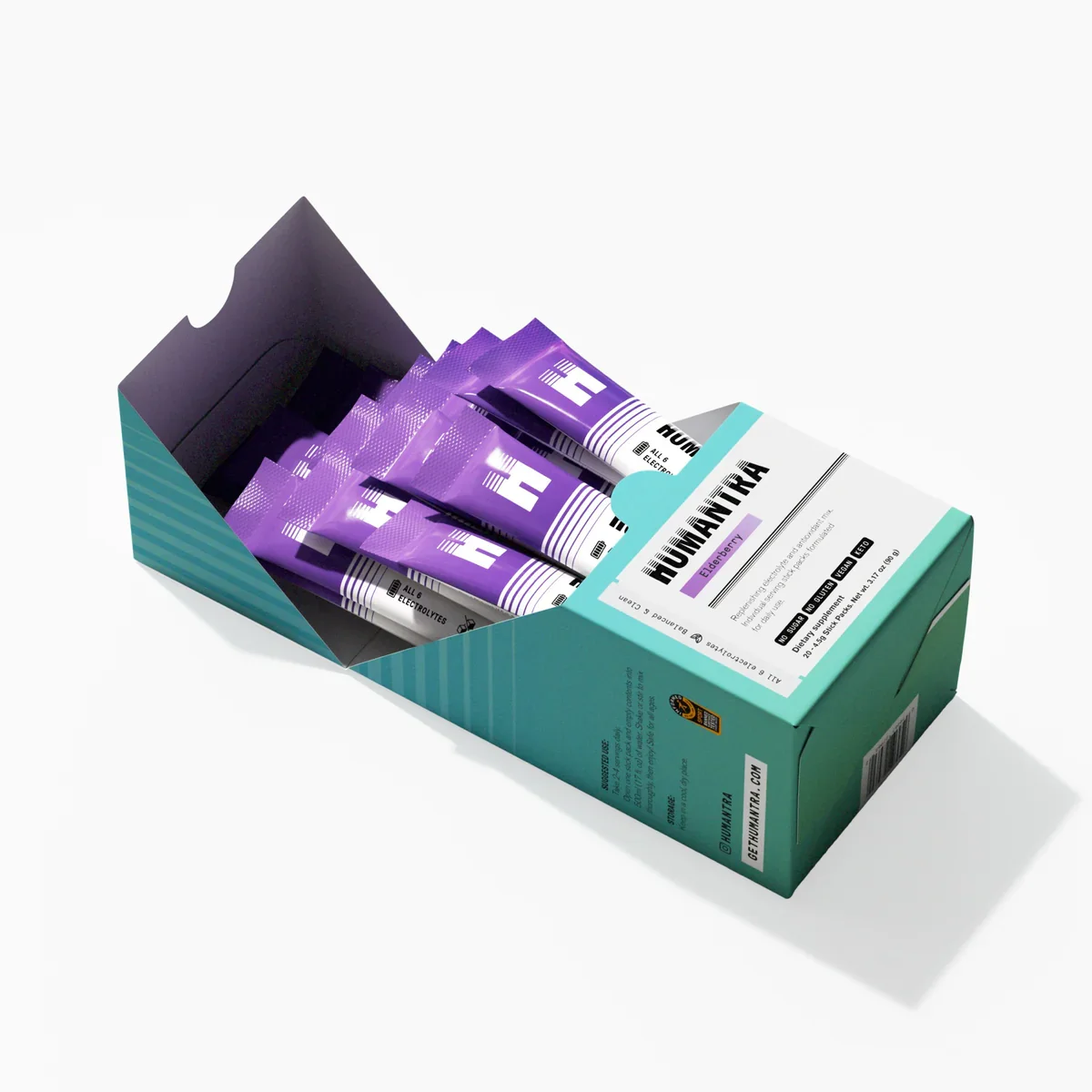
Humantra Electrolytes (£28)
Humantra is the one that makes the most sense after heat or exercise — when you’ve genuinely lost fluid and want something that works quickly without overthinking it. It’s clean, not overly sweet, and just does the job.
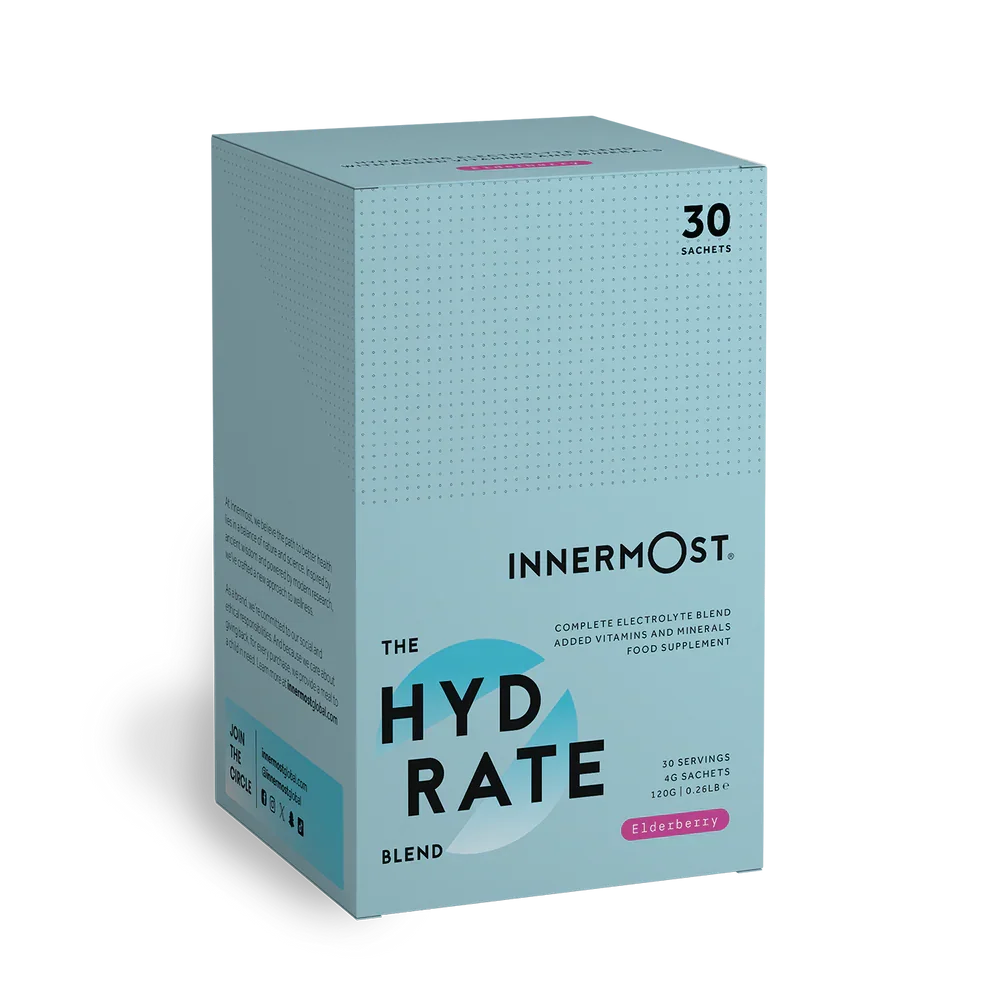
Innermost The Hydrate Blend (£29.95)
Innermost is softer in how it works, which is why it’s the one you’d use in those in-between moments — travel days, the start of a headache, or when you feel a bit low but can’t quite work out why.
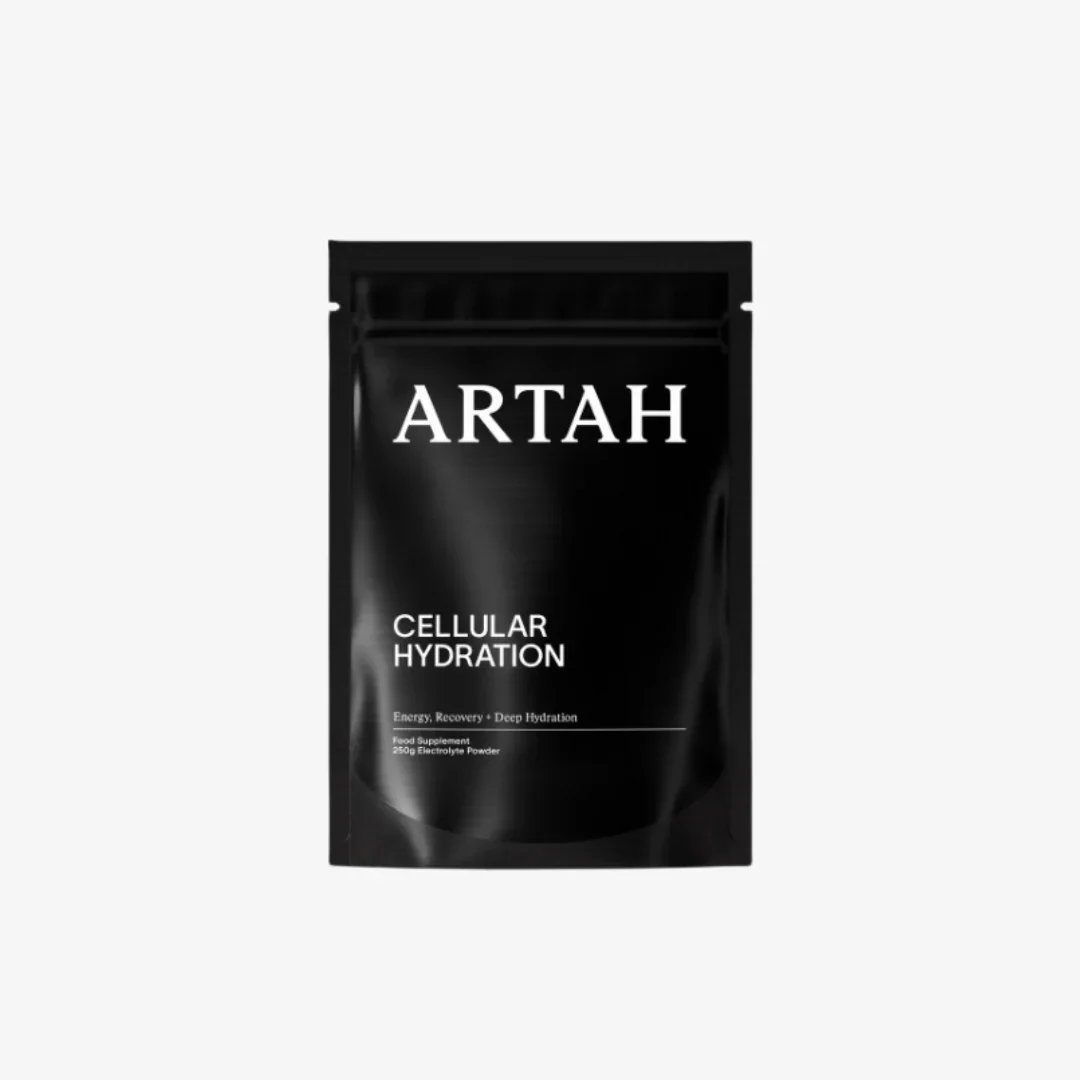
Artah Cellular Hydration (£24)
Artah is the one you reach for when it’s less about dehydration and more about feeling properly run down — low energy, slightly wired and tired, not quite back to baseline. It works more as a broader reset than a quick fix.