It’s Not Just Collagen — Elastin Is What’s Changing Your Skin
You’ve been told to focus on collagen. But if your skin feels softer and less defined, elastin is what explains it.

No one really talks about elastin — and there’s a reason for that. It’s much easier to sell you collagen.
Collagen can be bottled, branded, boosted, marketed from every angle. Elastin is different. It doesn’t respond in the same neat, commercial way — which means it rarely gets the same attention, even though it explains a lot of the changes people start noticing.
Because you can have smooth skin and still feel like your face isn’t sitting quite right anymore.
Not wrinkled, not dramatically sagging — just a little less lifted, in a way that makes your face look slightly more tired, slightly more serious, even when you’re not.
That’s not just collagen.
That’s elastin — the part of your skin responsible for how it holds itself in place. The quiet tension that allows it to stretch, move, and return without everything subtly dropping or settling.
Elastin is made up of elastic fibres that sit within the dermis, woven through the collagen network. They’re designed to stretch and recoil repeatedly — that’s what gives skin its ability to move and return without losing shape.
Most of your elastin is formed early in life, and unlike collagen, your body doesn’t continuously replace it at the same rate. Instead, you’re relying on the integrity of what’s already there.
Over time, those fibres begin to fragment. UV exposure triggers enzymes that break elastin down, while ongoing, low-level inflammation weakens their structure, making them less able to snap back in the way they once did.
The result isn’t just less elastin — it’s elastin that’s lost its structure, which is why skin stops holding itself in quite the same way.
And unlike collagen, it doesn’t respond particularly well to being bottled, branded, and sold back to you.
What Elastin Loss Actually Looks Like
Elastin loss doesn’t follow the usual script of ageing. It doesn’t immediately give you wrinkles or obvious sagging. It changes how everything sits.
Your face can still look relatively smooth, but less defined. Cheekbones don’t catch the light in quite the same way. There’s a softness where there used to be a bit more hold — not dramatic, just enough to affect the overall balance.
Makeup is often where it becomes most obvious. Foundation doesn’t settle in the same way. It moves slightly. Blusher and bronzer need more precision to land in the right place. The same routine, applied in the same way, gives a different result.
It’s subtle enough that you don’t immediately connect it to skin biology. You assume it’s your products, your technique, your lighting.
“Not wrinkled, not sagging — just a little less lifted, in a way you can’t quite explain.”
But it isn’t.
It’s the underlying behaviour of your skin changing — the loss of that quiet tension that used to keep everything in place without effort.
Alongside the more established drivers — UV exposure and inflammation — pace is what makes these changes feel sudden.
Any time the body changes quickly — whether that’s through weight loss, pregnancy, postpartum shifts, or a combination of all three — the skin is forced to stretch and contract in a relatively short space of time. During pregnancy, elastin fibres are held under prolonged tension. Afterwards, as the body shifts again, those fibres don’t always return to their original state.
The same pattern shows up with rapid weight loss. GLP-1 receptor agonists can be incredibly effective, but when weight drops quickly, the skin doesn’t always have time to adapt — especially in areas where elastin is already under strain.
It’s not that these processes are damaging in an obvious, dramatic way. It’s that they highlight the limits of elastin — a system that doesn’t bounce back easily once it’s been pushed beyond a certain point.
Which is why the usual advice — focus on collagen, hydration, lifting — can feel slightly off. Because what you’re noticing isn’t just about volume. It’s about how well your skin can hold its shape in the first place.
What Actually Helps — And What Doesn’t
Because elastin isn’t something you can easily rebuild, the focus shifts slightly.
It becomes less about trying to replace it, and more about maintaining what you have — and improving how your skin behaves day to day.
If you’re looking for more noticeable structural change, this is where in-clinic treatments come into the conversation. Ultrasound and radiofrequency devices work deeper within the skin, where elastin sits, creating controlled heat that can stimulate collagen and, to a lesser extent, elastin activity over time.
Treatments like Ultherapy and Thermage sit in this category — gradual, subtle, and focused on restoring support rather than dramatically changing your face.
Biostimulatory treatments, like Sculptra, take a slightly different approach — encouraging your skin to rebuild its own structure over time, often with a broader effect on overall skin quality.
None of these replace elastin in a literal sense. But they can improve how the skin holds itself, which is often what people are responding to.
How to Support Skin When Elastin Starts to Decline
At home, the role of skincare is more subtle — but still important.
You’re not rebuilding elastin. You’re supporting the systems around it so skin looks and behaves better.
That means focusing on hydration, barrier strength, protection, and long-term structural support — the things that influence how your skin holds itself day to day.
Because when elastin isn’t functioning in the same way, what you’re really managing is how well your skin can compensate — how stable it feels, how evenly it reflects light, and how reliably it responds to everything you put on it.
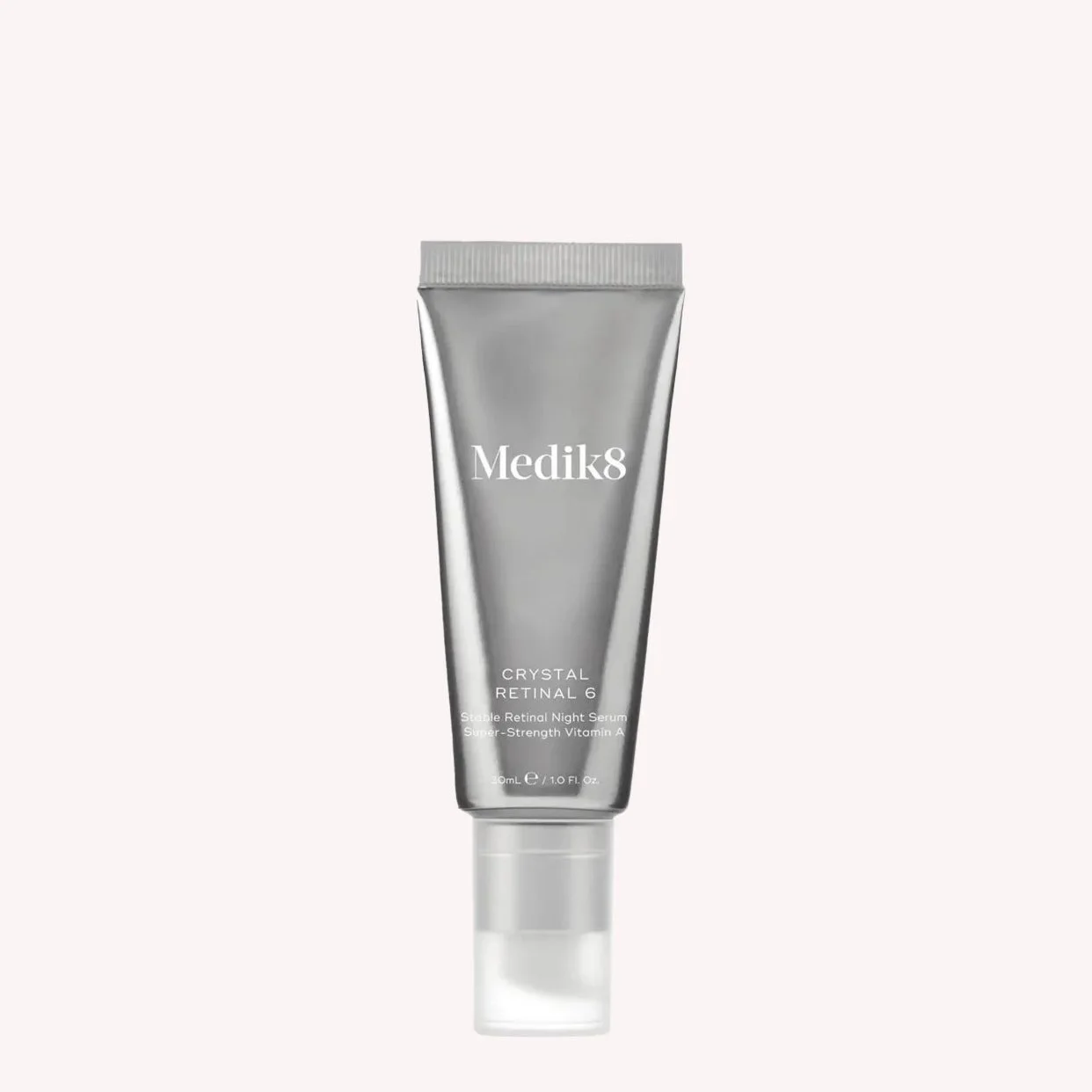
A retinoid that gives results without the fallout
Medik8 Crystal Retinal (£45)
Retinoids help improve the overall organisation of the skin over time — supporting collagen and creating a more structured surface so skin feels firmer and more “held”, even when elastin isn’t performing as it once did. This one works because you can actually keep using it.
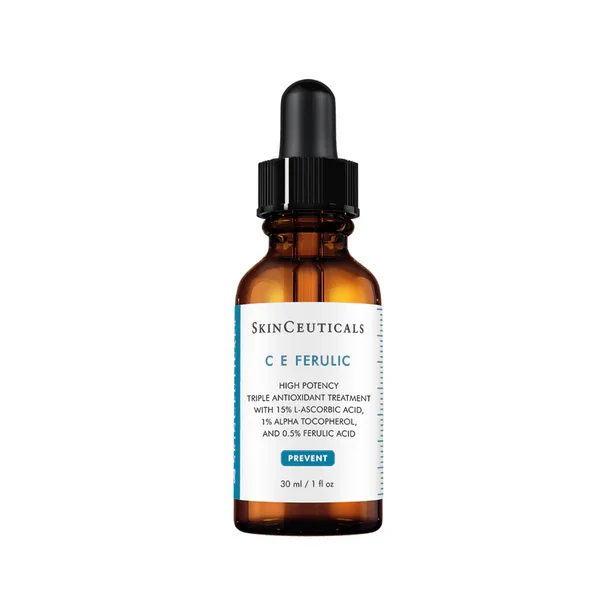
A vitamin C that protects skin structure, not just brightness
SkinCeuticals C E Ferulic (£169)
This is less about glow, more about protection. A properly formulated antioxidant helps interrupt the chain reaction of oxidative damage that continues after UV exposure — the part that gradually breaks down structural proteins like elastin. There’s a reason this one keeps coming up: it does that job exceptionally well.
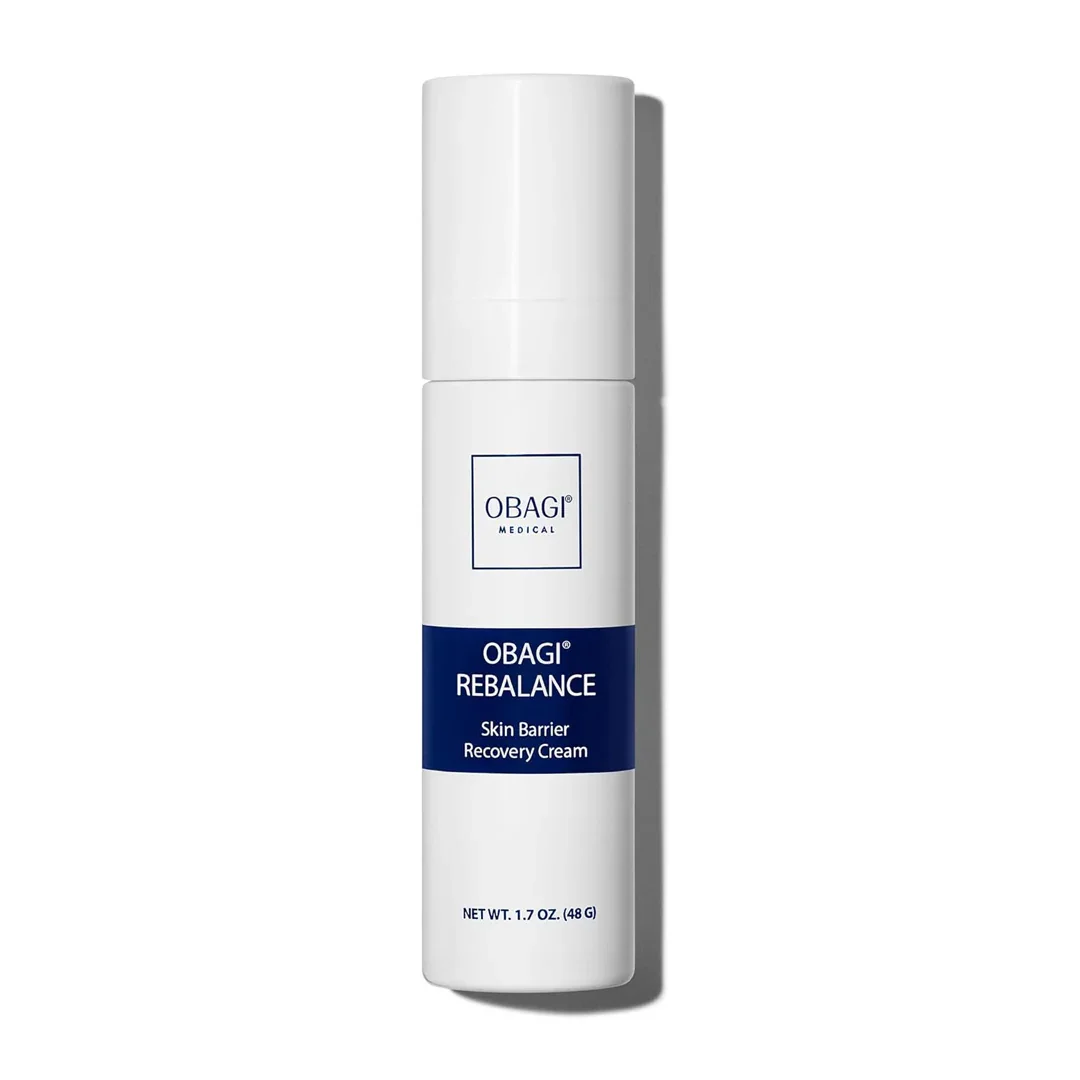
A barrier cream that restores that “held” look
Obagi Rebalance Skin Barrier Recovery Cream (£100)
By reinforcing the lipid layer and reducing low-level inflammation, it improves how skin sits and reflects light — both of which feed directly into the appearance of elasticity.
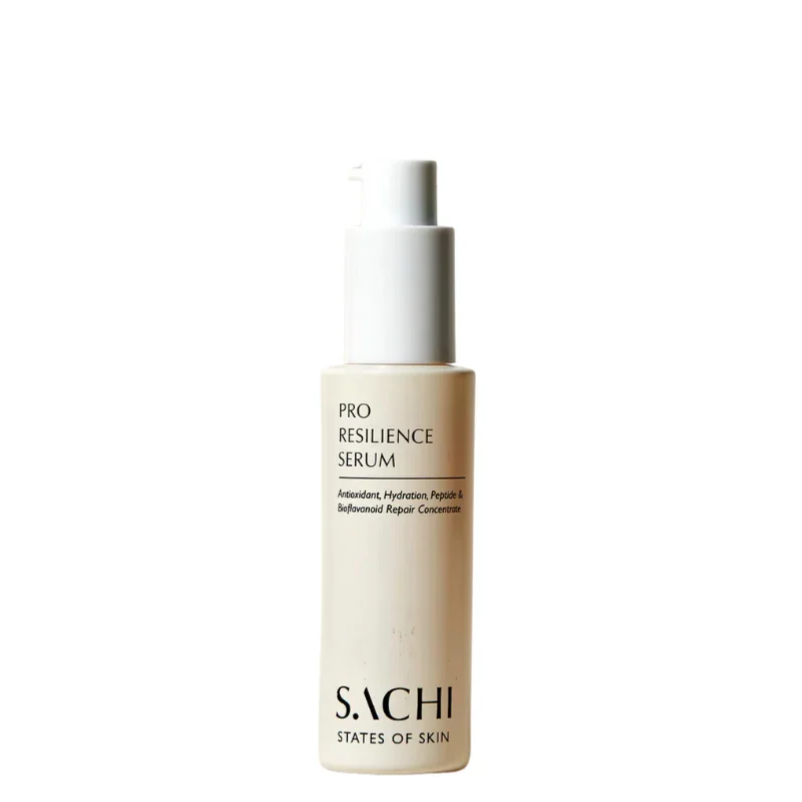
A serum that keeps skin stable under pressure
Sachi Skin Pro Resilience Serum (£70)
Helps bring skin back to a more consistent baseline, reducing that slightly reactive, unpredictable quality that often makes skin look less composed.
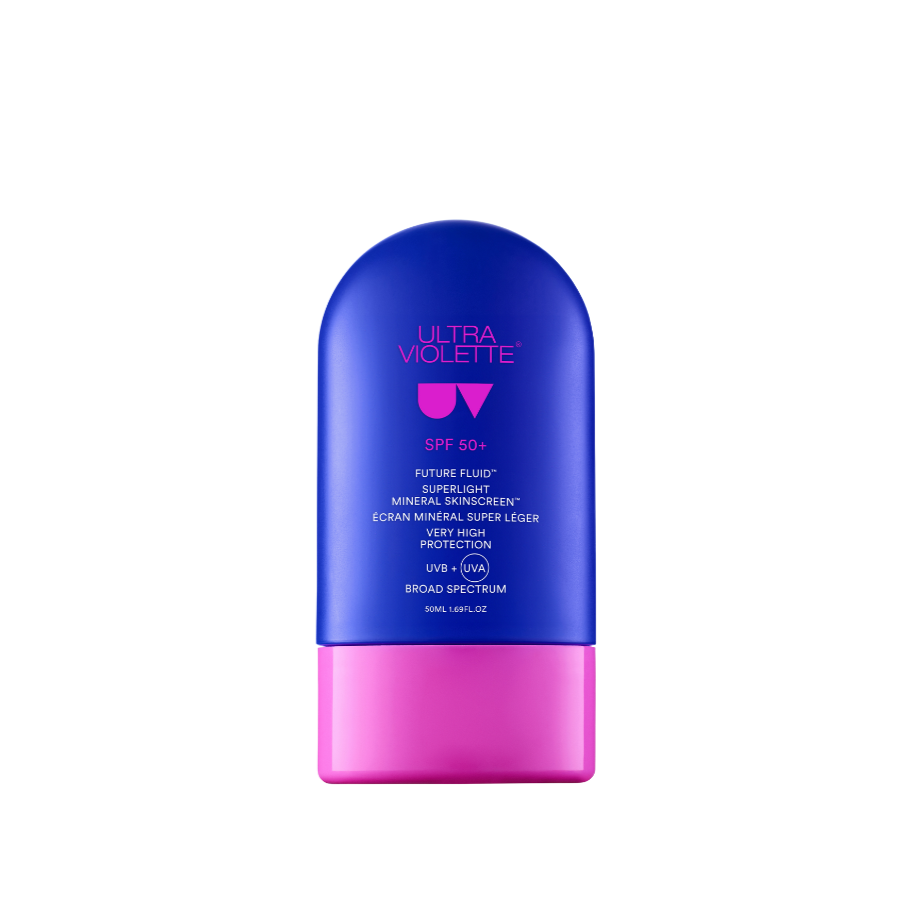
An SPF that you’ll actually wear daily
Ultra Violette Future Fluid SPF 50+ (£38)
One of the few steps that genuinely helps preserve elastin over time. The texture means it actually gets used — and that consistency is what matters..
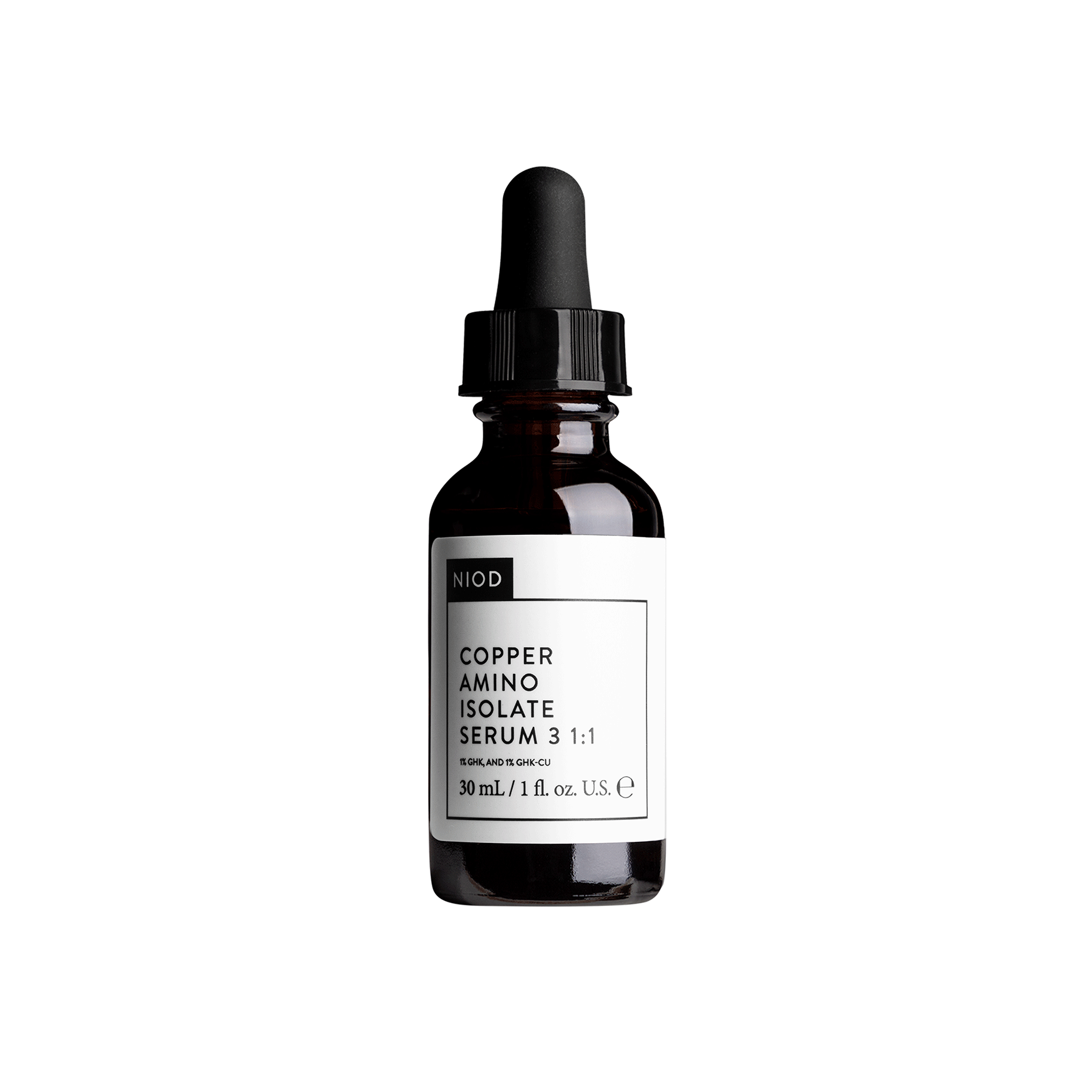
A copper peptide serum that supports repair over time
NIOD Copper Amino Isolate Serum (£70)
Supports the skin’s repair signalling processes, improving overall quality and responsiveness in a way that contributes to how firm and resilient skin appears.
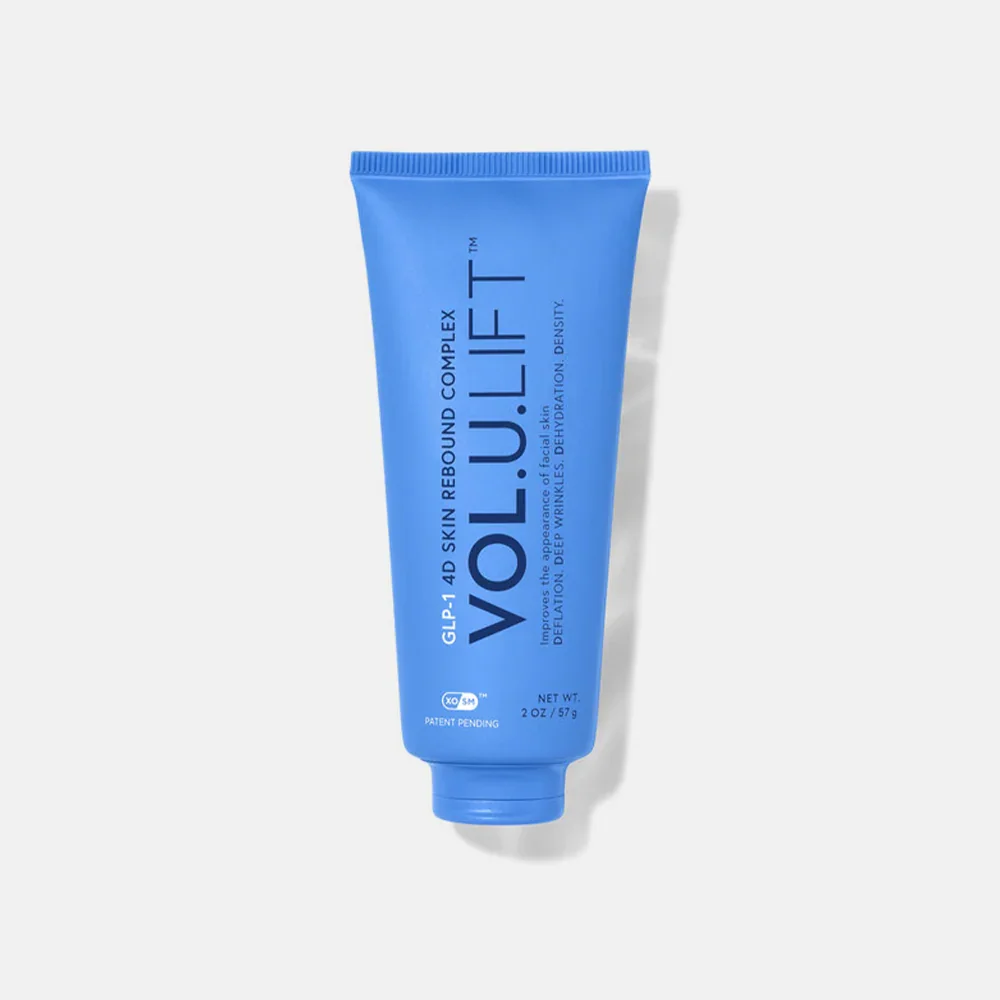
A formula that builds definition over time
Image Skincare VOL.U.LIFT (£105)
Gives a subtle tightening effect on application, but it’s the cumulative use that matters. Over time, it helps improve firmness and elasticity so skin looks more supported and less prone to that slightly “fallen” quality that comes with elastin decline.