Why Your Skin Looks Tired — Even When Your Routine Is Good

The routine is right. The products are good. And yet — something isn’t quite landing. Often, the issue isn’t what you’re using, but how your skin is coping underneath it all.
You can usually tell something’s off because your makeup stops cooperating. Not dramatically — nothing you could blame on a single product — but foundation that normally melts in just sort of sits there, looking a bit too visible. Highlighter reads as highlighter, not skin. Even the good bits don’t quite come together.
Which is annoying, because the skincare underneath is good. Thought-through, not chaotic. The kind of routine that should, in theory, be doing the heavy lifting.
So the instinct is to upgrade. A stronger acid. A more “active” serum. Something that promises to kick things back into gear — because if skin isn’t delivering, it must need more input.
“Skin isn’t failing. It’s just been given slightly different instructions.”
Except skin has a fairly low tolerance for being managed like that.
We tend to associate inflammation with the obvious signs — redness, sensitivity, the kind of flare-ups you can point to without hesitation. Conditions like rosacea make it very clear when skin is under pressure. But there’s a quieter version that doesn’t bother announcing itself.
No drama, no visible irritation. Just a gradual drop-off. Less clarity, less bounce, a finish that feels slightly… underwhelming, no matter how much effort goes into it.
And it tends to creep in at the exact point life gets a bit less forgiving. Sleep becomes lighter, more interrupted — whether that’s children, stress, or your brain deciding to run through tomorrow’s to-do list at 3am. Hormones start recalibrating in the background, not enough to cause chaos, just enough to subtly change the rules.
Nothing here is particularly headline-worthy. Skin, unfortunately, keeps score anyway.
What Low-Level Inflammation Actually Looks Like (When It Doesn’t Look Like Anything)
At a cellular level, low-grade inflammation is less about visible irritation and more about inefficiency. Repair slows. Turnover loses its rhythm. Light doesn’t bounce in quite the same way, which is why skin can look tired without being dry, breakout-prone, or obviously sensitive.
And that’s usually the point where adding more stops working.
A good acid here, a retinoid there, vitamin C in the morning because you’ve read enough to know it matters. All sensible. All effective — on skin that’s actually in the mood for it.
The issue isn’t the ingredients. It’s the point where routine starts being driven by what you think you should be doing, rather than what your skin is actively tolerating.
Because plenty of skin can handle that kind of consistency. It thrives on it. But when it doesn’t, the feedback isn’t always dramatic enough to force a rethink.

Nothing flares. Nothing forces you to stop. It just stops looking as good. And that’s where it gets misread.
Because what you’re often looking at isn’t dryness, or congestion, or even sensitivity in the way we usually define it. It’s a skin environment that’s slightly inflamed — not enough to trigger redness, but enough to interfere with how everything functions.
We tend to think of inflammation as something visible. But at a cellular level, it’s more about signalling.
When skin is under low-level stress — too many actives, not enough recovery, disrupted sleep, hormonal fluctuation — it starts producing pro-inflammatory messengers. Nothing dramatic, just enough to shift priorities. Instead of focusing on repair and renewal, skin diverts energy into managing that stress.
The knock-on effect is subtle but noticeable.
Cell turnover slows, so surface cells don’t shed as cleanly, which is where that slightly flat, less reflective look comes from. The barrier still works, but not optimally, so hydration isn’t held in quite as efficiently. Microcirculation dips, which affects how light bounces off the skin — less glow, more of a muted finish.
Collagen production doesn’t stop, but it becomes less efficient. Everything continues — just not at the level you’re used to.
And because none of this crosses the threshold into visible irritation, it’s very easy to miss what’s actually happening.
When Skin Stops Responding — And What Actually Helps
What tends to work better at this point isn’t a complete overhaul — it’s creating just enough breathing space for skin to start functioning properly again.
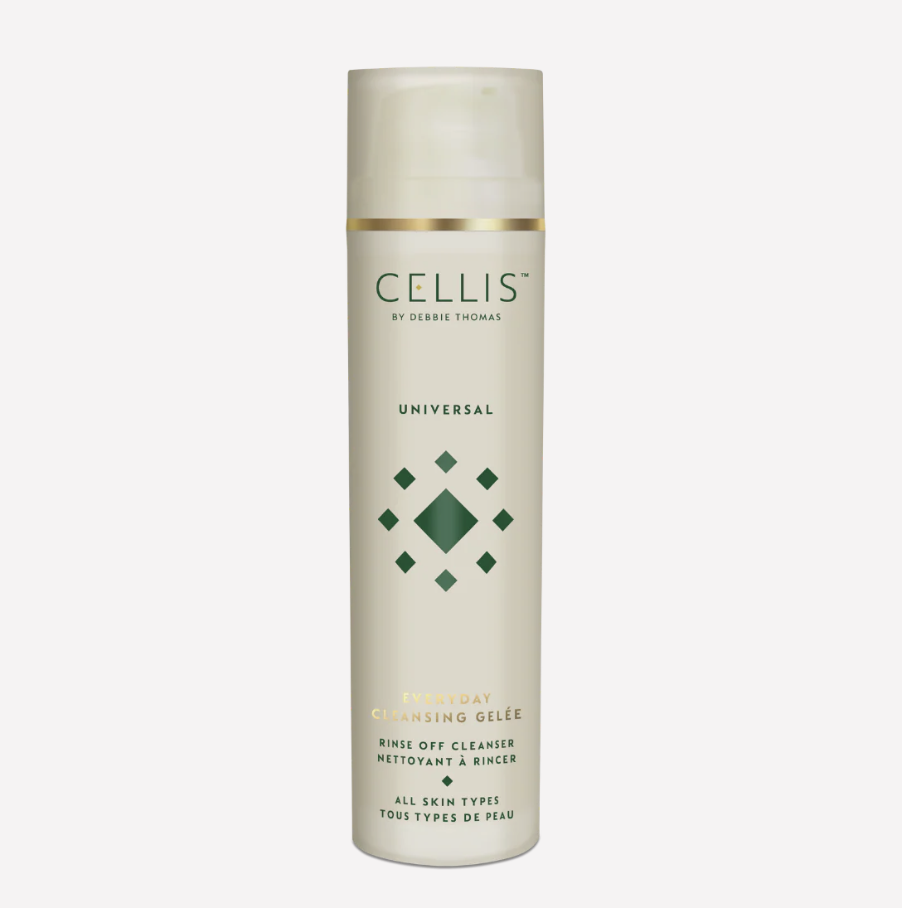
And often, that starts earlier than people think. Cleansing — especially when it’s rushed, overdone, or simply a bit too aggressive for where your skin is at — can keep everything in that low-level inflamed state. Not dramatically. Just enough that skin never quite settles. The Everyday Cleansing Gelée (£60) from Cellis by Debbie Thomas works well here because it cleanses properly without stripping, which sounds basic, but is often exactly what tired, over-managed skin is asking for.
You notice the difference first in how everything else absorbs. That slightly coated feeling goes, and products stop sitting on the surface looking like effort. Skin starts taking things in again, which is usually the first sign you’re back on track.
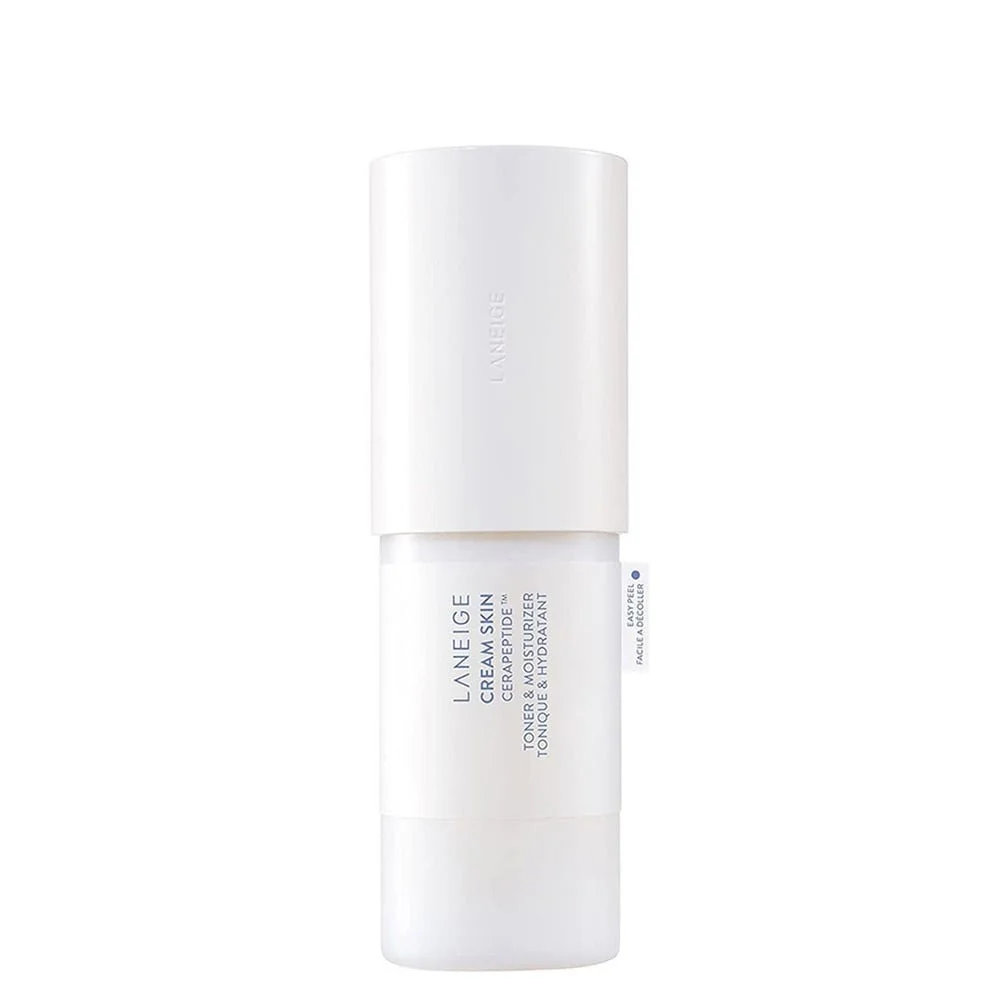
This is where something lighter comes in first — hydration that sits close to the skin and restores that initial fluidity. The Cream Skin Refiner (£29.66) from Laneige does this well; it’s almost more like a conditioning step than a traditional moisturiser, helping skin take in what follows rather than just layering on top of it.
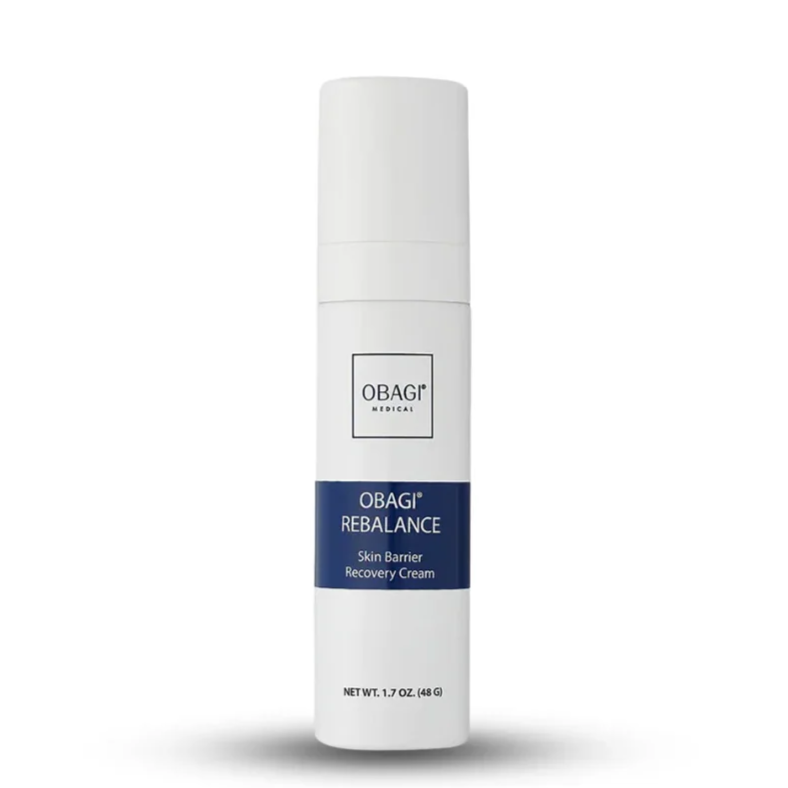
Then, once that’s in place, a more substantial cream can actually do its job. The Rebalance Skin Barrier Recovery Cream (£89) from Obagi works at a deeper level — reinforcing the barrier, calming low-level inflammation, and making skin less reactive over time, rather than just temporarily hydrated.
From there, things start to fall back into place without much intervention.
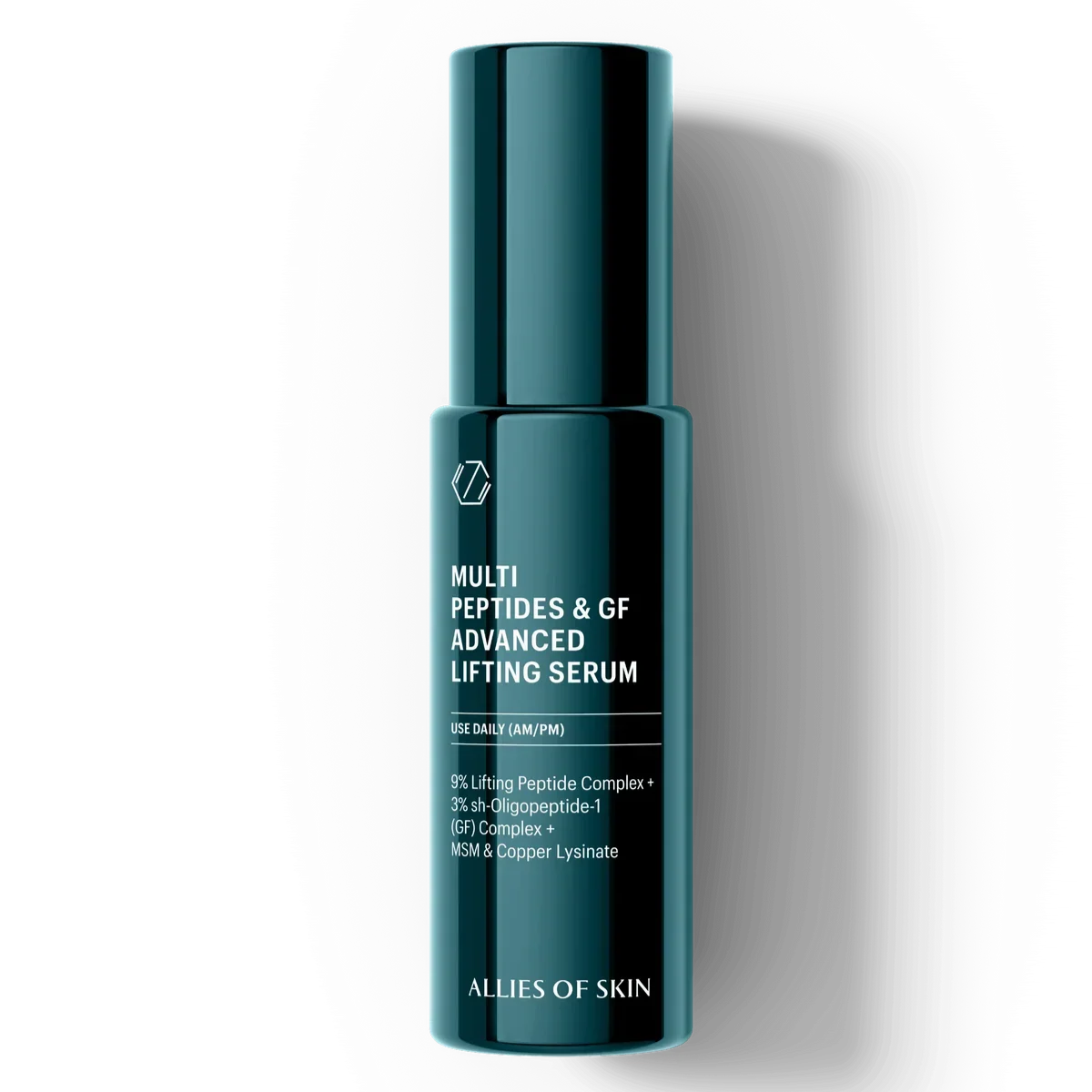
Texture looks smoother. Tone seems clearer. That slightly flat, hard-to-pin-down look starts to lift on its own, rather than being pushed there with something stronger. At that stage, adding in something more active doesn’t feel like escalation — it feels like continuation. Formulas built around peptides and growth factors, like the Multi Peptides & GF Advanced Lifting Serum (£260) from Allies of Skin, support what the skin is already doing — improving elasticity and overall skin quality without tipping things back into that overworked territory.
And then, without needing to push it, skin begins to behave differently. Because most of the time, that tired, slightly underwhelming look isn’t a sign that you’re missing something.
It’s a sign you’ve been doing just a little too much — for a little too long — and your skin would quite like a word.