Why The Fashion Set Is Spending Summer In Scandinavia
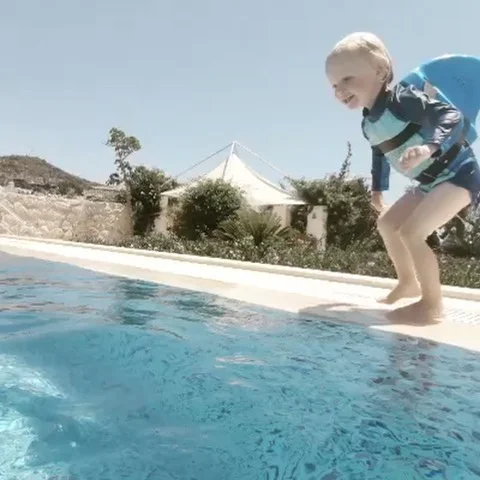
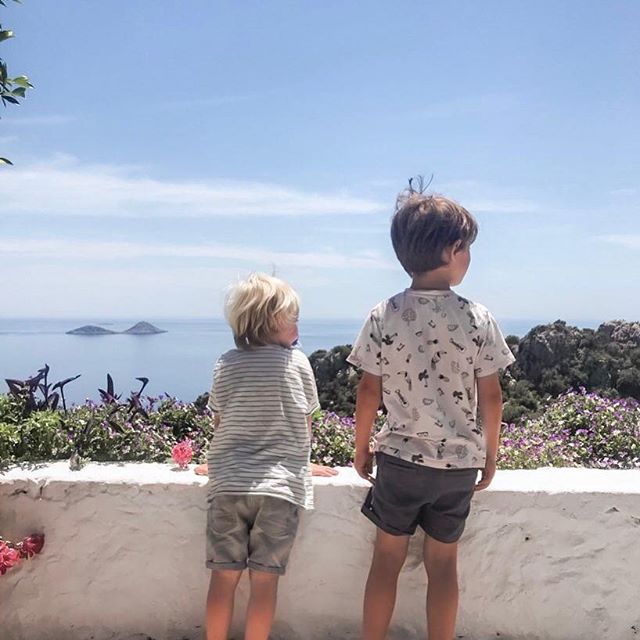
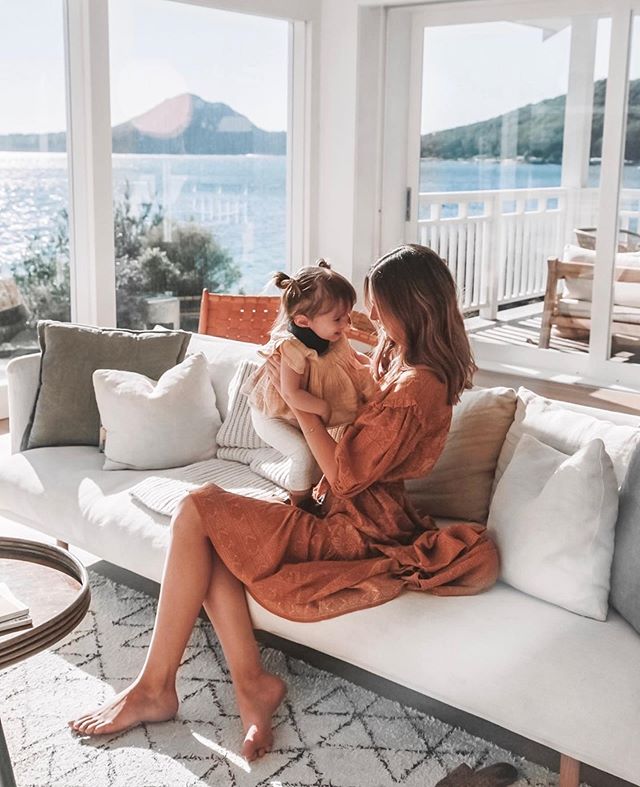
Scandinavian summers for people who want beautiful cities and barefoot children.
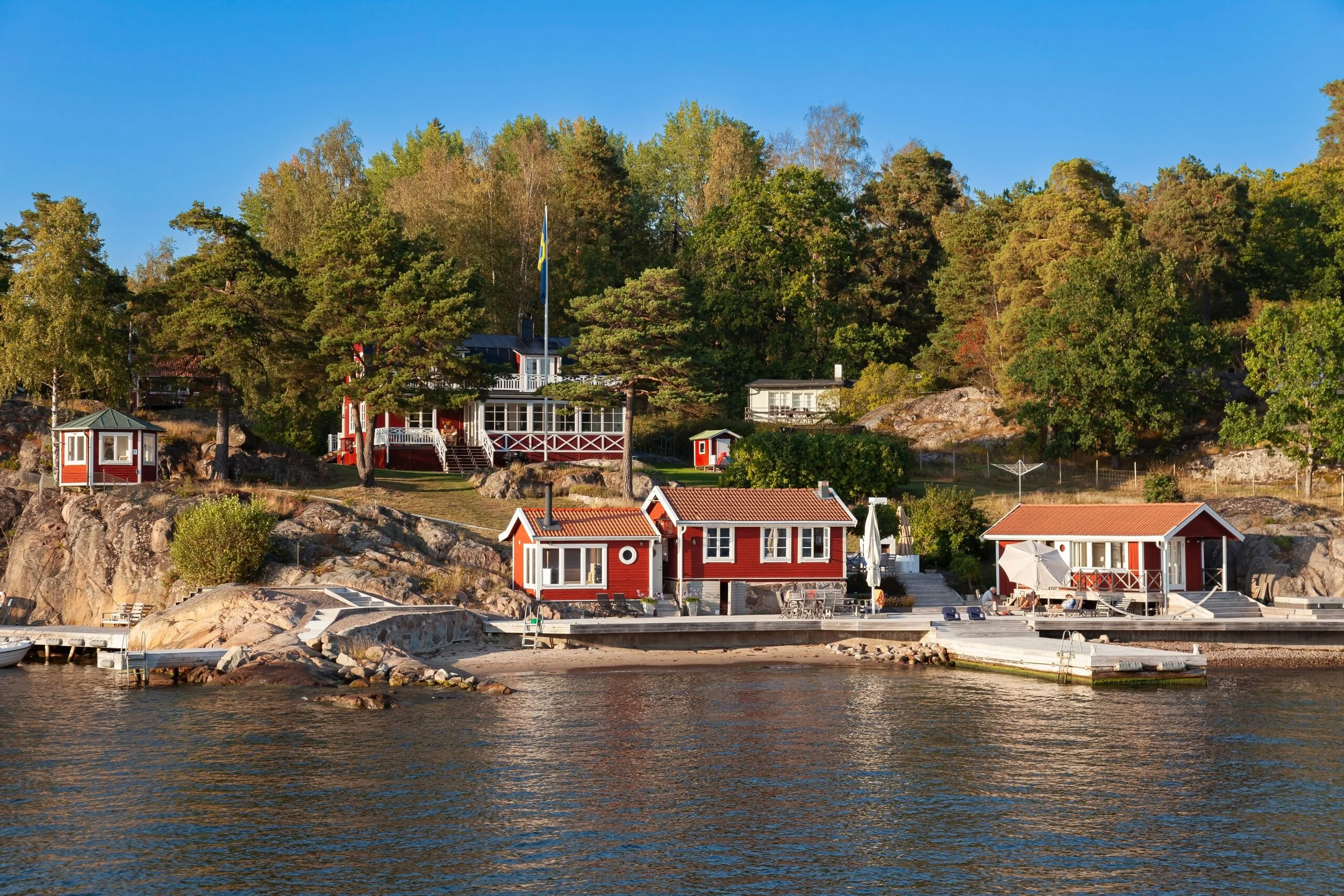
Somewhere between Copenhagen Fashion Week, everybody becoming emotionally attached to cold-water swimming and the internet developing a collective obsession with Scandinavian interiors, Nordic lifestyle culture escaped the Pinterest board and became an actual holiday plan.
And honestly? It makes perfect sense.
A Scandinavian summer has a completely different rhythm to the big-resort chaos much of Europe now revolves around. These are holidays built less around sitting beside one pool for a week and more around movement — a few days in a beautifully designed city followed by a shift towards lakes, coastlines, forests, fjords or tiny islands where everybody suddenly starts swimming twice a day and talking about moving to Scandinavia permanently.
That combination is part of what makes the region so appealing in summer. Copenhagen, Stockholm and Oslo are all genuinely brilliant city breaks in their own right — filled with fashion boutiques, bakeries, architecture, harbour swimming and interiors stores capable of making you reconsider your entire kitchen. But unlike many European capitals in peak summer, they also sit remarkably close to nature. Within a couple of hours, city breaks can turn entirely into archipelago swims, coastal cabins or dramatic fjord landscapes without the logistical marathon that multi-stop travel elsewhere often becomes.
The temperatures help too. By July and August, Scandinavian cities hit a sweet spot much of southern Europe increasingly struggles to maintain — warm enough for linen shirts, outdoor dinners and the full Scandinavian summer wardrobe fantasy, but without the sort of heat that makes city breaks feel like endurance sport.
Mostly though, Scandinavian summers just feel cool in the truest sense of the word. Stylish without trying too hard. Beautiful without becoming performative. The kind of holidays that leave you returning home wanting to buy striped linen shirts, take up sea swimming and completely reorganise your living room.
Denmark: From Copenhagen To Tisvilde on the Danish Riviera
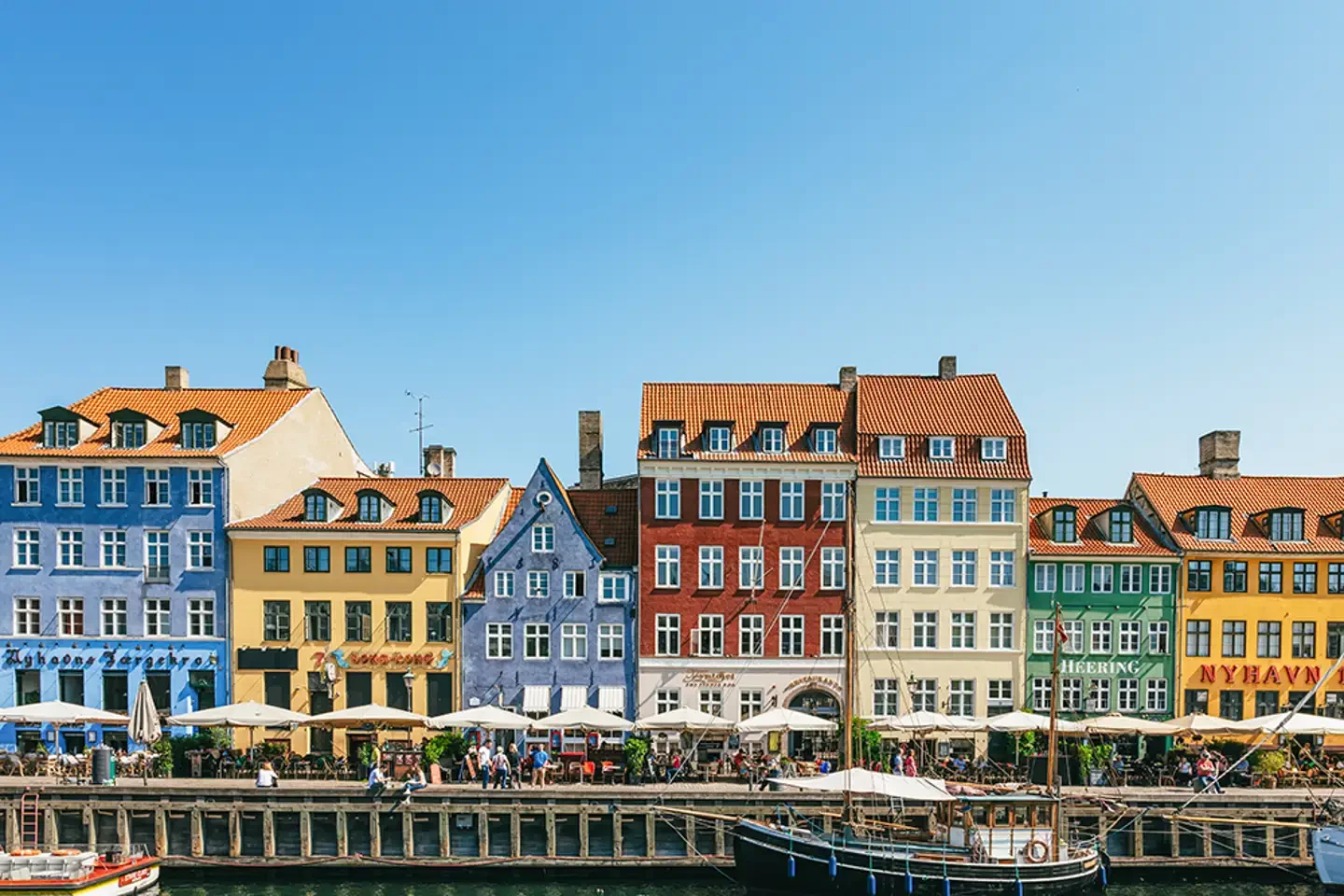
Copenhagen in summer feels like the physical manifestation of every Scandinavian lifestyle obsession people have developed over the past five years. Harbour swimming before breakfast. Oversized shirts permanently drying in the sun. Bicycles everywhere. Beautifully designed cafés serving cardamom buns large enough to alter your emotional state entirely.
It is also one of the rare European capitals that genuinely works in peak summer. Warm enough for linen trousers, sandals and late outdoor dinners, but without the sort of heat that makes city breaks feel like endurance sport by midday. You can actually spend entire days wandering properly rather than moving between air conditioning units trying to recover emotionally.
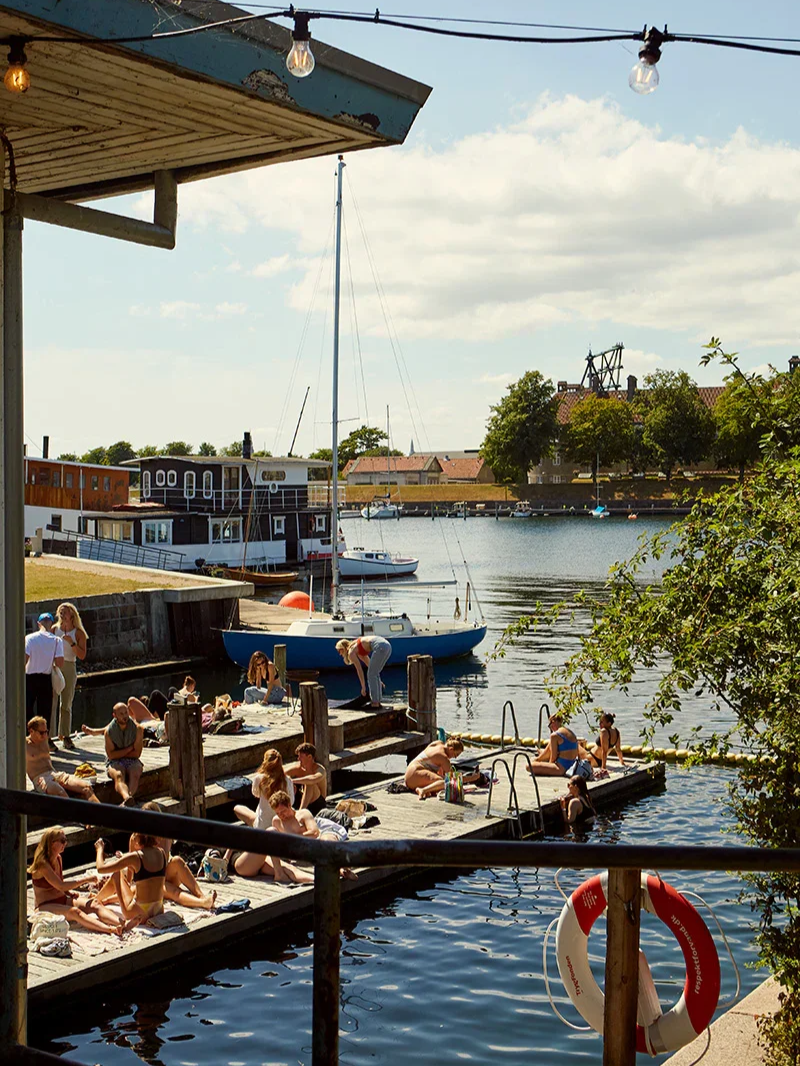
And Copenhagen rewards wandering. Start around Vesterbro, Frederiksberg and Nørrebro, where the city’s fashion and interiors energy feels strongest. There is always somebody carrying a ridiculously beautiful lamp, somebody else emerging from a harbour swim looking suspiciously better than most people do after professional styling, and approximately twelve different people making you rethink your relationship with striped shirting.
Frama remains essential — part concept store, part café, part Scandinavian design fantasy — while Studio Arhoj’s ceramics have become something of a cult obsession among interiors people. Illums Bolighus is dangerous territory for anybody susceptible to convincing themselves they suddenly need hand-carved wooden serving spoons and sculptural table lamps immediately, while Illum is Copenhagen’s closest equivalent to Liberty London: fashion, beauty and Scandinavian homeware all merged into one extremely aesthetically pleasing department store.
Food-wise, Copenhagen takes pastries with the seriousness other countries reserve for politics. Juno the Bakery remains worth the queue, while Hart and Andersen & Maillard are very much part of the city’s creative-crowd circuit. La Banchina captures peak Scandinavian summer energy — sea swims, natural wine and seafood eaten beside the water while everybody quietly pretends this is simply their normal Tuesday evening routine. Restaurant Barr delivers a more relaxed take on Nordic dining inside a former Noma space, while Kadeau feels entirely built around the idea of long Scandinavian summer dinners that somehow end in broad daylight at 10pm.
Hotel Sanders gets the balance exactly right for a city stay — elegant without feeling overly polished, all soft lighting, dark woods and discreet luxury. Kanalhuset attracts a more creative crowd, with canal-side apartments and communal dinners that make extending the trip feel dangerously tempting. Audo House, meanwhile, is effectively a pilgrimage site for anyone even mildly interested in Scandinavian interiors.
Escaping The City
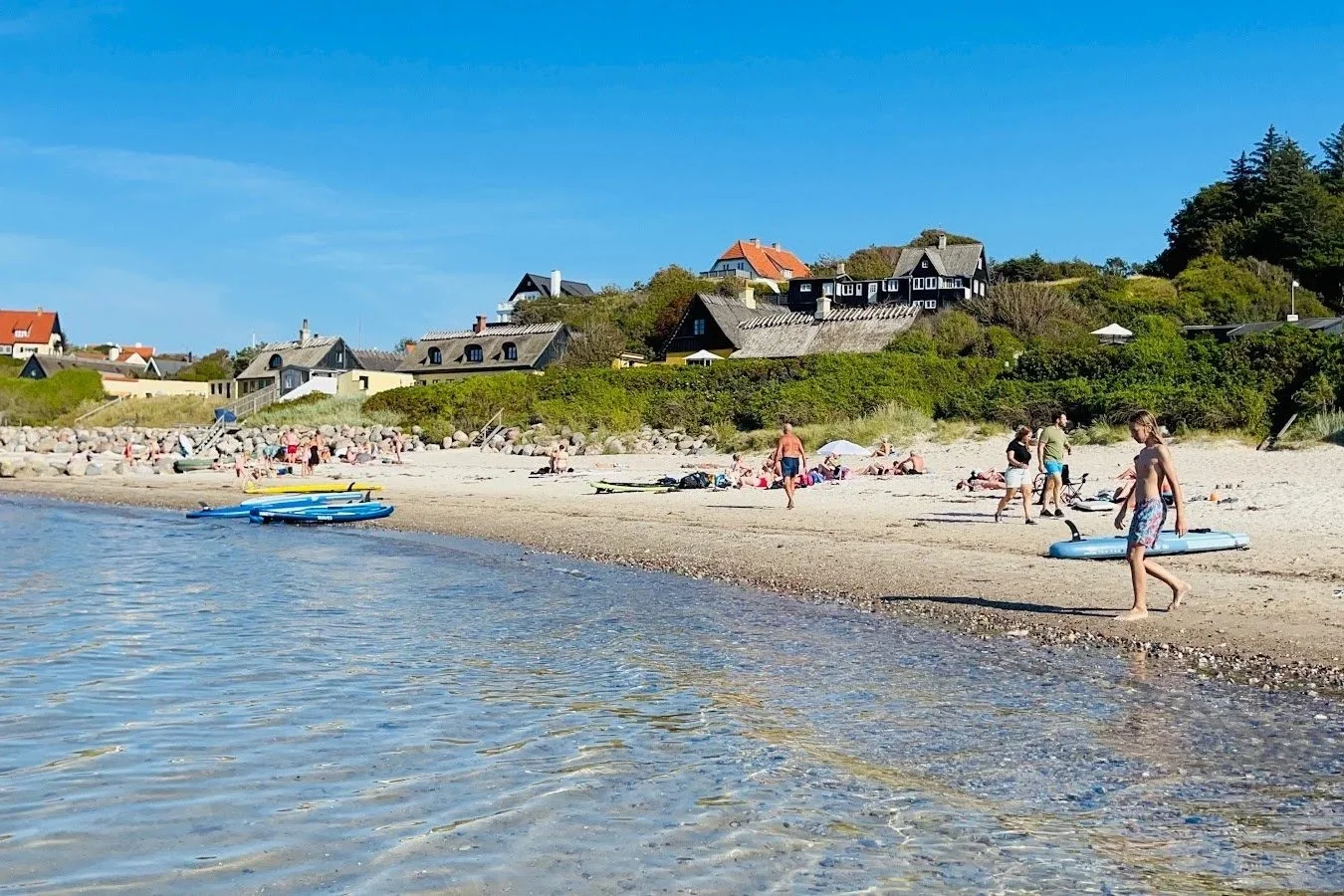
The real Danish summer fantasy begins once Copenhagen starts emptying out towards the coast. Places like Tisvilde, Hornbæk and Gilleleje become summer headquarters for Copenhagen’s creative set as soon as temperatures rise. The pace changes completely here. Days revolve around beaches, seafood lunches, cycling between cafés and children spending entire afternoons barefoot between the sea and ice cream stands.
Tisvilde in particular has become something of a Scandinavian summer institution — all weathered beach houses, dune grasses, outdoor dinners and low-key coastal restaurants filled with people who somehow make windblown hair look editorial. It feels stylish in the way Scandinavia often does best: quietly, without trying too hard.
Stay at Helenekilde Badehotel for the full Danish coastal fantasy — striped deckchairs, sea views and interiors so perfectly Scandinavian they can make returning home feel aesthetically inconvenient. Nearby, Hornbækhus has a similarly relaxed charm, with long communal tables, hydrangea-filled gardens and the sort of atmosphere that makes staying an extra three nights feel entirely rational.
That is really the genius of Denmark in summer. A few days immersed in fashion, design and city life can very quickly become sea swims, sandy beaches and long evenings outdoors — all without airports, huge travel days or complicated logistics interrupting the rhythm of the trip.
Sweden: From Stockholm To Gotland in the Swedish Archipelago
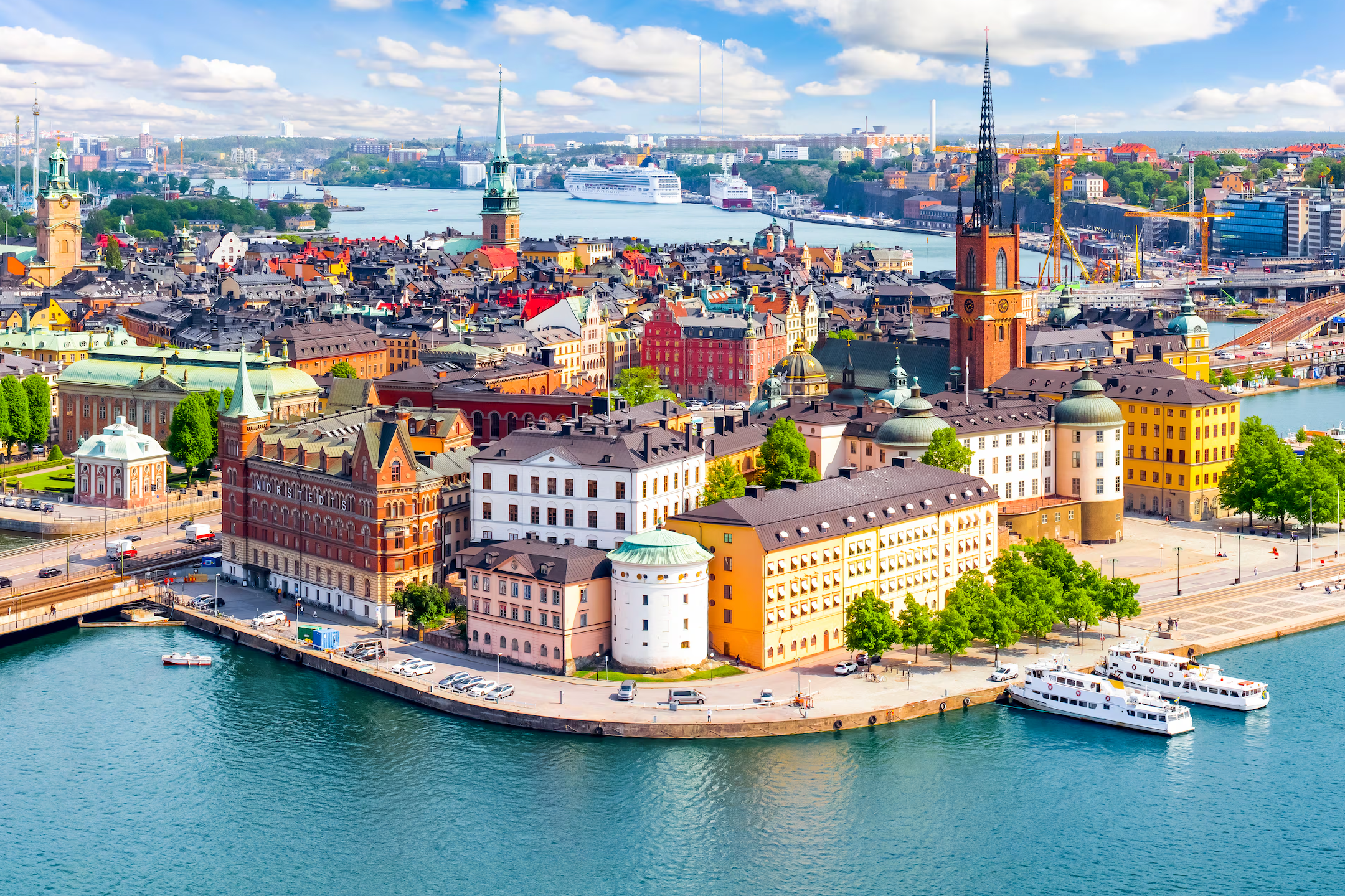
Stockholm in summer feels polished in a way very few cities manage to pull off without becoming smug about it. The water is everywhere. Ferries drift between islands all day long. People seem to spend half their time swimming and the other half drinking wine beside the water looking impossibly cool in Toteme while the sky stays light until almost 11pm.
It is elegant, but never stiff. Stylish, but relaxed enough that children can disappear barefoot towards the water while adults linger over dinner for three unnecessary extra hours.
“Scandinavian summers feel like the antidote to overheated resort holidays — beautiful cities, cold water, slow evenings and children permanently barefoot somewhere near the sea.”
Start in Södermalm and Östermalm, where Stockholm’s fashion and interiors world feels most visible. Södermalm leans cooler and more creative — vintage stores, understated Scandinavian fashion brands, independent coffee shops and the sort of cafés where everybody somehow looks as though they have excellent skin and very organised lives. Östermalm is more polished: waterfront apartments, beautifully curated boutiques and interiors stores capable of making neutral-coloured blankets feel like emotional necessities.
Svenskt Tenn remains something of a Stockholm institution — Josef Frank prints, colourful textiles and interiors so good they can make returning home feel faintly irritating. Nordiska Galleriet is essential for Scandinavian furniture and lighting, while Nitty Gritty remains one of the city’s best fashion boutiques for understated Nordic brands.
Summer days in Stockholm seem to stretch endlessly. People drift between cafés, ferries and sea swims all day long before eventually settling outside for dinner while the evening light lingers over the water. Rosendals Trädgård remains one of the city’s most-loved summer spots — part garden café, part greenhouse fantasy — while Café Nizza has become something of a fashion crowd favourite. Sturehof still does Stockholm summer properly, particularly for seafood and people-watching, while Woodstockholm feels exactly like the sort of restaurant people wish existed near where they live.
Stay at Ett Hem for the full Stockholm fantasy — quietly luxurious, deeply personal and so beautifully designed it can make ordinary hotels feel emotionally flat afterwards. Hotel Diplomat brings classic waterfront elegance directly onto Strandvägen, while Blique by Nobis leans more architectural, creative and design-forward — the sort of hotel that makes you briefly consider moving to Stockholm and becoming a furniture designer.
Escaping The City
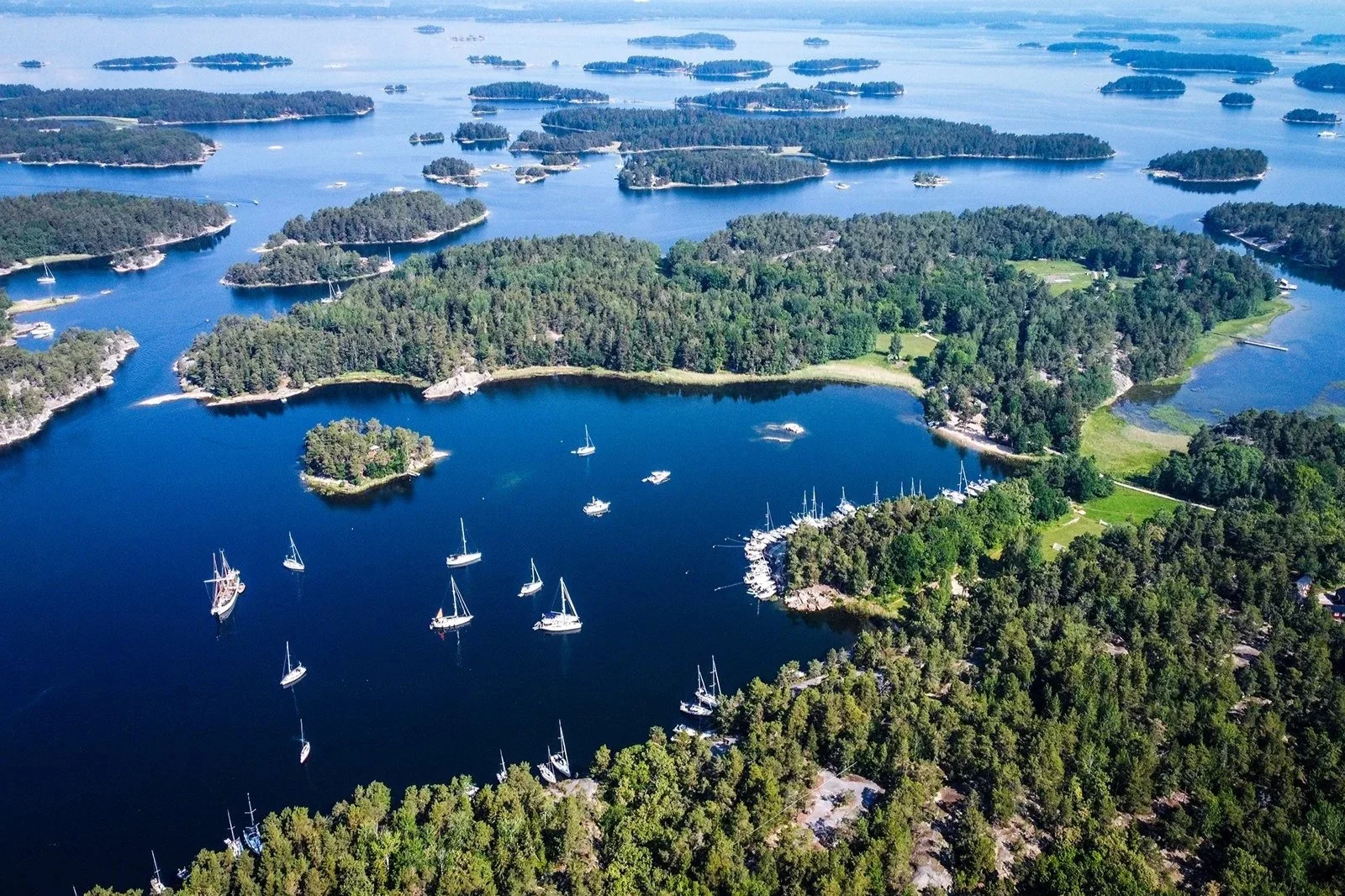
Eventually, Stockholm starts pulling people towards the islands.
One of the luxuries of Swedish summer is how quickly the city dissolves into sea swims, pine forests and tiny archipelago towns. Ferries leave directly from Stockholm towards thousands of islands scattered across the water, turning a polished city break into something altogether slower within a matter of hours.
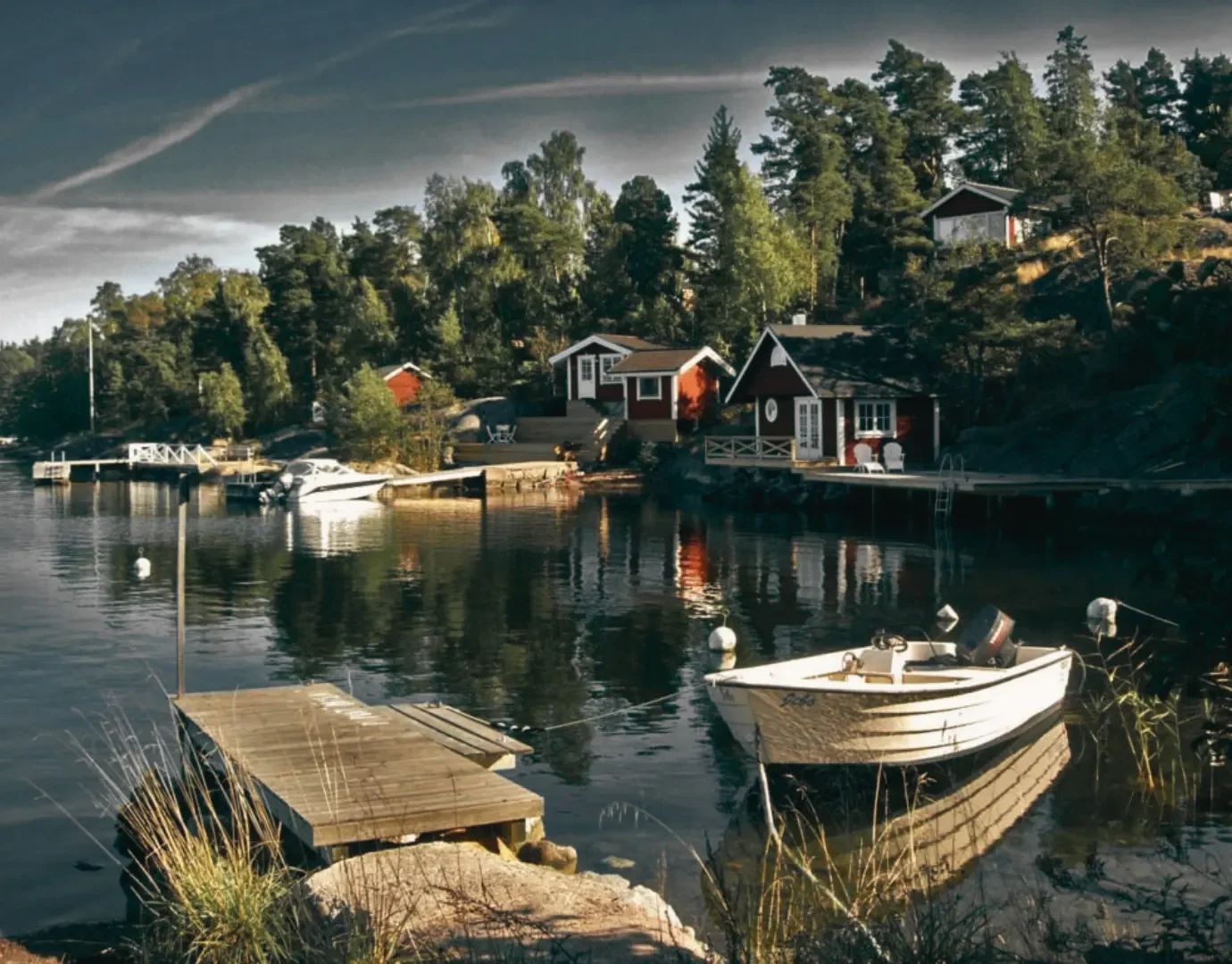
Places like Sandhamn and Vaxholm have long been summer favourites, but Gotland remains the Swedish island people become slightly evangelical about after visiting once. By summer, the island fills with artists, designers, creative families and Stockholm escapees all leaning heavily into the Swedish summer fantasy — bicycles, wildflowers, outdoor dinners and weathered wooden houses that look as though they belong inside an interiors campaign.
Visby, Gotland’s main town, is all rose-covered streets and medieval buildings, but much of the island’s charm comes from slowing down properly once you arrive. Days revolve around bakeries, sea swims, long outdoor lunches and dinners that begin in sunlight and somehow still end in sunlight.
Stay at Grå Gåsen for relaxed Gotland summer done properly — garden dinners, slow mornings and the sort of atmosphere that makes children immediately disappear barefoot outdoors — or Fabriken Furillen if your Scandinavian summer fantasy leans moodier and more design-led.
That is the brilliance of Sweden in summer. One moment you are browsing beautifully curated boutiques in Stockholm. A few hours later you are swimming in the Baltic Sea before dinner, wrapped in a striped towel watching the light stretch late into the evening.
Norway: From Oslo To Bergen And The Fjords
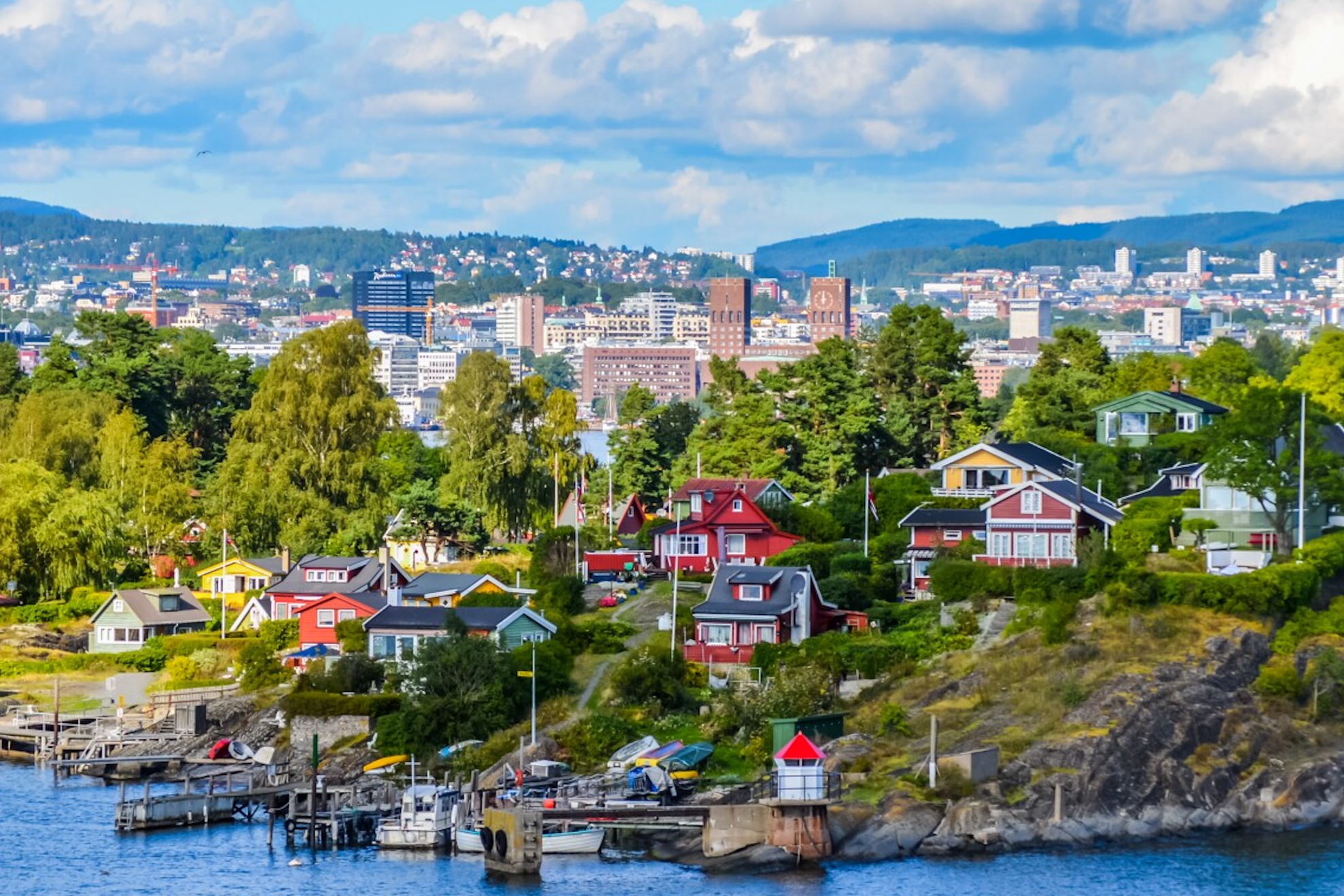
Norway feels like the part of Scandinavian summer people become slightly obsessive about afterwards. The photographs never quite look real enough, the water is improbably still and at some point during the trip you will almost certainly find yourself staring out across a fjord wondering whether normal life has started to feel slightly overrated.
Oslo sets the tone immediately. Quieter, more understated and far more connected to nature than most capital cities, it feels as though the landscape is constantly pulling its way into everyday life. Ferries drift across the fjord all day long, people swim directly from the harbour before work and by summer almost everybody seems determined to spend as much time outdoors as physically possible.
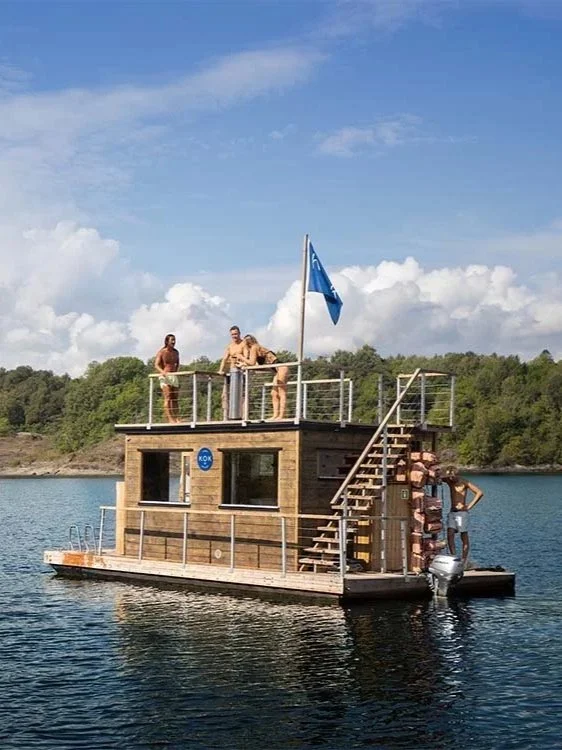
The style here feels different too. In Norway, luxury seems less focused on designer handbags and more focused on architect-designed cabins, beautiful outdoor living and owning the sort of remote summer house people elsewhere would build entire Pinterest boards around. Wealth feels expressed through lifestyle — boats, floating saunas, impossibly beautiful wood-panelled homes and cabins built entirely around the landscape outside.
Summer in Oslo revolves around being outdoors as much as possible. Families spend afternoons swimming directly from the harbour, taking ferries across the fjord or heading towards the islands scattered just outside the city where swimming, hiking and long seafood lunches become the entire plan for the day.
The floating saunas around Oslofjord have become part of modern Norwegian summer culture entirely — equal parts wellness ritual and social activity — while the Opera House is another essential stop, partly for the architecture itself and partly because everybody spends summer climbing across the sloping rooftop before jumping straight into the water nearby afterwards.
Even Norway’s design culture feels tied to the landscape. Fuglen remains a favourite for coffee and vintage Scandinavian furniture, while Norrøna has turned technical outdoor wear into something stylish enough that half the city seems permanently dressed for an aesthetically pleasing mountain expedition.
Kontrast has become one of Oslo’s defining restaurants, while Maaemo still attracts people planning entire trips around securing a reservation. More relaxed favourites like Kolonihagen Frogner and The Little Pickle feel far more aligned with the rhythm of Norwegian summer — long lunches, natural wine and dinners that drift slowly into late evening.
Stay at Sommerro for the full Oslo fantasy — Art Deco glamour reimagined through a distinctly Scandinavian lens, complete with rooftop pool, beautiful wood-panelled interiors and a crowd that somehow makes post-sauna cocktails feel entirely normal. Amerikalinjen offers something moodier and more historic near the waterfront, while The Thief brings a cooler, more contemporary side of Oslo — waterfront views, modern Scandinavian interiors and the sort of atmosphere that makes extending the trip feel dangerously easy.
Escaping The City
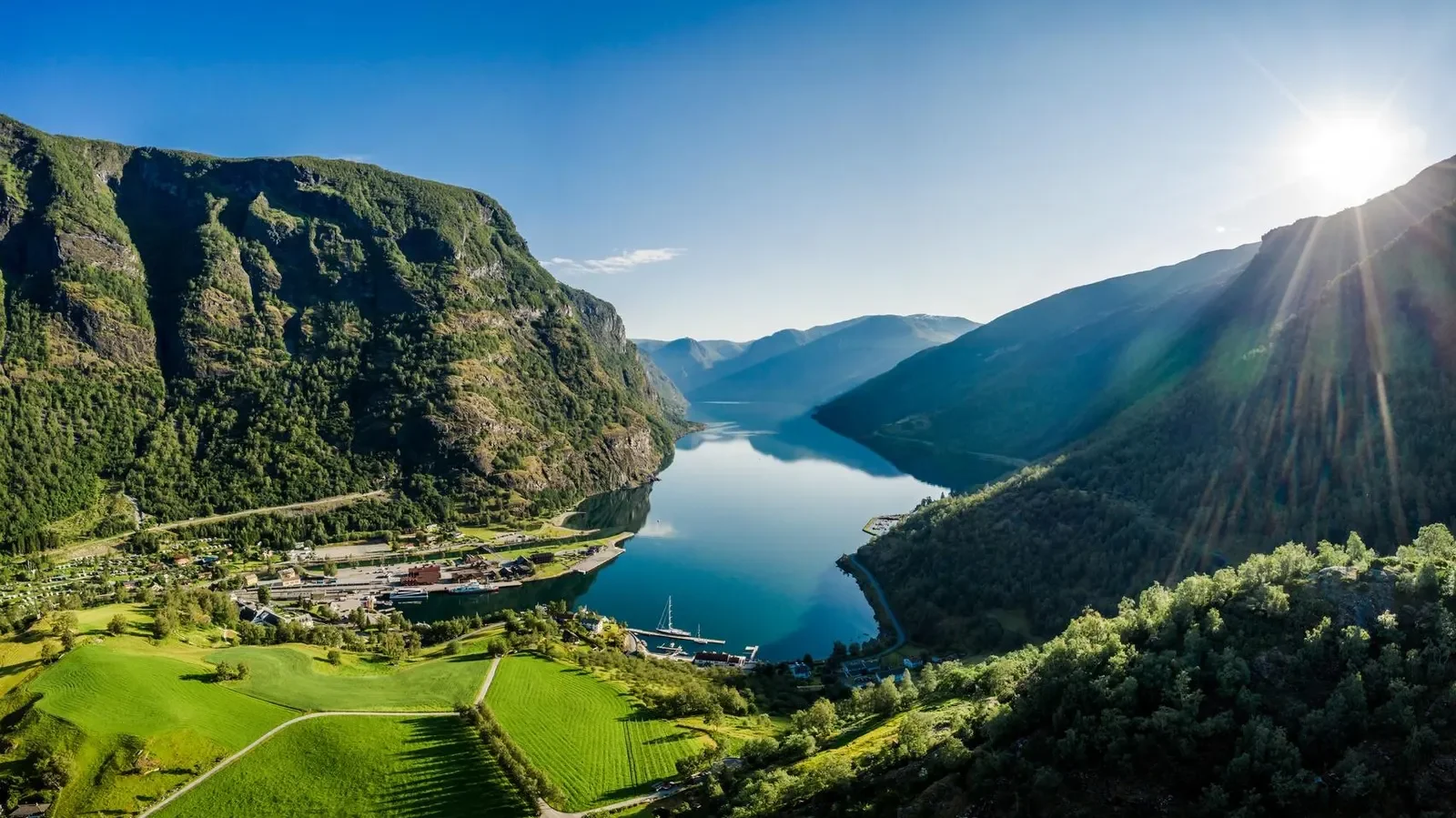
Eventually, Norway starts pulling you west. The journey towards Bergen and the fjords feels less like travelling between destinations and more like slowly moving through a series of impossibly expensive landscape photographs. Trains cut through mountains still streaked with snow in early summer. Ferries drift silently between tiny villages and waterfalls. Cabins appear perched beside water so glassy it barely looks real.
Bergen itself feels softer and more romantic than Oslo — colourful waterfront buildings, seafood restaurants and a slower coastal rhythm surrounded entirely by dramatic landscapes. But most people come here because Norway’s real summer magic sits further inside the fjords.
Places like Geirangerfjord, Aurlandsfjord and Hardangerfjord have become something close to modern Scandinavian fantasy territory — kayaking through still water, jumping into freezing fjords from docks, hiking between mountains and ending the day in saunas or cabins overlooking the water.
Norway also does destination restaurants particularly well. Cornelius Sjømatrestaurant, just outside Bergen, is only accessible by boat and has become something of a summer institution — long seafood lunches, dramatic fjord views and the kind of setting that makes you immediately understand why Scandinavians are so emotionally attached to outdoor living.
This is also where Norway’s architecture becomes part of the experience itself. Juvet Landscape Hotel remains one of Scandinavia’s most iconic stays — minimalist glass cabins placed directly into the landscape so the entire hotel feels almost surreal. The Bolder cabins near Lysefjord offer a similarly architectural approach to nature, while Manshausen turns remote island living into something deeply luxurious without losing any of its rugged charm.
Norway in summer feels different from the rest of Scandinavia because nature is not simply beautiful background scenery. It completely takes over the rhythm of the trip. One moment you are drinking coffee beside Oslo’s harbour. A day later you are floating through fjords surrounded by mountains wondering whether you should quietly abandon normal life and move into a cabin full-time.