As Summer Starts to Overheat,Norway’s Fjords Offer Something Different
Cooler days, wild swimming, and space to switch off — Norway’s fjords are quietly becoming the summer escape.
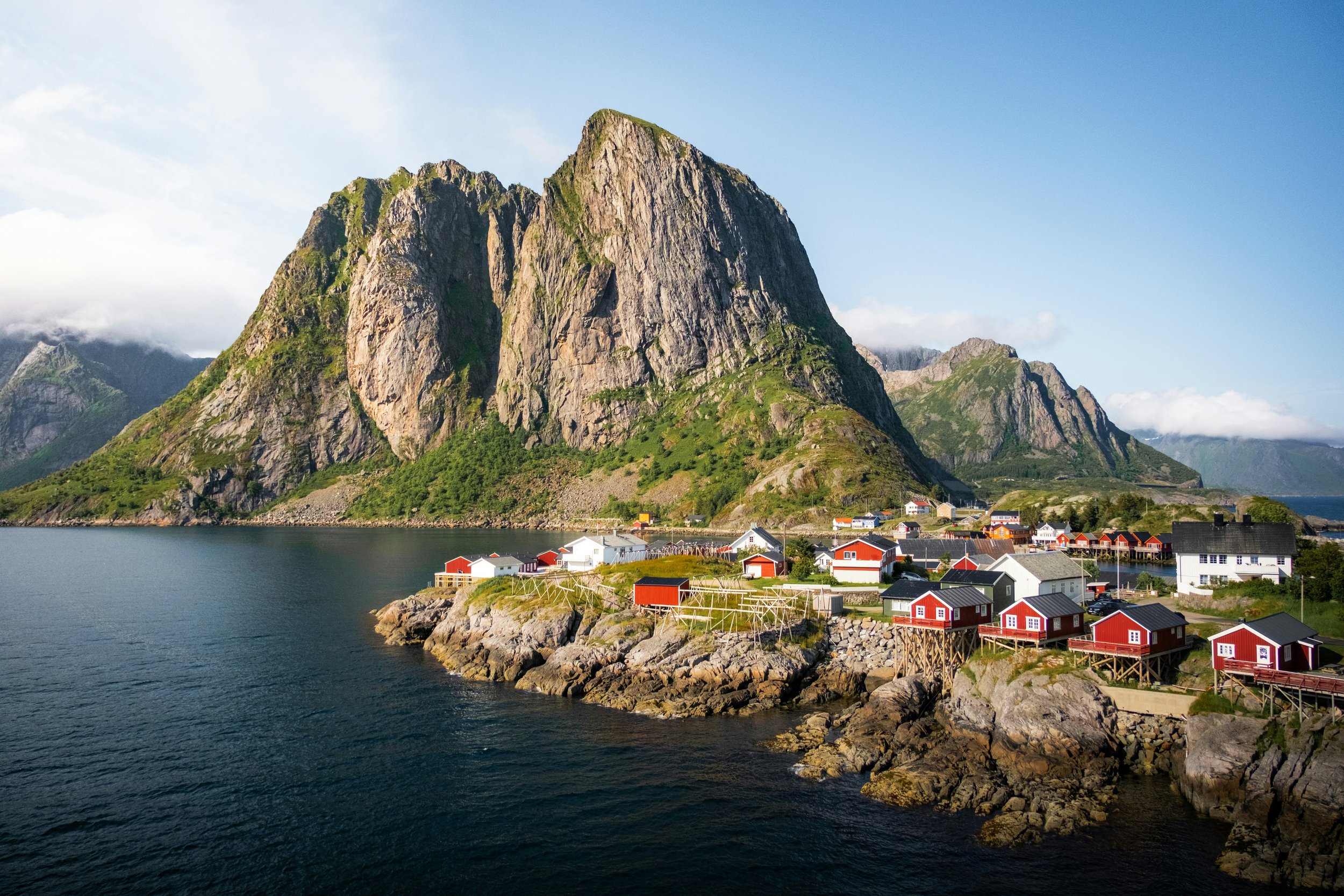
Children jumping straight off the jetty into water so clear it barely ripples, mountains rising sharply on either side, the air cool enough to stay outside all day without thinking about it. This is the Norwegian fjords in summer — not the Norway people usually picture, but the one quietly taking hold as a warm-weather destination.
Because until recently, Norway didn’t feature in summer plans. It was winter trips, ski seasons, snow. Now, that’s changing — and quickly. Not because it’s suddenly fashionable, but because it answers a problem. What used to be a comfortable 30 degrees in parts of the Mediterranean is now regularly tipping past 40 — a reality of a warming climate, and one that’s becoming harder to ignore. It’s challenging enough to manage as an adult; with children, it can shift the entire experience. Days become something to work around, not enjoy. Evenings don’t cool, sleep suffers, and the holiday you were looking forward to starts to feel like something you’re navigating.
“What used to be a comfortable 30 degrees is now tipping past 40 — and suddenly, a cooler kind of summer starts to make more sense.”
What Norway offers is still summer — just one that works better. Long, bright days, warmth without that constant intensity, and enough space for children to move freely without everything feeling organised or contained. It’s less about keeping everyone entertained, more about letting them get on with it. And for families, that move — away from all-inclusives and over-planned days, towards something more natural, more grounded — is exactly the point.
The key is knowing where to base yourself — because each part of the fjords offers a slightly different version of the experience.
Sunnmøre Alps & Norangsfjord — for complete immersion
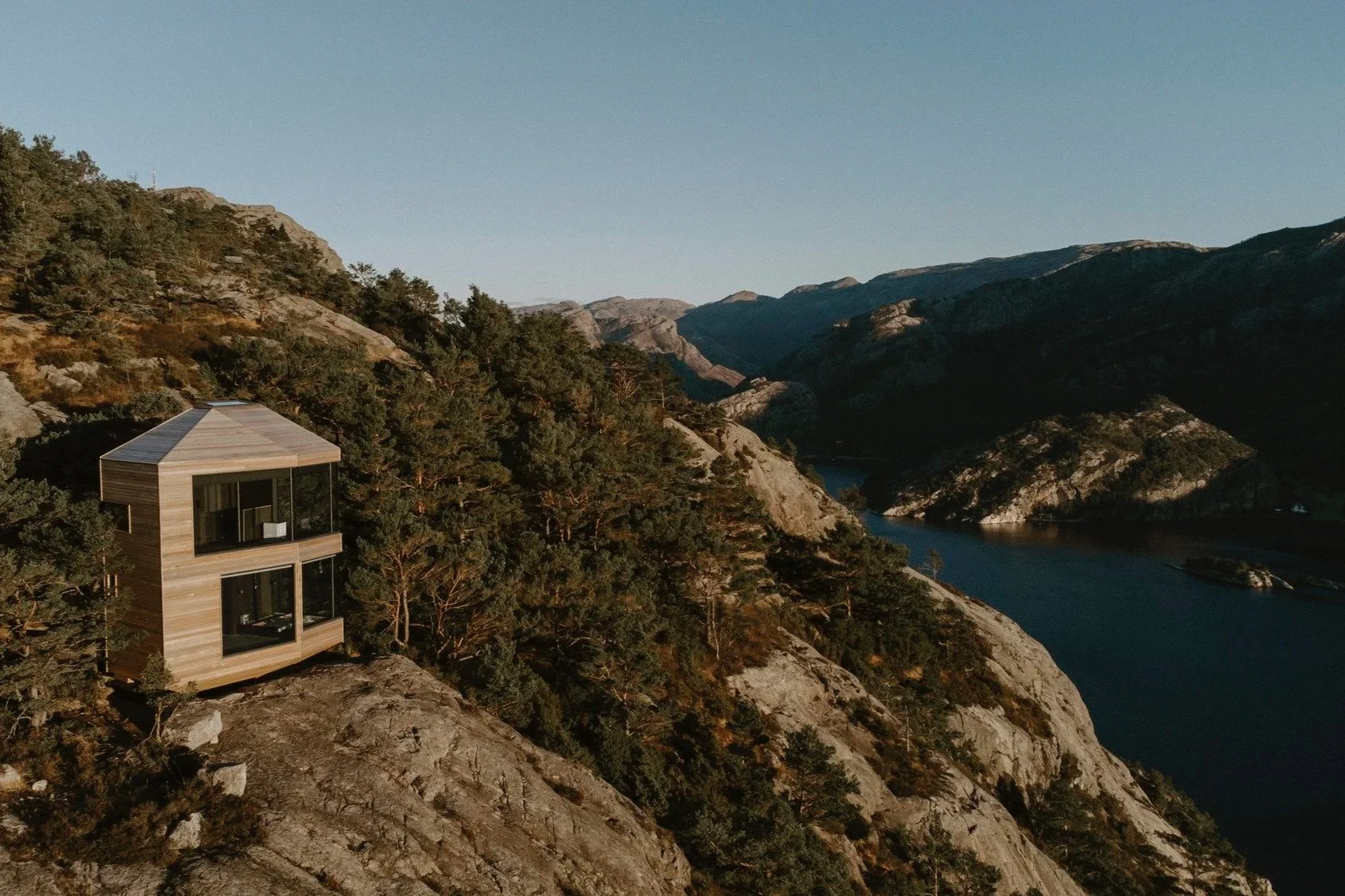
This is the fjords stripped back to their most dramatic version — steep mountains, narrow water, and very little in the way of distraction. You arrive, and almost immediately, everything slows down whether you meant it to or not.
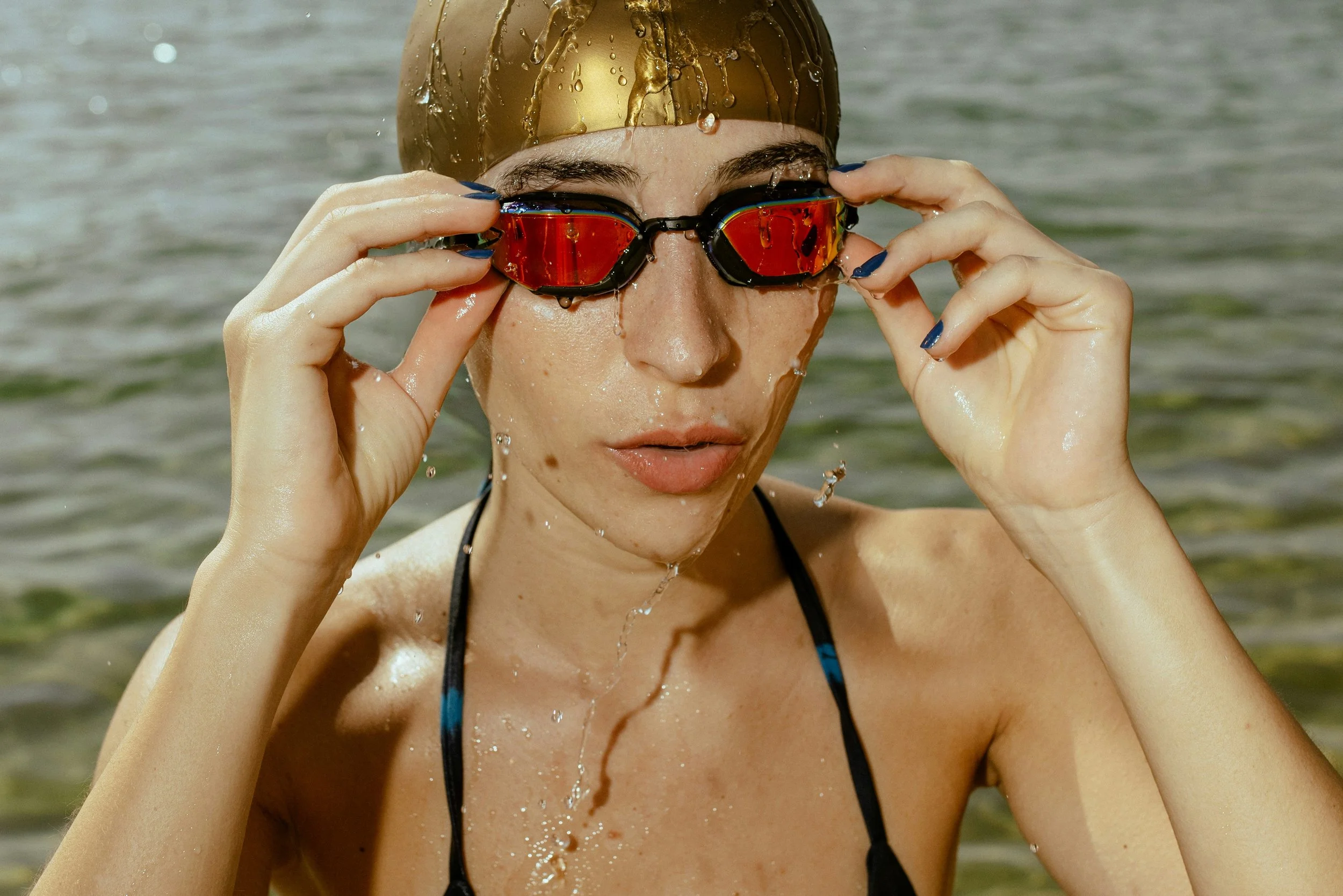
A day here doesn’t really need organising. It starts with the water — it usually does — while it’s still completely still and slightly colder than you expect (in a way that wakes you up properly). From there, it’s a loose rhythm: walking into Norangsdalen where it feels far more remote than it actually is, drifting out onto the fjord in a small boat, then back again for another swim because no one’s quite ready to stop.
There aren’t multiple restaurants to choose between, which turns out to be part of the appeal. Food is anchored to the place — seafood from nearby waters, slow-cooked meat, whatever’s in season — and eaten without hurry. You don’t plan meals here, you arrive at them.
For families, this is where things click. No crowds, no background noise, nothing pulling children in ten different directions — just water, space, and enough freedom for them to get on with it.
Where to stay:
In this part of Norway, cabins make more sense than hotels — less about service, more about where you’ve put yourself. The Bolder Sky Lodges sits high above the fjord, the kind of place that makes you pause for a second when you first see it. Glass-fronted cabins set into the rock, nothing decorative, nothing unnecessary — just the view, uninterrupted.
You don’t really “check in” in the usual way. You arrive, drop your things, and within minutes everyone’s outside again — on the rocks, down towards the water, somewhere between the two. There’s no need to organise the day because the setting does that for you.
Inside, it’s stripped back in the right way. Clean lines, soft light, materials that feel calm rather than styled. It never competes with what’s outside, which is exactly the point. Meals are simple, flexible, and fit around the day rather than breaking it up. You eat when it makes sense, not because you have a reservation. It’s not busy, not overly polished, and not trying to be anything more than it is — which is probably why it stays with you.
Storfjord & Ålesund — for variety without overthinking it
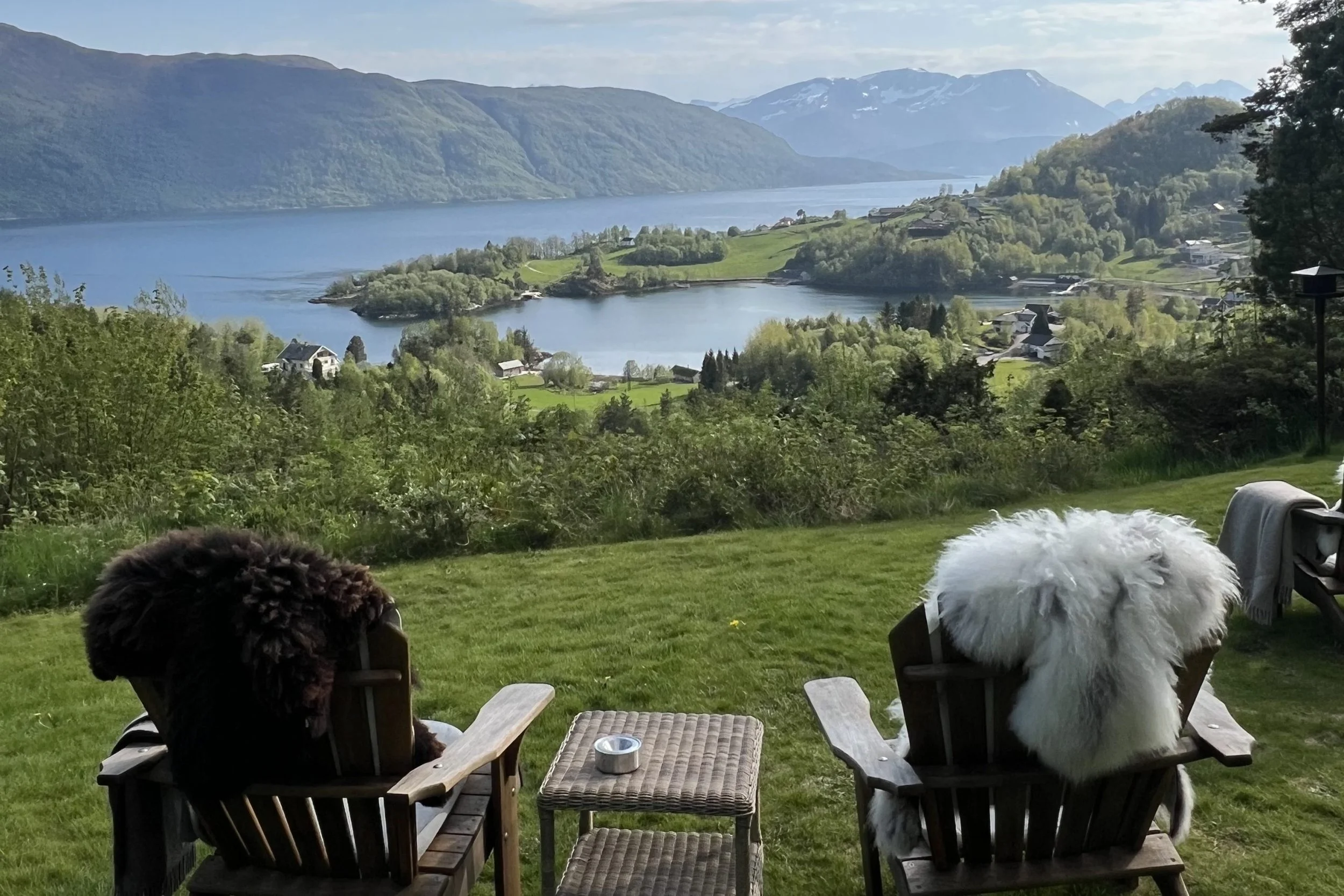
If the first area is all-in immersion, this is where things loosen slightly. The fjords open out, Ålesund adds colour and life, and suddenly you have options — without it ever feeling busy.
Days here have a bit more shape, if you want them to. Kayaking in the morning when the water is flat, a wander through Ålesund’s harbour by lunchtime, stopping for pastries or ice cream (which, inevitably, becomes a daily ritual), then back out towards the fjord by late afternoon. It’s the kind of place where you can do more — but don’t feel like you have to.
Food follows that same ease. Bakeries you’ll return to more than once, simple seafood restaurants, places where you can eat well without planning it days in advance. Good bread, fresh fish, strong coffee — nothing overcomplicated, everything done properly.
For families, this is often the easiest choice. You get the fjords, but with just enough going on to keep everyone happy — including you.
Where to stay:
Storfjord Hotel sits slightly above it all, tucked into the hillside with the fjord stretched out below. It’s the kind of place you notice more as the day goes on — not immediately showy, but quietly very well judged.
Inside, it leans into Norwegian materials — timber, wool, soft lighting — but without feeling heavy or overly styled. Rooms feel more like private cabins than hotel spaces, with large windows that keep pulling your attention back outside.
There’s a natural flow to staying here. You head out during the day — into Ålesund, onto the water — and then return to something calmer, where everything slows again without effort. Trails start from the door, the fjord is close enough for a late swim, and there’s no sense of needing to fill the evening with anything more.
Food is a step up from what you might expect in a setting like this — still rooted in local sourcing, but with a slightly more contemporary edge. Dinner feels like part of the experience rather than a formality, and breakfast tends to drift into the day rather than signal the start of it.
It’s an easy place to get right — which, with children, counts for a lot.
VALLDAL — FOR SLOWER DAYS (AND VERY LITTLE NEED FOR A PLAN)
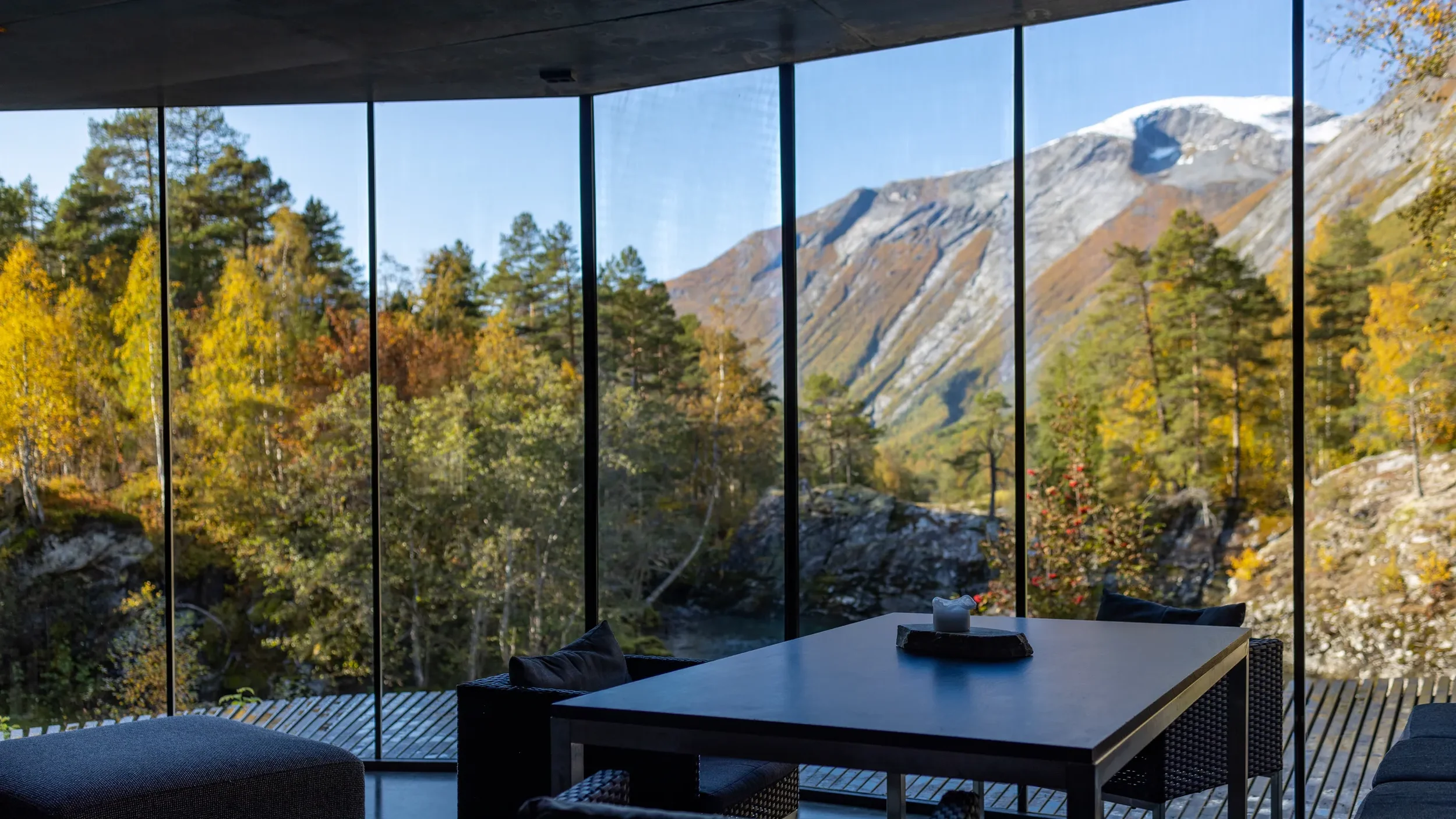
Further inland, everything softens. The fjord fades into valleys and rivers, and the pace drops again — not dramatically, just enough that you notice it.
Days stretch here. Walking along the river, stopping to skim stones, sitting longer than planned because there’s nowhere else you need to be. It’s less about doing things, more about letting the day happen without filling it.
There’s less choice when it comes to food, but you don’t really miss it. Meals are tied to where you’re staying, seasonal, local, and in step with everything else around you.
This is the one that depends on the child. Younger ones who need constant stimulation may push back. Older children — or those happy to roam, explore, and disappear for a while — tend to love it.
Where to stay:
Juvet Landscape Hotel feels more like stepping into the landscape than checking into a hotel. The cabins are deliberately minimal — glass walls, clean lines — so your focus stays exactly where it should be: on the river, the trees, the light shifting through it all.
It’s quieter here, intentionally so. No unnecessary distractions, no sense of schedule beyond meals, which are shared and built around whatever is in season. You don’t choose much — and that’s part of the point.
Days tend to unfold in the same way as the surroundings — slowly, without much structure. You come back to your cabin not because there’s something to do, but because it feels like the right place to be.
It won’t suit everyone. Younger children may find it too still. But for older ones — or families ready to lean into something more pared back — it has a way of holding your attention without trying too hard.