Not all vitamin C serums are created equal — and the strongest isn’t always the one that works best.

Pigmentation has a habit of showing up just as everything else starts to feel lighter — longer evenings, more time outside, skin finally out of winter mode.
Last summer’s hangover, surfacing just as your skin is back in the light again — the longer days that turned into longer evenings, the SPF you meant to reapply but didn’t, all of it feeling fairly harmless at the time.
It’s usually around this point that you start to notice it properly. Not dramatically, just enough — tone a little less even, skin slightly flatter, makeup not sitting quite as well as it used to. The kind of shift that’s easy to ignore at first, until it isn’t.
“Brightening” is one of the most overused words in skincare — promising a lot, but rarely explained. Vitamin C has built an entire reputation around it, yet what it’s actually doing is far more specific, and far more dependent on the formula than most people realise.
Because most of us have had both experiences. The bottle that seemed to quietly fix everything — skin clearer, more even, somehow more awake — and the one that did very little beyond sitting there, gradually turning a deeper shade than you remember it starting as. Or worse, the one you stopped using because your skin just didn’t feel right: slightly tighter, a little reactive, not behaving as well as it normally does.
At its core, vitamin C is there to deal with what your skin is up against daily — UV exposure, pollution, the low-level environmental stress that builds without you really noticing it. All of it generates free radicals, which slowly chip away at collagen and trigger pigment production. Vitamin C steps in early, helping to interrupt that process, which is why, over time, skin starts to look clearer, more even, more like itself again.
It’s also where a lot of routines start to go slightly wrong. The strongest formula isn’t always the one that delivers the best results — particularly if your skin can’t tolerate it well enough to use consistently. In practice, a lower-strength vitamin C that your skin is happy to use every day will often do more than a higher-strength one you reach for sporadically.
“The strongest formula isn’t always the one that delivers the best results — it’s the one your skin will actually let you keep using.”
Where it gets more nuanced is in the formulation itself. In its purest form, vitamin C appears as L-ascorbic acid — the version most closely backed by clinical research, and also the one most likely to misbehave. Expose it to air or light and it starts to break down. Not every serum begins clear — some are intentionally deeper in colour — but if that colour shifts, it’s usually a sign it’s no longer doing quite what you hoped it would.
Then there’s strength. Higher percentages can deliver faster results, but not always better ones. Much like retinol, push too far and your skin tends to push back — tightness, stinging, that subtle sense that everything feels slightly off, even if you can’t quite pinpoint why.
To work around this, many formulas use gentler derivatives — sodium ascorbyl phosphate, ascorbyl glucoside — which are more stable and easier to tolerate, but tend to work more gradually. Neither approach is inherently better; they simply behave differently. Higher-strength formulas can deliver faster results, but are more likely to irritate, while gentler versions tend to be better tolerated and therefore used more consistently — and with vitamin C, that consistency is often what determines how well it works.
Ultimately, it comes down to formulation — and choosing the version your skin is least likely to argue with.
The Formulas That Get It Right
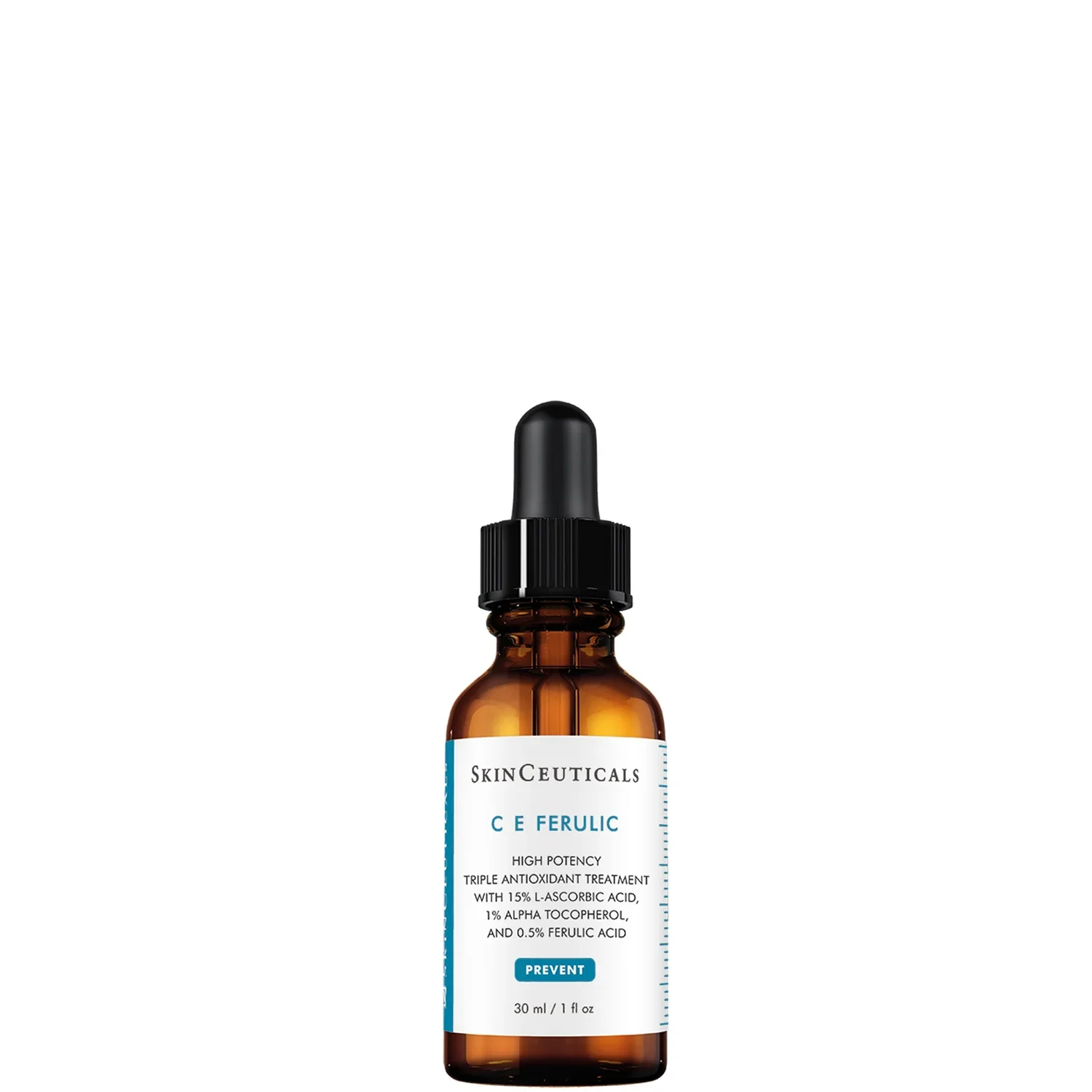
SkinCeuticals C E Ferulic (£169)
If you ask most dermatologists what actually works, this is usually where the conversation lands. A high-strength L-ascorbic acid formula supported by vitamin E and ferulic acid, it’s designed to improve tone, support collagen and gradually even everything out. It’s not particularly forgiving, but if your skin tolerates it, the results tend to be obvious.
Why choose it: you want the gold standard, not a compromise
Best for: pigmentation, melasma support, loss of firmness, experienced users
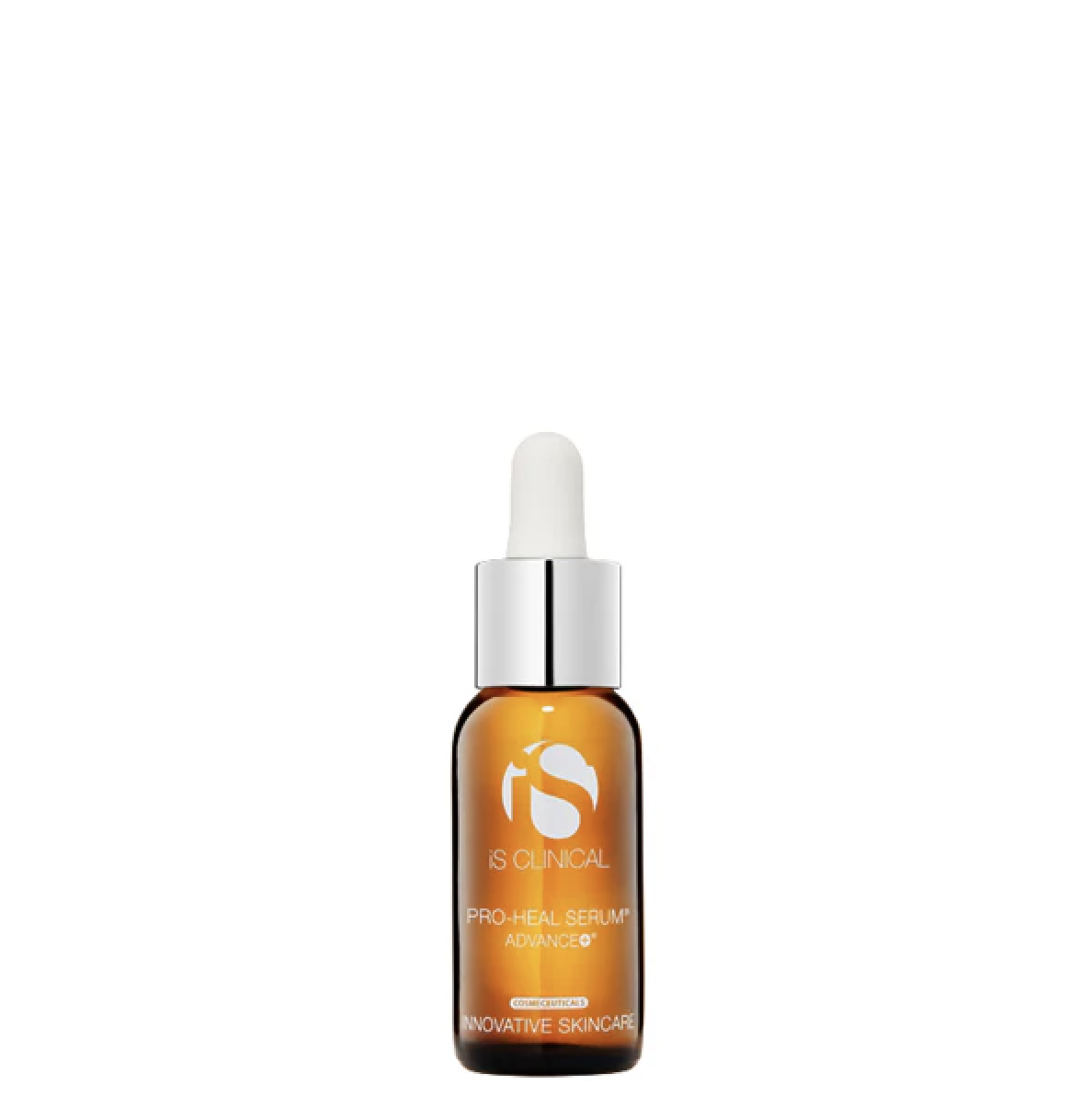
This is where vitamin C takes a more considered approach. Alongside its antioxidant function, it leans into calming and repairing the skin, making it particularly useful when redness, breakouts or post-treatment sensitivity are part of the picture. It’s less about pushing for rapid results, more about improving skin quality without tipping things off balance.
Why choose it: you want brightness without aggravation
Best for: reactive skin, redness, post-procedure
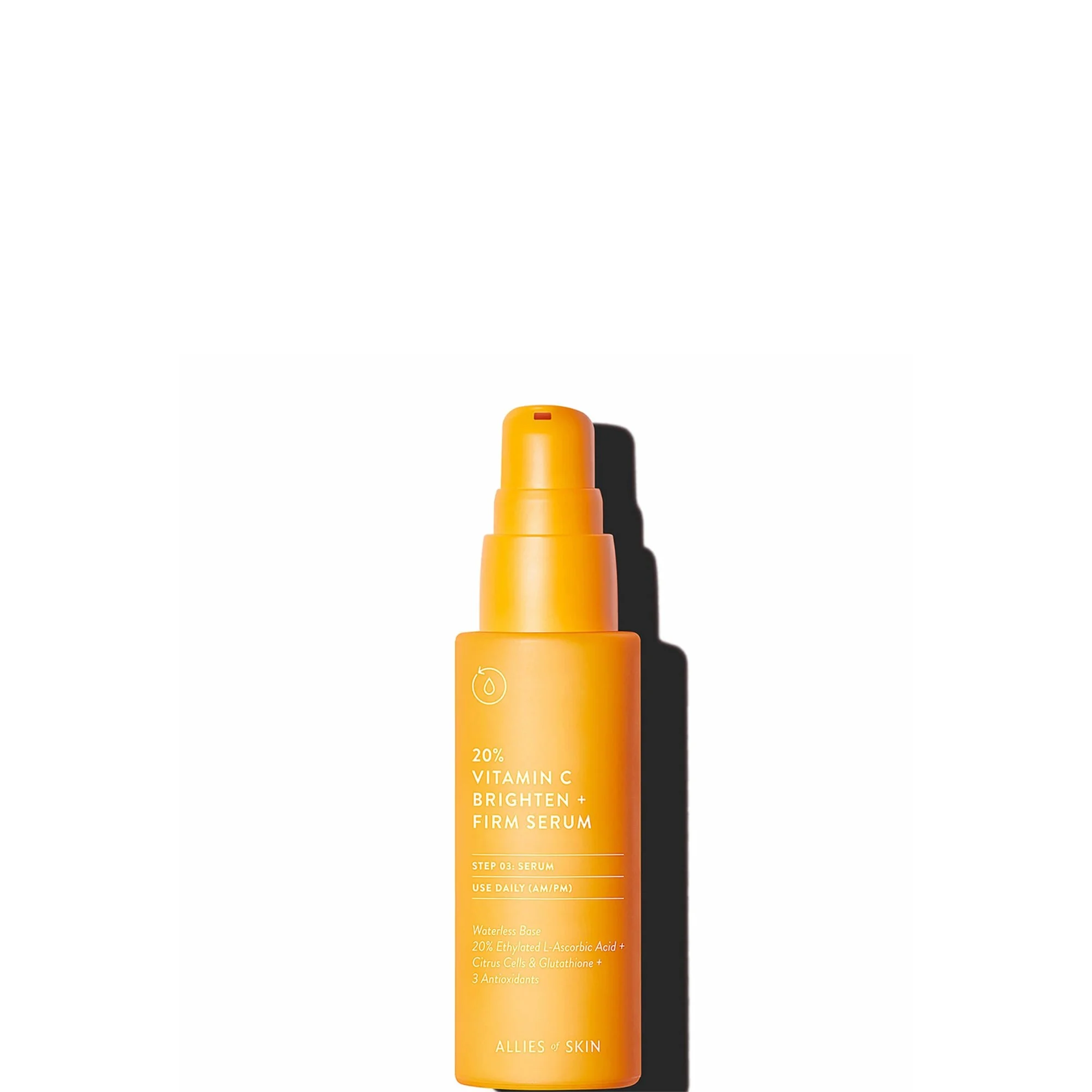
Not just a vitamin C serum, but a full treatment step. The high-strength vitamin C complex is supported by peptides and antioxidants, so you’re addressing firmness, texture and overall skin clarity at the same time. It suits someone who wants visible change, but prefers fewer, harder-working products.
Why choose it: you want one formula doing several jobs well
Best for: dullness, early ageing, streamlined routines
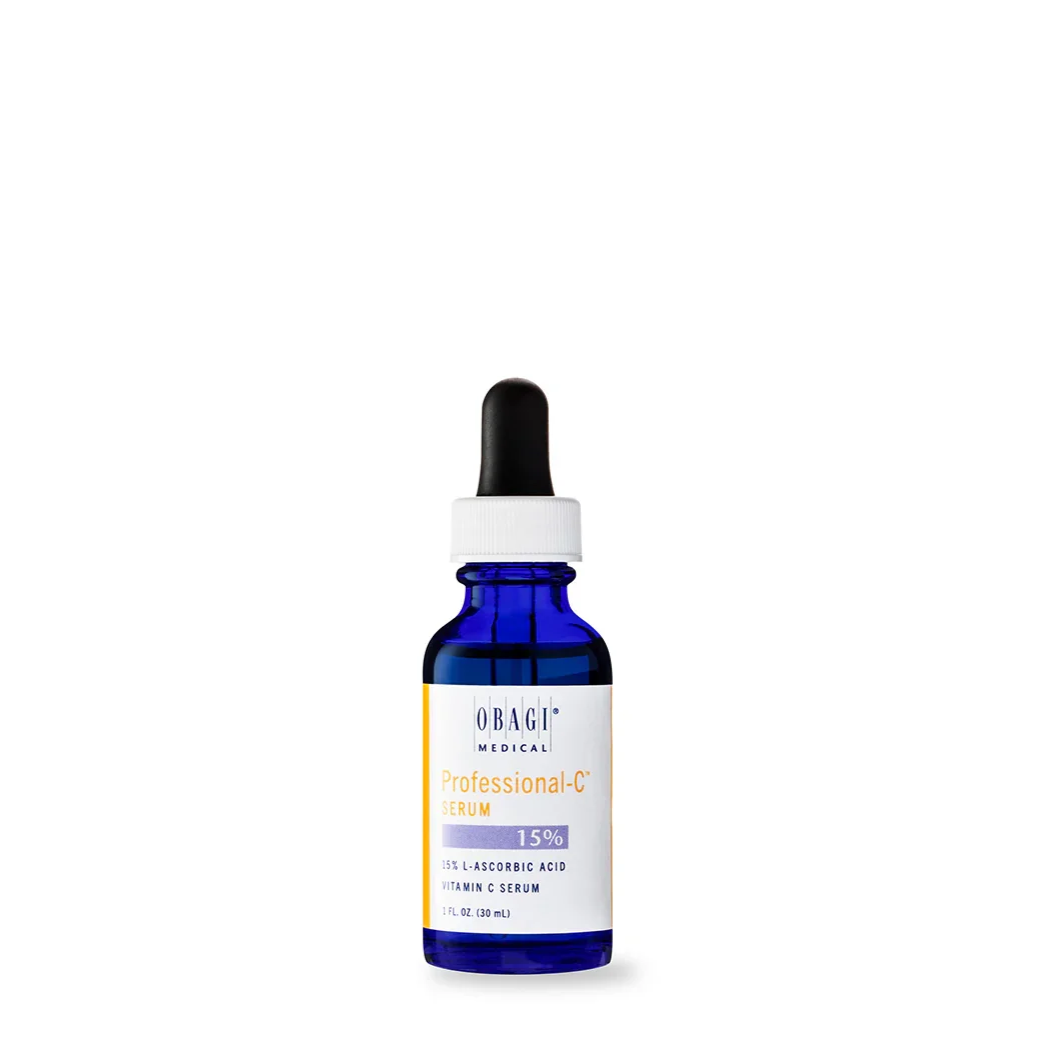
Obagi has long been a favourite among dermatologists, and this is a good example of why. There’s very little distraction in the formula — just vitamin C delivered at a concentration that actually makes a difference. The 15% hits that useful middle ground: effective, but still manageable for most skin types.
Why choose it: you want clinical strength without unnecessary extras
Best for: uneven tone, pigmentation, melasma support
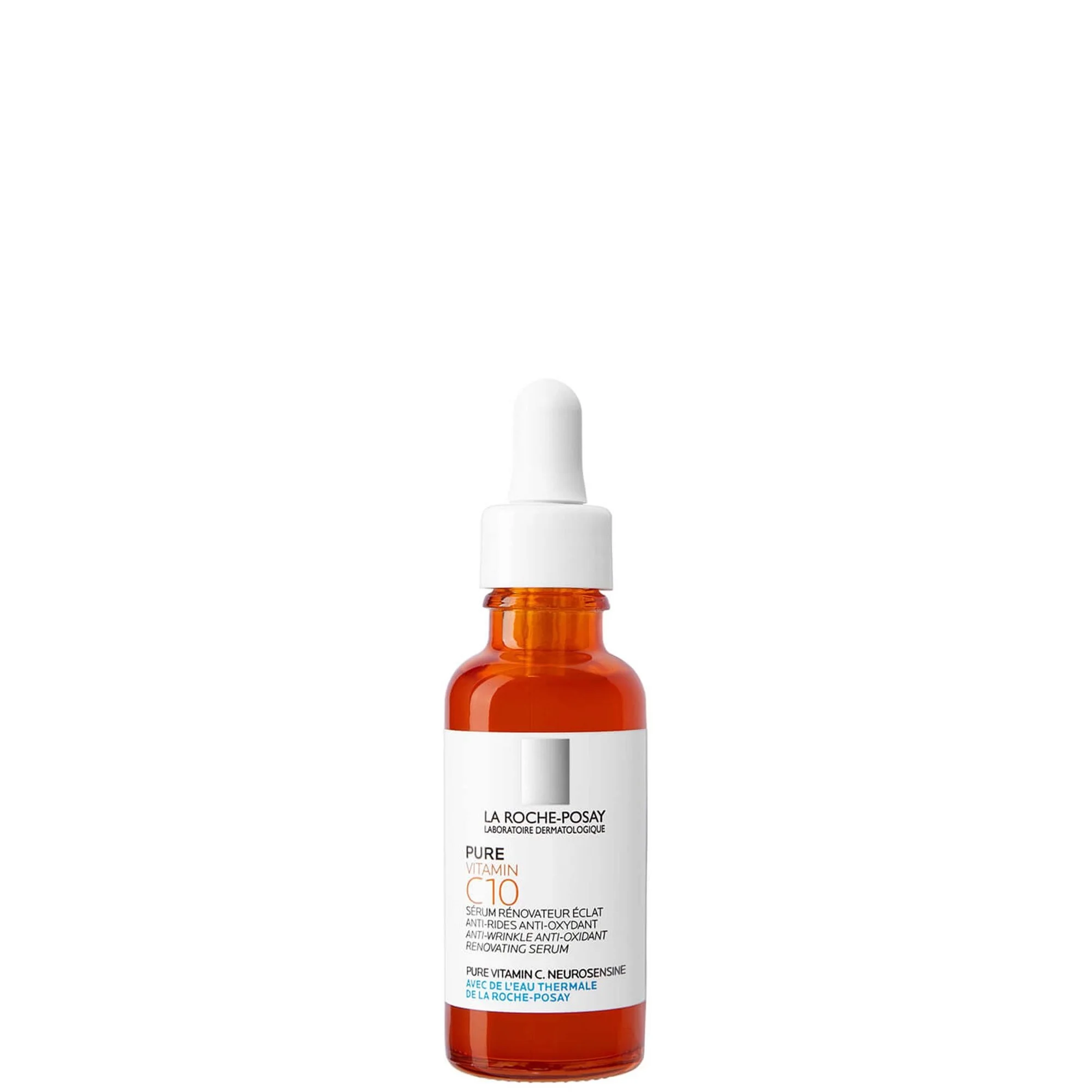
The French pharmacy classic — and a reminder that not every routine needs intensity. Lower strength, buffered with soothing ingredients, and designed to be used daily without second-guessing. If your skin doesn’t need correcting so much as refining, this is often the more sensible place to start.
Why choose it: you want consistency without disruption
Best for: mild pigmentation, dullness, sensitive or first-time users
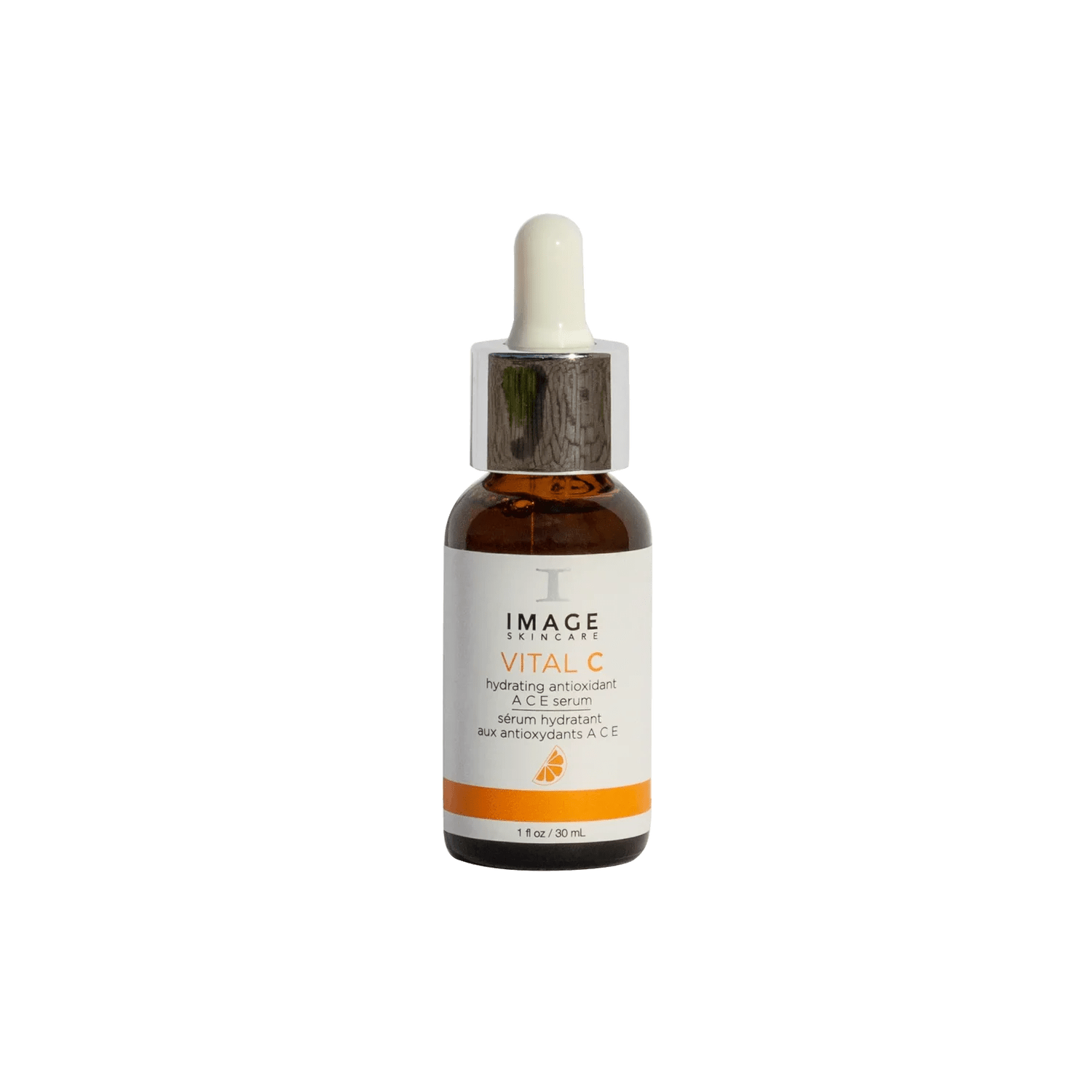
Some skin doesn’t respond well to being pushed — it just needs support. This leans into hydration and comfort first, using vitamin C in a way that improves glow and tone gradually, without creating that tight, slightly reactive feeling stronger formulas can cause.
Why choose it: your skin needs restoring, not correcting
Best for: dry, dehydrated or easily sensitised skin
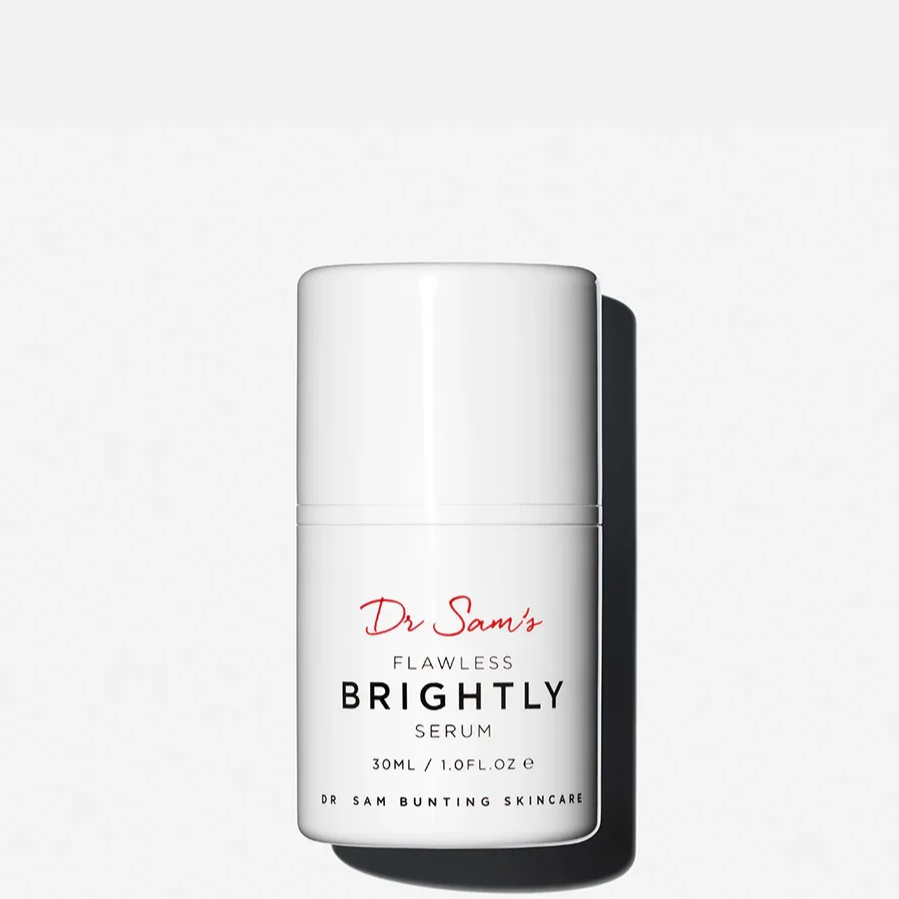
A more controlled approach that focuses on how skin behaves, not just how it looks. Designed to sit comfortably within a routine, it brightens while supporting the barrier, helping skin stay stable enough to actually improve over time. It’s less noticeable day-to-day — but that’s often the point.
Why choose it: you want steady results without disruption
Best for: maintaining clarity, uneven tone, sensitive or inconsistent skin
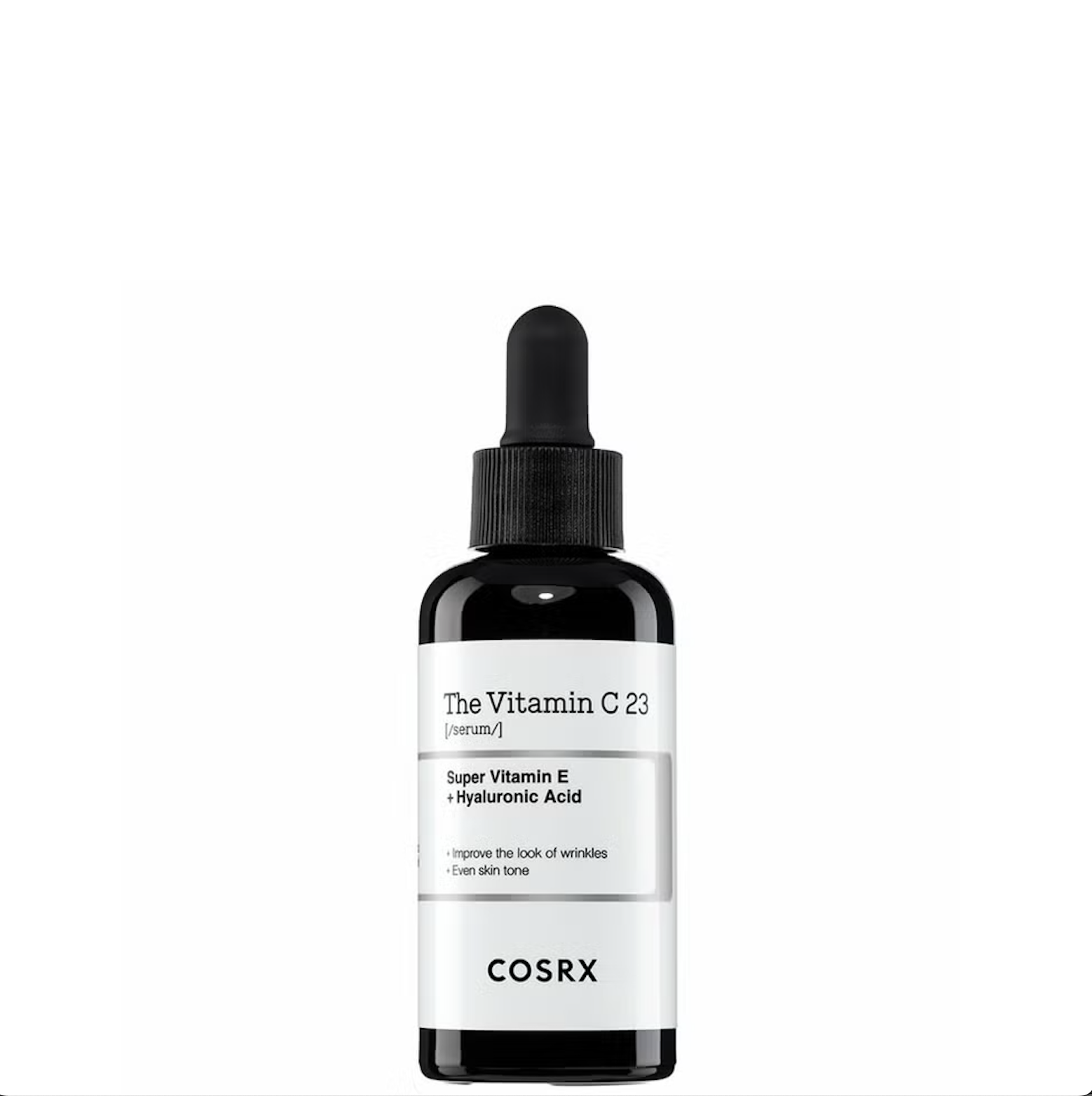
Stronger than most K-beauty formulas, but still less aggressive than many Western ones. It gives a visible lift in brightness and tone, while keeping enough balance that it doesn’t overwhelm the skin. A good step up if gentler options aren’t quite enough anymore.
Why choose it: you want noticeable results without going fully clinical
Best for: dullness, uneven tone, mid-strength users
Vitamin C tends to be less about dramatic change and more about quiet correction — the gradual shift towards skin that looks clearer, more even, more like itself again. The key is choosing a formula your skin will actually let you keep using. Because in practice, that’s what makes the difference.