When Morpheus8 Works — And When It Doesn’t
There’s a predictable arc to most aesthetic treatments: discovery, devotion, overuse — and then the reckoning.

Morpheus8 has entered its reckoning era. Once championed as the sensible middle ground between injectables and surgery, it’s now being questioned with a little more edge. Stories of unexpected volume loss, prolonged inflammation, or results that feel oddly ageing have started to circulate, particularly on TikTok, puncturing what was once near-universal enthusiasm. The question many people are quietly asking has shifted. Not what is Morpheus8? but is the backlash justified?
The answer — inconveniently for TikTok — is nuanced. Morpheus8 isn’t the villain of the piece, but it is highly dependent on how, when, and why it’s used. Much of the backlash stems from the treatment being pushed too hard, too early, and with expectations it was never designed to meet. When Morpheus8 is framed as maintenance rather than time reversal, restraint becomes part of the result. When it’s treated as a shortcut, things unravel.
This is not a facelift in disguise. Nor is it a one-and-done miracle. Used thoughtfully, Morpheus8 can support collagen quality, firmness and skin resilience over time. Used aggressively — particularly on faces already vulnerable to volume loss — it can disappoint. The technology hasn’t changed. The way it’s being deployed has.
At its core, Morpheus8 is a radiofrequency microneedling treatment designed to stimulate collagen deep within the skin. Tiny needles deliver controlled heat beneath the surface, triggering a repair response that can improve firmness, texture and overall skin quality over time. It sits in that in-between space: more impactful than topical skincare, less drastic than surgical intervention. Which is precisely why expectations — and execution — matter so much. This isn’t about instant tightening or visible lift; it’s about gradual structural support, delivered over a series of treatments, with results that build rather than announce themselves.
Why the backlash exists — and what it’s really about
Much of the criticism levelled at Morpheus8 focuses on fat loss, overly tight results, or faces that emerge looking somehow harsher than before. These experiences aren’t imagined — but they’re also not inevitable. In most cases, they can be traced back to the same culprits: excessive depth, overly aggressive settings, poor spacing between treatments, or using the device to chase visible correction rather than quietly improve skin quality.
“The technology hasn’t changed. The way it’s being deployed has.”
When Morpheus8 first gained traction, the prevailing philosophy was blunt: deeper meant better. More depth equalled more tightening, more collagen, more results. Over time, that thinking has evolved — not because the technology failed, but because experience caught up with enthusiasm. It’s now better understood that deeper isn’t always better, and in some cases is the wrong route entirely, particularly where volume preservation matters.
This shift explains the current backlash more accurately than any viral horror story. Much of the criticism stems from Morpheus8 being used too forcefully, too soon — often on faces that would have benefited from a lighter touch. When the treatment is approached as maintenance, the need for aggression drops away. Precision matters more than intensity. Judgement matters more than depth.
Where expertise changes everything
What ultimately determines whether Morpheus8 feels measured or misjudged isn’t the device — it’s the expertise behind it. And this is where my experience at Story Clinics felt quietly, but decisively, different.
Story Clinics operates with a deliberately conservative philosophy. Treatments are positioned within a wider view of skin health rather than as isolated fixes, with an emphasis on preparation, pacing and long-term outcomes over visible immediacy. There’s a strong focus on energy-based devices, injectables and skin health working together — not competing — and a willingness to slow things down if the skin, or the timing, isn’t right. It’s a clinic built around judgement rather than volume, and that shows in how treatments are planned and delivered.

Before a single treatment was scheduled, there was a pause. Given my history of melasma, Dr Sophie Sawbridge recommended six weeks of preparatory skincare using Obagi Medical — not to optimise results, but to reduce risk. The focus was on strengthening the skin, stabilising pigment pathways, and minimising the chance of post-inflammatory hyperpigmentation before introducing any energy-based treatment.
That moment mattered. It reframed Morpheus8 not as an isolated procedure, but as something that should sit within a broader, longer-term skin strategy — and one that shouldn’t be rushed if the skin isn’t ready.
The same thinking carried through the treatment plan. Morpheus8 was discussed as one tool among many, not a dramatic intervention. Depth, settings and pacing were chosen with restraint, guided by skin behaviour rather than a default belief that more intensity equals better outcomes. There was no sense of chasing tightening for its own sake, and no pressure to go deeper simply because the technology allows it.
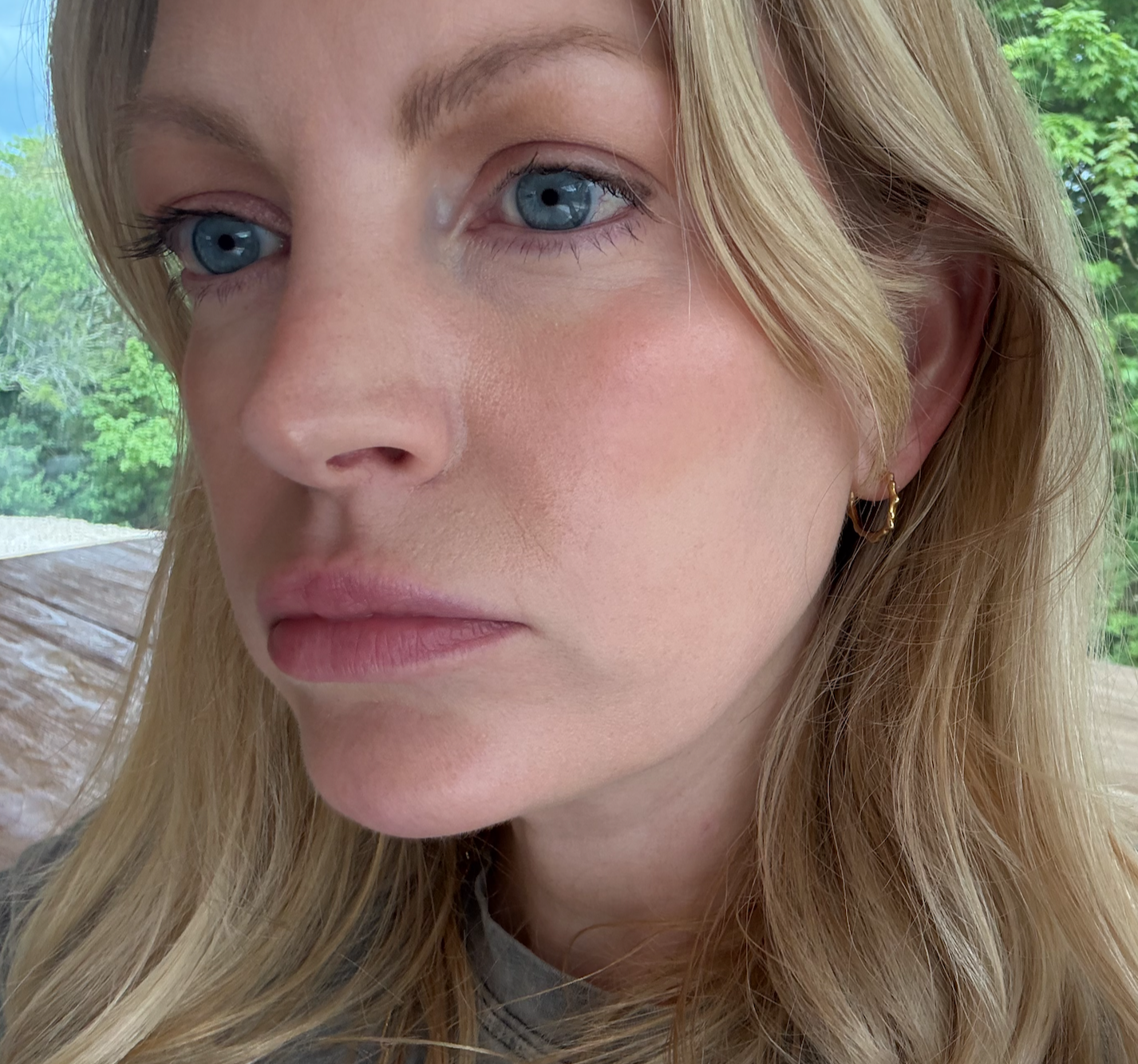
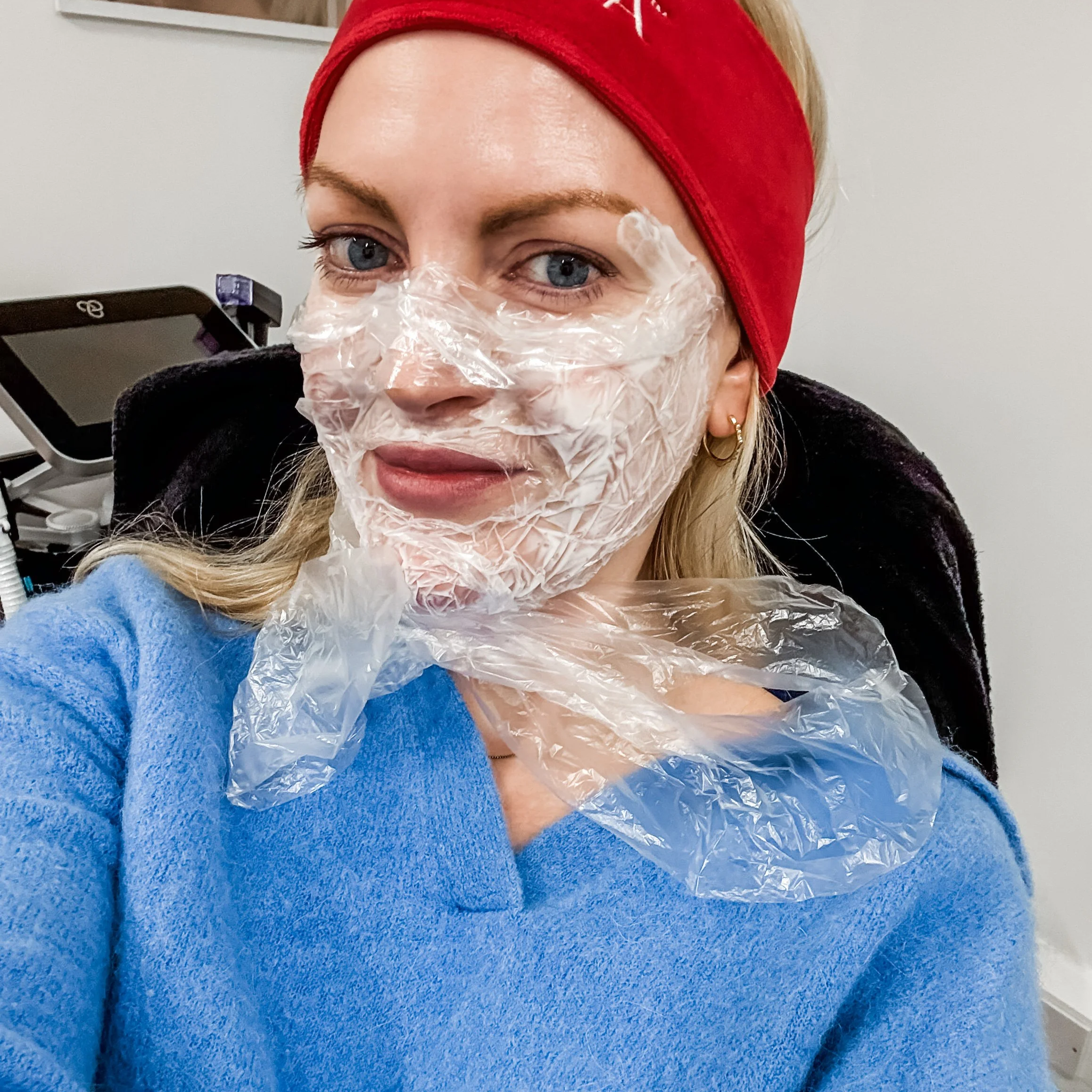
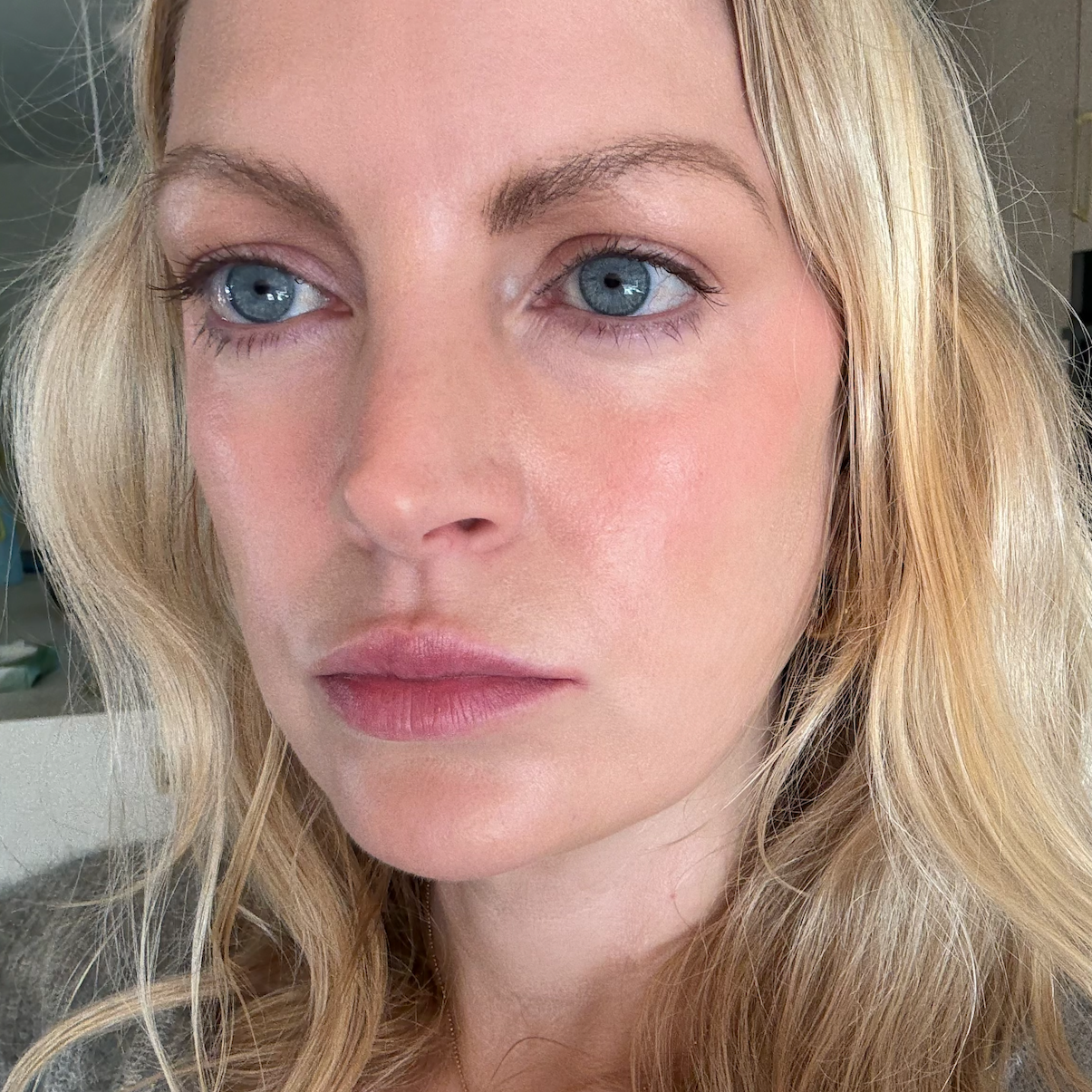
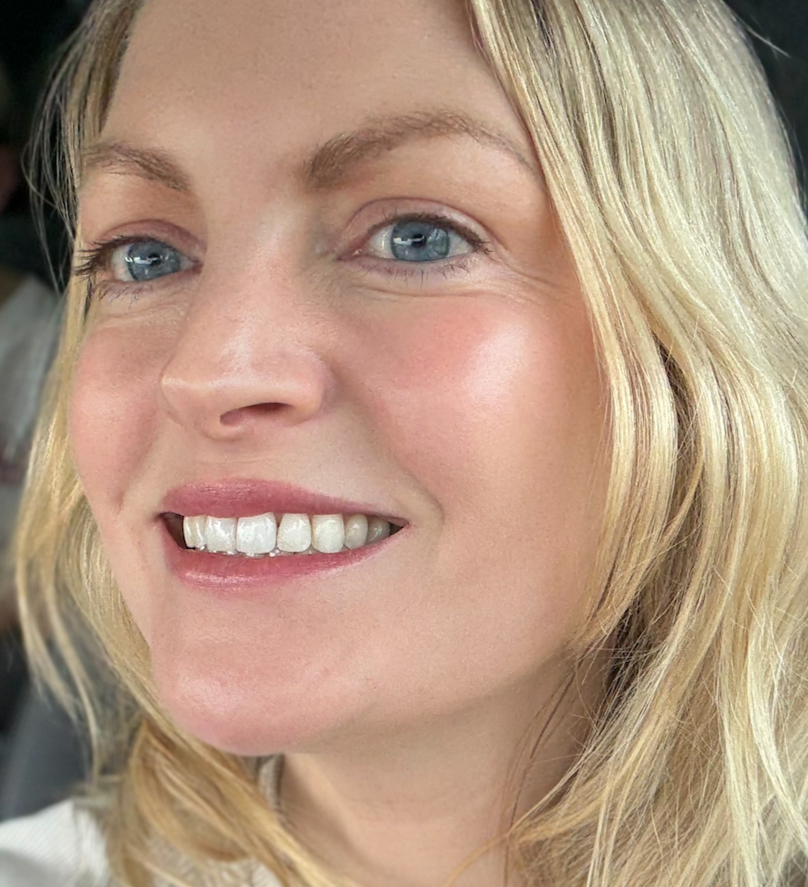
I completed three sessions, spaced deliberately, with the understanding that this is a treatment you return to a few times a year — not something you do once and expect to overhaul your face. Expectations were set clearly and early: this isn’t a facelift, and it isn’t designed to be.
The results reflected that philosophy. Changes were subtle and cumulative. Skin felt firmer, texture more refined, and overall resilience improved without inflammation or unwanted trade-offs. Recovery was calm. Nothing looked forced. Everything felt intentional.
So where does that leave Morpheus8?
I haven’t fallen out of love with Morpheus8 — but I have become far more selective about how, when and where it’s used. It remains a treatment I value for skin tightening, texture and long-term collagen support, but it’s no longer something I see as universally interchangeable from clinic to clinic. The margin between a good result and a disappointing one isn’t the technology; it’s the judgement behind it.
My experience at Story Clinics reinforced that distinction. From the insistence on preparing the skin properly, to the refusal to chase depth or intensity for its own sake, the approach felt considered rather than performative. Three carefully spaced sessions, guided by restraint rather than bravado, delivered exactly what was promised: subtle, cumulative improvements that made skin feel firmer and more resilient, without tipping into anything forced or inflammatory.
That’s the version of Morpheus8 that still makes sense to me. Not as a shortcut, not as a reset, and certainly not as a facelift in disguise — but as a tool that works best in thoughtful, experienced hands. The backlash isn’t wrong; it’s just often aimed at the wrong thing.
To book your Morpheus8 consultation visit storyclinics.com