Why Cholesterol Is the Skincare Ingredient Dermatologists Don’t Skip
The ingredient dermatologists rely on rarely makes the marketing copy.

Cholesterol has a branding problem. In the cultural imagination, it belongs to blood tests, warning labels and late-night health documentaries — something to lower, avoid, control. Certainly not something you’d expect to find in a luxury moisturiser. And that, in part, is why no one talks about it. Skincare marketing thrives on words that promise glow, lift and renewal. Cholesterol promises none of those things. What it offers instead is function — and function, while deeply unsexy, is what skin quietly depends on to behave itself.
Dermatologists, however, have never been confused about cholesterol. Long before barrier repair became a buzzword, clinical skin science understood the barrier as a lipid system, not a single hero ingredient. Healthy skin relies on three lipids working in balance: ceramides, fatty acids and cholesterol. Remove one — particularly cholesterol — and the system falters. Skin may still hydrate, but it won’t recover. It becomes reactive, intolerant, stuck in a cycle of calming and flaring with no real resilience underneath.
This is why cholesterol doesn’t trend. It doesn’t create instant glow or dramatic before-and-afters. It doesn’t tingle. It doesn’t exfoliate. What it does is far quieter: it stabilises the skin barrier, reduces water loss, improves tolerance to actives and allows skin to hold itself together under stress — whether that stress comes from winter weather, over-exfoliation, or simply too much skincare enthusiasm.
And here’s the irony: some of the most respected “barrier repair” formulas already rely on cholesterol heavily. Brands just rarely lead with it, because cholesterol still sounds like something you’re supposed to fix — not apply.
So what does cholesterol actually do in skincare?
“When skin is tired of being treated, cholesterol is often what helps it function again.”
Cholesterol rarely gets credit because it doesn’t promise instant glow or visible transformation. Its role is quieter than that — it stabilises skin before anything else can improve it. When cholesterol levels are depleted, skin can feel tight, reactive or oddly inconsistent, regardless of how hydrating the rest of your routine is. Bringing it back into balance doesn’t create drama; it restores reliability, allowing skin to behave the way it’s meant to.
Think of ceramides as bricks. Fatty acids as the mortar. Cholesterol is the architectural logic that keeps the structure stable. Without it, the wall exists — but it’s fragile. Cholesterol helps organise lipids into a functional barrier, allowing skin to regulate moisture properly and defend itself against irritation. This is also why a ceramide-only routine can feel soothing but incomplete, a nuance we explored in depth in our barrier-first routine guide. Repair isn’t about adding more — it’s about restoring balance.
The Products That Use Cholesterol Properly
Once you know what to look for, a pattern emerges. Cholesterol doesn’t appear in trend-led formulas; it appears in products designed to fix skin when it’s no longer coping.
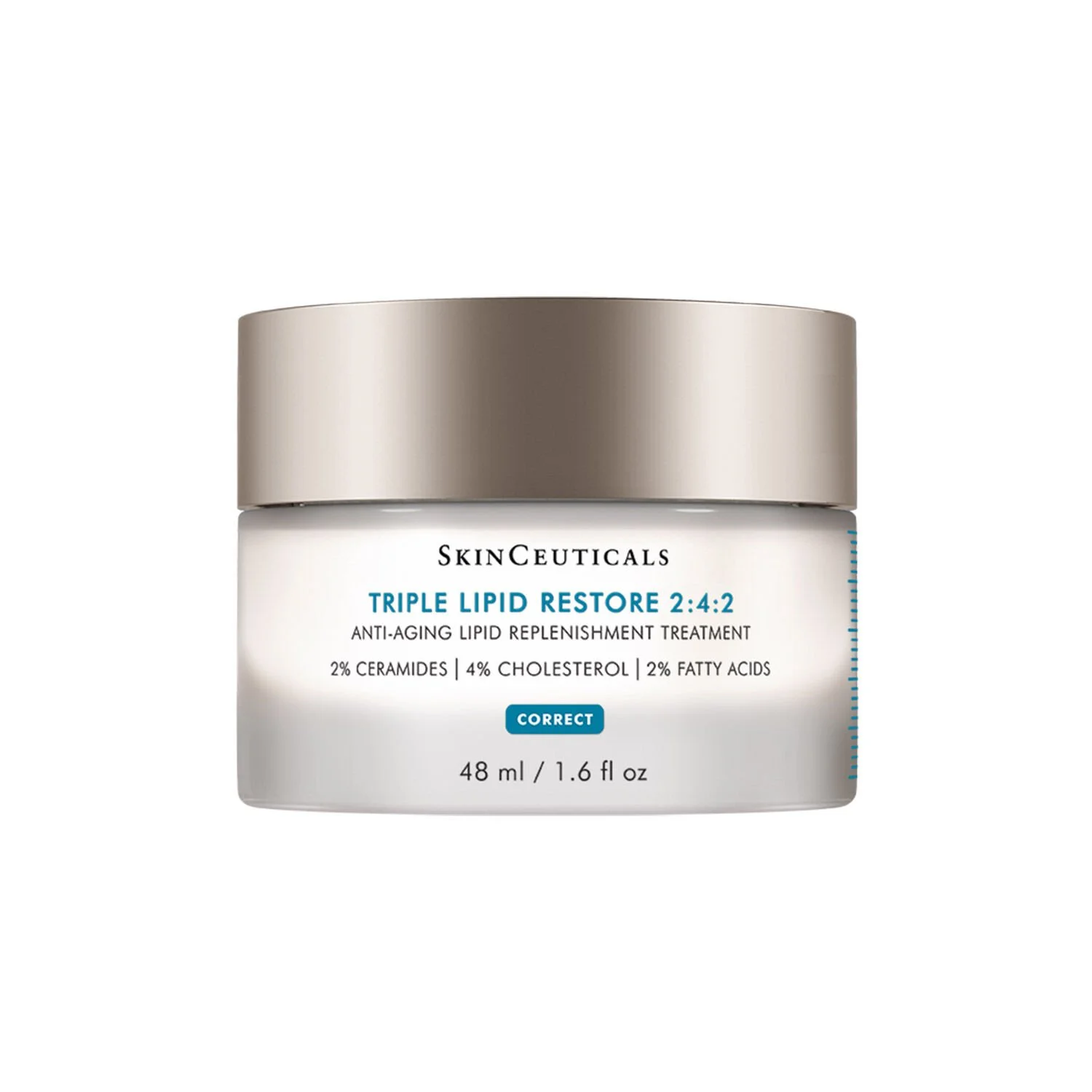
SkinCeuticals Triple Lipid Restore 2:4:2 (£150) remains the reference point. Dermatologists cite it not because it’s fashionable, but because its lipid ratio — ceramides, cholesterol and fatty acids — mirrors healthy skin architecture. It’s the difference between moisturising skin and structurally rebuilding it, which is why it’s so often recommended post-treatment or during periods of barrier collapse.
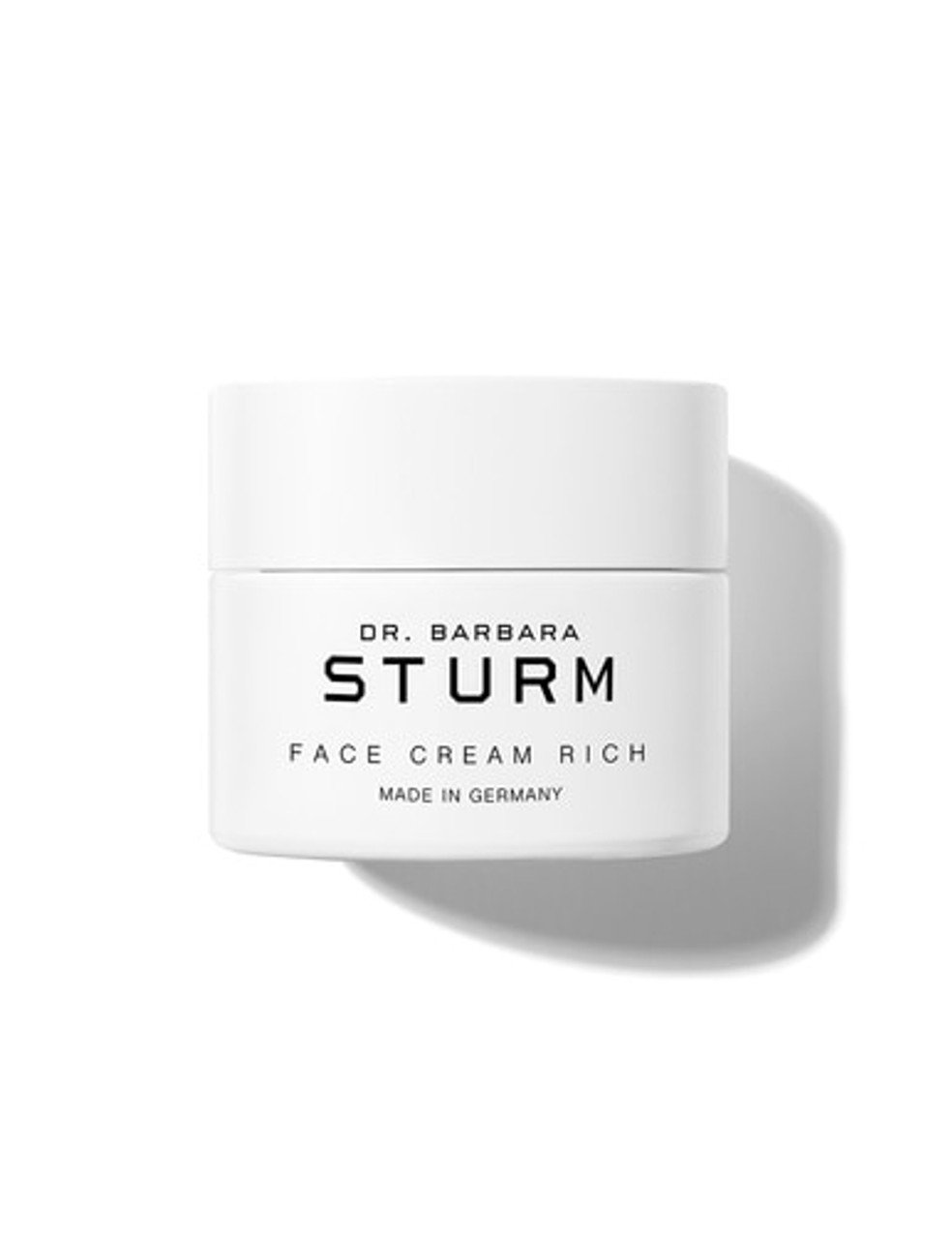
Dr Barbara Sturm Face Cream and Rich Cream (from £60) take a more understated luxury approach. Cholesterol sits quietly within a lipid system designed to calm inflammation and reduce transepidermal water loss. These are formulas for skin that doesn’t want drama — just consistency and calm.
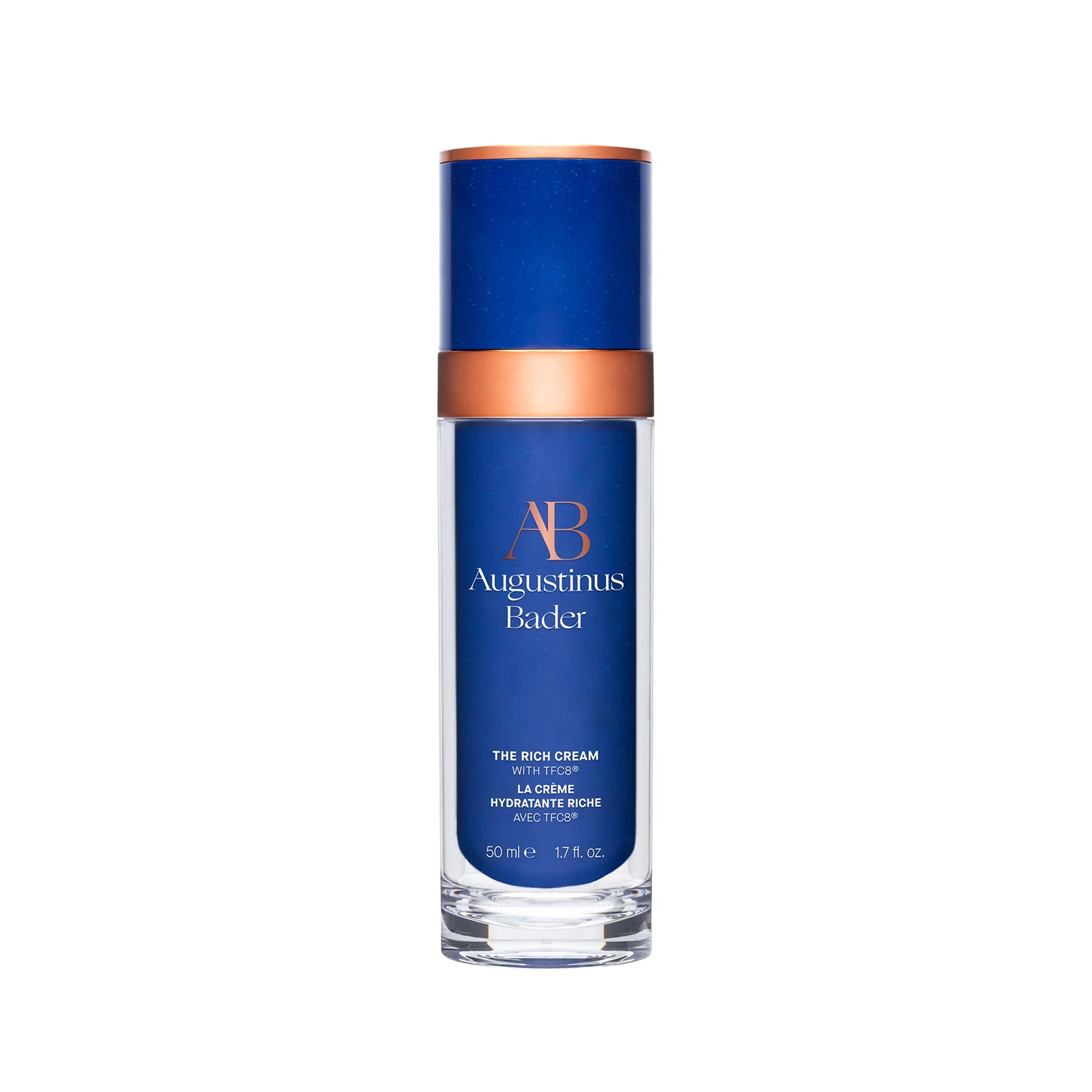
Augustinus Bader The Rich Cream (from £250) includes cholesterol as part of its broader lipid matrix, one reason it performs so well on sensitised or compromised skin. It’s often described as “restorative” rather than “active” for good reason — this is skin support, not stimulation.
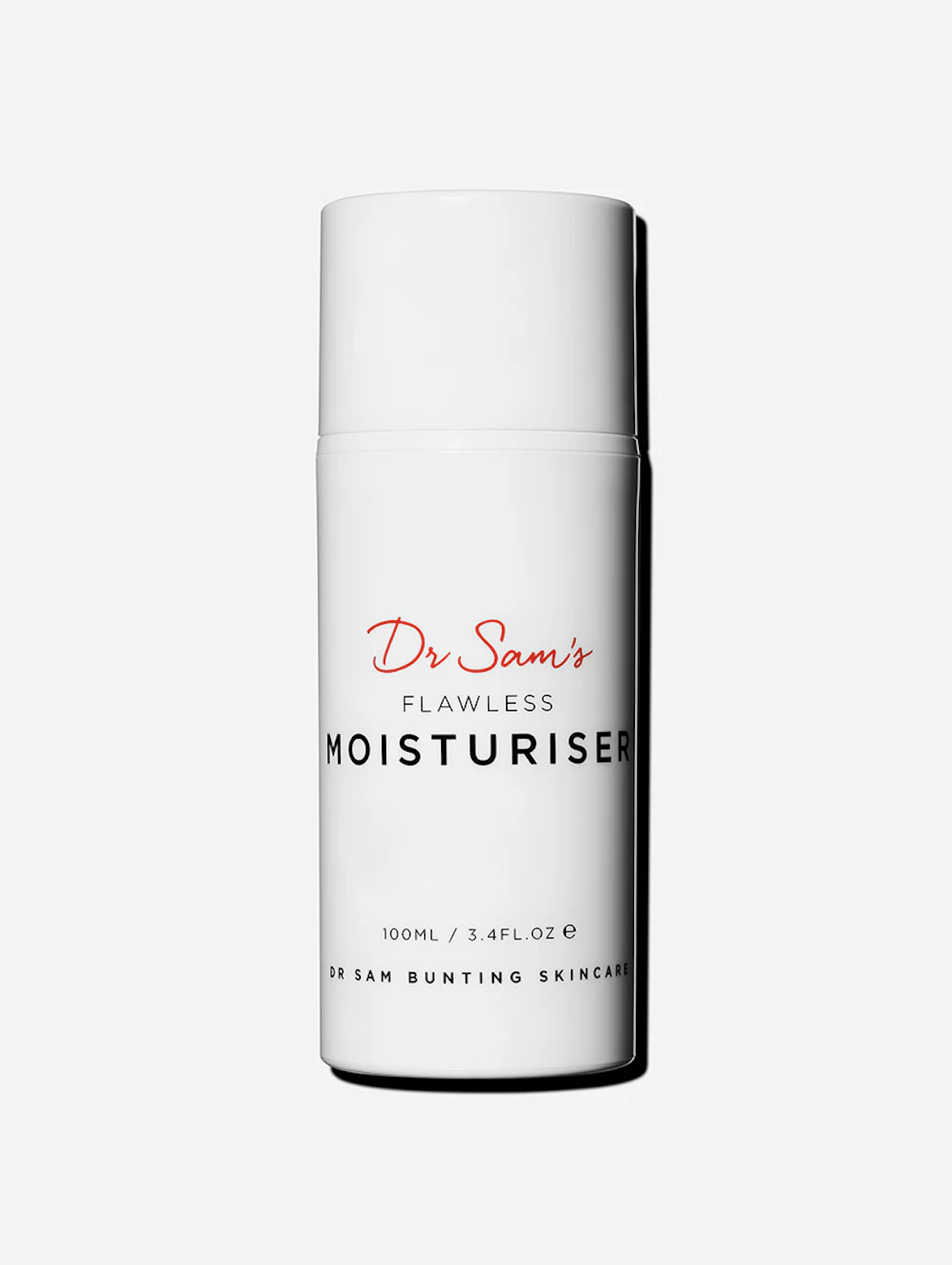
Dr Sam’s Flawless Moisturiser (£55)is perhaps the most transparent example of cholesterol’s role. Designed by a dermatologist for skin that struggles with actives, it prioritises barrier integrity over cosmetic fireworks. Cholesterol features because it has to — not because it sells.
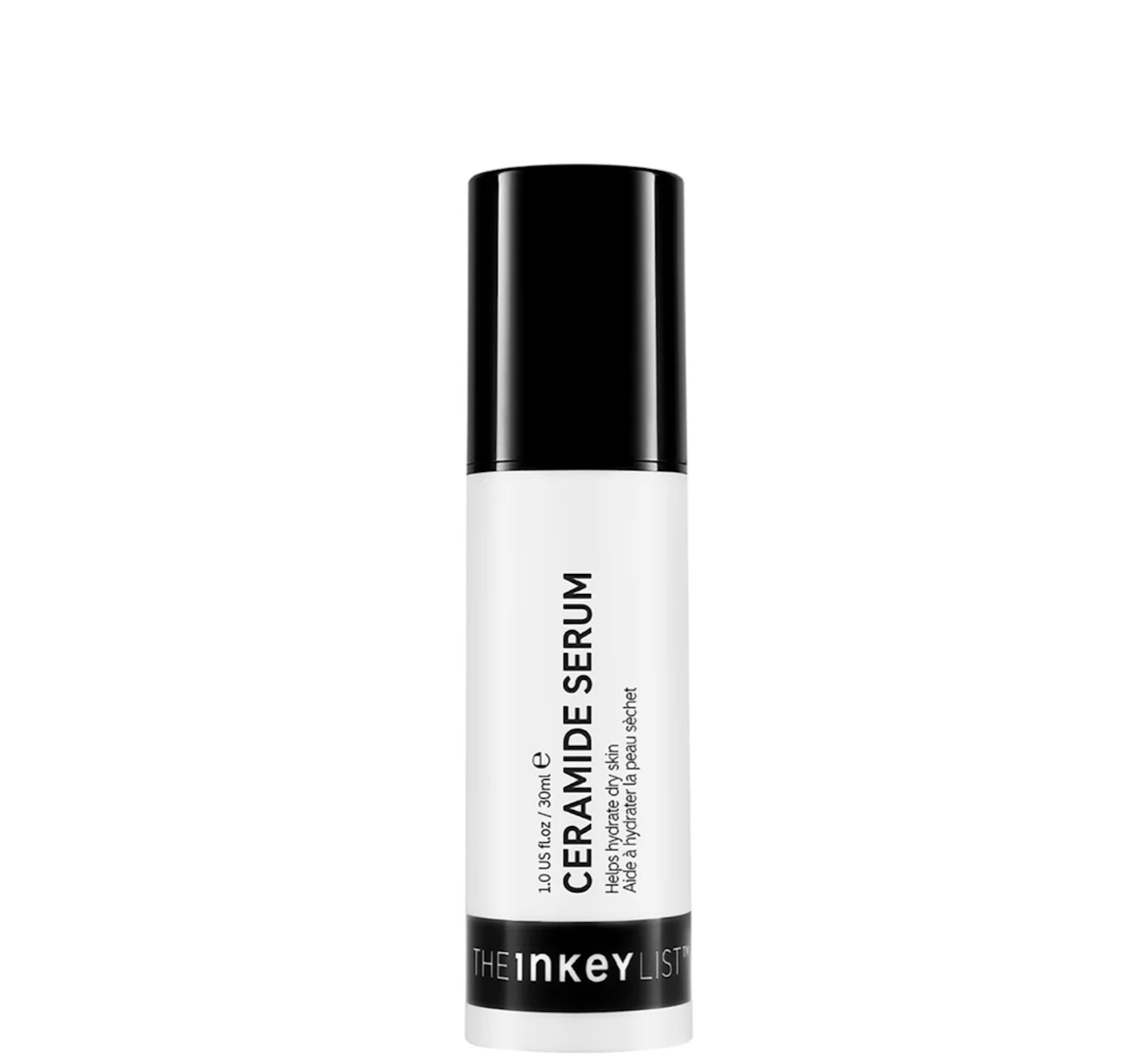
And at the more accessible end, The INKEY List Ceramide Night Treatment (£13) proves this logic isn’t exclusive to clinic brands. Its inclusion of ceramides, fatty acids and cholesterol reflects the same dermatological understanding: barrier repair works best when the lipid system is complete.
Cholesterol doesn’t make skin glow overnight, and it doesn’t announce itself loudly on a label. What it does instead is restore the conditions skin needs to behave well — to hold onto moisture, to tolerate actives, to stop overreacting to everything it encounters. In a skincare landscape obsessed with correction, cholesterol is a reminder that resilience is often built through restoration, not intensity. The calm that follows isn’t accidental; it’s structural.