The Forever Kitchen: The Elevated Brands Replacing Disposable Cookware and Plastic Clutter
The forever kitchen has arrived — replacing disposable clutter with beautiful pieces designed to last.
The modern kitchen became oddly confused for a while. We were suddenly talking about wellness, ingredients, filtered water and what our products were made from — while also filling our countertops with giant black appliances, plastic-heavy gadgets and bulky water filters that looked like they belonged in a student flat.
The Nutribullet bought during a short-lived green smoothie phase. The enormous black Ninja air fryer that somehow became a permanent piece of furniture. The plastic water filter many of us still use daily despite trying to avoid plastic almost everywhere else in life.
At the same time, kitchenware had quietly become disposable. Non-stick pans were bought cheaply, used hard, scratched, replaced and bought again. Appliances promised to change our lives, then ended up shoved to the back of a cupboard six months later. We treated the kitchen a little like fast fashion: function first, longevity later, aesthetics barely considered at all.
Now, though, people are becoming far more intentional about what they bring into their homes — particularly the objects they use every single day. The new generation of elevated kitchenware isn’t just more beautiful to look at; in many cases, it’s better for us too. Better materials. Less plastic. Fewer coatings that degrade over time. And while the initial outlay is often higher, these are pieces designed to stay in your kitchen for years rather than survive until the next clear-out.
“The kitchen is becoming less about endless upgrades and more about collecting pieces that quietly improve everyday life instead.”
More people are approaching kitchens differently now — not rushing out to buy an entire matching set in one go, but building things gradually over time instead. Replacing the old scratched pan with a titanium one designed to last for years. Investing in a sculptural kettle that earns permanent space on the counter. Finally swapping the cloudy plastic water filter for something made from glass and stainless steel instead.
Part of it is practical, certainly, but part of it is emotional too. The same way people have started paying more attention to lighting, colour and softer interiors, kitchens are becoming spaces designed to create a feeling as much as serve a function. There’s a touch of hygge to it all — and perhaps a little fika too — this growing desire to slow down and enjoy small everyday moments properly again. Morning coffee feels different when made with objects you genuinely enjoy using. Dinner becomes less of a chore when the cookware left out on the hob actually adds to the atmosphere of the room rather than detracting from it.
The kitchen is becoming less about endless upgrades and more about collecting pieces that quietly improve everyday life instead — objects that function beautifully, look better with age and slowly shape the atmosphere of the room in the process. These are the forever pieces — products chosen with the same level of thought people once reserved only for furniture, lighting or fashion.
The Forever Kitchen Edit
Our Place
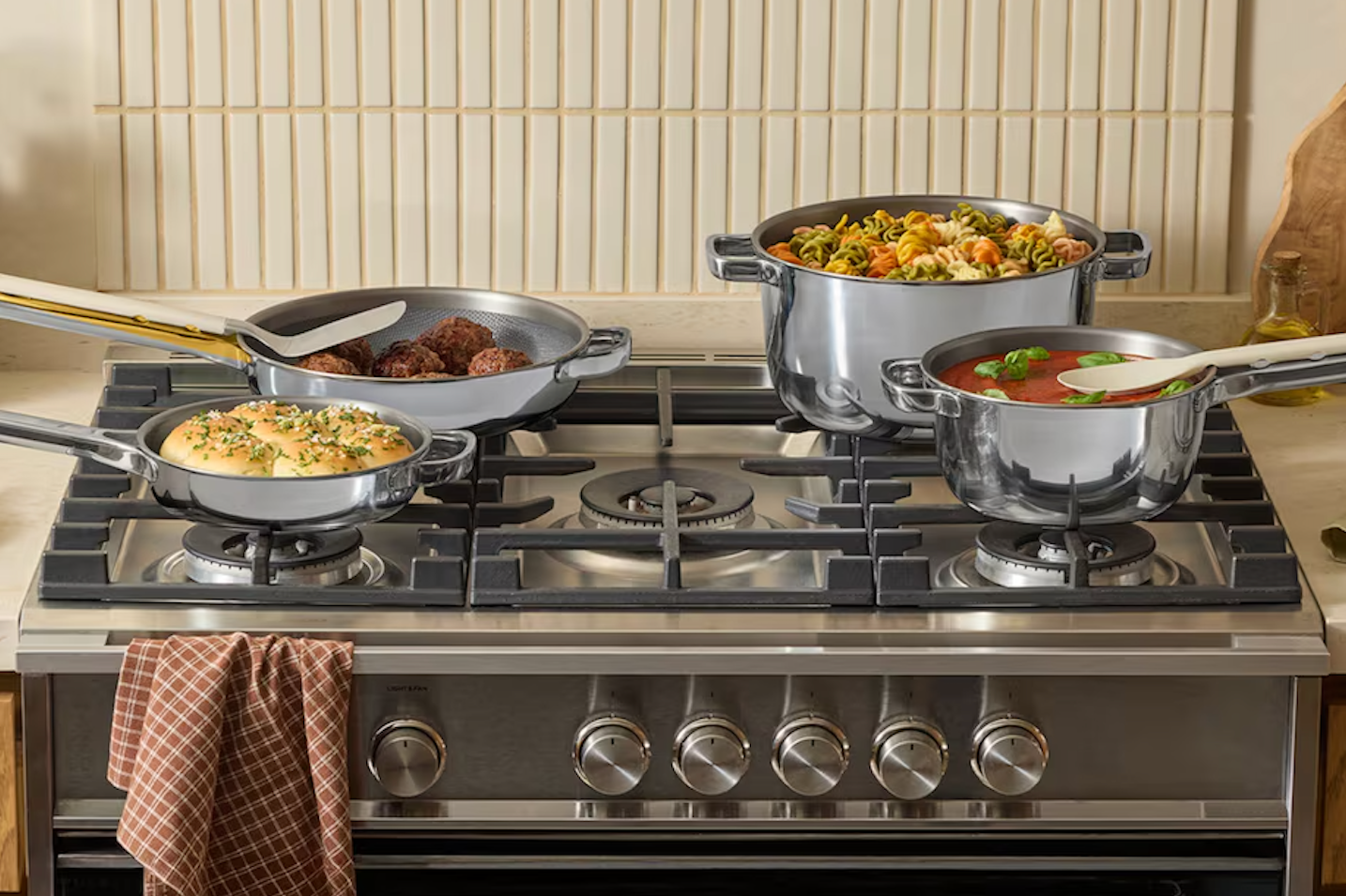
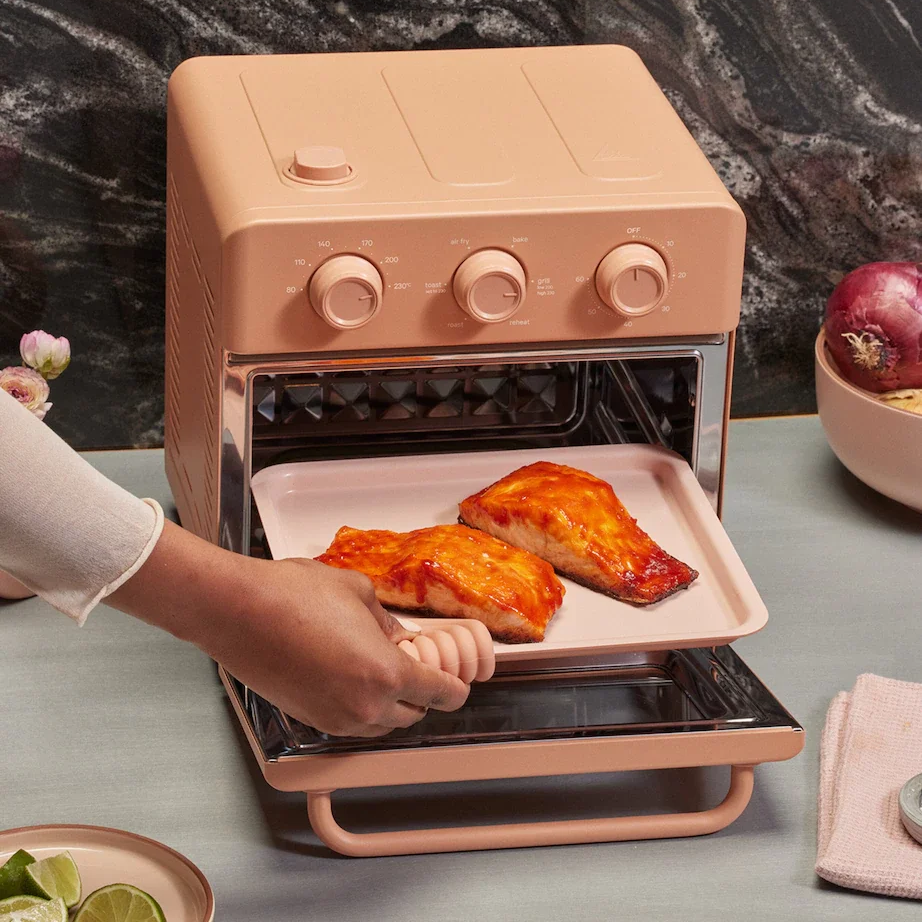
Few brands have captured the newer mood around kitchens quite like Our Place. The brand understood early on that people no longer wanted cookware hidden away in cupboards — they wanted pieces beautiful enough to live permanently on the hob, while also moving away from the disposable feel of traditional non-stick. Its Titanium Pro cookware feels particularly relevant right now: sleeker, longer-lasting and designed for people increasingly tired of replacing scratched pans every few years.
What also sets the brand apart is how naturally it has expanded beyond cookware into appliances, tableware and countertop pieces that feel considered rather than cluttered. Everything sits within the same softer, more intentional world — one where practicality matters, but atmosphere does too.
What we’d buy: The Titanium Pro cookware collection and Wonder Oven.
HAY
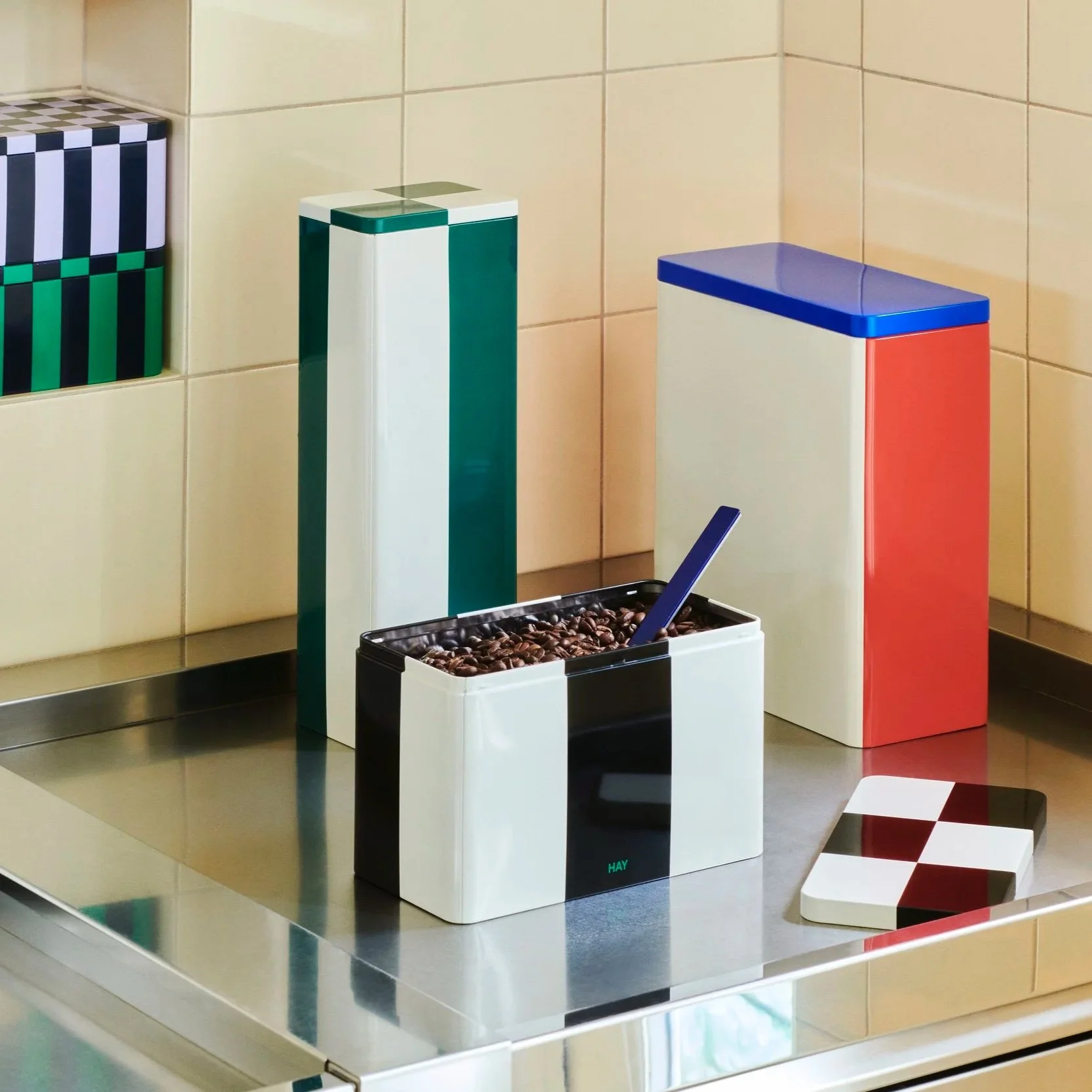
HAY approaches kitchens less like a cookware company and more like an interiors brand that understands how much atmosphere everyday objects can create. At a time when kitchens became dominated by black plastic appliances and purely functional purchases, the Danish label brought colour, softness and personality back into the room through the smaller details: beautifully designed coffee presses, sculptural brew pots and storage pieces that somehow make everyday organisation feel considerably less boring.
There’s also something intentionally cheerful about HAY’s kitchen world. The colours feel warm rather than clinical, the shapes slightly playful without becoming childish. In many ways, it reflects the broader move away from hyper-minimal kitchens and towards spaces that feel lived in, comforting and genuinely enjoyable to spend time in.
What we’d buy: The French press coffee brewer, brew pot and colourful kitchen storage tins.
Aarke
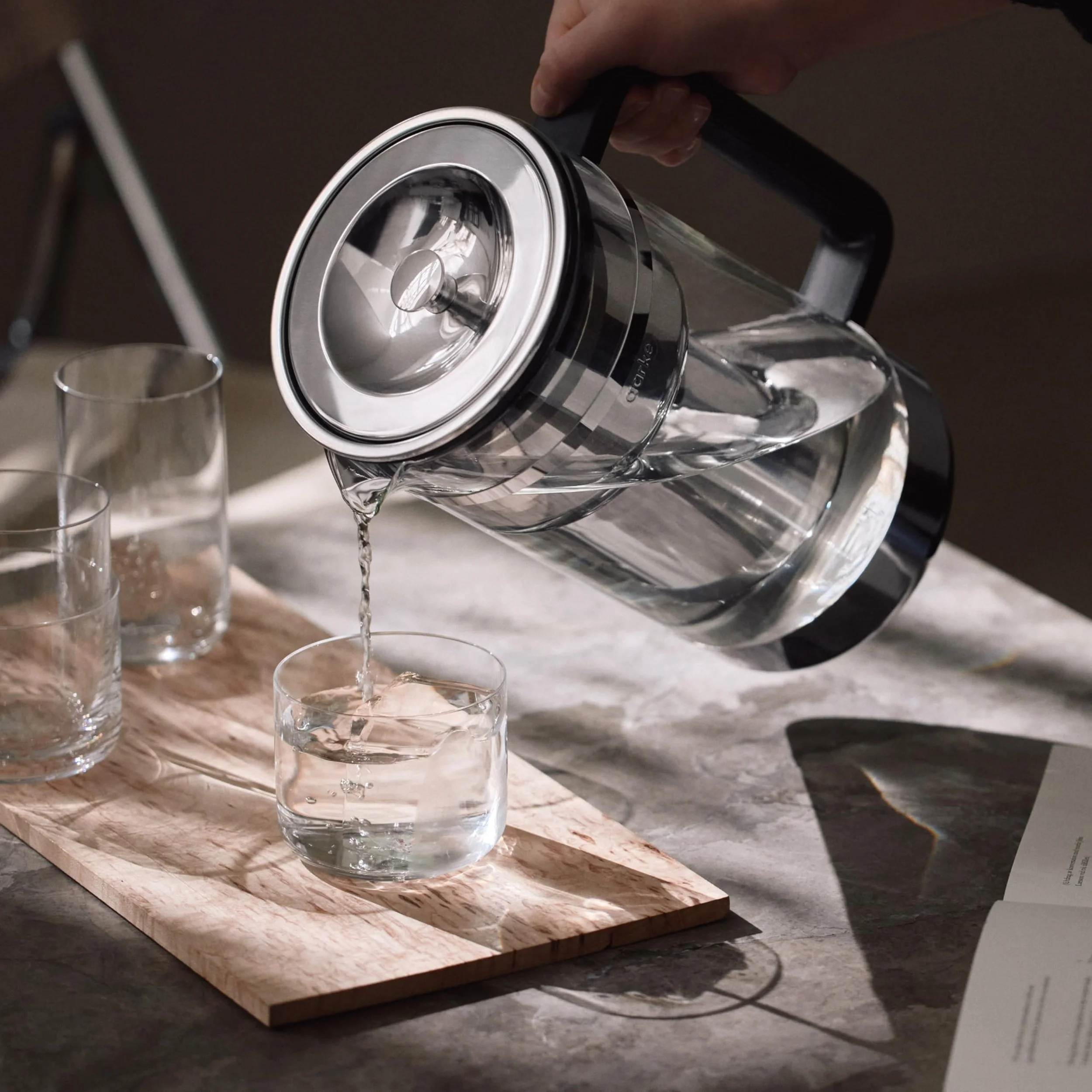
If one product perfectly captures the contradiction of modern wellness culture, it’s probably the plastic water filter sitting in otherwise carefully designed kitchens. Aarke recognised that early on, creating water filtration and carbonation systems that feel considerably more elevated than the cloudy plastic jugs many people have reluctantly tolerated for years.
Its stainless steel and glass-heavy designs tap into something bigger too: the desire for wellness products that integrate beautifully into everyday life rather than disrupting the atmosphere of a room entirely.
What we’d buy: The Purifier Starter Kit and Carbonator.
Stelton
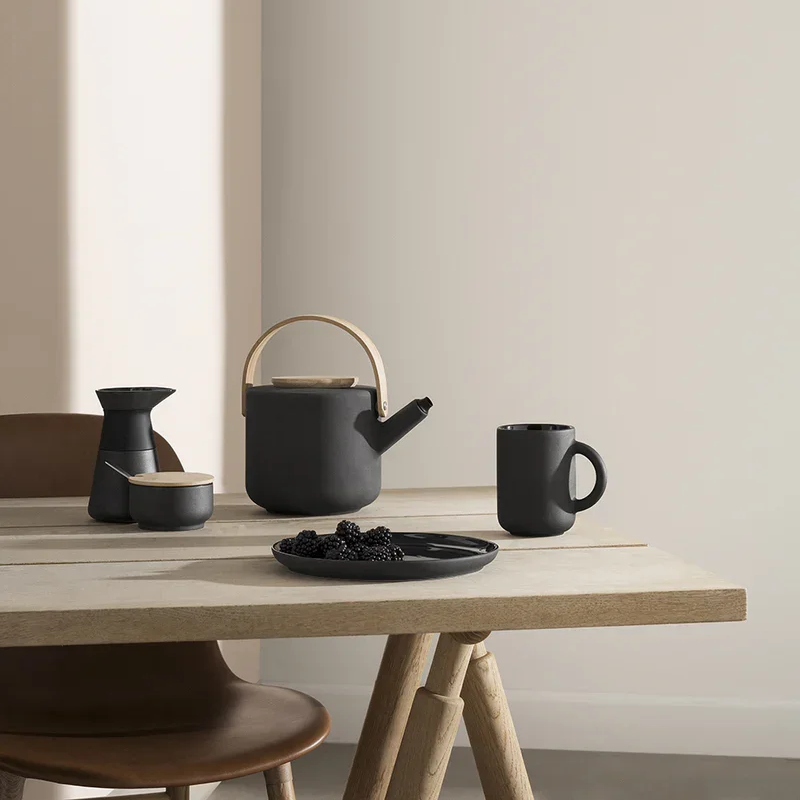
Some brands chase trends; Stelton simply continues making pieces that never really stop looking good. The Danish design house has been producing timeless kitchen objects for decades, yet its vacuum jugs, kettles and serving pieces feel perfectly aligned with the current appetite for quieter, longer-lasting design.
There’s comfort in that kind of permanence. These are pieces people buy once, use daily and continue reaching for years later without them ever feeling tired or overly trend-driven.
What we’d buy: The EM77 vacuum jug and Theo Coffee Maker

Eva Solo
Eva Solo sits in that sweet spot between practicality and softness. Its cookware, kitchen tools and serving pieces are deeply functional, yet never clinical or overly utilitarian — something many “healthy kitchen” products have historically struggled with.
The brand’s minimalist Scandinavian aesthetic works particularly well in modern kitchens where everything remains visible most of the time. Nothing feels excessive; everything feels quietly considered.
What we’d buy: The cookware collection and kitchen tools.
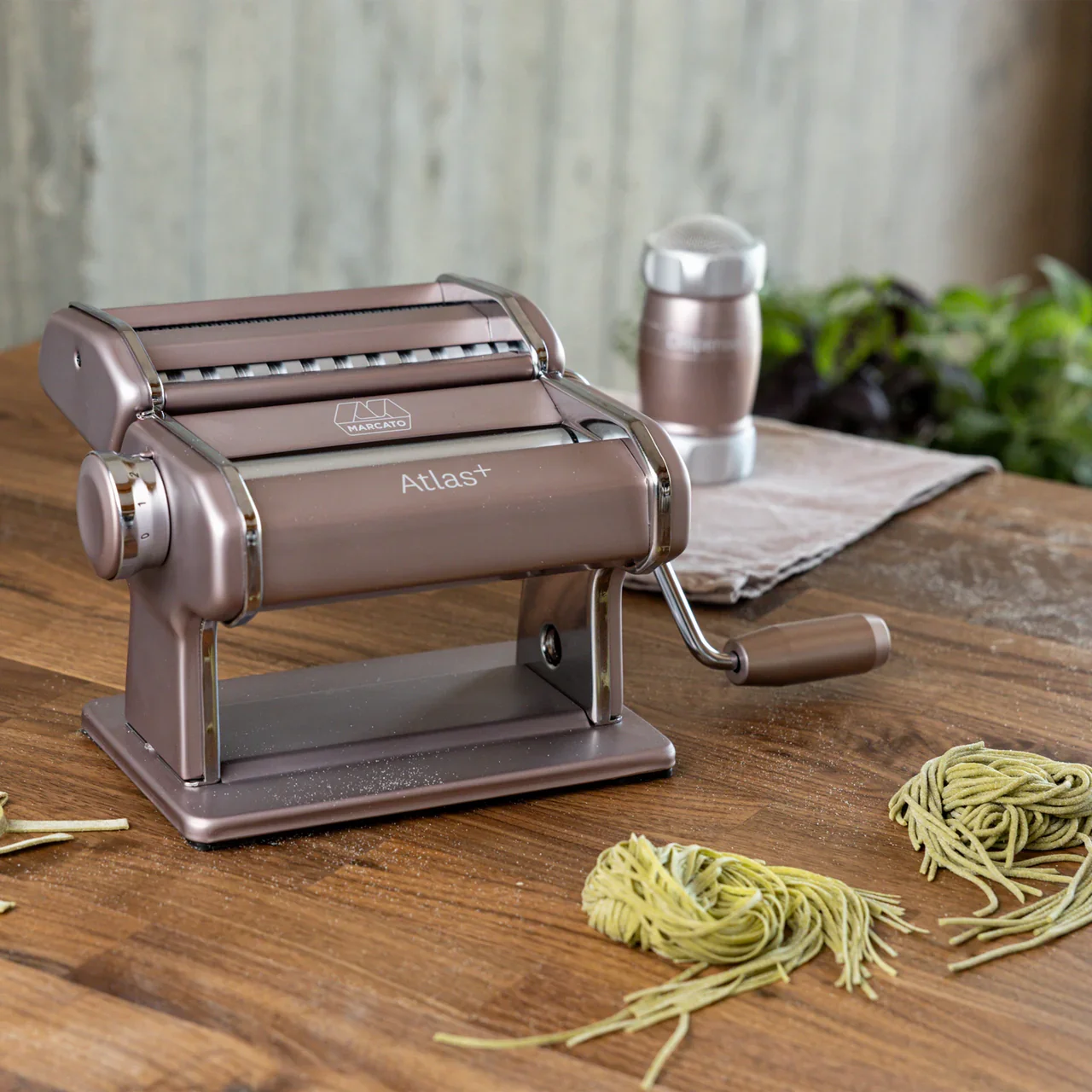
Marcato
Marcato’s colourful pasta machines tap into something people are craving more of generally: a slower, more tactile relationship with everyday life. In a world of hyper-convenience, there’s something undeniably appealing about kitchen objects tied to ritual, creativity and taking your time.
The Italian brand’s Atlas pasta makers also happen to bring warmth and personality into kitchens that had started feeling dominated by black appliances and purely functional purchases.
What we’d buy: The Atlas pasta maker in one of the softer colourways.
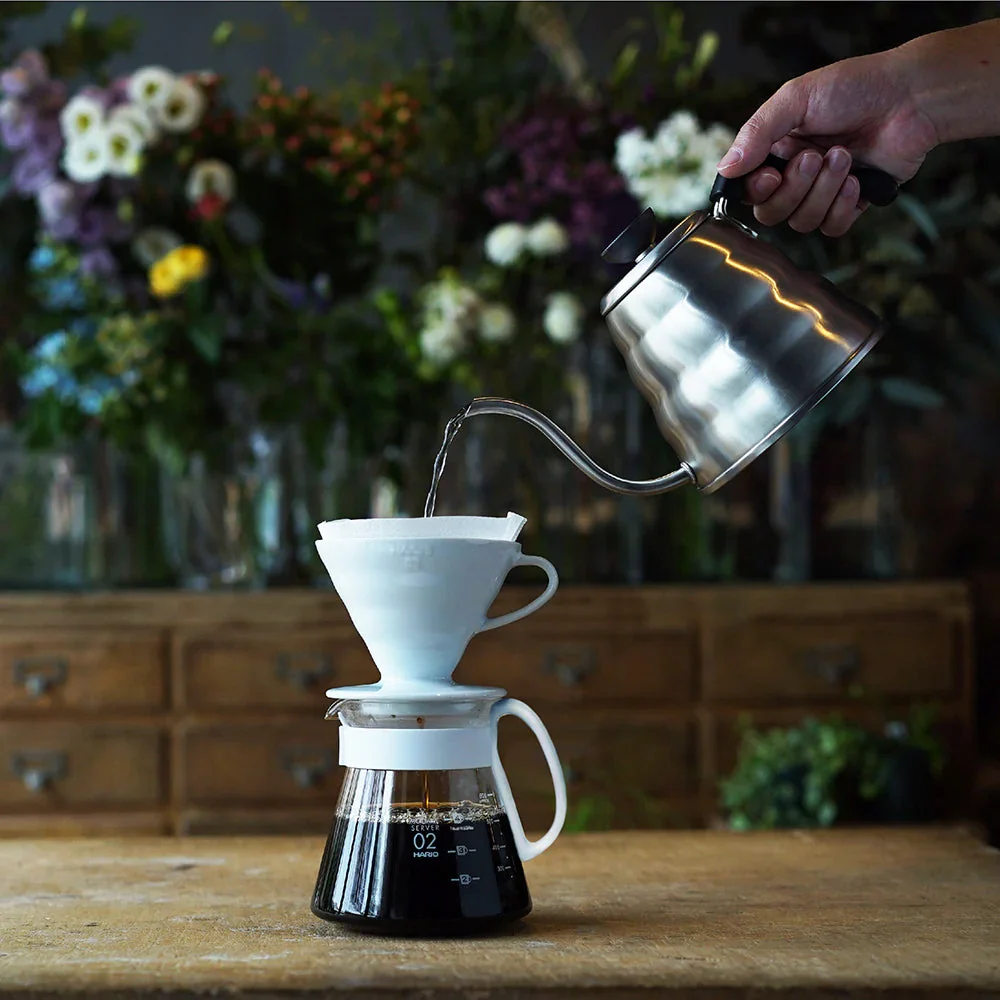
Hario
Few brands understand the atmosphere of small daily rituals quite like Hario. Its Japanese-designed coffee equipment has become closely associated with the slower morning culture many people are increasingly gravitating towards — the idea that everyday moments should feel enjoyable rather than rushed wherever possible.
The brand’s pieces are beautifully simple: functional without feeling cold, minimal without becoming stark.
What we’d buy: The Buono Kettle and Matcha Collection.
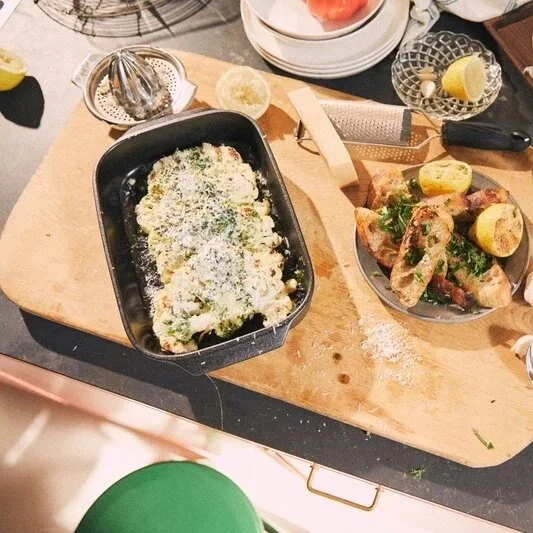
Rosendahl
Rosendahl’s ovenware and kitchen pieces feel rooted in the idea that everyday dining should still feel special, even on ordinary weeknights. Its designs move easily from oven to table, encouraging a softer, slower style of eating that feels increasingly appealing after years of ultra-convenience culture.
There’s warmth to the brand too — the sense that kitchens should feel lived in rather than perfectly staged.
What we’d buy: The oven-to-table cookware collection.
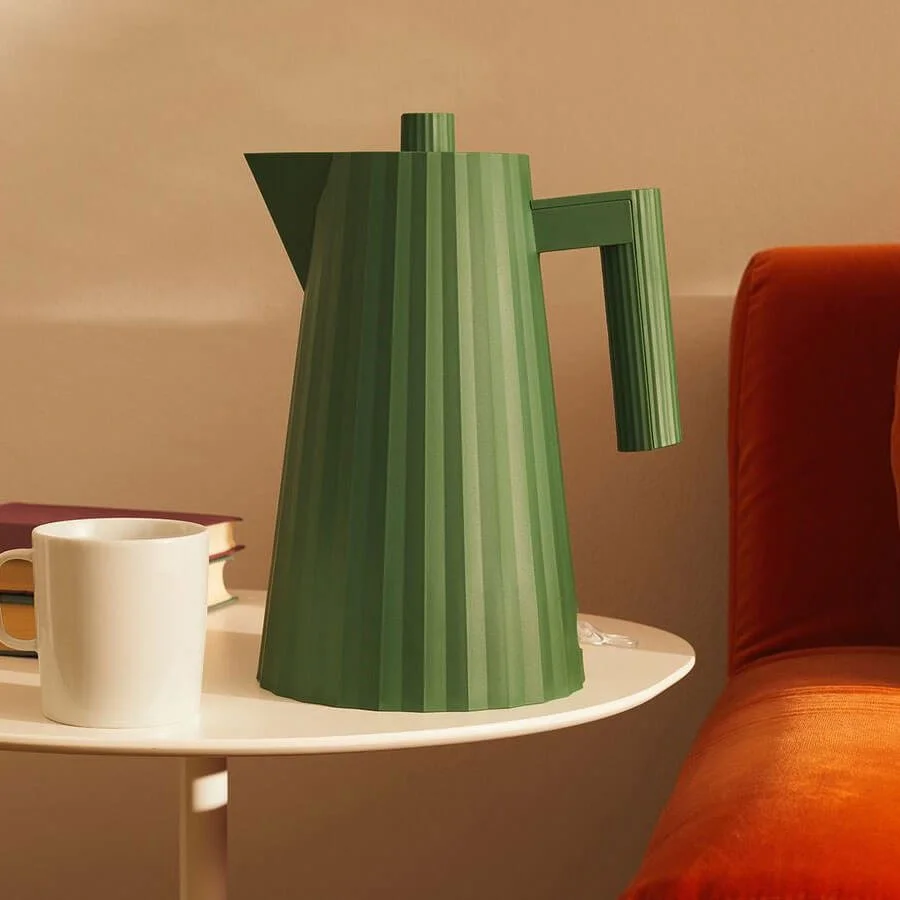
Alessi
Alessi has always understood that functional objects can still have personality. Long before kitchens became design conversations in their own right, the Italian brand was creating kettles, coffee makers and accessories that felt sculptural, playful and instantly recognisable.
Now, as people move away from purely utilitarian purchases, Alessi feels newly relevant again — proof that practical products can still bring humour, atmosphere and individuality into a room.
What we’d buy: The Plissé kettle and Juicy Salif citrus juicer.