The New Skin-First Makeup That Makes Foundation Feel Obsolete
Coverage is no longer the goal. Skin quality is. And the products leading the shift behave less like foundation — and more like skincare with a social life.

There was a time when foundation was the unquestioned centrepiece of a makeup bag. It was the step everything else revolved around: the base, the canvas, the thing you chose first and built around. You found your shade, your finish, your level of coverage — and stuck to it like a loyal partner, even when it wasn’t entirely right for you.
But somewhere between the rise of skin barrier repair, the backlash against overfilled faces, and the collective exhaustion with heavy, mask-like base products, foundation quietly lost its authority.
Not dramatically. Not overnight. There was no official announcement. Just a slow, almost subconscious shift in how people wanted their skin to look — and how they wanted their makeup to behave.
“Foundation hasn’t disappeared — it’s simply stopped being the main character.”
Coverage stopped being the goal.
Skin quality became the aspiration.
At the same time, skincare got smarter. It began repairing the barrier, supporting hormones, calming inflammation, and working with the skin’s natural rhythms rather than against them. Makeup, sensing the mood, started to evolve in response.
Textures thinned out. Pigments became more sheer. Formulas started carrying hyaluronic acid, peptides, oils and botanical extracts. The line between skincare and makeup blurred until, in many cases, it practically disappeared.
The result is a new generation of complexion products that don’t feel like traditional foundation at all. They don’t sit on top of the skin or aim for perfection. And they’re rarely applied in the old, full-face way.
Instead, they behave more like skincare with a hint of pigment — evening things out, softening tone, and letting the real texture of skin remain visible underneath.
These are the formulas people reach for when they want their skin to look like itself — just better behaved.
The Skin-First Line-Up
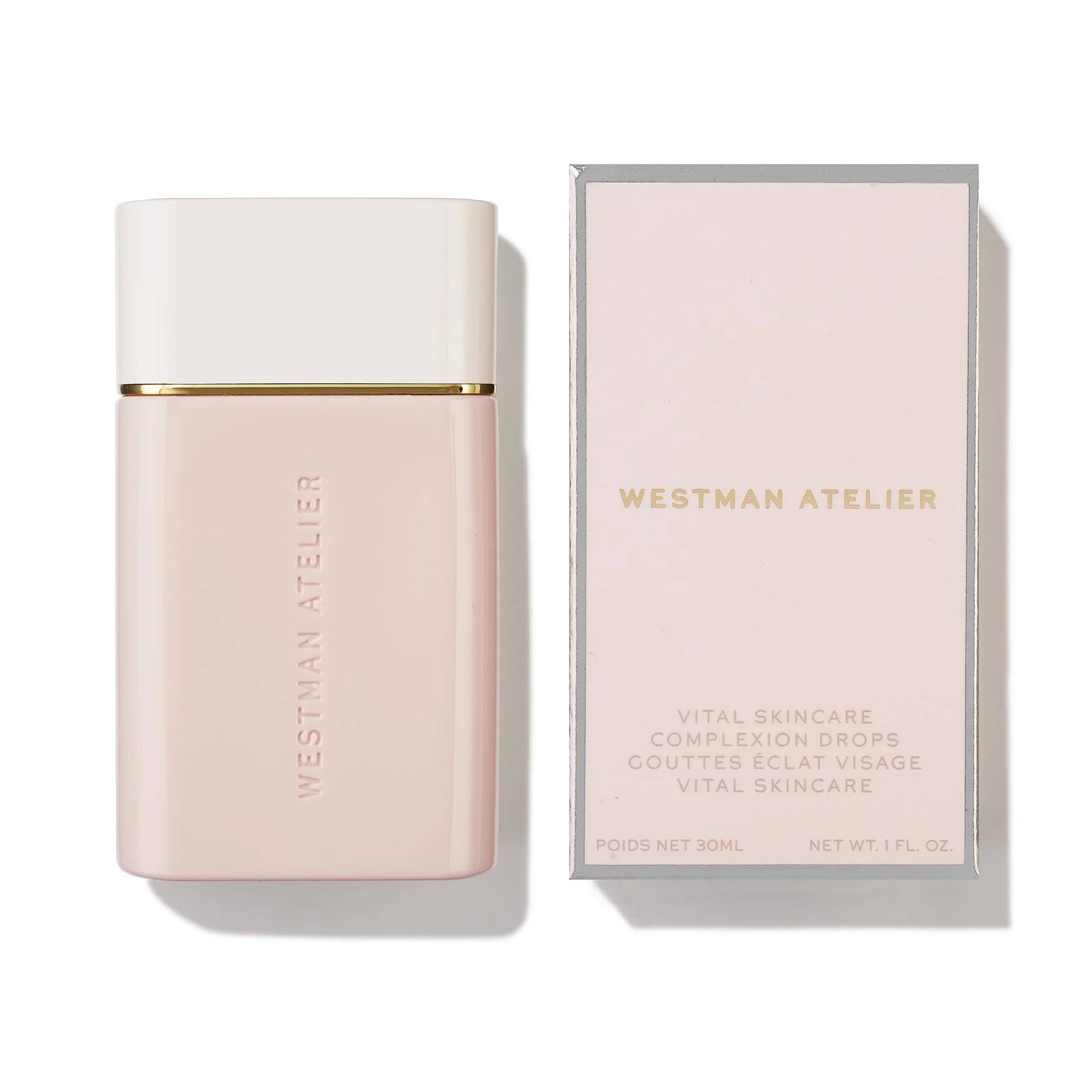
Who it’s for: the “I don’t wear foundation” person… who still wants compliments.
This is a true serum-tint in the way most products only pretend to be. It’s made to move like skincare — shake, drop, glide — then leave behind a veil of tone that’s more evenness than coverage.
Underneath the pigment, the formula reads more like a facial oil-serum hybrid: squalane for that skin-identical slip, nourishing plant oils to keep everything soft and buoyant, and calming extracts that take the heat out of redness and irritation. It’s the sort of base that feels less like makeup and more like something your skin quietly thanks you for. The overall effect is skin that looks subtly upgraded — not perfected, just… better behaved.
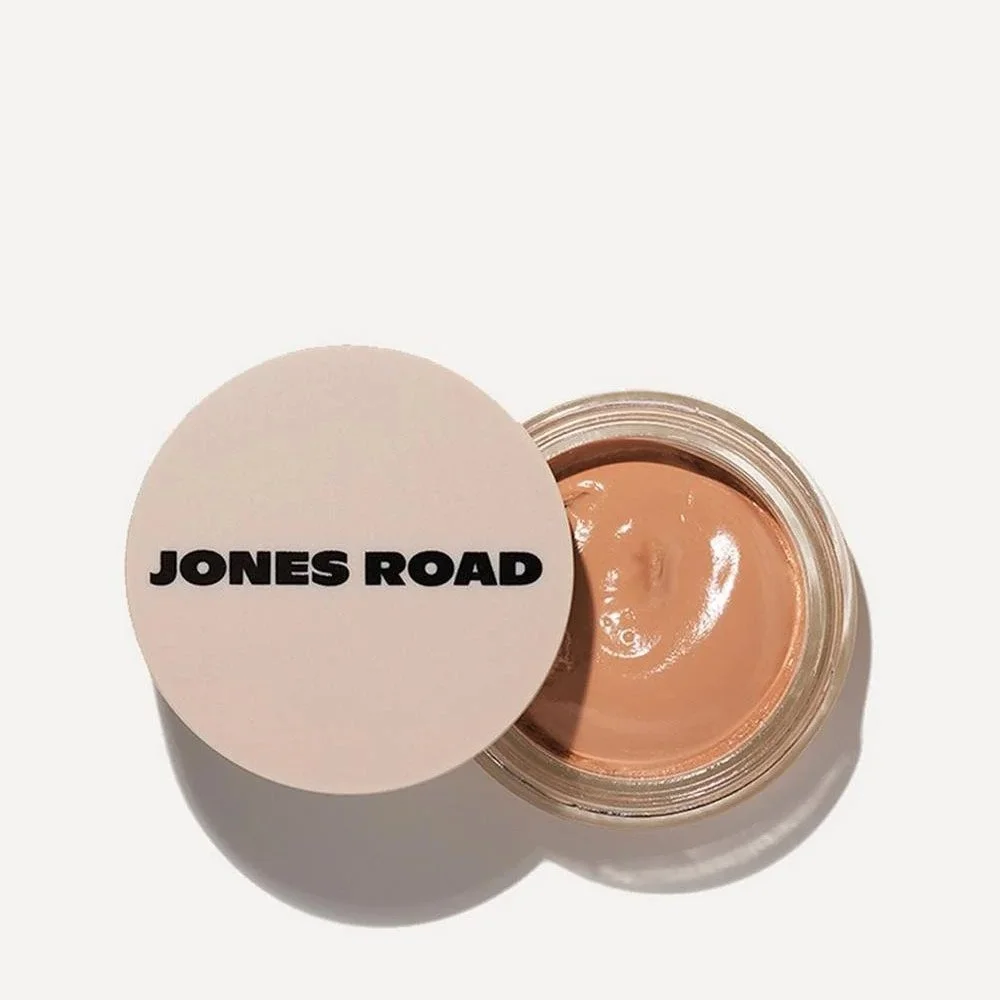
Who it’s for: dry, hormonally unpredictable, or “matte makes me look tired” skin.
This isn’t trying to compete with traditional foundation. It’s gently ignoring it. What The Foundation is more like a tinted moisture balm — rich, slightly glossy, and unapologetically skin-like.
The formula leans into classic skin comfort: humectants that pull in moisture, soft oils that keep everything flexible, and enough hydration support to stop the face looking tight or flat by midday. It doesn’t blur lines or erase pores. Instead, it gives the skin that soft, nourished look you usually only get after a good facial.
It’s less about coverage, more about comfort — and for a lot of complexions, that’s a far more flattering strategy.
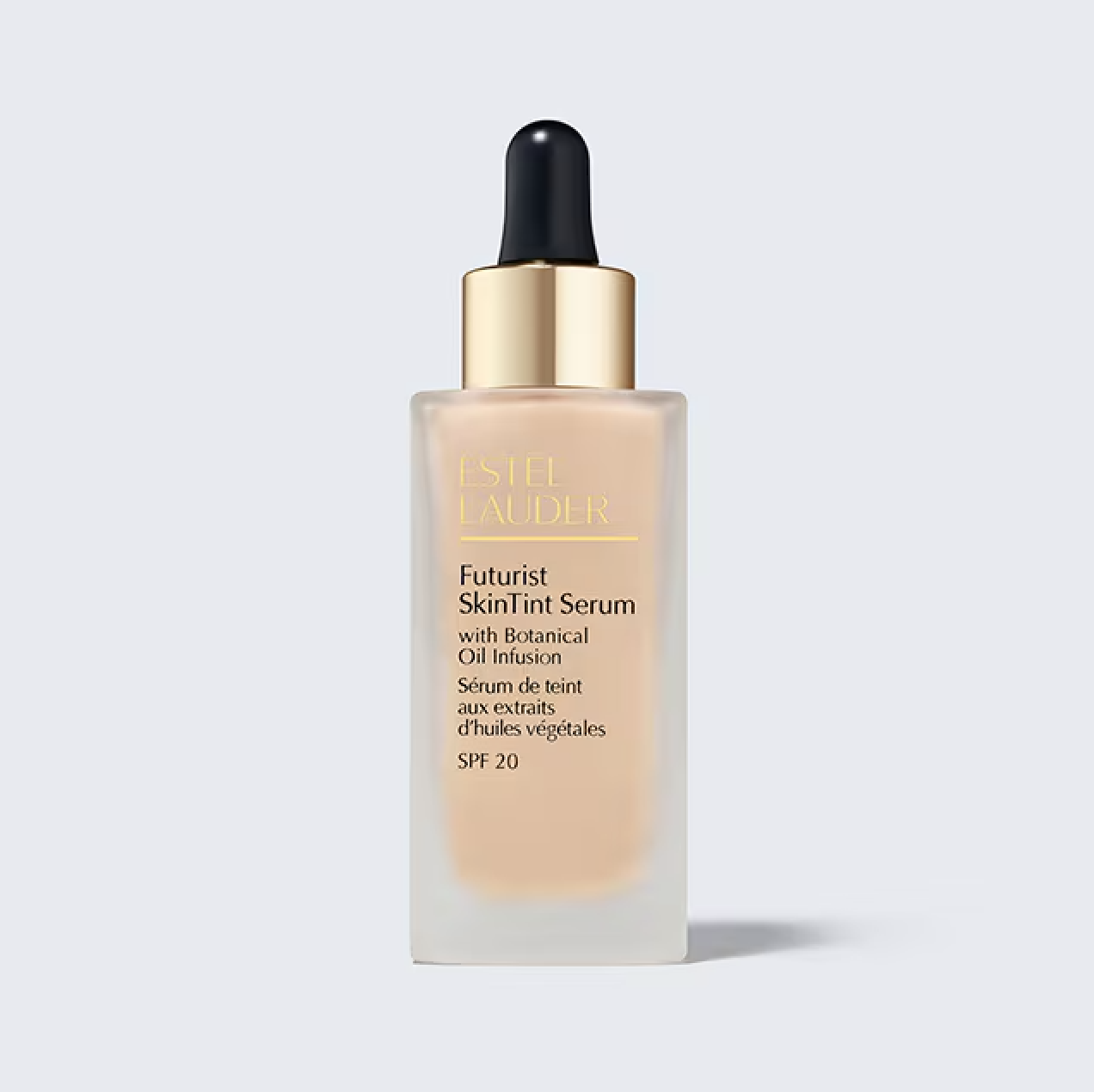
Who it’s for: the former full-coverage loyalist who wants to look modern without feeling unfinished.
This is what happens when a heritage foundation brand realises the mood has changed. Futurist SkinTint keeps the polish Estée Lauder is known for, but wraps it in a serum-like texture that feels lighter, more fluid, and far less ceremonial to apply.
Instead of the old powder-heavy formulas, this one leans on a blend of botanical oils to keep the skin supple and luminous throughout the day. The result is a base that moves more like skincare — flexible, comfortable, and forgiving — while still giving enough coverage to feel put-together.
Think of it as the gentle off-ramp from full coverage to something more contemporary.
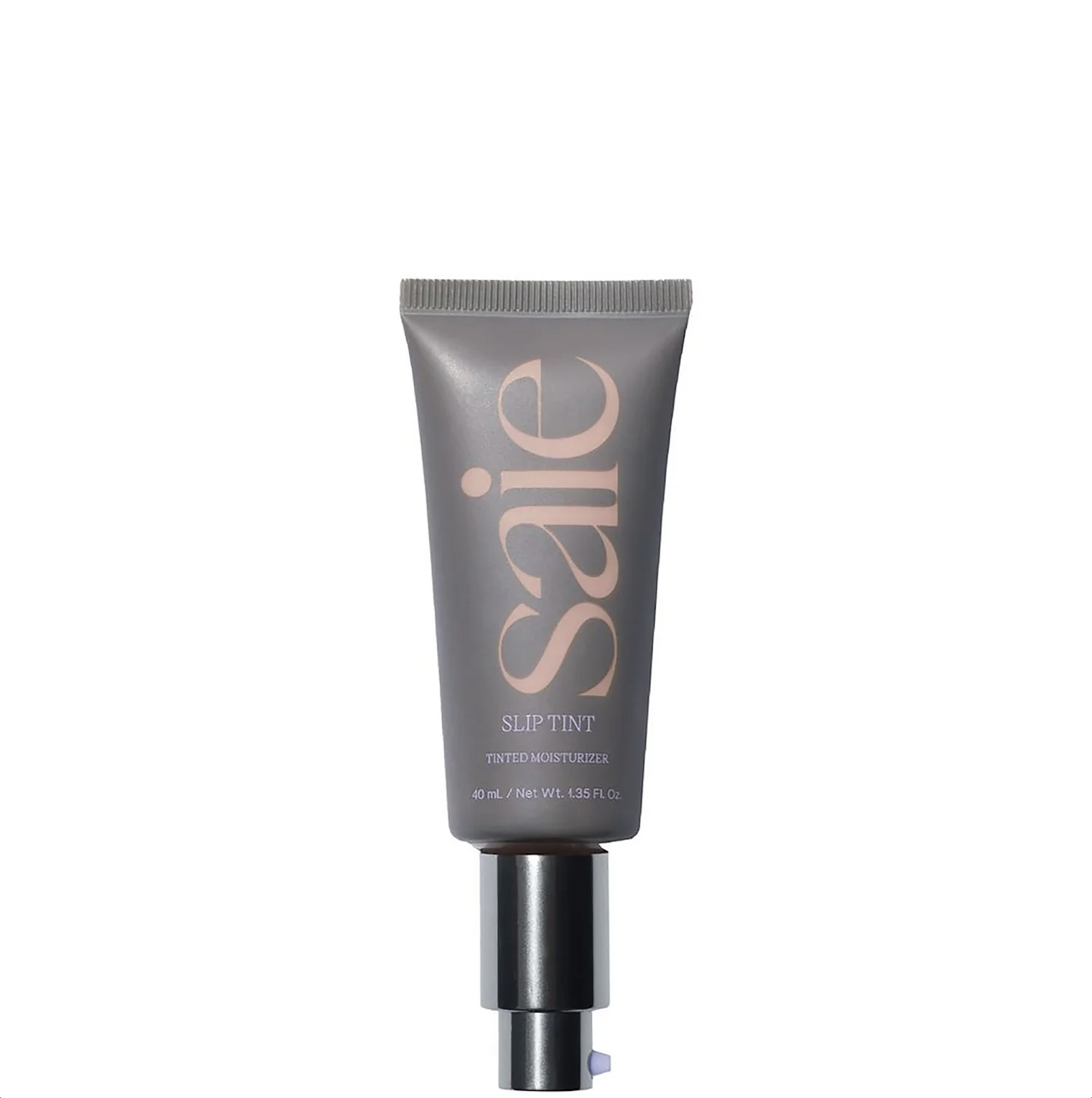
Saie Slip Tint (£33)
Who it’s for: sensitive, reactive, or “I just want one product in the morning” skin.
Slip Tint behaves like a moisturiser that’s quietly doing several other jobs at the same time. It hydrates, protects, and evens things out, all in a texture that feels more like skincare than makeup.
Hyaluronic acid keeps the skin comfortably plumped, zinc-based SPF adds mineral sun protection, and brightening plant extracts help tone look a little clearer over time. Nothing about it feels heavy or precise — it’s the sort of product you can apply half-awake with your fingers and still look like a functional adult.
The finish is sheer, dewy, and forgiving. Real skin, just slightly more optimistic.
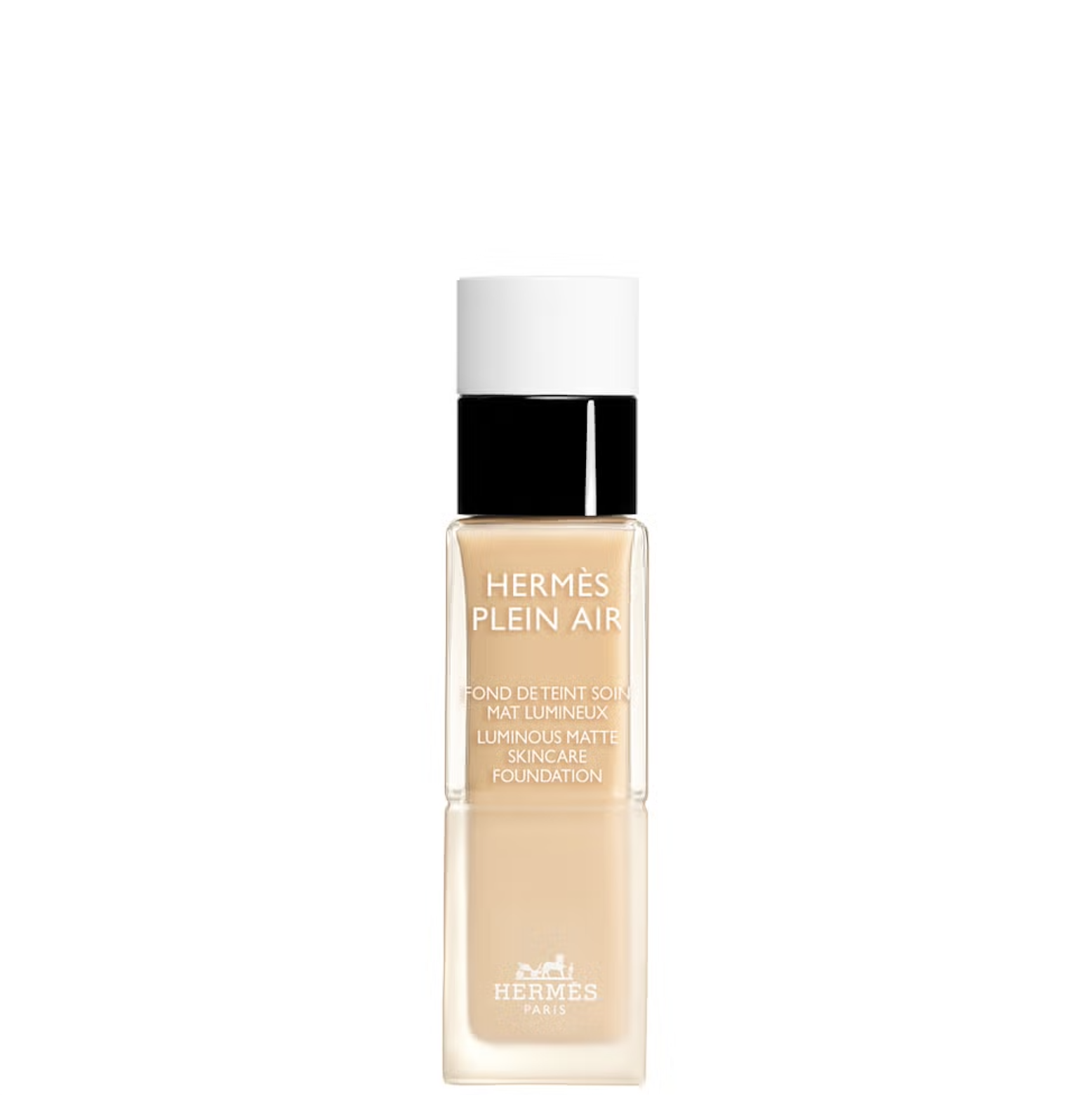
Who it’s for: the luxury purist who wants their skin to look expensive, not obviously made-up.
Hermès approaches foundation the way it approaches tailoring: everything is subtle, precise, and designed to look effortless, even when it isn’t. The texture is featherlight, the coverage restrained, and the finish sits in that elusive space between glow and matte.
Under the surface, you’ll find proper skincare credentials — niacinamide to help even tone, hyaluronic acid for hydration, and antioxidant extracts that keep the complexion looking clear and bright. It’s not about dramatic transformation; it’s about refinement.
The kind of base that makes people assume you drink green juice and sleep eight hours a night, even if neither is strictly true.
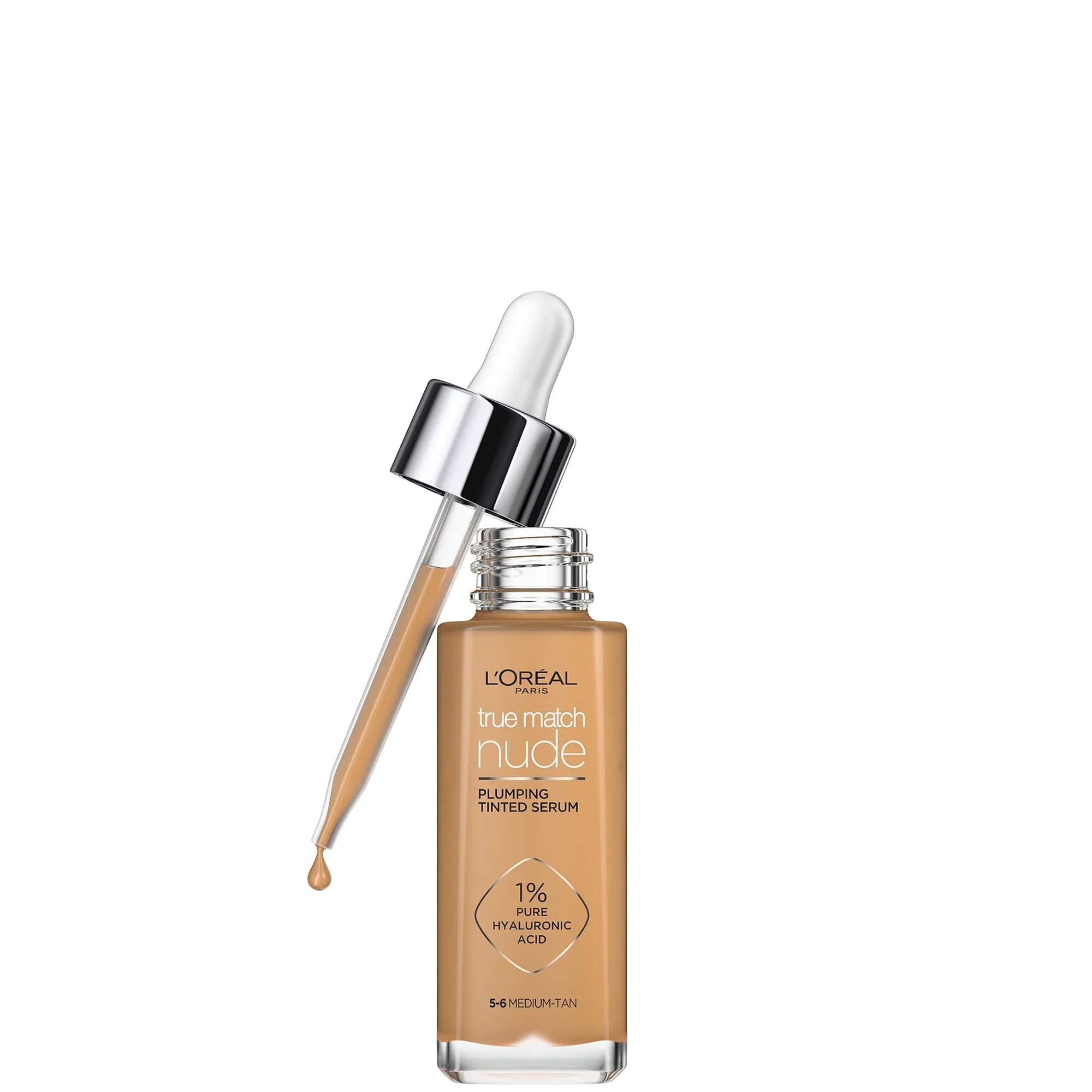
Who it’s for: anyone who wants the skin-tint effect daily, without treating it like a capital purchase.
This is the high-street take on the serum-foundation shift, and it’s far more convincing than the price tag suggests. The texture is fluid and breathable, with just enough pigment to even things out while still letting real skin show through.
Hyaluronic acid gives that softly plumped, hydrated finish that has become the signature of modern complexion products — fresher, bouncier, and noticeably less tired-looking skin in a few drops.
It also comes from the same research ecosystem that produces many luxury formulas, which explains why it feels far more sophisticated than its price might suggest. Think of it as the sensible, well-informed cousin in the skin-tint family.