We Don’t Treat Teen Acne Like We Used To — And That’s a Good Thing
Stability, not severity, is what teenage skin actually needs.

It often starts subtly. A bedroom door closed for longer than usual. Photos retaken. A fringe pulled forward. A passing comment about someone else’s “clear skin” that lingers a little too long.
Teenage acne is common — but that doesn’t make it small.
For some adolescents it’s fleeting. For others, it intersects with confidence, social comparison and the fragile ecosystem of teenage self-esteem. And for parents, that’s when the worry deepens. Not because of the blemish itself, but because of what it might represent — embarrassment, teasing, withdrawal, a quiet dent in confidence at an already vulnerable age.
Our instinct is to act. Quickly. Decisively. To fix it.
We learned skincare in the era of abrasion. Clean & Clear across the cotton pad. Apricot scrub across the T-zone. A kind of ritualised overcorrection. The aim wasn’t balance; it was elimination.
If it tingled, it was working.
If it stung, even better.
If your skin felt tight enough to bounce a coin off, you’d “done something.”
Oil was the enemy. Redness meant progress.
But teenage skin isn’t an oil spill. It’s hormonally active, still developing its resilience, and often more reactive than we realised. Inflammation plays a central role in acne. And when we aggressively disrupt the skin barrier, we can intensify the very cycle we’re trying to solve — more irritation, more oil, slower healing.
We know more now.
The newer, more measured approach — heavily influenced by Korean skincare philosophy — focuses on regulation rather than punishment. Calm inflammation. Protect the barrier. Support repair. Treat what needs treating, without damaging young skin in the process.
Because developing skin does not need force. It needs stability.
Why Stripping Teenage Skin Makes Acne Worse
Acne forms when oil, dead skin and bacteria become trapped inside the pore. But the redness and swelling we see are signs of inflammation — the immune system reacting.
When harsh cleansers and repeated exfoliation weaken the barrier, the skin loses water. It compensates by producing more oil. Inflammatory signals rise. Healing slows. What began as a breakout becomes a cycle.
This is where the Korean framework quietly shifts the emphasis.
“We were taught that if it stung, it was working. Teenage skin deserves better than that.”
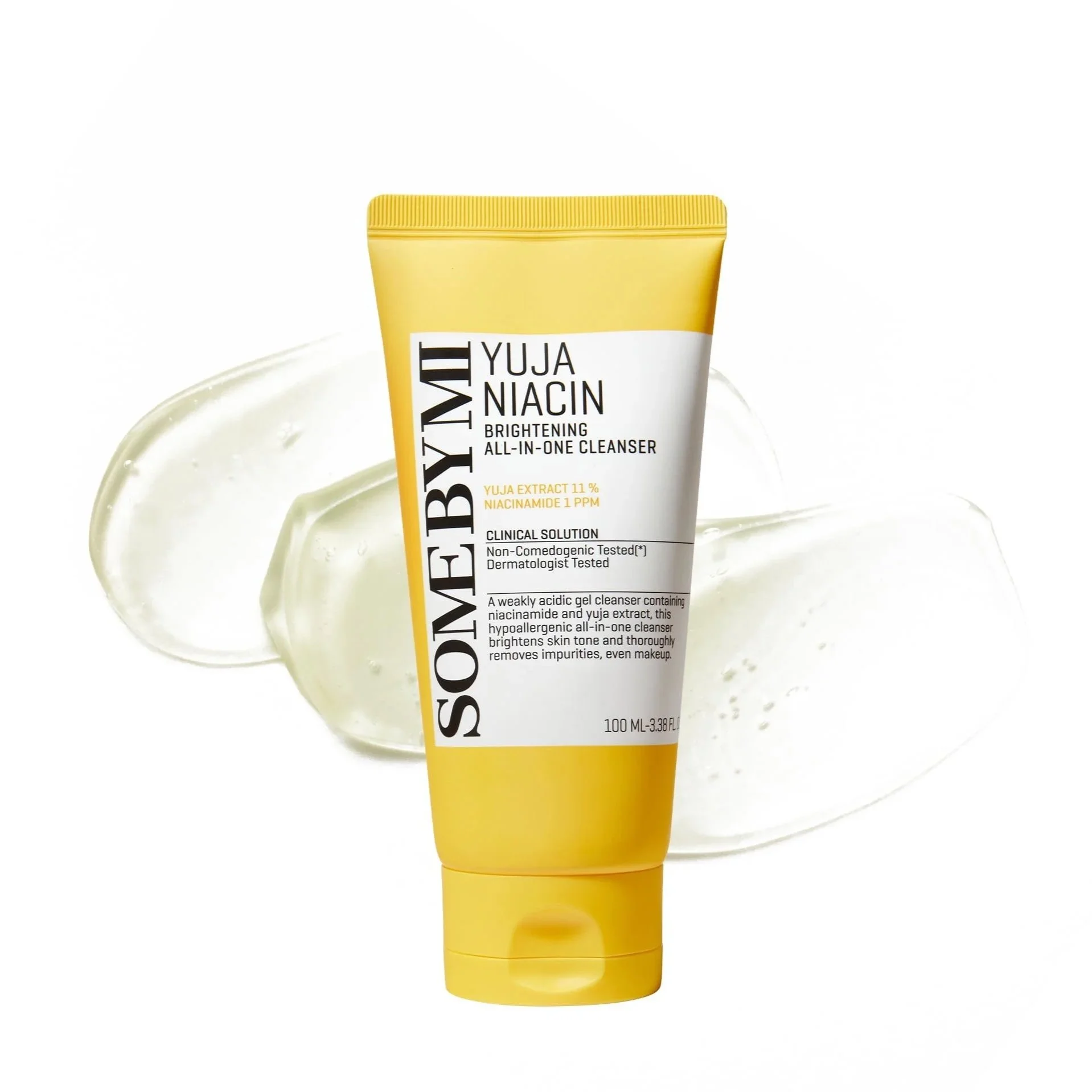
It begins with balance. A gentle, low-pH cleanser — such as SOME BY MI’s Yuja Niacin Blemish Care Cleanser (£15.34) — removes excess oil and sunscreen without leaving skin tight. That absence of tightness isn’t indulgence; it’s protection. Skin that feels comfortable is more likely to regulate itself.
Treatment becomes about guidance rather than force. Words like “acid” understandably sound alarming, but context matters.
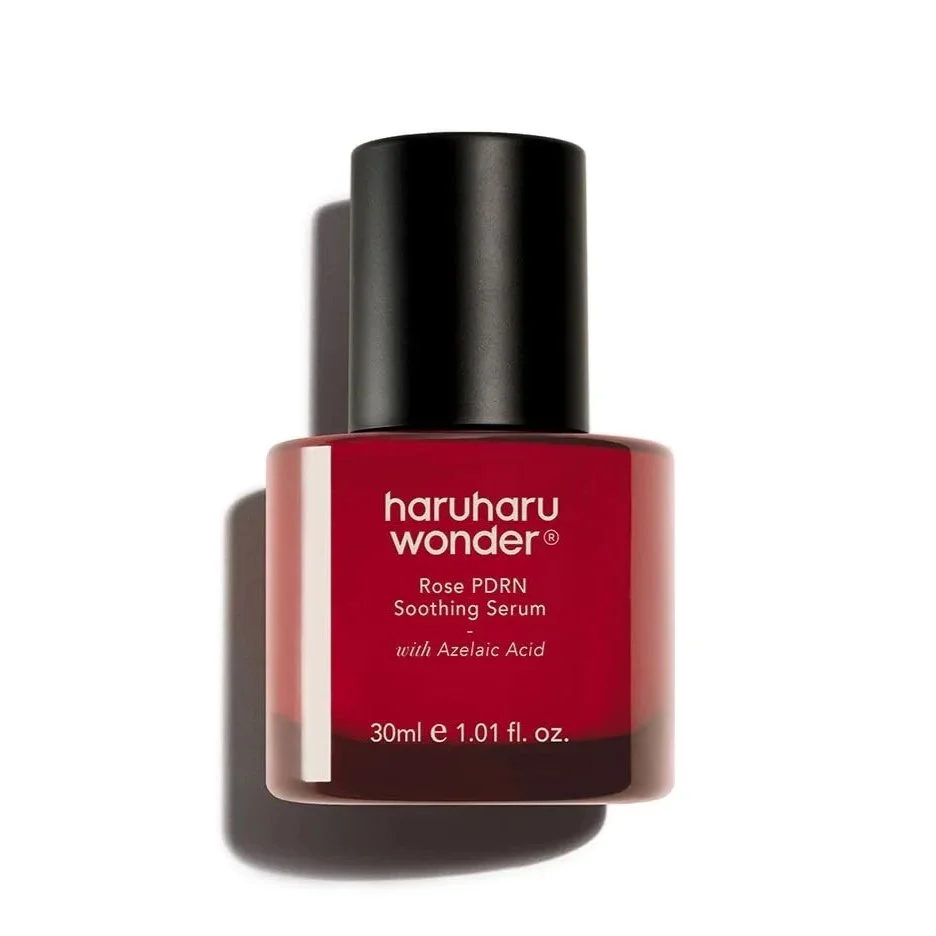
Azelaic acid helps keep pores clear while calming visible redness. It doesn’t peel the skin; it works gradually to reduce inflammation and regulate how skin sheds inside the pore. A formulation such as Haruharu Wonder’s Rose PDRN Soothing Serum with Azelaic Acid (£12.54) pairs that calming effect with PDRN repair support —a regenerative ingredient that encourages stressed, hormonally reactive teenage skin to recover rather than react.
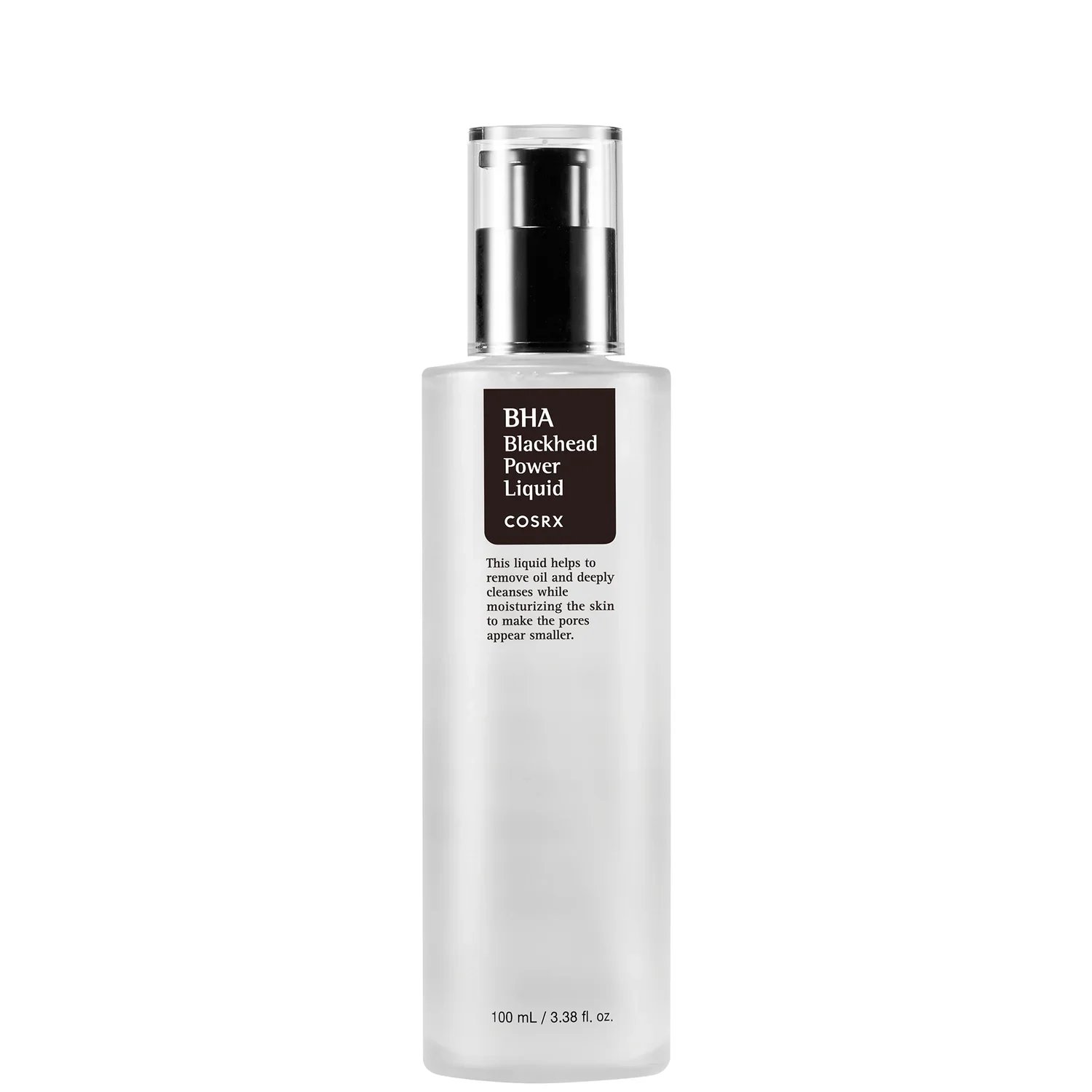
When congestion is the issue — blackheads or small textured bumps — salicylic acid plays a different role. Because it is oil-soluble, it can move through oil and help loosen debris trapped inside the pore. Used a few evenings a week rather than daily, a product like COSRX BHA Blackhead Power Liquid (£29.99) can keep pores clearer without destabilising the barrier.
They don’t need to sit on the skin together. In fact, they usually shouldn’t.
Teenage skin isn’t static. It shifts with hormones, stress and sleep. The foundation remains steady — gentle cleanse, barrier support, daily protection — but treatment can rotate. Calm when inflamed. Clarify when congested. Pause when balanced.
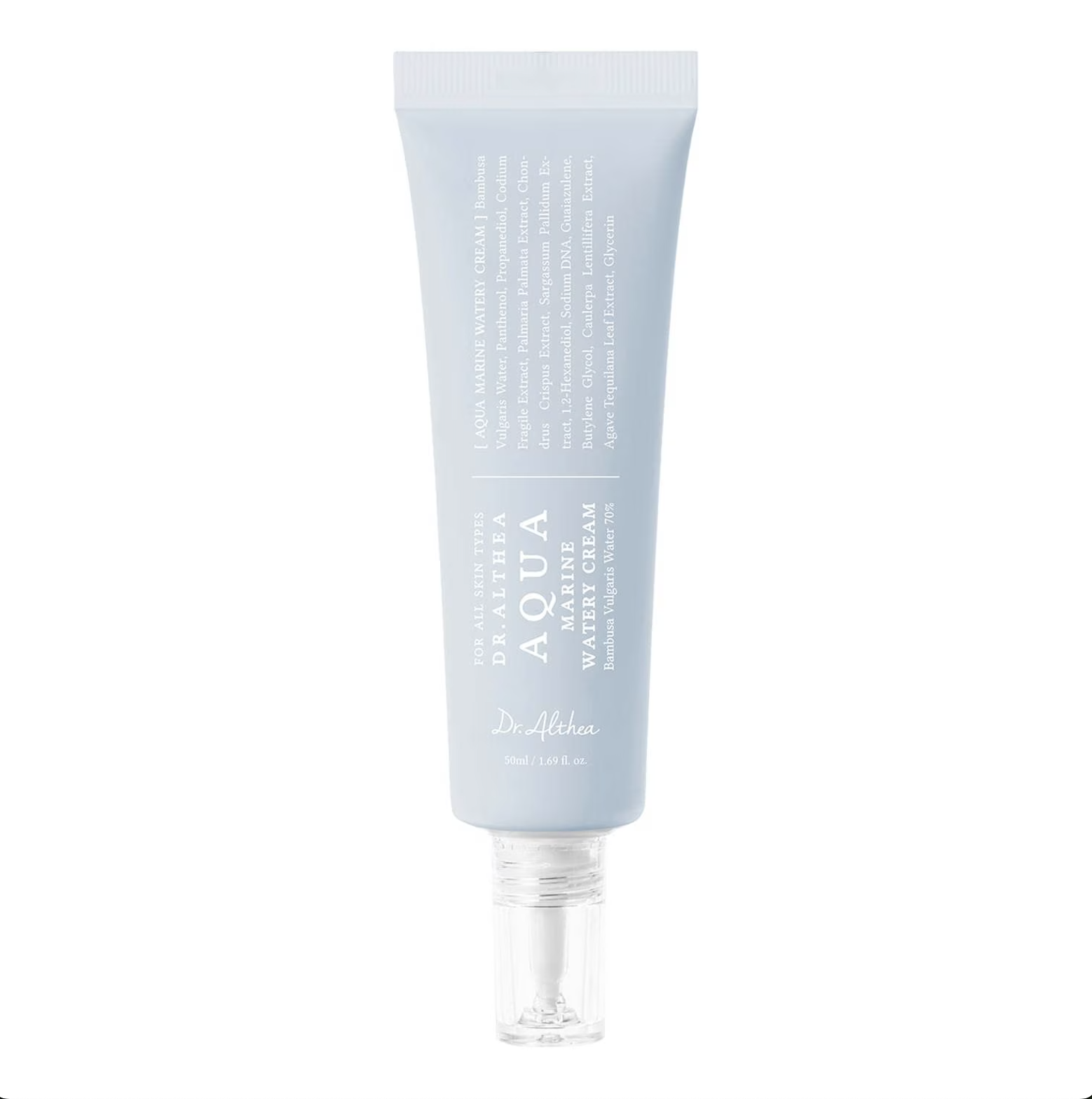
After treatment, skin still benefits from simple hydration. Even oily teenage skin needs water-based support to prevent rebound oil production. A lightweight gel-cream such as Dr. Althea Aqua Marine Watery Cream (£15.50) helps maintain barrier stability without heaviness or clogging.
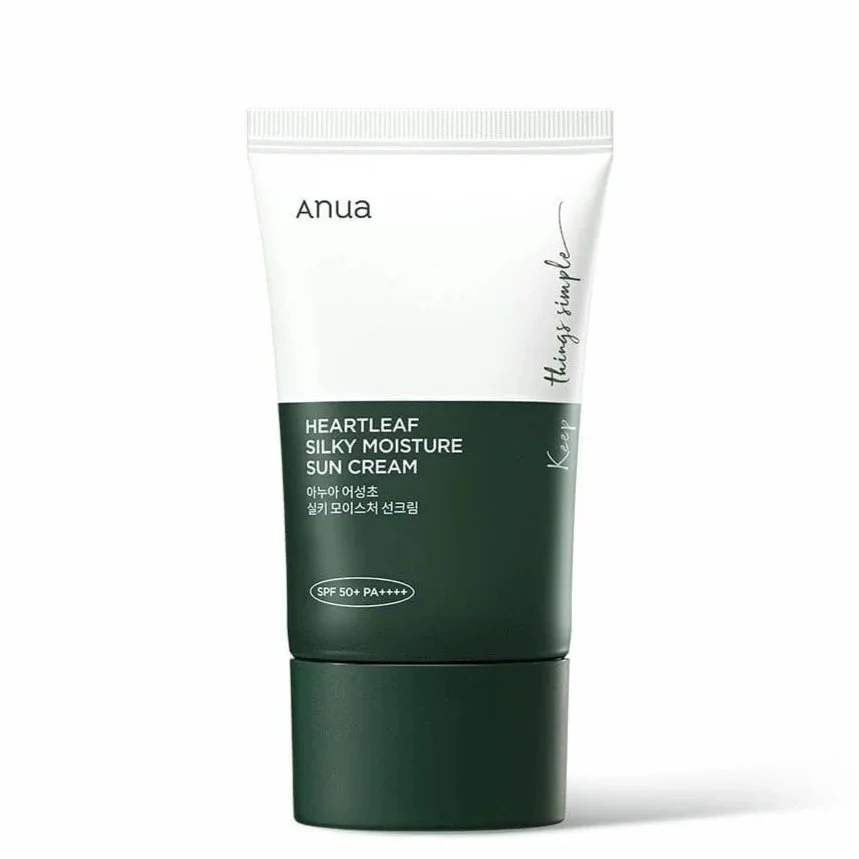
In the morning, protection becomes non-negotiable. A broad-spectrum sunscreen — such as Anua’s Heartleaf Silky Moisture Sun Cream SPF50+ PA++++ (£14.99) — should always sit on top. Heartleaf extract is quietly anti-inflammatory, helping calm redness before it escalates, while niacinamide supports the barrier and gently regulates excess oil — both essential in hormonally reactive teenage skin. Just as importantly, the texture is lightweight and non-comedogenic, meaning it protects without suffocating pores. UV exposure doesn’t simply darken post-breakout marks; it keeps inflammation lingering longer than it needs to. In teenage skin, daily SPF isn’t an afterthought — it’s part of the treatment plan.
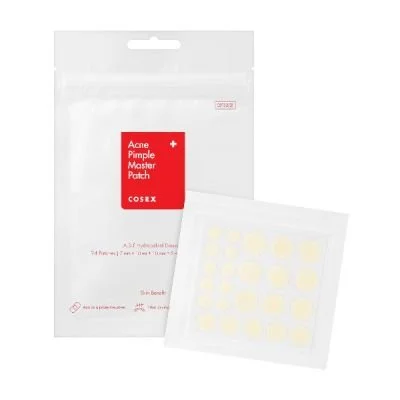
For emerging spots, hydrocolloid patches — such as COSRX Acne Pimple Master Patch (£5.99) — are quietly clever. Rather than blasting the blemish with more actives, hydrocolloid works by absorbing excess fluid while creating a sealed, protective environment that allows the skin to repair itself undisturbed. Think of them less as treatment and more as containment — shielding the breakout from bacteria, friction and, crucially, teenage fingers. They won’t fix the entire face overnight, but they can help individual spots resolve faster, calmer and with less risk of lingering marks.
The difference between the old approach and the new one is subtle, but important.
We once tried to overpower teenage skin.
Now we aim to support it.
The goal isn’t flawless skin by Friday. It’s resilient skin by adulthood — skin that hasn’t been repeatedly stripped, sensitised or over-treated in the name of urgency.
Handled calmly, acne becomes manageable rather than catastrophic. More importantly, teenagers learn that their skin is something to understand, not wage war against. That breakouts are information, not failure. That progress doesn’t have to burn to be effective.
Stability builds confidence.
And confidence — especially at that age — is often the most transformative ingredient of all.