How Much Protein Do Women Actually Need After 35?
The truth about protein, perimenopause and healthy ageing.

Protein has become the wellness industry's favourite nutrient. But how much do women over 35 actually need, and does hitting your target really require a diet built around meat, shakes and snack bars?
If you're a woman over 35, you've probably noticed something curious happening. Open Instagram and somebody is explaining why women in perimenopause need more protein. Listen to a health podcast and you'll hear that increasing your protein intake could be the secret to healthy ageing. Scroll TikTok and you'll find women proudly comparing their 100g-a-day protein totals as though they've just completed a marathon.
The message is remarkably consistent: once you hit your mid-thirties, you need more protein than ever before. Considering most of us spent the previous three decades hearing about calories, fat, sugar and carbohydrates, it's enough to leave you wondering whether there's a genuine nutritional crisis unfolding or whether protein has simply become the latest wellness obsession. As is often the case, the truth sits somewhere in the middle.
“Somewhere between the science and social media, protein stopped being an important nutrient and became the nutrient.”
The reason protein has become such a focus for women over 35 isn't entirely manufactured. From our thirties onwards, maintaining muscle becomes increasingly important. We naturally lose muscle mass as we age, which is one reason strength training has become such a major part of conversations around healthy ageing and perimenopause. Muscle isn't just about lifting heavier weights in the gym. It's linked to strength, balance, mobility, metabolic health and maintaining independence later in life. That's where protein enters the story.
Protein provides the building blocks our bodies use to repair and maintain muscle tissue, so ensuring we're getting enough of it matters. The problem is that somewhere between the science and social media, protein stopped being an important nutrient and became the nutrient. The one supposedly responsible for everything from weight management to energy levels, healthy ageing and surviving perimenopause with glowing skin and excellent posture.
Before deciding whether you need another protein shake, it's worth understanding what "enough" actually looks like.
So How Much Protein Do Women Actually Need?
The official UK recommendation is around 0.75g of protein per kilogram of body weight each day. For a 70kg woman, that works out at roughly 52g.
However, many experts who focus on healthy ageing, muscle maintenance and active lifestyles suggest that women may benefit from a higher intake, particularly if strength training forms part of their routine.
A commonly suggested target is somewhere between 1.2g and 1.6g per kilogram of body weight.
That means:
* 60kg woman: approximately 72–96g per day
* 70kg woman: approximately 84–112g per day
* 80kg woman: approximately 96–128g per day
At first glance, those numbers can feel surprisingly high, particularly if you've never paid much attention to protein before.
But this is also where the conversation often becomes more dramatic than it needs to be.
Social media would have us believe that most women are wandering around in a state of severe protein deficiency. The reality is usually less exciting. Many women are already eating protein throughout the day without really thinking about it. Milk in coffee, yoghurt at breakfast, eggs, cheese, fish, lentils, beans, tofu and nuts all contribute to the total.
The gap between where many women are and where they need to be may be considerably smaller than the wellness industry would have us believe.
What Does An Extra 20g Of Protein Actually Look Like?
This is where things become more useful. Most protein advice is delivered as a number, which sounds impressive but doesn't help much when you're standing in front of the fridge wondering what to eat.
For many women, we're not talking about doubling protein intake overnight. We're talking about adding another 15–20g here and there.
Food Approx protein
Large pot of Greek yoghurt 18–20g
3 eggs 18g
Small bowl of cottage cheese 20–25g
Bowl of edamame beans 15–18g
Serving of tofu 15–20g
Tablespoon of peanut butter 3–4g
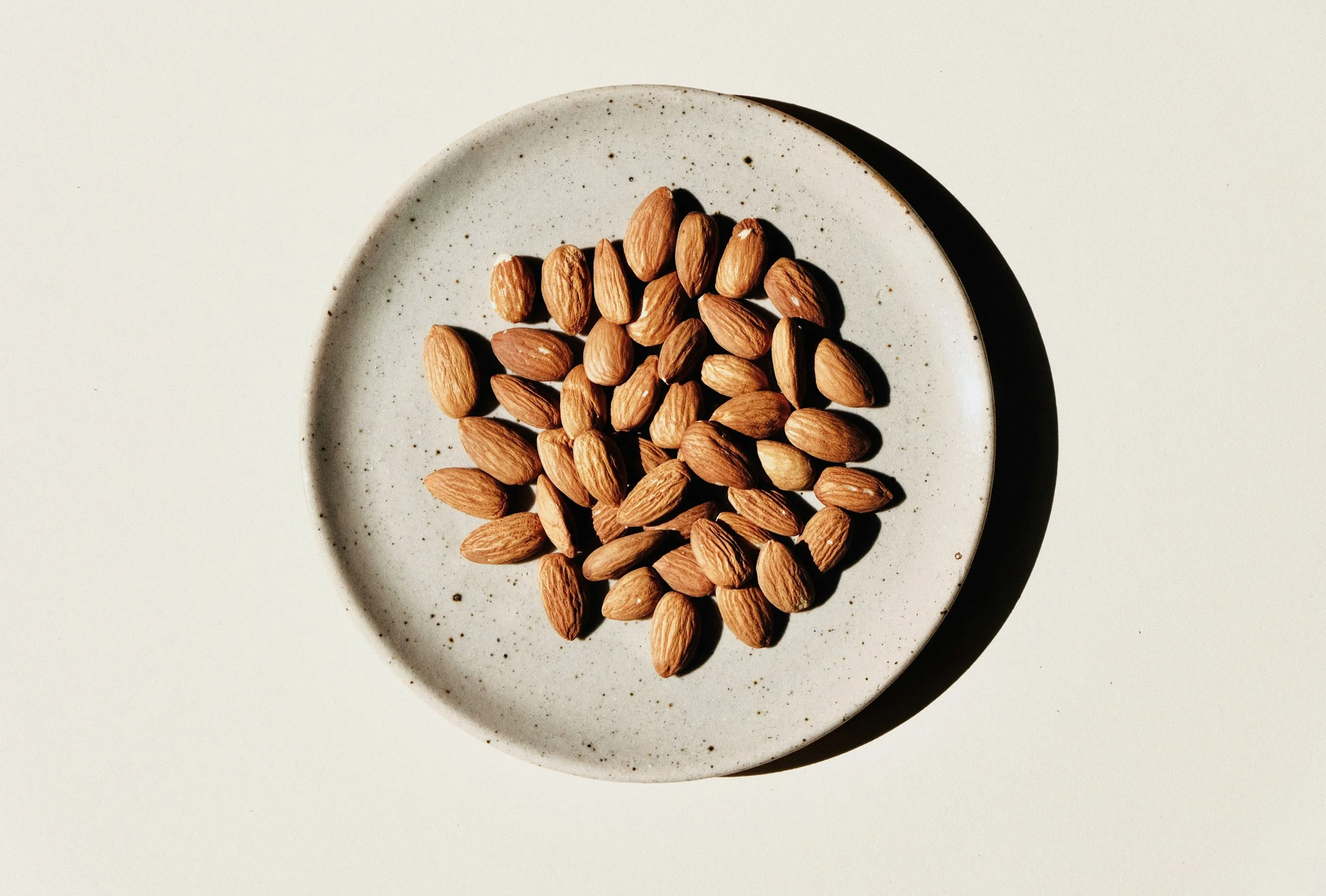
Handful of nuts 5–6g
Spoonful of hemp seeds 3–4g
When you look at it like that, the challenge suddenly feels far less intimidating. A large pot of Greek yoghurt could almost get you there by itself. A tablespoon of peanut butter added to a smoothie, a handful of nuts and an extra egg at breakfast can quickly add another 10–15g throughout the day.
In other words, increasing protein intake doesn't necessarily mean carrying a shaker bottle around like it's a fashion accessory.
Why Variety Matters
One of the stranger side effects of the protein boom is that some people have started eating as though protein is the only nutrient that matters.
Breakfast becomes eggs. Lunch becomes chicken. Dinner becomes more chicken. Somewhere in between there's a protein bar and a shake for good measure. It's certainly an efficient way to hit a protein target. Whether it's the most exciting way to eat is another question entirely.
The issue isn't meat itself. Chicken, fish, eggs and dairy can all be excellent protein sources. The problem is assuming that every protein gram should come from exactly the same place.
A gram of protein doesn't arrive on your plate by itself. It arrives packaged with a host of other nutrients, and those packages look very different depending on whether that protein comes from salmon, Greek yoghurt, lentils, chickpeas, eggs or tofu.
This is where some of the plant-based options become particularly interesting. Lentils, beans and chickpeas don't just provide protein; they also provide fibre. That's a combination many of us could benefit from more of. Most people don't need a scientific paper to understand the concept. We know how our bodies feel when our diets contain a good variety of foods, and we know how they feel when they don't.
That's why the current trend towards treating chicken as the answer to every nutritional question feels a little simplistic. The healthiest diets tend to draw protein from a range of different foods over the course of a week rather than relying too heavily on any single source. Protein matters, but the foods that contain it matter too.
It's also worth remembering that protein isn't solely responsible for muscle health. One of the unintended consequences of the current protein obsession is that it can make it sound as though muscle maintenance begins and ends with whatever is on your plate. In reality, building and maintaining muscle is a team effort.
Strength training matters. Sleep matters. Recovery matters. Overall calorie intake matters. And increasingly, nutrients such as creatine are attracting attention for the role they can play in supporting strength and muscle performance.
That's an important distinction because a woman already meeting her protein requirements is unlikely to transform her results simply by adding yet another protein shake to her day. If she's sleeping badly, skipping strength training or failing to recover properly, those factors may matter just as much.
Protein deserves the attention it's getting. The evidence behind it is compelling. But perhaps the most useful thing to understand is that it isn't working alone.
If social media has left you convinced that every woman over 35 needs a trolley full of protein products, the reality is likely to be far less dramatic. Many women may already be closer to their target than they think. And for those who aren't, the answer may be as simple as a few thoughtful additions, a little more variety and a reminder that healthy ageing has always been about the bigger picture, not a single nutrient.