Are LED Face Masks Overhyped?
The technology is real. The expectations are where things get complicated.
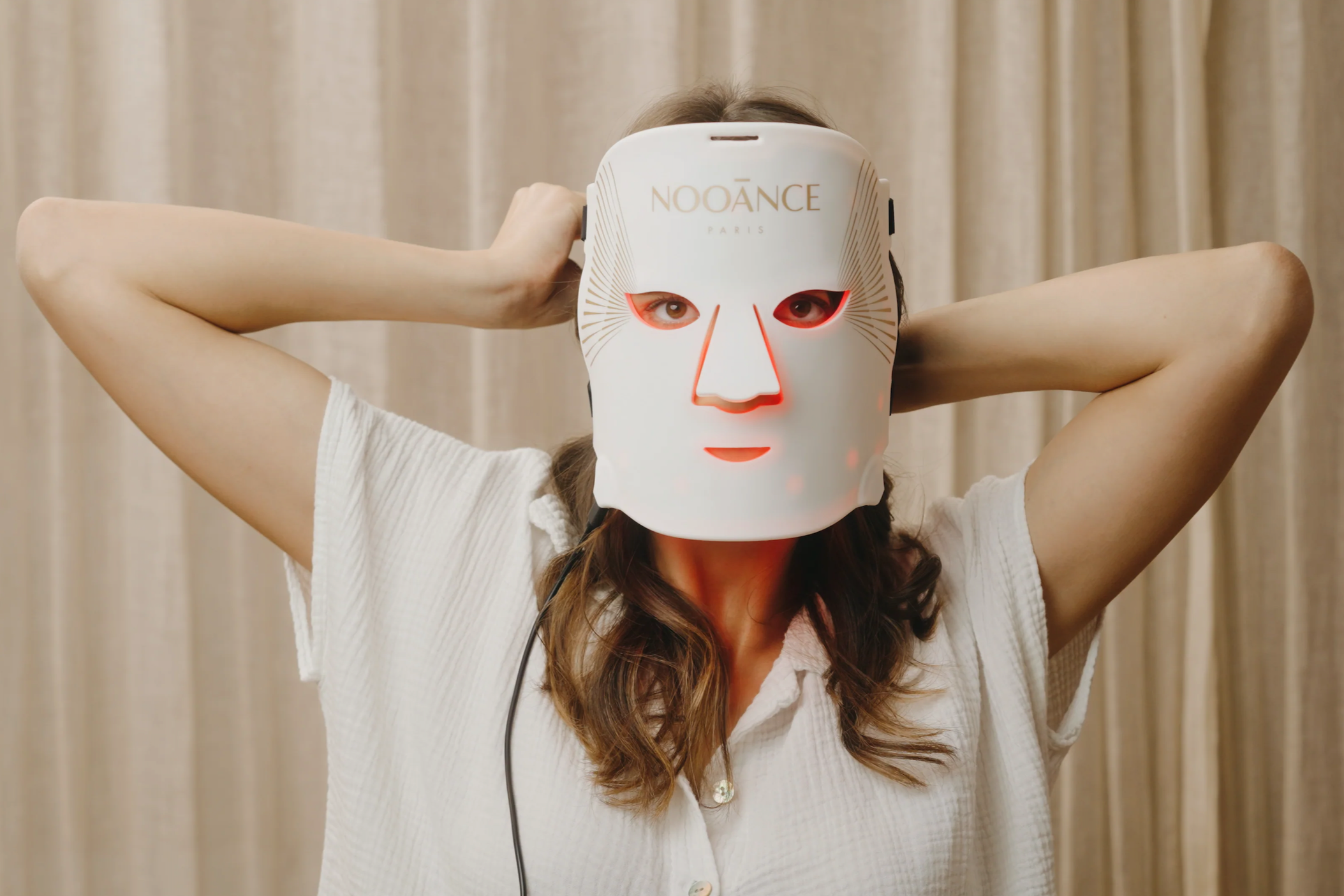
Somewhere along the way, LED face masks went from niche beauty gadget to anti-ageing essential.
The rise has been surprisingly swift. A technology that many people had barely heard of a few years ago is now discussed with the same enthusiasm once reserved for retinol, vitamin C and SPF. What was once considered a specialist treatment has become a bathroom cabinet staple.
Not long ago, LED treatments were largely confined to dermatology clinics and aesthetic practices. Today, they're everywhere. Social media is full of glowing red selfies, celebrities regularly credit them for their skin, and even people with the most minimal skincare routines are investing hundreds of pounds in wearable light therapy.
“The technology isn’t overhyped. The expectation that a £400 home mask can replicate a professional clinic treatment often is.”
Perhaps the clearest sign of their rise is that LED masks have escaped the beauty world altogether. Women who have never booked a facial, researched collagen production or considered an aesthetic treatment are now investing hundreds of pounds in wearable light therapy. For a technology most people had barely heard of a few years ago, that's quite a transformation. The question is whether the excitement is justified.
Do LED face masks actually work? Are they a worthwhile investment for long-term skin health? And can a device designed for home use really deliver the same kind of results that made red light therapy so popular in clinics in the first place?
What The Science Actually Says
Unlike many beauty trends, LED masks aren't built on wishful thinking and clever marketing alone. The technology behind them has been studied for decades, with researchers investigating how different wavelengths of light interact with skin cells and tissue.
Most premium LED masks use a combination of red light, typically around 633nm, and near-infrared light, often around 830nm. While those numbers might sound technical, they are important because different wavelengths penetrate the skin to different depths. Red light primarily works within the upper layers of the skin, while near-infrared light can travel deeper into tissue.
The theory is that these wavelengths are absorbed by structures within our cells called mitochondria. Often described as the cell's power stations, mitochondria are responsible for producing energy. When functioning efficiently, cells are better equipped to carry out the processes involved in repair, regeneration and overall skin health.
This is why red and near-infrared light have become associated with collagen production, wound healing and skin rejuvenation. It's also why LED has become a familiar sight in dermatology clinics and aesthetic practices around the world. The science is not the controversial part of the conversation.
The more interesting debate begins when those clinical results are used to support devices designed for use at home.
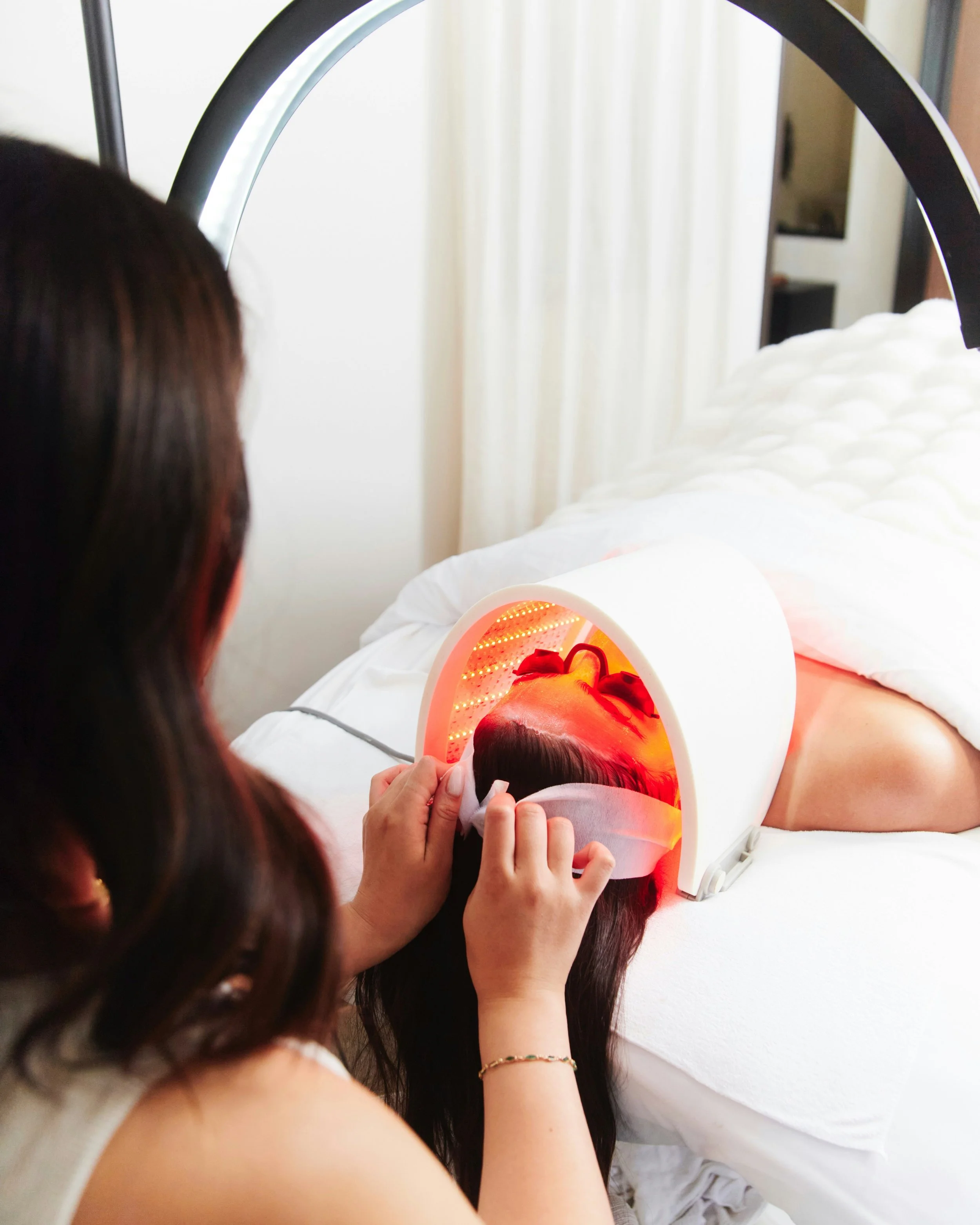
The argument in favour of home LED masks is actually quite compelling. Most people are not booking weekly clinic appointments. Even those who enjoy professional treatments often struggle to find the time, let alone the budget, to maintain them consistently. A home LED mask, by comparison, can be used while catching up on emails, folding laundry or watching television. Over time, that consistency matters.
While results tend to be gradual rather than dramatic, many users report improvements in radiance, skin quality and overall skin health. The financial argument is equally persuasive. While £300 to £500 is undoubtedly a significant investment, it may still work out considerably cheaper than repeated professional LED sessions over the course of a year.
For many people, the question isn't whether a home LED mask is better than a clinic treatment. It's whether they are realistically going to commit to clinic treatments at all. The sceptics, however, are not entirely wrong either.
Part of the confusion surrounding LED face masks comes from the fact that red light therapy is often discussed as though it is one thing. In reality, there is a significant difference between the technology used in professional clinics and the devices designed for home use.
Imagine two people standing in the rain. One is caught in a brief drizzle. The other is standing in a downpour. Technically, both are experiencing rain, but the intensity is entirely different. LED works in a similar way.
Professional systems are often capable of delivering significantly higher energy levels to the skin during treatment. In scientific studies, this is frequently measured as energy density or fluence — essentially the amount of light energy reaching the tissue. Wavelength tells us what kind of light is being used. Energy density helps determine how much of that light is actually reaching the skin.
This is where consumers can become confused. A home LED mask may use similar wavelengths to a professional system, which sounds reassuring from a marketing perspective. What is often very different is the amount of energy delivered, the treatment protocols used and the environment in which the treatment takes place.
There are practical reasons for this. A device designed to be worn safely at home must balance effectiveness with comfort, convenience, affordability and safety. Professional systems do not face the same constraints. They are larger, more powerful and operated under supervision.
None of this means home LED masks don't work. It simply helps explain why a £400 device used while watching Netflix is unlikely to produce exactly the same results as professional equipment costing many thousands of pounds.
The better comparison may not be replacement versus replacement, but maintenance versus treatment. Professional LED can be viewed as the intensive intervention. Home LED may be better thought of as a way to support skin health consistently between treatments, or for people who would never realistically commit to regular clinic appointments in the first place. So, are LED face masks overhyped?
Not entirely. The technology is real. The science is legitimate. What has become inflated, however, is the expectation that a device designed for home use can deliver the same results as professional equipment costing many times more.
Viewed as a maintenance tool rather than a transformation tool, the appeal of home LED suddenly makes far more sense. They can improve radiance, support skin health and become a useful part of a long-term routine. The mistake is not buying one. The mistake is expecting it to do the job of a clinic.
The Best LED Face Masks To Buy
If you've decided a home LED mask could earn a place in your routine, these are the devices we'd consider. Rather than focusing on celebrity endorsements or marketing claims, we've prioritised masks that use clinically relevant wavelengths, offer a comfortable fit and have earned strong reputations among skin experts and beauty editors.
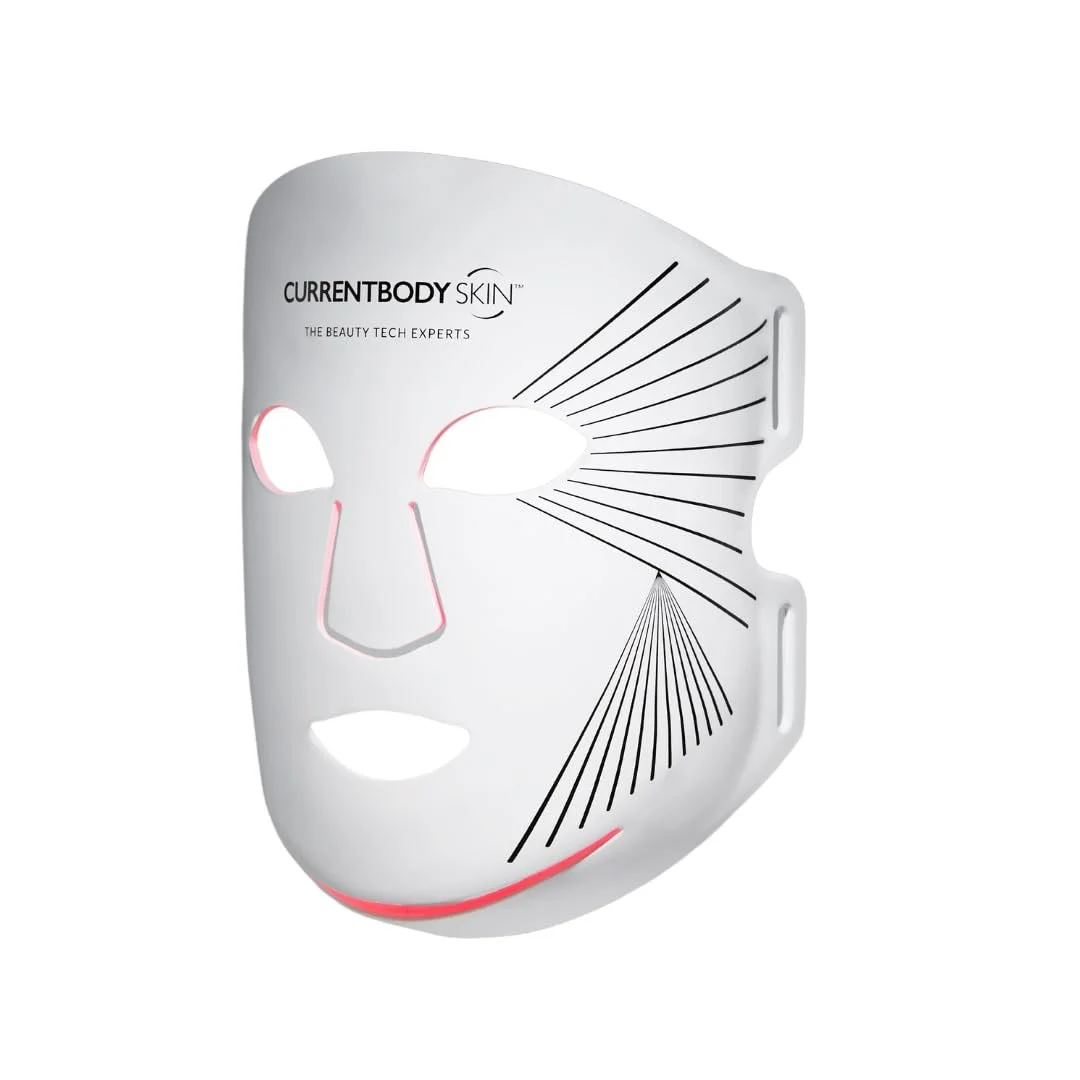
The Benchmark
CurrentBody Skin LED Light Therapy Face Mask Series 2 (£399)
CurrentBody remains one of the most established names in the category and, for many people, the starting point of the LED conversation. The latest Series 2 mask uses 633nm red light and 830nm near-infrared light, two wavelengths frequently associated with LED skin rejuvenation research, while the flexible silicone design helps it sit comfortably against the face.
What makes CurrentBody particularly compelling is that it strikes a sensible balance between technology and usability. The best LED mask is ultimately the one you'll use consistently, and the lightweight design makes that much more likely. If you're looking for one of the safest all-round recommendations in the category, this remains difficult to beat.
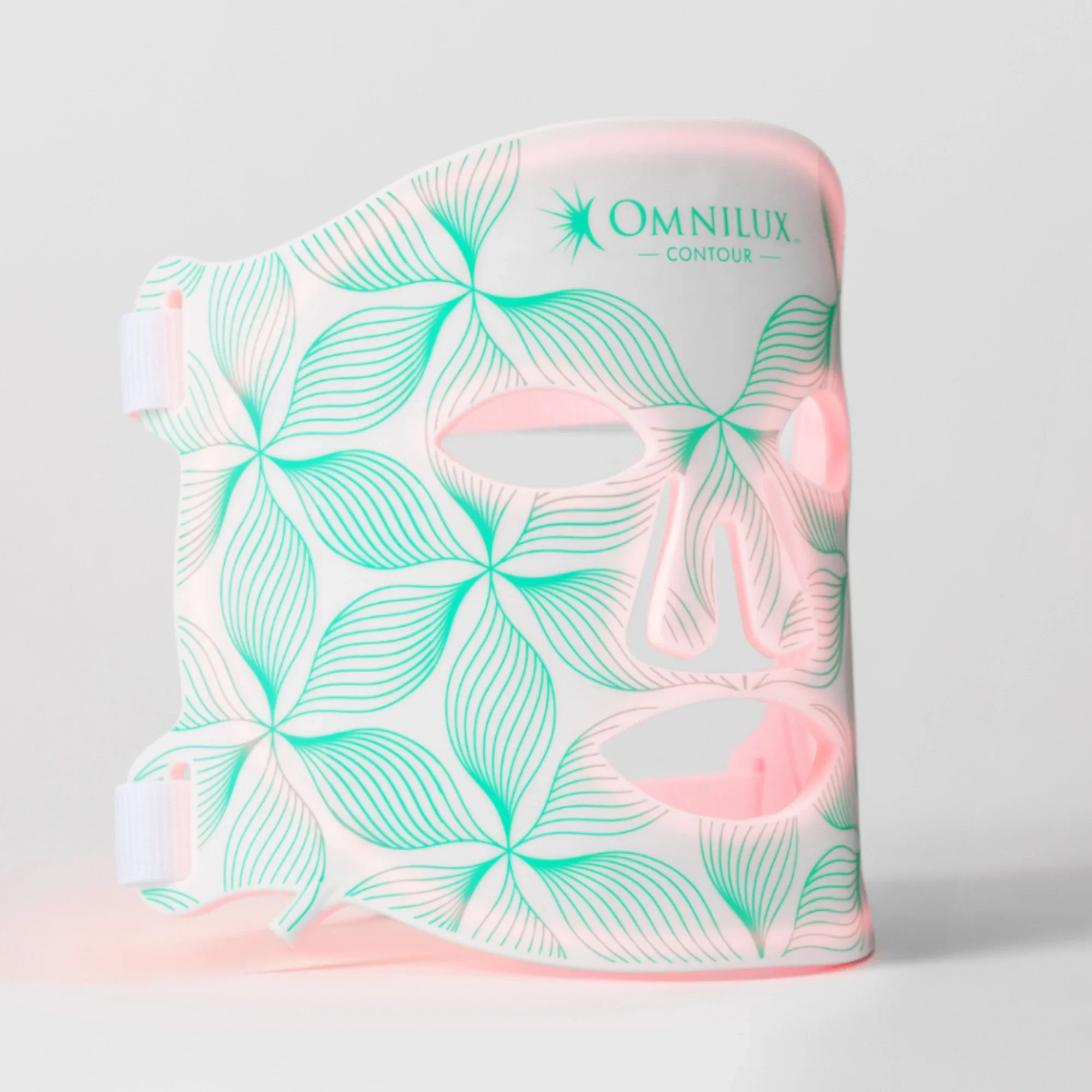
The Clinic Favourite
Omnilux Contour Face (£348)
If CurrentBody is the consumer favourite, Omnilux is often the name that comes up in conversations with skin professionals. The brand's roots lie in medical light therapy, and that heritage continues to form a large part of its appeal.
Like CurrentBody, it uses a combination of red and near-infrared wavelengths and adopts a flexible design that sits close to the skin. The technology is impressive, but perhaps more importantly, Omnilux has built a reputation for taking the science seriously. For those who enjoy understanding the research behind their skincare purchases, it remains one of the strongest options available.
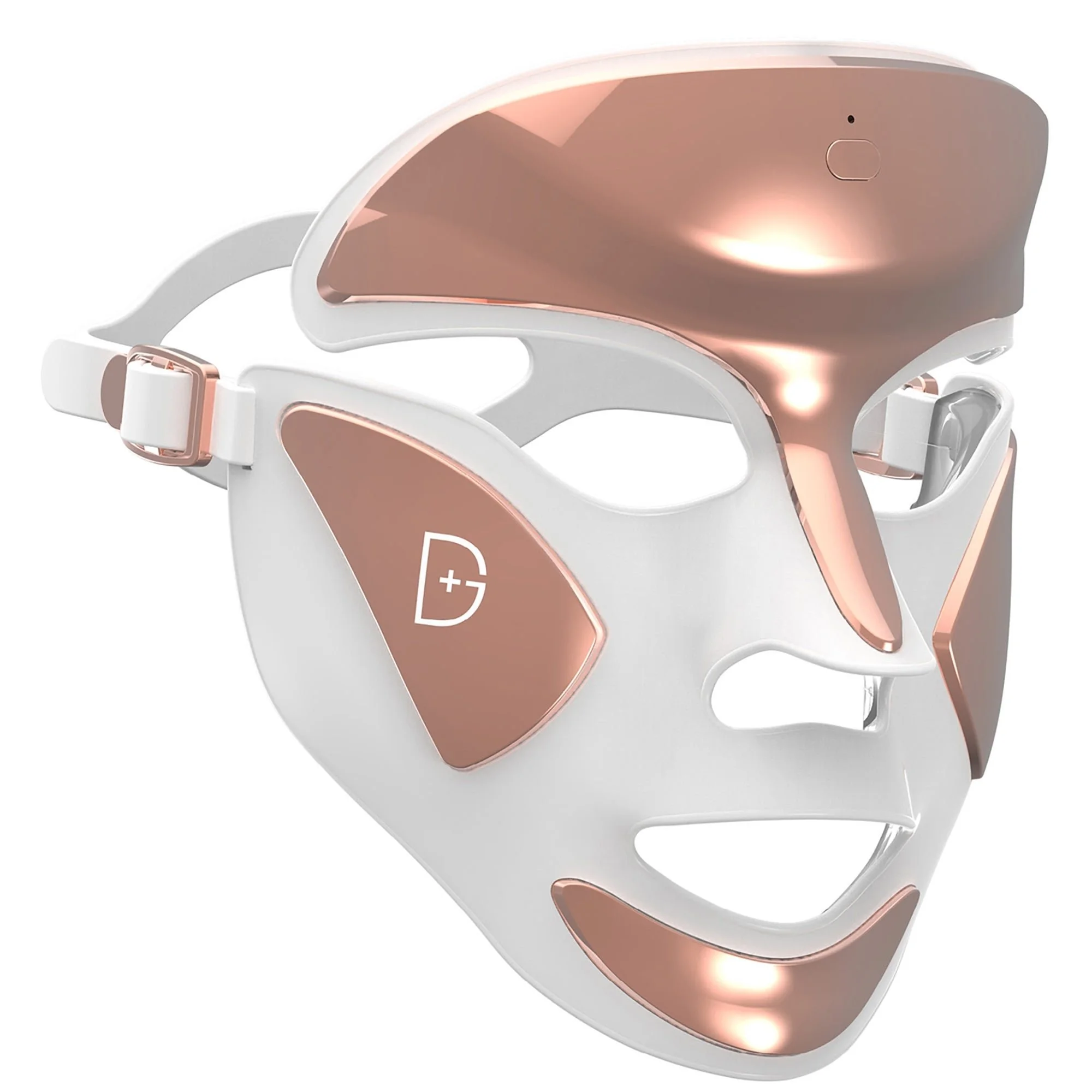
The Dual-Action Choice
Dr Dennis Gross DRx SpectraLite FaceWare Pro (£465)
Many LED masks focus almost exclusively on anti-ageing concerns. Dr Dennis Gross takes a slightly different approach.
Alongside red light therapy, the mask also incorporates blue light, which is commonly used in acne treatments because of its ability to target acne-causing bacteria. That makes it particularly appealing for adults who find themselves dealing with fine lines and breakouts simultaneously — a surprisingly common frustration that beauty marketing rarely acknowledges.
The rigid shell design won't suit everyone, but for those wanting one device capable of addressing multiple concerns, it offers something genuinely different.
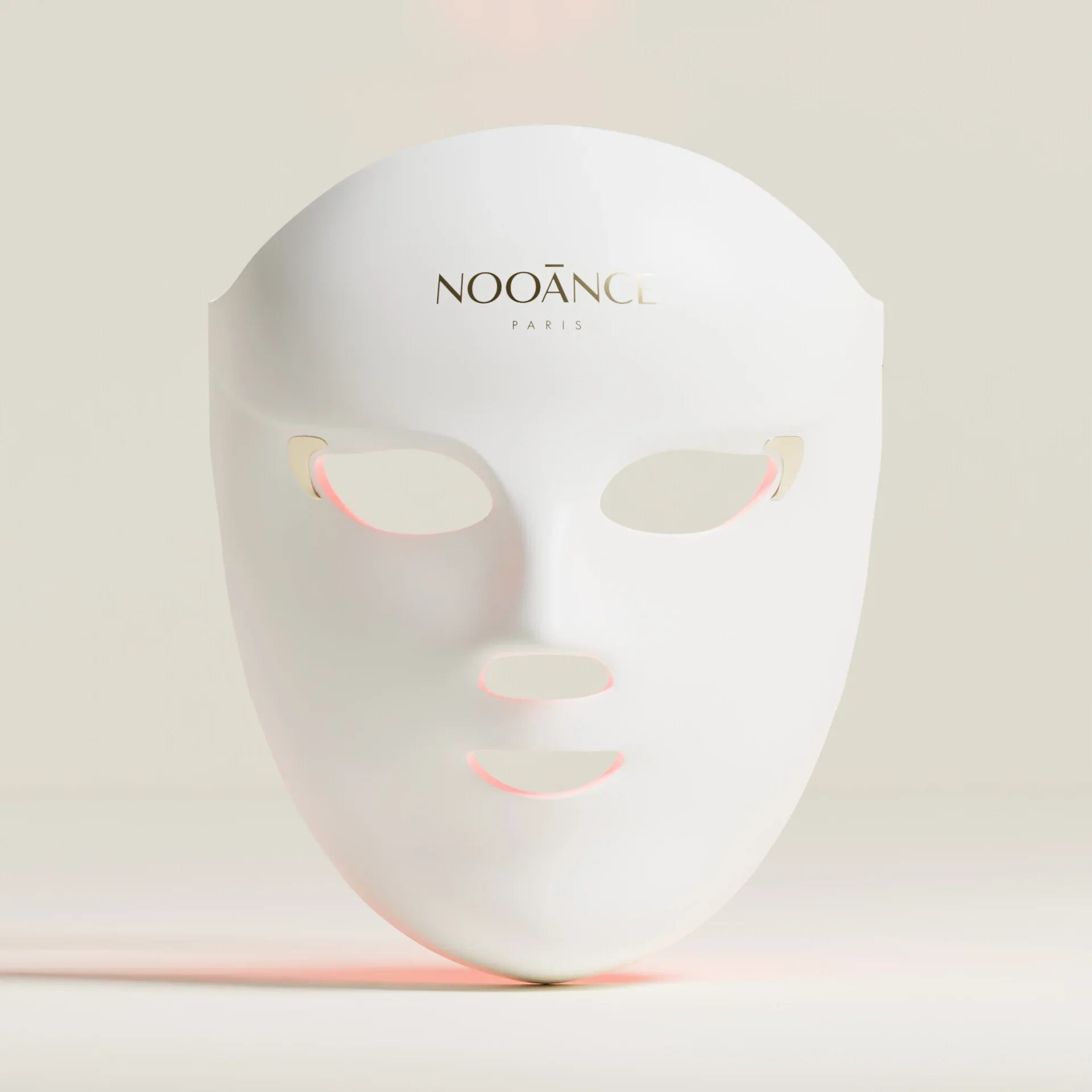
The Technical Choice
Smartech Nooance Elite X600 (£699)
Nooance has built a strong reputation among skincare enthusiasts by focusing on the technology behind LED therapy rather than celebrity endorsements. The Elite X600 combines red and near-infrared wavelengths commonly associated with LED skin rejuvenation research with a design intended to deliver even coverage across the face.
While it may not have the same mainstream recognition as CurrentBody or Omnilux, it has quietly become one of the most respected devices in the European market. For readers who like to look beyond marketing and into the specifications, it is one of the most compelling options currently available.
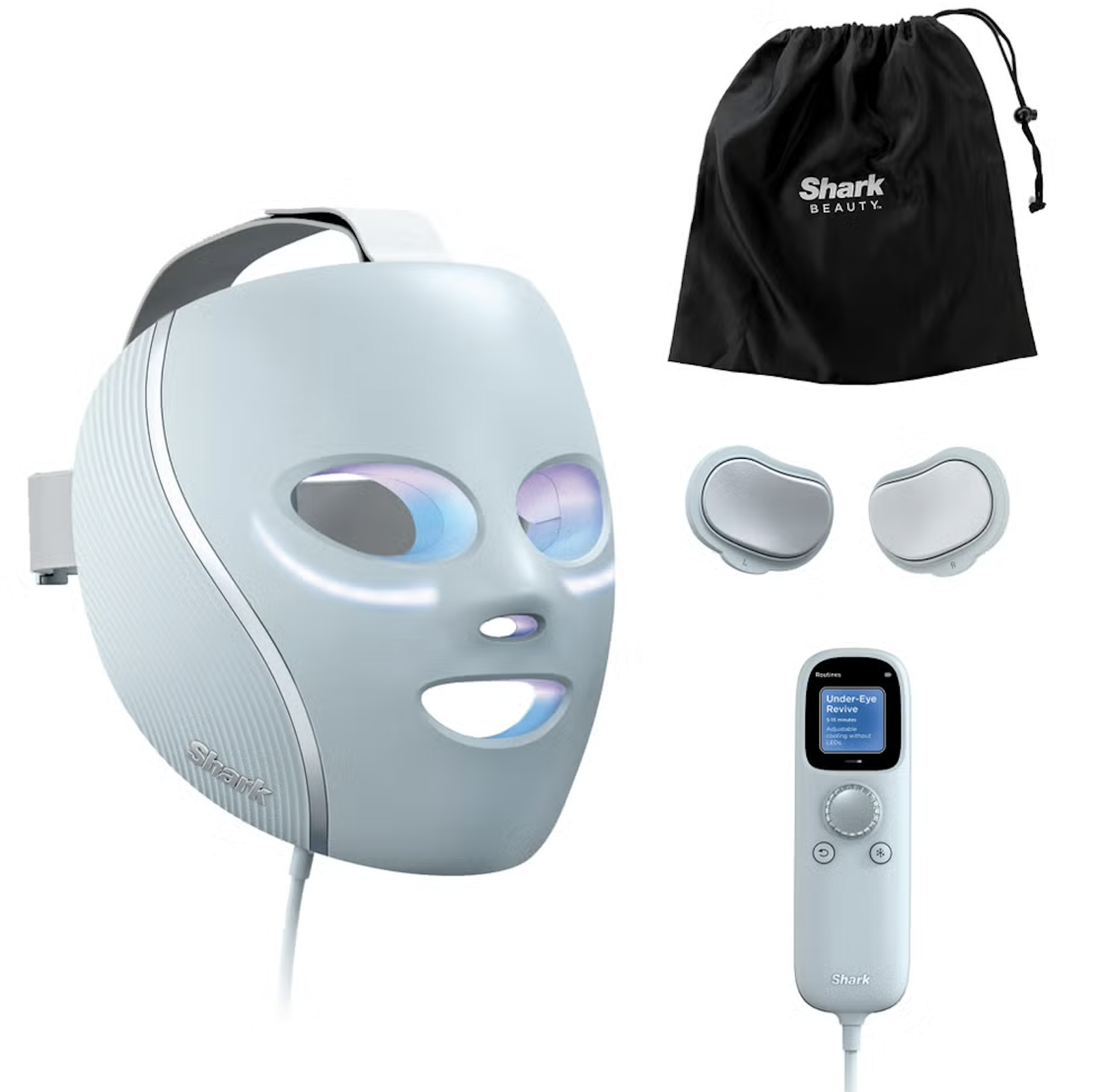
The Innovative Newcomer
Shark CryoGlow LED Face Mask (£299.99)
Shark entered the category later than many competitors, but brought something genuinely new with it.
Alongside red and near-infrared light therapy, CryoGlow incorporates cooling technology around the eye area designed to help reduce puffiness and refresh tired-looking skin. While LED remains the headline feature, the additional cooling element helps distinguish it from an increasingly crowded field of similar-looking devices.
For anyone wanting a device that offers something beyond standard LED treatment, Shark provides one of the more interesting alternatives currently available.
When LED masks first appeared, they were marketed as futuristic beauty gadgets. Today, they're increasingly being positioned as skincare essentials. The truth sits somewhere in between.
The science behind red and near-infrared light therapy is genuine, which is why clinics have embraced the technology for years. What often gets lost in the marketing is that home devices and professional treatments were never designed to achieve exactly the same thing.
If you're expecting dramatic lifting, tightening or the kind of transformation often associated with professional aesthetic treatments, an LED mask is unlikely to be the answer. If you're looking for a convenient way to support skin health, improve radiance and maintain results over time, the conversation becomes much more interesting.
Perhaps the fairest conclusion is this: LED face masks aren't overhyped. The expectations surrounding them often are. Used consistently, a good LED mask can become a valuable addition to a skincare routine. Just don't expect a drizzle to behave like a downpour.