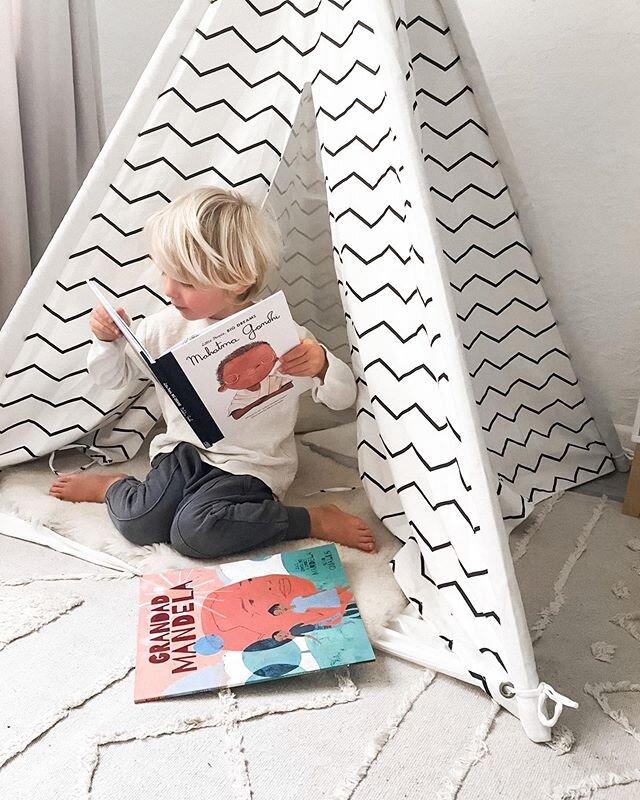
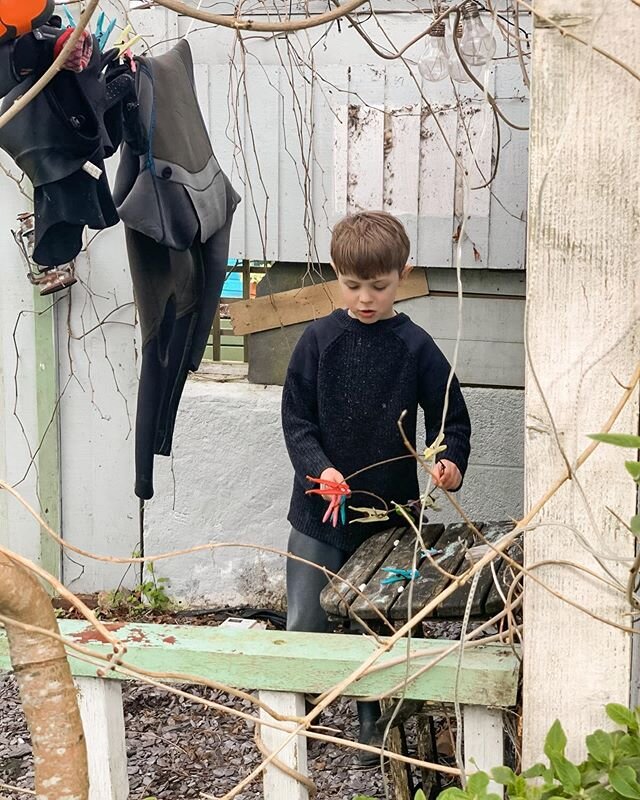
What if the most important parts of childhood are the moments nobody planned?
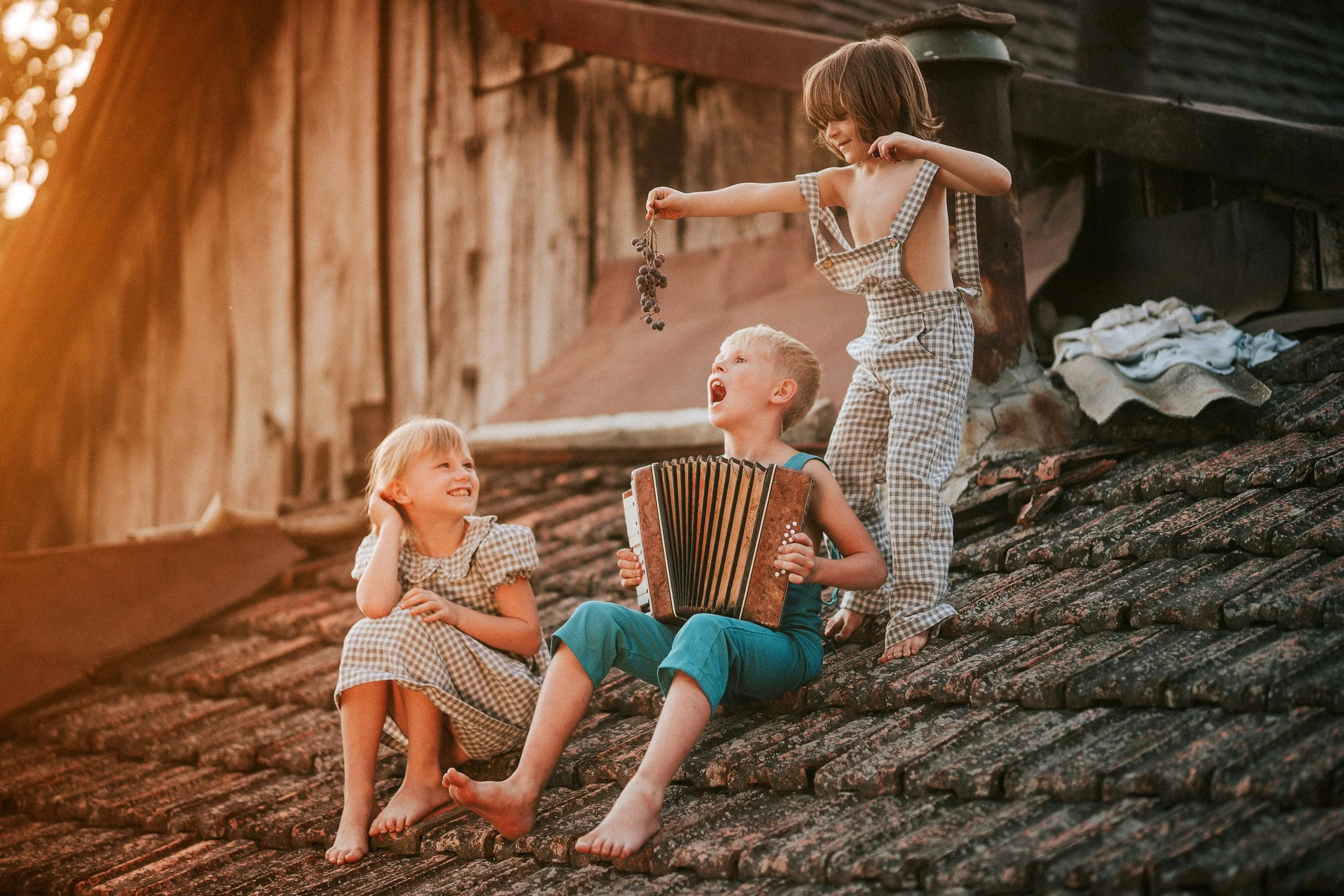
In a world obsessed with optimisation, childhood may have become one of the few things we're trying too hard to improve.
Somewhere along the way, childhood became a project. Early-morning swim sessions. Coding club after school. Dance classes. Football training. Weekend fixtures. Holiday camps. Add in the creeping sense that every spare hour should be put to good use and it's little wonder many children now have busier extracurricular schedules than the adults driving them there.
Which may explain why social media is currently awash with videos celebrating 90s childhoods. Children disappearing on bikes for hours. Entire afternoons spent building dens. Summer holidays that seemed to stretch on forever. Not because anyone genuinely wants to return to a world before smartphones and Google Maps, but because those videos tap into something many parents recognise: a childhood with more freedom, more boredom and more time that belonged entirely to children.
Of course, not everything was better. Some children had too much freedom. Others had too little support. Modern parents are navigating a completely different world, often while juggling work, childcare and the pressure to somehow get it all right.
Yet the popularity of these videos suggests they are touching a nerve. The nostalgia isn't really for the 1990s. It's for a version of childhood that felt less managed. Long afternoons with nowhere to be. The freedom to get bored. The chance to make up games, solve problems and discover interests without an adult organising every moment.
Why Have We Become So Afraid Of Boredom?
For many parents, boredom has become something to solve. The moment a child announces they have "nothing to do", suggestions are offered. Screens are negotiated. Plans are made. The assumption is understandable. We are constantly told about the importance of opportunities, experiences and enrichment. If a child is bored, it can feel as though we have somehow failed.
“In our determination to give children every opportunity, there is a risk that we leave too little room for the imagination, creativity and independence that happen when nobody is directing the day.”
Yet boredom has long played an important role in development. It is often in the gaps between activities that children learn to entertain themselves, solve their own problems and discover what genuinely interests them. The den built from sofa cushions. The imaginary game that lasts an entire afternoon. The strange invention made from cardboard, tape and whatever else happens to be lying around.None of these moments can be scheduled. In fact, they usually emerge because there was nothing else planned.
Part of the challenge is that modern parents are raising children in an age of unprecedented information. We know what every other child appears to be doing. We see the football academy, the swimming squad, the coding club and the dance competition. It is hardly surprising that many parents worry their child will miss out if they don't do the same. The result is that saying yes often feels responsible. Saying no can feel risky.
Yet children are not machines designed to absorb endless stimulation. They are individuals with different temperaments, interests and energy levels. Some thrive on constant activity. Others need more time to recharge. Most probably need a mixture of both.
The Missing Ingredient In Modern Childhood
There is another irony here. As adults, we have become remarkably protective of our own downtime.
We block out weekends. We book spa breaks. We talk about boundaries. We understand the importance of recovery days in sport and rest days in the gym. We spend billions on wellness products, mindfulness apps and retreats designed to help us slow down. We have become experts at recognising burnout in ourselves. Yet many of us still behave as though children have endless energy.
Of course, football, dance, swimming, coding clubs and drama can all be hugely positive experiences. Most children benefit from opportunities to learn new skills, make friends and discover what they enjoy. But opportunities come with a cost: time. Every club added to the calendar leaves a little less room for everything else.
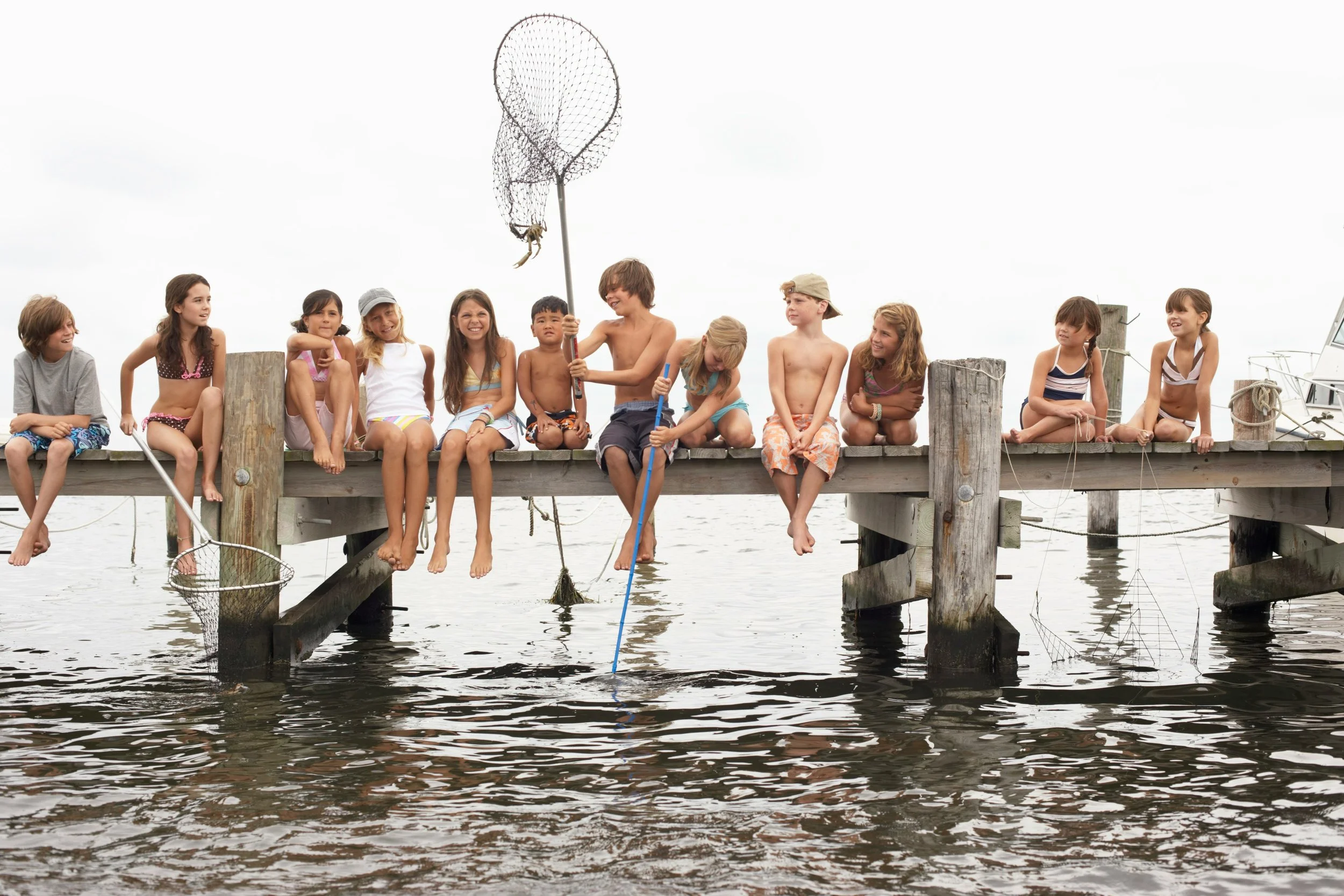
In our determination to give children every possible advantage, perhaps we have overlooked something equally important. A childhood filled with organised commitments every day of the week leaves less room for the things that cannot be timetabled: daydreaming, wandering, making things up, entertaining yourself and occasionally doing absolutely nothing at all.
After all, school itself is demanding. Children spend their days learning, socialising, concentrating, navigating friendships and processing a huge amount of information. For some, particularly neurodivergent children, that can be exhausting.It seems reasonable to ask whether recovery might be just as important for them as it is for us.
The same principle appears in sport. Modern parents are often encouraged to help children find their passion early and commit to it. If a child shows talent, the instinct is understandable: nurture it, support it and create opportunities for it to flourish.
Yet many experts in youth sport argue that early specialisation is not always the advantage it appears to be. In fact, the child who is the best athlete at eight is not necessarily the best athlete at eighteen. Many elite sportspeople spent their childhoods playing multiple sports, developing a broad range of skills before narrowing their focus later on.
“Growth has never come from stimulation alone. It requires space too.”
The lesson is not that practice doesn't matter. Of course it does. But growth rarely happens through stimulation alone. It happens through a combination of challenge and recovery, effort and reflection, structure and freedom.
Childhood may work in much the same way. We tend to assume development happens during the lesson, the training session or the club. But some of childhood's most important development can happen in the hours nobody organised. The afternoon spent making up games in the garden. The long walk with friends. The day with nothing planned. The boredom that eventually gives way to imagination.
Perhaps that is why those 90s childhood videos have struck such a chord. Not because parents want to return to another decade, but because they remind us of something that modern childhood sometimes lacks: space. Space to get bored. Space to recover. Space to make mistakes. Space to discover who you are when nobody is organising the next hour of your day.
Growth has never come from stimulation alone. It requires space too. In our determination to give children every opportunity, there is a risk that we leave too little room for the things that happen when nobody is directing the day. The imagination. The creativity. The independence. The magic.
More often than we realise, some of childhood's most important moments begin with the words, "I'm bored."