Feeling Lost After Your First Baby? It’s More Common Than You Think
The first-baby identity crisis nobody talks about
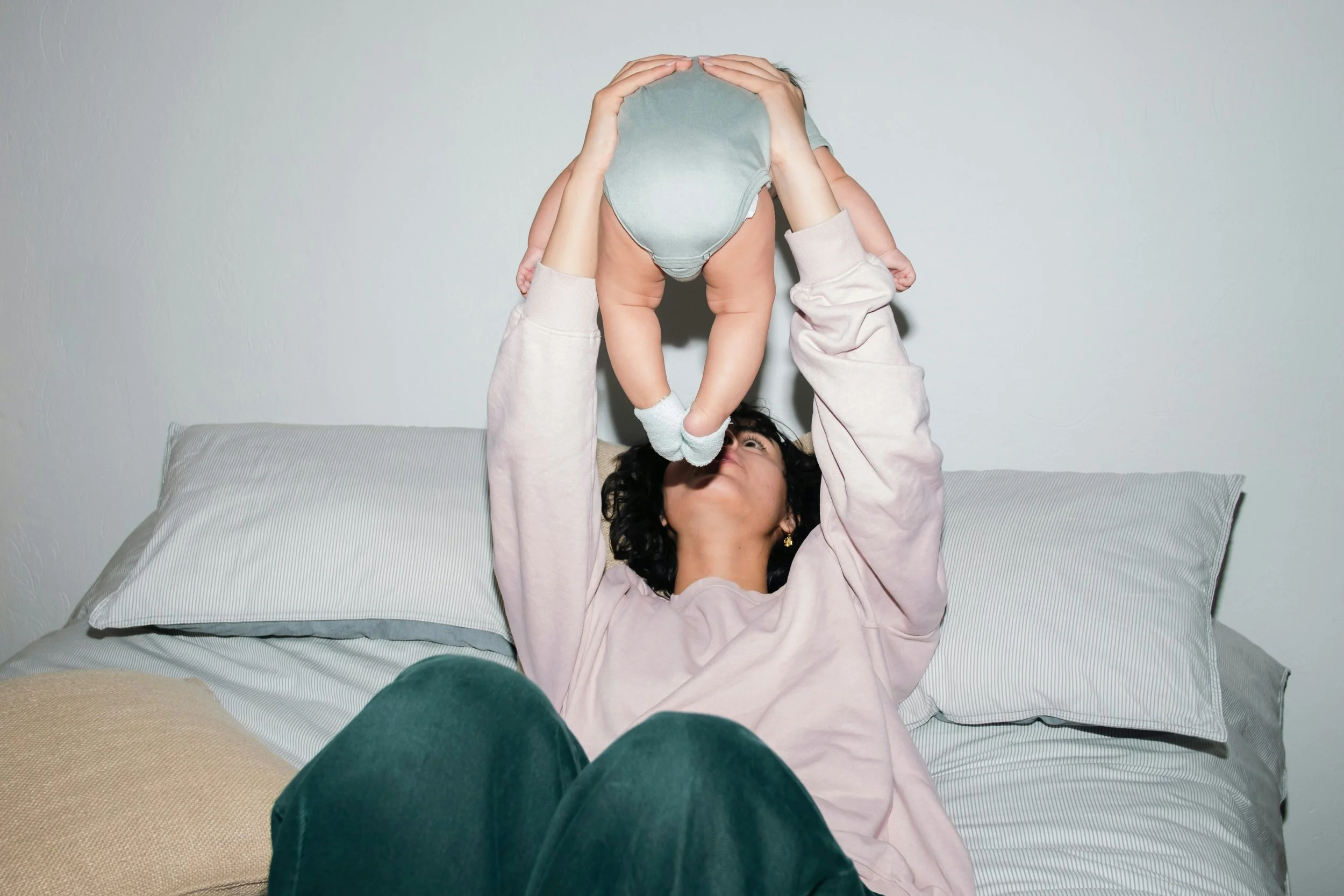
Few women are prepared for how lost they can feel after having a first baby. Not because they do not love their baby. Not because something is inherently wrong. But because one day they look around and realise they barely recognise their own life anymore.
You miss the old version of yourself — the one who could leave the house spontaneously, meet friends without calculating feeds and naps around it or decide at 7pm to go out for dinner without mentally preparing for a logistical operation worthy of a small military unit. The version of you who once travelled lightly, escaped to the gym for an hour, stayed out late occasionally and never had to factor another person into every single decision she made.
At first, newborn life almost shields you from the full weight of it. People constantly check in. Adrenaline carries you through the exhaustion. Tiny babies mostly sleep and feed. You can almost convince yourself you are still vaguely functioning as a normal person, despite wearing the same leggings for four consecutive days and considering a hot cup of tea a legitimate personal achievement.
Then life narrows in a way you did not entirely anticipate.
“You have gained something enormous, beautiful and life-changing, yet at the very same time can find yourself grieving the life and identity that disappeared in order to make space for it.”
Your partner goes back to work. Messages become less frequent. Your baby becomes more awake, more alert, more dependent on routines and structure. Leaving the house suddenly feels harder, not easier. Somehow a “quick trip” now requires three bags, emergency snacks, a fully charged white-noise machine and still ends with you forgetting the one thing you actually needed.
That is often the point where motherhood stops feeling temporary and starts feeling like your actual life.
Not the hazy newborn chapter people romanticise afterwards, but the repetitive everyday reality of it. The part where your freedom no longer disappears dramatically, but quietly, in tiny daily negotiations with naps, bedtime routines and whether it is even worth attempting a restaurant at all.
You realise you have not properly seen certain friends in months, particularly the ones without children. Entire group chats continue without you while your own days revolve around nap timings and trying to persuade a baby to sleep somewhere other than your chest. Nights out stop sounding exciting not because you no longer care about them, but because the prospect of functioning on even less sleep tomorrow feels genuinely intolerable. Conversations become fragmented between feeds, snacks and trying to calm a crying baby discreetly enough that nearby tables do not start glancing over sympathetically.
And underneath all of it sits a thought many mothers feel deeply ashamed admitting out loud: I feel lost. Not just tired or overwhelmed, but genuinely unsure where the old version of me went.
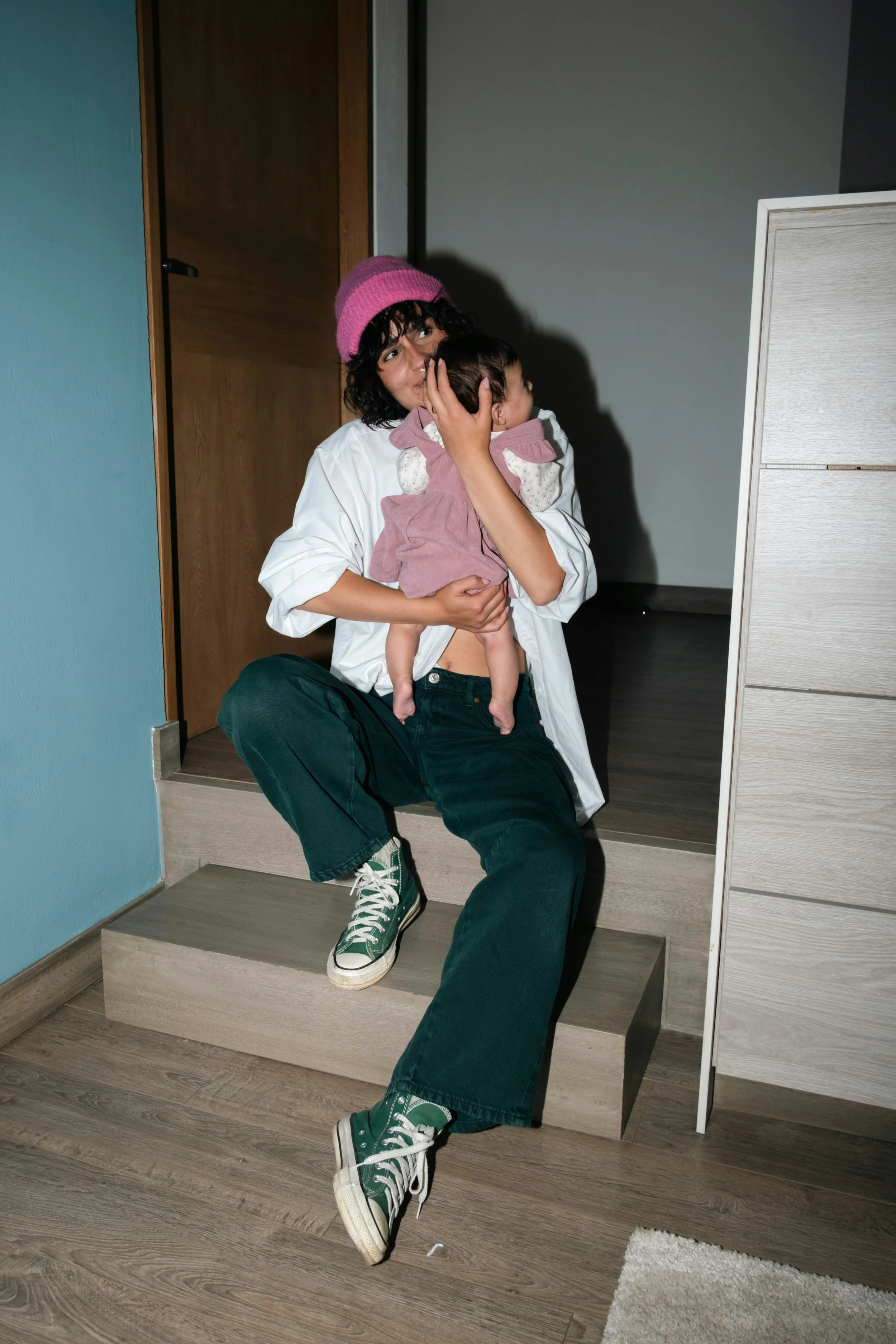
Because alongside the joy of motherhood, many women quietly begin mourning themselves a little too. The old routines. The old freedom. The woman who could think almost entirely about her own needs without guilt or interruption. You have gained something enormous, beautiful and life-changing, yet at the very same time can find yourself grieving the life and identity that disappeared in order to make space for it.
Motherhood is still framed in extremes — either blissful or clinically difficult — with very little language for the strange emotional middle ground in between. The part where you love your child completely, while simultaneously mourning your old freedom, your old identity and the version of life that existed before motherhood absorbed almost every corner of it.
For a while, first-time motherhood can feel less like becoming a parent and more like disappearing slightly inside somebody else’s needs.
And perhaps this feeling feels so uniquely intense with a first baby because it is the first time your entire identity has been forced to reorganise itself around another person. By a second or third child, there may be new pressures, new exhaustion and entirely different challenges, but the existential shock of becoming “somebody’s mother” has already happened. You already know that eventually you will find yourself again.
In many ways, it resembles adolescence — that strange, emotionally untidy period where you are no longer one version of yourself but have not fully become the next one yet either. Except this time the transformation is not into adulthood, but into motherhood.
And slowly, almost without noticing, life begins expanding again. You start reclaiming small pieces of yourself. You find a gym with a crèche, or a class where nobody minds if your baby suddenly starts crying halfway through. You meet a friend for dinner without checking the baby monitor every four minutes. You remember what it feels like to think about something other than naps and snacks for a few hours. The old version of you never fully returns, but that is not necessarily a bad thing. Over time, most women begin building something new instead — a version of themselves that still carries parts of who they were before motherhood, while making space for who they have become after it too.
And perhaps the most important thing women need to hear is this: feeling this way does not make you a bad mother, an ungrateful person or somebody who is “failing” at motherhood. It is an entirely normal part of a huge identity transformation that many — if not most — women experience after a first baby, even if very few admit it out loud at the time. You are not alone in missing parts of your old life, and you are not alone in sometimes feeling lost inside the new one either.