The strongest retinoid isn't necessarily the smartest choice.

Three forms of vitamin A, a thousand beauty claims and one very confused skincare routine.
Your friend has just signed up to an online prescription skincare service, discovered tretinoin and hasn't stopped talking about it since. Her skin looks incredible, she's practically evangelical about the results, and suddenly the retinol you've been using for the past two years feels rather inadequate. Should you be upgrading? Are you missing out on the really good stuff? More importantly, are those fine lines getting a head start while you're messing about with the weaker version?
There's just one small problem. Your supposedly gentle, over-the-counter retinol already leaves your cheeks looking like you've spent an afternoon skiing without SPF. The idea of graduating to something stronger feels both deeply appealing and mildly terrifying. Yet everywhere you look, someone is singing the praises of prescription-strength vitamin A, while retinal enthusiasts insist they've found the perfect middle ground. It's enough to make you wonder whether your skin needs a better product or simply a break from the internet.
Retinoids have decades of science behind them, with established benefits for acne, fine lines and pigmentation. But somewhere along the way, the conversation has become an arms race, with strength mistaken for effectiveness and irritation almost treated as proof that something is working. It isn't. And while tretinoin has impressive clinical credentials, that doesn't automatically make it the right choice for every face.
So, how much vitamin A does your skin actually need? Is retinal the clever compromise? And could the retinol you're considering abandoning be doing considerably more than you think? We examine the science, the strengths and the rather important difference between getting results and simply getting red.
Retinol, Retinal and Tretinoin: What's the Difference?
First, a little science, because the difference between these three ingredients is surprisingly simple. They're all members of the retinoid family, derived from vitamin A, and work through related biological pathways to influence skin-cell behaviour. The important distinction is how much work your skin has to do before they become active.
Retinol needs to be converted into retinal, which then becomes retinoic acid, the form that interacts with receptors in our skin cells. Retinal skips that first conversion, while tretinoin is retinoic acid itself. In other words, they're travelling towards the same destination, but some have considerably fewer stops along the way.
“It’s enough to make you wonder whether your skin needs a better product or simply a break from the internet.”
Before you start wondering why anyone would bother with retinol when tretinoin can get straight to work, there's a catch. Fewer conversion steps don't automatically guarantee better results. Concentration, formulation, stability and how frequently you can comfortably use a product all influence its effectiveness. A theoretically more powerful ingredient isn't much use if your skin stages a rebellion every time you apply it.
For years, choosing a retinoid largely meant deciding how strong you dared to go. But a higher percentage isn't much use if the ingredient has degraded before it reaches your skin, or if the formulation leaves you so irritated that you can barely use it twice a week. Retinal is particularly vulnerable to light and oxygen, which is why stabilising it has been such a challenge for skincare chemists. Encapsulation technology helps protect the molecule within a formulation, while controlled-release systems can influence how quickly an ingredient becomes available to the skin.
Take Medik8's Crystal Retinal, which uses stabilisation technology to protect retinal and offers six concentrations, allowing users to increase their strength gradually rather than jumping straight into the deep end. Obagi takes a different approach with its Retinol + PHA Refining Night Cream. Its entrapped, slow-release retinol is designed to deliver vitamin A more gradually, while gluconolactone, a polyhydroxy acid, gently exfoliates and helps attract moisture.
It's a reminder that the cleverest skincare formulation isn't necessarily the one with the biggest percentage on the box.
Retinol, Retinal or Tretinoin: Which One Is for You?
Retinol: The Original Overachiever
Poor retinol. After years of being hailed as skincare's anti-ageing superstar, it's now finding itself treated like the sensible shoes of the vitamin A family. Reliable, respectable, but apparently not quite exciting enough for anyone serious about their skin.
Which is rather unfair, considering its credentials. Retinol has decades of research behind it and can improve fine lines, uneven pigmentation and rough texture by encouraging skin renewal and supporting collagen production. It takes two conversion steps to become active retinoic acid, making it generally less potent than tretinoin, but that slower route has its advantages for those who don't fancy spending their evenings nursing an irritated complexion.
Modern retinol formulations have also moved well beyond the basic serums of a decade ago. Encapsulation, gradual-release technology and barrier-supporting ingredients mean there are now far more sophisticated ways to deliver vitamin A without simply cranking up the concentration. Although a 1% retinol might sound impressive, someone happily using 0.3% every other evening may have a considerably better experience than someone repeatedly attempting a stronger formula before retreating to a tub of moisturiser.
Retinol makes sense for early signs of ageing, uneven texture and anyone beginning their vitamin A journey. Results take patience, usually several months, but it's perfectly capable of earning a permanent place in your bathroom cabinet.
Retinal: The Ambitious Younger Sister
Retinal has developed quite the following among skincare enthusiasts, largely because it promises something we all find difficult to resist: efficiency. With only one conversion required to become active retinoic acid, it sits tantalisingly close to prescription tretinoin without requiring a doctor's approval.
That doesn't automatically make it twice as effective as retinol, despite what a particularly enthusiastic marketing campaign might suggest. The conversion pathway tells us how the ingredients work, not precisely how quickly you'll notice fewer wrinkles in the mirror.
Retinal has shown benefits for photoaged skin, including fine lines and uneven texture, and has another interesting characteristic: laboratory research suggests it possesses antibacterial properties against certain acne-associated bacteria. That gives it an intriguing place in skincare for blemish-prone complexions, although the clinical evidence for treating acne remains considerably stronger for prescription retinoids.
Its reputation has also benefited from advances in formulation. Retinal is notoriously unstable, which historically made it difficult to keep effective inside a bottle. Today's encapsulation and stabilisation technologies have helped change that, giving consumers access to a wider range of concentrations and textures.
For those who have established a comfortable relationship with retinol but fancy exploring the next step, retinal offers a compelling option. Just remember that your skin gets a vote in the decision, too.
Tretinoin: The One With the Serious Credentials
Tretinoin doesn't need a glamorous marketing campaign. Decades of clinical trials have already done much of the talking. Originally developed for acne treatment, it subsequently became one of dermatology's most extensively studied ingredients for addressing sun-damaged skin, fine wrinkles and pigmentation.
Unlike retinol and retinal, tretinoin is already retinoic acid. It can bind directly to the relevant receptors in skin cells, influencing processes involved in cell turnover and collagen production. Its effectiveness is well established, particularly for acne and photoageing, which explains why your friend's prescription has become her favourite dinner-party conversation.
The less photogenic side of tretinoin involves peeling, dryness, redness and the occasional realisation that your usual moisturiser is no longer pulling its weight. These reactions are common when beginning treatment, although they often improve as the skin adjusts. Starting with a low concentration, introducing it gradually and keeping the rest of your routine uncomplicated can make a considerable difference.
Tretinoin also has genuine advantages for women dealing with adult acne while simultaneously watching the first signs of ageing appear. By helping prevent pores from becoming clogged, it tackles breakouts while improving fine lines and sun damage. Because apparently, being old enough to worry about wrinkles doesn't mean we've earned the right to stop getting spots.
For more pronounced sun damage or acne requiring medical treatment, tretinoin is well worth discussing with a qualified prescriber. It isn't a necessary rite of passage for turning 35, though, whatever your group chat might have you believe.
The Vitamin A Edit
We've established that vitamin A isn't a one-size-fits-all affair. The good news? Skincare chemists have been rather busy making it easier to find your match. From retinal that comes with a sensible progression plan to prescription formulations tailored to your complexion, these are the six worth knowing about.
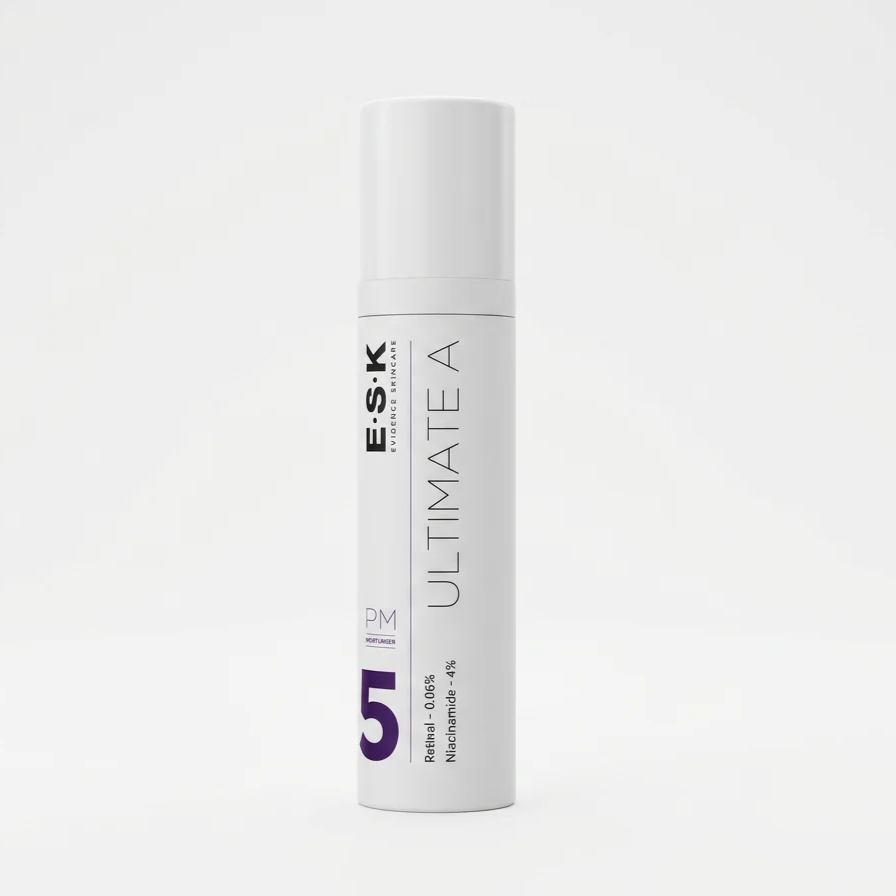
For Sensitive Skin: ESK Ultimate A (£77)
Some complexions can handle a new active ingredient without so much as a complaint. Others respond to the slightest change in routine with three days of redness and a personal vendetta against skincare. If yours belongs to the latter camp, ESK Ultimate A deserves a look. The formula pairs 0.06% retinal with 4% niacinamide, which helps support the skin barrier, alongside hydrating ingredients including glycerin and hyaluronic acid. It's a thoughtful combination for anyone who wants to tackle fine lines and uneven tone without making an already temperamental complexion even more difficult to live with.
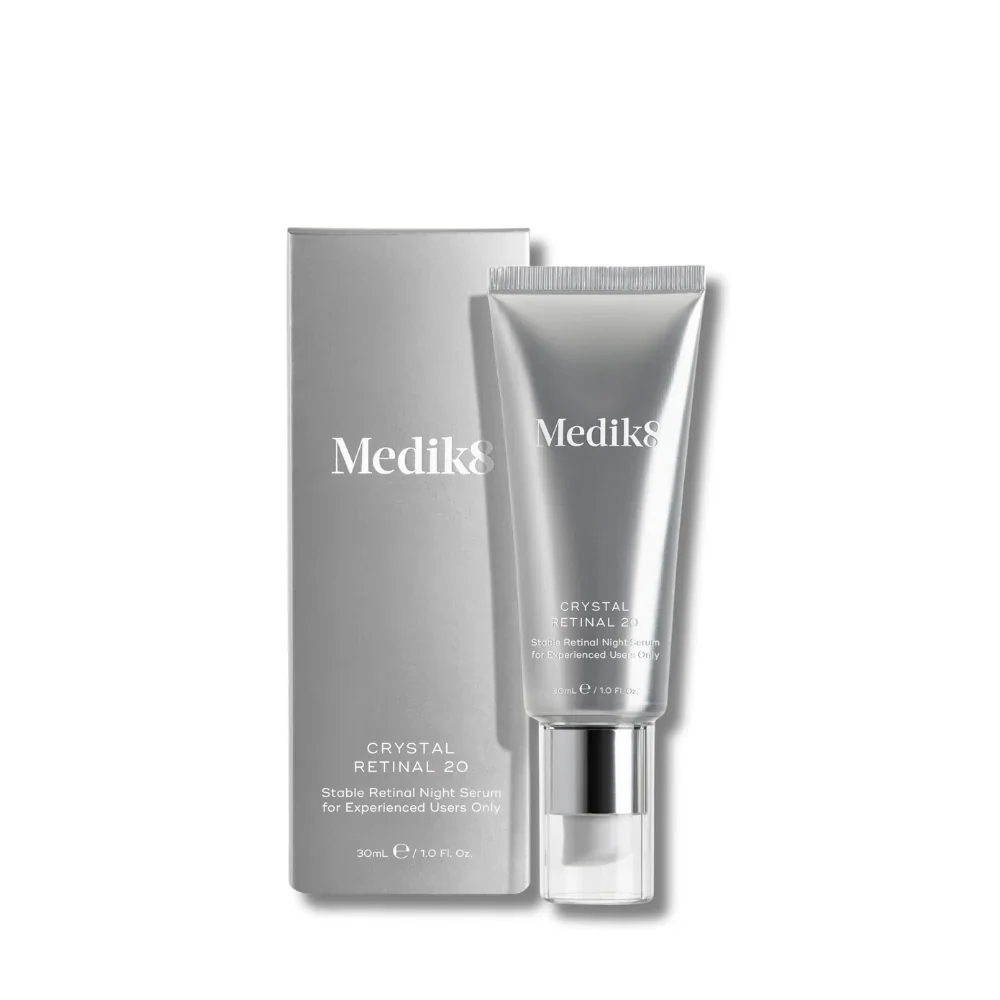
For the Retinal Curious: Medik8 Crystal Retinal (£69)
Skincare upgrades have a habit of being unnecessarily dramatic. One minute you're happily using a gentle retinol; the next, someone's suggesting a concentration that sounds better suited to resurfacing a kitchen worktop. Medik8 offers a more civilised approach. Crystal Retinal comes in six strengths, starting at 0.01% and progressing to 0.24%, with stabilisation technology designed to protect the retinal molecule. You can find a concentration that suits your skin and move up gradually, rather than treating every increase in strength as a test of character. Quite refreshing, really.
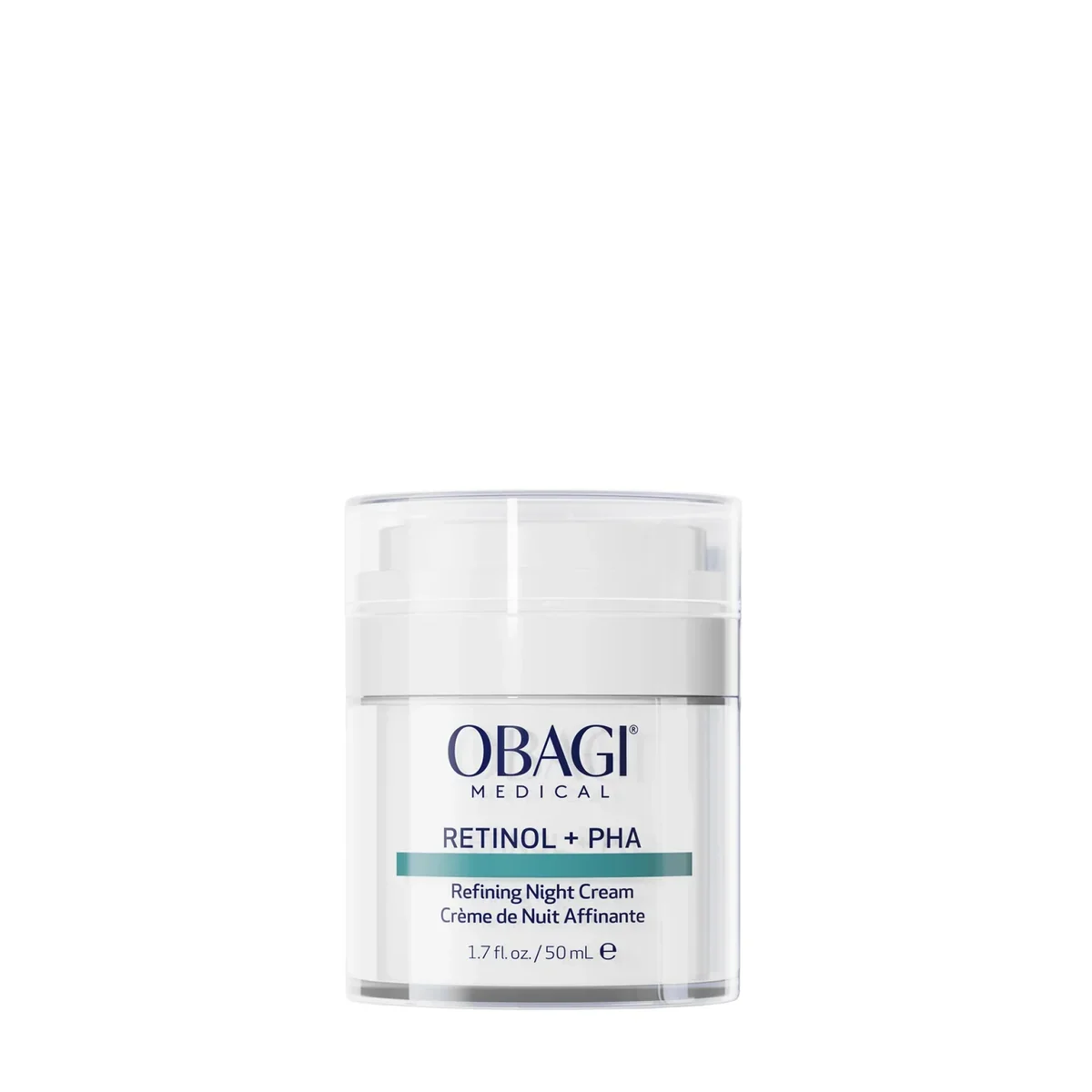
For Dullness and Uneven Texture: Obagi Retinol + PHA Refining Night Cream (£102.20)
If your skin has developed that slightly lacklustre look that no amount of illuminating primer seems able to disguise, Obagi has an interesting solution. Its 0.3% slow-release retinol works on skin renewal, while gluconolactone, a polyhydroxy acid, gently loosens dead surface cells and helps attract moisture. It's essentially two approaches to improving texture in one cream, without requiring a separate exfoliating step. A clever bit of multitasking for anyone whose bathroom shelf is already operating at maximum capacity.
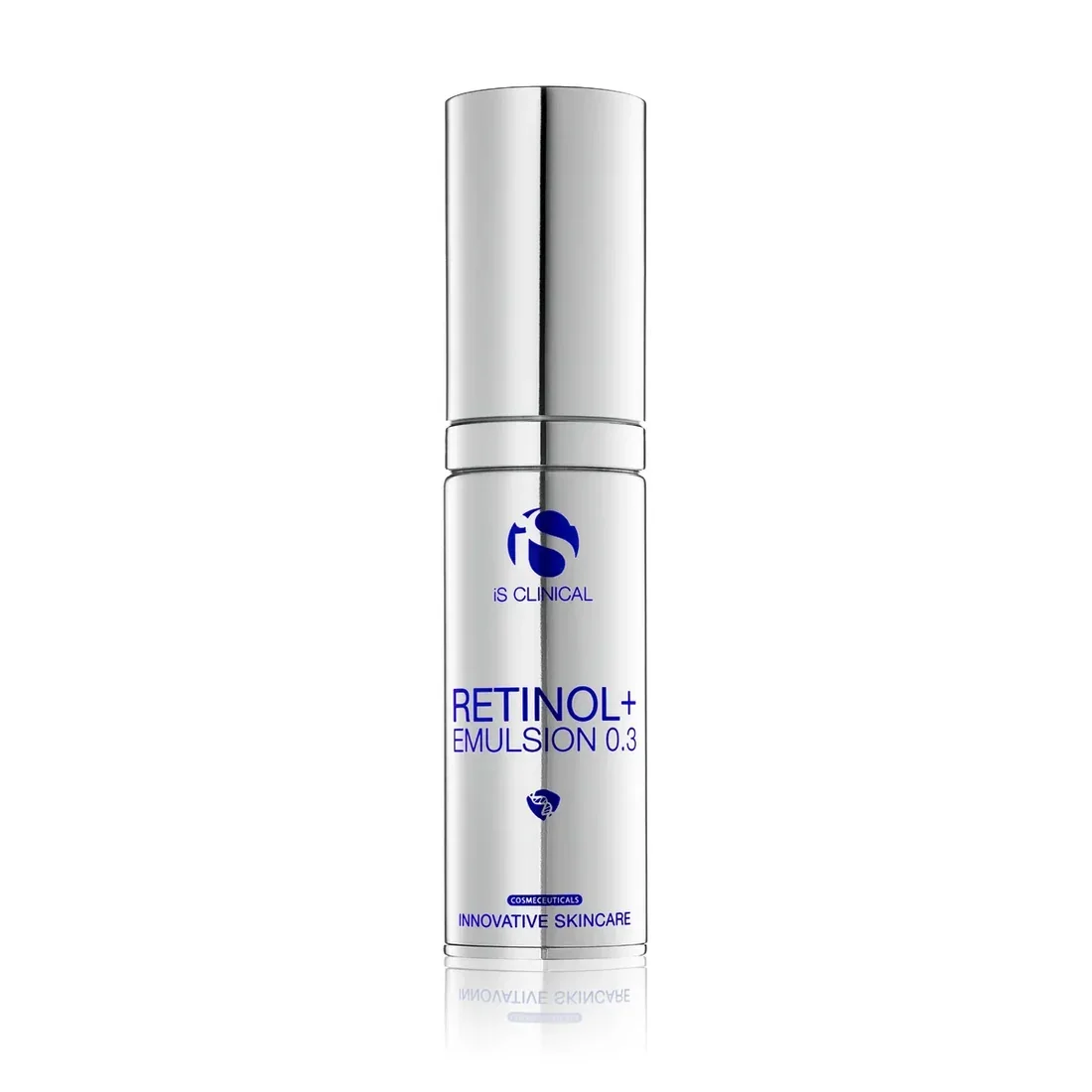
For Fine Lines and Visible Ageing: iS Clinical Retinol+ Emulsion 0.3 (£115)
Retinol has an impressive CV, but iS Clinical has decided to give it some equally hardworking colleagues. Alongside 0.3% retinol, the formula contains bakuchiol, an ingredient studied for its ability to improve signs of photoageing, plus ectoin and antioxidant vitamin C. Together, they offer a broader approach to fine lines, uneven tone and texture, while supporting hydration and skin comfort. If you're interested in vitamin A but would rather not introduce five separate serums to achieve your skincare ambitions, this is a particularly appealing proposition.
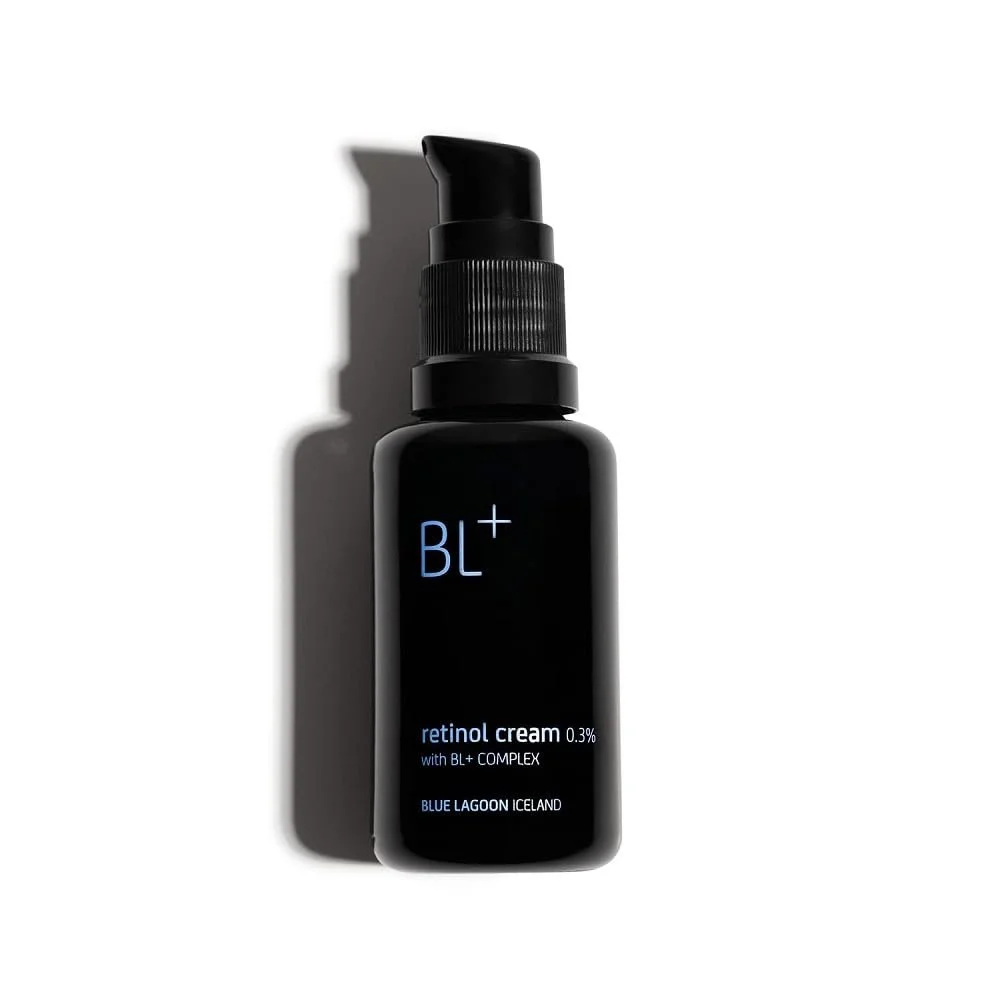
For Dry Skin: Blue Lagoon Skin Science BL+ Retinol Cream 0.3% (£130)
There's dry skin, and then there's the sort of dry skin that seems to absorb moisturiser before you've even put the lid back on. Introducing retinol into that situation requires a little diplomacy. Blue Lagoon combines 0.3% retinol with squalane, ceramide, hyaluronic acid and ectoin, ingredients selected to replenish moisture and support the skin barrier. Its proprietary BL+ Complex adds bioactive ingredients derived from Iceland's geothermal environment. The result is a formula that addresses fine lines and uneven texture while giving hydration considerably more attention than an afterthought.
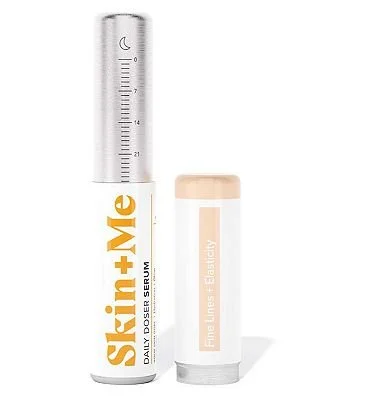
For Prescription Tretinoin: Skin + Me (£29.99 per month)
Remember that friend who discovered tretinoin and hasn't stopped talking about her skin since? Skin + Me might explain her enthusiasm. The online dermatology service offers personalised prescription treatments that can contain tretinoin, one of the most extensively researched ingredients for improving fine lines, wrinkles, pigmentation and acne. Following an online consultation, clinicians select the ingredients and concentrations suited to your complexion, with treatment adjusted as your skin adapts. The measured-dose dispenser takes the guesswork out of application, too. Prescription skincare without the temptation to play amateur dermatologist.
Your friend's prescription might be wonderful for her skin, but there's no need to develop an inferiority complex about your own bathroom cabinet. Find the retinoid that works for you, use it consistently and give it time. Your complexion has absolutely nothing to prove to the group chat.