AHA vs BHA: Which Exfoliating Acid Does Your Skin Actually Need?
Because your skincare routine really shouldn’t require a chemistry degree.

At some point, exfoliation stopped being a skincare step and became a minor qualification.
Skincare does love an acronym. AHA, BHA, PHA — enough letters to make exfoliating your face feel rather more academically demanding than it ought to be. Add glycolic, lactic and salicylic acid into the mix and it is entirely possible to own several very competent products without being completely sure what any of them are actually doing.
The problem is that AHAs and BHAs are often talked about as though they are interchangeable, when in reality the distinction between them can make quite a difference to how well they suit your skin. One may be exactly what you need; the other may simply be another active quietly taking up space on the bathroom shelf.
So rather than choosing whichever acid happens to be having its moment, it helps to know what each one does, where it works and what your own skin is asking for. Happily, the chemistry is considerably less intimidating than the packaging might suggest.
AHA: the surface exfoliator
AHA stands for alpha hydroxy acid, a family of water-soluble acids that primarily exfoliate the surface of the skin. Glycolic, lactic and mandelic are the three names you are most likely to spot on a bottle — and while they all sit under the same AHA umbrella, they are not merely different ways of saying the same thing.
They work by loosening the bonds between dead skin cells so those cells can shed more easily. The result, when you get the formula and frequency right, is smoother texture, better brightness and a more even-looking tone. In other words, AHAs are particularly good at dealing with the sort of skin that looks as though it could do with a very good night’s sleep, whether or not you actually got one.
Glycolic acid is the smallest molecule of the three, which means it can penetrate the skin more readily. That tends to make it the most assertive option: particularly useful for rough texture, dullness, fine lines and uneven pigmentation, but also the one most likely to make sensitive skin lodge a formal complaint.
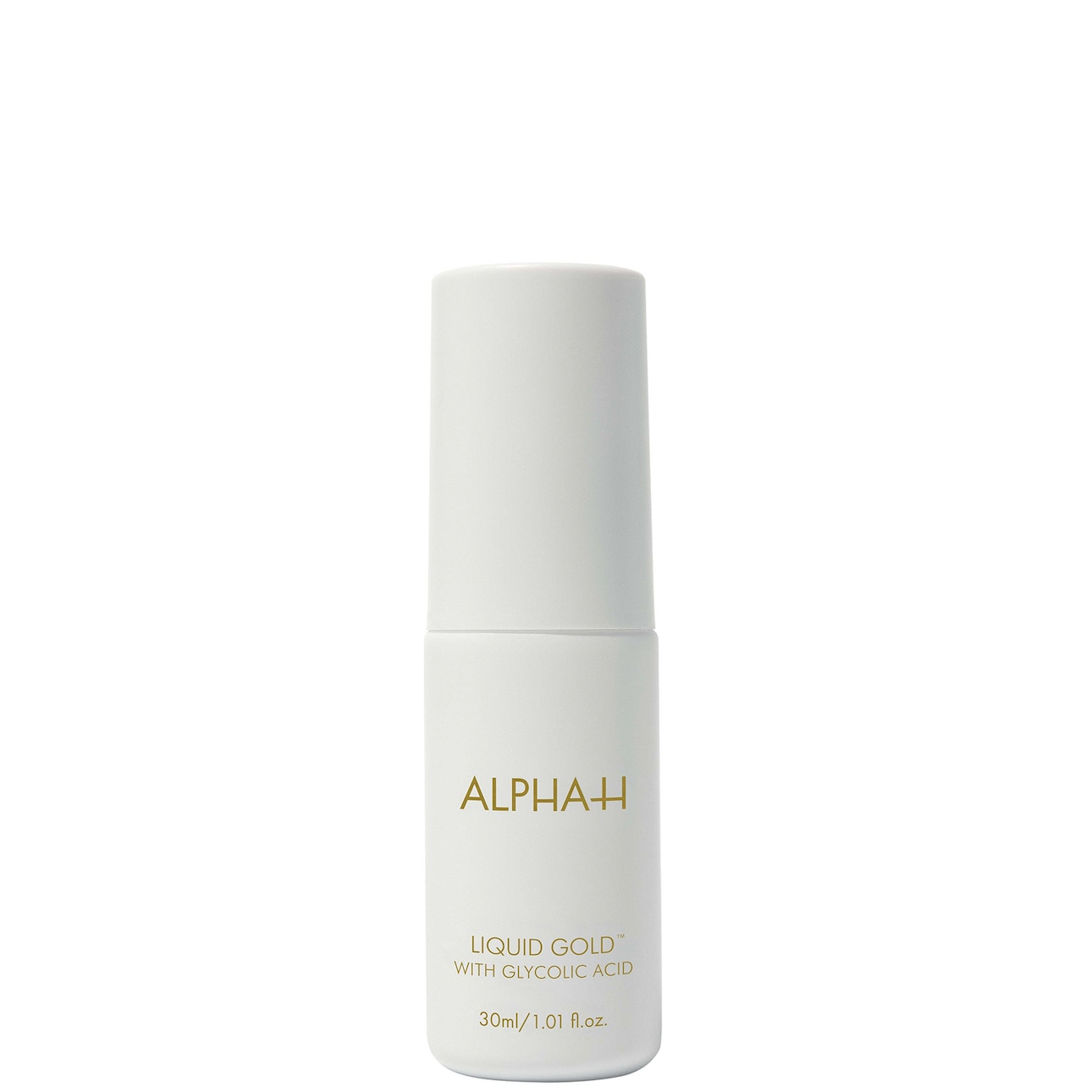
Alpha-H Liquid Gold (£43.99)
Alpha-H’s Liquid Gold has become something of a glycolic classic for a reason. Its 5% glycolic formula is geared towards proper resurfacing, so it makes sense when the aim is brighter, smoother, more even-looking skin rather than a barely-there exfoliation step.
Lactic acid is the gentler sibling. Its larger molecular size means it tends to penetrate more slowly, and it also has humectant properties, which makes it particularly appealing for dry or dehydrated skin. You still get exfoliation, just with rather less of the scorched-earth approach.
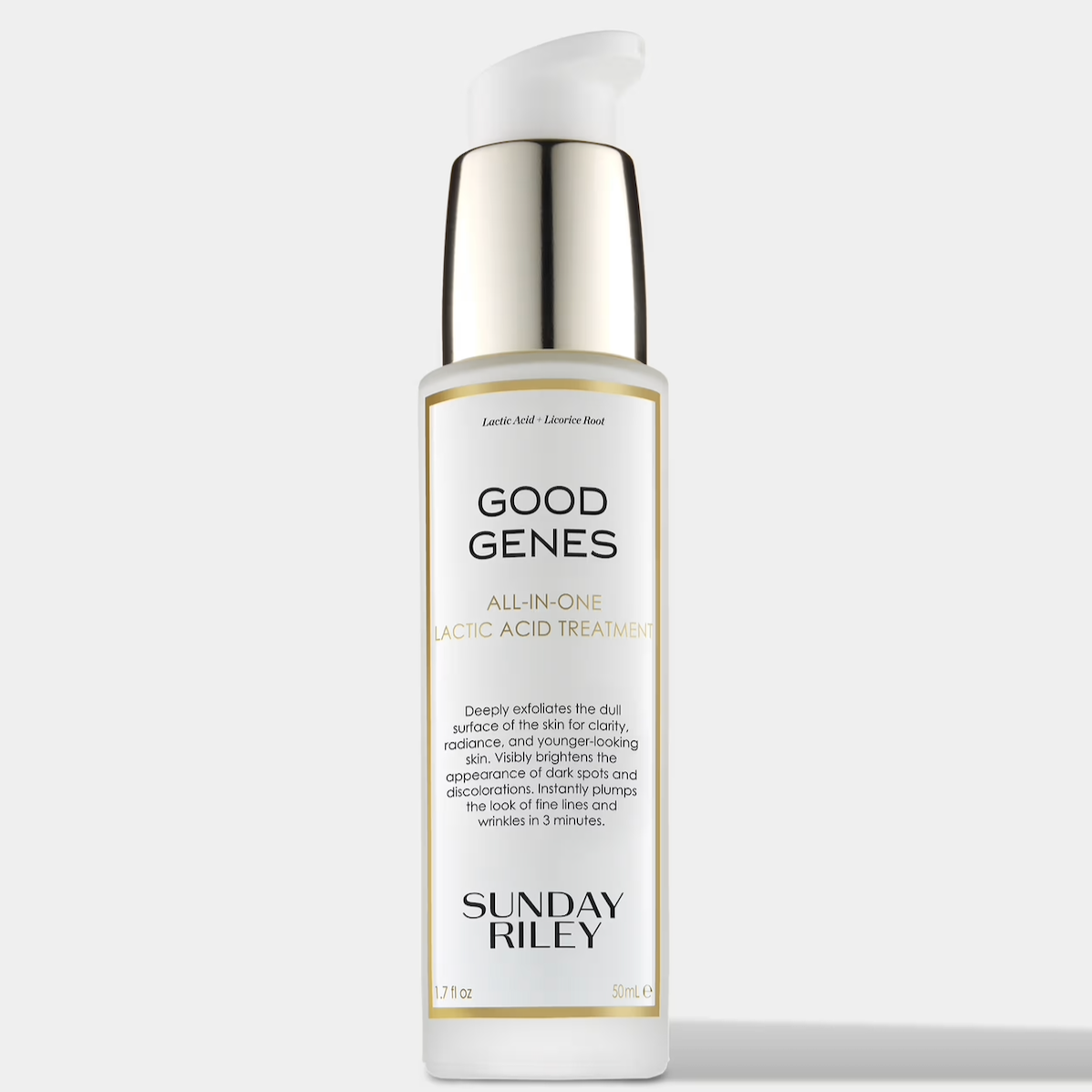
The Good Genes Lactic Acid Treatment is one of those formulas that explains the appeal of lactic acid rather well: enough exfoliating power to make a visible difference to dullness and texture, but in a more cushioned, skin-friendly formula. It is the option for anyone who wants polish without punishment.
Mandelic acid has the largest molecular structure of the three, so it penetrates more slowly again and is generally considered one of the gentlest AHAs. It can be particularly useful for blemish-prone skin, post-breakout marks or anyone who has previously discovered that “tingling” is sometimes skincare’s rather optimistic word for irritation.
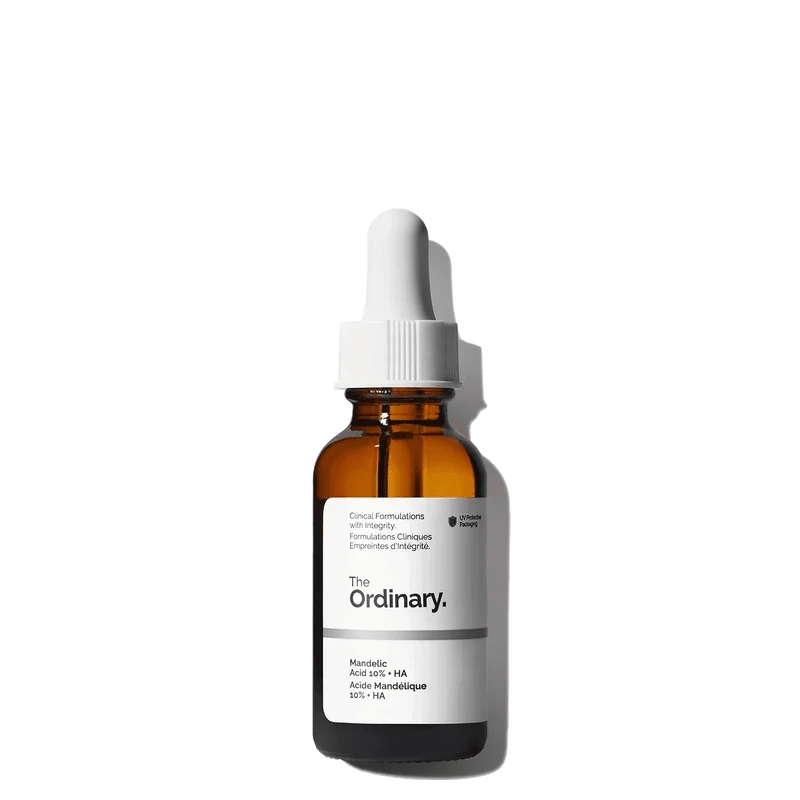
The Ordinary’s Mandelic Acid keeps things pleasingly simple. It gives mandelic acid the starring role, with hydration alongside it, which makes it a very sensible entry point for skin that wants exfoliation but has no interest in being bullied into it.
Concentration, pH and the rest of the formula still count, of course — skincare rarely allows one neat rule to survive entirely intact — but understanding the differences between the three makes choosing an AHA considerably less of a guessing game.
BHA: the pore-clearing acid
If AHAs are largely concerned with what is happening on the surface, BHAs are much more interested in what is going on inside the pore.
BHA stands for beta hydroxy acid and, in skincare, that almost always means salicylic acid. Unlike AHAs, salicylic acid is oil-soluble, which allows it to move through sebum and work inside congested pores rather than simply exfoliating the surface. That is what makes it particularly useful for blackheads, clogged pores and blemish-prone skin.
It also has anti-inflammatory properties, which is part of the reason it can be such a good fit for skin that is both congested and cross about it. The appeal is not simply that it exfoliates, but that it exfoliates in the place where excess oil and dead skin cells are actually causing the problem.
And no, BHA is not reserved for teenage breakouts. Enlarged-looking pores, stubborn blackheads around the nose and the sort of congestion that seems to return almost immediately after a facial can all respond well to salicylic acid. It can also be useful for oilier skin types that find richer exfoliating formulas a little too much.
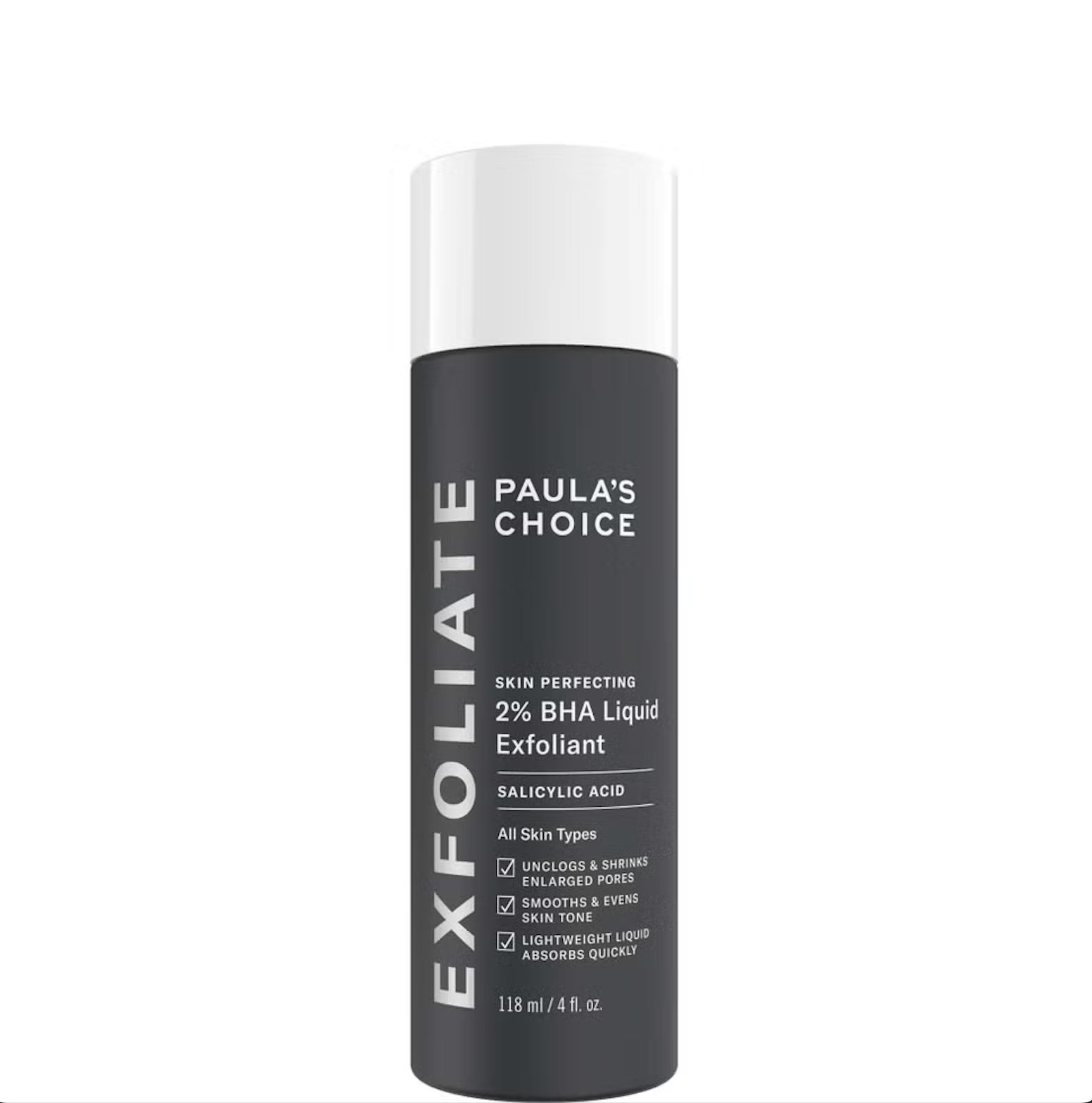
Paula’s Choice Liquid Exfoliant has earned its cult status for a reason. The 2% salicylic acid formula is strong enough to make a meaningful difference to congestion and blackheads, but still straightforward enough to slot into a routine without turning exfoliation into an event. For skin that seems permanently determined to keep a few clogged pores in reserve, it remains one of the most reliable options.
The key distinction is not that BHA is somehow stronger than AHA. It is that it is doing a different job. If the problem is mainly dullness, rough texture or pigmentation, an AHA may make more sense. If it is sitting stubbornly inside the pore, BHA is usually the more logical place to look.
PHA: the gentler exfoliator
PHA stands for polyhydroxy acid and, if your skin tends to regard exfoliation as a personal attack, this is the acronym worth remembering.
The best-known PHAs are gluconolactone and lactobionic acid. Like AHAs, they work mainly at the skin’s surface, helping lift away dead skin cells. Their molecules are larger, though, so they penetrate more slowly — which generally makes them gentler and less likely to leave sensitive skin feeling as though it has been over-managed.
That makes PHAs particularly useful for sensitive, reactive or dehydrated skin, or for anyone who wants smoother, brighter skin without quite so much drama. They also have humectant properties, so they help attract water to the skin while they exfoliate — a rather more civilised arrangement than stripping first and moisturising furiously afterwards.
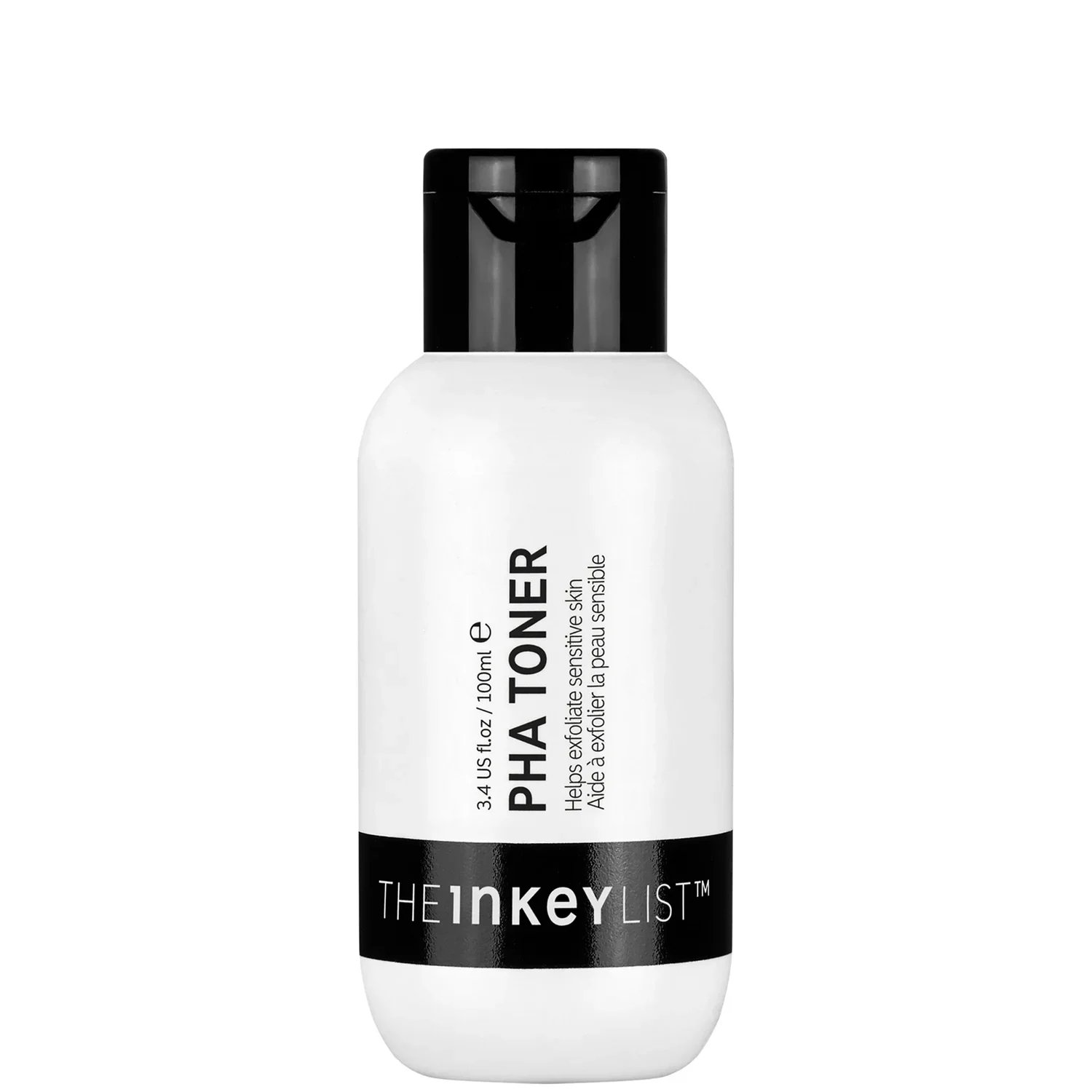
The Inkey List PHA Toner (£13)
This PHA Toner is one of the better ways into the category. Built around gluconolactone and designed with gentler exfoliation in mind, it suits skin that wants regular polishing without the accompanying theatrics. Think less chemical peel, more extremely competent housekeeping.
They are not the acid to choose if you are trying to tackle stubborn blackheads or want the punchier resurfacing of glycolic. Their strength lies in being quietly effective: improving texture, dullness and surface roughness while asking rather less of your skin barrier.
The shorthand? AHA for resurfacing, BHA for pores, PHA when your skin would prefer everyone to be a little nicer to it.
And then there are the other acids
Because just as you finally get AHA, BHA and PHA straight, skincare presents you with another handful of letters and expects you to carry on as though this is all perfectly reasonable.
“The word acid tells you rather less than you might think. What matters is the job it is actually there to do.”
LHA, or lipohydroxy acid, is closely related to salicylic acid and most often appears on an ingredient list as capryloyl salicylic acid. Like salicylic, it has an affinity for oil, but it works more gradually and tends to focus its efforts around the surface of the skin and the opening of the pore. In practical terms, think congestion, rough texture and enlarged-looking pores — just approached with rather more finesse than force.
You’ll often find LHA tucked into La Roche-Posay Effaclar formulas, where it is commonly paired with salicylic acid. It is a clever bit of matchmaking: salicylic gets to work on what is lurking inside the pore while LHA helps neaten up what is happening around it. Skincare teamwork, for once, rather than simply adding another active and hoping for the best.
Azelaic acid is slightly different. Despite being routinely ushered into the exfoliating-acid conversation, it is neither an AHA, BHA nor PHA — and reducing it to an exfoliant rather undersells it. Azelaic acid can help with blemishes, redness and uneven tone, as well as the post-breakout marks that have an irritating habit of remaining long after the spot itself has departed.
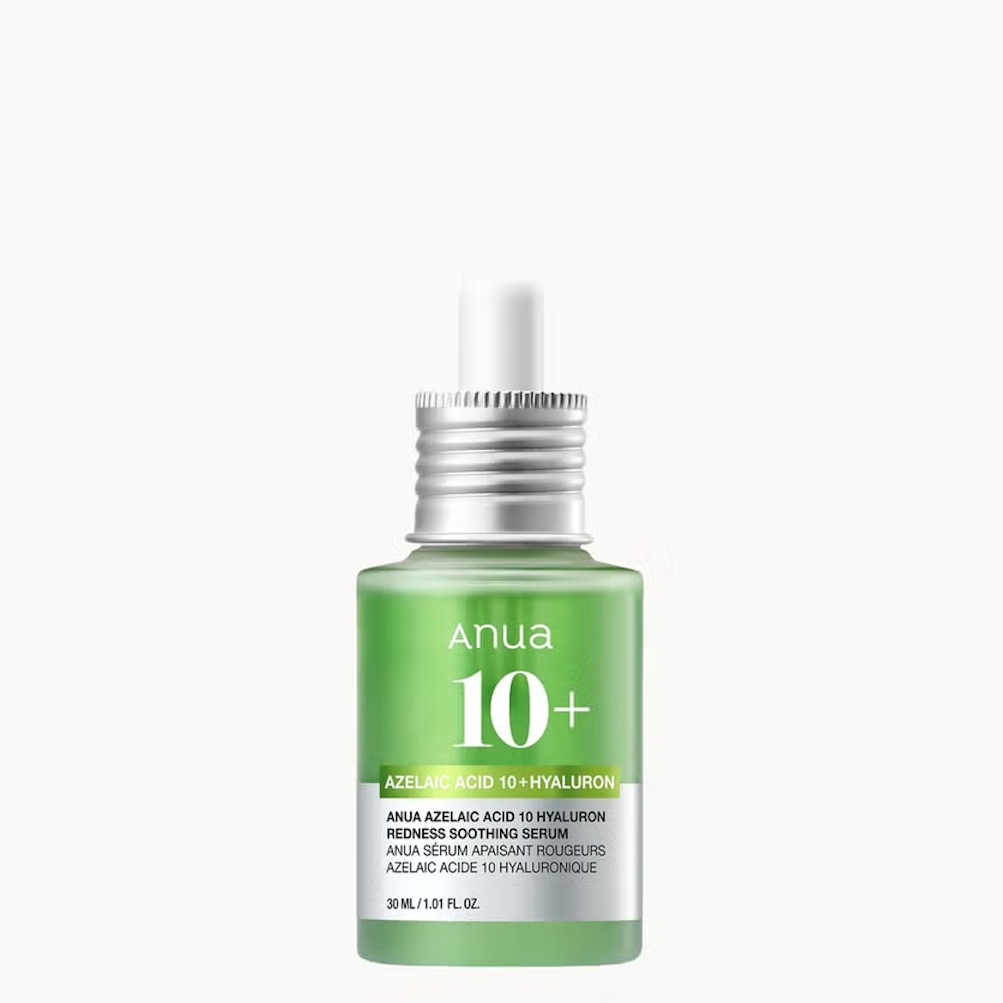
Anua’s soothing serum pairs azelaic acid with a more hydrating, calming approach, making it particularly appealing when skin is dealing with redness, blemishes and uneven tone all at once — essentially the complexion equivalent of having several tabs open and none of them behaving.
Then there is succinic acid, a name that has been making increasingly regular appearances on blemish treatments. Despite sounding as though it ought to be the next major exfoliating category, it isn’t really trying to compete with glycolic or salicylic at all. Its appeal is more about helping manage oil and blemishes, which makes it a useful supporting act rather than a reason to reorganise your entire routine.
Betaine salicylate is another one you may encounter, particularly if Korean skincare occupies a respectable amount of your bathroom real estate. It is a salicylate-based exfoliating ingredient generally used as a gentler way of tackling excess oil, dead skin and congestion. Same neighbourhood as salicylic acid; not quite the same address.
And then there is willow bark extract, which has benefited enormously from the beauty industry’s weakness for anything that sounds both botanical and scientifically adjacent. Willow bark contains salicin-related compounds and can have useful soothing and conditioning properties, but it is not simply salicylic acid gathered from a picturesque tree. If you are specifically looking for the pore-clearing effects of a formulated salicylic acid treatment, the two should not be treated as interchangeable.
The useful thing to remember is that acid is a chemical description, not a skincare job title. Some exfoliate, some help with congestion, some target redness or pigmentation and some are simply there in a supporting role. Once you stop expecting every acid to perform the same trick, the ingredient list starts to look considerably less like it is trying to catch you out.