The Best September Escapes With Babies and Toddlers
Warm seas, quieter hotels and considerably fewer school-holiday crowds.
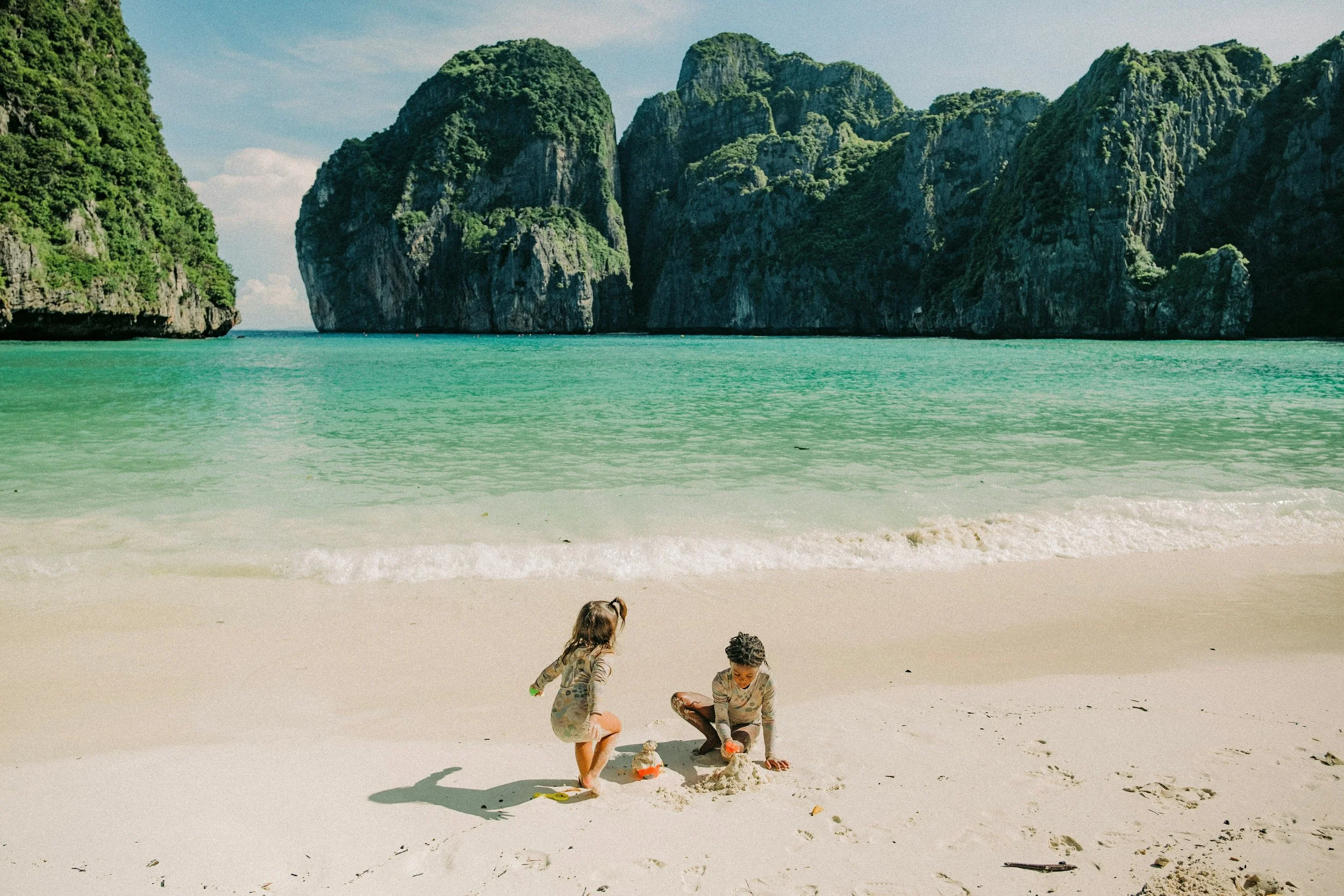
September is when parents of babies and toddlers get their revenge.
For weeks, you’ve watched school-holiday prices climb to faintly offensive levels, beaches fill up and every decent family-friendly hotel sell out. Then September arrives. The crowds thin, the temperatures soften, prices become a little less absurd and, if your child is still blissfully unaware of the academic calendar, you can simply go.
It is one of the few genuine perks of travelling with very small children. Yes, you still need to pack enough equipment for a minor expedition. Yes, someone will probably refuse the beautifully prepared breakfast in favour of a bread roll. And yes, there is every chance you’ll spend part of the holiday pacing a hotel corridor at 5.47am.
But at least you can do it somewhere beautiful.
The key is finding hotels that are genuinely easy with little ones without feeling as though every design decision began with a plastic ball pit. These are the September escapes we’d book for the setting, the food and the interiors — with the added bonus that babies and toddlers are very welcome too.
Menorca
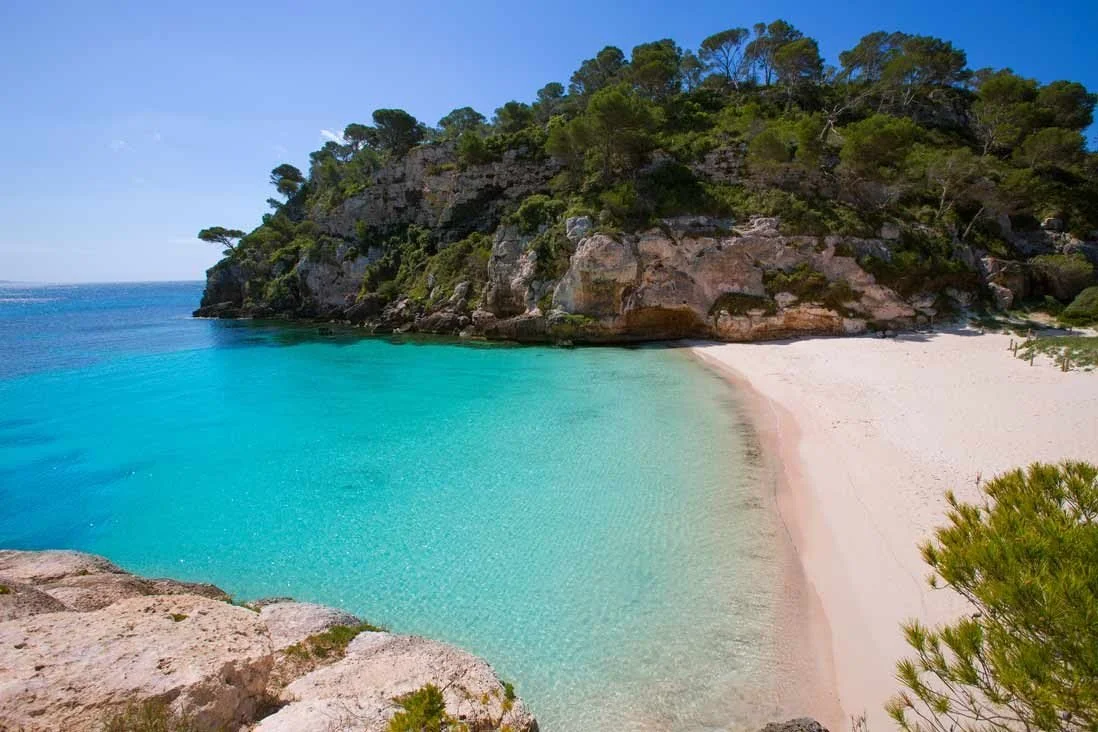
Menorca is the Balearic island for people who like their holidays beautiful but not performative. It has the coves and translucent water, obviously, but also whitewashed villages, old stone walls, pine forests, sleepy squares and the sort of restaurants where lunch quietly becomes the main event of the day.
It is also unusually forgiving with very small children. The island is compact, the pace is gentle and you are rarely more than a short drive from somewhere worth stopping. Ciutadella is lovely for an early-evening wander around the old town and harbour, while Es Mercadal makes an excellent lunch stop when everyone has had enough sun. For easy beach days, Son Bou gives you space and shallow water; Cala Galdana is prettier and more enclosed if you want the full turquoise-cove moment without embarking on a hike carrying a toddler and three inflatable animals.
Stay: Menorca Experimental
Set in the countryside near the south coast, Menorca Experimental is a restored 19th-century finca with none of the visual clues that usually accompany the words “family-friendly”. Dorothée Meilichzon’s interiors are all washed-out blues, terracotta, natural wood and slightly eccentric Mediterranean pattern, with gardens, a large pool and suites that give you considerably more room than the average hotel bedroom once a cot appears.
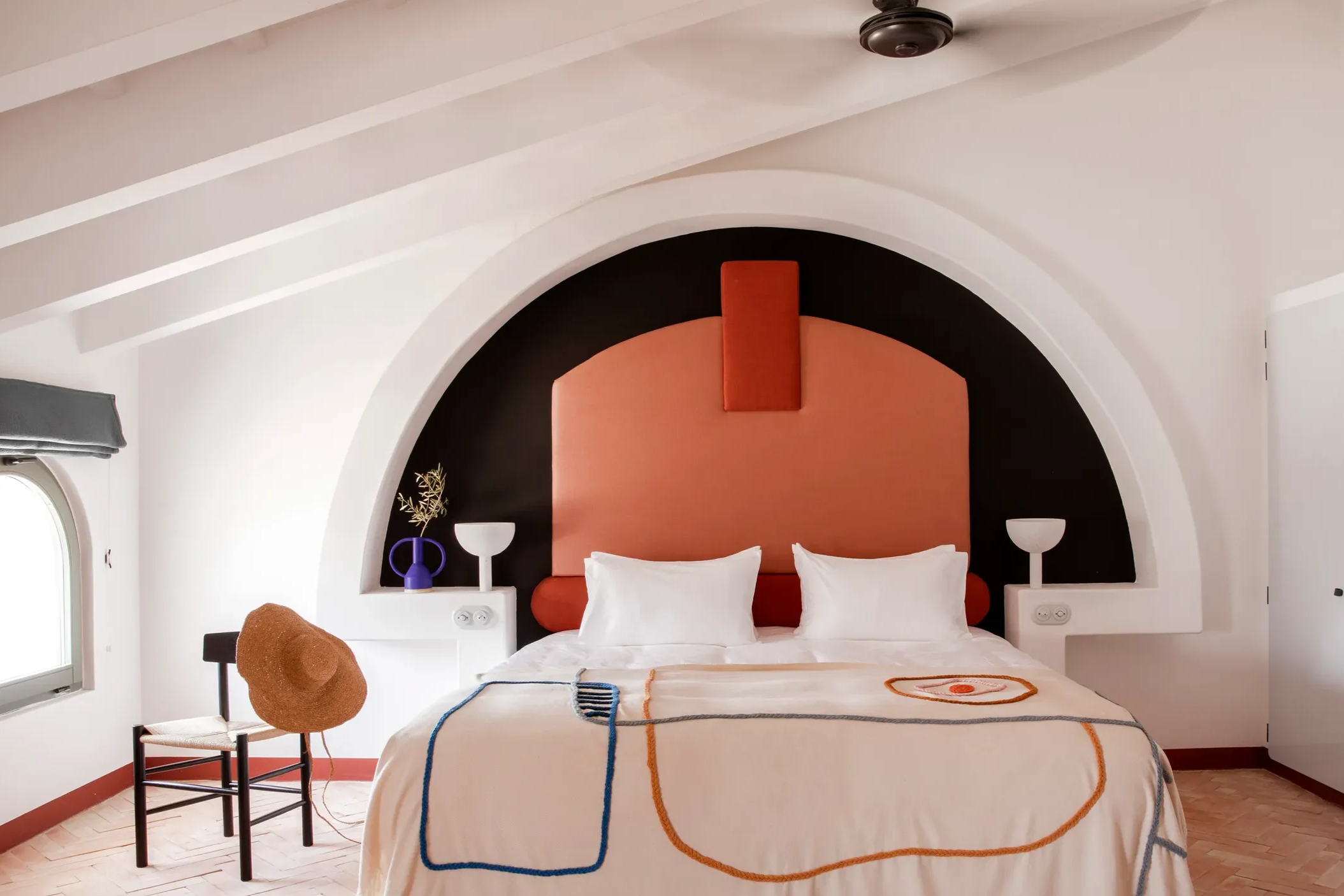
The restaurant makes staying put for lunch or an early dinner feel like an excellent idea, rather than something you have resigned yourself to because bedtime is approaching. And when you do want to leave, the south-coast beaches are close enough that nobody has time to ask “are we there yet?” seventeen times.
It is exactly the kind of place this edit is about: somewhere you would have bookmarked before children, that still works beautifully once one of your travelling companions needs a nap at 1pm.
Sardinia
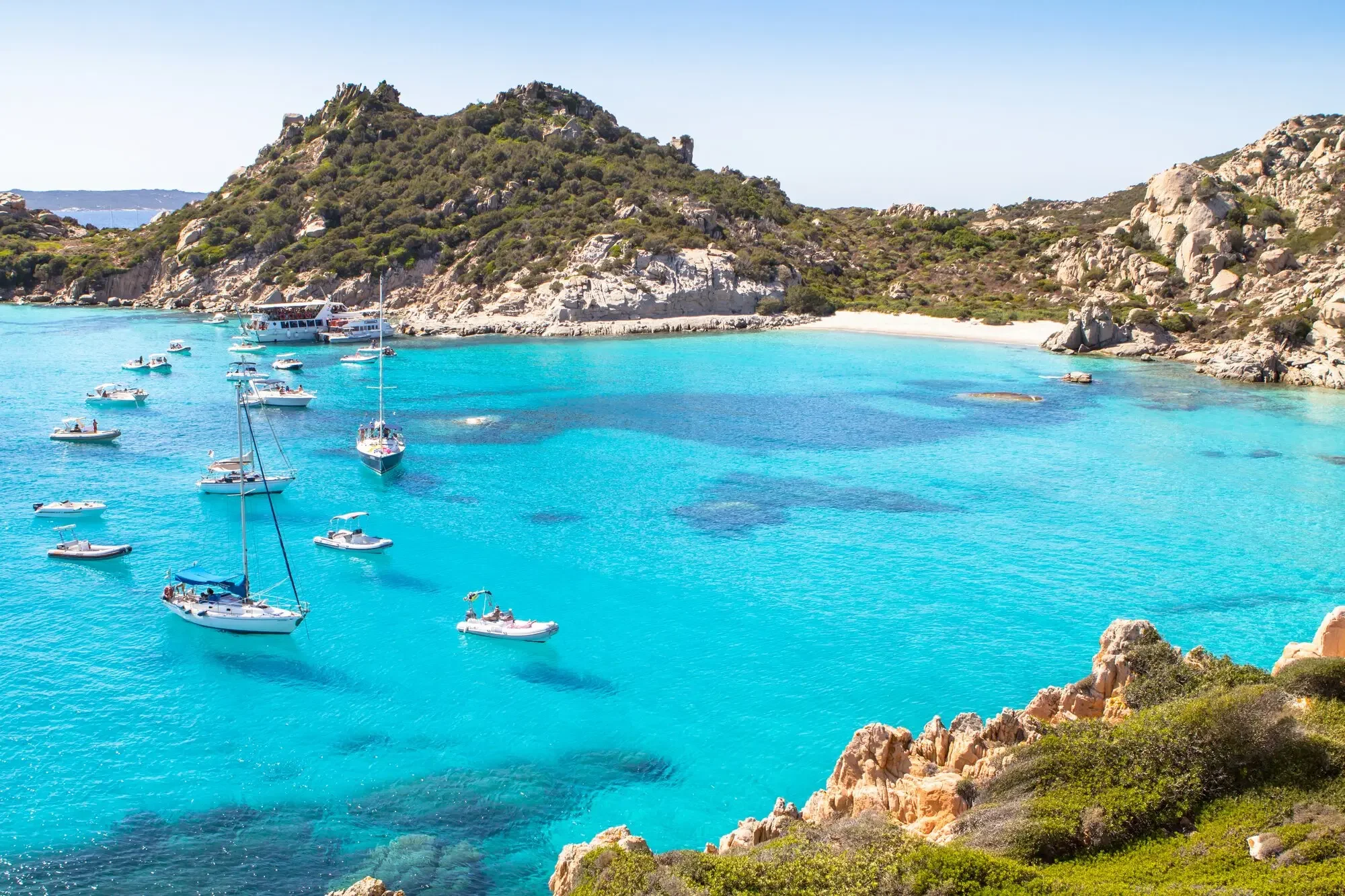
Sardinia is a little more glamorous, a little wilder and spectacular enough to make even the contents of your hand luggage feel temporarily irrelevant. The north-east gives you those almost suspiciously turquoise seas, sculpted granite coastline and little harbour towns, but there is enough space between the glossy bits to avoid feeling as though you have accidentally joined someone else’s yacht holiday.
Base yourself around Cannigione and you are neatly positioned between Costa Smeralda and Palau, without needing either to dictate the entire trip. Cannigione itself is easy for an evening stroll and dinner, while the beaches around La Conia and Barca Bruciata are close enough for the sort of morning where you simply throw towels in a bag and go. If everyone wakes in an unusually cooperative mood, a boat trip around La Maddalena is worth upgrading the day for.
Stay: Aethos Sardinia
Aethos sits above the Gulf of Cannigione, looking towards the islands, and swaps glossy resort excess for something much softer: natural materials, earthy tones, terraces and rooms that feel quietly luxurious rather than loudly expensive.
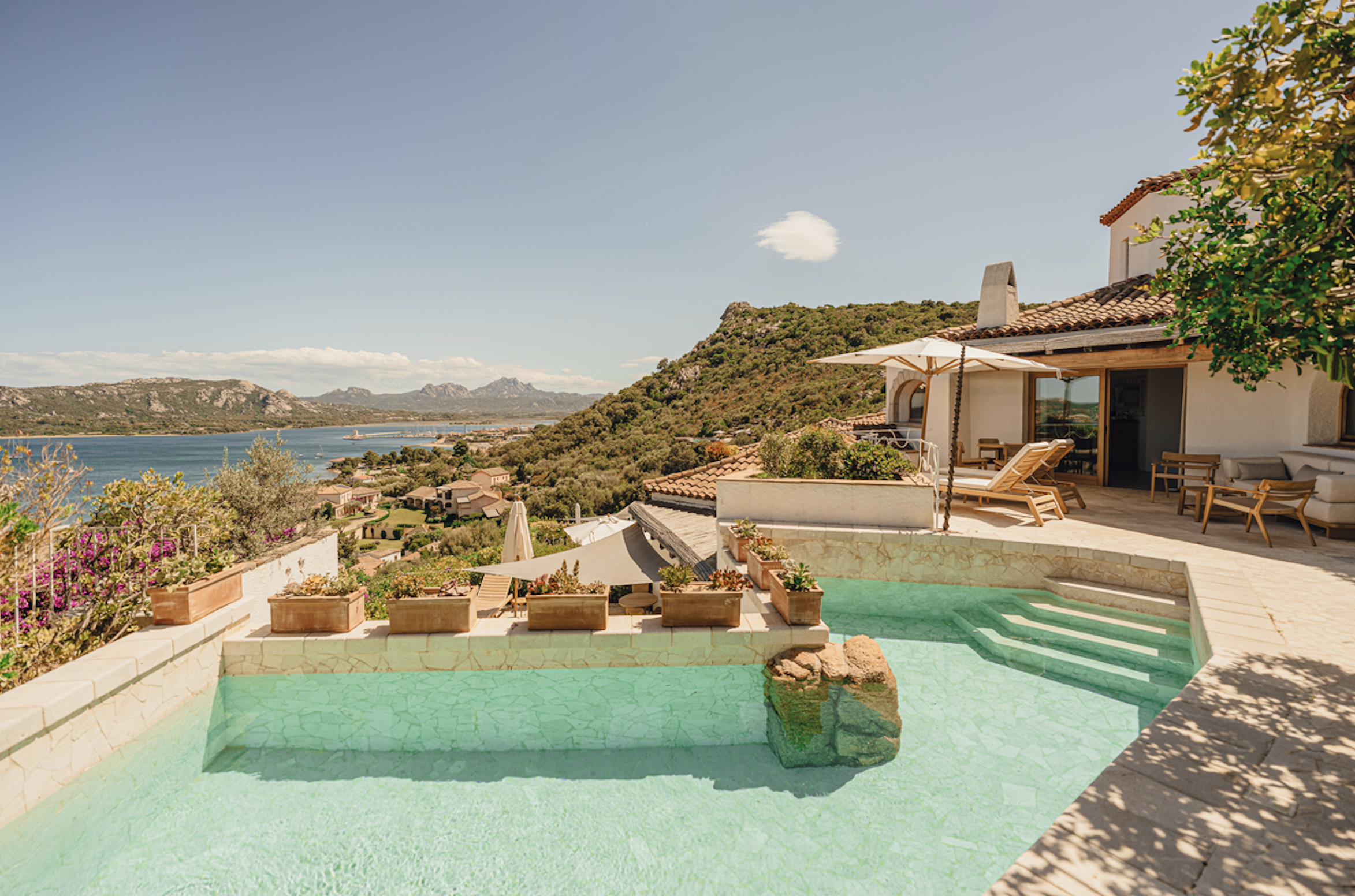
It works particularly well when plans are prone to changing without notice. There is a pool for the mornings when the beach suddenly feels ambitious, larger suites and villas when sharing one room with a sleeping toddler has lost its novelty, and a restaurant on site for the evenings when going back out sounds considerably less appealing than it did at breakfast.
Equally, Cannigione is close enough for pasta, gelato and a potter around the marina when everyone still has some life left in them. Sardinia may do grand gestures very well, but with a two-year-old, the luxury is often being able to keep things wonderfully small.
Crete
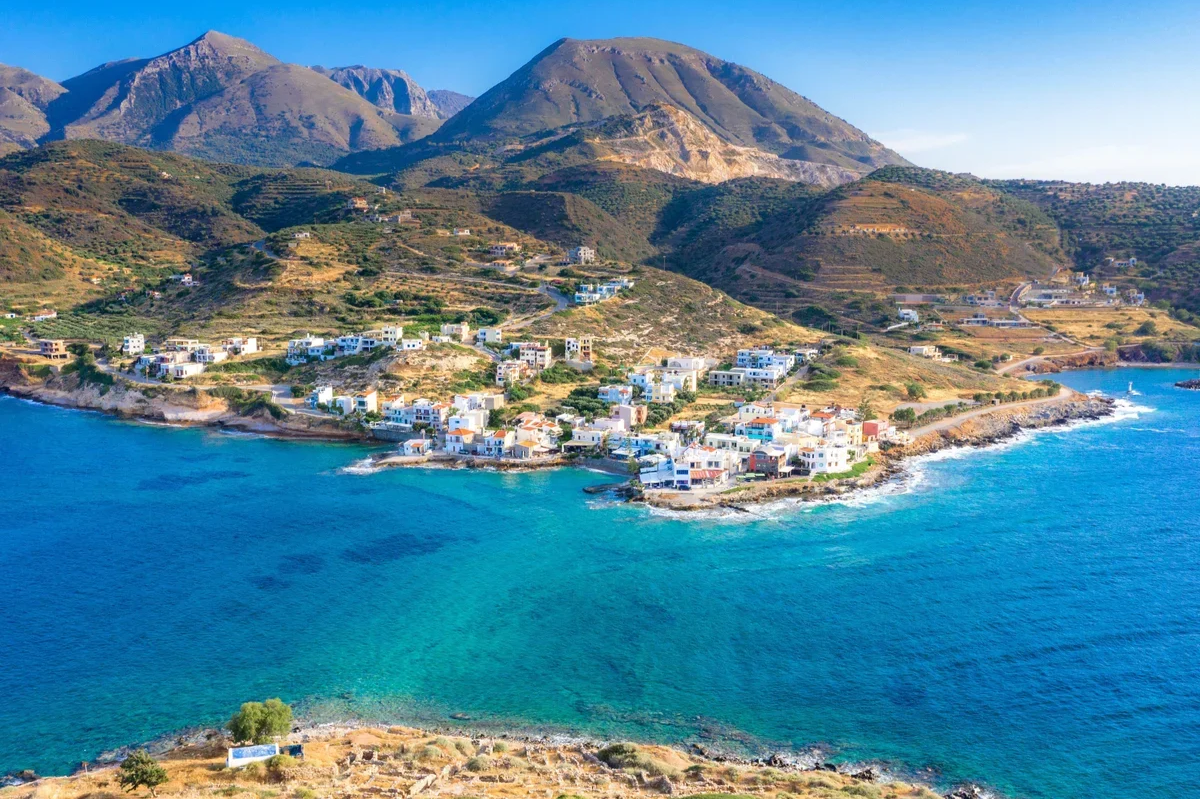
Crete is for parents who start to twitch after two consecutive days of doing absolutely nothing. There are beaches, of course, but also proper towns, tavernas, markets, mountain villages and enough going on that you can leave the hotel without immediately committing to a sightseeing itinerary.
Chania is particularly good at this. Its Venetian harbour and old-town streets are made for late-afternoon wandering, when the heat has softened and the pushchair occupant has either woken from a nap in an excellent mood or been bribed with something involving pastry. Nearby Agioi Apostoloi has sheltered coves and shallow water for easy beach days, while Golden Beach is close enough that getting there doesn't require military planning.
Stay: Domes Zeen Chania
Domes Zeen manages something many family hotels attempt and very few pull off: it is genuinely useful with children and still somewhere you would choose on looks alone. Low-slung buildings, timber, stone and warm neutral interiors make it feel more design retreat than family resort, while the bungalows and suites offer the extra breathing room that becomes increasingly valuable once naps and early bedtimes enter the equation.
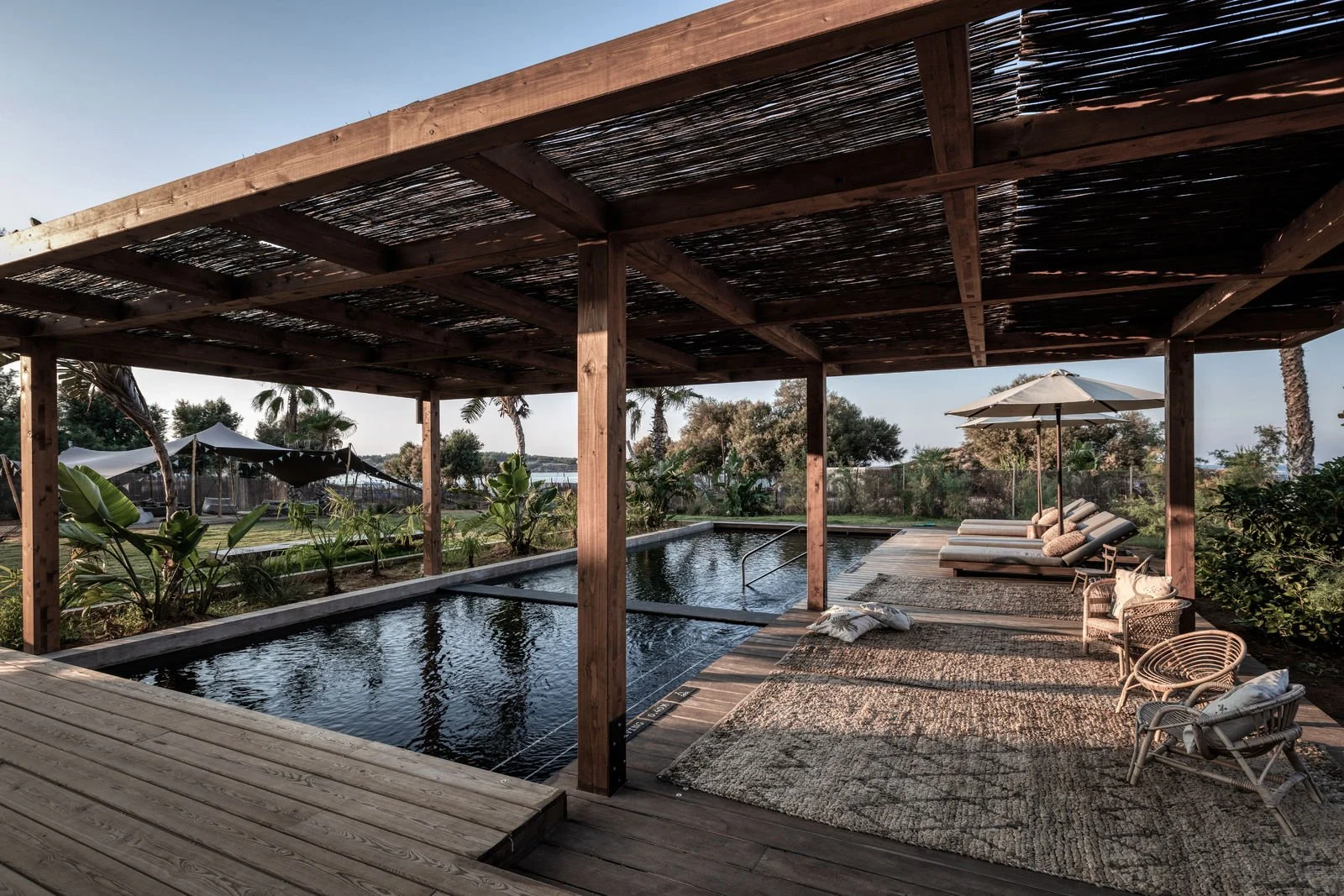
You can move between the beach and pool, retreat to your room when somebody needs to sleep, then head into Chania for dinner if the evening is going well. If it isn’t, staying put is hardly a hardship — the food leans properly into Greek and Cretan flavours rather than assuming parents surrendered all culinary ambition at the maternity ward.
It is perhaps the easiest option of the five for families who want plenty at their fingertips without being marooned inside a resort for the week.
Puglia
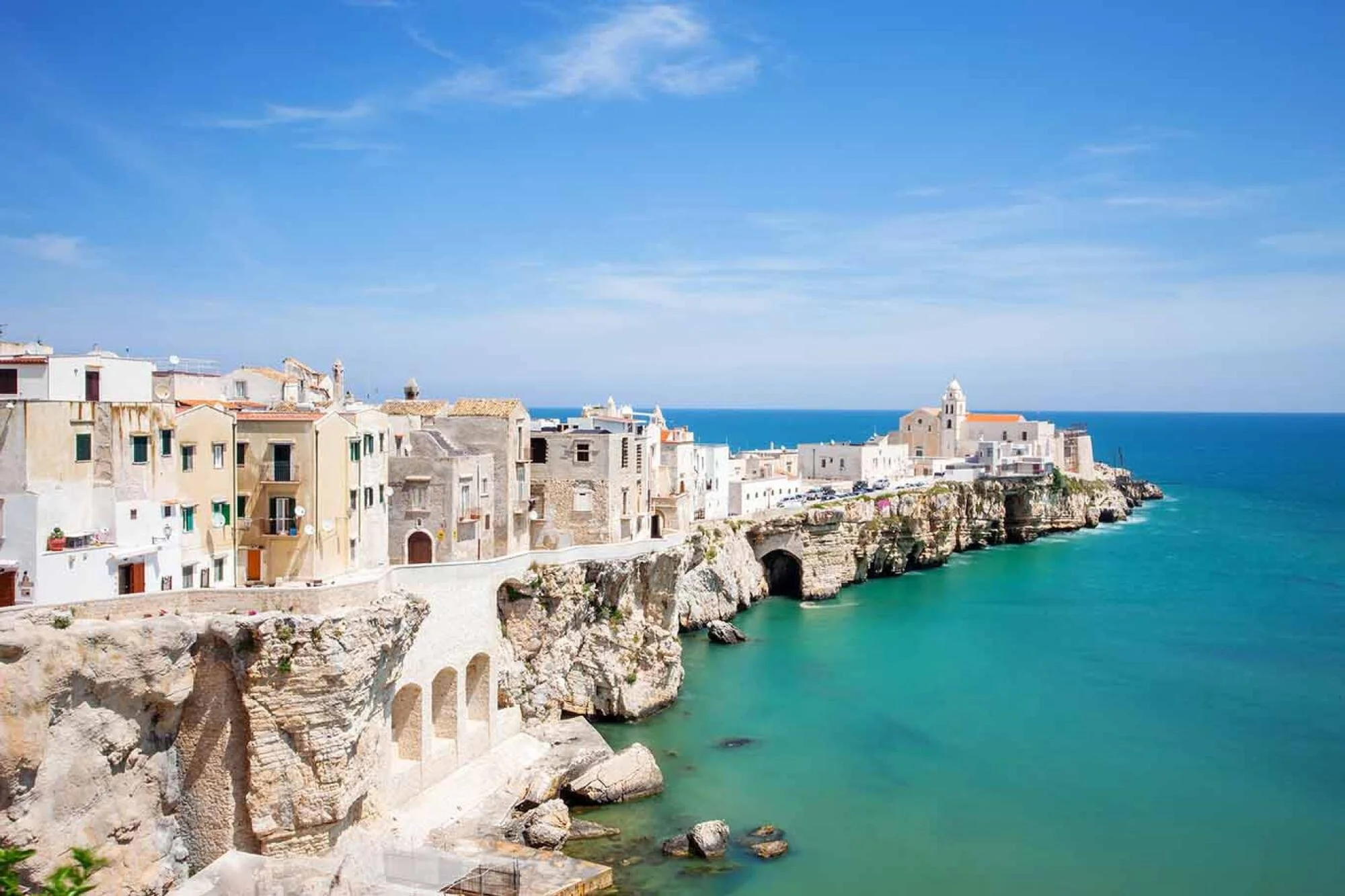
Puglia is for parents who think lunch should count as an activity.
Base yourself around Savelletri and the days can be reassuringly unproductive: a swim, a wander through an olive grove, something involving burrata, nap, repeat. The little fishing village itself is an easy place for dinner by the water, while Monopoli is close enough for a morning potter around its old harbour and Ostuni supplies the whitewashed-streets-and-bougainvillea moment when you decide everyone is capable of sightseeing.
There are beaches too, but Puglia’s appeal with little children is really the lack of pressure to spend every day chasing them. Torre Canne is useful when you want a straightforward sandy beach, while the smaller coves around Savelletri work well for shorter dips before retreating somewhere shady for lunch.
Stay: Masseria Calderisi
Just inland from Savelletri, Masseria Calderisi is a restored 17th-century farmhouse surrounded by olive groves, with vaulted rooms, gardens, a large pool and access to its own beach club. It feels unmistakably Puglian rather than like a luxury hotel that could have been dropped anywhere around the Mediterranean.
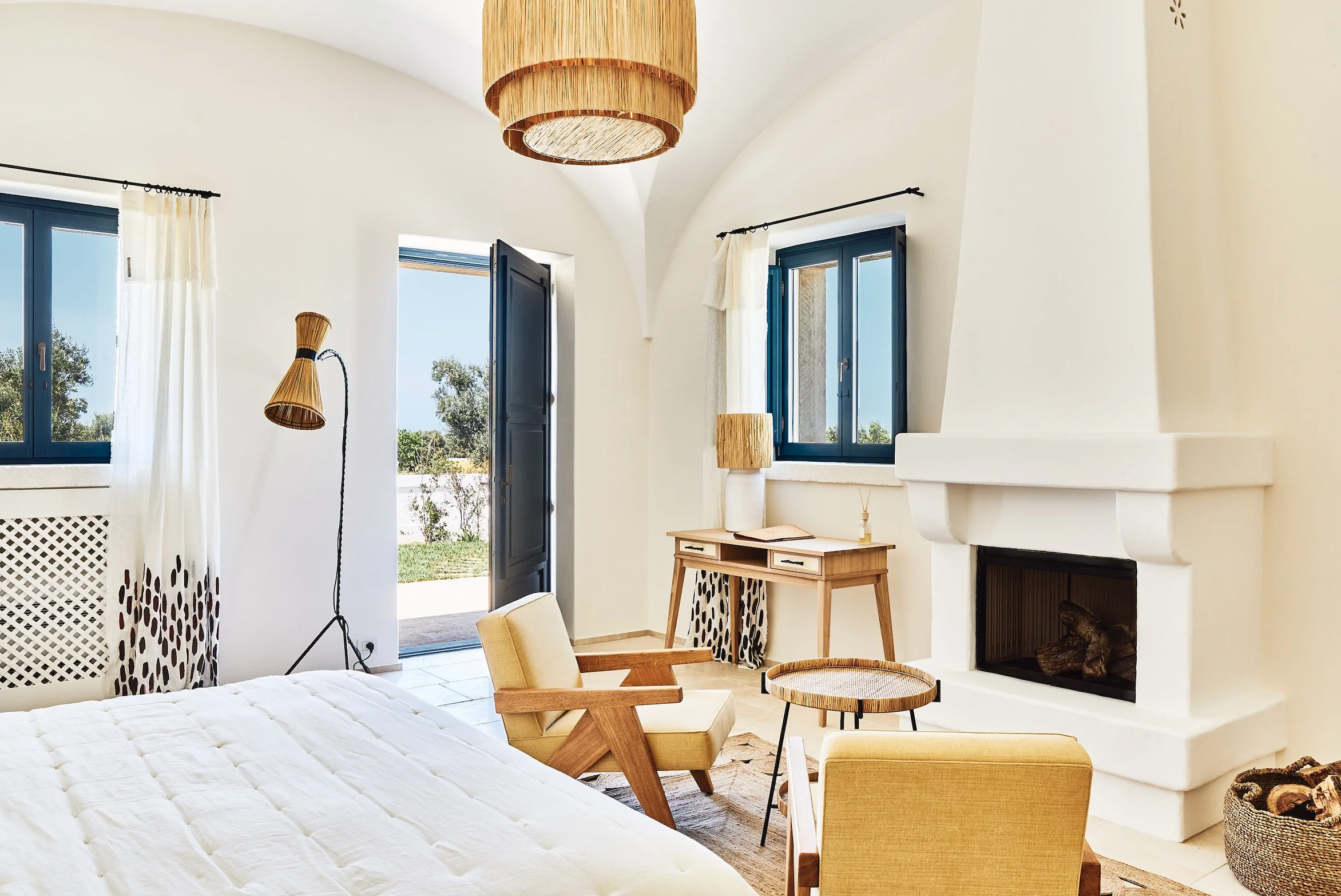
There is enough happening to make staying put feel intentional: swim, wander the gardens, eat very well, repeat as necessary. The restaurant puts local produce and Puglian cooking at the centre of things, which is particularly useful when an early dinner is less a lifestyle choice than a non-negotiable imposed by somebody wearing sandals two sizes smaller than yours.
Children get space, water and the occasional donkey. Adults get long lunches and very good pasta. It is difficult to see who is losing here.
The Algarve
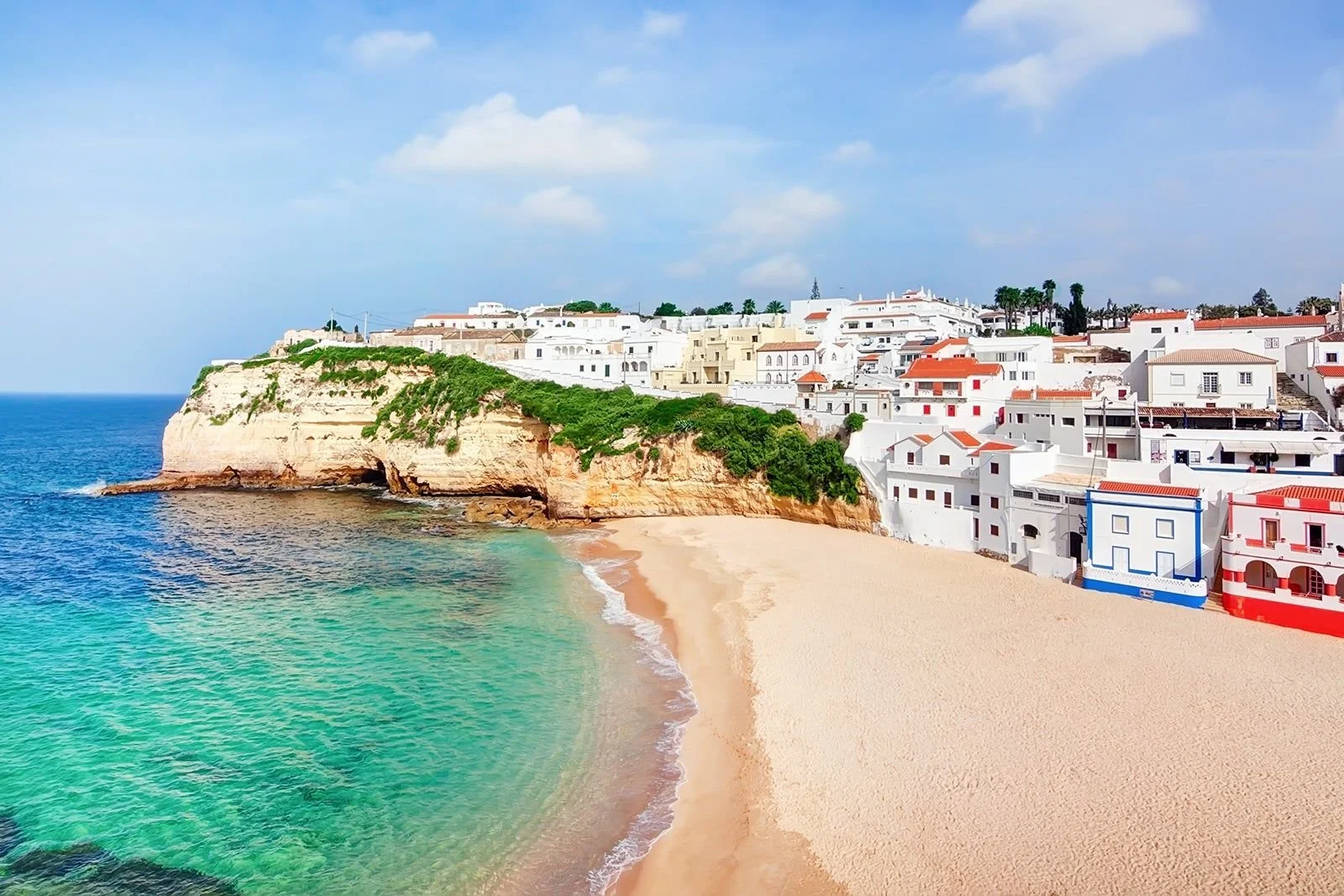
The eastern Algarve is what happens when you move away from the big resorts and discover that Portugal has been keeping the quieter bit rather close to Faro all along.
Around Moncarapacho, Fuseta and Olhão, the landscape shifts between citrus groves, salt flats, whitewashed villages and the lagoons of the Ria Formosa. It is low-key in the best possible way and particularly well suited to the slightly stop-start rhythm of travelling with very small children.
For the sea, Fuseta is an easy place to start, with sandy island beaches reached across the lagoon and a small town behind them for lunch. Olhão is worth an outing for its market, tiled streets and waterfront restaurants, while Tavira is the place to go when you fancy somewhere a little prettier to wander without turning the day into a cultural endurance test.
Stay: Octant Vila Monte
Hidden among gardens and citrus trees outside Moncarapacho, Octant Vila Monte has whitewashed buildings, breezy rooms and the kind of relaxed interiors that make shoes feel increasingly unnecessary as the week goes on. Larger suites give families proper space, while the gardens and pools make it entirely acceptable to wake up with no plan whatsoever.
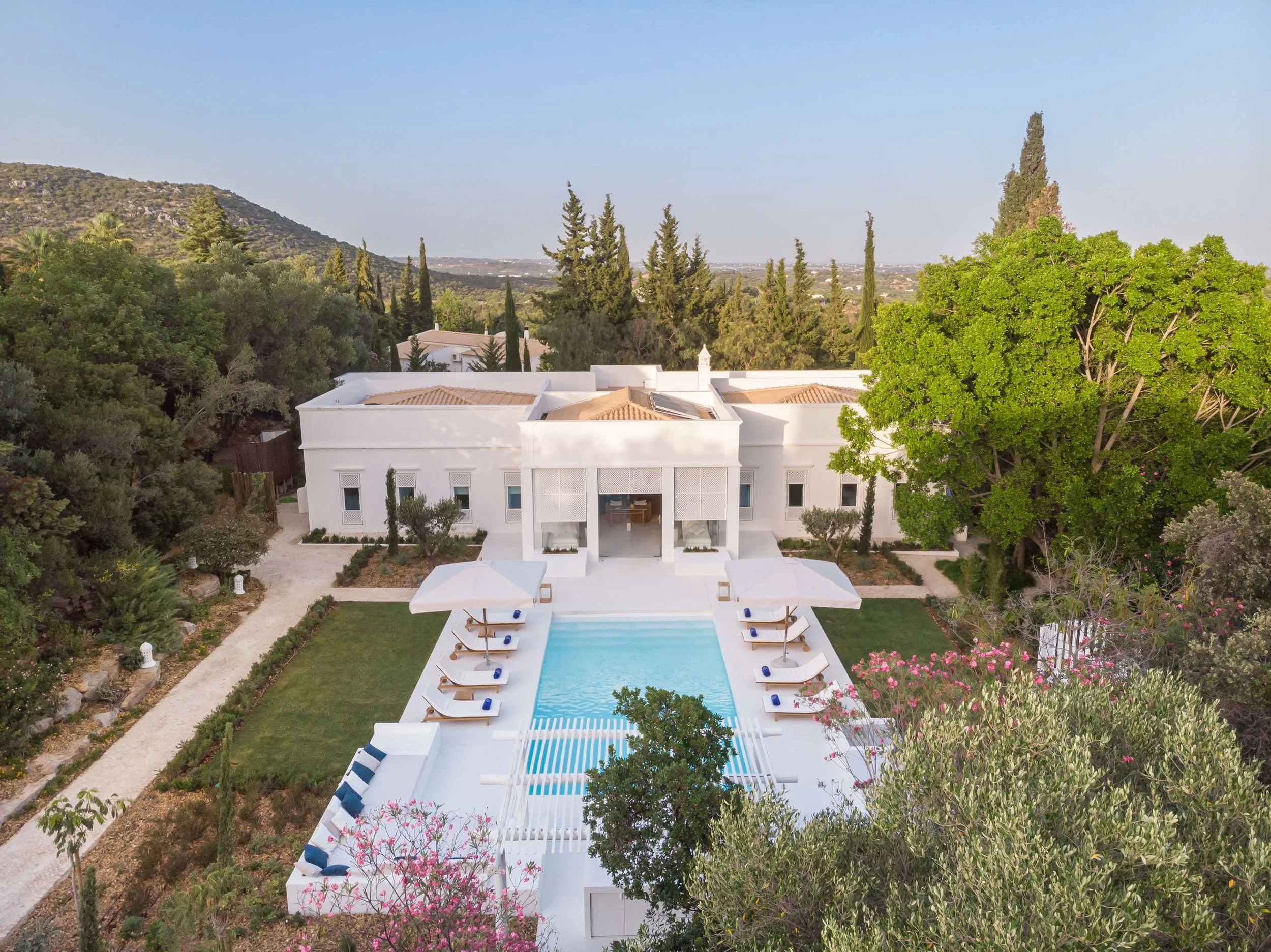
The coast is close when a beach day appeals; the hotel is good enough that nobody minds when it doesn’t. Its restaurants draw on local Algarve produce, so an evening spent on site still feels like part of the trip, while Olhão and Fuseta are nearby when everyone has enough energy for dinner out.
And perhaps that is the real appeal of this part of Portugal with babies and toddlers: there is plenty to do, but very little you feel you ought to be doing. Which, for September, sounds rather perfect.