Do You Really Need Different Skincare After 40?
Your skin didn’t get the memo at midnight — but it may have started changing the rules.

At 39, nobody sends a memo. At 40, apparently the entire beauty industry does.
Suddenly there are creams for “mature” skin, serums promising to “restore youthful bounce” and foundations designed for a face that, until relatively recently, beauty marketing seemed determined not to acknowledge existed. Meanwhile, searches for everything from skincare to makeup after 40 have rocketed over the past year. Clearly, women have questions.
And perhaps the most obvious one is also the one beauty advertising tends to skate neatly around: does your skin actually need different skincare after 40, or have we simply reached an age at which brands would very much like us to buy more of it?
“Your forties are not the point to buy more skincare. They are the point to get much better at knowing what your skin is actually asking for”
The reality is less dramatic than the marketing, but more interesting. Most of us have not arrived at 40 with an untouched face and a solitary pot of cold cream. We already know what retinol is. We own vitamin C. We have, at some point, bought an acid because somebody on Instagram looked exceptionally glowy.
What changes is what starts demanding our attention. Fine lines do not disappear from the agenda, but sun spots that once faded with the last of the summer tan can hang around. Skin can lose some of its bounce. The jawline and neck start entering photographs before we have invited them. And dryness, dehydration and a struggling barrier — three things beauty marketing has become very fond of treating as interchangeable — can require completely different fixes.
The answer, then, is not necessarily more skincare. It is knowing which problem you are actually trying to solve.
When Fine Lines Aren’t The Only Thing You’re Looking At
By 40, most beauty-literate women are not discovering retinoids for the first time. They have probably already used one, stopped one because it made their face peel at an inconvenient moment, restarted it more sensibly and now know that “tingling” is not necessarily evidence of efficacy.
What changes is that fine lines are no longer the only concern. Texture can become less even, firmness starts to become more noticeable and pigmentation tends to hang around longer. Vitamin A still has one of the strongest evidence bases for tackling several of those things at once, but an experienced user does not necessarily need to stay indefinitely on an entry-level strength.
The trick is progression, not punishment. Skin that is already comfortable with retinoids can gradually move upwards rather than making one spectacular leap and spending the following week hiding behind a fringe.
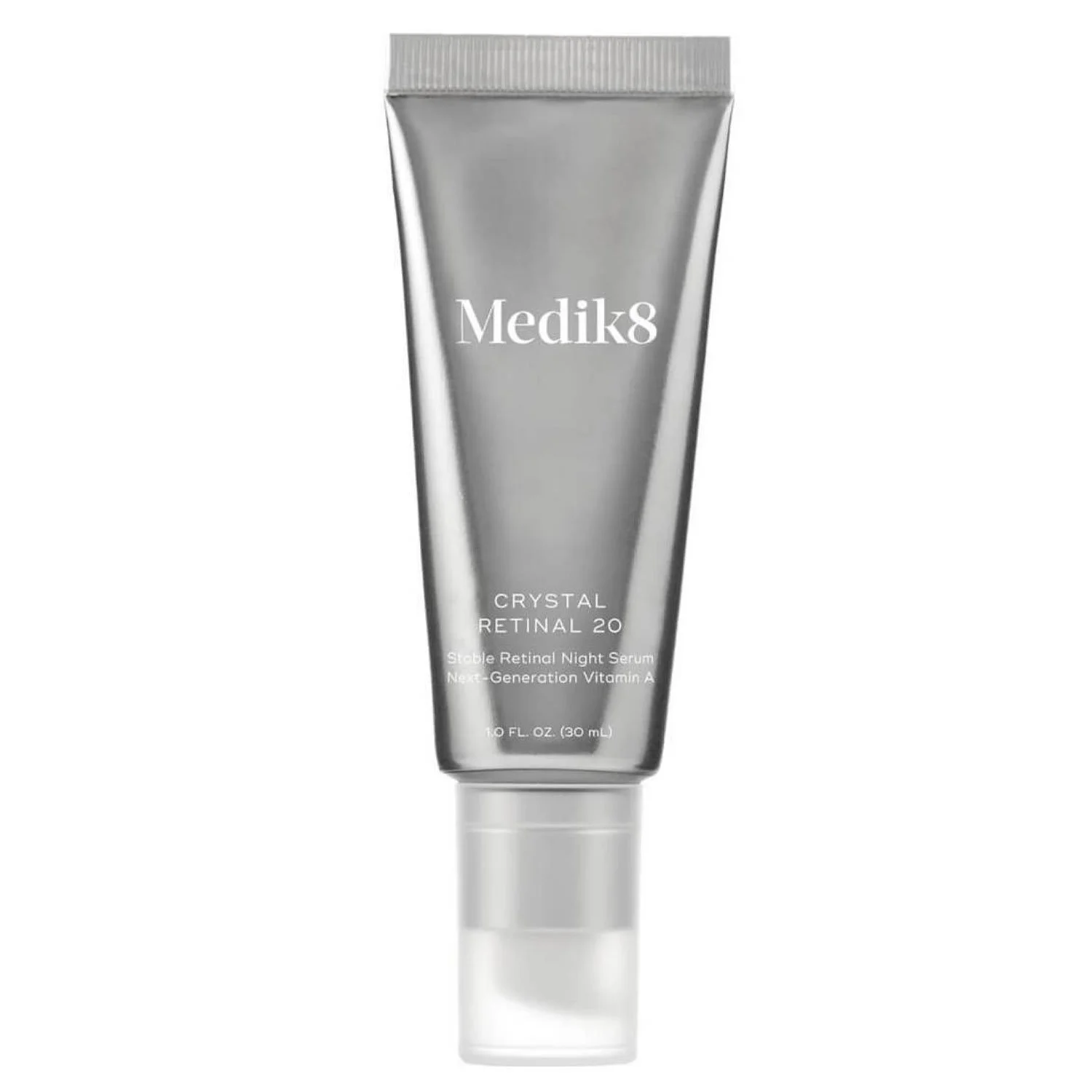
Try: Medik8 Crystal Retinal (£69)
Crystal Retinal 10 is aimed at advanced vitamin A users, 20 at highly experienced users and the new 24 at experts. The appeal is that you can climb the strengths as your skin adapts, rather than either staying on beginner retinal forever or deciding prescription tretinoin is the only possible next move.
When The Sun Spots Stop Leaving With The Tan
In your thirties, that patch of pigment that appeared in August may have faded politely by Christmas. In your forties, some of it starts behaving more like permanent furniture.
We are talking sun spots rather than freckles: accumulated UV damage that becomes more visible as the years stack up, often accompanied by a general unevenness that can make skin look older even when lines are not particularly dramatic.
Pigment needs consistency more than aggression. Ingredients that interfere with excess melanin production, alongside diligent SPF, make far more sense than repeatedly throwing acids at the problem and hoping it gets the hint.
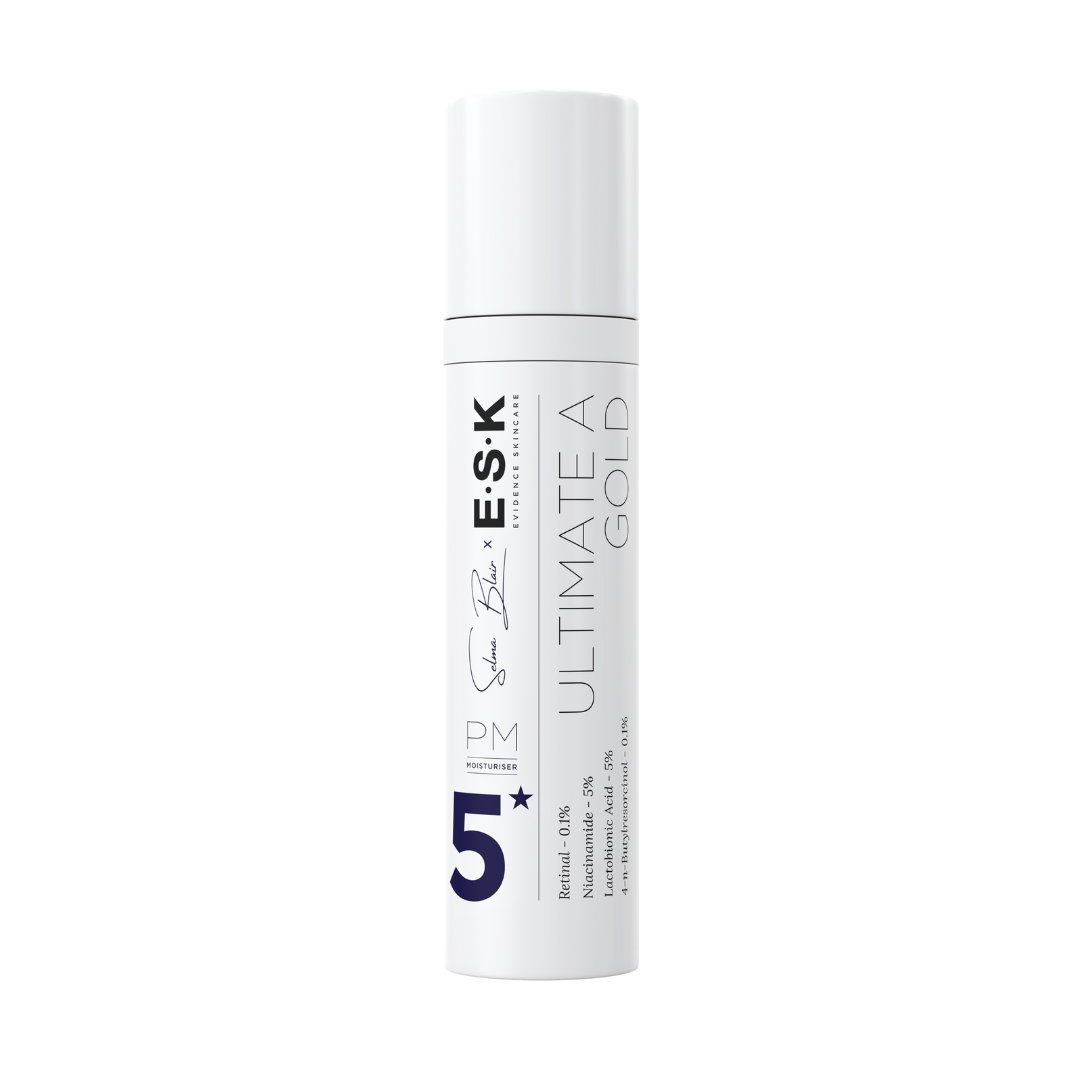
Try: ESK Enlighten Gold (£77)
Pigmentation products have a habit of either doing very little or doing far too much. This sits in the much more useful middle ground. 4-n-butylresorcinol targets stubborn sun spots, while niacinamide helps even tone and support the barrier, so you are treating the mark without making the rest of your face pay for it.
When Your Barrier Has Had Enough Of Your Ambition
Barrier trouble is different again. A compromised barrier tends to announce itself less subtly: stinging from products that never used to sting, redness, tightness, roughness and the slightly alarming moment when your supposedly gentle moisturiser suddenly feels like lemon juice.
Age can make skin more vulnerable to dryness, but sometimes we have to accept partial responsibility. Retinoid, vitamin C, exfoliating acid, peel, repeat is not a personality type.
A struggling barrier needs replenishing lipids and ingredients that help reduce water loss, not another exfoliant in nicer packaging.
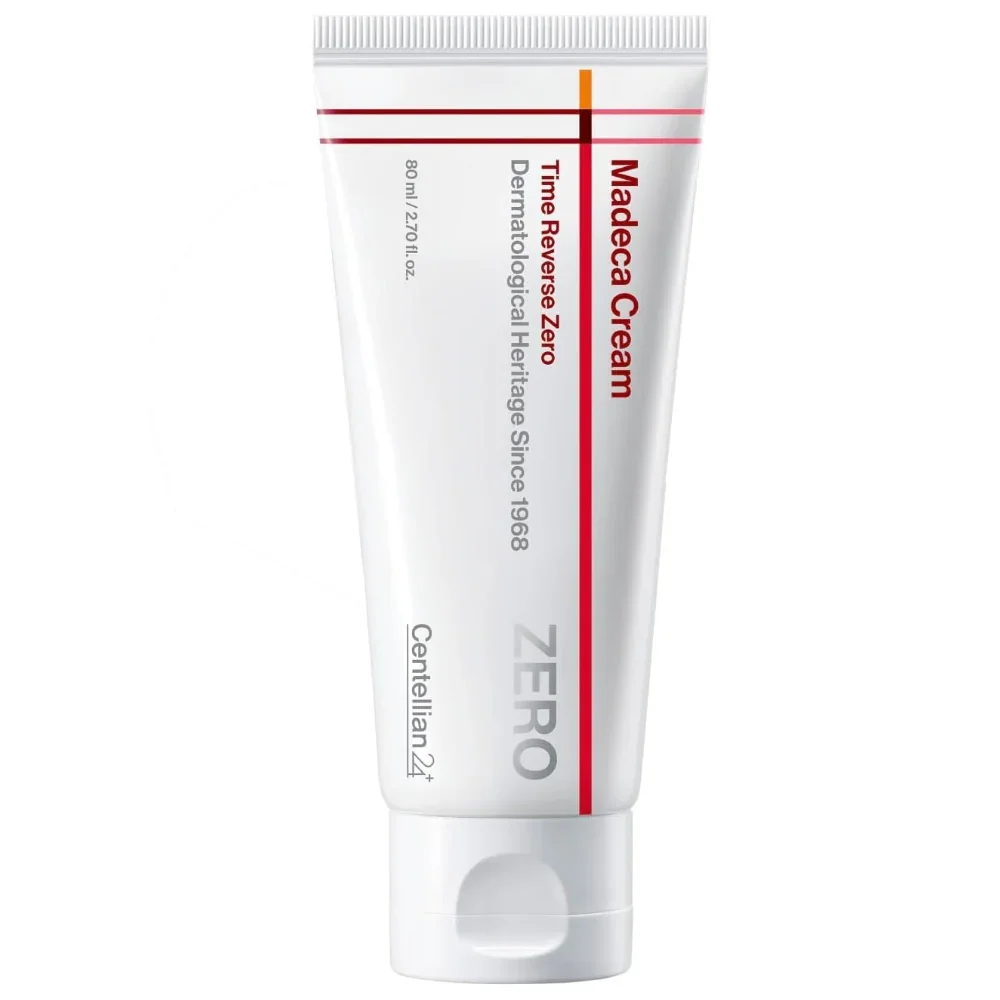
Try: Centellian24 Madeca Cream Time Reverse Zero (£28)
The cult Korean cream has finally become much easier to get in the UK, and it earns the hype. It is packed with centella, ceramides, panthenol and hyaluronic acid, but the real appeal is how quickly skin looks more cushioned, calmer and less flat. Rich enough to make a difference, light enough not to feel like old-school “mature skin” cream.
When Dehydration Starts Masquerading As Ageing
Dry and dehydrated are not synonyms, despite beauty copy having spent years using them as though they are.
Dry skin lacks oil. Dehydrated skin lacks water. You can therefore be oily and dehydrated, dry and dehydrated, or — particularly after a week of central heating, wine and slightly too much retinol — impressively both.
Dehydration can exaggerate every tiny line and make skin look flatter and more tired than it really is. Before introducing another “age-defying” active, sometimes the most transformative thing you can do is simply put the water back.
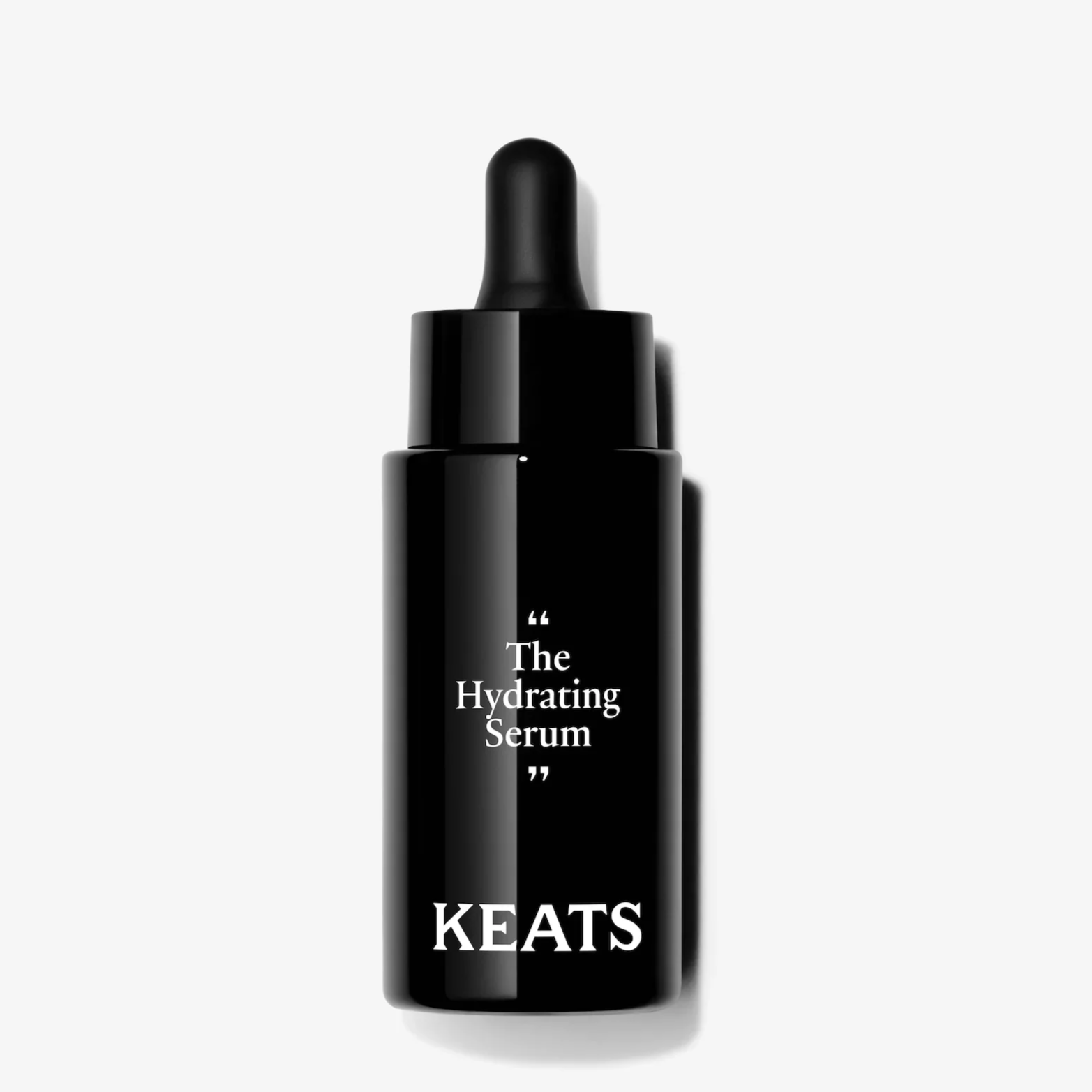
Try: Keats The Hydrating Serum (£28)
Hyaluronic acid, glycerin and snow mushroom make this a proper hydration serum rather than another treatment trying to do six jobs at once. It is especially good when skin looks slightly papery, flat or tired — the kind of thing that can make you think you have aged overnight when really your face is just thirsty.
When Skin Starts Looking A Little Less Bouncy
There is also a subtler change that is neither dehydration nor outright dryness. Skin can simply look less juicy.
Part of that is structural — collagen and elastin do not remain quite as obliging forever — but surface lipids matter too. A face that once regarded facial oil as an invitation to break out can suddenly reach the stage where three drops before bed feel less decadent and more like basic maintenance.
And no, an oil is not replacing your hyaluronic acid serum. One helps with water; the other can help replenish lipids and reduce moisture loss. Different jobs, same face.
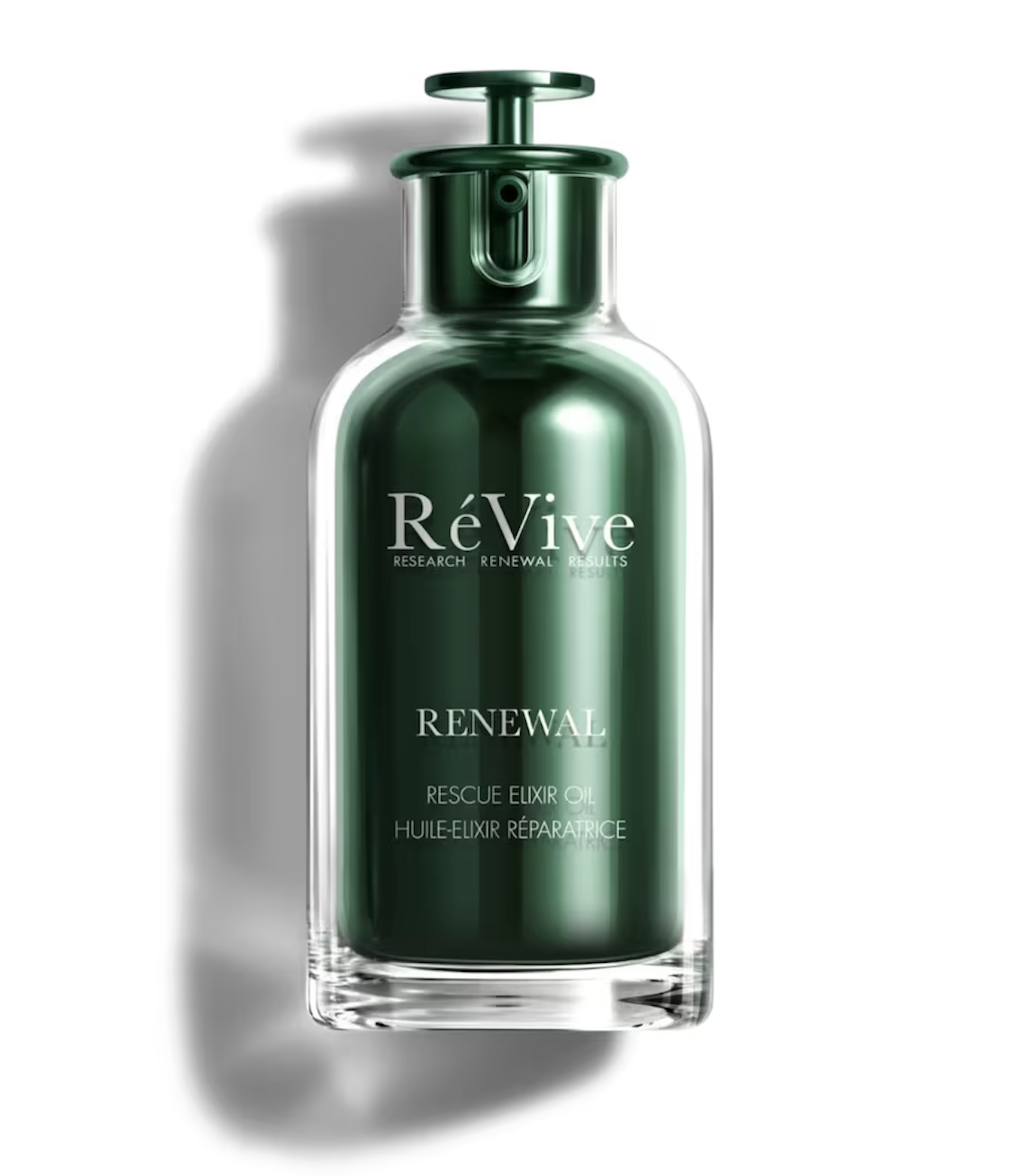
Try: RéVive Renewal Rescue Elixir Oil £250
The newly reformulated night oil is the one for skin that feels increasingly depleted by evening. It gives back that richer, lipid-heavy comfort without leaving you feeling basted, while peptides give it a little more ambition than a straightforward facial oil. Very much the sort of product that suddenly makes more sense at 42 than it did at 32.
When Antioxidants Need To Earn Their Morning Slot
By 40, sunscreen is hardly breaking news. But SPF only deals with part of the environmental-damage story, which is why a well-formulated antioxidant underneath it still deserves its place.
Vitamin C can help with oxidative damage, brightness, collagen support and uneven tone, but this is one category where the words “contains vitamin C” tell you almost nothing. Form, concentration, pH and stability all matter.
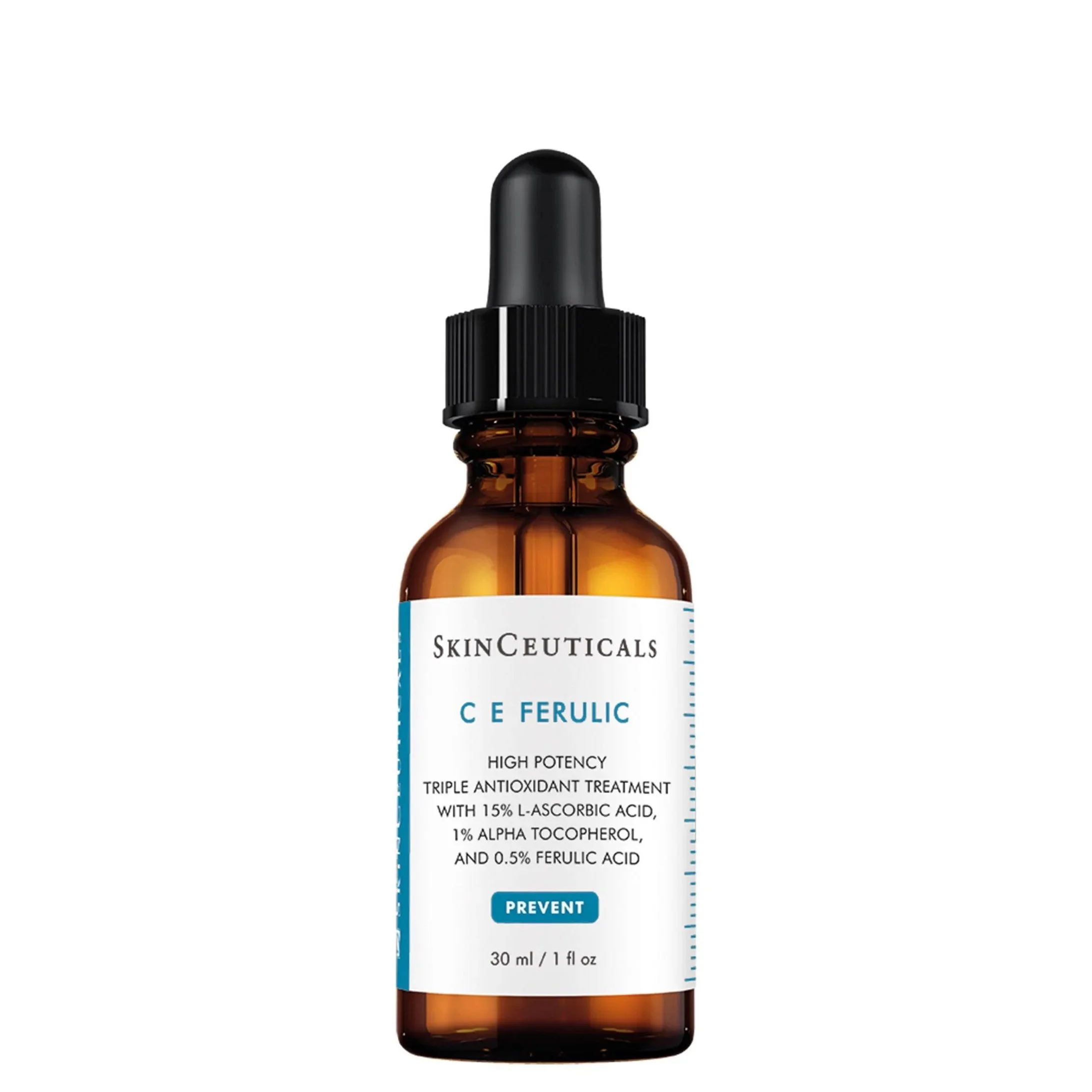
Try: SkinCeuticals C E Ferulic £169
This is the morning serum for the point at which antioxidant protection stops feeling optional. The 15% L-ascorbic acid is backed by vitamin E and ferulic acid, giving you a formula that tackles oxidative stress, dullness and uneven tone without turning the routine into a chemistry lesson. It has stayed relevant because it still does the job exceptionally well.
When Your Neck Decides It Is A Separate Department
The neck has a slightly unfair habit of showing changes before we have mentally included it in the skincare plan. Horizontal lines become more obvious, the texture can look crepier and suddenly the moisturiser residue you have been wiping downwards after doing your face feels a touch optimistic.
It is thinner, more delicate skin, with different oil production and plenty of repetitive movement. It does not necessarily need a completely separate 12-step routine, but there is a case for giving it something designed around barrier support and elasticity.
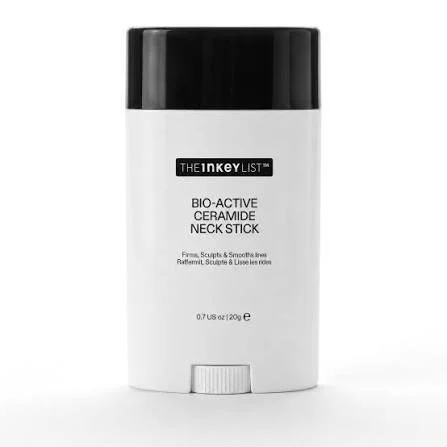
Try: The INKEY List Bio-Active Ceramide Neck Stick (£15)
A neck product you might actually remember to use is already winning. Ceramides support the barrier, while the formula also targets crepiness and elasticity, and the stick format means you can swipe it on in seconds rather than adding another worthy pot to the bathroom shelf. Also pleasingly free of the usual luxury neck-cream pricing.
When Over-The-Counter Retinoids Aren’t Enough
And then there is prescription vitamin A. Not everyone needs it, and being 40 is not in itself a reason to graduate to tretinoin. But for someone who has used over-the-counter retinoids consistently, tolerates them well and wants to go further on photoageing, pigmentation or texture, prescription treatment is a legitimate next conversation rather than something that needs to be bought from a suspicious website at 11pm.
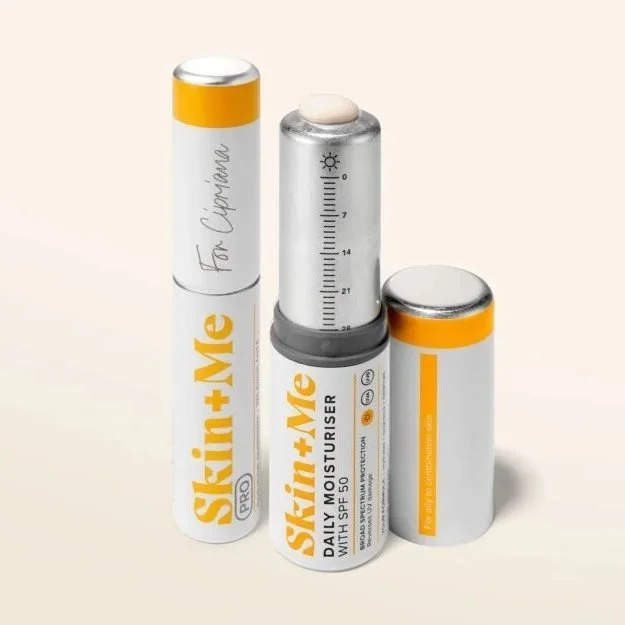
Try: Skin + Me (£29.99 per month)
If you have genuinely outgrown what you want from an over-the-counter retinoid, this is the more sensible next step. Prescription tretinoin is tailored and adjusted for your skin rather than treated like a competition to see who can tolerate the strongest tube. Much less glamorous than a new serum launch, much more useful if you are actually ready for it.