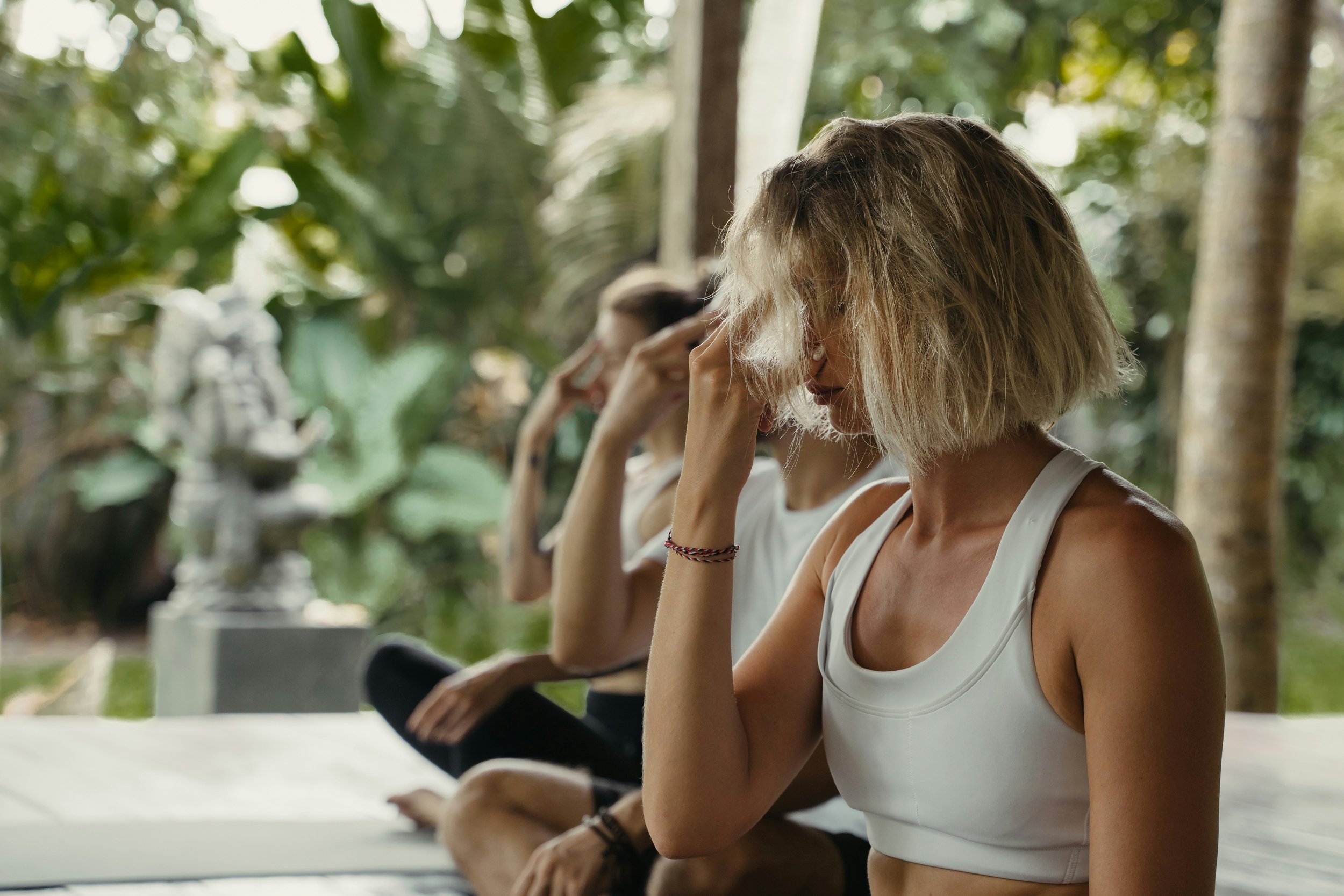
The wellness craze turning deep breaths into emotional breakthroughs.
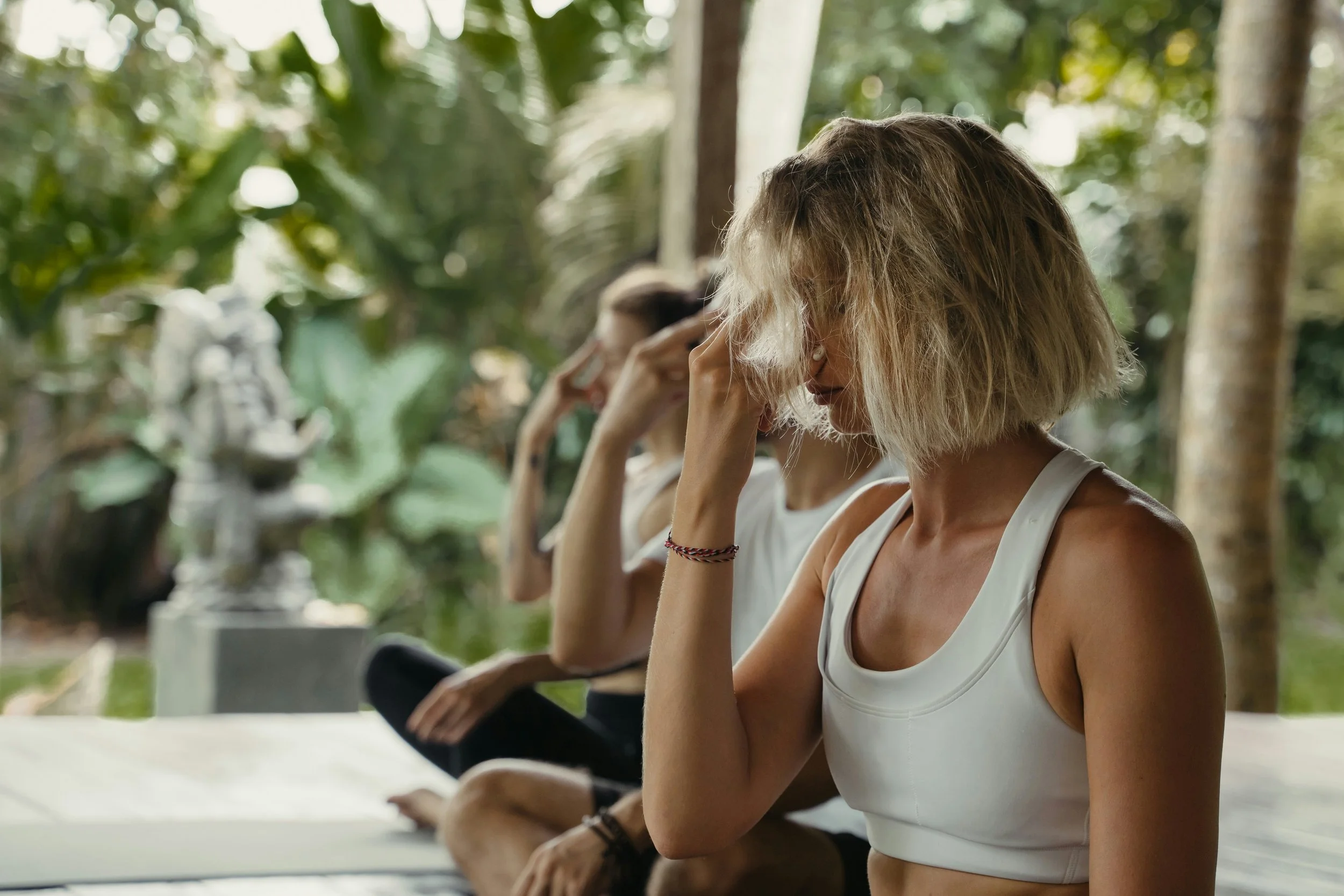
From emotional meltdowns to remarkable mind-body connections, 9D breathwork is making quite a spectacle of self-care.
There's a rather unusual new addition to the wellness calendar, and it doesn't involve green juice, expensive leggings or anything remotely relaxing. Instead, rooms full of perfectly ordinary adults are lying on yoga mats, wearing enormous headphones and crying uncontrollably in front of complete strangers. Welcome to 9D breathwork, the wellness phenomenon turning emotional breakdowns into bookable experiences. And judging by the videos circulating on TikTok, nobody is leaving with their mascara intact.
Women are sobbing, men are shaking, and occasionally someone appears to be having a spiritual awakening of biblical proportions. All while doing something we've managed perfectly well without professional assistance since the moment we were born: breathing. Except this version comes with a cinematic soundtrack, nine supposed dimensions and the promise of unlocking emotions you didn't even know you had. Forget the overpriced facial. Apparently, the ultimate luxury is paying someone to make you cry.
But beneath the extraordinary spectacle lies an intriguing proposition. What if something as instinctive as breathing could influence not only how we feel, but how our bodies function? Scientists have discovered that deliberately changing our breathing patterns can influence everything from heart rate to aspects of our immune response. Perhaps those people sobbing into their yoga mats are onto something after all.
So, What Actually Happens When You Enter The Ninth Dimension?
First, nobody is transporting you to another universe. Although, from the reactions online, you could be forgiven for thinking otherwise. Created by Brian Kelly, 9D breathwork combines a technique known as conscious connected breathing with an elaborate audio experience. The nine dimensions refer to different components of the experience, including music, guided coaching, binaural beats, hypnotic suggestions and carefully selected sound frequencies intended to influence your mental and emotional state. In less glamorous terms, it's breathing with an exceptionally ambitious playlist.
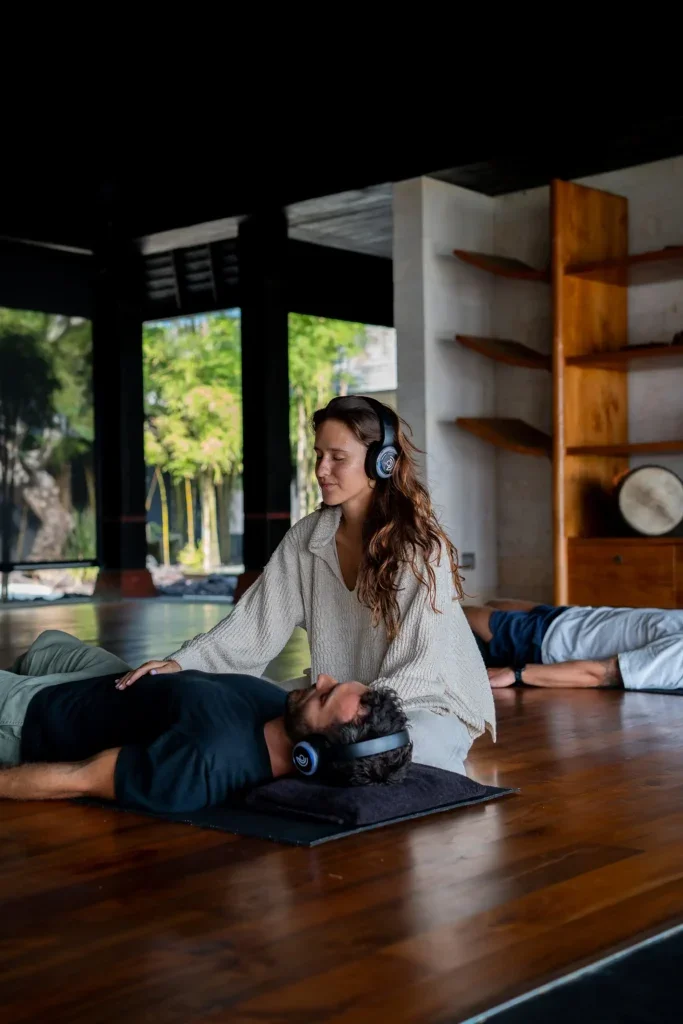
A typical session lasts around an hour. You lie down, put on headphones and follow a voice guiding you through increasingly intense breathing patterns, often without the usual pauses between breaths. Music swells, sounds seem to move around your head, and the facilitator may encourage you to explore particular emotions or memories.
Imagine being immersed in the most emotionally manipulative film soundtrack imaginable, except you're simultaneously concentrating on your breathing and, instead of watching the heroine have a revelation, you're supposed to have one yourself.
For some participants, the results are astonishingly intense. Tingling fingers, trembling limbs, unexpected tears and even fits of laughter are among the reactions described. Others report vivid memories or a feeling of extraordinary emotional release. Not everyone experiences these sensations, of course, and there's no requirement to sob into your yoga mat for the session to count.
The physical reactions have a surprisingly straightforward explanation. When we breathe rapidly or deeply enough, carbon dioxide levels in the blood can fall, temporarily changing blood chemistry and producing sensations ranging from dizziness and tingling to muscle tightness and lightheadedness. But explaining the physical sensations doesn't necessarily explain the emotional ones.
Music has an extraordinary ability to influence how we feel. A particular song can bring back a memory we haven't thought about in decades, while a film soundtrack can reduce us to tears over someone who doesn't even exist. Add guided visualisation, focused attention and unfamiliar bodily sensations, and an intense emotional experience becomes entirely plausible.
Of course, there's a considerable difference between experiencing powerful emotions and achieving a lasting psychological transformation. But before dismissing the whole thing as an elaborate excuse for a good cry, it's worth looking at what scientists have discovered about the influence breathing can have on our bodies. Because some of their findings are considerably more extraordinary than anything happening on TikTok.
Can You Really Breathe Away Trauma? The Science Might Surprise You
The idea that an hour of intense breathing could somehow dislodge years of emotional baggage is an extraordinary claim. And while the tears, trembling and apparent breakthroughs make compelling viewing, scientists haven't established that 9D breathwork can release trauma stored in the body. In fact, the notion that traumatic memories are physically trapped in our tissues, waiting to be breathed out, is itself a considerable oversimplification.
But dismissing breathwork as another elaborate wellness gimmick would be a mistake. Because while researchers haven't demonstrated that we can exhale our childhood traumas, they have discovered that breathing-related techniques can influence biological processes we once thought were entirely beyond our control.
In a laboratory in the Netherlands, scientists conducted an experiment that sounds suspiciously like the plot of a medical thriller. They injected healthy volunteers with a bacterial component designed to provoke an inflammatory response, having first trained some of them in breathing exercises, meditation and cold exposure.
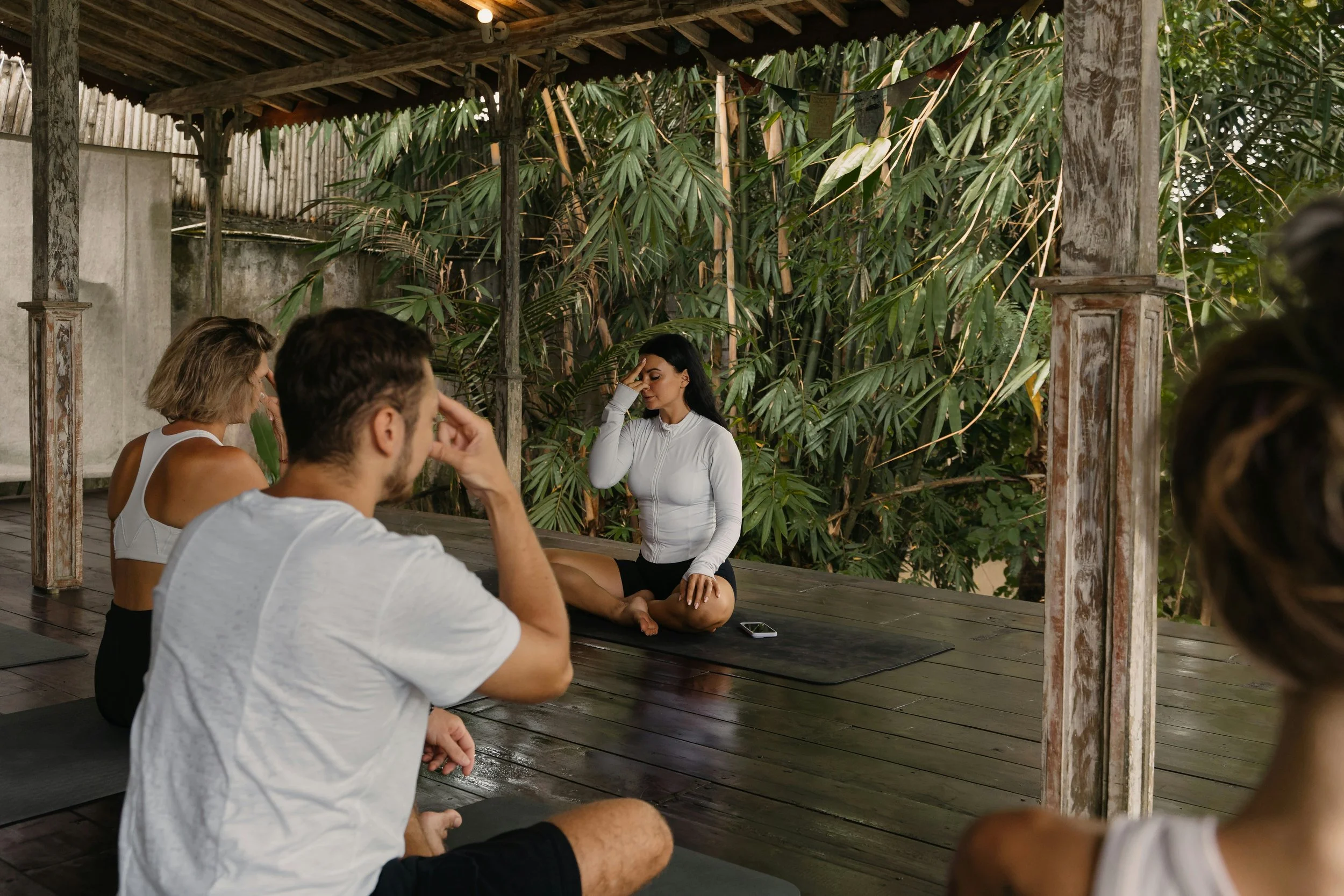
Ordinarily, the injection produces symptoms resembling a brief bout of flu. But the trained volunteers reacted differently. Their adrenaline levels rose, certain inflammatory proteins were reduced and they experienced fewer symptoms.
The researchers had demonstrated that people could learn to influence aspects of an immune response previously considered beyond conscious control. Rather impressive for a bodily function most of us barely acknowledge until we climb a particularly unforgiving flight of stairs.
Of course, this wasn't proof that breathing alone could boost immunity, let alone cure disease. The experiment was small, and the volunteers had undergone several forms of training. But it challenged assumptions about just how much influence we might have over our own physiology.
“Nobody expects a six-pack after one Pilates class. Why should emotional fitness be any different?”
And then there's the heart. In a major British clinical trial, doctors investigated a modified breathing-and-straining technique for patients experiencing a specific type of abnormally rapid heartbeat. The results were remarkable: 43% of patients using the modified manoeuvre returned to a normal heart rhythm within a minute, compared with 17% using the standard approach.
Imagine arriving at hospital with your heart racing alarmingly fast, only to discover that a carefully performed manoeuvre involving straining and a change of position could restore its normal rhythm. It's a rather spectacular demonstration of the connection between breathing-related actions and the nervous system, although very much a clinical technique rather than something to attempt independently.
Neither experiment proves that 9D breathwork can heal emotional trauma, but both reveal just how much influence we can have over our bodies. And with growing evidence of the benefits of breathing exercises, perhaps the enthusiasts sobbing into their yoga mats aren't quite as eccentric as they first appear.
Whether those tears represent a genuine emotional breakthrough is another question. But if you leave feeling lighter, calmer and more capable of tackling whatever life throws at you, that's surely worth something. And perhaps, much like exercise, the greatest benefits come from making breathwork a regular practice rather than expecting a complete transformation in a single session. After all, nobody expects a six-pack after one Pilates class. Why should emotional fitness be any different?
Where To Experience 9D Breathwork
If you're intrigued enough to swap your usual yoga class for something a little more emotionally adventurous, 9D breathwork experiences are available in person and online.
The official 9D Breathwork network connects participants with facilitators internationally, including across the UK, United States, Australia and Europe. You can search for practitioners and upcoming sessions near you through the official 9D Breathwork facilitator directory.
Sessions vary in intensity, so it's worth choosing an experienced facilitator who provides appropriate health screening, especially if you're new to intensive breathwork. The vigorous breathing used in some sessions can cause dizziness and other physical effects and may be unsuitable during pregnancy or for people with certain cardiovascular, respiratory, neurological or mental health conditions.
For everyone else, the prospect of discovering what an hour of immersive sound and conscious breathing might reveal is certainly intriguing. Just remember, the mascara is optional.