A more sculpted body, without the gym? The fascia craze makes some big promises.
From TikTok's body-sculpting promises to the science of connective tissue, we're investigating whether fascia really is the missing ingredient in your fitness routine.
Apparently, we've been exercising all wrong. At least, according to the growing number of TikTok videos promising longer-looking limbs, smoother thighs and a more sculpted body without another punishing gym session. The secret? Not a new workout, a revolutionary supplement or a particularly expensive pair of leggings, but something called fascia.
For anyone who has spent years dutifully lifting weights, squeezing in Pilates classes or attempting to make peace with the squat rack, it's quite the revelation. Social media is awash with women demonstrating deceptively simple movements, massage techniques and stretching routines, accompanied by the sort of before-and-after transformations that could persuade even the most dedicated gym regular to reconsider her entire routine. The promise is seductive: a leaner, more defined silhouette, improved mobility and fewer of those stubborn aches that seem to arrive uninvited somewhere after 35.
Of course, the wellness industry has a remarkable talent for discovering something the human body has possessed all along and presenting it as the missing ingredient in our pursuit of better health. Yet beneath the increasingly extravagant claims lies a genuinely fascinating part of our anatomy, one that scientists and movement specialists have been studying for decades. So, is fascia the overlooked secret to a stronger, more supple body, or simply the latest anatomical buzzword to receive the TikTok treatment?
Getting Under The Skin
Fascia might be enjoying its moment in the spotlight, but it's hardly a new discovery. This intricate network of connective tissue has been holding us together since long before anyone thought to give it a hashtag. Found throughout the body, fascia sits beneath the skin, wraps around muscles, supports organs and helps connect the various structures that allow us to move. Think of it as an internal scaffolding system, although considerably more sophisticated than anything holding up a building.
“The notion that we’ve somehow spent decades exercising everything except fascia is a rather impressive piece of marketing.”
Made primarily from collagen, with elastin and a water-rich substance containing hyaluronic acid, fascia is designed to provide strength while allowing surrounding tissues to move against one another. Different layers perform different jobs. Superficial fascia lies beneath the skin, while deeper layers surround individual muscles and muscle groups. Rather than treating every muscle as an entirely separate unit, this interconnected arrangement also allows mechanical forces to be transferred between neighbouring structures.
More interestingly, fascia isn't simply passive packaging. It's rich in sensory nerve endings involved in how we experience movement, position and pain. Far from being an anatomical afterthought, it's an active part of a surprisingly sophisticated system, and one we're still learning to understand. Scientists are continuing to uncover how fascia responds to mechanical forces, communicates sensory information and contributes to the way our bodies function.
Things become considerably more intriguing when the conversation turns to appearance. Can working on this connective tissue really change the shape of our bodies, or could some of those impressive transformations have less revolutionary explanations? The question is whether social media has stumbled upon something science is only beginning to understand, or whether we're mistaking a temporary transformation for a lasting one.
The Art Of The Fascia Release
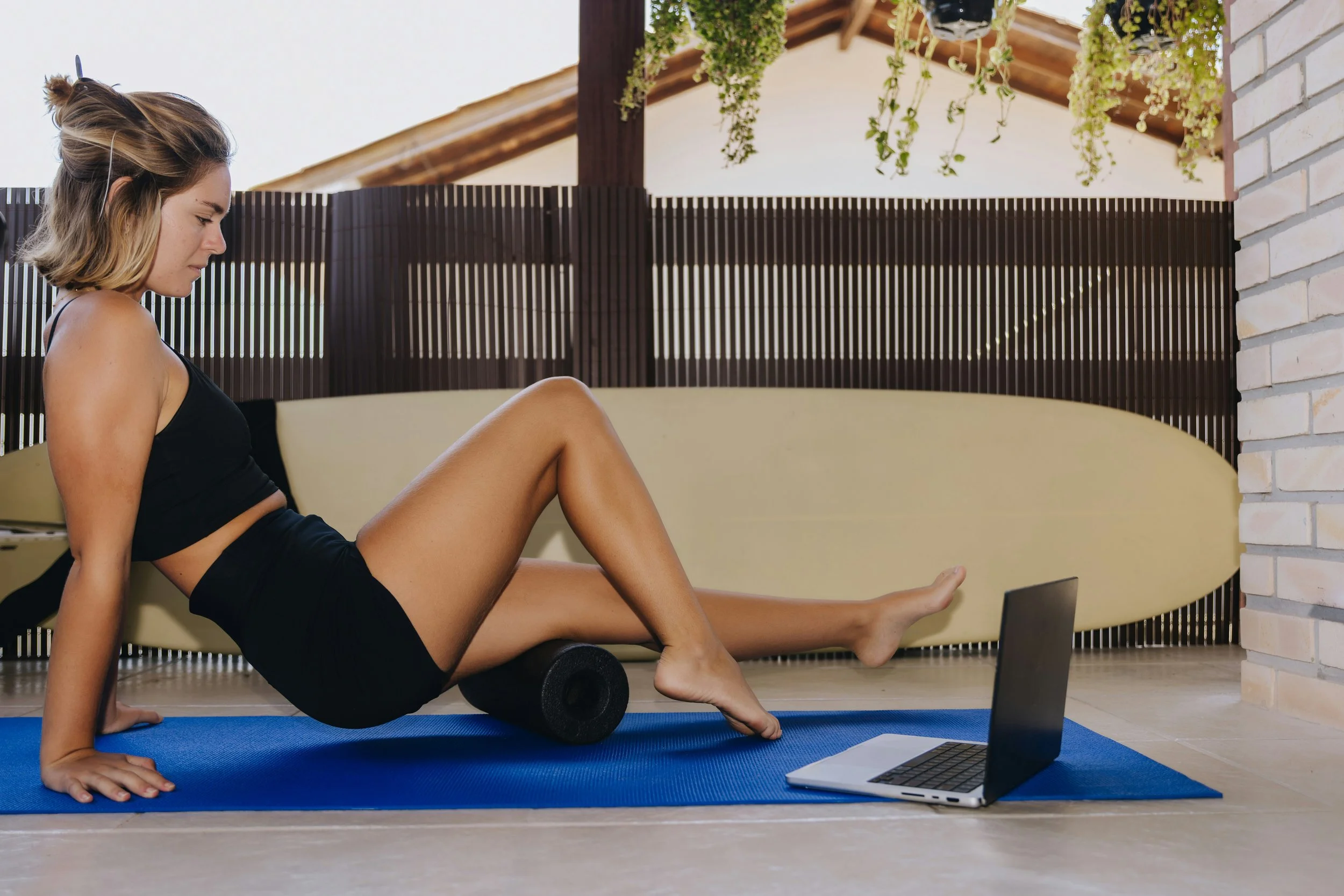
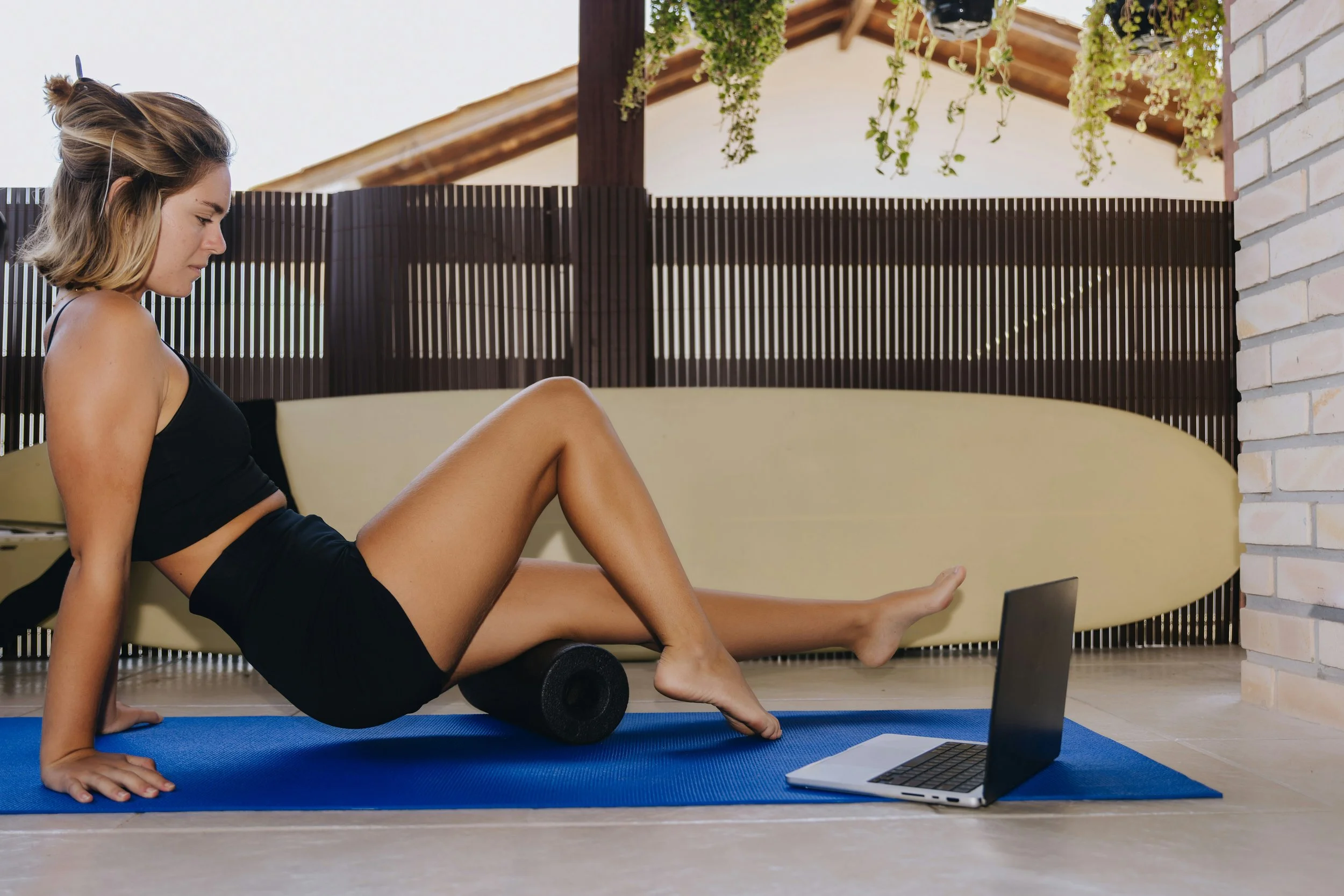
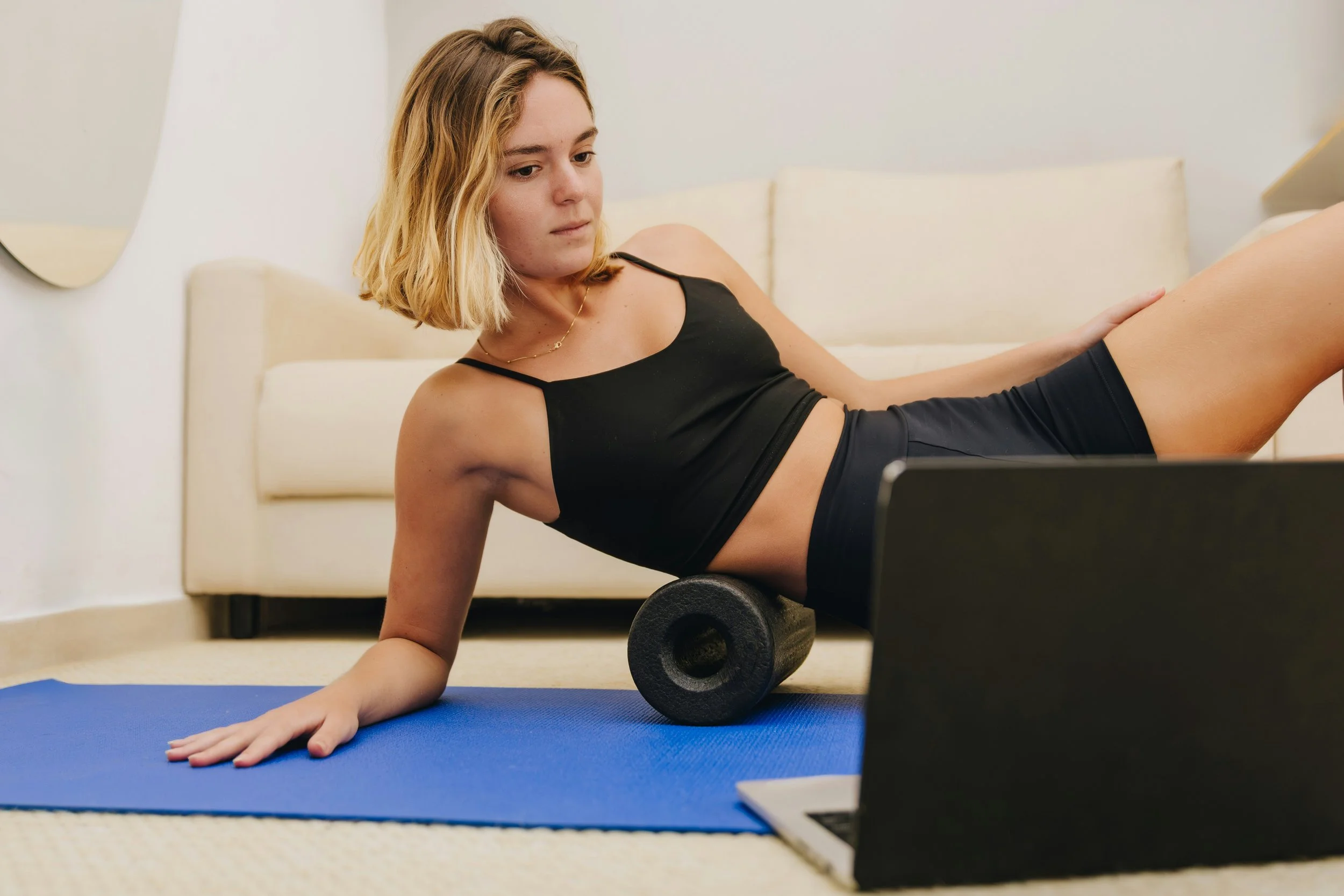
If the promise of a more sculpted body sounds appealing, the proposed method is refreshingly short on burpees. Instead, TikTok's fascia enthusiasts are rolling, stretching, bouncing and massaging their way through routines designed to release tension in the connective tissue beneath the skin. Some involve little more than a few minutes on a foam roller; others require massage balls, specialist tools or a professional therapist willing to work rather enthusiastically on those stubborn areas.
For anyone who has spent years reaching for a foam roller after a particularly ambitious workout, much of this will sound remarkably familiar. Self-myofascial release has long been part of fitness and physiotherapy routines, traditionally used to ease discomfort, improve mobility and make the morning after leg day a little more bearable. Yet somewhere between the gym floor and the TikTok algorithm, the humble recovery routine has received quite the promotion. What was once an optional extra is now being presented by some creators as the main event, with fascia-focused workouts promising a leaner, more sculpted body without the usual commitment to conventional training.
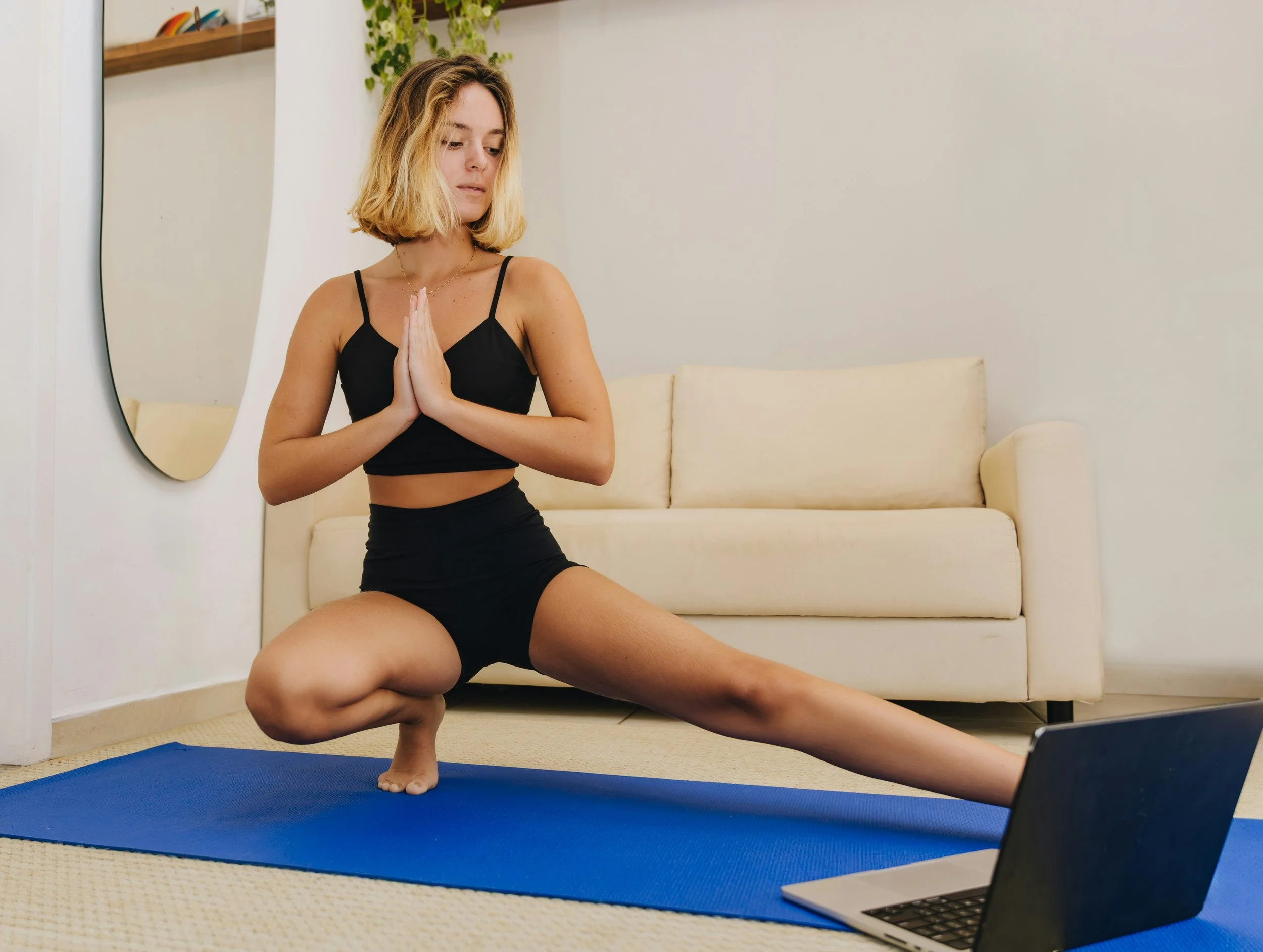
The newer routines aren't all about massage, either. Some involve dynamic stretching, rhythmic bouncing, pulsing squats and controlled movements designed to load the body's connective tissues. The thinking is that fascia, like other tissues, responds to mechanical forces, so movement can help maintain its function and influence its physical properties over time. Of course, muscles and tendons are involved in these exercises too. It's rather difficult to perform a squat without inviting them along.
Then there's the concept of releasing fascia itself. The language is wonderfully persuasive: connective tissue supposedly becomes stuck, tight or restricted, requiring targeted pressure to loosen adhesions and restore movement. Myofascial release techniques can improve range of motion and help with the sensation of stiffness. Whether those effects involve physically changing the fascia is less certain. The nervous system and our tolerance for stretching may play important roles, rather than a foam roller breaking apart troublesome tissue.
It's quite a promotion for techniques that have traditionally been associated with recovery and mobility. But have we genuinely been overlooking a better way to exercise, or has an old fitness favourite simply acquired a very persuasive new marketing department?
Can You Really Massage Your Way To A Better Body?
The before-and-after photographs certainly make a persuasive case. Thighs appear smoother, waists look smaller and muscles seem to have acquired a definition that previously required a rather more committed relationship with the gym. According to fascia enthusiasts, the problem isn't necessarily how much we're exercising, but whether we're paying enough attention to the connective tissue surrounding our muscles. Release the tension, restore movement and, apparently, a more sculpted silhouette might follow.
The Promise Of A Leaner, More Sculpted Body
According to some of the more enthusiastic creators on Instagram, tight or restricted fascia can leave the body looking bulky, uneven or less defined. Release those restrictions and everything supposedly settles into a sleeker silhouette, as though our muscles have been wearing an ill-fitting outfit all these years and someone has finally persuaded them to change.
It's a seductive theory, particularly when the alternative involves another six months of squats and lunges. Unfortunately, fascia isn't a layer of unwanted padding that can simply be rolled away. While this connective tissue helps support the body's structures and transmit forces during movement, there's no convincing evidence that massaging or stretching it can permanently rearrange those structures into slimmer arms or thighs. Nor can it selectively remove the fat beneath the skin. Muscle definition, meanwhile, develops through sufficient muscular training and is influenced by body fat distribution, not by how enthusiastically we massage the surrounding tissue.
The fascia workouts themselves deserve a little more credit than that, though. A pulsing squat still recruits the glutes and quadriceps, while controlled movements can challenge balance, coordination and muscular endurance. Some routines may even provide enough resistance to develop strength, depending on their intensity and progression. But conventional exercise has never ignored fascia. Every squat, run and Pilates class places forces through muscles and their associated connective tissues. The notion that we've somehow spent decades exercising everything except fascia is a rather impressive piece of marketing.
But what about the women who genuinely seem to look different after ditching their usual workouts to focus on fascia? If they're performing challenging movements regularly, any changes in muscle development may come from the exercise itself rather than some previously undiscovered sculpting power of connective tissue. Posture, muscle positioning and even the angle of a photograph can also influence how defined a body appears. What research hasn't demonstrated is that fascia-focused routines produce a uniquely leaner physique than comparable conventional exercise. The transformations may be real; the explanations accompanying them aren't necessarily correct.
The Cellulite Question
Cellulite has been blamed on practically everything over the years, from poor circulation to the occasional glass of wine. Now fascia has joined the suspect list, although this time there is a genuine anatomical connection.
Those familiar dimples form partly because fibrous connective-tissue bands tether the skin to deeper structures while the fat beneath pushes against the surface. It's a perfectly normal feature of female anatomy, affecting women of almost every shape and size, including those whose gym routines leave very little to be desired. No amount of dedication to leg day offers a guaranteed escape.
Some mechanical massage treatments really have been shown to improve the appearance of cellulite. In one small study involving 40 women, regular use of a handheld vibrational massage device produced visible improvements after 12 weeks. A rather encouraging result, until you reach the follow-up: when the treatments stopped, the improvements began to fade.
The explanation isn't necessarily that the cellulite has been released from its connective-tissue restraints. Massage may temporarily influence the appearance of the skin through changes in local circulation, fluid distribution or other superficial tissue effects, although researchers haven't established exactly which mechanisms account for the results. Actually cutting or releasing the fibrous bands responsible for dimpling is something certain medical procedures can do, but that is a rather different proposition from attacking your thighs with a foam roller while watching Netflix.
For anyone hoping to smooth the appearance of cellulite, the research offers a little encouragement, with some fairly substantial small print. Certain massage-based techniques may make a visible difference, but results vary, maintenance may be required and there's no convincing evidence that an ordinary fascia workout can deliver the same outcome. The distinction is worth remembering before a beautifully filmed transformation video persuades you to add yet another piece of equipment to the living room.
What About Those Aches And Pains?
This is where fascia work starts to earn its rather enthusiastic following. Forget the promise of a completely different silhouette for a moment. Anyone who's attempted to lower themselves onto the loo the morning after a particularly ambitious leg session will appreciate the appeal of something that makes everyday movement feel a little less like an extreme sport.
Foam rolling and other forms of self-myofascial release have been studied for their effects on flexibility, mobility and post-exercise discomfort, with some encouraging results. Research suggests foam rolling can improve range of motion and may modestly reduce delayed-onset muscle soreness, the sort that tends to announce itself just as you've decided another workout might be a good idea.
The interesting part is that those benefits don't necessarily come from physically loosening or untangling fascia. Applying pressure to muscles and surrounding tissues may influence how the nervous system processes discomfort, changing our tolerance for stretching and movement. In other words, that glorious feeling of being considerably less creaky after a few minutes with a foam roller doesn't necessarily mean anything was stuck in the first place.
Fascia itself has a more sophisticated relationship with pain than its reputation as the body's internal wrapping might suggest. Rich in sensory nerve endings, it can contribute to how we experience discomfort, and researchers are investigating its involvement in certain musculoskeletal conditions, including persistent back pain. But the human body isn't quite as obliging as a social-media anatomy diagram. Pain can involve muscles, joints, nerves and numerous other factors, making it rather ambitious to blame every stiff shoulder or troublesome hip on a rogue piece of connective tissue.
For anyone familiar with post-workout stiffness, the appeal is obvious. A few minutes of foam rolling or targeted mobility work might make the difference between moving comfortably and negotiating the stairs with all the elegance of a malfunctioning robot. It's hardly the dramatic transformation we've been promised, but feeling better in your own body is a rather worthwhile result in itself.
Does Your Workout Really Need A Fascia Fix?
Before cancelling the gym membership and investing in an impressive collection of massage equipment, it's worth considering what fascia work might actually add to your routine. For anyone already exercising regularly, it may involve little more than dusting off the foam roller and spending five minutes rolling out tired muscles after a workout. A little stretching or mobility work can also earn its place, without requiring an entirely new fitness philosophy or another hour squeezed into an already overcrowded diary.
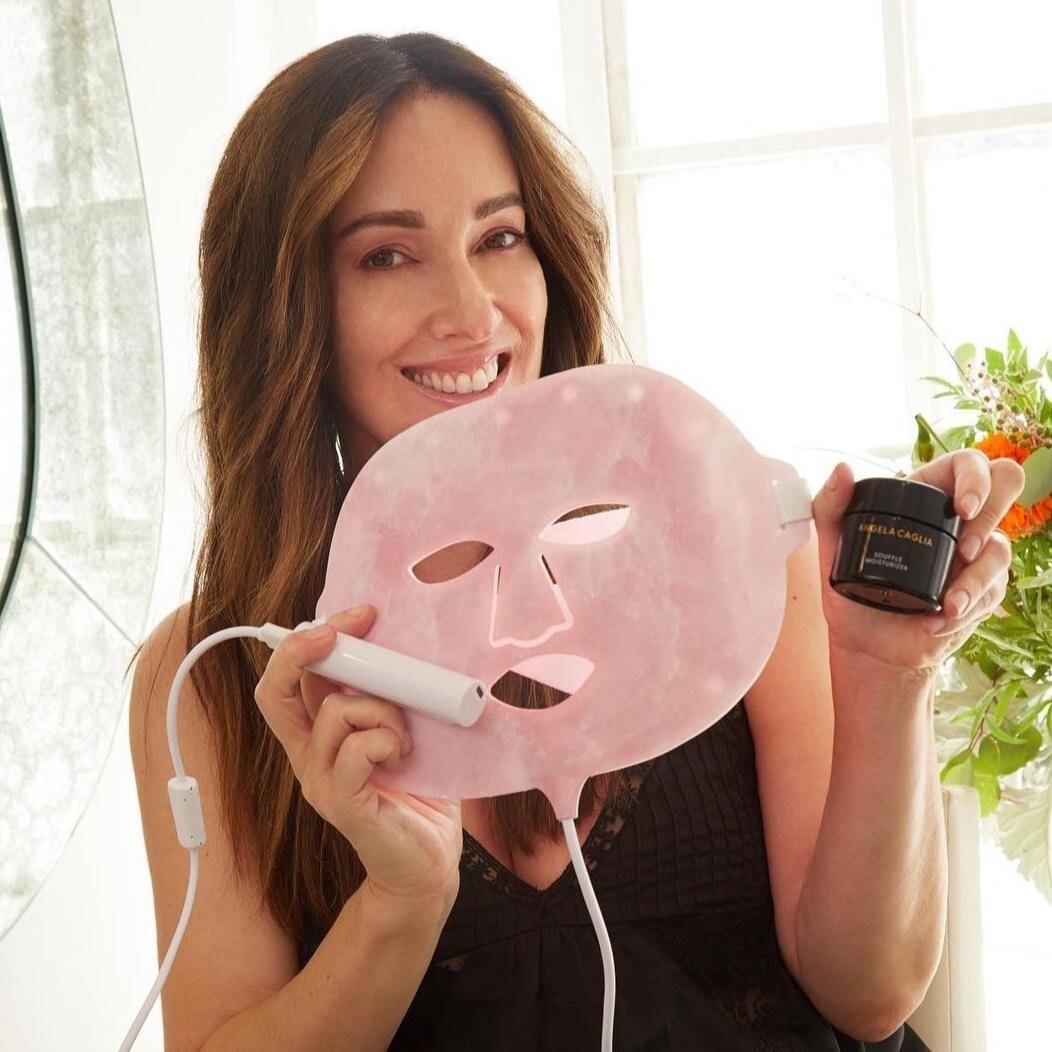
The increasingly elaborate tools and treatments are another matter. From vibrating massage devices to specialist fascia therapies, there's no shortage of ways to spend money on connective tissue. Some may feel wonderful, others might offer temporary improvements in comfort or skin appearance, but an expensive price tag doesn't necessarily translate into better results. The packaging is often considerably more sophisticated than the evidence.
After years of being relegated to the final five minutes of a workout, the humble foam roller has somehow managed to reinvent itself as the star attraction. Quite the career move for a cylinder of foam. Whether it deserves to replace the workout entirely is another question, but it might finally persuade a few more of us to stop skipping the cool-down.