Outdoor clothing has finally found its fashion credentials.
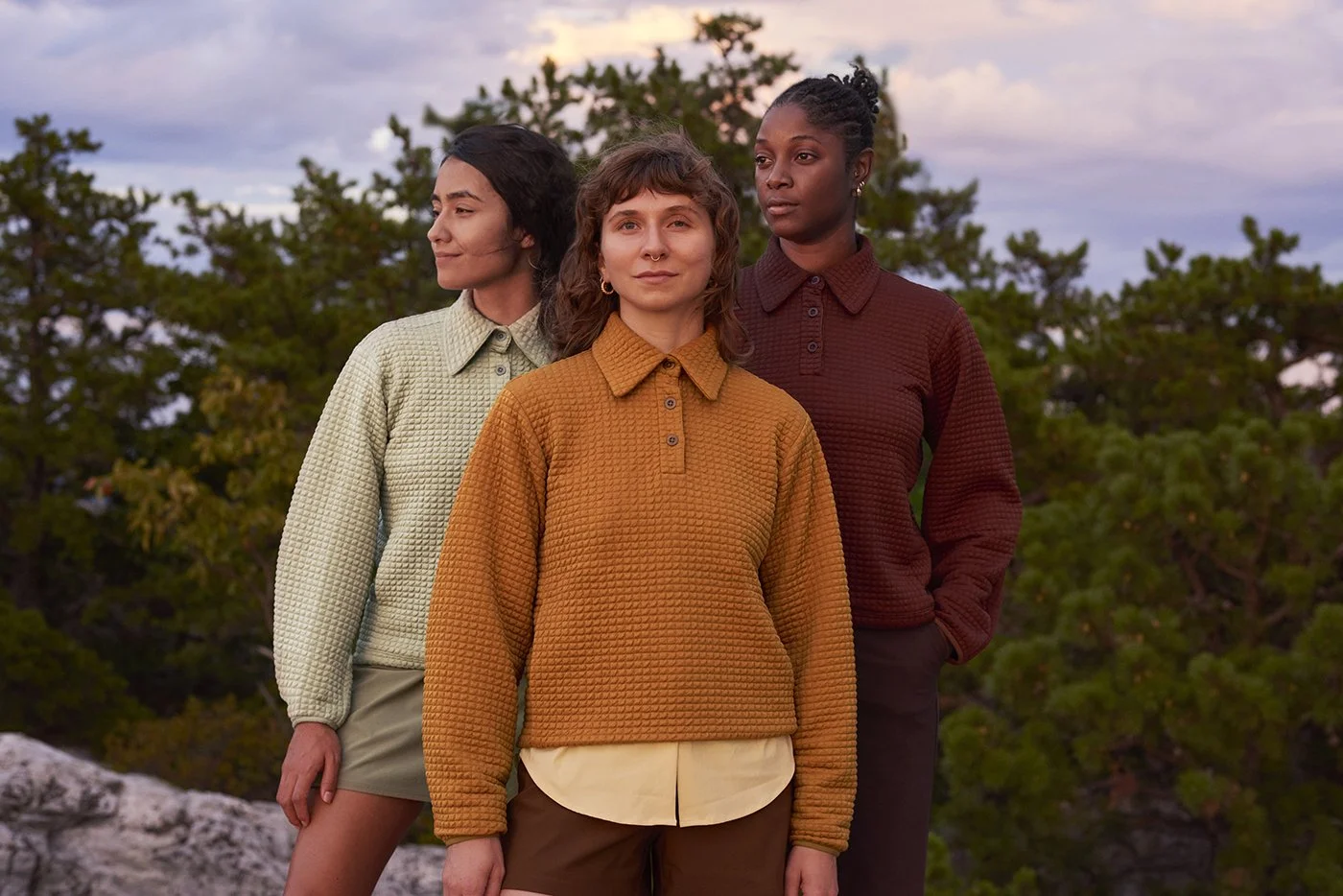
Practical clothing has had a rather impressive glow-up. Suddenly, dressing for the weather is something to look forward to.
A decade ago, the chances of finding an outdoor clothing brand on a fashion lover's shopping list were slim. Skiwear had its place, gym wear had become a wardrobe staple, but anything designed for spending a wet Sunday in the countryside? That was largely the territory of Trespass, Mountain Warehouse and fleeces whose greatest selling point was that nobody would particularly care if they got muddy.
The closest outdoor dressing came to a fashion moment was arguably Kate Moss at Glastonbury, making Hunter wellies and a waxed Barbour jacket look like entirely reasonable wardrobe investments. The North Face was another exception, with its now-iconic Nuptse puffer enjoying streetwear status long before Kendall Jenner helped revive its popularity. Patagonia had its loyal following, too. But festival chic and the occasional cult puffer hardly amounted to a fashionable outdoor wardrobe. Nobody was queuing up to make hiking trousers the centrepiece of an outfit.
“Quite how we got from there to coveting fleeces and discussing waterproof jackets in the same breath as designer coats is a rather wonderful development.”
Quite how we got from there to coveting fleeces and discussing waterproof jackets in the same breath as designer coats is a rather wonderful development. Outdoor clothing has undergone a serious style overhaul, and not simply because fashion decided to embrace the hiking aesthetic. Designers are creating genuinely beautiful pieces with technical performance built into their DNA. Interesting silhouettes, unexpected textures, considered colour palettes and flattering cuts have replaced the idea that being properly dressed for the weather requires a complete abandonment of personal style.
Free People was among the brands making practical, outdoors-inspired clothing desirable, with its oversized fleeces and playful approach to layering. Now a new wave of labels, from Hikerkind to SENIQ, is taking the concept further, creating clothing that looks as though it belongs in a fashion collection but can actually handle a day outdoors.
Which, as winter approaches, is rather good news. Because while a little fresh air sounds terribly wholesome in theory, it's significantly more appealing when the prospect of rain doesn't involve dressing like you're leading a school geography field trip.
When Fashion Meets Function
The real achievement isn't simply making a waterproof jacket look attractive. It's making one that looks attractive while actually keeping the rain out. A distinction anyone who has ever trusted a fashionable but thoroughly useless coat on a November afternoon will appreciate.
Technical fabrics are becoming part of the design conversation rather than something concealed beneath an uninspiring exterior. Lightweight insulation brings warmth without unnecessary bulk, performance fleeces offer breathable comfort, and clever cuts allow for movement without turning every garment into something resembling expedition equipment.
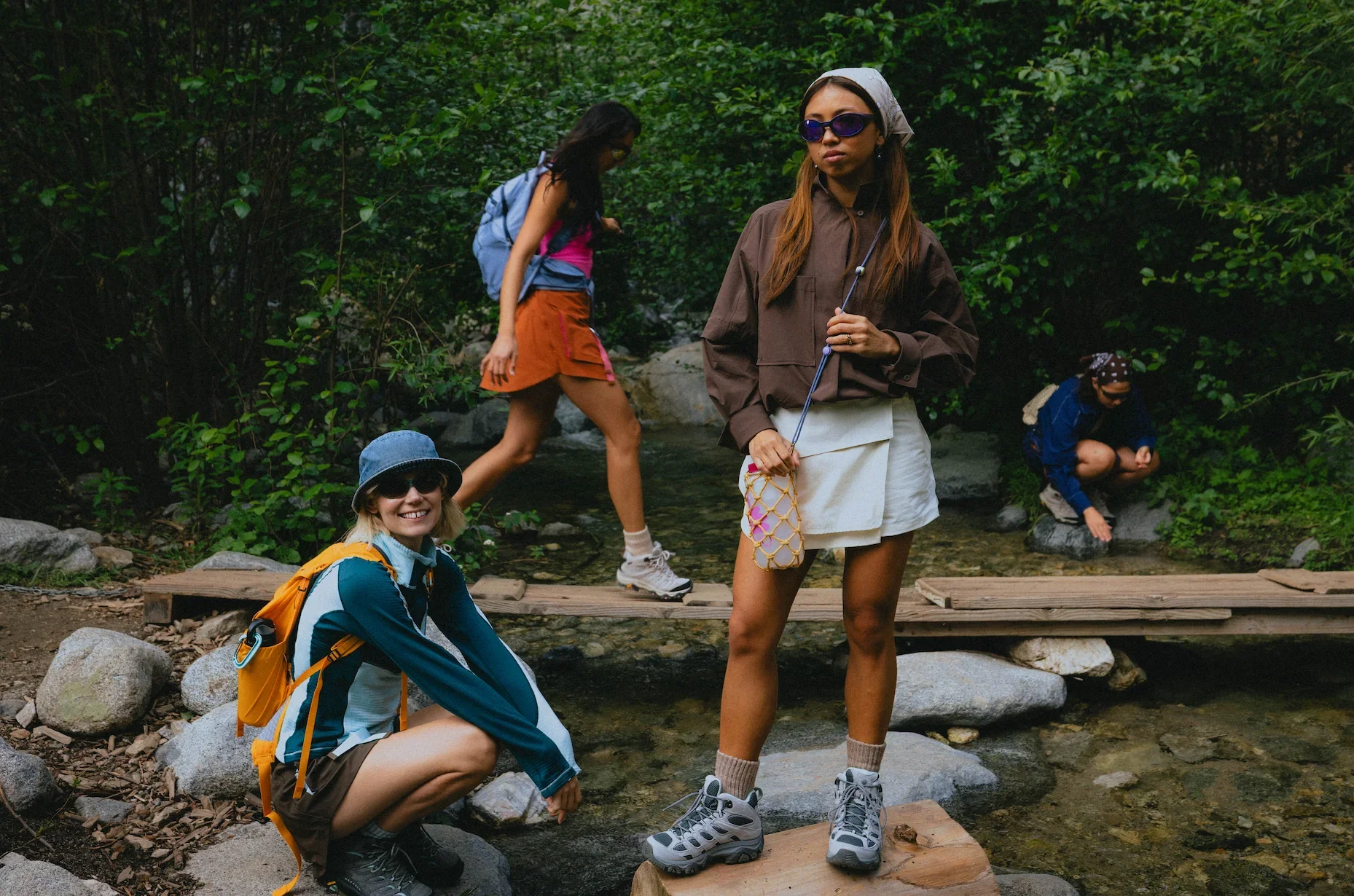
There's an appealing freedom to this new outdoor wardrobe, too. The fleece that looks fantastic with jeans can accompany a windswept coastal walk. The technical jacket that survives an unexpected downpour can be worn into town without anyone assuming you've lost your way to a campsite. Getting dressed for winter has become less about preparing for the worst and more about finding clothes that make the season enjoyable.
Of course, looking the part is only half the appeal. Beautifully designed clothing is all very well, but when the temperature drops and the heavens open, performance suddenly becomes rather fashionable indeed.
The Brands Redefining Outdoor Style
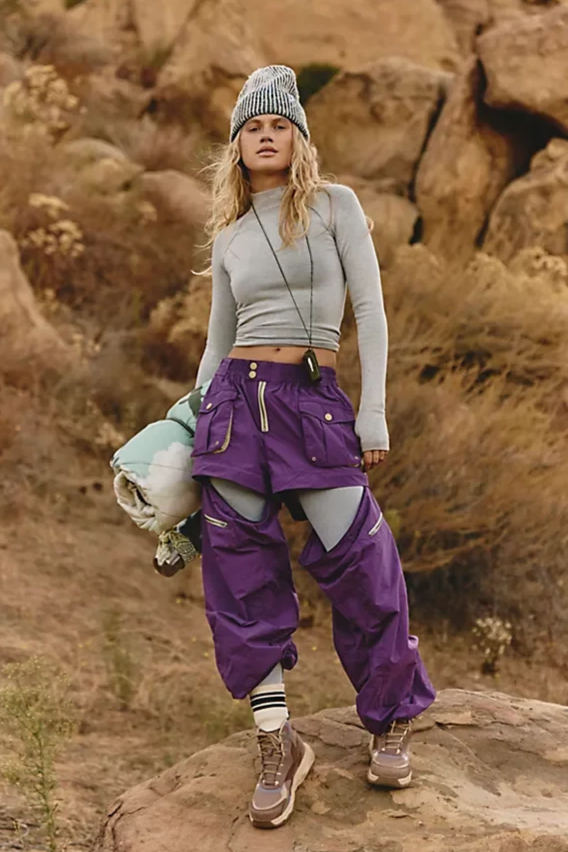
Free People has never been especially interested in looking sensible, which is arguably why its approach to outdoor clothing feels so refreshing. Where traditional fleeces once offered little beyond warmth and an occasionally questionable colour scheme, FP Movement delivers oversized collars, playful proportions and shades that make neutral winter wardrobes look positively timid.
Its bestselling Hit The Slopes fleece captures the appeal perfectly: cosy, generously cut and equally at home over leggings or with a favourite pair of jeans. The wider collection also ventures into more functional territory with weather-ready jackets and outdoor layers. Not every fleece is intended to withstand a mountain storm, of course, but few brands make the prospect of wrapping up quite so appealing.
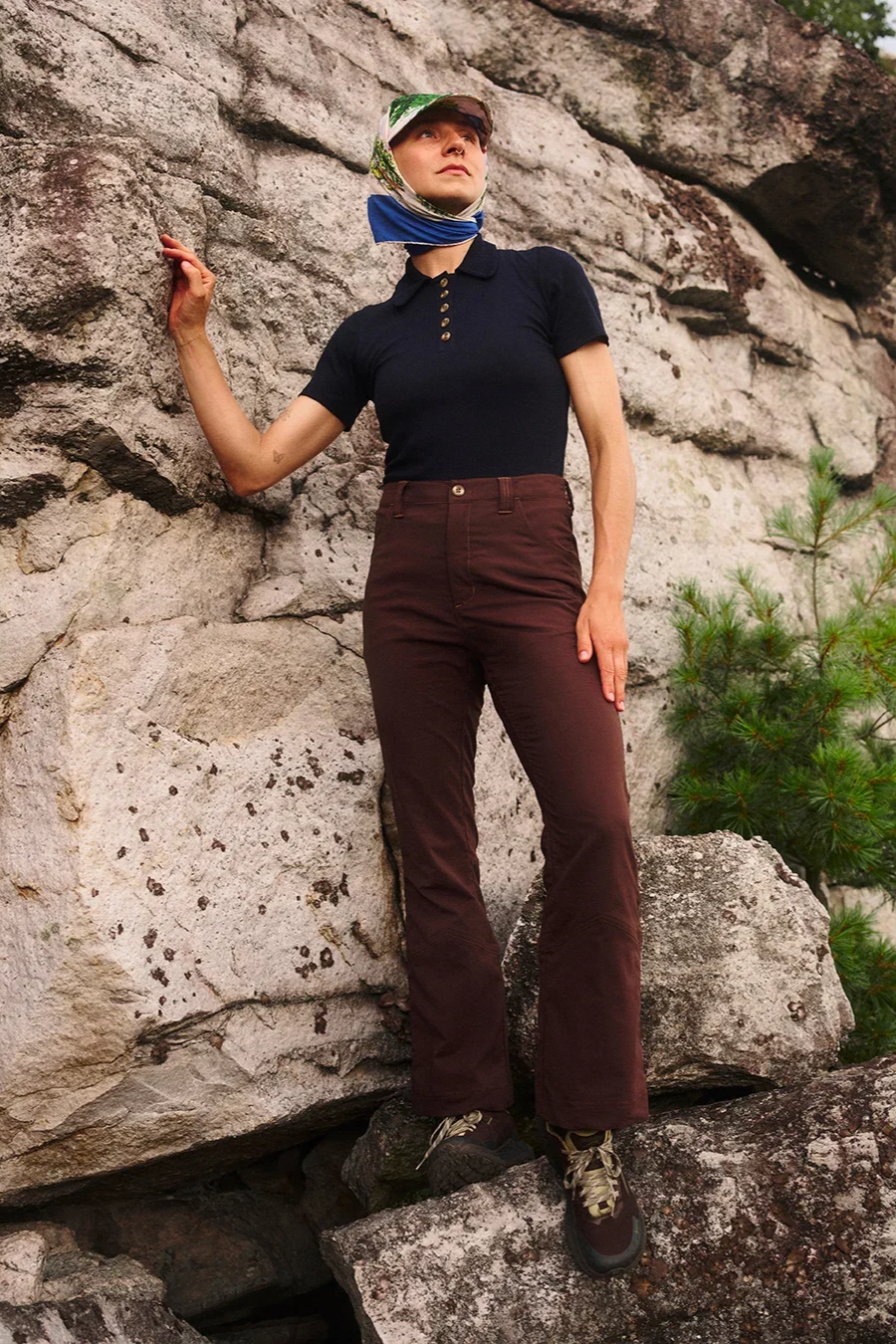
Hikerkind looks rather like a French fashion label that accidentally wandered into an outdoor clothing department and decided it could do better. Founded by two New York fashion stylists, the brand takes an almost Parisian approach to practical dressing, borrowing details from classic womenswear rather than the usual sporting references.
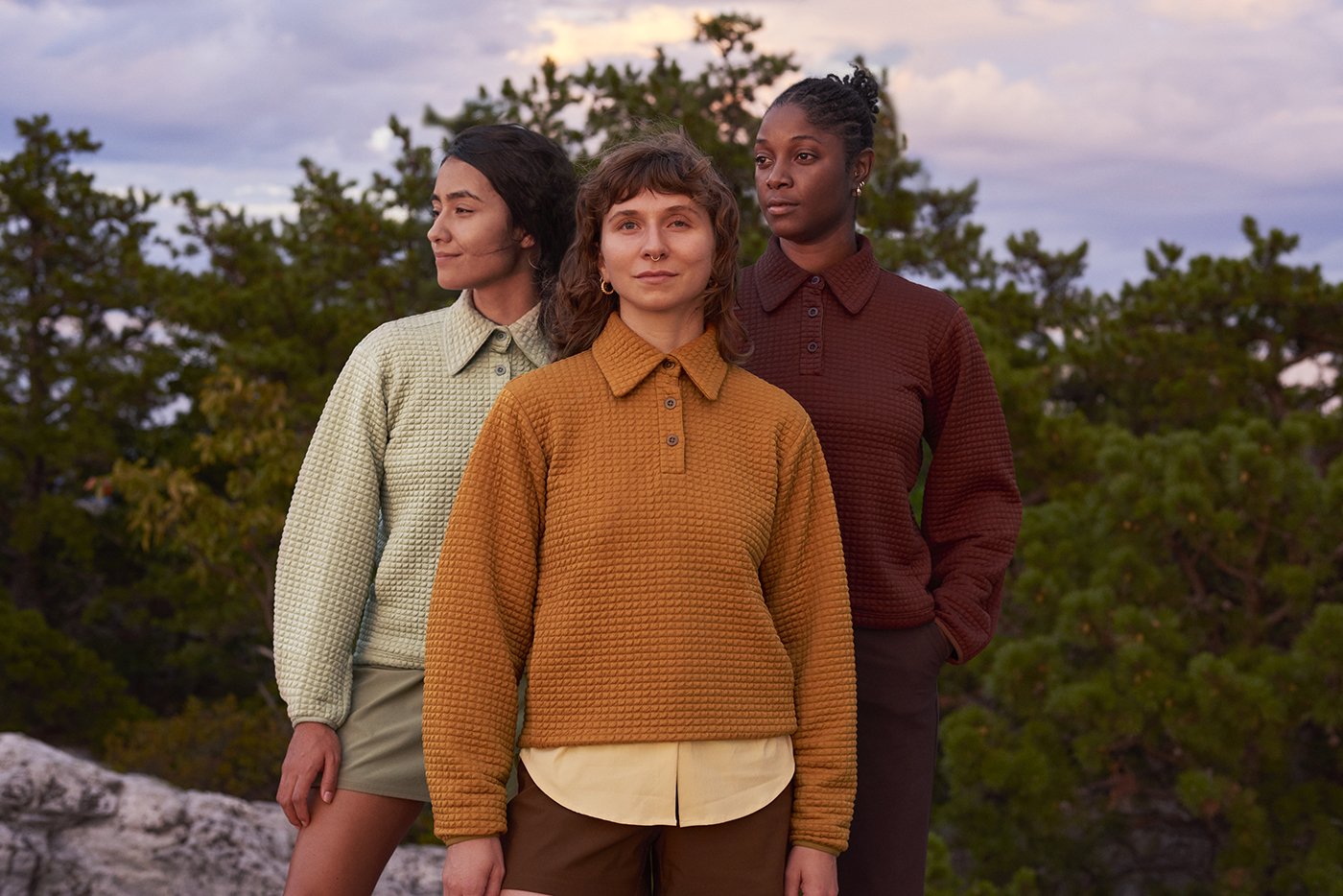
Its fleeces feature oversized, almost Peter Pan-style collars and buttoned necklines, while the packable windbreaker has a distinctly nautical charm, with sailor-inspired detailing and a bow fastening that wouldn't look out of place on a particularly chic weekend in Brittany. Behind the pretty exterior, however, there's some serious thought: Polartec Power Air fleece provides breathable warmth, while the windbreaker's decorative sailor detailing cleverly conceals ventilation. It's the sort of clothing you might buy for the collar, only to discover it can actually cope with an adventure.
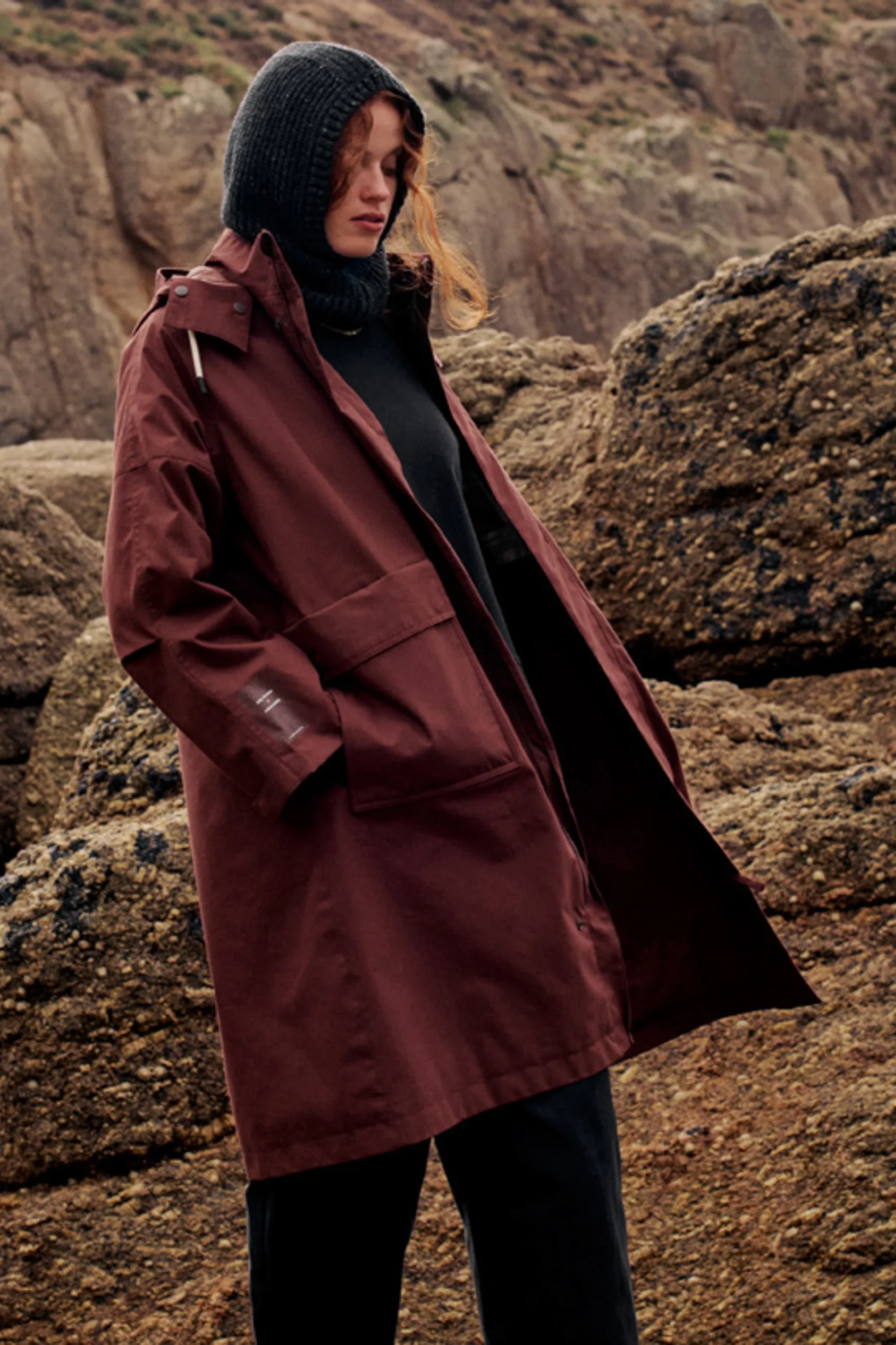
Cornwall knows a thing or two about weather that changes its mind halfway through the afternoon, so it's perhaps unsurprising that Finisterre has become rather accomplished at dressing for it. Born from a love of the sea, the British label has long combined serious outdoor credentials with understated coastal style. Now, its collaboration with fashion designer Amy Powney is taking things a fashionable step further.
The collection brings a distinctly more polished approach to practical dressing, with beautifully cut longline waterproofs, oversized quilted jackets, fisherman knits and tailored trousers in rich, coastal-inspired shades. It's the sort of wardrobe that could take you from a windswept Cornish beach to lunch somewhere considerably more civilised, without requiring an outfit change. Better still, the technical construction and thoughtfully chosen materials mean the clothes are designed for considerably more than looking good over a flat white.
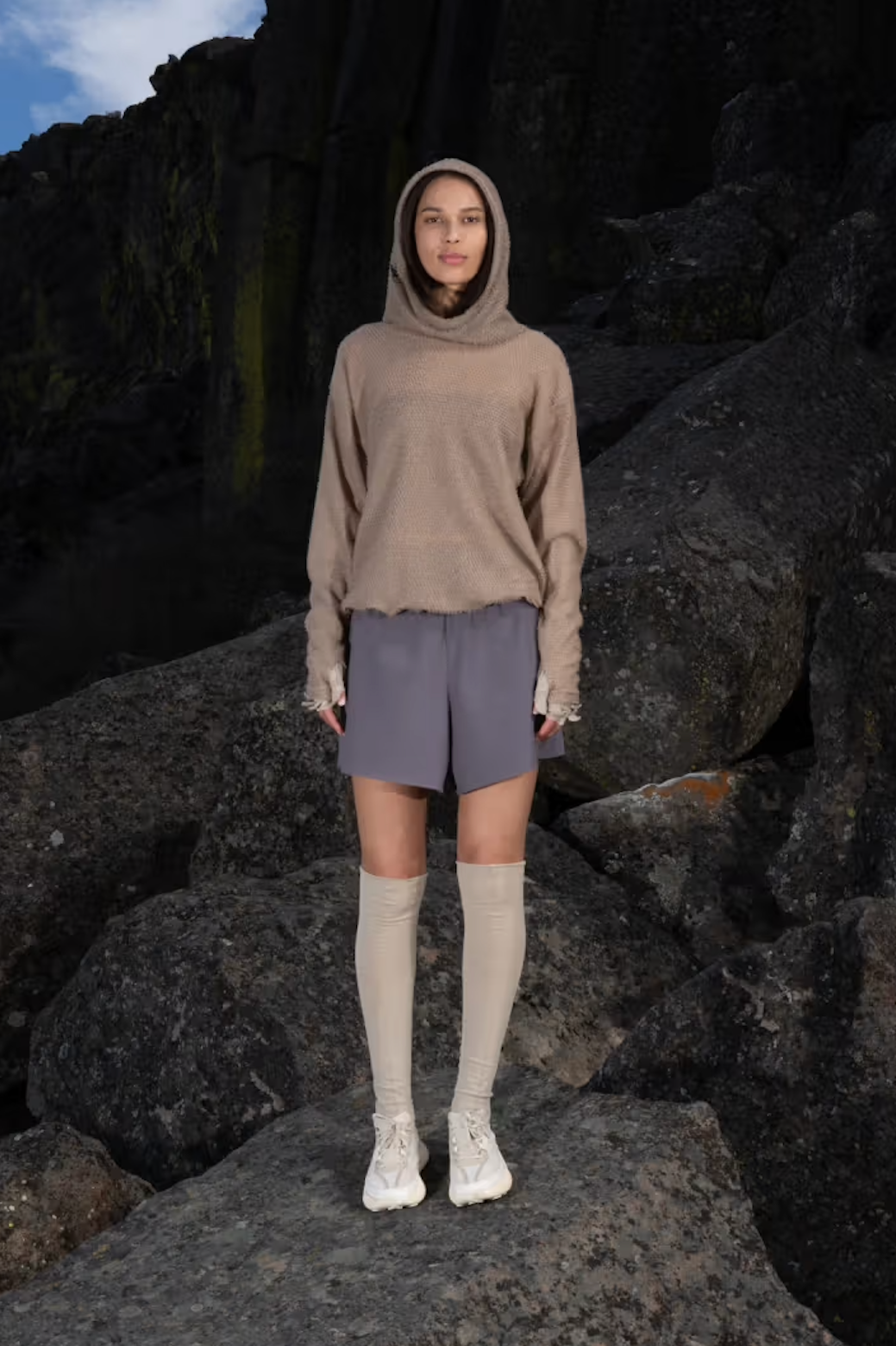
With a CV that includes Maison Margiela, Louis Vuitton, Nike ACG and Yeezy, Gnuhr founder Nur Abbas isn't exactly your typical outdoor clothing designer. Having spent years working at the intersection of luxury fashion and performance wear, he's now applying that experience to his own wonderfully unconventional, unisex label.
The philosophy is simple: less weight, less unnecessary fabric and absolutely no obligation to resemble a traditional hiker. Its wonderfully fuzzy Shag Hoodies, made from exceptionally lightweight Polartec Alpha Direct insulation, look more experimental fashion than expedition equipment, while remaining highly breathable during activity. The brand even makes ultralight, 3D-printed camp sandals. Apparently, when you've worked with some of fashion's biggest names, designing an ordinary fleece simply won't do.
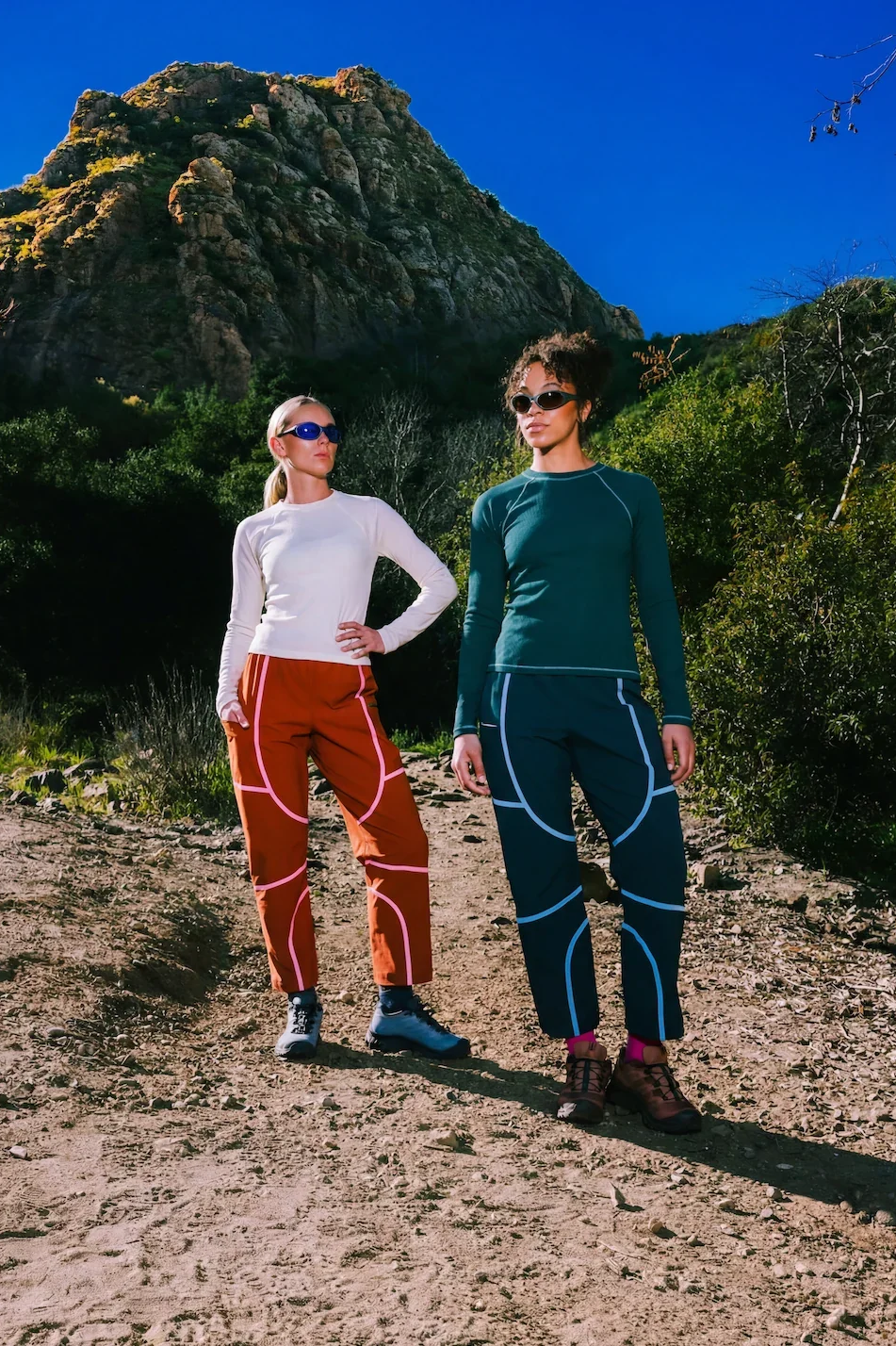
SENIQ has a rather sensible question for the outdoor industry: why should women have to dress in clothing that looks suspiciously like men's equipment with a smaller waist? Founded by women, with design expertise spanning ready-to-wear and activewear, the label is rethinking traditional outdoor staples around the way women actually move and dress.
Its Dirtpop Trek Jacket comes with detachable sleeves for indecisive weather, while the Tectonic trousers swap the usual pocket-heavy hiking aesthetic for a streamlined shape, adjustable hems and reflective detailing that manages to look deliberate rather than obligatory. Even the waterproof jackets are cut with a woman's proportions in mind. Functional, certainly, but with considerably more thought given to what happens between leaving the trail and arriving somewhere for lunch.
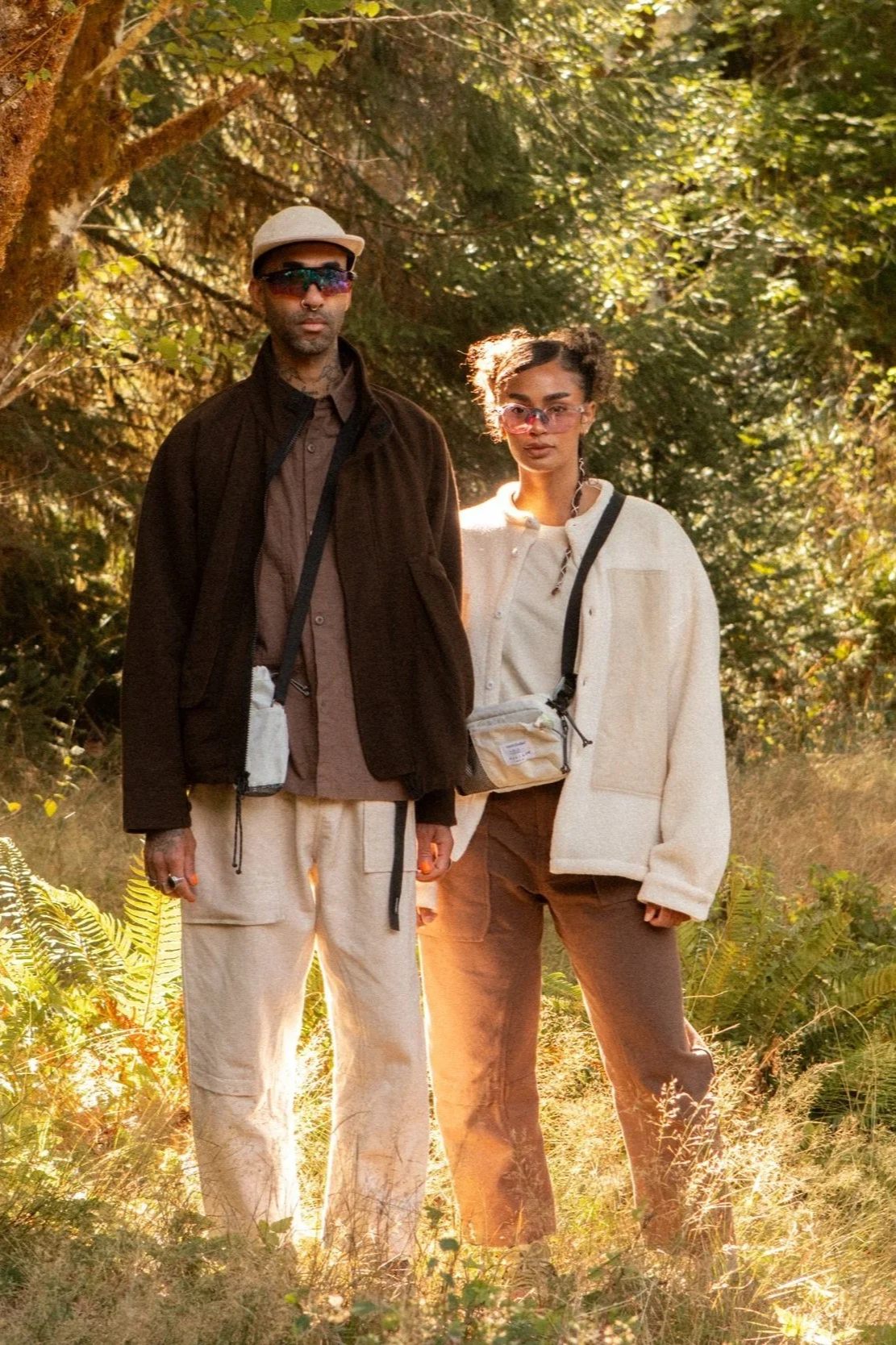
Not everyone heading outdoors has ambitions of scaling Everest. Some of us would happily settle for a beautiful walk and somewhere decent for lunch afterwards. Earth Studies understands the appeal. The Oregon-born label calls its approach Experimental Outdoorism, favouring curiosity over competition.
Founded by designer Rob Darmour, formerly of Nike Sportswear and Adidas, the brand takes inspiration from vintage space suits and military utility clothing. Oversized pockets, unusual panels and earthy colours give its collections a distinctive edge, while recycled and surplus fabrics keep things resourceful. A little NASA inspiration, minus the need for a space mission.
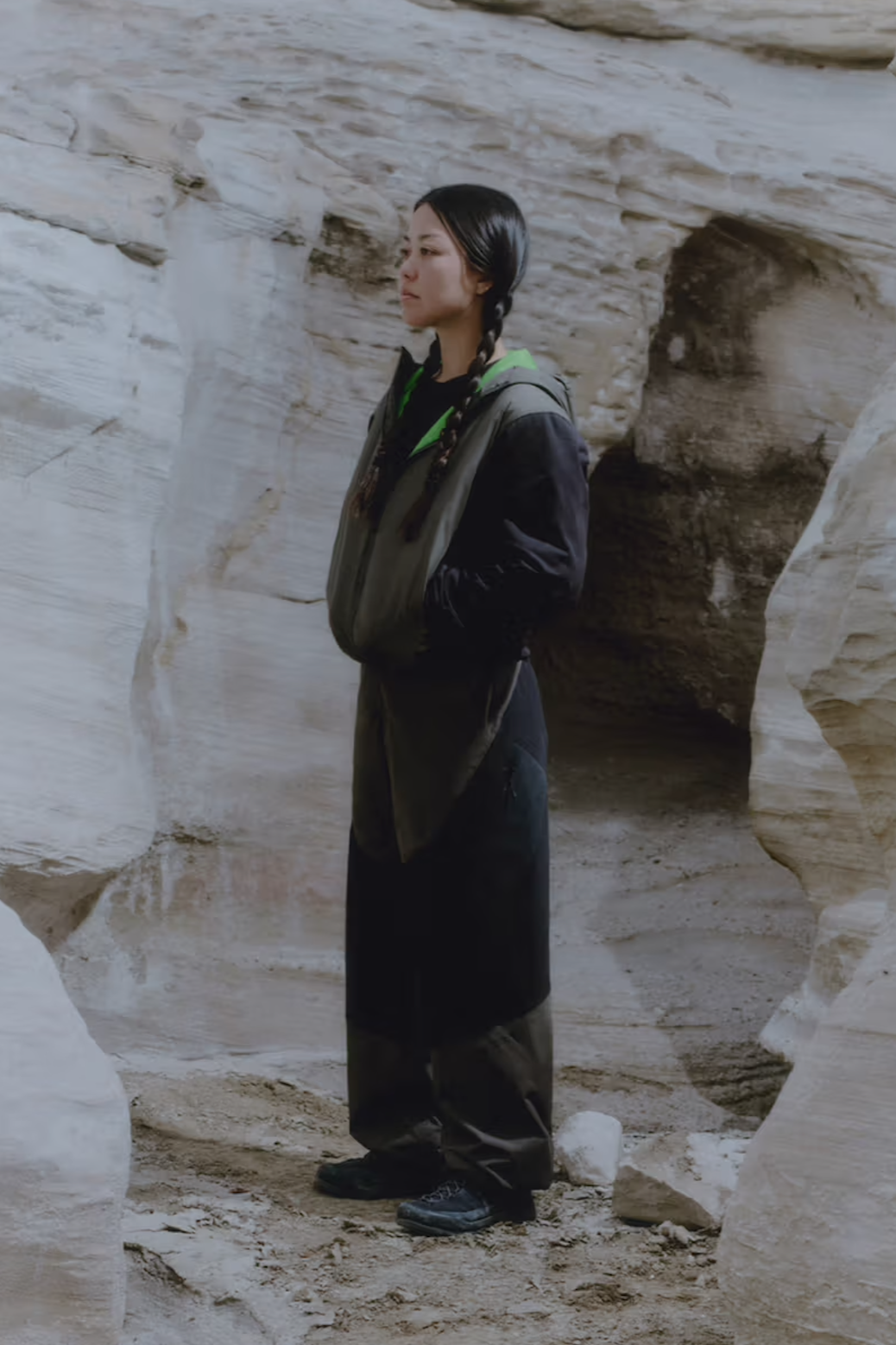
Once the preserve of serious mountaineers and people who genuinely understood the difference between various waterproof membranes, Arc'teryx has become one of fashion's most unlikely success stories. Its technical credentials remain impeccable, but its beautifully streamlined silhouettes have earned it a place in wardrobes where scaling a mountain isn't necessarily on the weekend agenda.
The Beta jacket illustrates the appeal: exceptionally clean lines, understated detailing and serious protection against the elements. Its Gore-Tex construction is there to do a job, while the design makes it considerably more desirable than the average raincoat. It's expensive, certainly, but for anyone who appreciates engineering as much as aesthetics, the appeal is easy to understand.