Why Is Your Hair Suddenly Everywhere? The Truth About Autumn Shedding
More hair in the shower, less in your ponytail? Autumn might have something to do with it.

Your hair's autumn disappearing act might have started months ago. Here's what's happening beneath the scalp and how to encourage healthy growth.
Your hairbrush is looking suspiciously full, the shower drain is putting in overtime, and you've started examining your ponytail with the sort of scrutiny normally reserved for a suspicious mole. Perhaps it's your hormones. Perhaps you're stressed. Perhaps that expensive shampoo wasn't quite the investment you thought it was. Or perhaps, rather inconveniently, it's simply October.
The trouble with losing more hair than usual is how quickly you become obsessed with counting it. A few strands on your jumper wouldn't ordinarily warrant a second thought, but suddenly you're retrieving clumps from the shower, inspecting your parting in unflattering bathroom lighting and wondering whether your hairline has always looked quite like that. Even your hairdresser's perfectly innocent observation that your hair feels a little finer can send you home with an entirely new set of insecurities.
Of course, once you've noticed it, you can't stop noticing it. Every wash becomes an opportunity to assess the damage, every brush stroke produces another small collection, and the prospect of washing your hair starts to feel rather less appealing. You might even find yourself putting it off for an extra day, despite knowing perfectly well that avoiding the shower isn't going to convince your follicles to hold on.
“Some of the hairs you’re finding in October may have been preparing to leave since July.”
Then comes the question of why. You're using the same shampoo, washing your hair as often as you always have and haven't suddenly developed a fondness for painfully tight ponytails. Yet the amount of hair you're leaving behind seems to be increasing by the week. It's tempting to blame the colder weather, although hair doesn't respond to the seasons quite as obviously as skin. What you're seeing now may have started months ago, long before you noticed anything unusual.
In fact, that timing may be the most revealing part of the whole business. Your follicles have been quietly cycling through periods of growth and rest throughout the summer, and some of the hairs you're finding in October may have been preparing to leave since July. There is a seasonal pattern to hair shedding in some people, but understanding what happens during those intervening months is the key to knowing whether to leave your hair alone, change your routine or look a little more closely at what's causing it.
Is Autumn Really Making Your Hair Fall Out?
Apparently, our hair has a calendar of its own. While we're busy worrying about sun damage, humidity and whether another week of swimming has ruined our colour, our follicles are getting on with their own seasonal business. By the time autumn arrives, some of those summer decisions are making themselves known in the shower. A rather delayed souvenir from your holiday.
Unlike animals that shed their coats with the seasons, human hair grows and falls out throughout the year. Each strand spends several years in its growing phase, known as anagen, before entering a short transitional stage and eventually telogen, the resting phase. Around two to three months later, the old hair is shed as the follicle moves towards its next growth cycle. Ordinarily, this means losing around 50 to 100 hairs a day, although anyone with long hair will know that 100 strands can look suspiciously like enough to make a small wig.
So why autumn? Research has found that a greater proportion of our hair follicles enter their resting phase during summer, with the resulting shedding appearing several months later. Those strands collecting in your brush in October may have stopped growing while you were still on holiday. Exactly why this happens isn't fully understood. Changes in daylight and seasonal biology are possible explanations, although unlike your dog's rather enthusiastic annual moult, the human version is considerably less predictable.
Unfortunately, this also means your ingenious plan to wash your hair less frequently isn't going to help. Those hairs have already reached the end of their growth cycle, whether they come away during shampooing, brushing or an absent-minded twirl around your finger. Leave it an extra few days between washes and you'll simply have more loose strands waiting for you. Hardly the result you were hoping for.
Of course, October can't take responsibility for every disappearing strand. Stress, illness, low iron levels and hormonal changes can also disrupt the hair cycle, often with a similar delay before shedding begins. Perimenopause can complicate matters further, with hormonal fluctuations affecting density as well as growth. Seasonal shedding generally settles on its own, whereas a progressively widening parting or noticeably thinner ponytail may have another explanation.
The reassuring part is that shedding doesn't necessarily mean your follicles have stopped producing hair. New strands are often already developing as the older ones make their exit, although at roughly a centimetre of growth a month, your ponytail won't be reclaiming its former glory overnight. Patience may be a virtue, but it's considerably more appealing when accompanied by a haircare routine that actually earns its place in the bathroom.
The Autumn Hair Rescue Plan
By now, you might be wondering whether there's anything you can actually do about the annual exodus from your scalp. The answer depends on what you're trying to achieve. Hair that's already reached the end of its growth cycle is going to shed, regardless of how lovingly you treat it. But looking after the follicles responsible for the next generation of hair, while keeping your existing lengths in good condition, is a much more worthwhile exercise. Particularly if you'd prefer your ponytail to emerge from autumn looking reasonably intact.
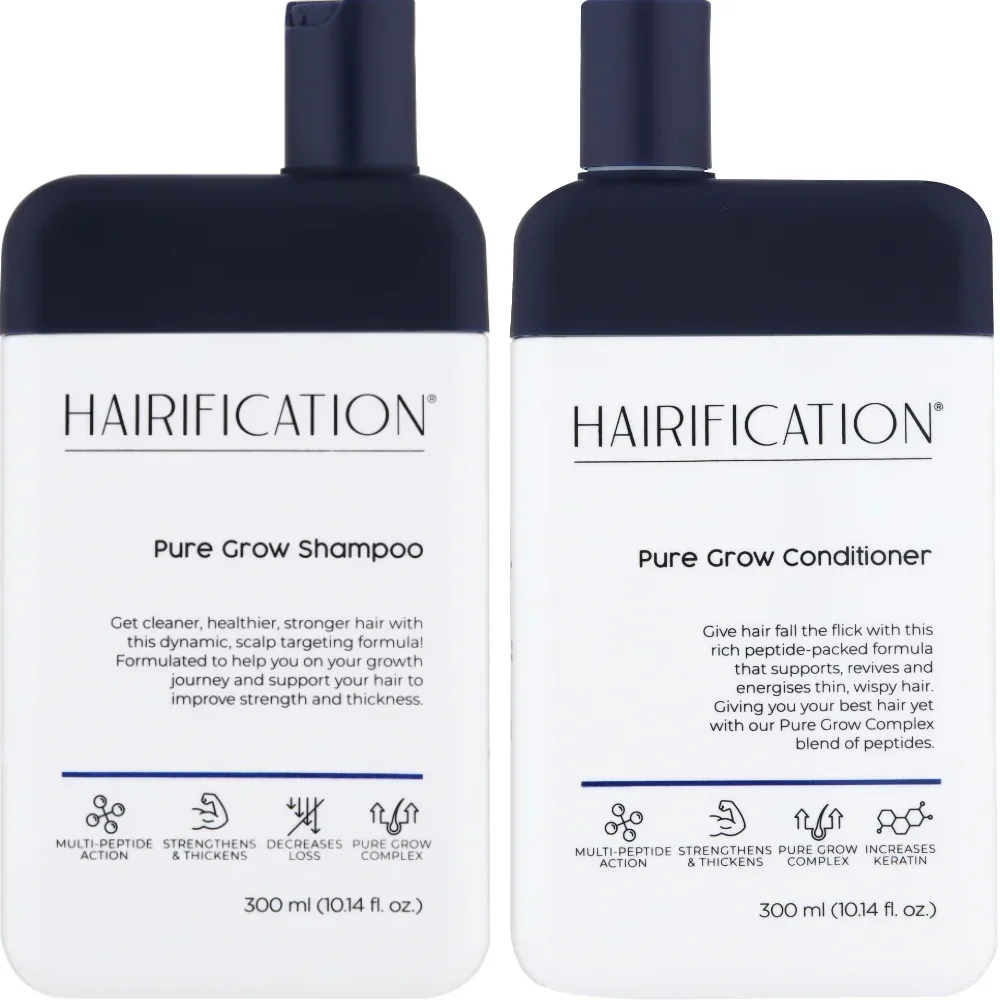
Keep washing your hair. It might feel counterproductive when half your hair appears to be collecting around the plughole, but those strands were ready to fall out anyway. Skipping shampoo won't save them. Hairification's Pure Grow Shampoo & Conditioner (£14.99 each) brings considerably more ambition to wash day than simply getting your hair clean. The growth-focused formulas combine peptides, plant proteins, caffeine-rich coffee extract, niacinamide and ginseng, ingredients selected to support stronger, fuller-looking hair. The conditioner adds vitamin B5 and glycerin to boost hydration, soften the lengths and help prevent the tangles that lead to breakage. Leave it on for a couple of minutes while you contemplate how much hair is currently decorating the shower floor.
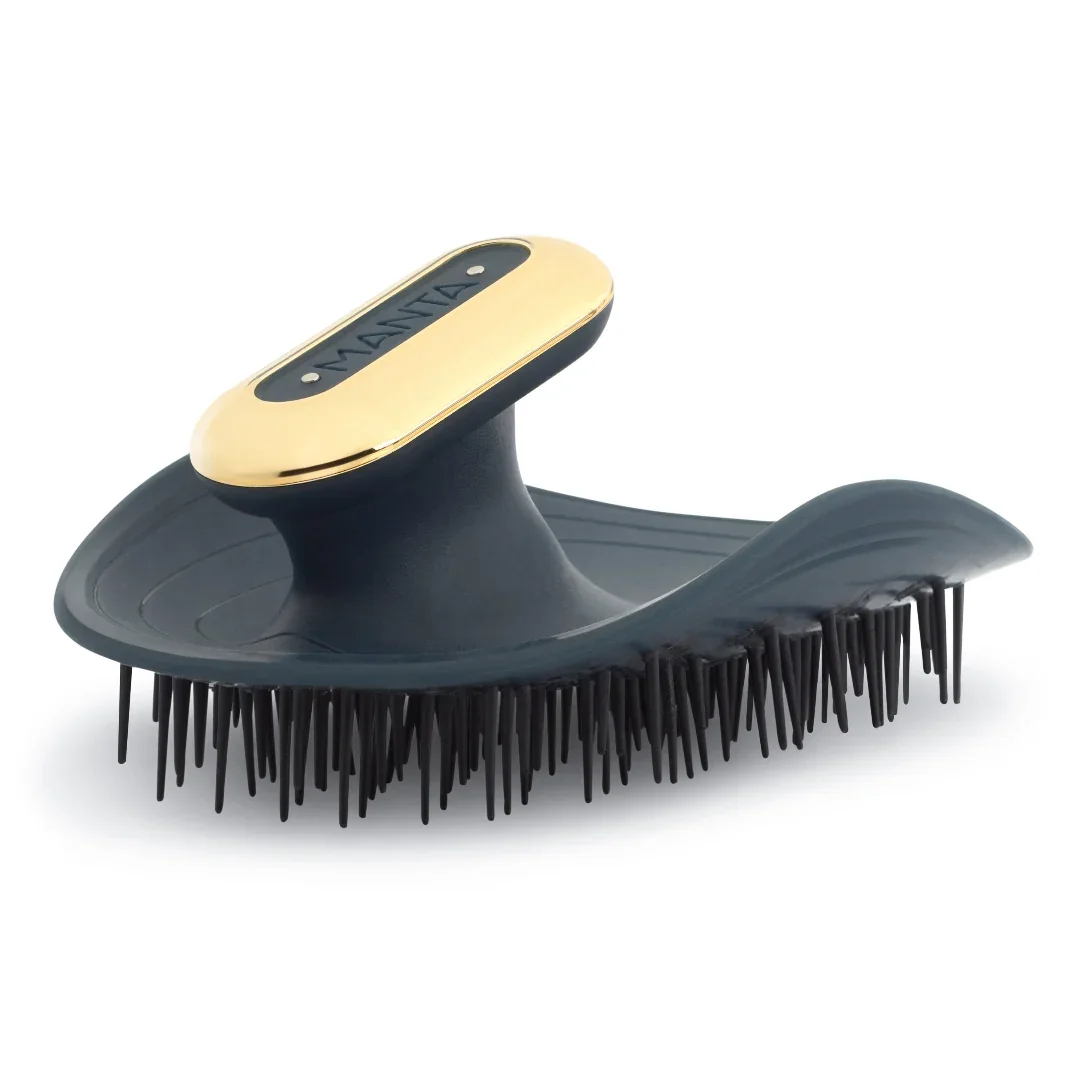
Be a little kinder with the brush. When you're already shedding, there's no need to give your hair another reason to abandon ship. Manta's Pulse Hairbrush (£70) has flexible bristles that move independently, gently working through tangles without the pulling associated with more rigid brushes. Its vibrating Pulse technology adds a scalp massage designed to encourage circulation, making an ordinary brushing session feel rather closer to a salon treatment. Use it gently on wet or dry hair; the aim is to protect delicate strands, not launch a vigorous scalp workout.
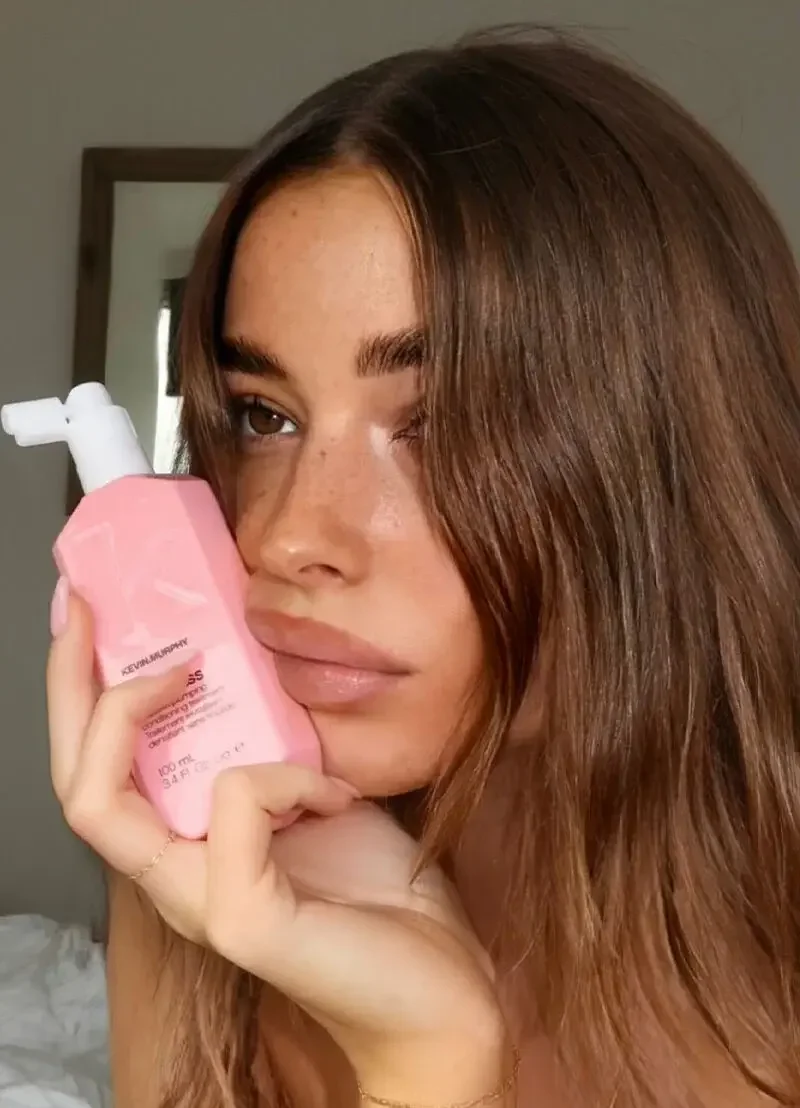
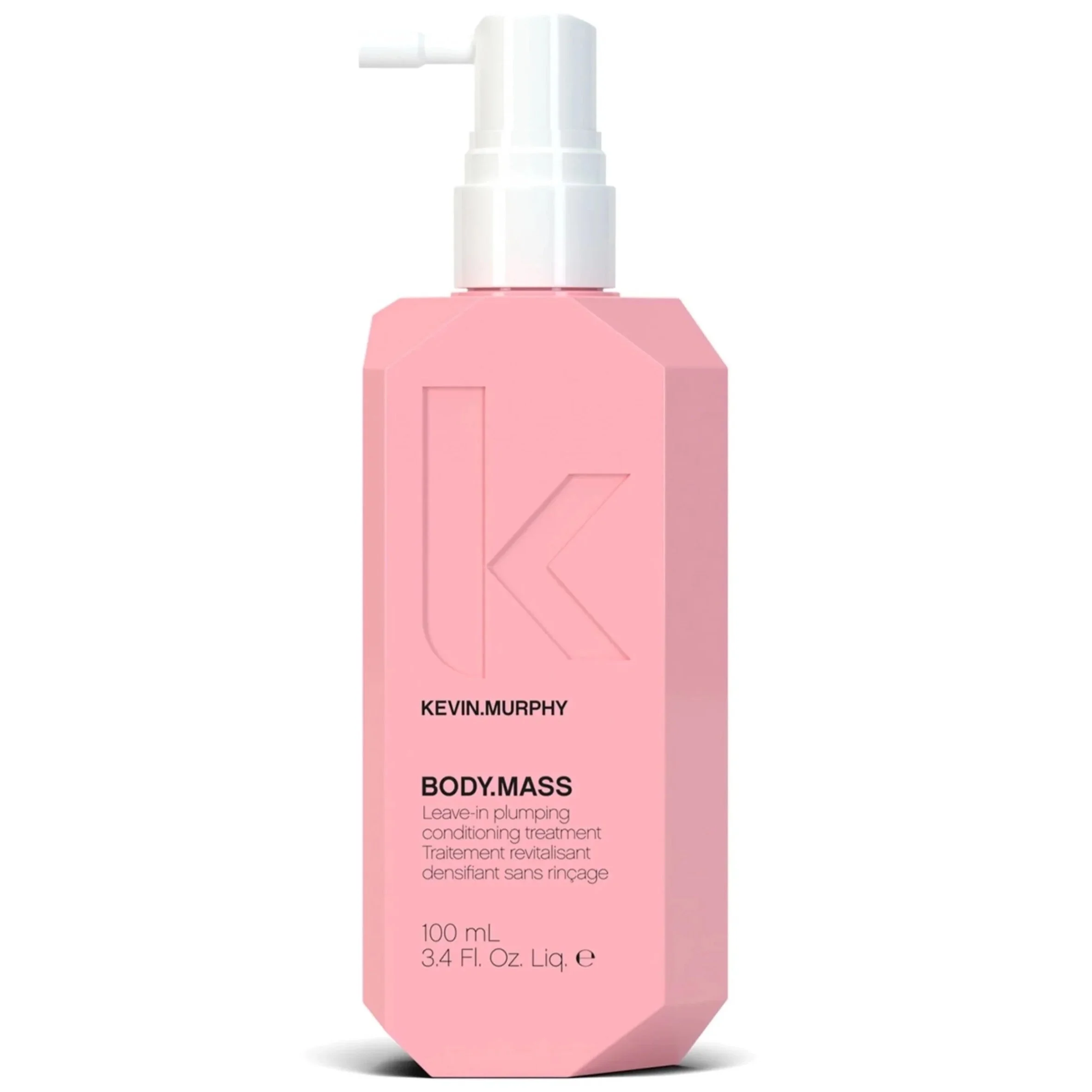
Give your hair an immediate advantage. Growing thicker hair takes time, but that doesn't mean your ponytail has to spend the next six months looking disappointed. Kevin Murphy's BODY.MASS Leave-In Treatment (£41) combines peptides and plant proteins with ingredients developed for thinning hair, helping strands feel stronger while creating the appearance of greater thickness. It's part treatment, part clever styling assistance, giving fine hair a little more substance without demanding a complicated routine. Apply to towel-dried hair before styling, particularly around the roots where a little extra body makes the biggest difference.
Put your evenings to better use. CurrentBody's LED Hair Growth Helmet (£649.99) may not be the most glamorous thing you'll wear this year, but fortunately nobody needs to see you in it. Ten minutes reading in bed or catching up on a series is all the time required for a session. Its red-light technology is designed to support follicular activity and encourage hair density, with brand-commissioned testing reporting a 26% improvement in density after 84 days. At around £650, it's a considerable investment, and the stronger evidence relates to pattern hair loss rather than temporary seasonal shedding. Still, for women noticing ongoing thinning, the prospect of doing something useful for their hair while watching television has obvious appeal. Use it on a clean, dry, product-free scalp.
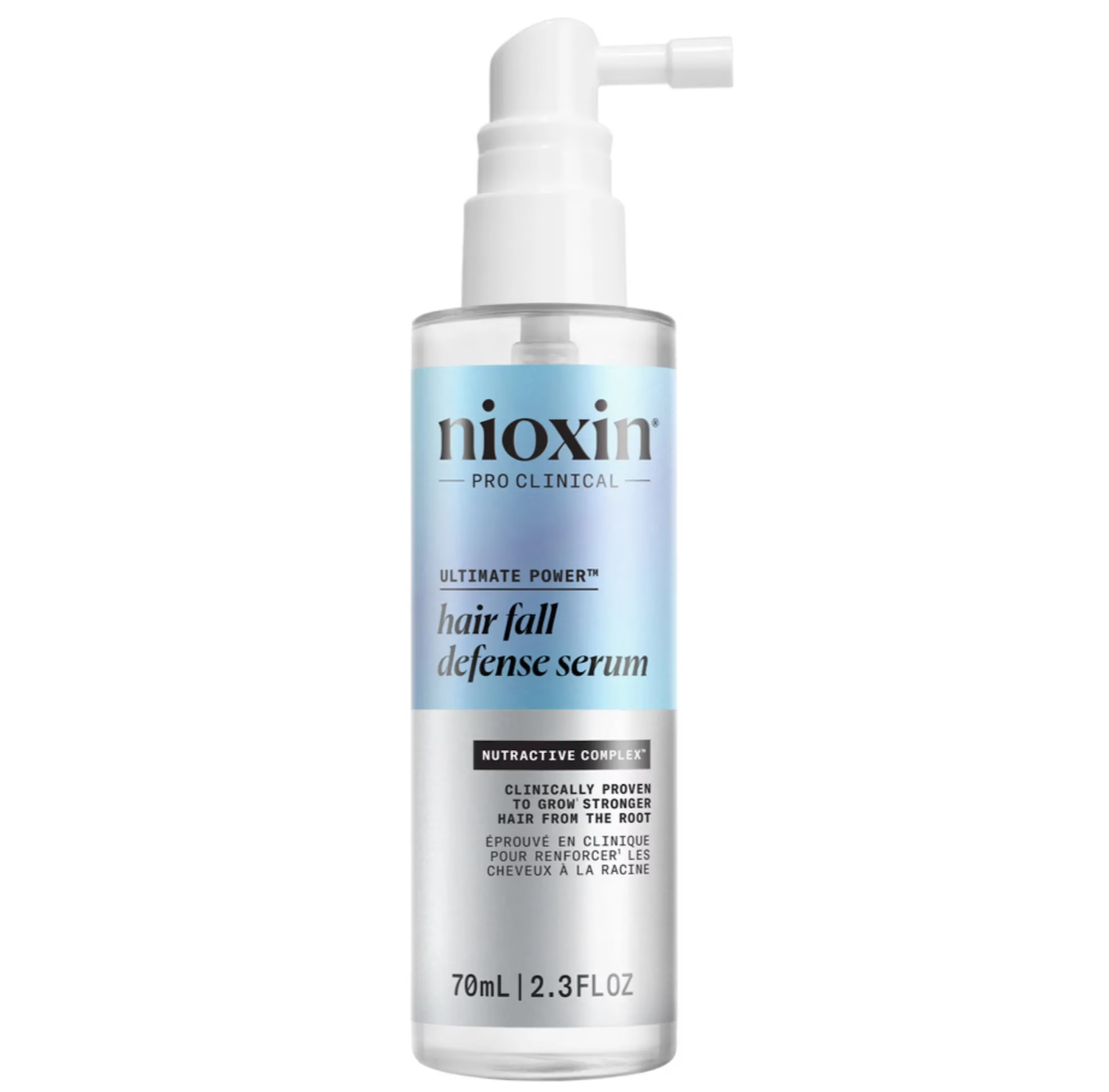
Give your follicles a little encouragement. Once you've finished your light therapy, Nioxin's Hair Fall Defense Serum (£57.50) can take over. Formulated with caffeine, niacinamide and Sandalore, it targets hair anchorage to help reduce excessive hair fall. In the brand's eight-week study involving 120 participants, 93% reported noticing less hair in their brush. Not a bad statistic when yours has recently started resembling a particularly neglected pet. Apply it directly to the scalp every day, rather than waiting until the next alarming wash day reminds you that you own it. Hair-growth routines reward consistency far more generously than occasional panic.
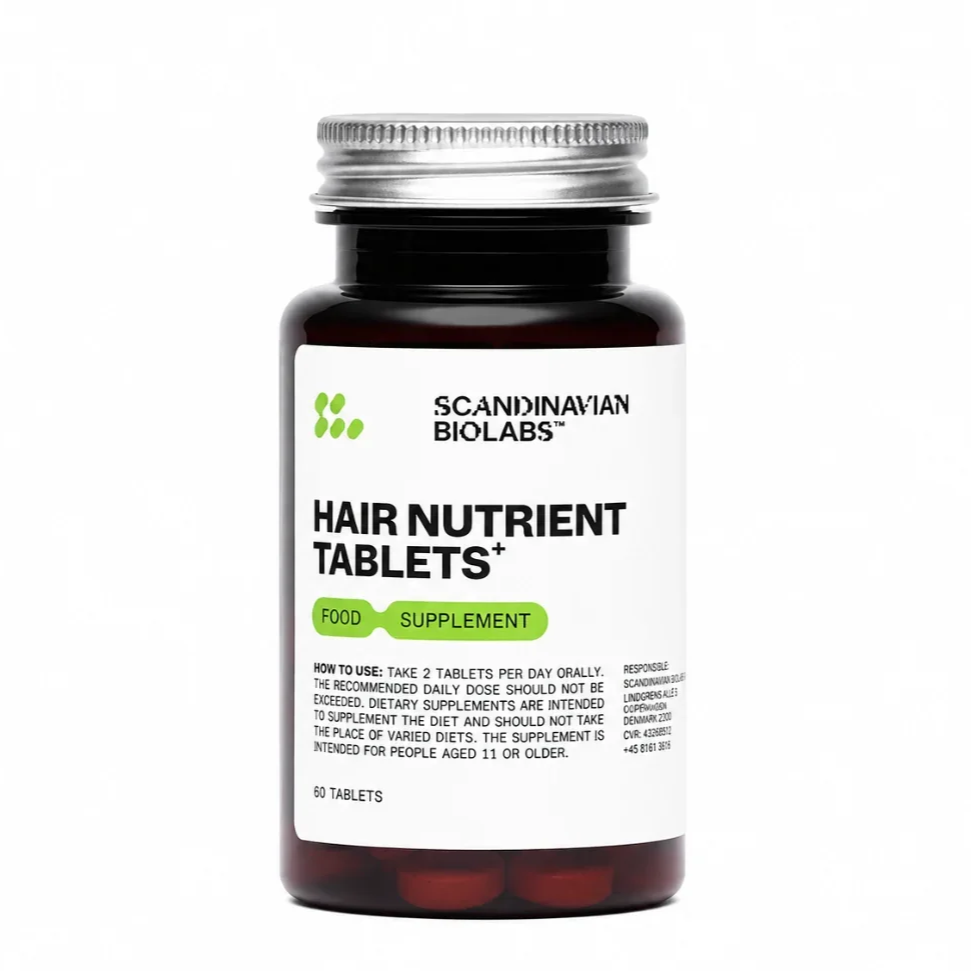
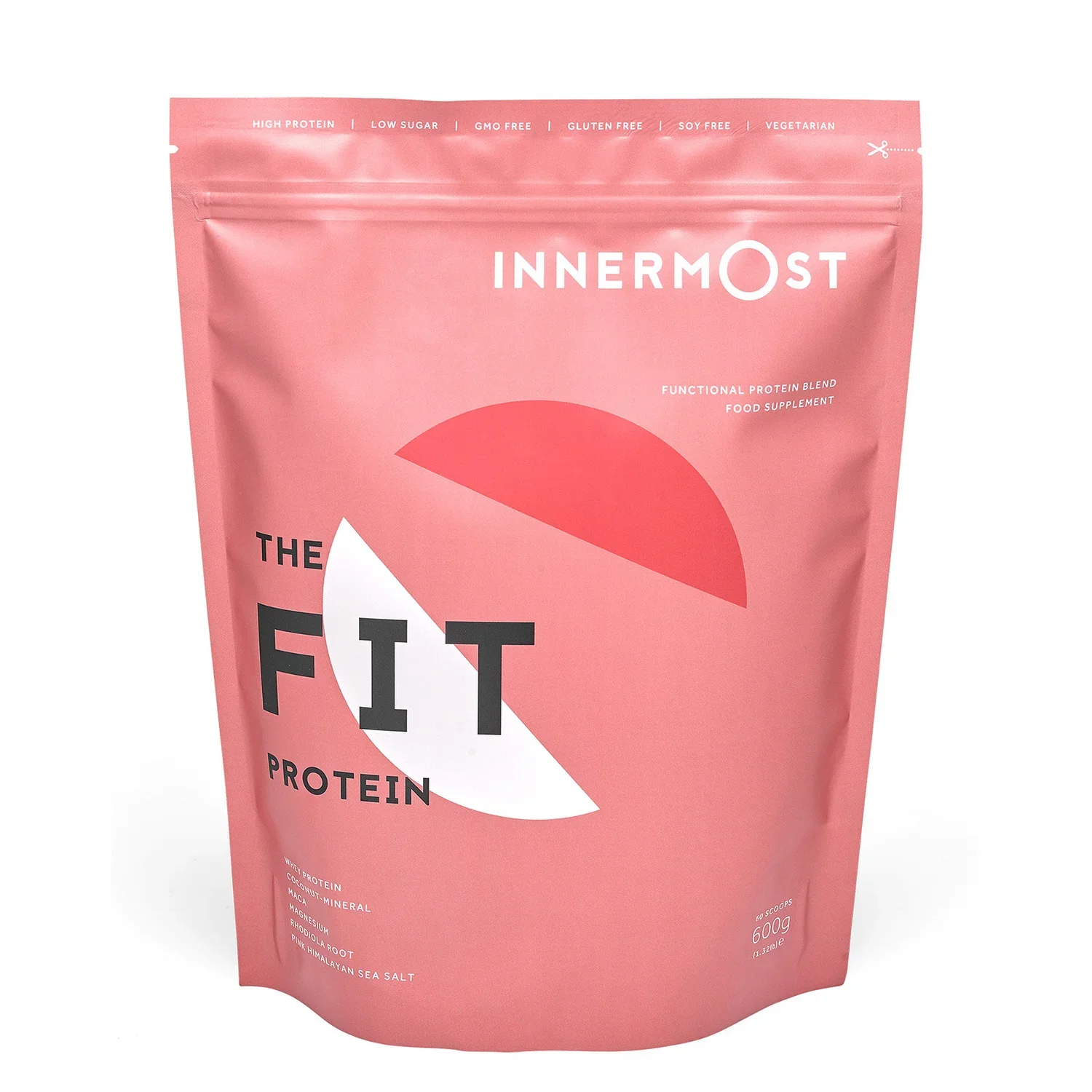
Remember that hair needs feeding, too. You can spend a small fortune treating your scalp, but your follicles still need the raw materials to produce healthy hair. Protein is essential for keratin production, while iron, zinc and B vitamins support normal hair health. Vegetarians and vegans may need to pay particular attention to protein, iron and vitamin B12, especially if their diets have become a little repetitive. Scandinavian Biolabs' Hair Nutrient Tablets (£45) combine zinc, B vitamins and amino acids involved in hair structure, offering a convenient way to supplement certain nutrients. For anyone struggling to eat enough protein, Innermost's The Fit Protein (£29.95) delivers 31g of plant-based protein from peas and brown rice per serving, making it an easy addition to breakfast or a post-workout routine. Neither is a shortcut to faster growth if you're already getting everything you need, but correcting nutritional shortfalls is far more useful than throwing another expensive serum at the problem.

Finally, resist the temptation to measure your progress by what comes out in the shower each morning. Seasonal shedding may continue for several weeks before settling, and new growth takes considerably longer to become visible. At roughly a centimetre a month, your hair is unlikely to stage a spectacular comeback by Christmas. But maintaining a healthy scalp, protecting fragile lengths and making sure your follicles have the nutrients they need will put you in a better position as your hair moves through its next growth cycle. October can have its shedding season. There's no need to give it the rest of the year.