When postpartum depletion collides with hormonal change, the hair often shows it first.
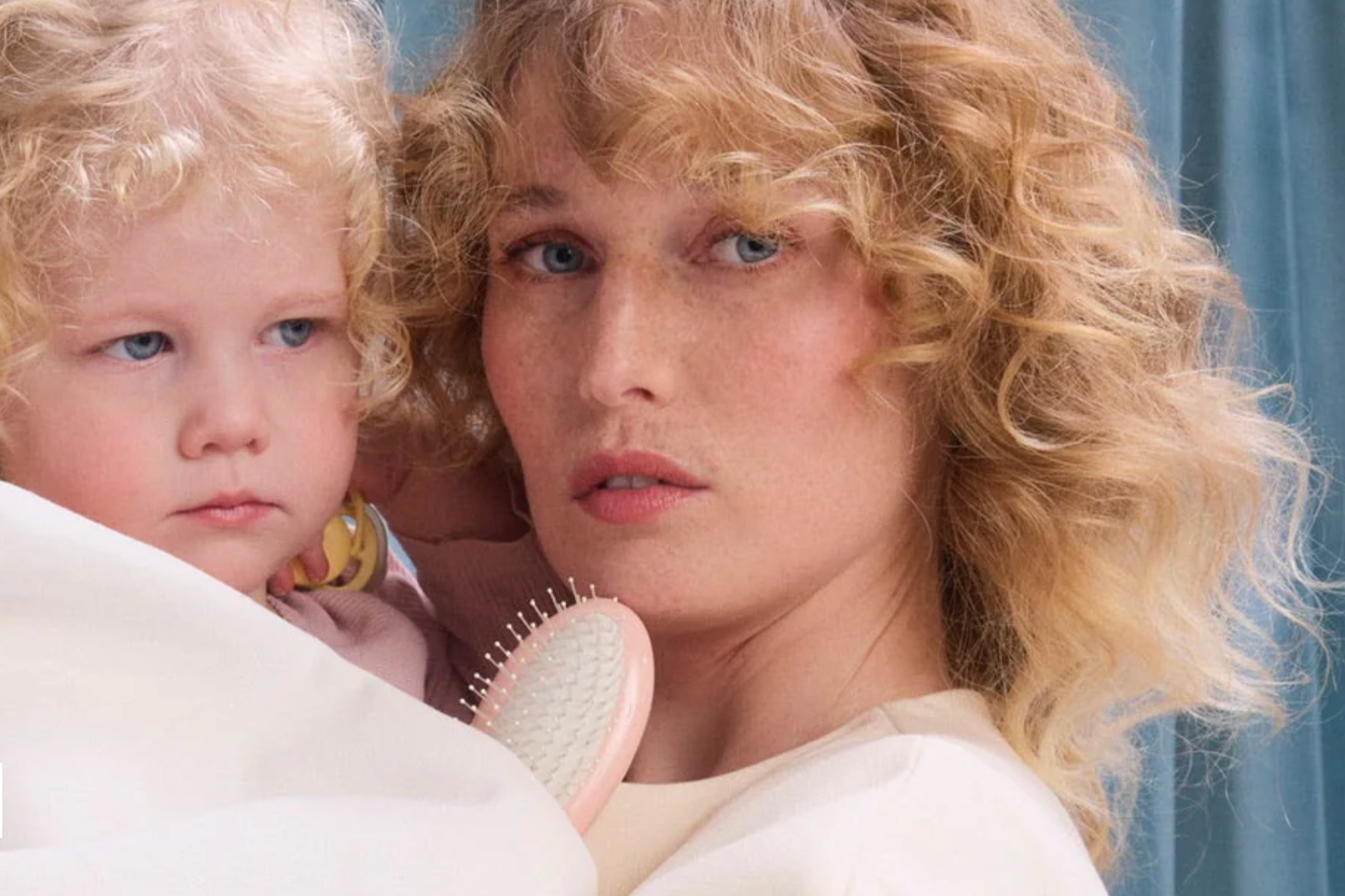
You know when you catch sight of the back of your hair in a changing-room mirror and think: when did it start looking like that? Thinner at the ends. Flatter at the crown. Somehow both dry and greasy at the same time. Or when your hairdresser casually says “we’ve lost a bit of density here” and you spend the next three weeks analysing your parting in every bathroom mirror you pass.
Most women in their thirties and forties tend to blame these changes entirely on having babies. Postpartum shedding. Regrowth. Stress. Broken sleep. The kind of physical depletion that comes with spending years giving everything to everyone else while your own body quietly runs on empty. But because many women are now having families later, those years are increasingly colliding with the early hormonal changes of perimenopause too — creating a kind of double whammy where the hair barely seems to recover before the next fluctuation arrives.
The frustrating part is that hormonal hair changes don’t always look the way people expect them to. For many women, it’s less about dramatic hair loss and more about texture becoming rougher, roots collapsing within hours, increased breakage around the front, dullness, excess shedding in the shower, or hair that suddenly refuses to hold style the way it once did. Suddenly the products that used to work brilliantly don’t seem to touch the sides, and the expensive “volume” shampoo you panic-bought mostly just leaves you with static and disappointment.
Part of the problem is that women are still being sold hair advice as though the issue is purely cosmetic. Buy the gloss spray. Use the mask. Sleep in the silk bonnet. But if your hormones are fluctuating, your stress levels are permanently elevated and your body is running on caffeine and interrupted sleep, no expensive shampoo is going to magically recreate the hair you had at 27.
“Women are now having babies in the same years they’re entering perimenopause — and the hair often never fully gets the chance to recover in between.”
Hair is deeply tied to hormones — particularly oestrogen, which helps keep strands in their growth phase for longer. When levels begin fluctuating, whether postpartum or during perimenopause, that cycle becomes far less predictable. Hair sheds more easily, regrows more slowly and often comes back finer in texture. Which is why so many women suddenly find themselves dealing with flatter roots, increased scalp visibility or hair that seems incapable of holding style for more than an hour.
Stress makes things worse. Cortisol can push hair follicles into a premature resting phase, while chronic inflammation, nutrient depletion and poor sleep all affect the scalp environment too. And increasingly, trichologists are pointing out that many women don’t actually notice the change first in the amount of hair they lose — they notice it in how the hair behaves. Texture changes. Dry ends paired with greasy roots. Hair that once air-dried beautifully suddenly turning fluffy, frizzy or strangely coarse.
There’s also the fact that hair is non-essential tissue from the body’s perspective. If iron levels are low, protein intake is poor or the body is under prolonged stress, the hair is one of the first things to suffer — which helps explain why periods of burnout, postpartum depletion or hormonal upheaval so often show up there first.
The Haircare Rethink
The encouraging part is that haircare is finally becoming more intelligent. Rather than simply promising shine or volume, many newer products are focusing on the scalp environment itself — supporting circulation, minimising inflammation, protecting fragile strands and helping create healthier conditions for stronger regrowth over time.
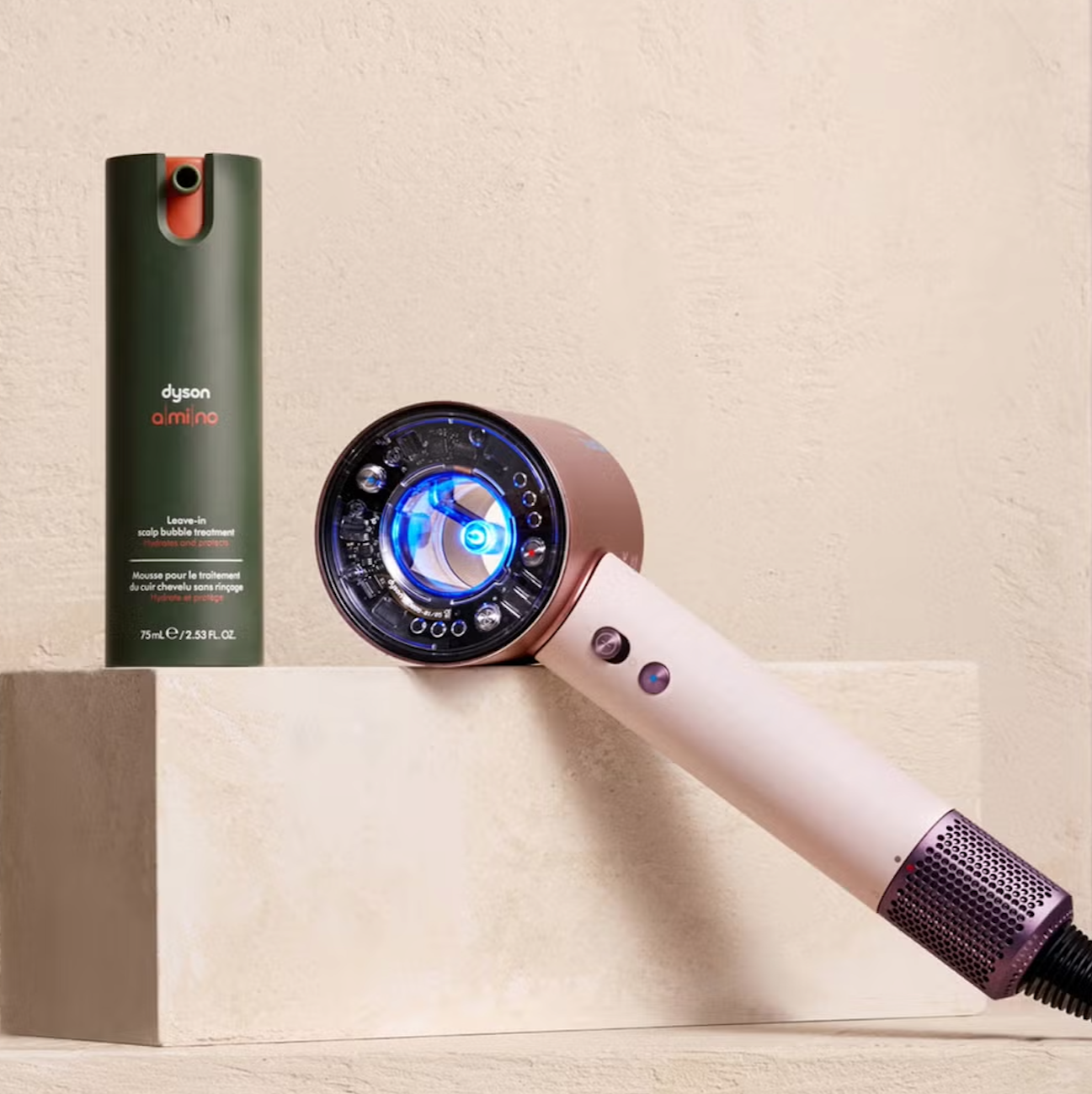
There’s also a strong argument for looking more critically at the tools we’re using on already vulnerable hair. The Dyson Supersonic Nural Hair Dryer (£399.99) feels particularly relevant for hormonally fragile hair because it focuses not just on styling, but scalp protection too. Using sensors that automatically reduce temperature as the dryer gets closer to the scalp, it’s designed to minimise excessive heat exposure — something increasingly important for women dealing with shedding, sensitivity, breakage or finer regrowth.
That same thinking runs through Dyson’s Amino leave-in scalp bubble treatment (£46), which focuses on the scalp microbiome and barrier function rather than density specifically. It’s designed more for maintaining overall scalp balance — helping calm the kind of irritation, oiliness, dryness and buildup that can quietly affect hair quality over time, particularly during periods of hormonal fluctuation or stress.
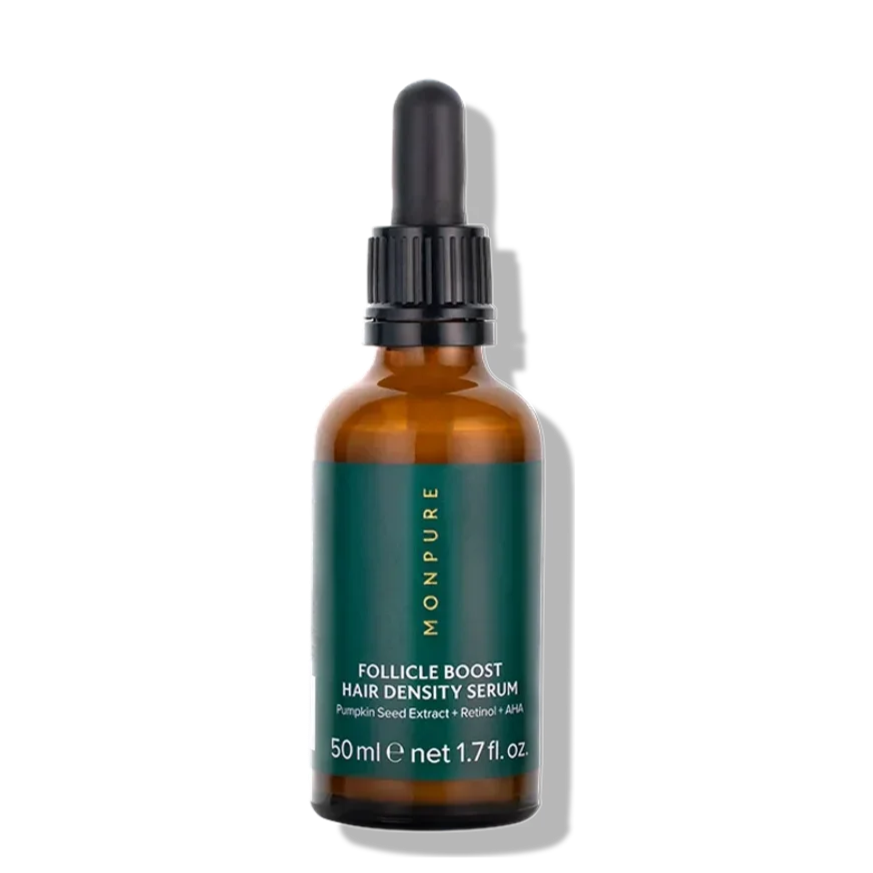
For women dealing with more obvious thinning or loss of density, however, treatments are becoming far more targeted. Monpure’s Follicle Boost Hair Density Serum (£83) takes a more trichology-led approach, focusing specifically on follicle health and supporting stronger regrowth over time. Rather than simply creating a healthier scalp environment generally, it’s aimed more directly at hair that genuinely feels weaker, sparser or slower to recover than it once was.
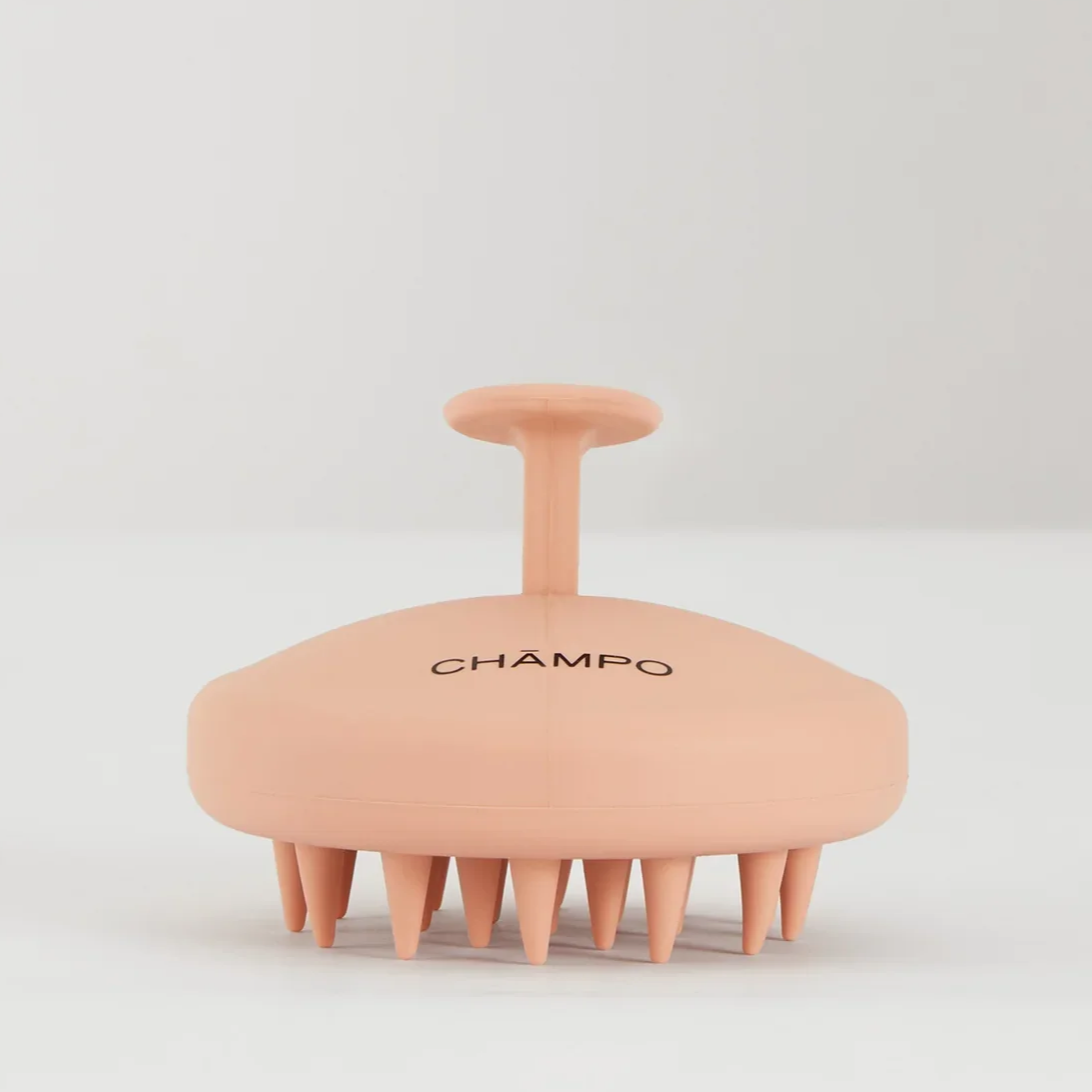
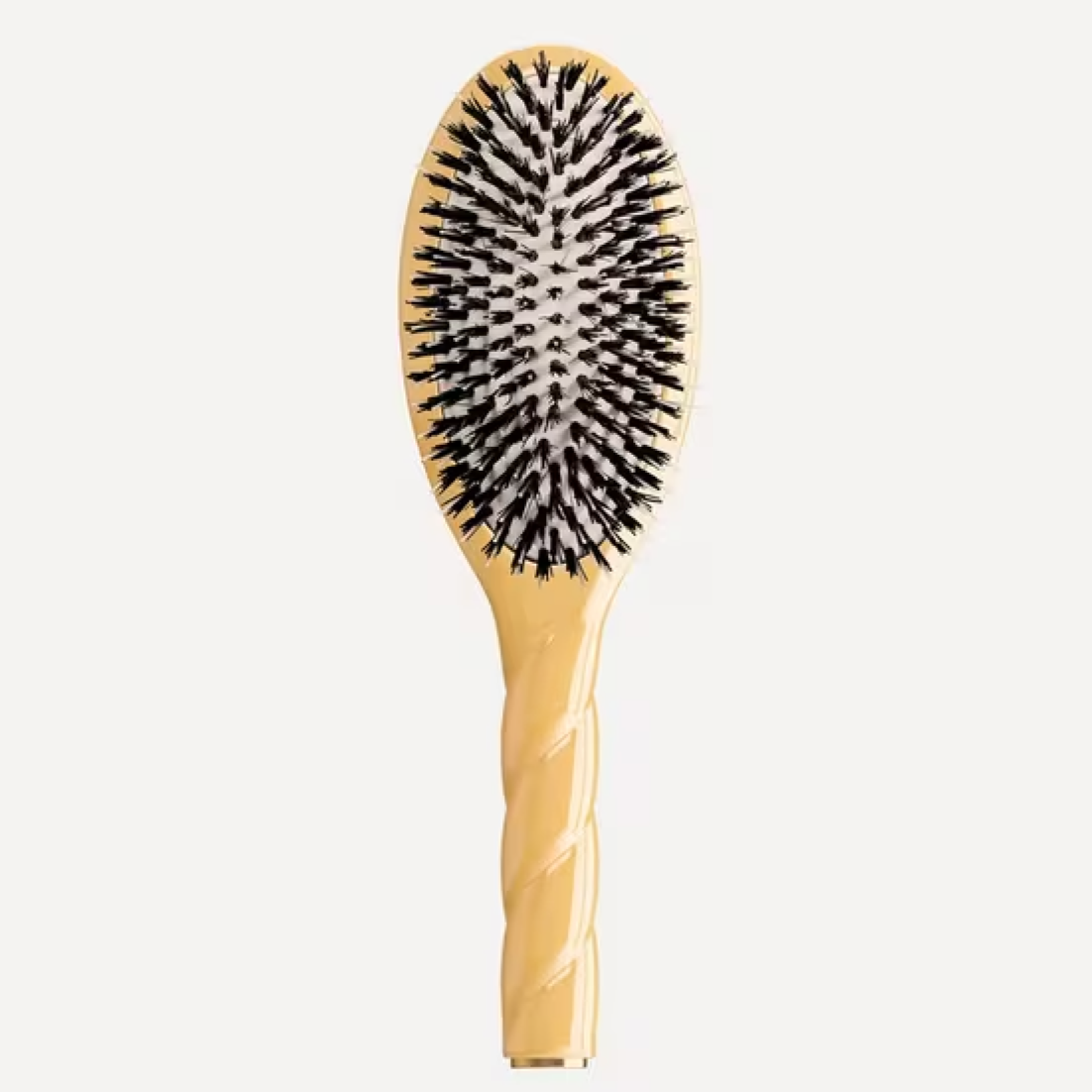
That growing focus on scalp health is also changing the way people approach everyday haircare rituals. Champo’s scalp massager (£16.50) is designed to gently stimulate circulation and loosen buildup during washing, turning shampooing into something more treatment-focused rather than a rushed practical necessity. Even hairbrushes are evolving. La Bonne Brosse has developed something of a cult following among beauty editors thanks to its flexible bristles and scalp-focused design, helping minimise breakage while feeling noticeably gentler on fragile hair and sensitive scalps.
Then there’s the immediate side of things — because while healthier regrowth takes time, most people also want their hair to look fuller, softer and more alive now. This is where newer volumising formulas are becoming far more sophisticated than the crunchy mousse era many of us still associate with “thickening” products.
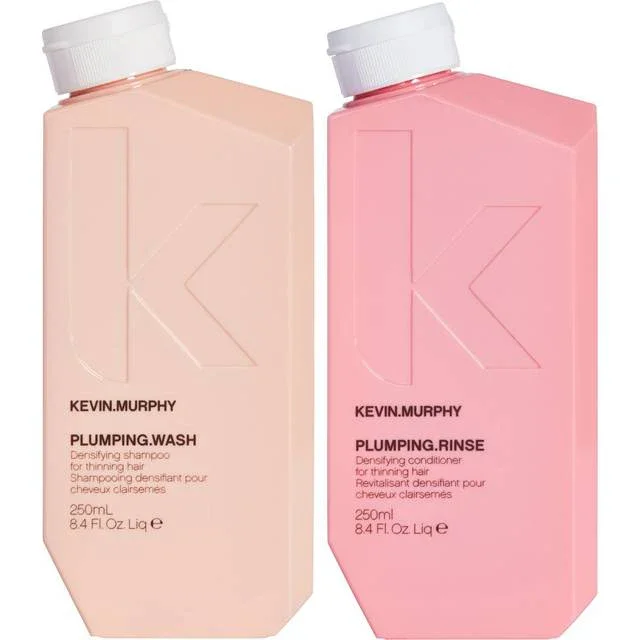
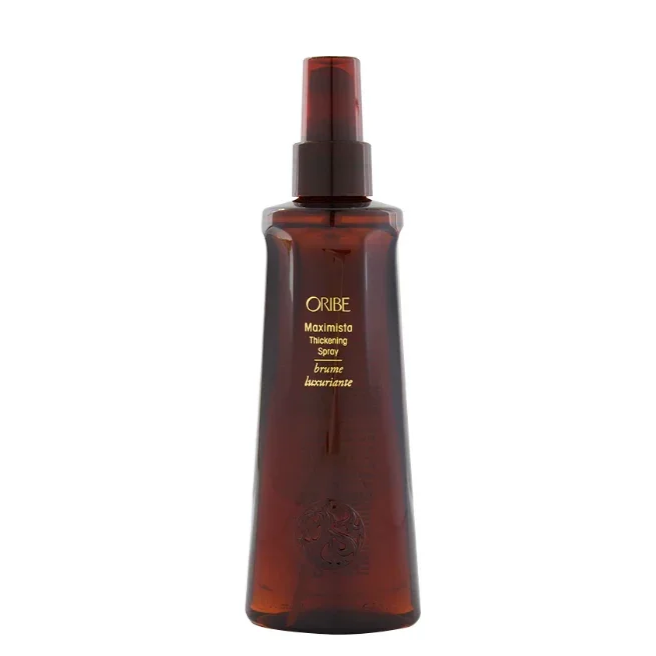
Kevin Murphy’s Plumping Wash and Rinse (from £33) work particularly well for hair that has become finer or flatter through hormonal changes, creating more body without leaving the hair coated or heavy. And for styling, Oribe Maximista Thickening Spray (£39) has become a beauty-editor favourite for creating fuller-looking hair without stiffness — adding lift and movement while still leaving the hair soft and touchable.
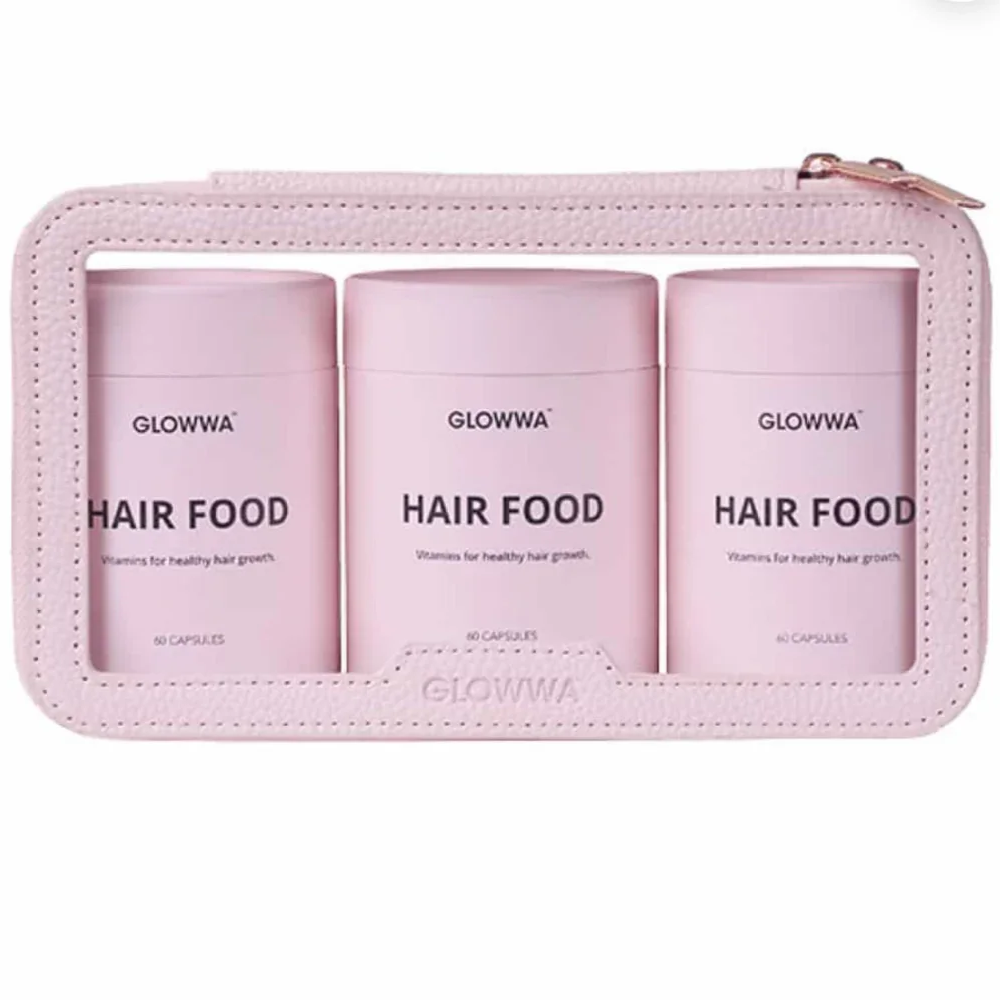
And while no supplement can single-handedly undo chronic stress, hormonal upheaval or years of sleep deprivation, the explosion of ingestible beauty reflects a growing understanding that hair health is rarely just surface-level. Glowwa’s Hair Food (from £41.99) focuses on nutrients associated with stronger hair growth and follicle support, including biotin, zinc, selenium and marine collagen — particularly useful during periods where the body is under increased physical or hormonal stress and the hair is often one of the first places it shows.
Because perhaps the biggest change happening in haircare right now is the understanding that hormonally changing hair doesn’t just need better styling. It needs support. And for many women, that feels like a far more useful conversation than simply being told to buy another shine spray and hope for the best.