Warmth, Bottled: The Simple Tweaks That Transform a Home in Winter
Because winter asks for softness — not sacrifice — and the smallest shifts can change the whole temperature of a room.

Winter does strange things to a home. One minute it’s your serene, softly curated space; the next it’s a drafty maze of cold corners, harsh lighting, and rooms that suddenly feel two sizes bigger than they did in October. It’s not that anything is wrong — it’s just that winter light has a way of revealing what summer effortlessly conceals. The textures that felt breezy in June suddenly read as bare. The lighting that looked clean now feels clinical. And the houseplants? They’re in their flop era.
But the good news — and there is good news — is that warmth isn’t something you have to chase with the thermostat. In genuinely well-designed homes, warmth is a composition: a shift in texture, a softening of light, a re-balancing of scent, a tiny tweak to how a room is arranged. Think of it as the sensory version of layering your wardrobe: considered rather than cluttered, atmospheric rather than busy, and unmistakably intentional.
So this is the Winter Home Edit the design world actually swears by: the small, clever upgrades — the kind Scandinavian designers consider non-negotiable — that make a home feel not only warmer, but more alive in the colder months. No rustic clichés, no heavy hygge cosplay. Just elevated, quietly luxurious tweaks that work in real homes with real families.
Shift the Light, Shift the Mood
Nothing transforms a room faster than changing the temperature of your lighting. Winter light is naturally blue-toned, which is why overly bright bulbs and ceiling spots suddenly feel interrogative. Swap harsh white bulbs for warmer LEDs and layer your lighting the way Audo Copenhagen intended: low lamps, soft pools of glow, and a deliberate avoidance of the “big light.”
Look for lamps that diffuse light through opal glass or fabric shades — &Tradition Formakami, HAY Arcs, Audo Copenhagen Torso or JWDA — designs that glow rather than glare. A room becomes instantly warmer when light hits objects sideways, not from above.
Textiles That Act Like Insulation (Without Looking Like It)
Scandi homes aren’t inherently warm — they’re just smart about their materials. The quickest way to raise the visual temperature of a room is to shift textures: linen to wool, cotton to boucle, smooth to tactile.
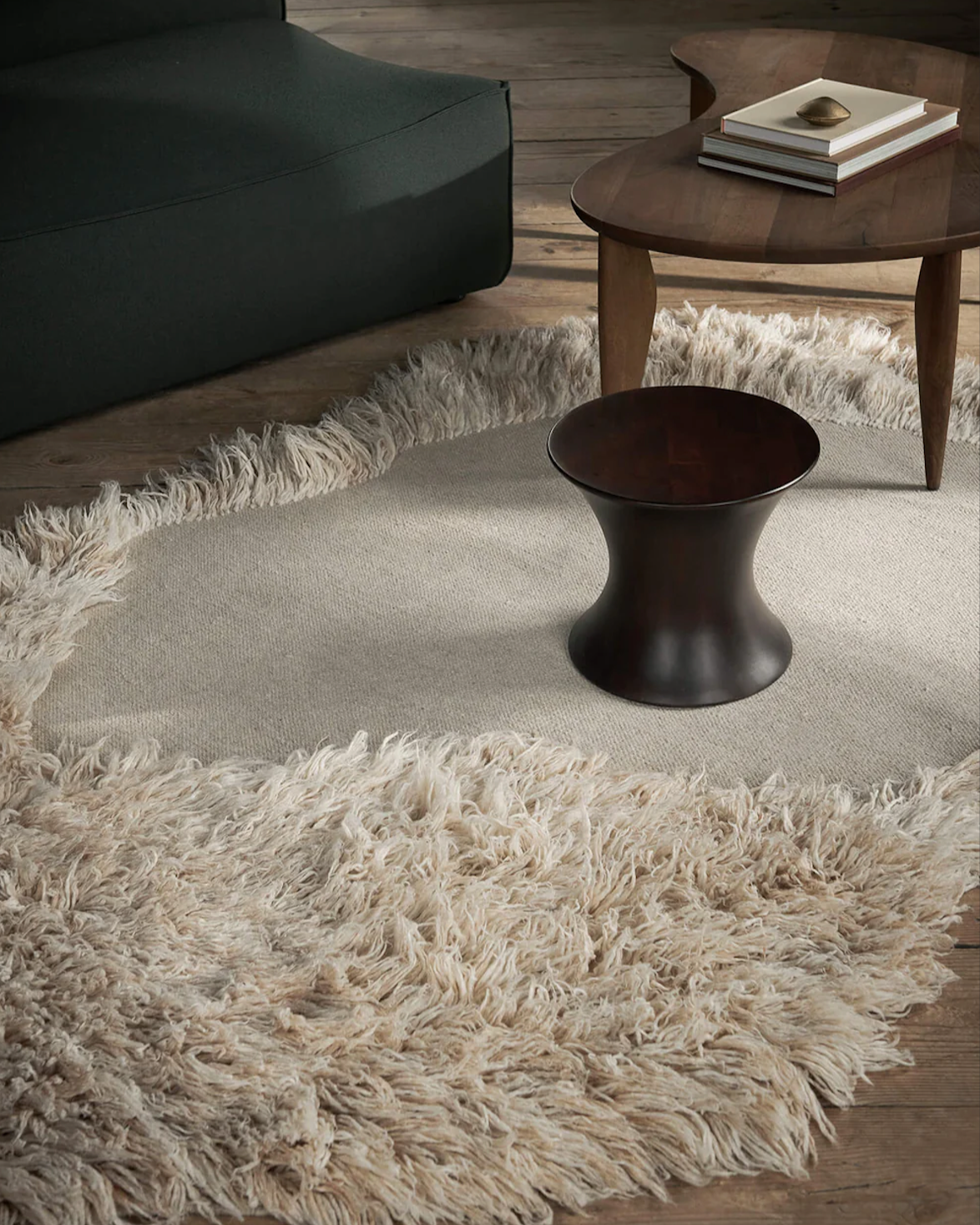
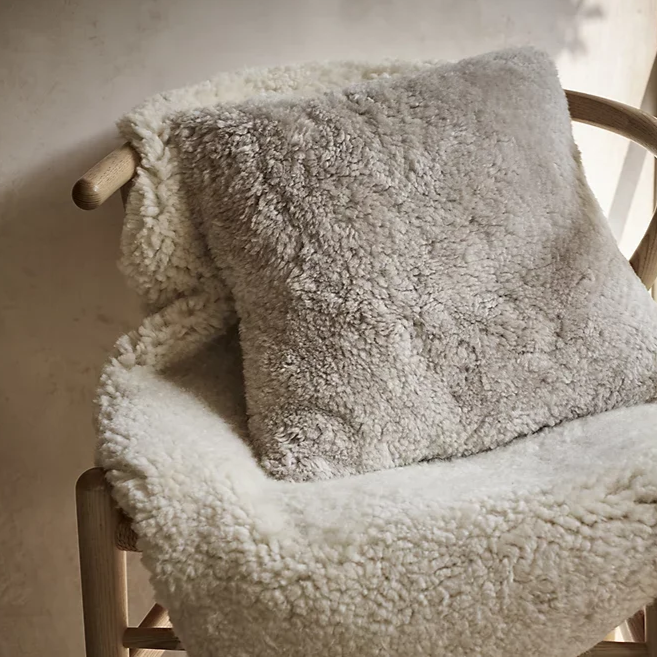
Drape a Tekla wool throw where your summer linen used to live. Layer a Layer a Ferm Living Shaggy Rug under the sofa area to break up stretches of cold floor. Add a tactile cushion or two — perhaps a soft sheepskin cushion from The White Company or a textured boucle design from Kristina Dam Studio for that quiet hit of luxury.
This isn’t clutter. This is seasonal dressing for your home.
Small Rituals, Big Atmosphere
Some homes simply feel warmer because they’re lived in with intention. Not mess, not clutter — but signs of life arranged with quiet precision. A stack of magazines you actually read. A favourite mug waiting near the kettle. A robe that looks like it belongs to a calmer, better-rested version of you. These tiny cues tell your brain: slow down, you’re home.
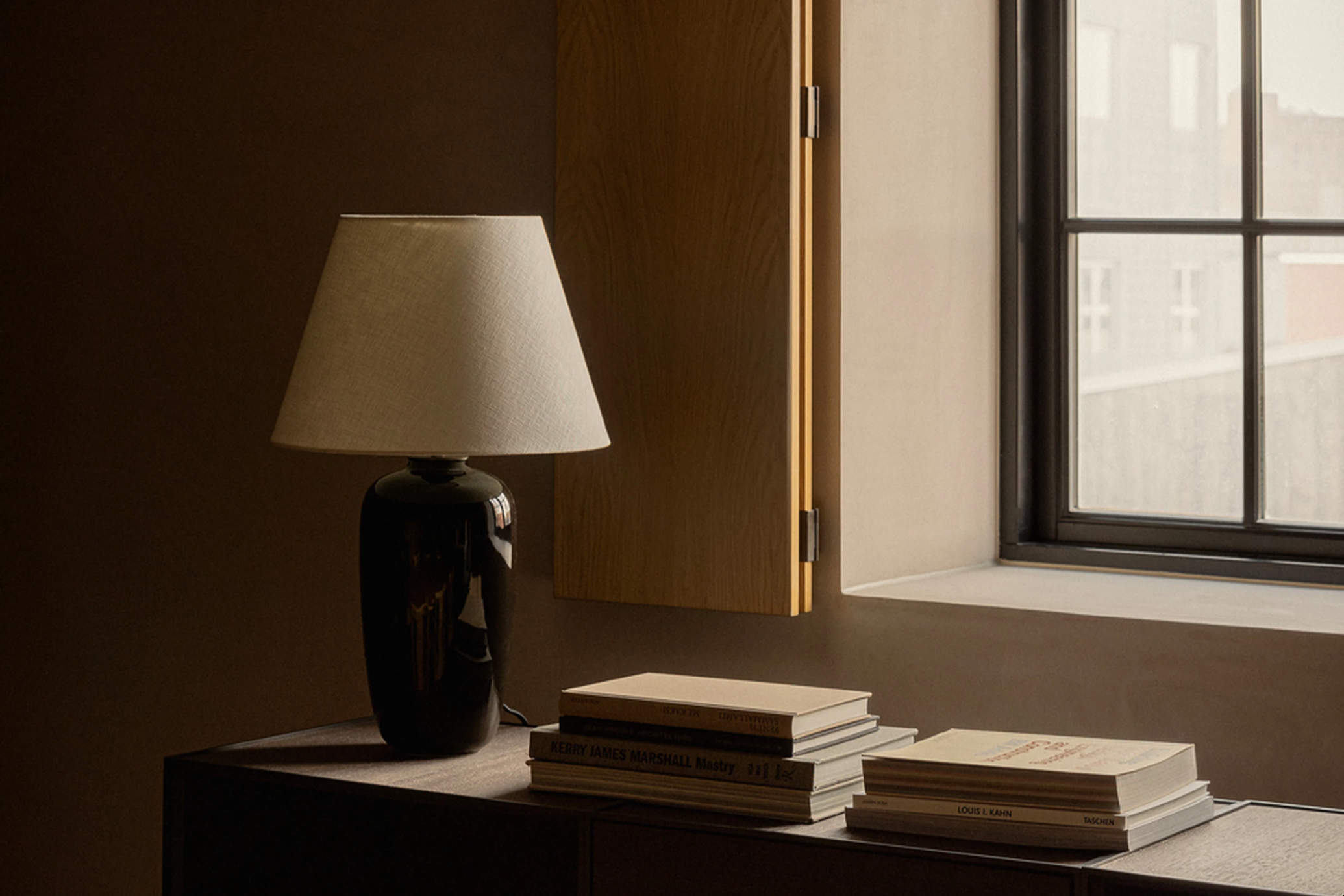
Winter is the season where rituals double as décor. A folded blanket placed exactly where you like to curl up. A book on the arm of the sofa, mid-chapter. A tray with a teapot and two cups — not staged, just ready. Even something as small as switching to a more tactile morning routine (warming oil, soft socks, a gentler light) shifts the energy of a room.
You don’t need more things; you need warmer habits made visible. That’s the secret to a home that feels lived-in without ever tipping into chaos. It’s atmosphere through behaviour — the tiny repeatable moments that make every corner feel intentional, inviting, and softly lit from within.
And yes, a simple Marimekko stoneware mug left on a side table can warm a room more than another throw ever could.
Bring Scent Back Into the Story
A warm home always has a scent identity — soft, woody, lived-in. Avoid overly sweet Christmas blends and instead borrow from Scandi sensibilities: think Skandinavisk “Skog”, L:a Bruket Tabac, or those gorgeously grounding Soho Home diffusers.

Scent rises with heat, so light a candle near a lamp or place a diffuser where the air naturally circulates (hallway consoles, bookshelves, entry corners). It’s subtle, but cumulatively powerful.
Rearrange for Winter Cohesion
Layout matters more in winter because you’re indoors more often. Certain rooms become thoroughfares, others feel cavernous, and seating often ends up too far from where warmth actually exists.
Pull furniture slightly closer together to create what designers call a “conversation zone.” Move your favourite armchair nearer to a lamp. Shift a side table closer to the sofa. It’s the smallest moves that make a room feel suddenly intimate — like someone turned the emotional heating up a few degrees.
Winter is also the moment to reclaim corners that go unused the rest of the year. A reading chair under softer light, a small console reimagined as a tea station, even a quiet nook layered with cushions — these tiny spatial edits subtly reorient the flow of a room, making it feel more gathered, more human, and less like a space you simply pass through.
It’s not a redesign. It’s a gentle rebalancing of where life actually happens.
The Finishing Touches — Quiet, But Transformational
Ferm Living’s Bon Shelf
For height and soft, architectural texture.
FJ Bowl in teak
For sculptural warmth that feels quietly luxe.
Tell Me More cushions
To bring understated softness to clean, modern spaces.
Hay Vase
Filled with winter greenery — olive, eucalyptus, whatever lasts.
The White Company cashmere socks
Left casually on a chair (yes, really — it’s the lifestyle cue).
These aren’t purchases for the sake of it. They’re small moves with genuine atmospheric payoff — the difference between a house that tolerates winter and one that thrives during it.