The Big-Thinking Books That Expand Young Minds
Some books pass the time. Others expand the edges of a child’s world.
The books we choose for our children are never just books. They are quiet blueprints — shaping how young minds understand kindness, difference, courage and possibility long before life begins teaching those lessons for real.
A story can do what conversations sometimes can’t. It can place a child inside someone else’s world. It can stretch imagination beyond the limits of their own experience. It can gently introduce the idea that there isn’t just one way to think, live or belong. Long after plots fade, perspective remains — and perspective is powerful.
For adults selecting what lands on a bedside table or gets wrapped as a gift, that choice carries influence. Not in a heavy, pressure-filled way — but in the small, steady shaping of curiosity. The right book doesn’t lecture. It doesn’t instruct. It simply opens a door and allows a young mind to step through it.
This edit is for parents, grandparents and thoughtful gift-givers who want reading to feel expansive. Not about raising perfect children, but perceptive ones. Young people who grow into adults capable of empathy, independence of thought and a wider understanding of the world than the one immediately around them.
These are the books that quietly help do that work.
Books That Open the World a Little Wider
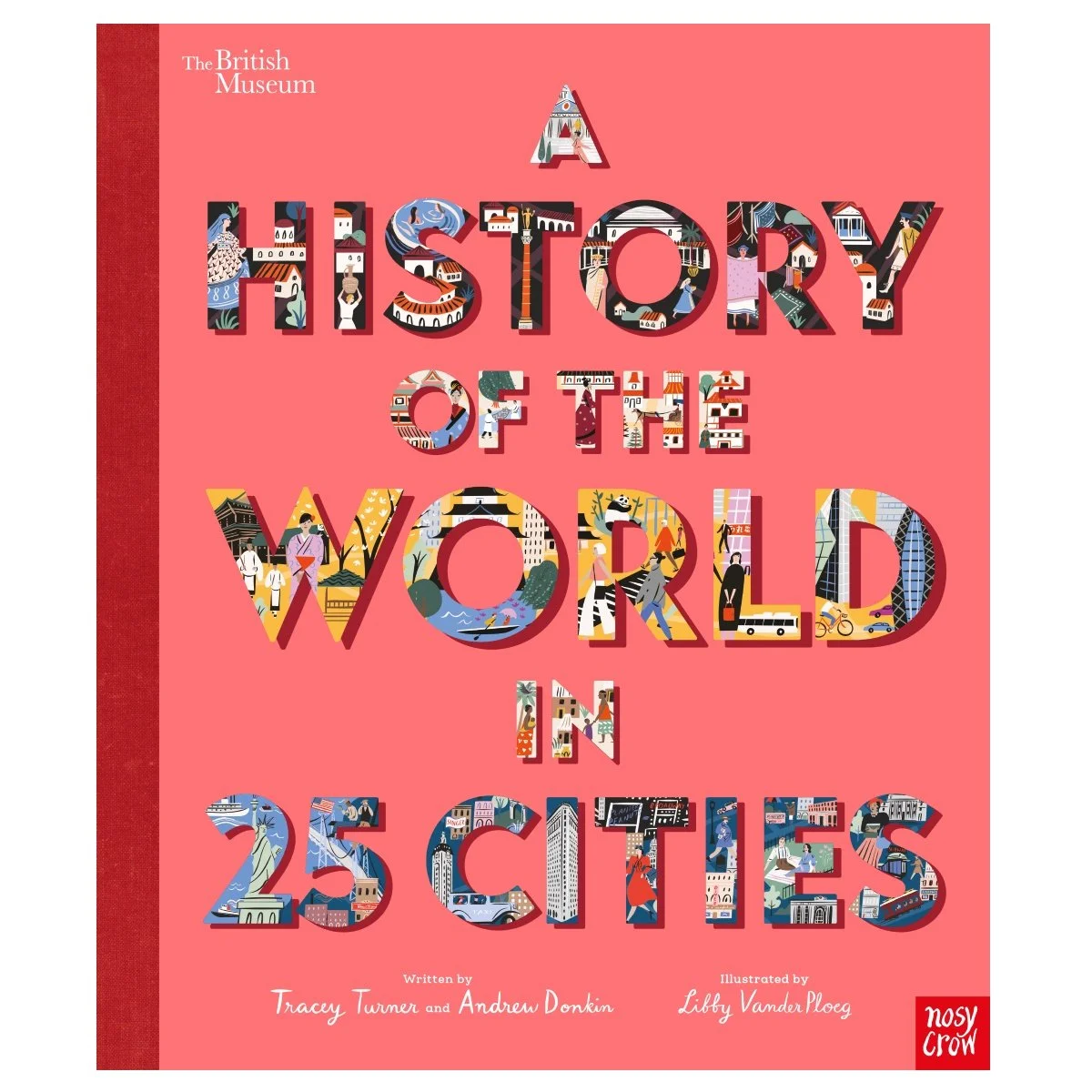
History of the World in 25 Cities — The British Museum
History can feel like dates and dead kings until a book shows children what it really is: people, places and movement. This one does it through twenty-five cities — from ancient centres of trade and empire to modern metropolises — revealing how ideas, inventions and cultures have always travelled and influenced each other. By focusing on cities rather than timelines, it helps young readers see history as something alive and interconnected rather than fixed in the past.
The Perspective It Brings: The world has always been interconnected — and understanding that early makes curiosity instinctive.
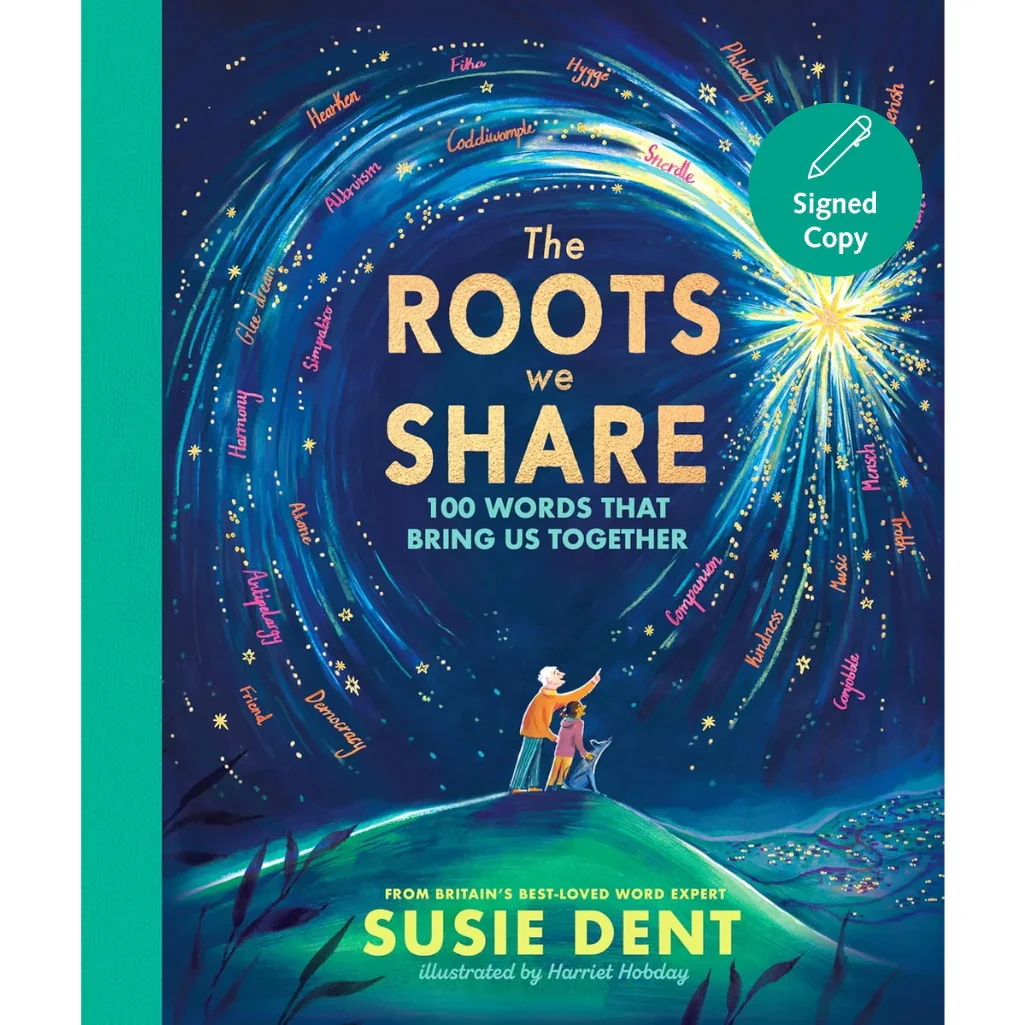
The Roots We Share — Susie Dent
A clever, accessible look at how words carry history inside them. Susie Dent explores the origins of everyday language — how words travel, evolve and reveal surprising links between cultures and communities. It’s the kind of book that makes children (and adults) start noticing the world differently: suddenly language isn’t just something you use, it’s something you can investigate.
The Perspective It Brings: Even words have passports — and connection is everywhere.
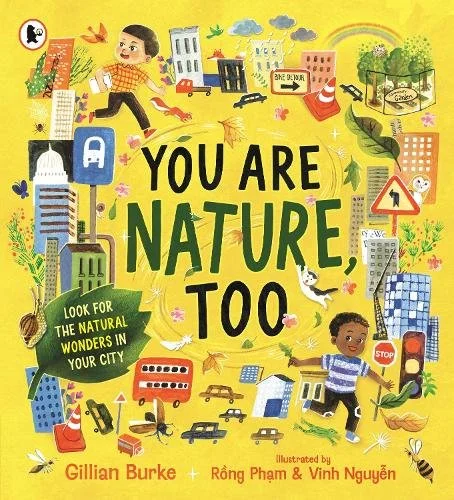
You Are Nature, Too — Gillian Burke
A joyful reset for children who think nature only exists somewhere far away. Gillian Burke brings it into everyday life — the insects outside the front door, the trees in city streets, the air we breathe — gently reframing humans as participants rather than observers. It encourages curiosity and care without ever feeling preachy.
The Perspective It Brings: We belong to the world around us — not apart from it.
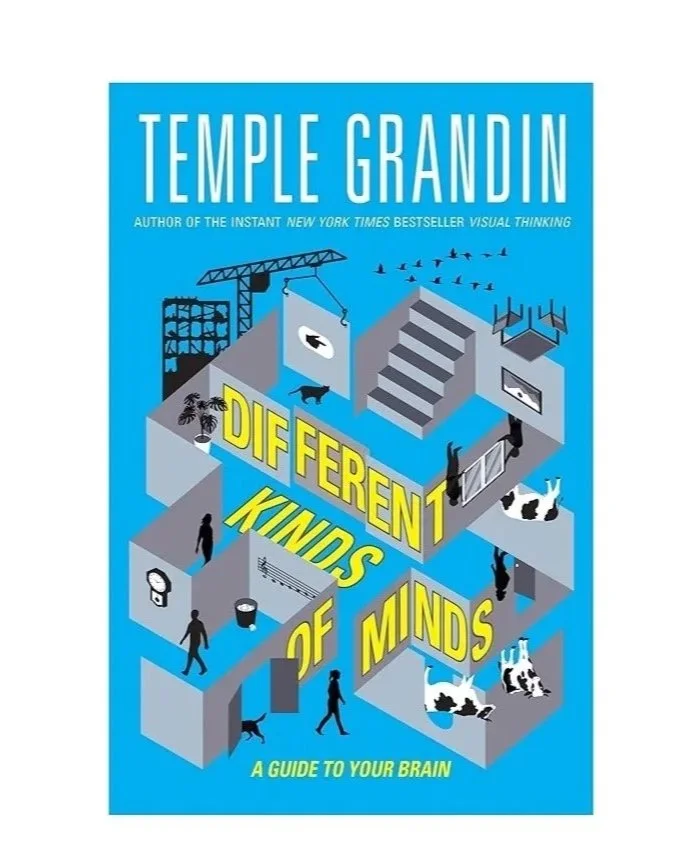
Different Kinds of Minds — Temple Grandin
Some books change how children see the world; this one changes how they see themselves. Temple Grandin explores the idea that brains work in different ways — visual thinkers, word thinkers, pattern thinkers — each bringing strengths the world genuinely needs. It’s validating for children who feel different and illuminating for those who don’t yet realise how varied intelligence can be.
The Perspective It Brings: There is no single “right” way to think — and difference often drives progress.
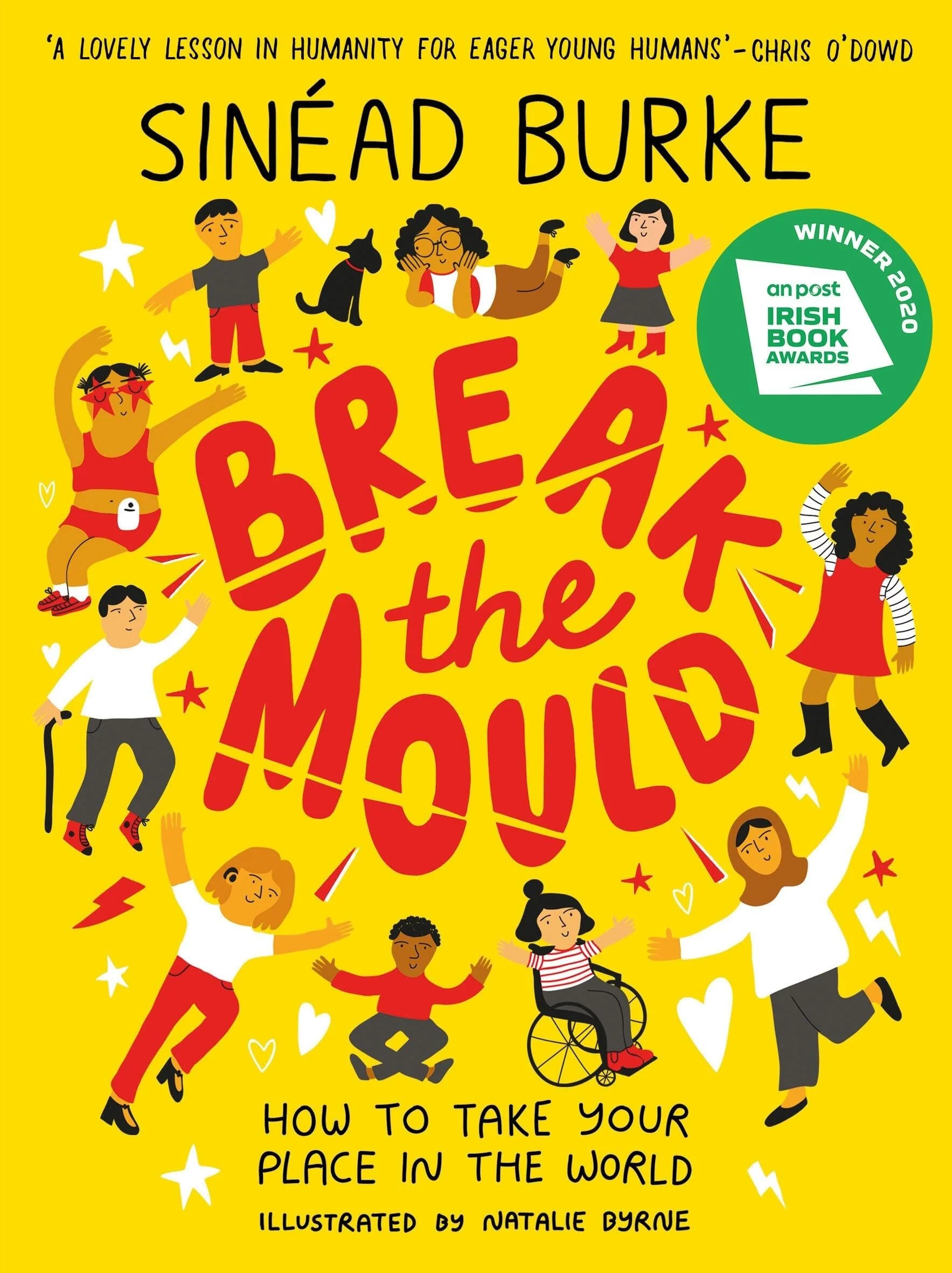
Break the Mould — Sinéad Burke
A modern, empowering book about identity, disability and belonging, written with warmth and clarity. Sinéad Burke helps young readers understand that the world isn’t neutral — it’s designed — and that inclusion is something we can build, not something we politely “allow”. It’s confidence, yes, but grounded in real life: access, attitudes, self-advocacy and recognising your own value.
The Perspective It Brings: The world can change — and you can help shape it.
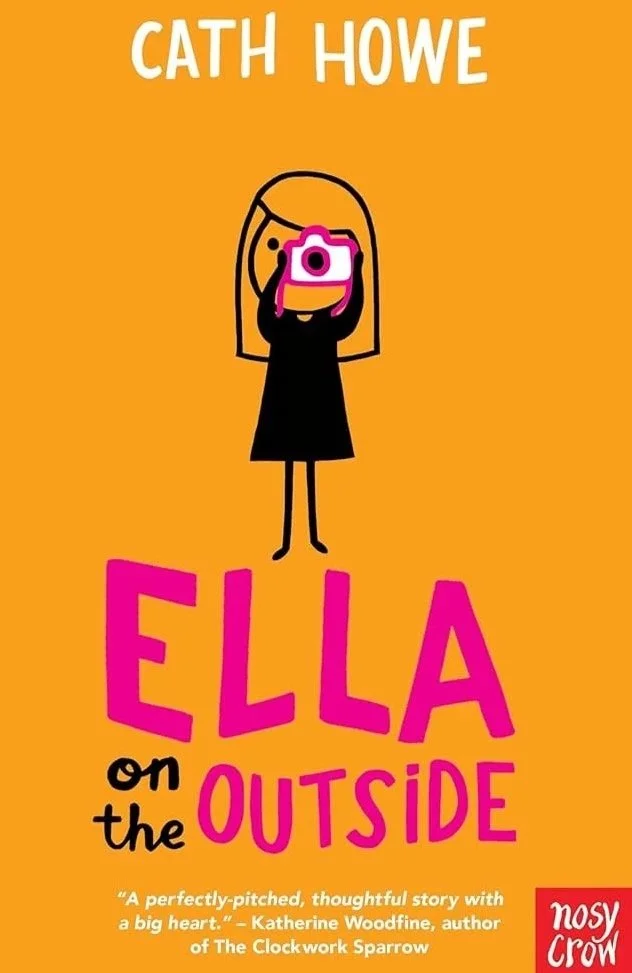
Ella on the Outside — Cath Howe
A quietly gripping story about friendship politics, misunderstandings and what it feels like to be misread. Ella is thoughtful and sensitive, and the book captures that in-between space where children are learning how social groups work — and how easily assumptions can turn into labels. Emotionally intelligent without being heavy, it invites young readers to look again before deciding who someone is.
The Perspective It Brings: Looking closer often changes what we think we know.
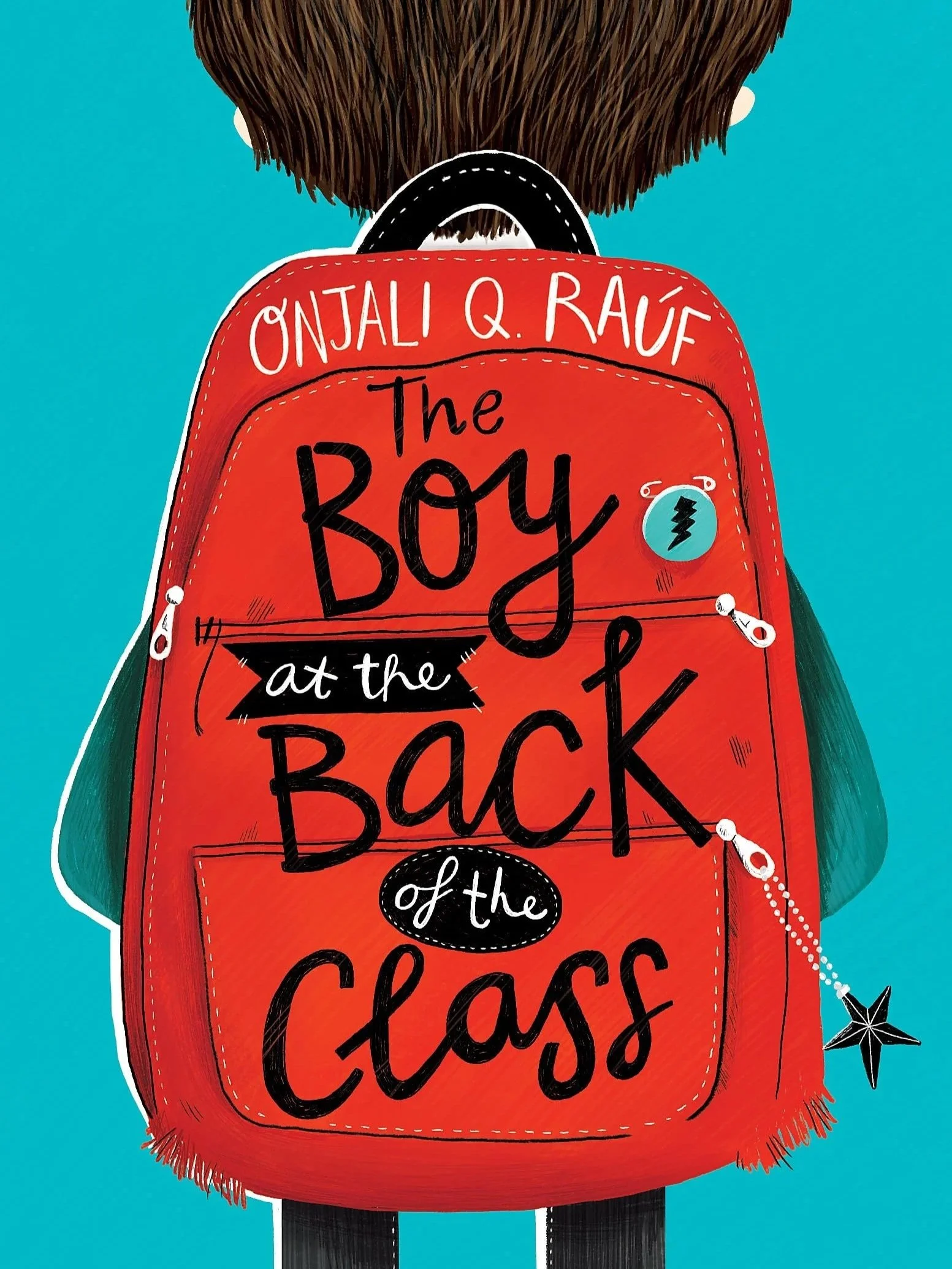
The Boy at the Back of the Class — Onjali Q. Raúf
Told through the warmth and honesty of childhood friendships, this story follows a new boy carrying experiences his classmates don’t yet understand. As curiosity turns into care, the book explores themes of displacement, kindness and courage without ever losing its sense of humour or heart. It allows complex realities to be approached through the simple, honest lens children naturally bring — showing that empathy often starts with noticing someone who feels alone.
The Perspective It Brings: Compassion often begins with simple curiosity about someone else’s story.
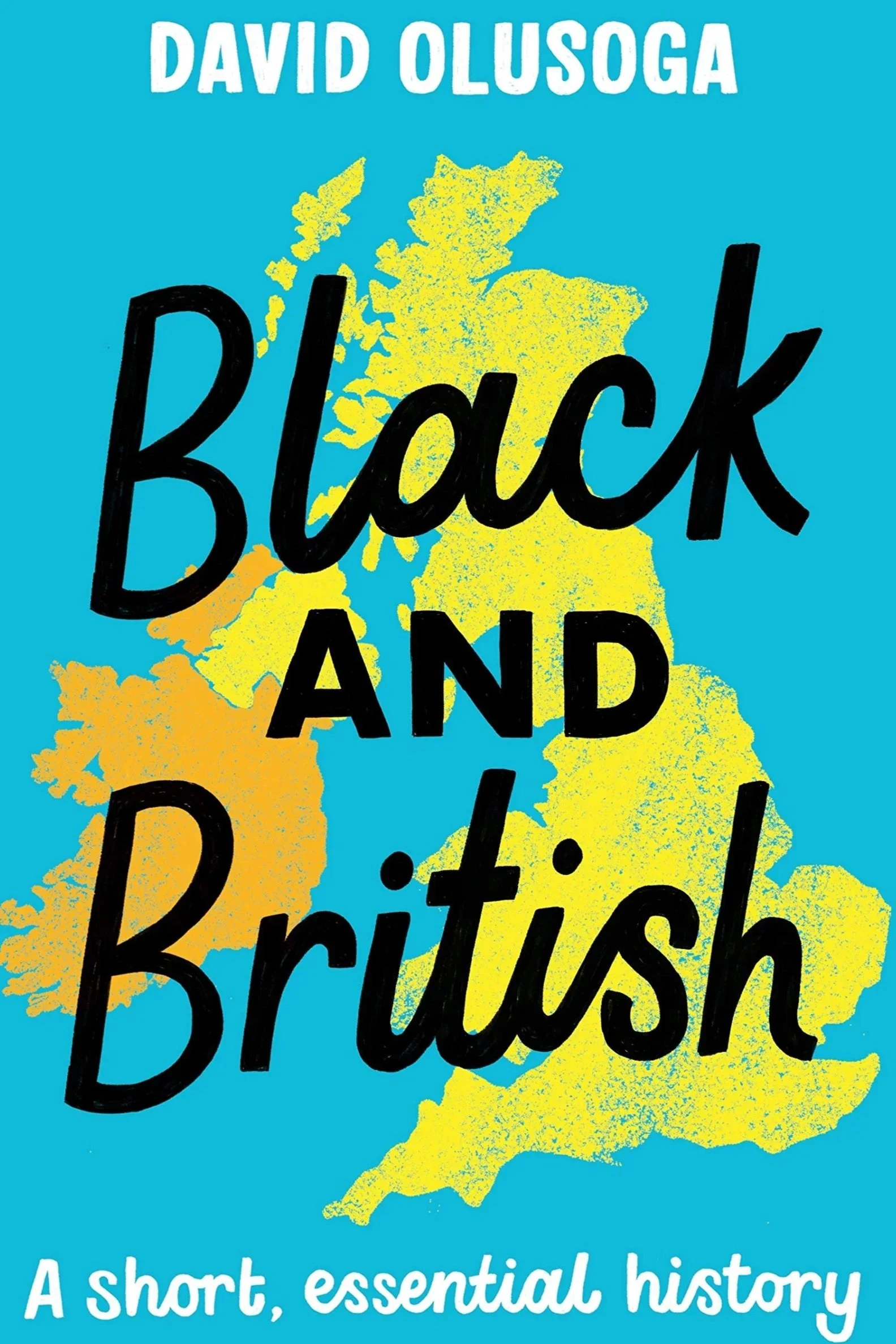
Black and British — David Olusoga
An accessible young readers’ edition that makes a crucial point: Black history isn’t an “extra” — it’s part of Britain’s story throughout. Moving across centuries, it brings forward people and events often left out of traditional narratives, encouraging children to see history as layered, evolving and open to re-examination. It prompts bigger questions and better conversations at home.
The Perspective It Brings: The story of a nation is richer and more complex than a single narrative.
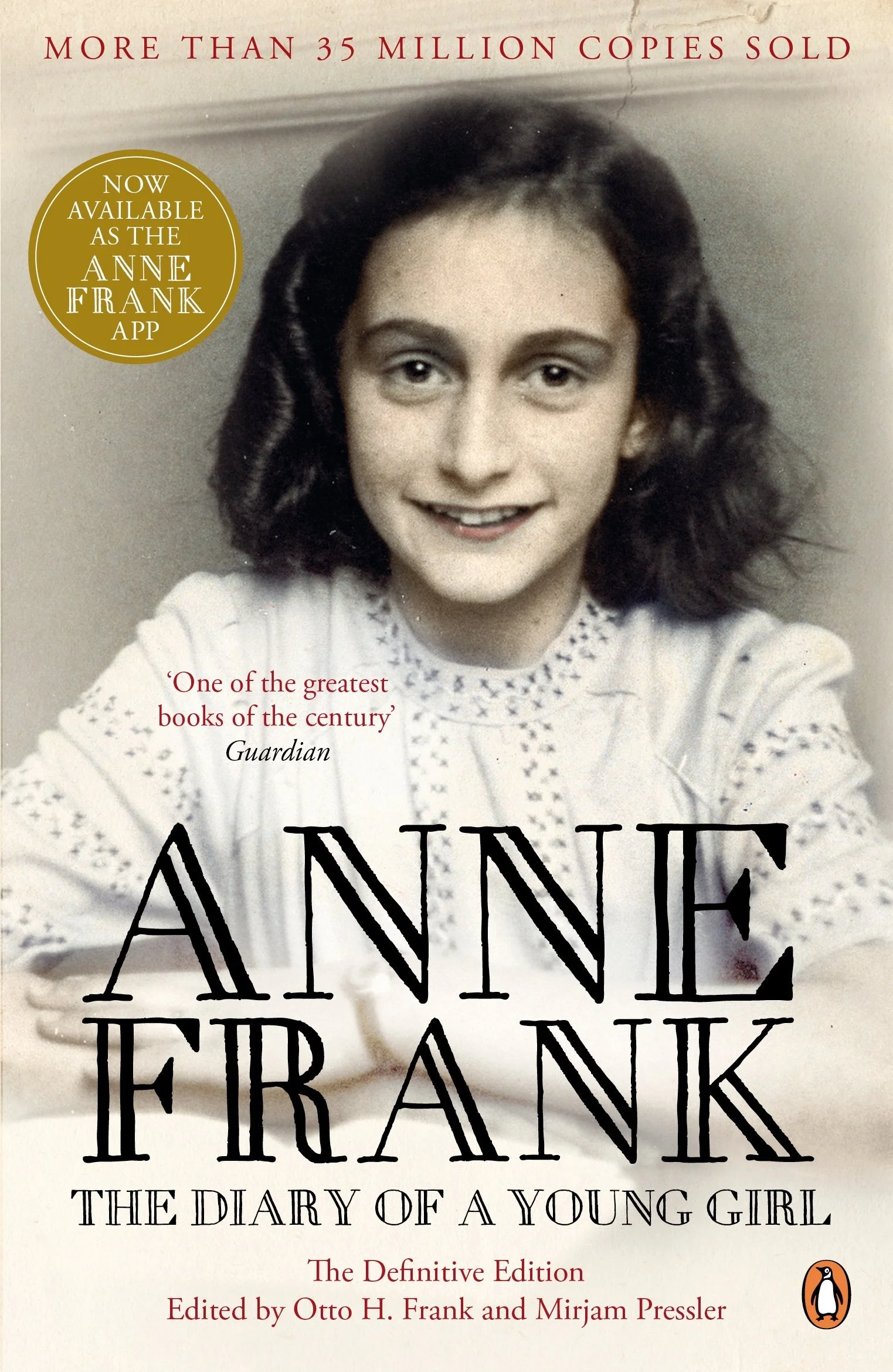
The Diary of a Young Girl — Anne Frank
Written by a teenager hiding during the Holocaust, Anne Frank’s diary remains one of the most personal ways for young readers to understand history. It’s intimate, sharp, funny in places, devastating in others — and deeply human. For teenagers especially, it’s often the first time global events stop being abstract and start feeling real.
The Perspective It Brings: Even in darkness, humanity and hope endure.
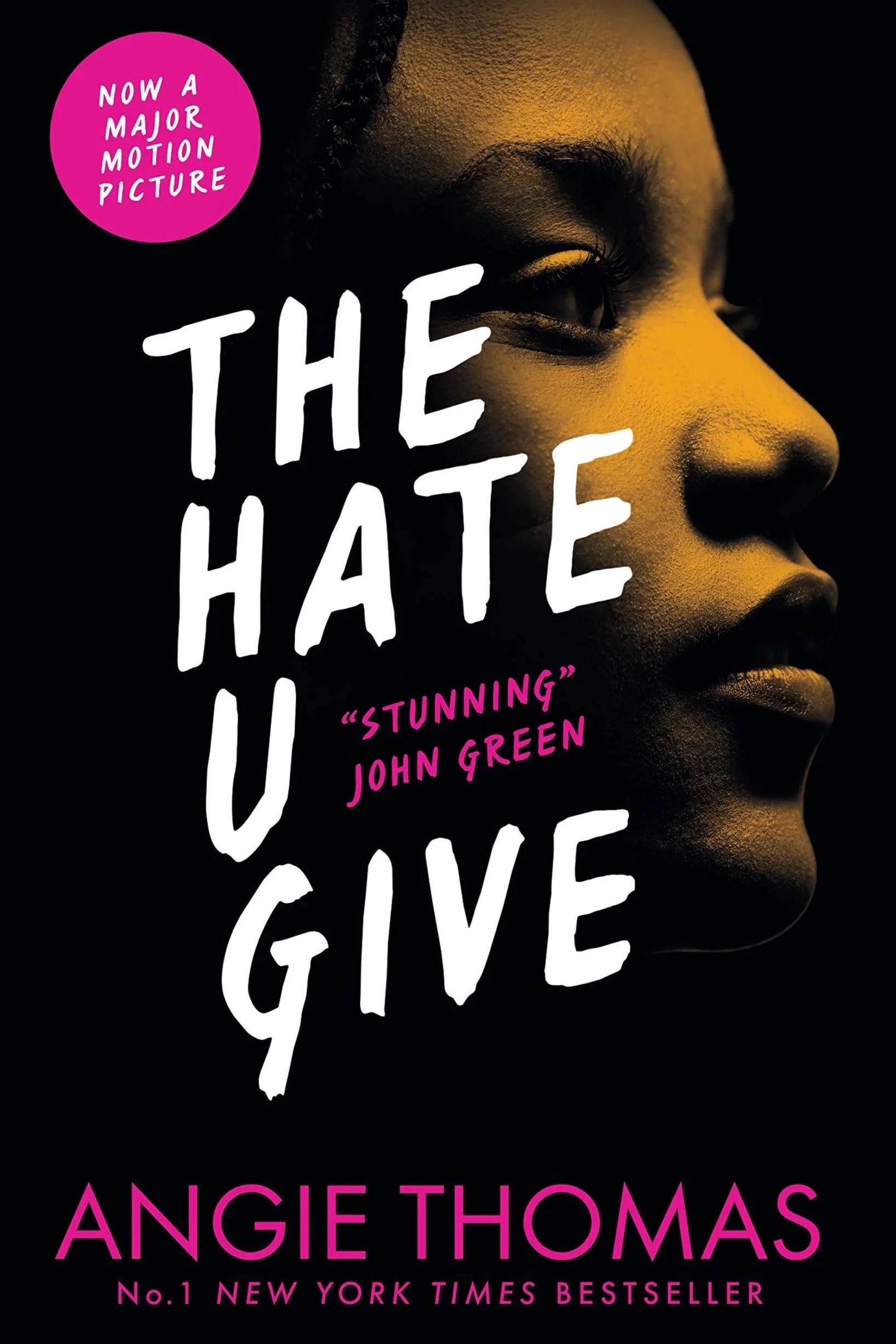
The Hate U Give — Angie Thomas
For older readers ready for bigger conversations, this modern novel follows a teenage girl navigating two worlds — home and school — after witnessing a police shooting. It’s rooted in family, friendship and community, and it invites critical thinking without neat answers. Powerful because it’s human first, political second — exactly why it stays with readers.
The Perspective It Brings: Listening to lived experience can reshape how we understand fairness and community.
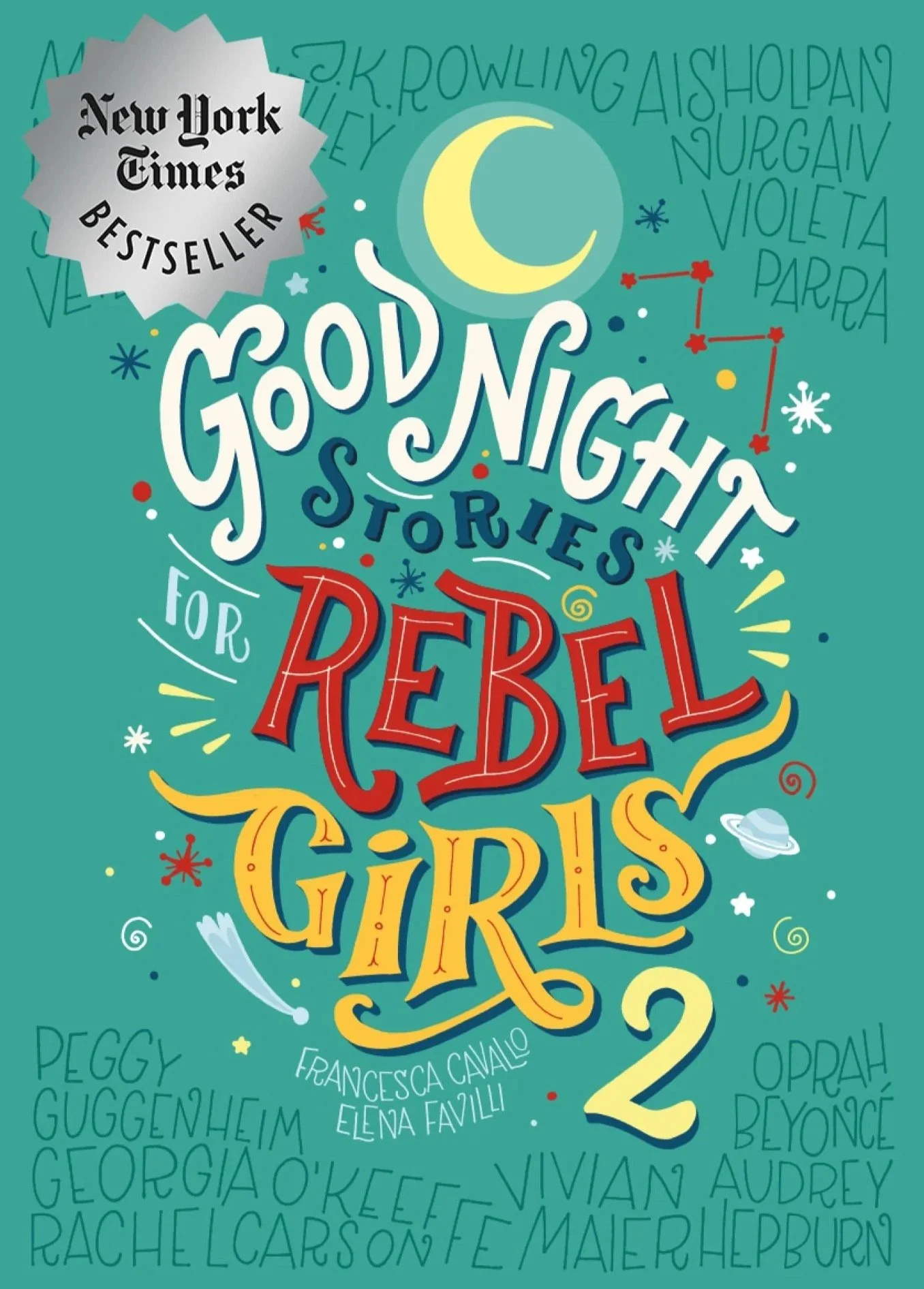
Good Night Stories for Rebel Girls 2 — Rebel Girls
This follow-up to the bestselling original isn’t really a bedtime book in the traditional sense. It’s a collection of short, vivid portraits of real women — scientists, activists, athletes, artists and thinkers — designed to quietly rewire what children imagine is possible for their own lives.
Each story is concise enough to feel digestible, but powerful enough to linger. The format works particularly well for kids who don’t always sit through long chapters, offering small, confidence-building moments that add up over time. It shifts the idea of “heroes” away from fantasy and towards real people whose courage often looked like curiosity, persistence or simply refusing to accept limits.
The Perspective It Brings: Big lives often start with small acts of bravery — and there are many ways to lead a meaningful life.
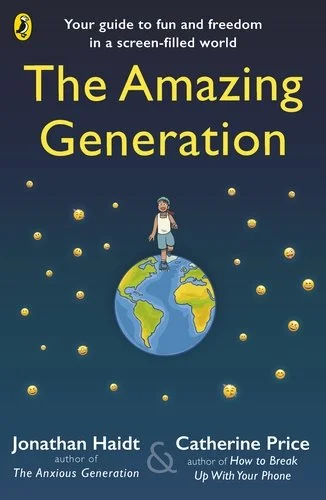
The Amazing Generation — Jonathan Haidt & Catherine Price
A modern guide for growing up in a digital world, exploring attention, screens, social pressure and what constant connection does to how we feel and think. It’s balanced — not panic-y — and it helps kids build awareness and independence rather than fear. Practical, relevant, and very now.
The Perspective It Brings: Understanding your world is the first step to shaping it.
Children may not remember every storyline. But they remember when something shifts — when a character challenges their assumptions, when a fact surprises them, when they first realise the world extends far beyond their own immediate experience.
The right book doesn’t just fill time. It quietly expands the kind of adult a child can become.