Books That Will Change the Way You See Modern Life
The books people quietly pass to friends — the ones that stay with you, and subtly change how you see everything.

Over the past few years, a particular kind of nonfiction has quietly climbed bestseller lists and dominated cultural conversations. These aren’t glossy productivity manuals or fleeting self-help trends. Instead, they’re thoughtful, often challenging explorations of anxiety, attention, technology, parenting, rest, and the unintended consequences of modern living.
Not all of these titles are brand-new releases. Some have been out for several years — but that’s exactly the point. They’ve endured. Passed between friends, quoted in think pieces, discussed in parenting circles, and revisited long after the final page, they’ve proven themselves to be more than trends. They’re books that genuinely shift perspective.
Together, they form a kind of unofficial syllabus for modern life — ideas that quietly change how you think about time, comfort, distraction, and what a meaningful day actually looks like.
The Books That Quietly Reshaped the Conversation
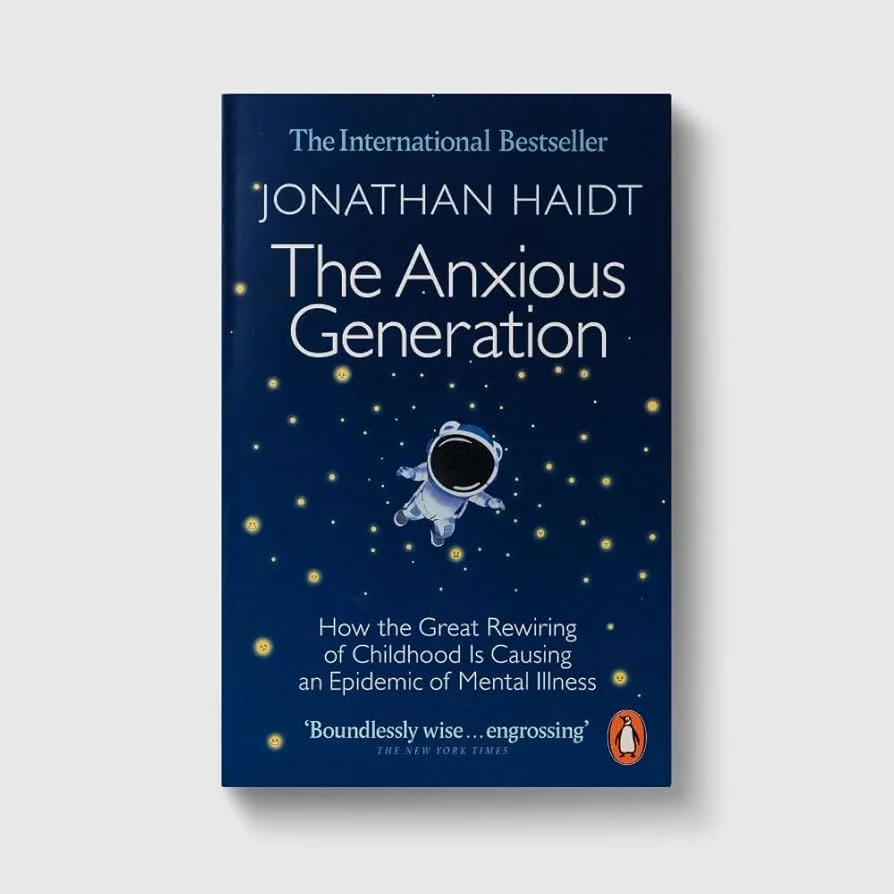
Few recent books have entered the cultural conversation as quickly as this one. Social psychologist Jonathan Haidt explores the dramatic rise in anxiety and depression among young people, linking it to the shift from a play-based childhood to a phone-based one.
His argument is simple but unsettling: children once learned resilience and independence through real-world exploration. Today, many of those experiences have been replaced by digital spaces built around comparison, performance, and constant stimulation.
The mind-shift: Screens aren’t just changing behaviour — they may be reshaping childhood itself.

One of the most talked-about newer books in this conversation around modern life, The Sirens’ Call explores what happens when human attention becomes the most valuable resource in the digital age. Hayes examines how media, technology and culture increasingly compete for fragments of our focus — shaping not only our habits, but the way we think and engage with the world.
Rather than treating distraction as a personal failure, the book reframes it as a systemic issue driven by the attention economy itself.
The mind-shift: Attention isn’t just something we lose — it’s something the modern world is actively designed to capture.
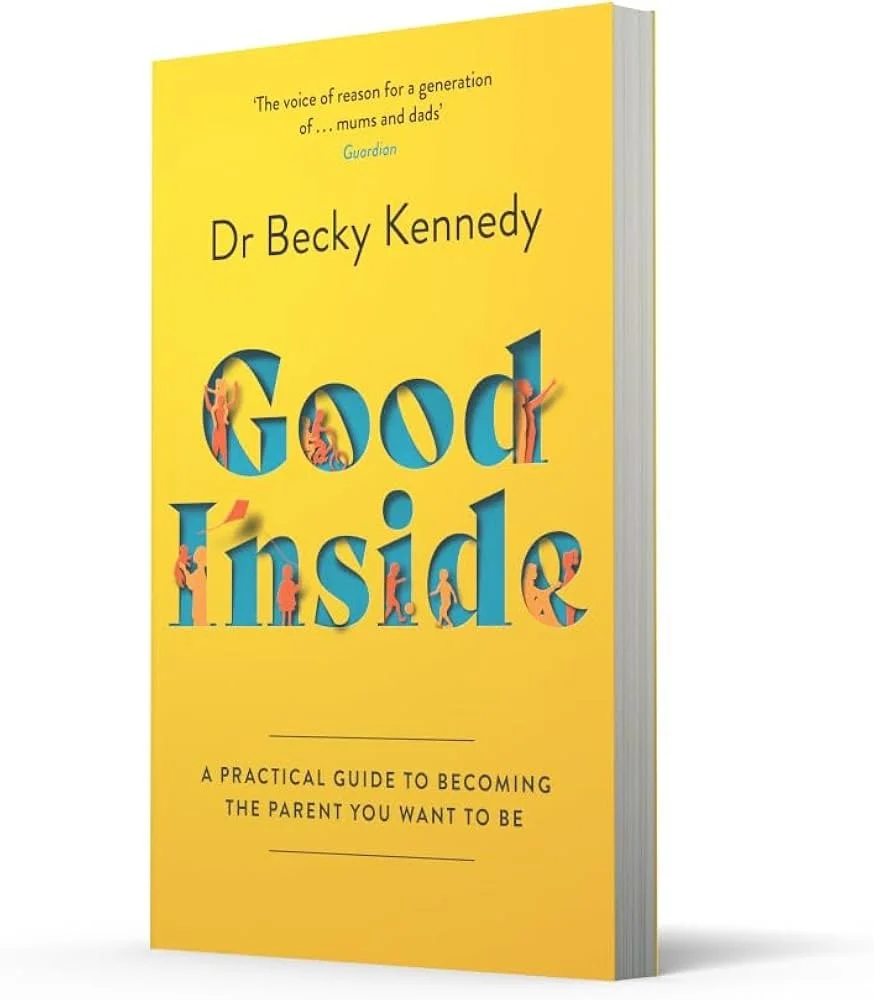
If The Anxious Generation explains the wider cultural context, Good Inside brings the conversation into the home. Clinical psychologist Dr Becky Kennedy reframes common parenting struggles through the lens of connection rather than correction.
Instead of focusing on punishment or perfect behaviour, she encourages parents to see difficult moments as signs of emotional need — both for children and for adults learning alongside them.
The mind-shift: Children aren’t giving you a hard time; they’re having a hard time.
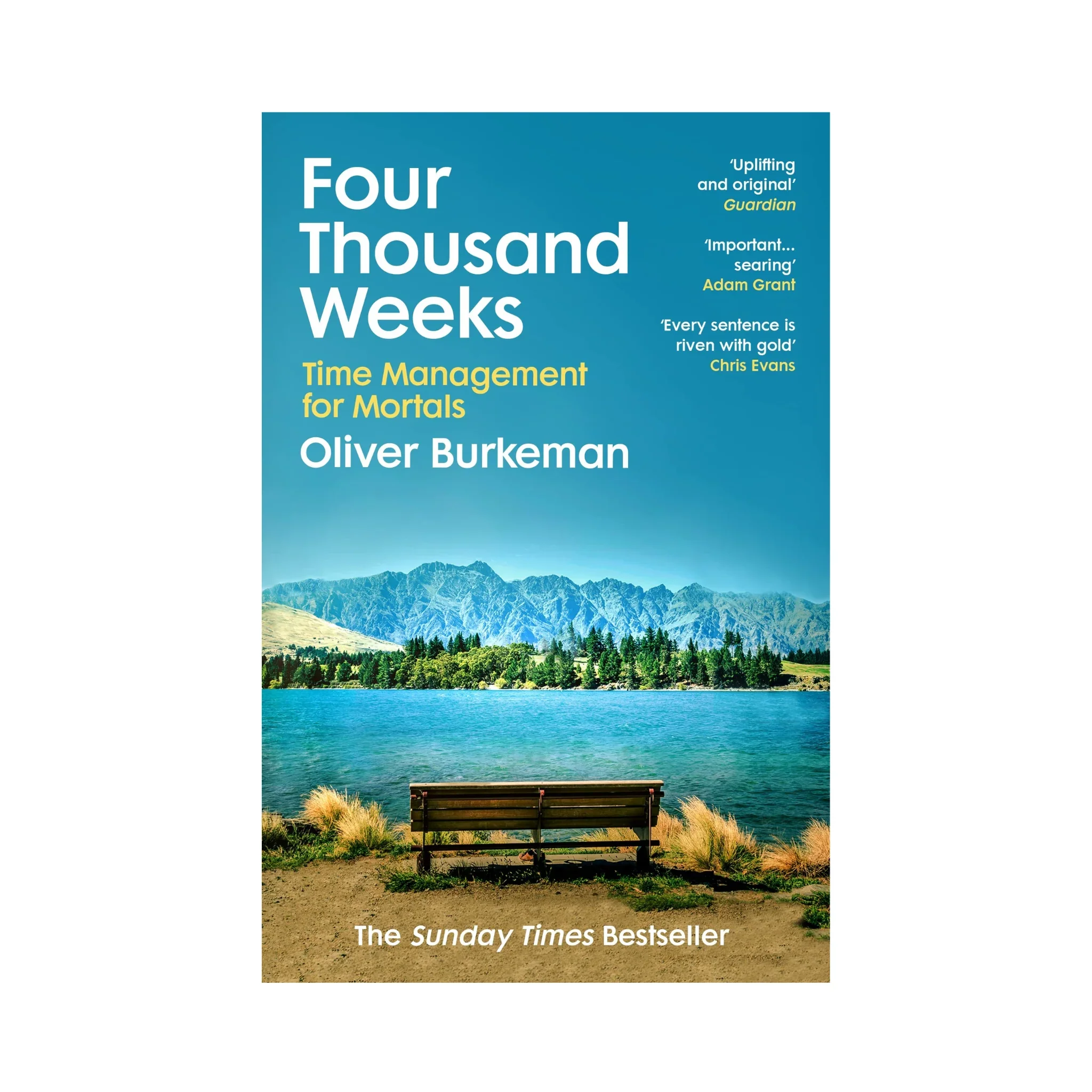
The title refers to the average human lifespan: roughly four thousand weeks. Burkeman uses that uncomfortable figure as a starting point for a profound rethink of time, productivity, and the belief that one day we’ll finally feel “caught up.”
Rather than offering efficiency hacks, he dismantles the myth that life is something to optimise. Meaning, he argues, comes from accepting limits and choosing what matters — instead of chasing the impossible goal of doing everything.
The mind-shift: You don’t need better time management; you need a healthier relationship with time itself.
One of the newer voices in the conversation around modern thinking, Elizabeth Weingarten explores how our obsession with certainty may actually be fuelling anxiety. Instead of rushing towards quick answers or perfect decisions, she argues that learning to live with questions — and uncertainty — can lead to clearer thinking and more meaningful choices.
Drawing on psychology and personal reflection, the book reframes ambiguity not as something to fear, but as a space where growth often happens.
The mind-shift: Not knowing isn’t failure — it’s often where clarity begins.
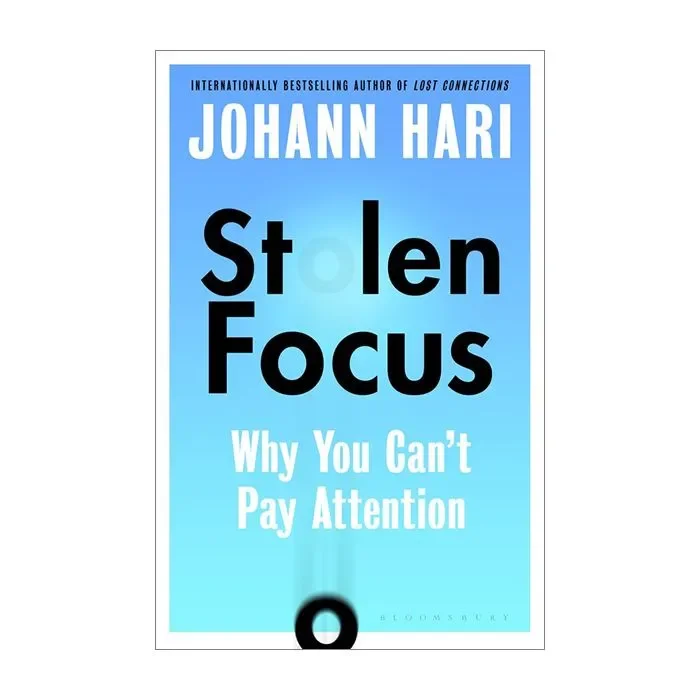
For anyone who has ever blamed themselves for not being able to concentrate, this book offers an unexpectedly reassuring perspective. Hari investigates the environmental, technological, and social forces that have gradually eroded our collective attention span.
From endless notifications to work culture designed around interruption, the book argues that distraction isn’t purely individual — it’s structural.
The mind-shift: Your lack of focus isn’t a personal failing. It’s a response to the world around you.
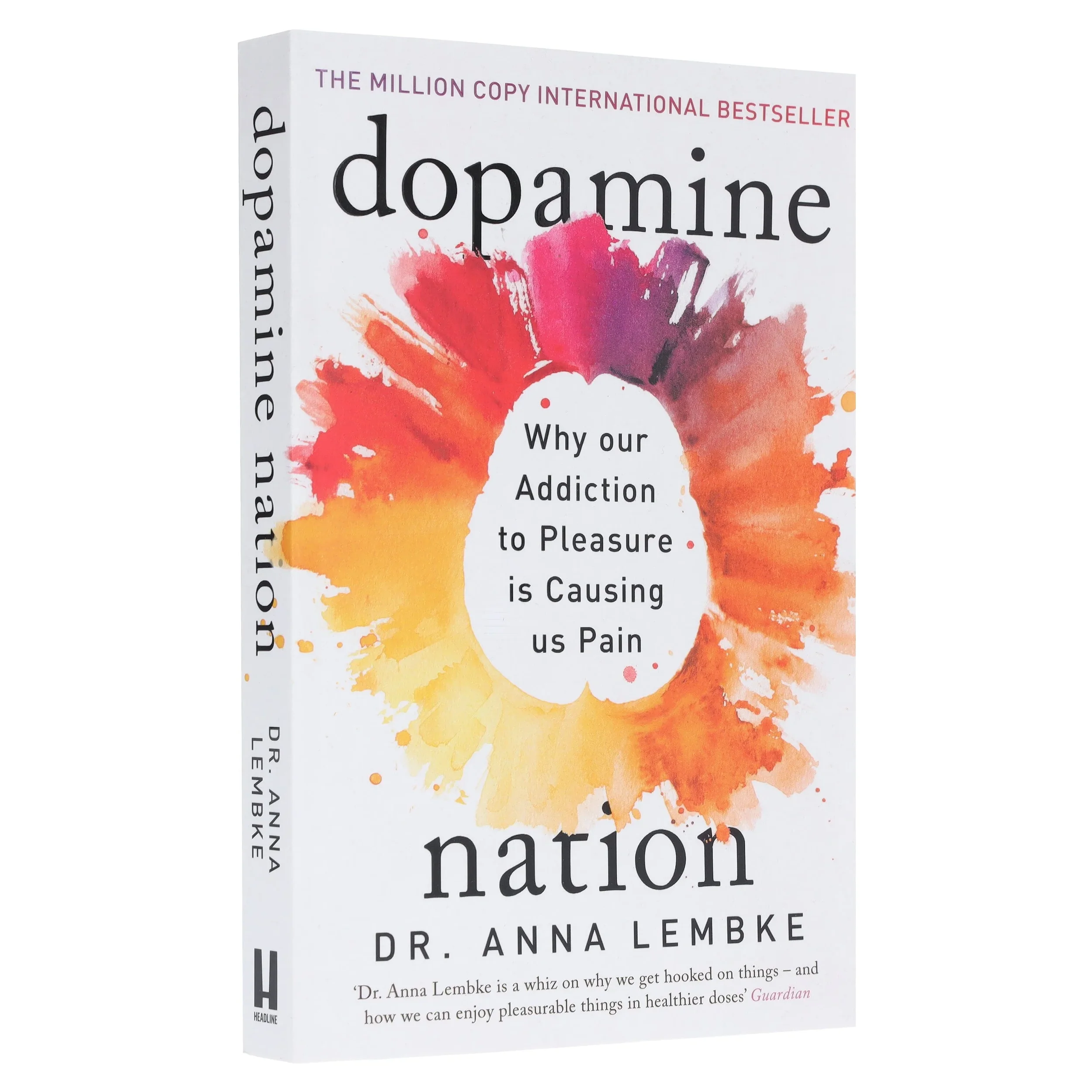
Psychiatrist Anna Lembke explores the science behind modern cravings — from social media and shopping to sugar, streaming and productivity itself. Her central thesis is that the brain constantly balances pleasure with pain, and too much stimulation eventually numbs our ability to feel satisfied.
In a culture that encourages instant gratification, the result is a paradox: more access to pleasure, yet less contentment.
The mind-shift: Constant pleasure doesn’t make life better — it can quietly flatten it.
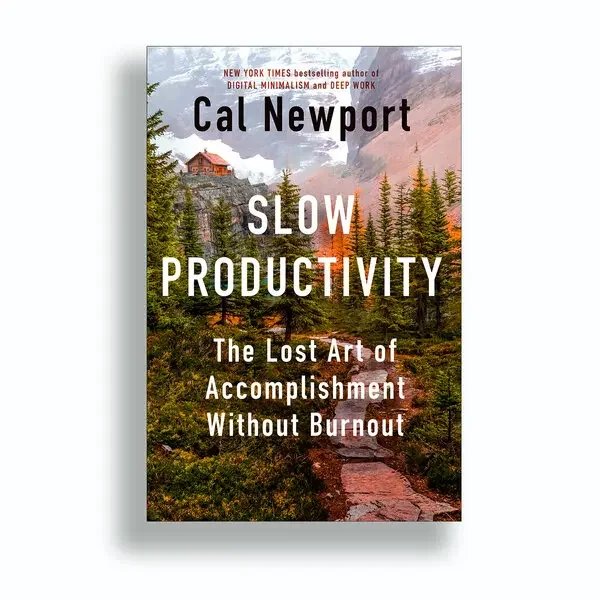
In a culture obsessed with doing more, faster, Newport argues for the opposite. Slow Productivity challenges the idea that busyness equals value and instead explores how meaningful work often happens when we reduce our commitments, protect focus, and allow ideas to develop over time.
Rather than another productivity system, the book proposes a quieter philosophy — one rooted in depth, pace, and sustainability rather than constant output.
The mind-shift: Doing fewer things, more intentionally, can lead to better work — and a better life.
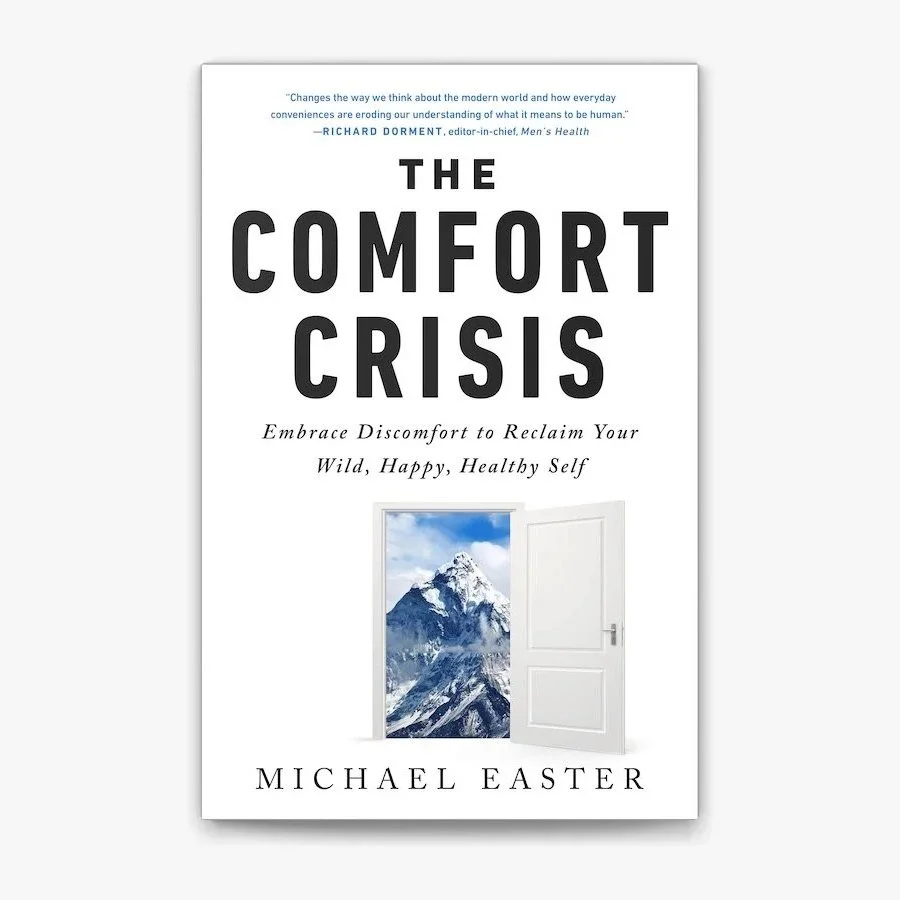
Modern life has been engineered for ease: comfortable homes, constant convenience, minimal physical challenge. Easter argues that this comfort is quietly leaving many of us less resilient, less energised, and less satisfied.
Through research and personal experience, he shows how small doses of discomfort — time outdoors, physical effort, genuine challenge — can restore both mental clarity and perspective.
The mind-shift: A little discomfort isn’t a problem to avoid — it’s something humans actually need.
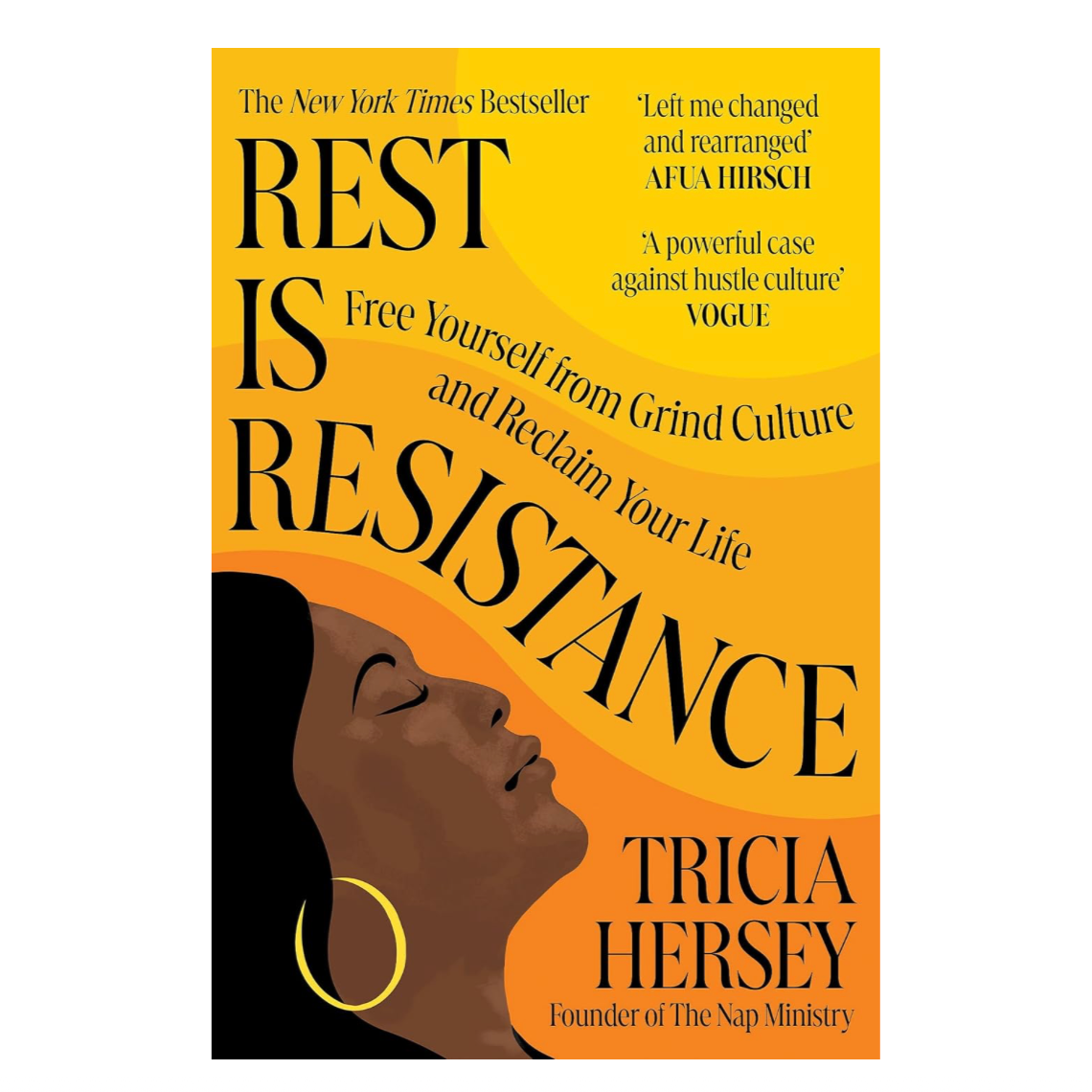
Part manifesto, part cultural critique, Hersey’s book reframes rest not as indulgence but as necessity. In a world that equates productivity with worth, choosing to slow down becomes a radical act.
Rather than adding another routine to optimise your day, the book invites readers to reconsider why we feel guilty for doing less in the first place.
The mind-shift: Rest isn’t a reward for productivity; it’s a basic human right.
Read together, these books tell the same story from different angles. Modern life is faster, louder, and more stimulating than our brains — and our children’s — were designed for. The response isn’t more optimisation or better hacks. It’s fewer distractions, clearer boundaries, deeper rest, and more time spent in the real world.
Perhaps the real shift these authors are pointing towards is simple: living well in modern life isn’t about doing more. It’s about choosing what matters — and letting the rest go.