The Colorado Ghost Town That Became One of America’s Most Unusual Luxury Hotels
In the Colorado Rockies, a restored mining town offers a different kind of escape—one shaped by hot springs, mountain air, long dinners and the rare luxury of time that isn’t overfilled.
For years, luxury travel has followed the same formula: bigger spas, longer activity lists, restaurants you’re meant to reserve before you’ve even unpacked. The promise was always more—more treatments, more excursions, more reasons to feel as though you were getting your money’s worth.
Lately, though, the mood has shifted. The places people talk about most aren’t the flashiest ones, or the ones with the longest menus. They’re the ones where the days feel slower, the setting does most of the work, and the only real decision is whether to head out for a walk or stay exactly where you are. No schedule. No pressure to optimise your time. Just the quiet pleasure of being somewhere beautiful and letting the hours unfold.
It’s a kind of travel that feels almost radical in its simplicity: mornings shaped by the light rather than an alarm, afternoons drifting between long conversations and even longer walks, evenings spent around a table instead of a screen. Not a holiday designed to impress you, but one that quietly reminds you how good it feels to live inside a day rather than rush through it.
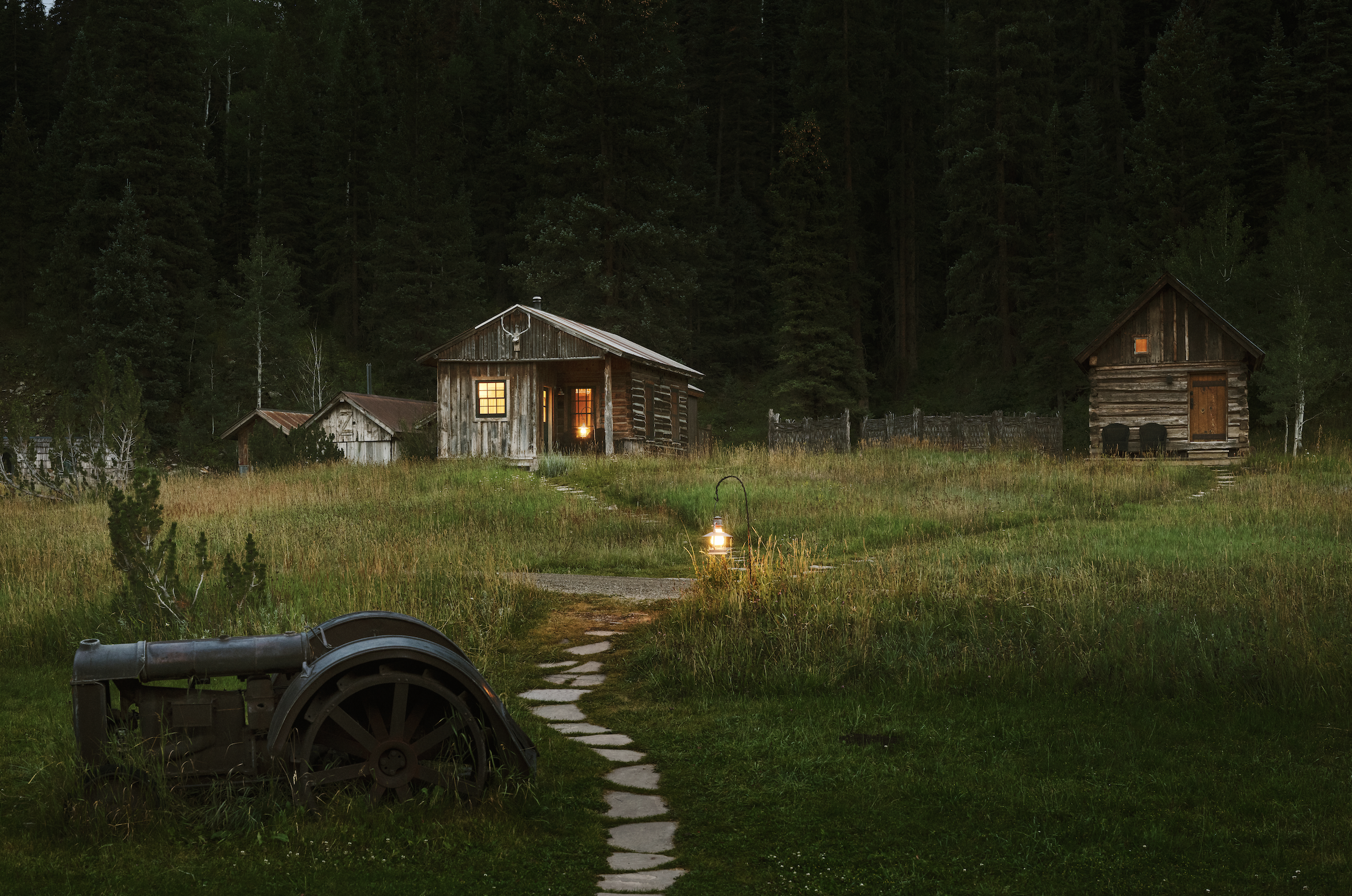
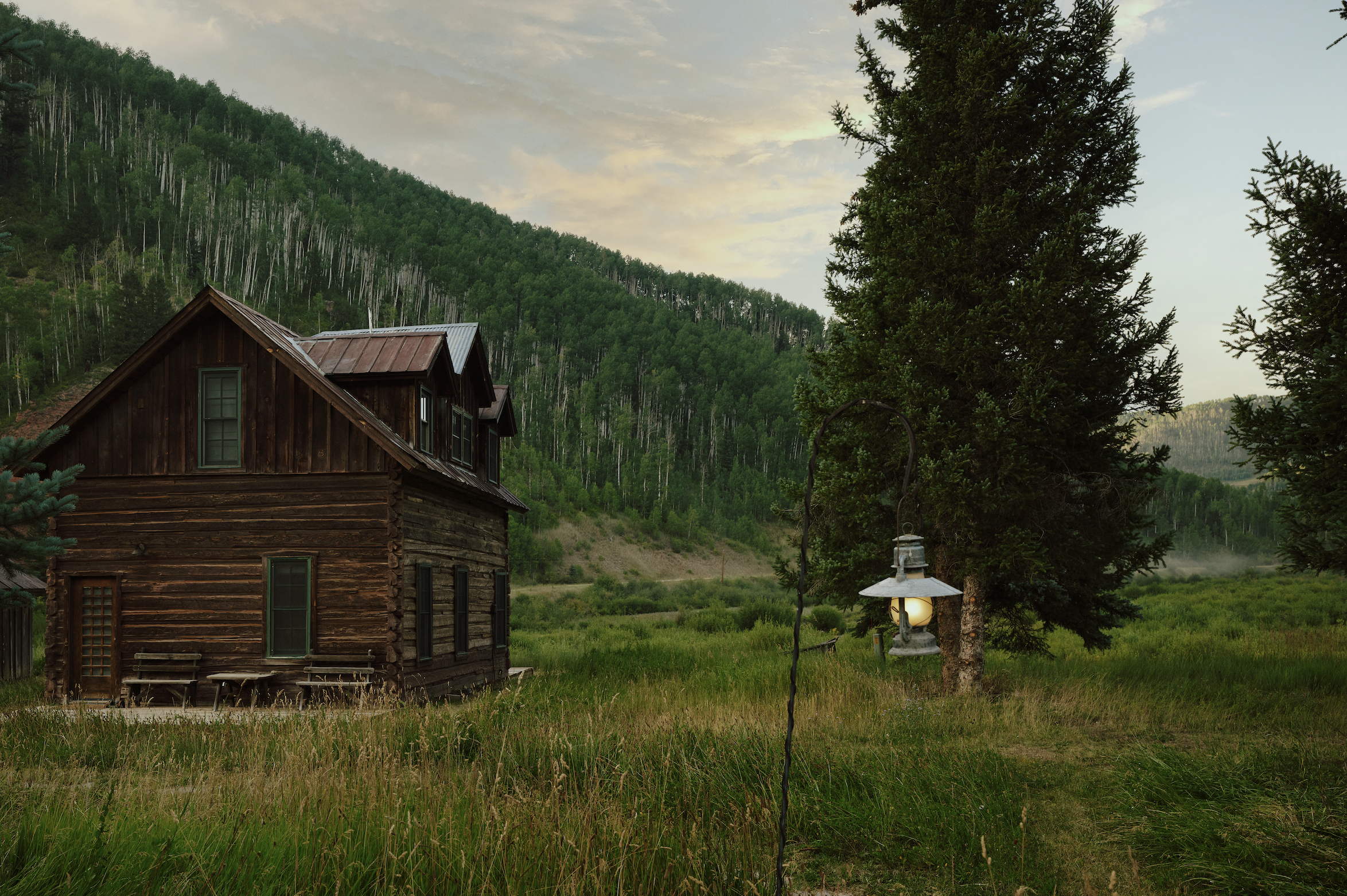
High in the Colorado Rockies, there’s a place that captures that mood better than almost anywhere else. At first glance, it looks like a preserved Wild West settlement: a handful of log cabins, a saloon, a chapel, and a meadow framed by mountains. It was once a real mining town, abandoned decades ago and later restored piece by piece. Today, it operates as one of the most unusual luxury retreats in America—though “luxury” here has very little to do with marble, gold fixtures or grand entrances.
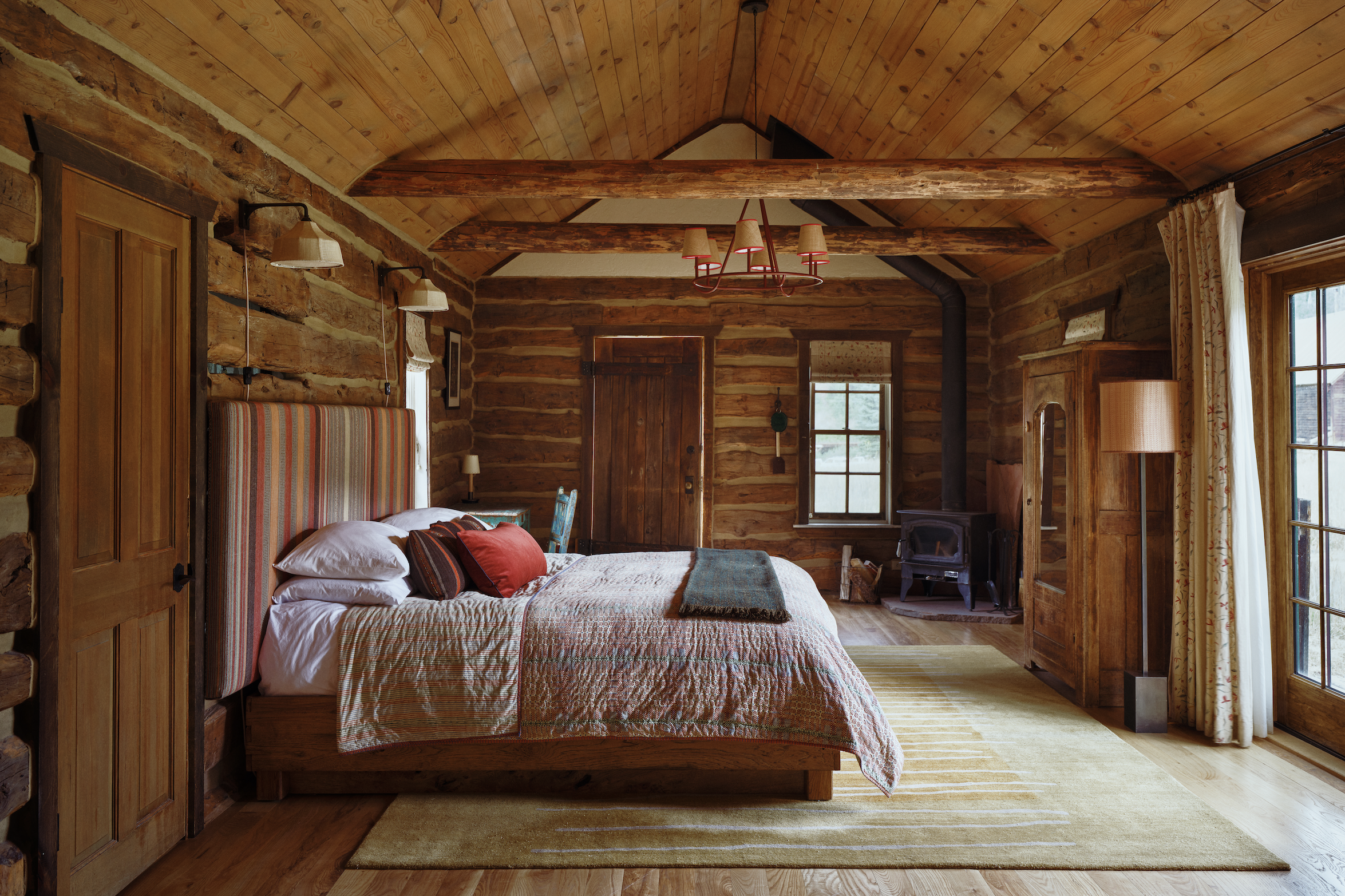
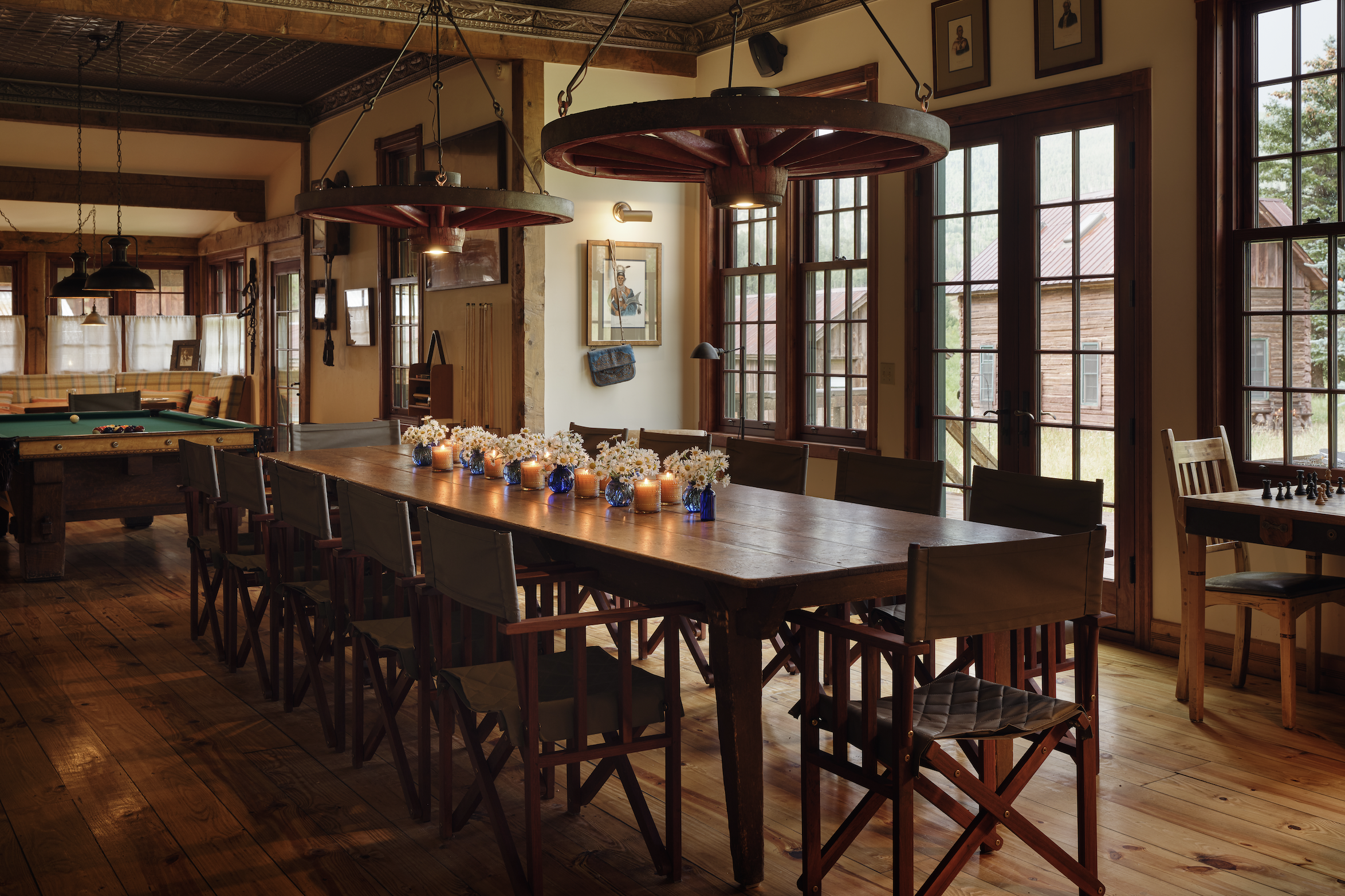
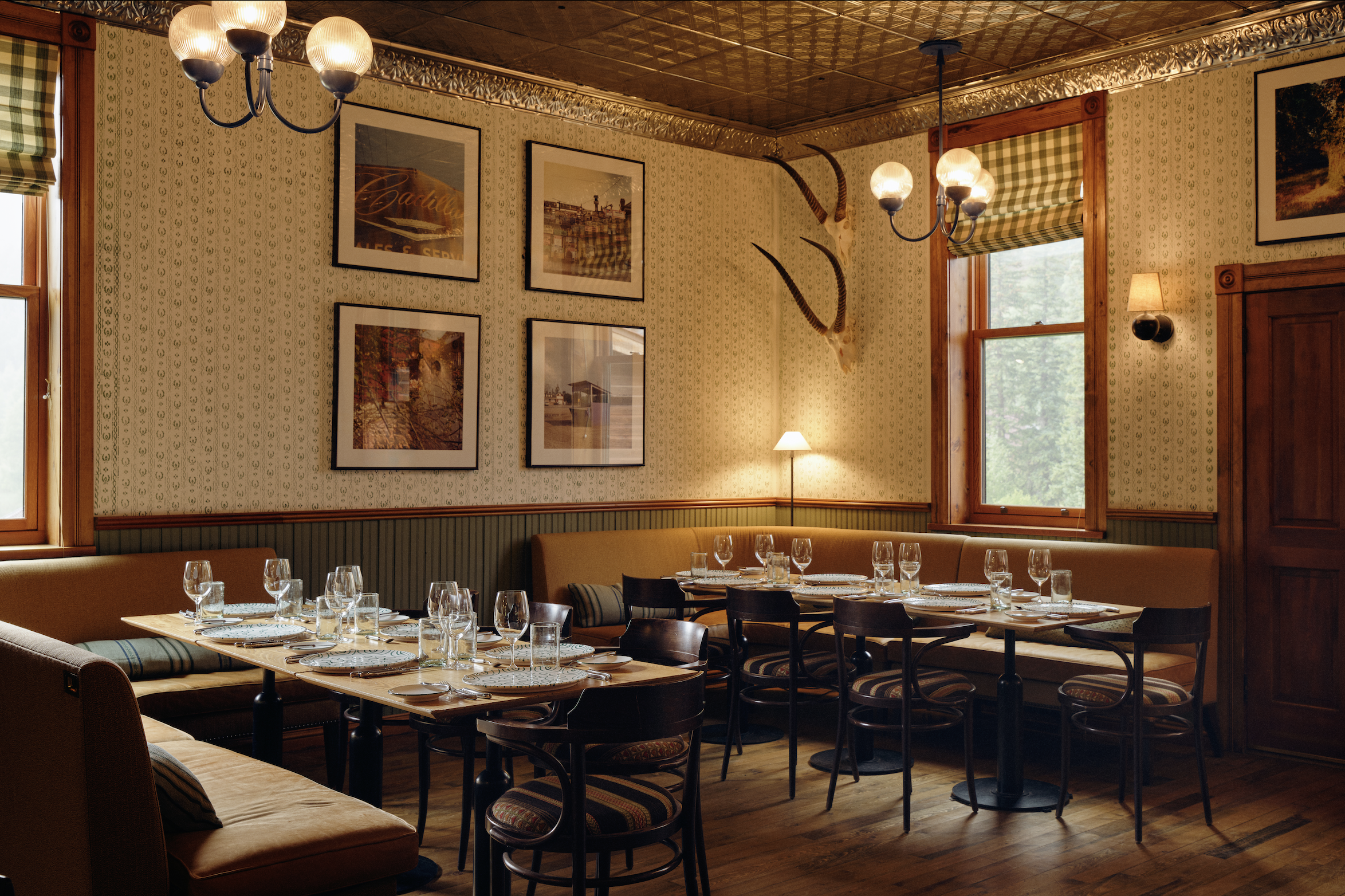
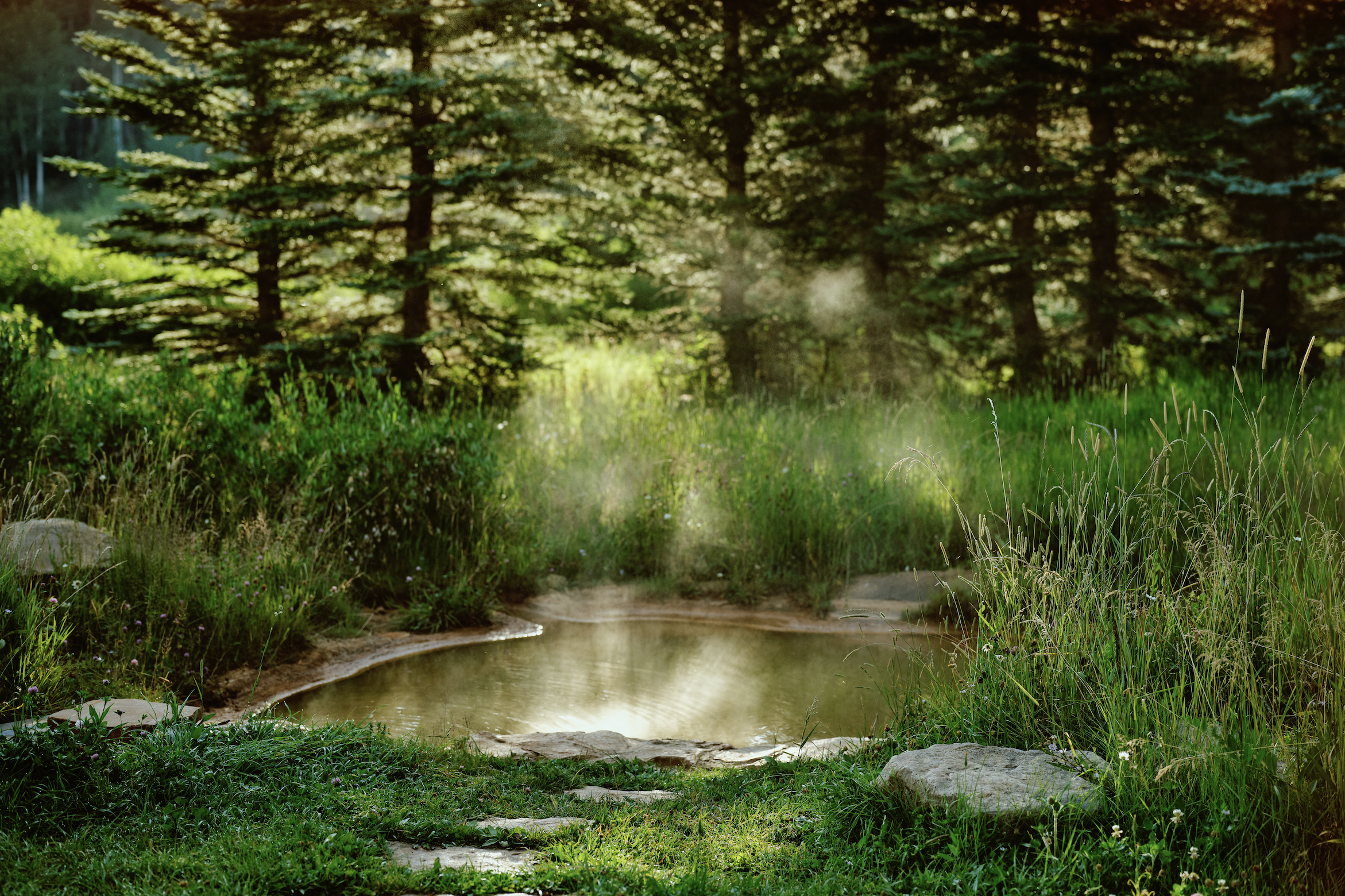
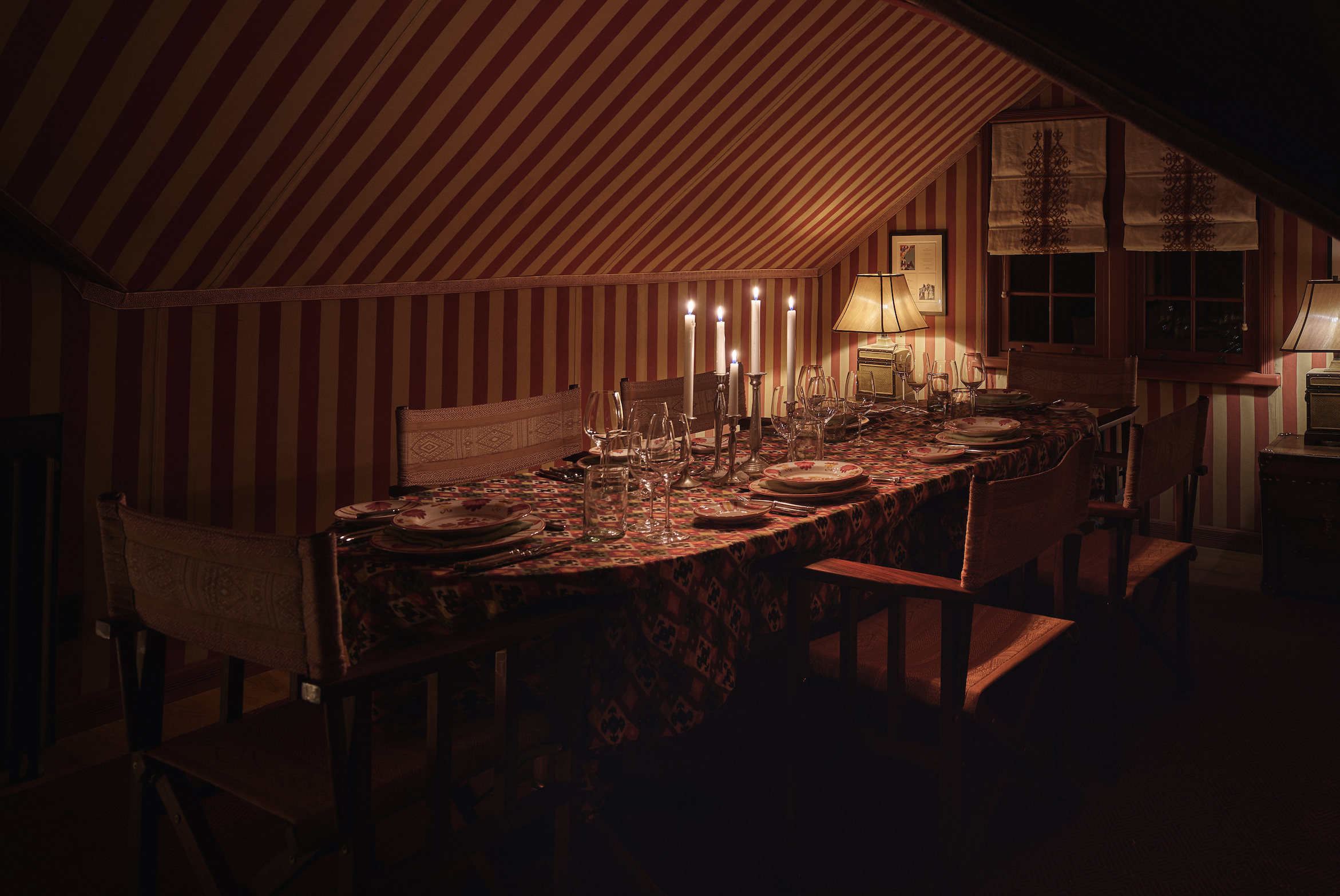
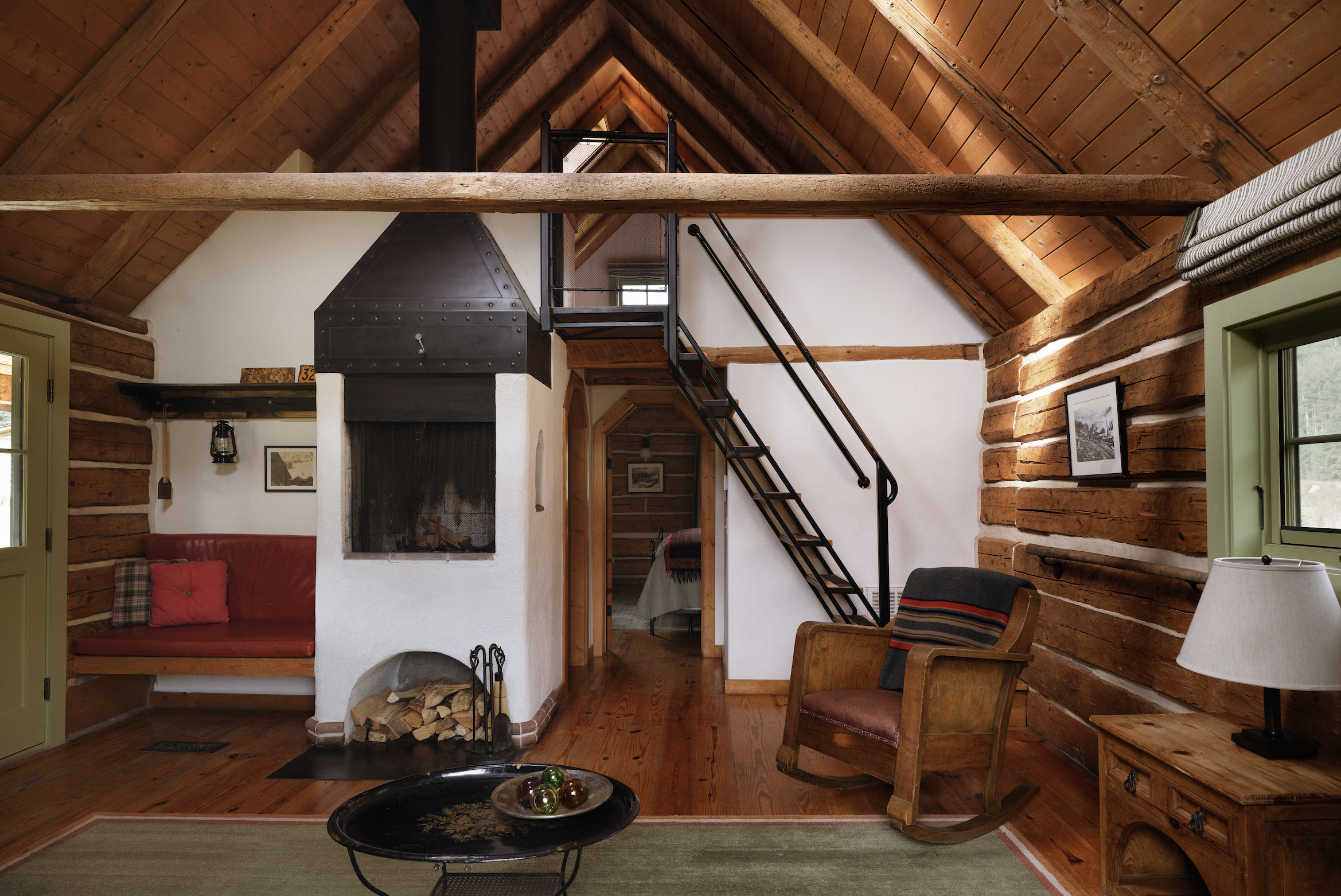
Instead, it’s found in smaller, quieter pleasures: the warmth of a wood-burning stove after a cold walk, the weight of a wool blanket, the shock of slipping into a natural hot spring while the air around you turns to mist. Dinner is served in the old saloon, candlelit and unhurried. Conversations stretch. No one is looking at the clock.
This is Dunton Hot Springs, a restored ghost town turned Relais & Châteaux hideaway, and it feels less like checking into a hotel than stepping into a different rhythm of life altogether.
Here, the days are deliberately unstructured. In winter, guests snowshoe through silent pine forests or cross-country ski across open meadows before returning to cabins scented faintly with woodsmoke. In summer, the mountains open up for horseback rides, fly-fishing, and long hikes through wildflower-covered trails. At any time of year, there’s always the option of doing very little at all: reading by the fire, soaking in the hot springs, or simply sitting outside and watching the light change over the valley.
“Luxury here isn’t about grand entrances or marble lobbies—it’s the silence, the mountains and the feeling of time slowing down.”
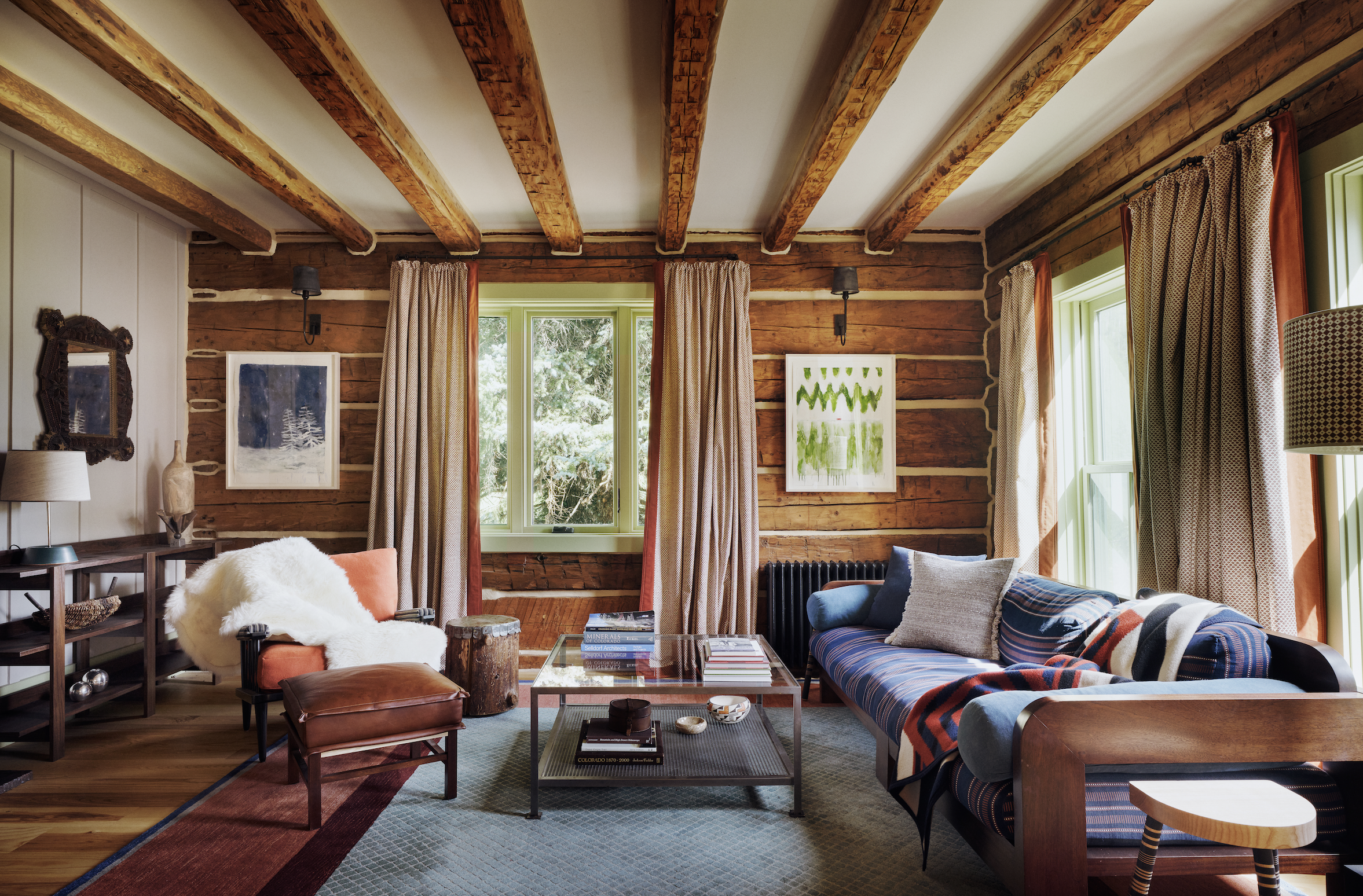
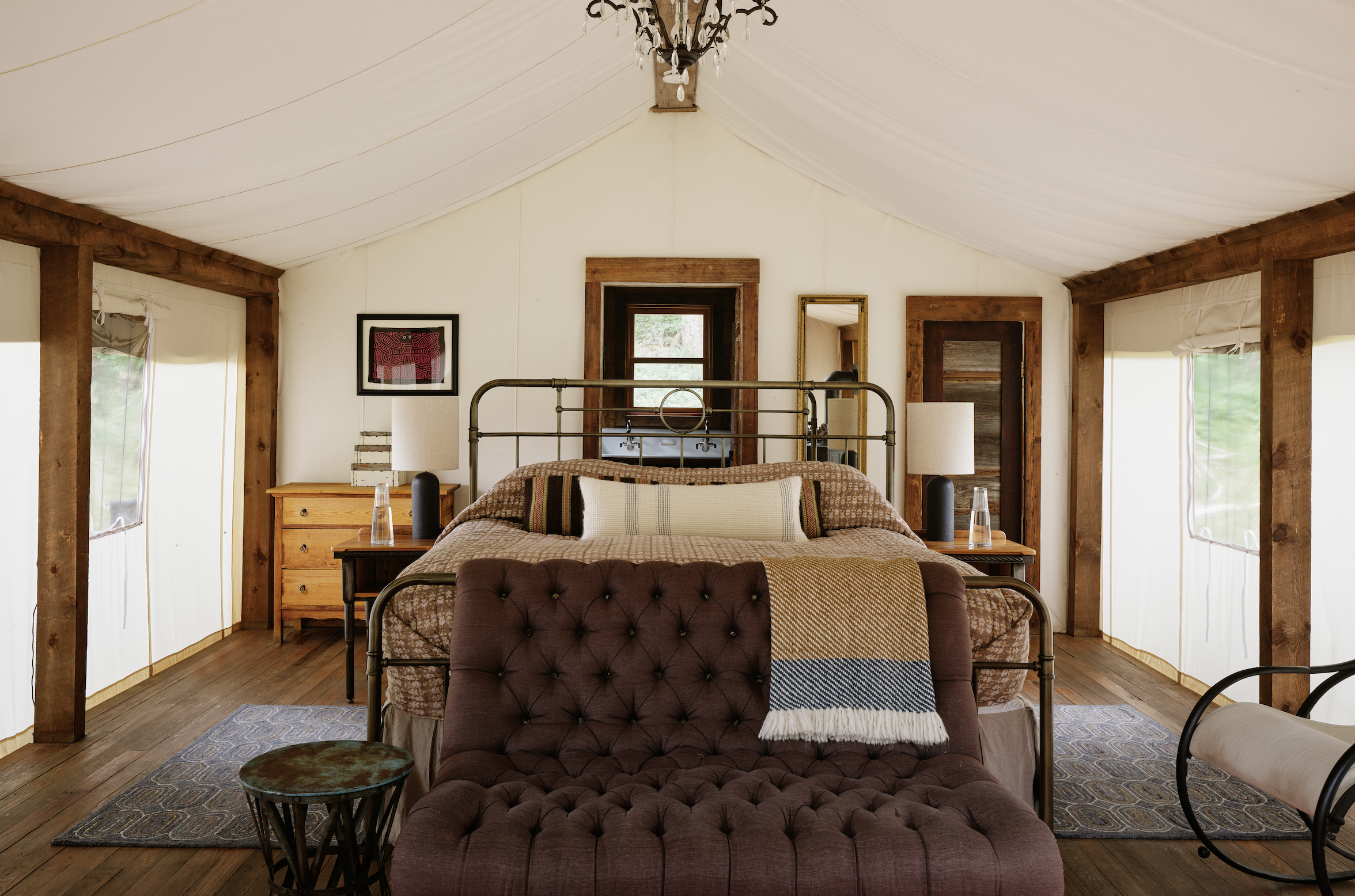
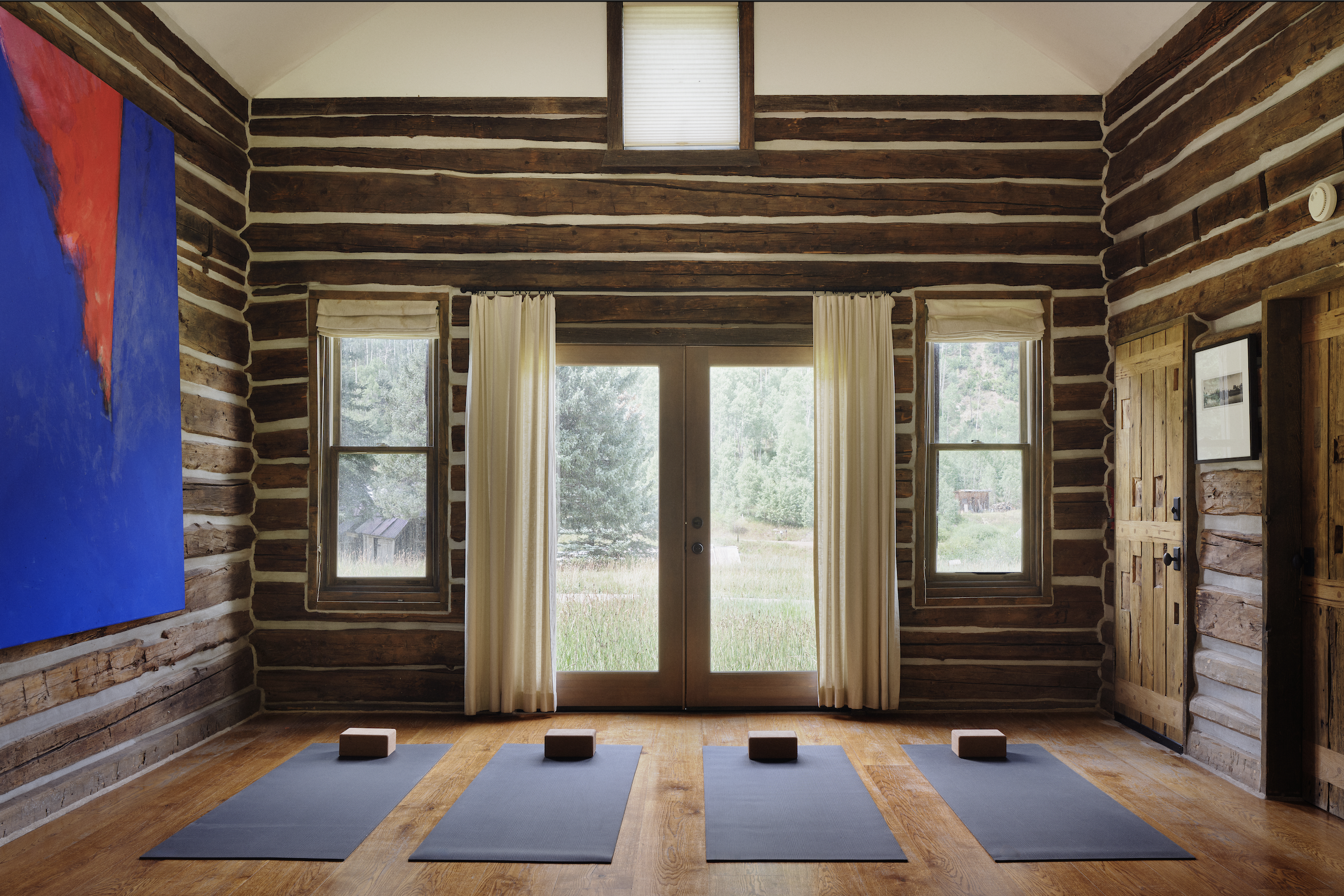
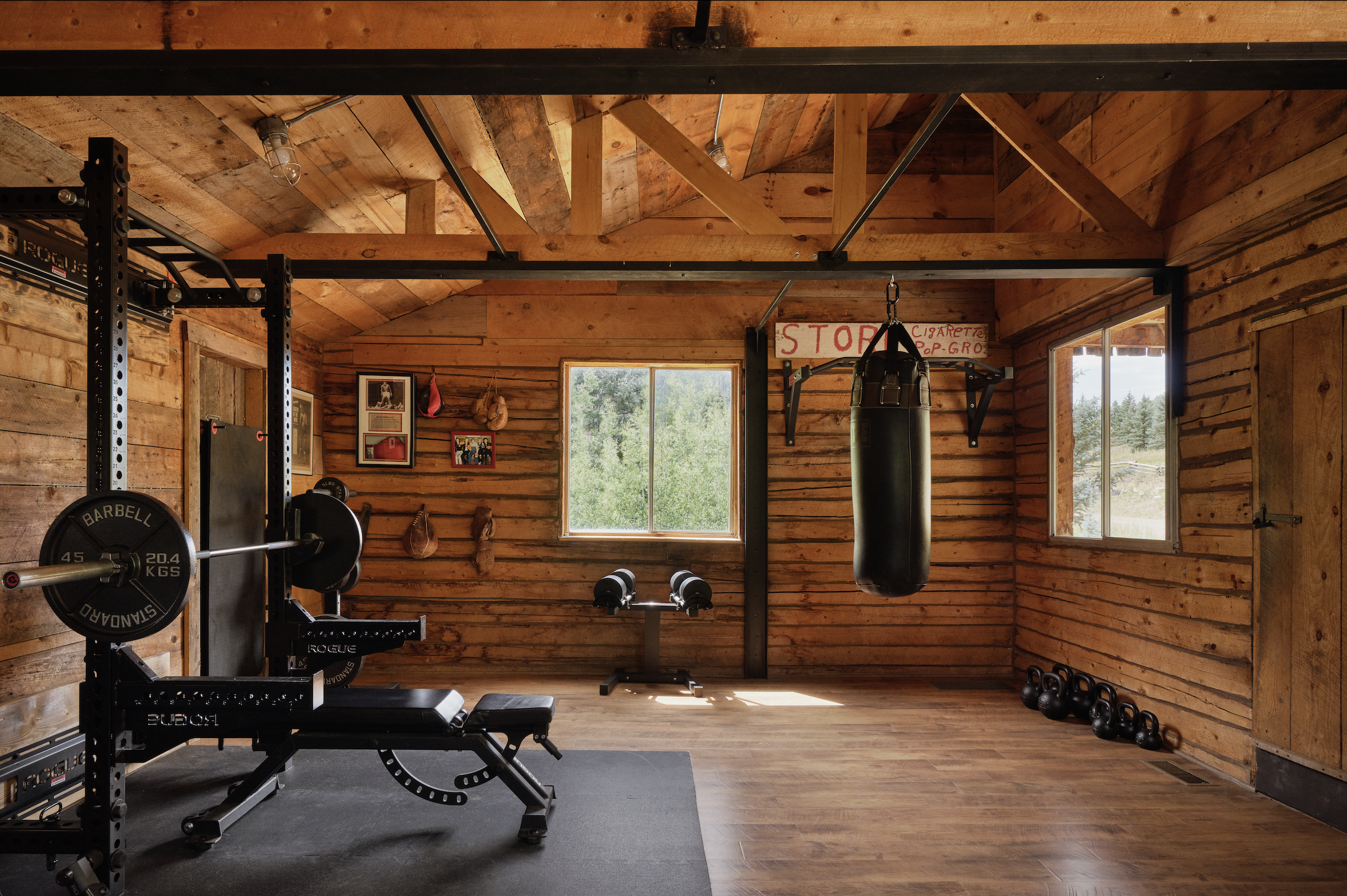
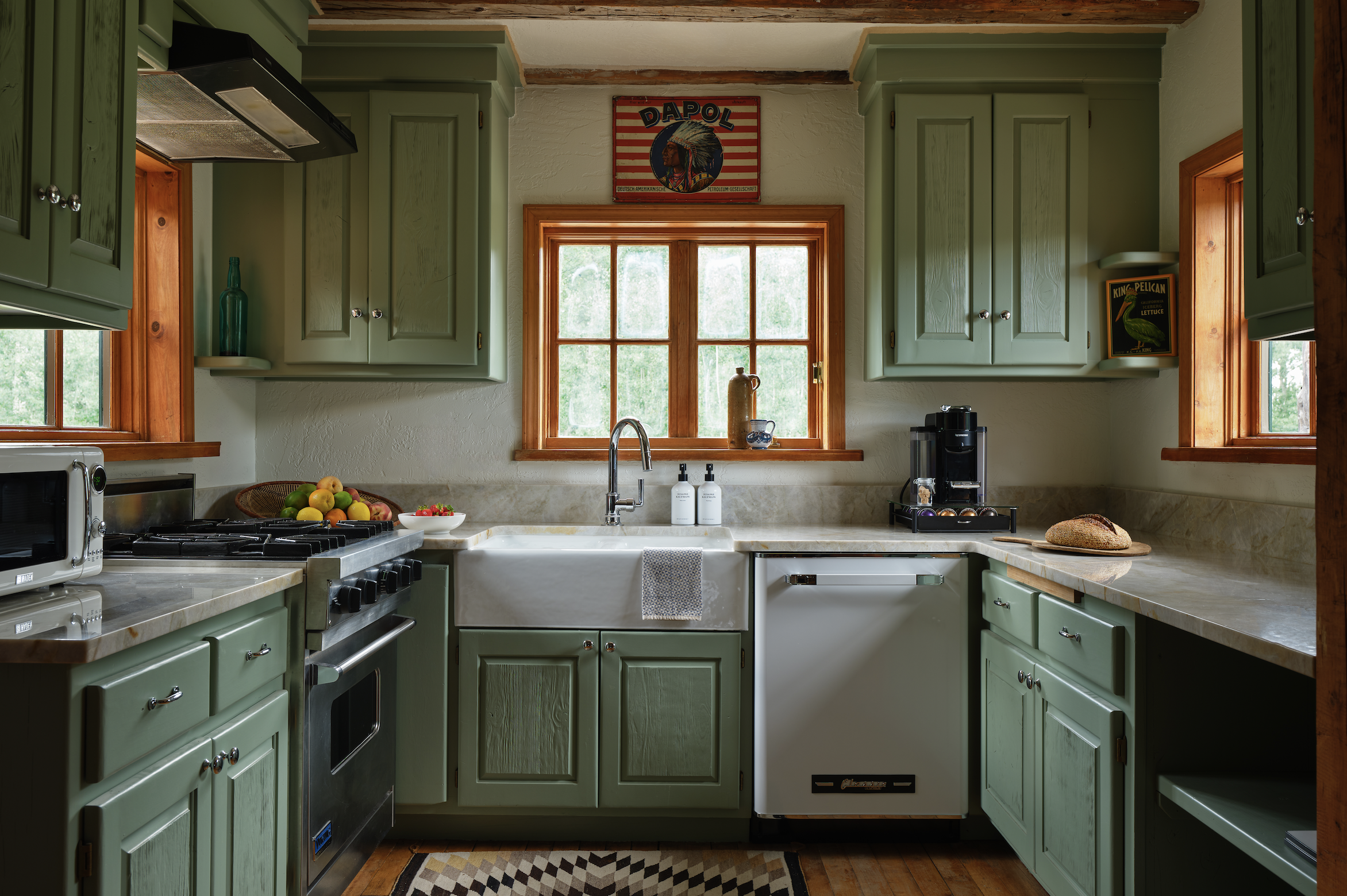
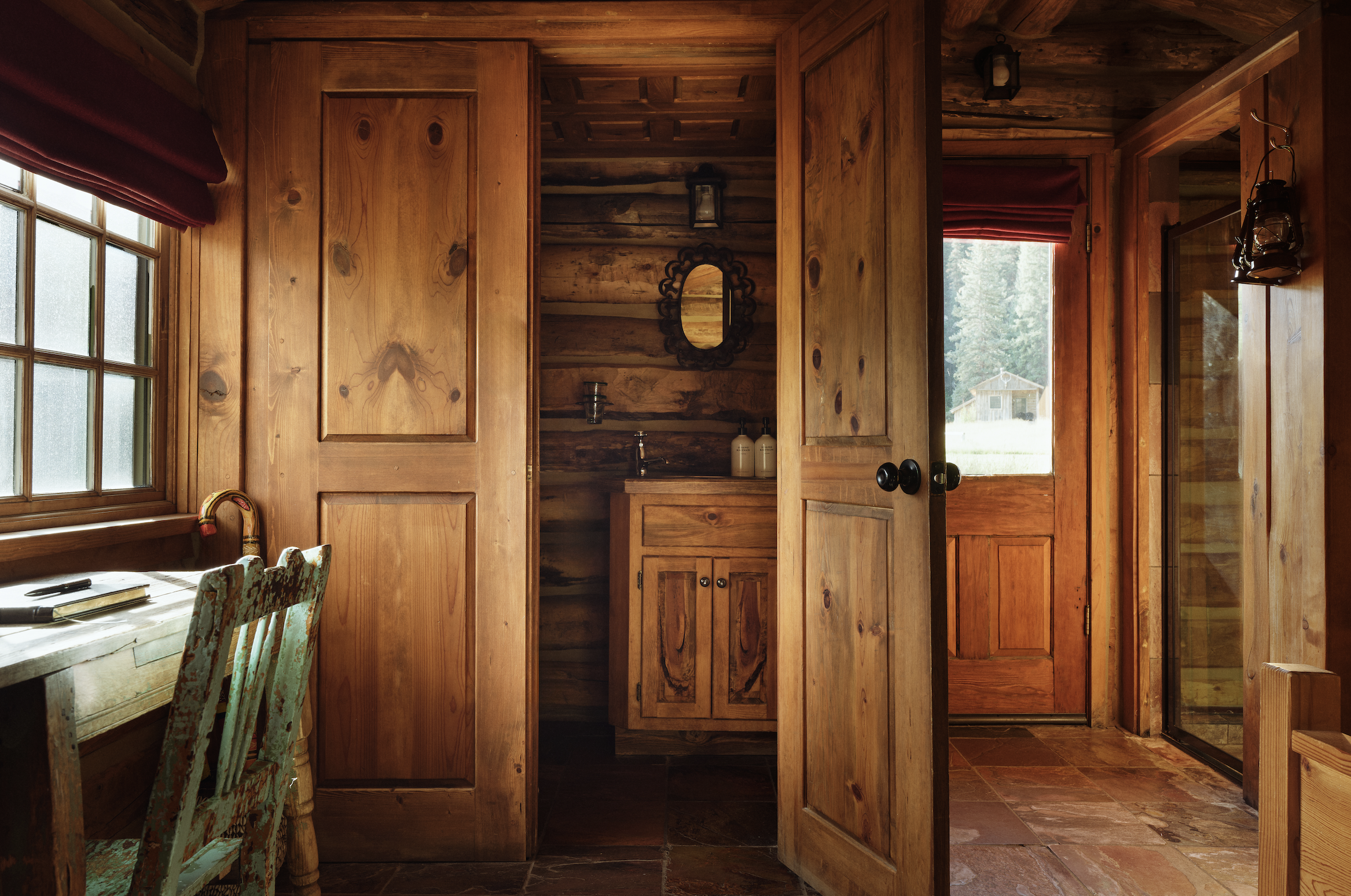
Each cabin has its own personality, shaped by the building’s original purpose in the mining era. Some are intimate and romantic, others large enough for families or groups of friends. All retain their original log structures, softened with layered textiles, antiques and thoughtful contemporary touches. It’s rustic, but never rough. Carefully designed, but never overworked.
The recent multi-year renovation hasn’t tried to modernise the place in the conventional sense. Instead, the focus has been on refinement: restoring cabins, updating interiors, and ensuring the whole property feels quietly cohesive without losing its frontier character. London-based studio Waldo Works worked alongside the in-house team to evolve spaces rather than reinvent them, keeping the spirit of the old town intact while making everything feel more comfortable and considered.
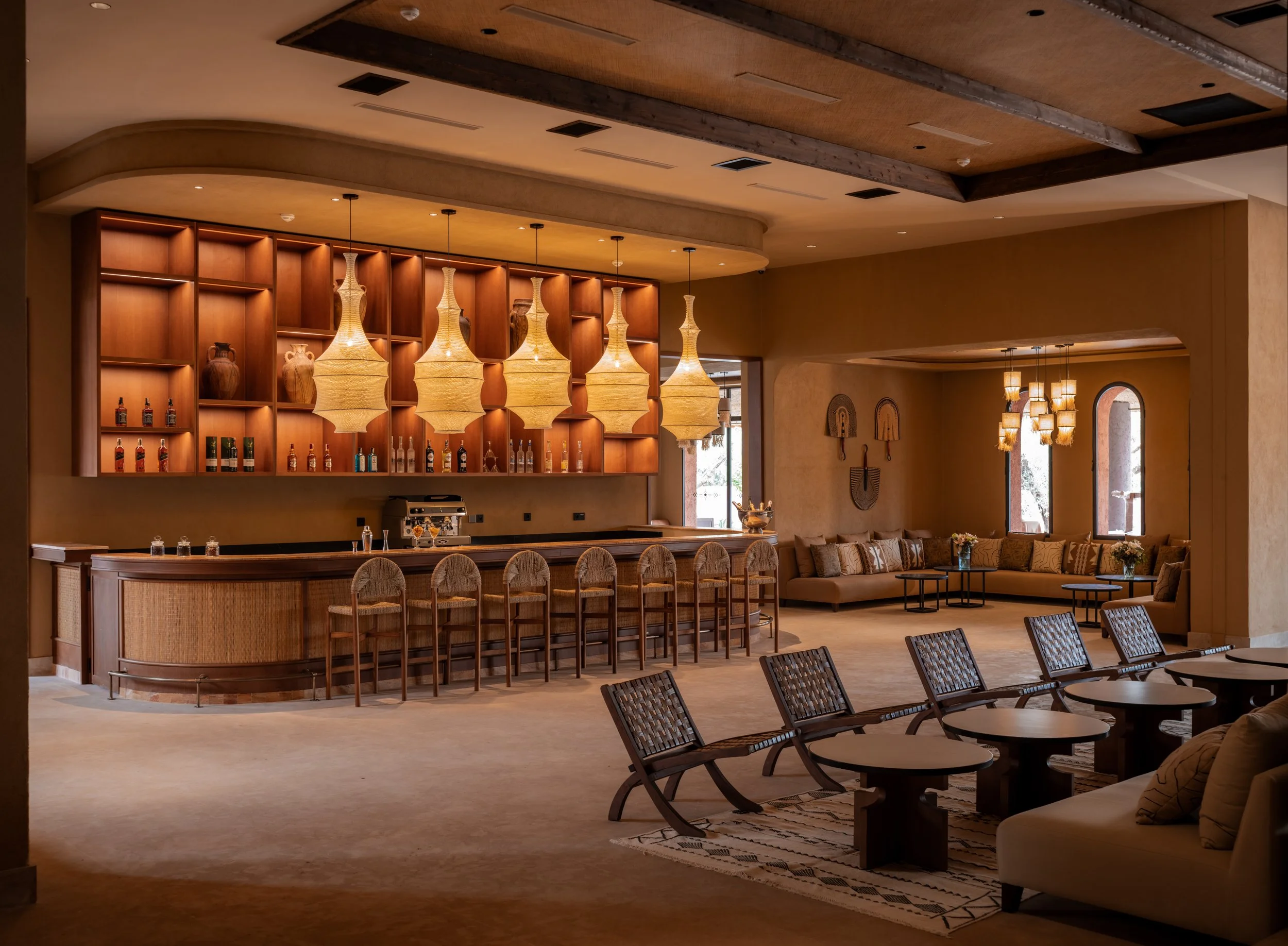
The saloon, once the social heart of the mining community, remains the centre of life here. Its original bar—famously carved with Butch Cassidy’s signature—still stands, while the kitchen and dining spaces have been gently updated. The result is a room that feels both historic and alive, where guests gather for long, communal meals that stretch late into the evening.
What makes the place memorable, though, isn’t any single design detail or architectural flourish. It’s the way the whole experience feels. There’s no grand arrival, no lobby designed for photographs, no sense that you should be anywhere else. Just a small cluster of buildings in a mountain valley, natural hot springs rising from the earth, and a pace of life that feels refreshingly human.


Despite its remote setting and cinematic stillness, the appeal isn’t limited to one kind of traveller. For couples, it’s an unusually romantic escape—private cabins, candlelit dinners and hot springs hidden among the trees. For groups of friends, the town-like layout makes it feel more like a shared mountain hideaway than a hotel, with long meals in the saloon and slow days spent outdoors. And for families, the sense of space and freedom is part of the draw: children can roam between cabins, explore the meadow, or ride out into the mountains, while adults settle into the quieter rhythm the place naturally encourages.
It’s not the kind of resort built around kids’ clubs or packed activity schedules, and that’s precisely the point. The luxury here lies in the simplicity: fresh air, open space, good food and the rare pleasure of time that doesn’t feel over-programmed. Whether you arrive with friends, family or just your own thoughts, the experience tends to unfold in the same way—slowly, quietly, and more memorably than expected.
Rooms at Dunton Hot Springs start from approximately $1,800 (£1,400) per cabin, per night, including meals, drinks and activities.
For more information or to book, visit duntondestinations.com.