The Quiet Hair Revolution: Why Healthy Texture Is Replacing High-Heat Styling
Hair that moves, bends, and feels good to touch is quietly replacing the era of crispy curls and overworked blow-dries.
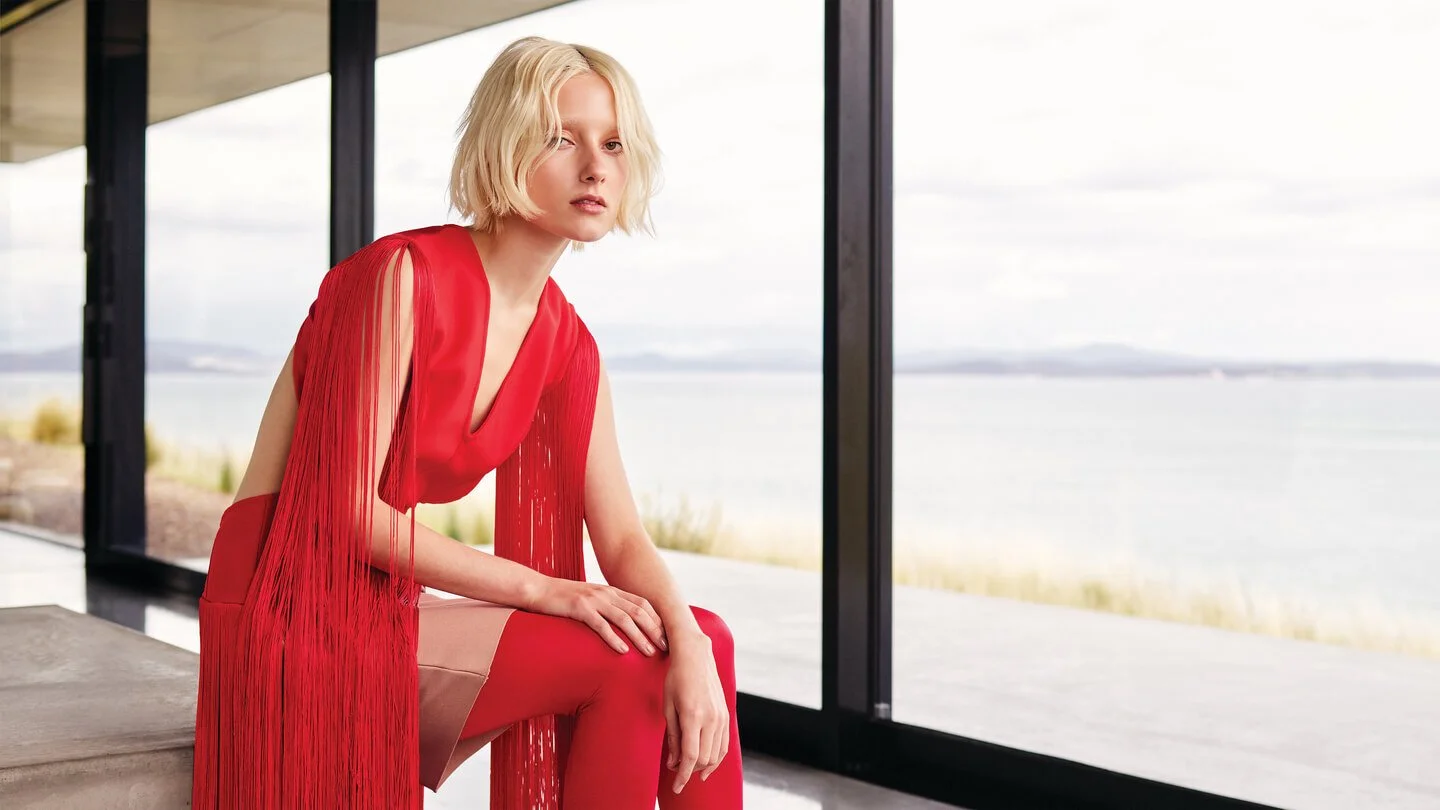
There’s something slightly off about very “done” hair right now. Not wrong, exactly. Just… dated.
The perfectly tonged waves. The rigid blow-dries. The styles that don’t move unless the wind forces them to. Hair that looks expensive from across the room but feels dry, powdery, or oddly stiff the moment you touch it.
You see it and think: that took time. You touch it and think: that took damage. Because the modern beauty eye has changed. We’ve spent the last few years learning that over-exfoliated, over-treated skin doesn’t look good, no matter how many products are layered on top. The same logic is now reaching our hair routines.
Too much heat. Too many steps. Too many products trying to fix the effects of the steps before them.
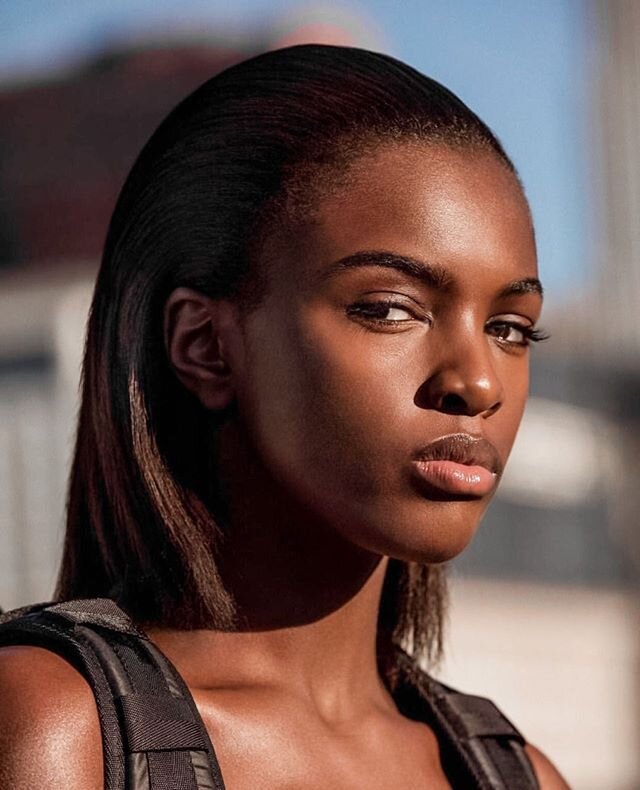
And suddenly the most modern hair doesn’t look styled at all. It looks soft. It moves. It bends when you tuck it behind your ear. It feels like actual hair.
The Skinification of Hair
The change in direction mirrors what’s already happened in skincare. We stopped scrubbing our faces raw and calling it “glow.” We realised that too many acids, peels, and harsh cleansers didn’t just irritate the skin—they weakened it. They forced us into longer, more complicated routines just to get back to baseline.
Hair followed the same path, only we didn’t notice it as quickly.
Daily heat styling. Layered mousses. Powdery dry shampoos. Strong-hold sprays. And underneath it all, hair that felt increasingly brittle, thirsty, and strangely lifeless.
So the new approach is quieter.
Less heat.
Fewer tools.
Smarter formulas.
Shorter routines.
Not just because it’s easier—but because it actually produces better hair.
Advances in formulation mean you no longer need a cocktail of products to make your hair look presentable. Modern conditioning systems, bond-repair technologies, and lightweight emollients do more in a single step. You use less because the formulas are doing more.
In reality, most natural textures still need a little guidance. Waves frizz. Curls lose shape. Straight hair can look flat or slightly frazzled at the ends. But the modern solution isn’t to layer five products and blast everything with heat. It’s to choose one well-formulated styler that works with your texture, and let that do the job.
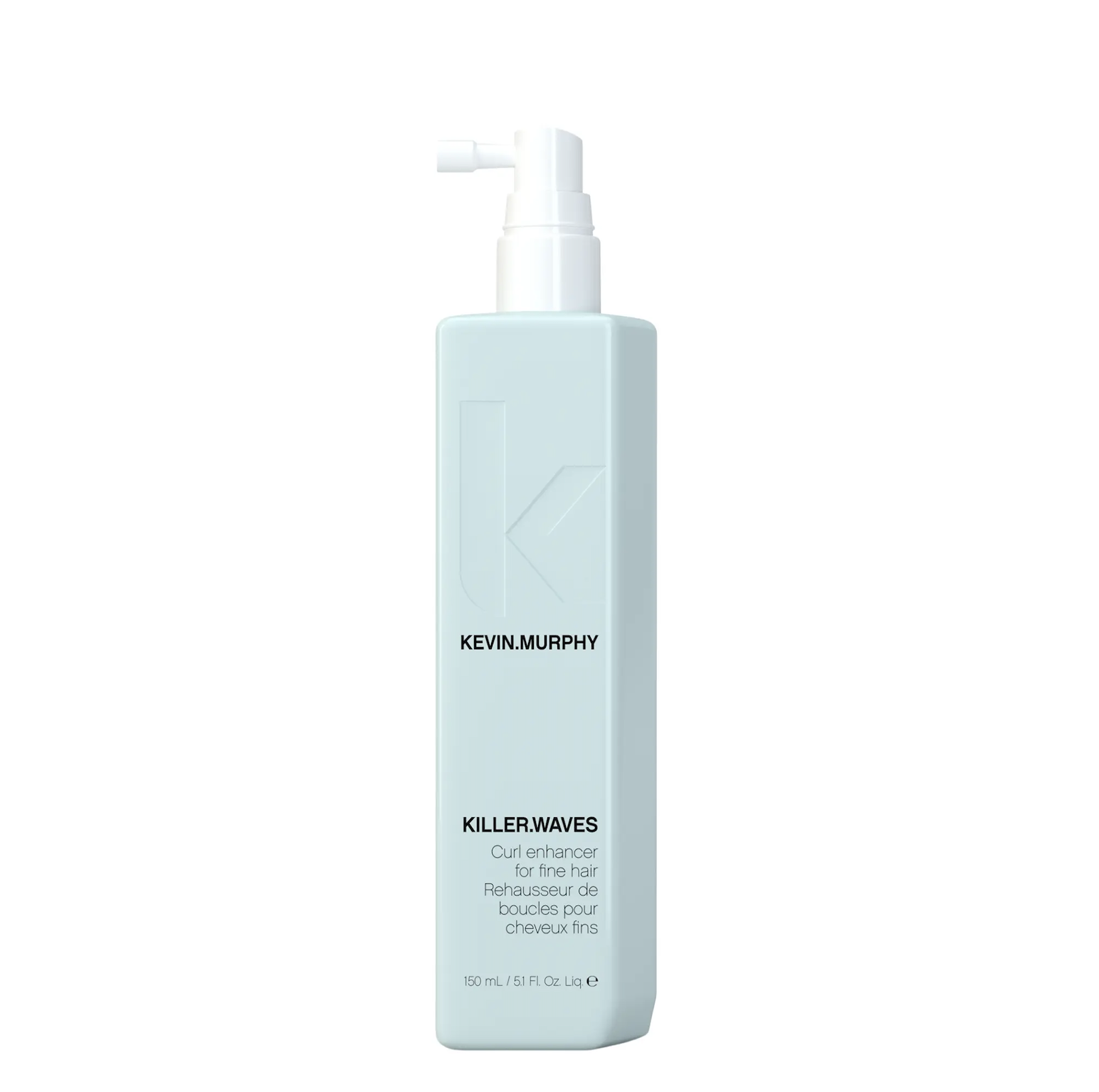
For loose waves that tend to fall flat or turn fluffy, a lightweight enhancer like Kevin Murphy Killer Waves (£38) adds gentle structure without stiffness. Work a small amount through damp mid-lengths, then twist random sections of hair around your fingers. Let them dry like that—no symmetry, no perfection. When you shake them out, the hair falls into soft, irregular bends that look far more natural than tonged curls.
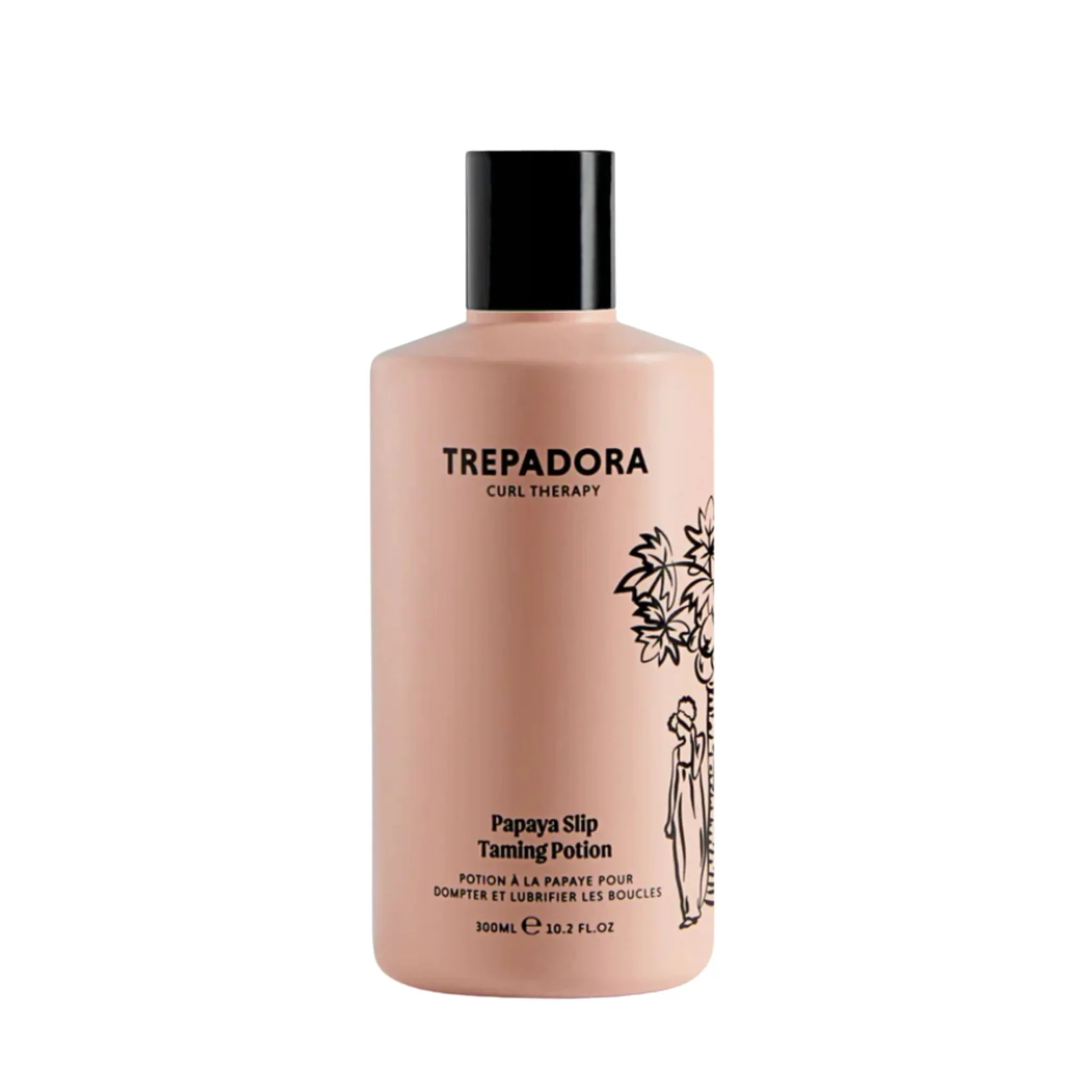
If your texture leans more curly, definition matters—but so does elasticity. Trepadora Papaya Slip Taming Potion (£27) hydrates and shapes curls at the same time, so they hold together without that crunchy, over-set feeling. Smooth it over damp hair, then gently scrunch upward. The goal isn’t rigid ringlets, but curls that stretch, bounce, and move.
Straight hair benefits from this shift too, just in a slightly different way. The issue usually isn’t frizz or lack of definition—it’s flatness. Hair that sits close to the head, with ends that look dry but still lack movement.
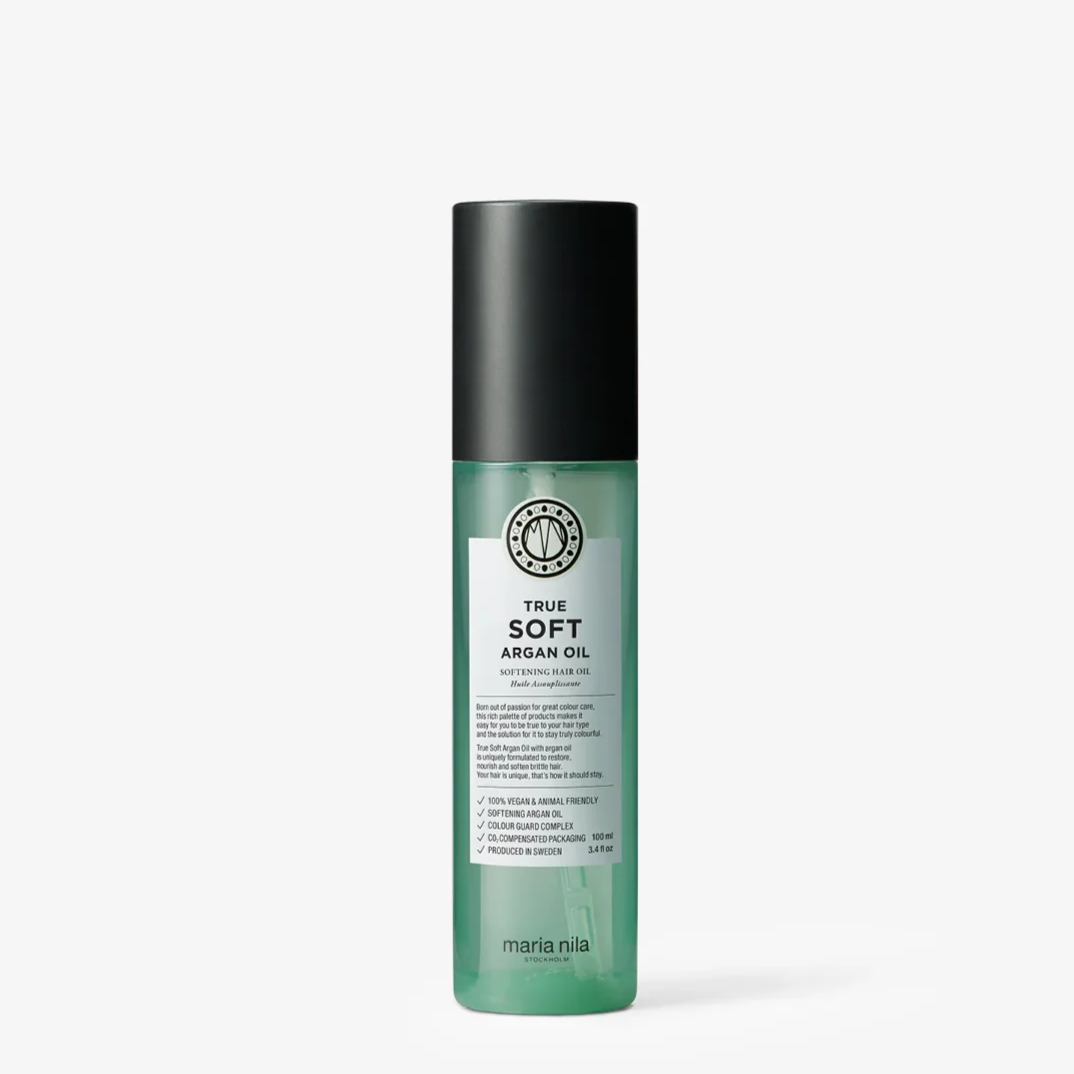
On days when the hair just needs softness and shine, a drop or two of Maria Nila True Soft Argan Oil (£30) through the ends is often enough. It smooths dryness, adds gloss, and gives the hair that fluid, swishable quality that makes it look healthy rather than styled.
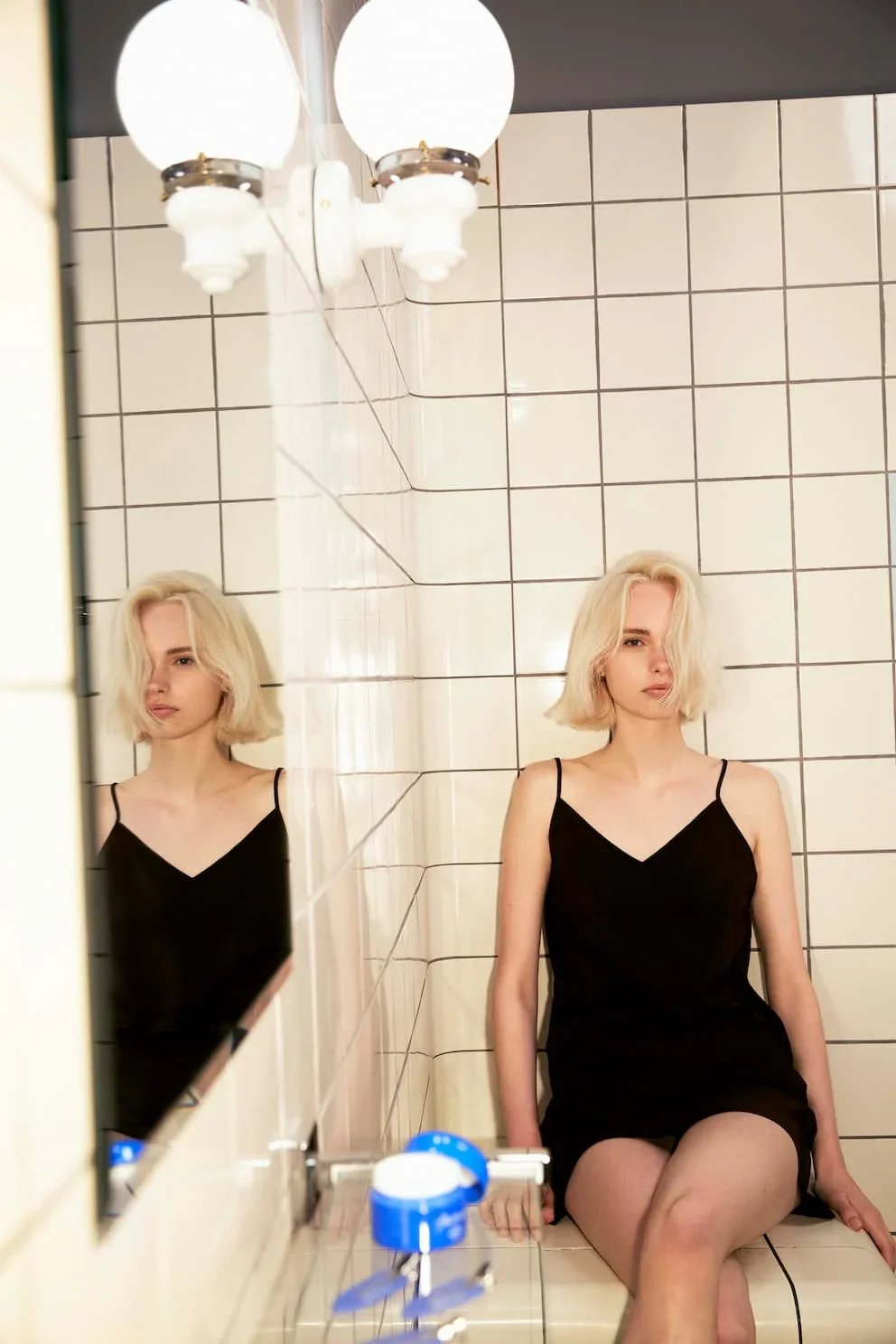
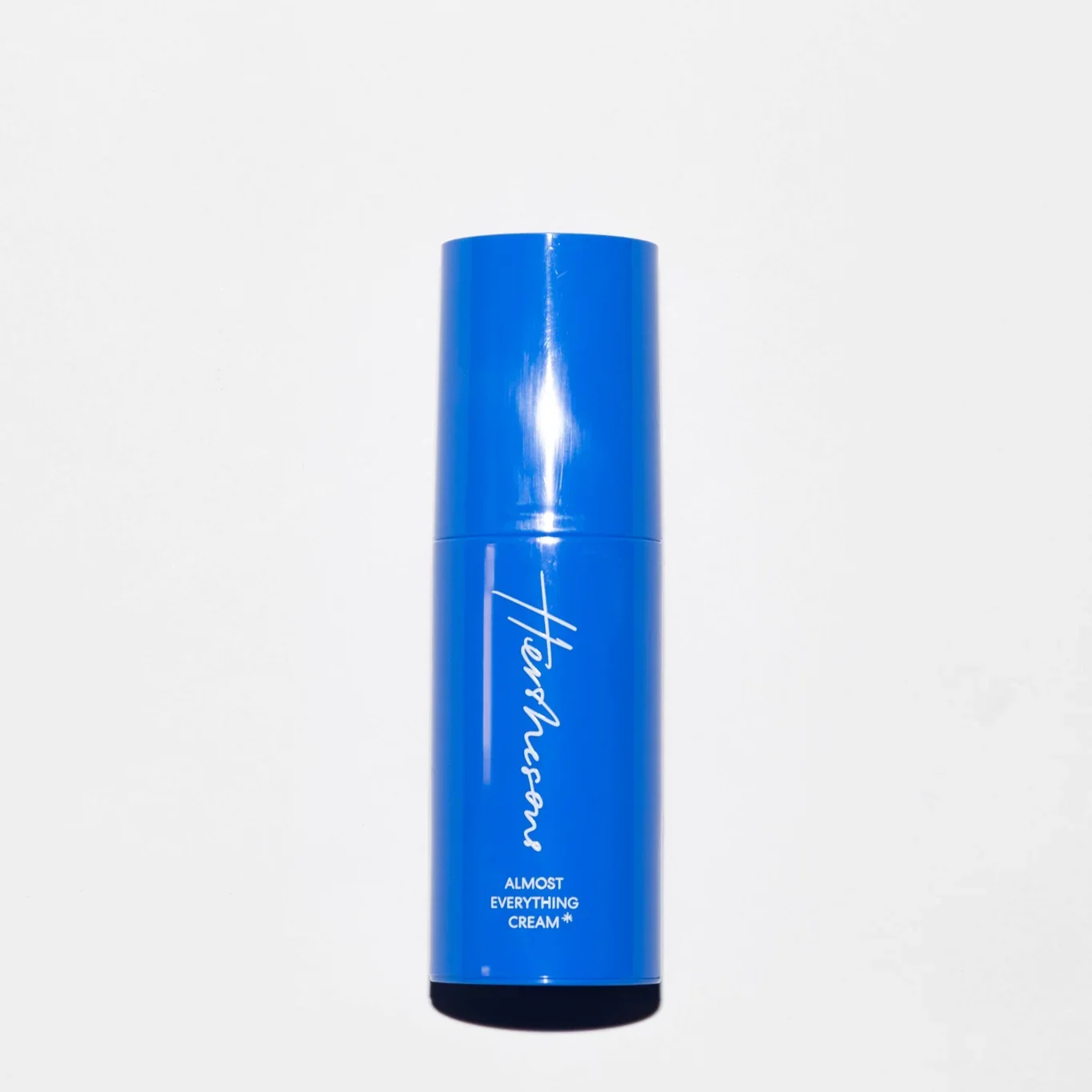
But on days when straight hair feels too flat or lifeless, a soft texturising cream like Woman with short, softly textured blonde hair sitting in a tiled bathroom, styled with natural movement and minimal heat Hershesons Almost Everything Cream (£75) makes more sense. Worked lightly through the mid-lengths, it adds soft separation and just enough texture to stop the hair from sitting in one heavy sheet, without ever turning stiff or waxy. You can twist a few face-framing pieces or tuck sections behind the ears as it dries to create a gentle, natural bend.
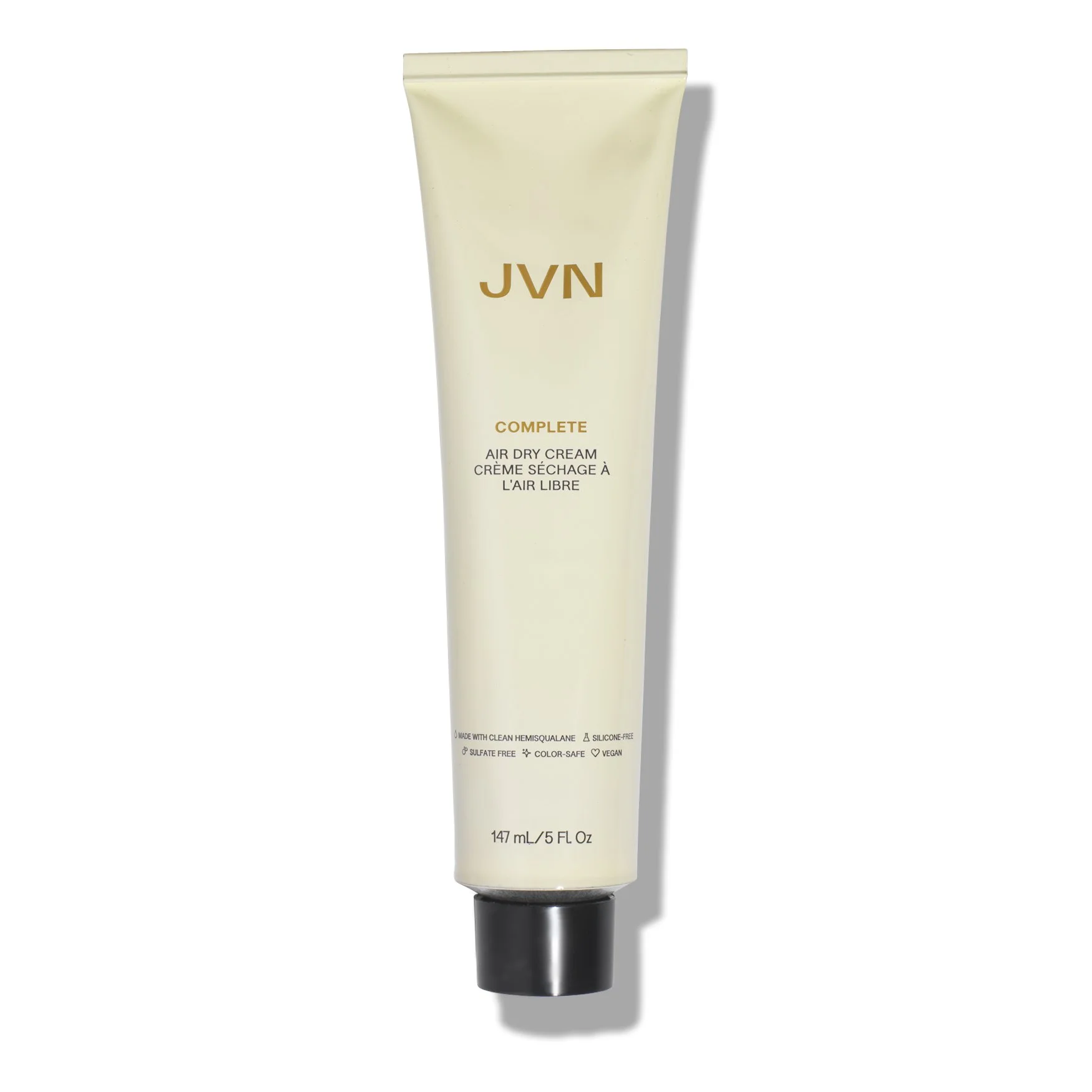
For a more treatment-led approach, JVN Complete Air Dry Cream (£24) sits somewhere between care and styling. It’s ideal for hair that feels dry, slightly damaged, or overworked from heat. Raked through damp lengths, it smooths, strengthens, and subtly shapes the hair at the same time—often replacing the usual combination of leave-in, oil, and styler.
The difference is tactile. Hair that sways when you walk. Hair that falls back into place. Hair you can run your hands through without thinking twice.
Texture as The New Luxury
What’s really changed is our relationship with texture.
There was a time when a good styling product was one that locked everything in place. Gels that dried stiff. Mousses that left a powdery film. Sprays that froze the hair into a fixed shape for the rest of the day.
But once you start paying attention to how your hair feels—not just how it looks—that whole approach starts to feel strangely old-fashioned.
“The most modern hair doesn’t look styled. It looks cared for”
Crispy curls. Chalky roots. Ends that shine in photos but feel dry between your fingers. Hair that looks expensive from a distance but resists touch.
The new ideal is different.
Hair that sways when you walk. Hair that springs back when you move it. Hair that feels silky, plush, or bouncy when someone runs their hands through it. In other words: texture that feels alive.
And achieving it is often about small, intelligent shifts:
Twisting sections instead of tonging them
Braiding damp hair instead of blow-drying it straight
Using one good cream instead of three stylers
Letting the natural pattern lead the look
As we move into spring and summer, this approach becomes even more appealing. Heat-styled perfection rarely survives humidity, sea air, or a long lunch in the sun. But healthy texture does. It softens, shifts, and settles into itself.
And that’s the quiet revolution. Not hair that holds a shape all day— but hair that holds its health. Soft. Flexible. Touchable. And far more modern because of it.