Can A Laser Really Deliver Results Without Weeks Of Downtime?
UltraClear is the new laser promising smoother skin and significantly less downtime.

If there is one beauty treatment that perfectly encapsulates the phrase "no pain, no gain", it's laser resurfacing.
For decades, lasers have occupied something of a holy grail status within aesthetics. Ask most doctors which treatments genuinely improve skin quality and laser resurfacing will almost always feature near the top of the list. Pigmentation, acne scarring, fine lines, uneven texture, enlarged pores and collagen loss are all concerns it can address with impressive results.
The latter category has never been short of devotees. After all, if someone tells you they can improve pigmentation, soften fine lines, smooth texture, stimulate collagen and generally make your skin look fresher and healthier, it's difficult not to be interested. The catch, historically, has been the recovery.
For years, some of the most effective skin treatments have come attached to a rather inconvenient reality: redness, swelling, peeling and the sort of downtime that requires careful diary management. Perhaps that's why so many people find themselves trapped in an endless cycle of facials, LED masks and skincare products that promise transformation but rarely deliver anything dramatic. The treatments capable of producing meaningful change have often felt incompatible with everyday life.
Because while many of us would quite like better skin, fewer of us are particularly keen on explaining to colleagues, fellow parents at the school gates or unsuspecting supermarket cashiers why our face appears to be in the middle of a major renovation project.
Which is why UltraClear has generated so much excitement. Over the past year, the treatment has become one of the most talked-about technologies in aesthetic medicine, attracting attention from doctors, clinics and patients alike. The reason is surprisingly simple: UltraClear promises many of the benefits traditionally associated with more aggressive laser resurfacing, but with significantly less downtime than we've come to expect.
Why The Industry Is Paying Attention
UltraClear is the world's first cold fibre ablative laser. While that description sounds highly technical, the principle behind it is relatively straightforward.
Traditional ablative lasers work by creating controlled injury within the skin. This triggers the body's natural repair response, encouraging fresh collagen and elastin production while helping improve pigmentation, acne scarring, fine lines, enlarged pores and uneven texture. The downside is that many traditional lasers rely heavily on heat. While effective, that heat can also create inflammation in surrounding tissue, contributing to the redness, swelling and downtime that have long been associated with laser resurfacing.
“Because while many of us would quite like better skin, fewer of us are particularly keen on explaining why our face appears to be in the middle of a major renovation project.”
UltraClear approaches things differently. Using patented cold fibre laser technology, it delivers ultra-short pulses of energy with remarkable precision while limiting unnecessary thermal damage to surrounding tissue. The goal is to stimulate the same rejuvenation processes while reducing inflammation and shortening recovery time.
The treatment can also be tailored according to both your skin concerns and your schedule. At lighter settings, it can function as a skin-refreshing treatment designed to boost radiance and improve overall skin quality. At deeper settings, it can target pigmentation, acne scars, fine lines and skin laxity through more intensive collagen remodelling. In short, it aims to offer something aesthetics patients have been searching for for years: meaningful results without needing to disappear from public view for the next fortnight.
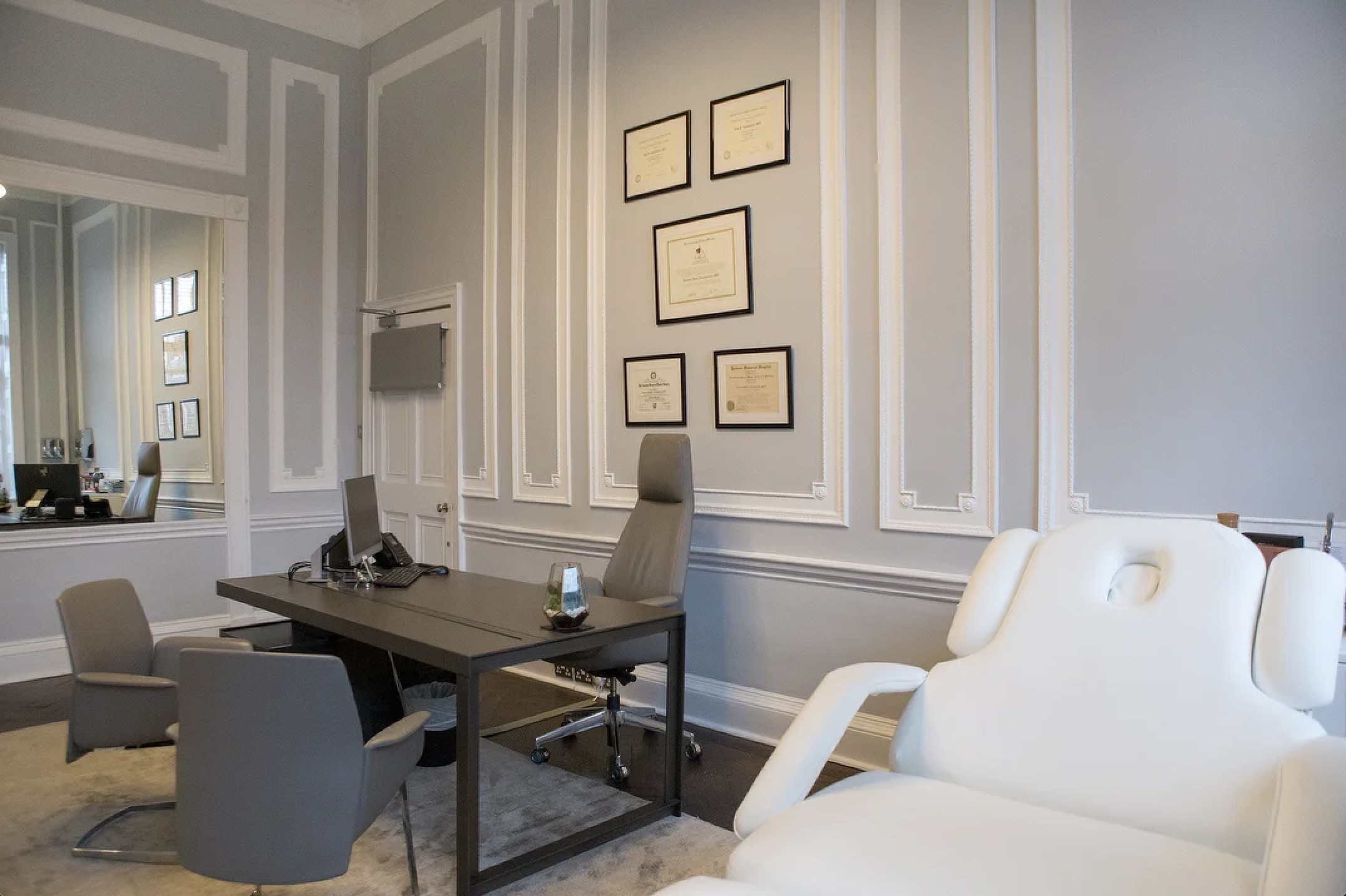
It all sounds impressive on paper. The real question, of course, is what happens when you swap the clinic brochure for an actual appointment. I visited 111 Harley St to find out.
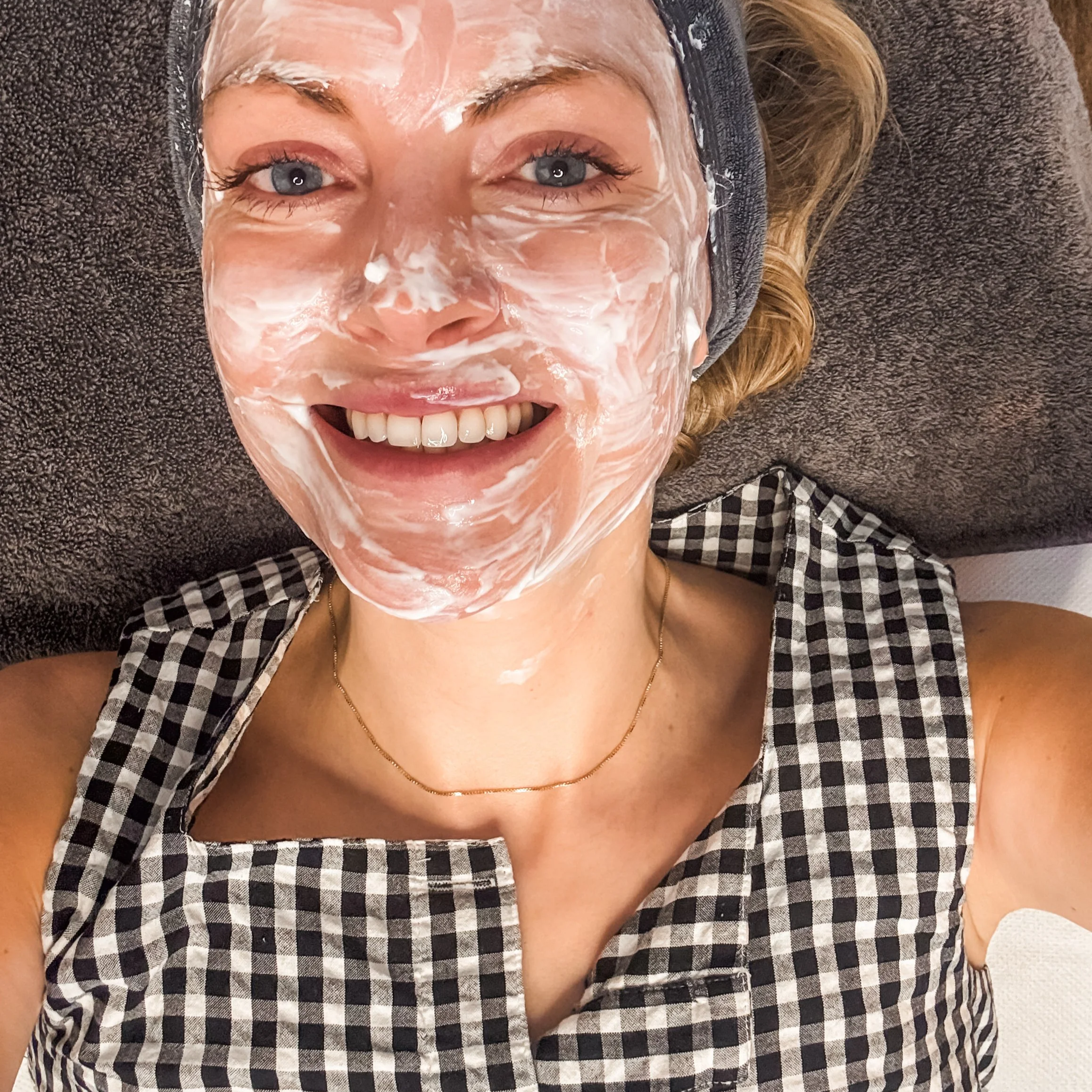
Before we started, numbing cream was applied and left to work its magic. Although some patients reportedly don't require it, I was more than happy to accept any assistance modern medicine wished to offer.
The first surprise came when the treatment began. I had mentally prepared myself for considerably more discomfort than I actually experienced. You can feel the laser working and there are moments where you notice warmth on the skin, but I found the treatment remarkably comfortable throughout. There was no gripping the chair, no watering eyes and certainly no internal negotiations about whether I wanted to continue.
There was, however, one aspect nobody had really prepared me for: the smell. As the laser passes across the skin, there is an unmistakable burning scent. If you've had laser treatment before, you'll know exactly what I'm talking about. If you haven't, it can be slightly alarming the first time it happens. Rest assured, it's completely normal, although there is something mildly unnerving about smelling what appears to be your own face being toasted.
The treatment itself was over surprisingly quickly. Then came the mirror.
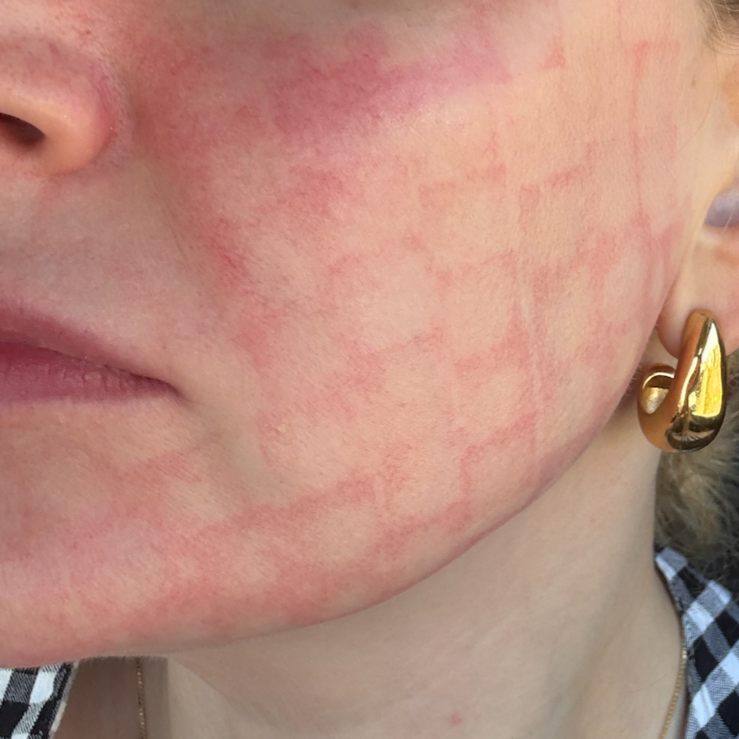
Immediately afterwards, I looked considerably less glamorous than the clinic's before-and-after photographs might suggest. My skin was extremely red and covered in the distinctive laser pattern. The closest comparison I can offer is giraffe print. Not subtle giraffe print either — full commitment giraffe print. It wasn't painful and my skin didn't feel particularly uncomfortable, but I certainly wasn't rushing off to a lunch meeting afterwards.
The good news is that this stage passed far more quickly than I expected. By the following day the redness had already reduced significantly and by day two I felt perfectly comfortable heading out and getting on with normal life. At that point the skin had developed more of a rough, sandpaper-like texture, which is a normal part of the healing process. Over the following days this gradually flaked away, revealing fresher-looking skin underneath.
What impressed me most was how manageable the downtime felt overall. The first day is undeniably noticeable, but by the second day I no longer felt as though I needed to hide from the world. Compared with traditional laser recoveries that can stretch well beyond a week, that feels like a meaningful difference.
By the time the rough texture had disappeared, the improvements were becoming easier to assess. It's important to note that I only had a single treatment, so this isn't a review of a full UltraClear course.

After one session, the changes I noticed were less about dramatic transformation and more about refinement. My skin looked brighter, smoother and generally healthier. There was an overall freshness to my complexion that made me look more rested, while the texture of my skin appeared noticeably improved. The results weren't so dramatic that friends were stopping me in the street to ask what I'd had done, but they were significant enough that my skin simply looked better.
What I didn't see after one treatment was a major tightening effect. However, I was advised from the outset that the more substantial collagen-remodelling and skin-firming benefits typically come from a course of three sessions rather than one. If tightening is your primary goal, that's worth bearing in mind.
For me, UltraClear's biggest selling point wasn't necessarily the immediate glow, although that was certainly welcome. It was the fact that the treatment managed to deliver visible improvements without demanding that I disappear from public life while my skin recovered. In a world where most of us have jobs, school runs, social commitments and lives that don't easily accommodate two weeks of downtime, that may be the most impressive result of all.
UltraClear is available at 111 Harley St in London, where treatments can be tailored according to your skin concerns, goals and preferred level of downtime. To learn more or book a consultation, visit 111harleystreet.com