Explore the UK: Relaxing Coastal Tips and Delightful City Getaways

Because no one does contrasts quite like the UK — wild coasts one day, cobbled cities the next.
The United Kingdom offers a distinct mix of landscapes. From the grey, slate-roofed towns of the north to the warmer, sandy stretches in the south-west, variety is the main draw. It isn't just about the weather, which changes hourly, but the accessibility of different environments.
A train ride separates the pace of the capital from quiet seaside retreats. This guide looks at practical ways to navigate these contrasts, focusing on specific regions that manage to deliver consistent quality without the usual tourist crush. It explores the logistics of a coastal break alongside the specifics of a city weekend for any traveller.
Cornwall
Cornwall is often defined by its geography, a long peninsula jutting into the Atlantic. This shape creates two different coasts. The north is rugged with high cliffs and surf beaches like Polzeath, while the south tends to be gentler, featuring estuaries and wooded valleys. Getting around requires patience, as the roads are narrow and often single-track. A car is almost essential for reaching the smaller coves, although the branch line trains offer a scenic alternative for main towns like St Ives or Falmouth.
Accommodation varies wildly, but finding space in summer can be a challenge. Families often look for self-catering options to handle the unpredictable weather. Securing lovely holiday homes in Cornwall with a pool can save a rainy afternoon when the beach isn't an option. It provides a reliable backup plan, especially for groups with energetic children. Booking these well in advance is standard advice, given the high demand.
Edinburgh
Edinburgh splits neatly into two halves: the medieval Old Town and the Georgian New Town. This division makes navigation straightforward. The Old Town is built on a ridge, meaning steep walks and cobbled closes that connect different levels of the city. Comfortable footwear is a non-negotiable requirement here. The architecture is dark stone, imposing and tall, creating a distinct atmosphere even in the rain.
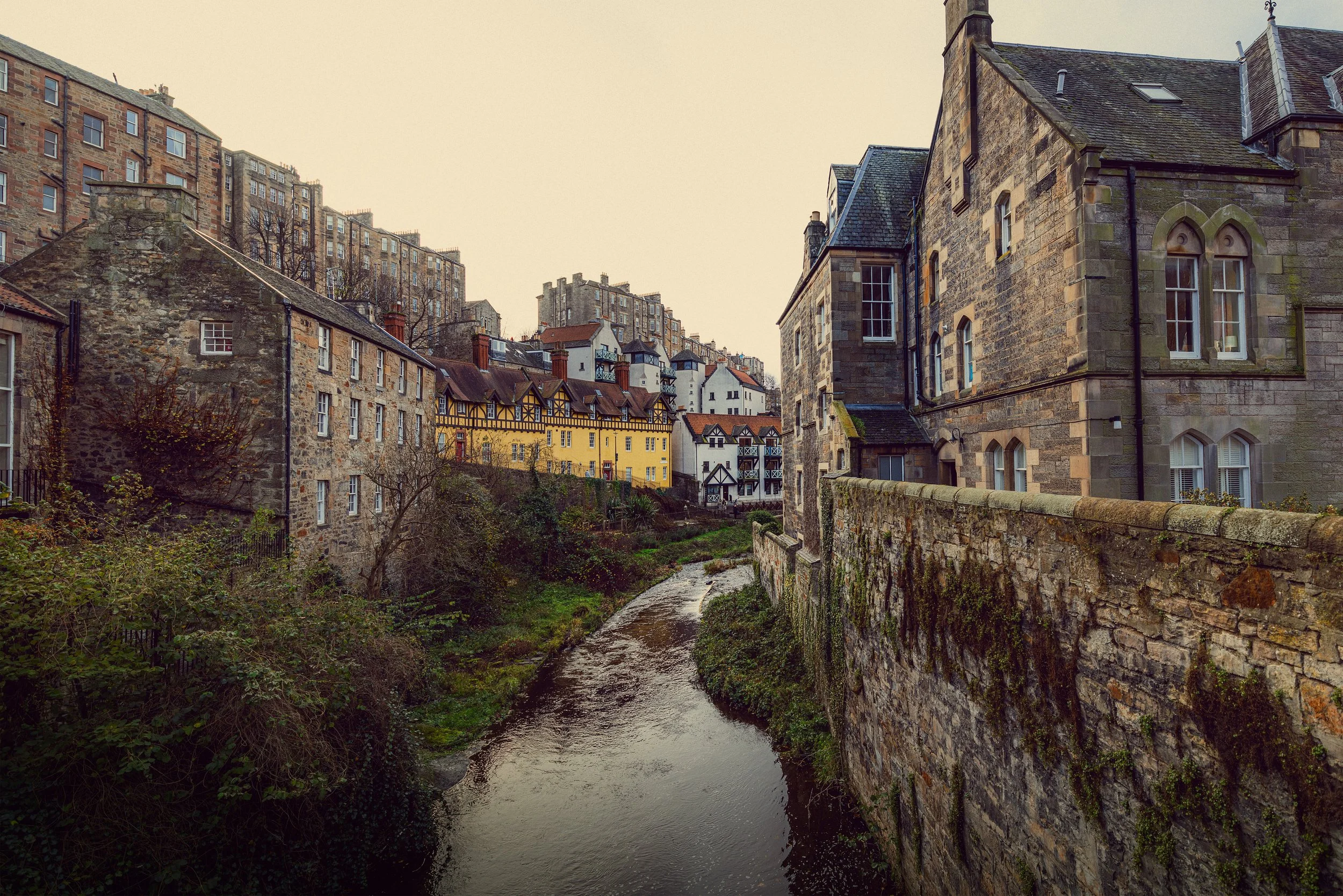
Most main attractions, including the castle, sit along the Royal Mile, which can get congested. The New Town offers a counterpoint with wide grid streets and orderly squares. It houses the independent shops of Stockbridge and quieter cafes. Public transport is efficient, with a tram system connecting the airport to the centre, removing the need for a car. Visitors find that walking is the most efficient method for seeing the sights, despite the hills. The city manages to be compact enough to cover without feeling rushed.
London
London is vast, so picking a specific neighbourhood makes a visit manageable. The area where the Grand Union Canal meets the Regent’s Canal offers a different pace to the West End crush. Here, the streets are quieter, lined with white stucco houses and houseboats. It serves as a good base because Warwick Avenue station provides quick access to the Bakerloo line, connecting to Paddington and the main rail networks within minutes.
Walking along the towpath towards Camden or the Zoo is a popular way to spend a dry morning without spending money. Staying here feels less like a hotel stopover and more like residential living. Those who choose to rent a luxury apartment in Little Venice get a sense of local life that hotels in Piccadilly miss completely. The proximity to the water changes the atmosphere, reducing the urban noise. It allows for a calm evening return after navigating busy museums.
Pembrokeshire
The Pembrokeshire Coast National Park is the only one in the UK designated primarily for its coastline. The Coast Path covers 186 miles, but most visitors tackle it in smaller sections. The terrain changes rapidly from limestone cliffs in the south to volcanic headlands in the north. The bus service, known as the Puffin Shuttle, is a useful tool. It runs along the coast, allowing walkers to hike a stretch and catch a ride back to their starting point.

This logistical help makes one-way walks possible without two cars. The weather here comes in directly from the Irish Sea. It means gear needs to be waterproof and windproof, regardless of the season. Tenby acts as a central hub with its harbour and pastel houses, but quieter spots like St Davids offer a more subdued experience. The cathedral there sits in a dip, hidden from the sea, a detail often missed.
York
York sits halfway between London and Edinburgh, making it a logical stop on a wider UK itinerary. The city is enclosed by ancient walls, which are walkable and provide an elevated view of the Minster and the terraced streets below. Unlike many modernised cities, the centre remains medieval in layout. The Shambles, a narrow street with overhanging timber-framed buildings, gets busy, so early mornings are the best time to see it clearly.
The National Railway Museum is located next to the station, which is convenient for those arriving by rail. The city centre is largely pedestrianised. Cars are more of a hindrance than help within the walls. Eating out offers a mix of traditional tearooms and modern independent bistros. The river Ouse flows through the city, offering riverside paths that lead away from the stone streets into greener areas like Rowntree Park. It functions well for walking.
What Makes a British Holiday Worthwhile?
Travel in the UK does not require a complex strategy. It relies on accepting the many local quirks, from the changing weather patterns to the historic layouts of the towns. Whether the choice falls on the rugged paths of Wales, the calm canals of London, or the historic streets of York, the key is preparation.
Knowing the transport links and having the right accommodation transforms a trip. These regions demonstrate that the country holds enough variety to suit different paces. A weekend in the city or a week by the sea simply needs a bit of planning to work well.