Omega Watches: A Guide to Timeless Swiss Watchmaking
Proof that good timing never goes out of style.
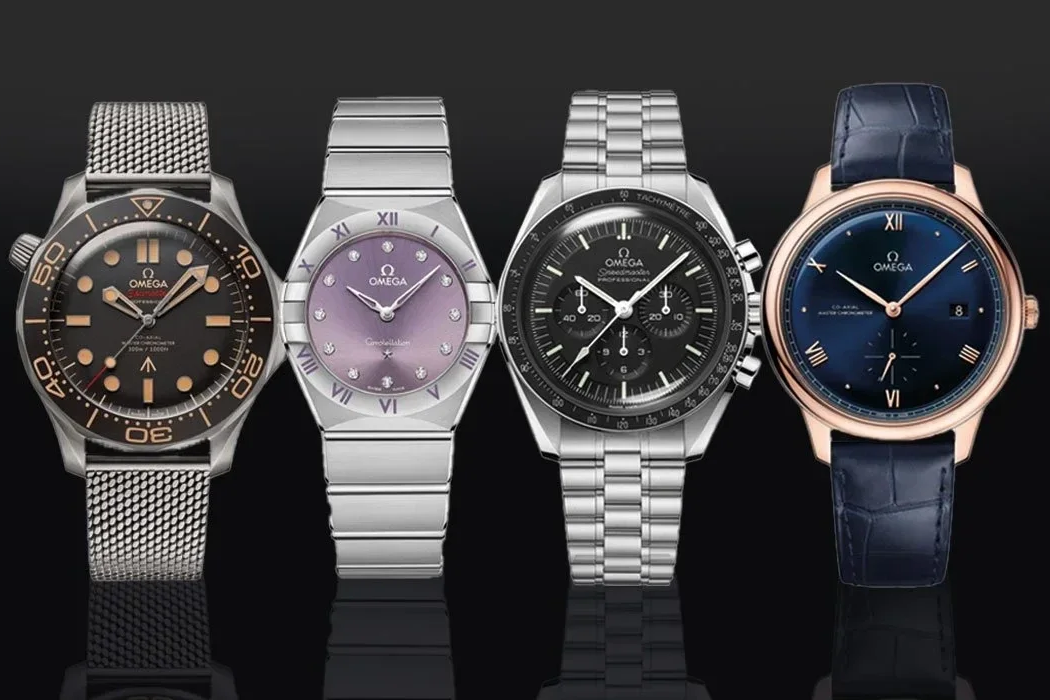
Few watch brands manage to combine serious technical credentials, instantly recognisable design and quite this much history on one wrist.
Luxury watches are often valued for more than their ability to tell time. They can represent craftsmanship, innovation, heritage, and personal style. Omega is one of the Swiss watch brands that has successfully combined these qualities for generations. Its watches are recognized around the world for their distinctive designs, technical development, and connection to important moments in exploration, sports, and professional timekeeping.
For anyone researching omega watches, understanding the brand's history, collections, movements, and design characteristics can make it easier to identify a model that fits both personal preferences and everyday requirements.
A Legacy Built Around Precision
Omega's story began in Switzerland in 1848 when Louis Brandt established a watchmaking business. What started as a small operation eventually developed into an internationally recognized manufacturer. The company gained attention for producing reliable and accurate mechanical movements, helping establish a reputation that continues today.
A major development came in the late nineteenth century with the creation of the Omega calibre. Its success contributed to the company eventually adopting Omega as its official name. Over time, the brand became increasingly associated with precision and technical progress.
Omega's history also includes some remarkable milestones. Its watches have been connected with space exploration, professional diving, athletics, and international sporting events. The company's role as an official Olympic timekeeper further strengthened its reputation for accuracy and dependable performance.
This combination of traditional craftsmanship and technological development remains an important part of Omega's identity.
Understanding the Major Omega Collections
Omega offers several collections, each designed with a different purpose and aesthetic. Understanding these families can help buyers narrow down their choices.
The Speedmaster is among the most famous Omega collections. It is especially recognized for its chronograph design and association with space exploration. The collection features watches with sporty styling, precise timing functions, and distinctive dials. Its historical importance has also made it particularly attractive to collectors and enthusiasts.
The Seamaster collection has a different focus. It is closely associated with water resistance, durability, and sporting performance. Seamaster models are available in several variations, allowing wearers to choose between professional-looking dive watches and versatile everyday designs. Models within this family can feature rotating bezels, strong cases, and substantial water-resistance capabilities.
The De Ville collection generally takes a more sophisticated and traditional approach. These watches often feature elegant cases and clean dial designs, making them suitable for formal occasions, professional environments, or anyone who prefers understated luxury.
The Constellation collection has its own recognizable appearance. Its carefully finished cases, distinctive design details, and refined dials make it a popular option for those seeking a dressier luxury watch with a recognizable identity.
Mechanical Movements and Precision
A luxury watch's movement is central to both its performance and its appeal. Omega has developed numerous mechanical movements that combine traditional watchmaking principles with modern engineering.
One of the brand's notable innovations is the Co-Axial escapement. This technology was developed to reduce friction within the movement and contribute to improved long-term performance. It has become an important feature across many Omega mechanical watches.
Omega has also focused heavily on magnetic resistance. Magnetic fields can interfere with the operation of traditional mechanical movements, potentially affecting accuracy. To address this challenge, the company developed movements capable of resisting significant magnetic exposure.
Another important development is Master Chronometer certification. This standard involves demanding testing related to accuracy, performance, water resistance, and magnetic resistance. For buyers, such certifications provide additional insight into the technical capabilities of a particular model.
These innovations demonstrate that Omega's appeal extends beyond its exterior appearance. Engineering and reliability remain major elements of the brand's watchmaking philosophy.
Choosing the Right Omega Watch
Finding the right Omega watch depends largely on how and where it will be worn. Different collections serve different purposes, so identifying your priorities can simplify the decision.
For someone interested in a sporty and historically significant chronograph, the Speedmaster may be a strong choice. Those who prefer a watch designed around water resistance and active lifestyles may find the Seamaster more suitable. Meanwhile, buyers looking for an elegant timepiece for business or formal occasions might prefer a De Ville or Constellation model.
Size is another consideration. A larger case can create a stronger presence on the wrist, while a smaller case may provide a more traditional and subtle appearance. Wrist size, personal style, and clothing preferences should all be considered when selecting a case.
The choice of bracelet or strap can also change the overall character of a watch. Metal bracelets often provide a durable and versatile appearance, while leather or other strap options can create a more classic or relaxed look.
Budget should also be established before shopping. Omega produces watches at various price levels, while factors such as precious metals, specialized complications, limited production, and unique materials can raise the price considerably.
Why Omega Remains Popular?
Omega has maintained its position in the luxury watch market because it successfully combines heritage with modern watchmaking. The company has created designs that remain recognizable while continuing to introduce improvements in movement technology and materials.
Its connection to space exploration has given the Speedmaster a particularly strong place in watchmaking history. The Seamaster has developed a reputation among people who appreciate sporty and water-resistant watches, while the De Ville and Constellation collections provide alternatives for those who prefer elegant designs.
Another reason for the brand's popularity is its broad selection. Customers can choose from watches designed for professional activities, everyday use, formal occasions, or collecting. This variety allows Omega to appeal to different generations and lifestyles.
The brand's emphasis on precision also contributes to its reputation. Rather than relying entirely on heritage, Omega continues to invest in movement development, testing, materials, and manufacturing techniques.
Omega represents a combination of Swiss watchmaking tradition, technical innovation, recognizable design, and historical significance. Its collections offer different styles and functions, making the brand suitable for a wide range of watch enthusiasts.
Whether your interest is in the iconic Speedmaster, the durable Seamaster, or the elegant De Ville and Constellation collections, researching the differences between models is an important part of choosing the right watch. Considering movement technology, case size, materials, functionality, design, and budget can help you make a more informed decision.
Ultimately, an Omega watch can be more than a practical accessory. Its craftsmanship, history, and enduring design can make it a meaningful addition to a personal collection or a sophisticated choice for everyday wear.