From monthly flare-ups to persistent adult acne, here's what your skin might be telling you.
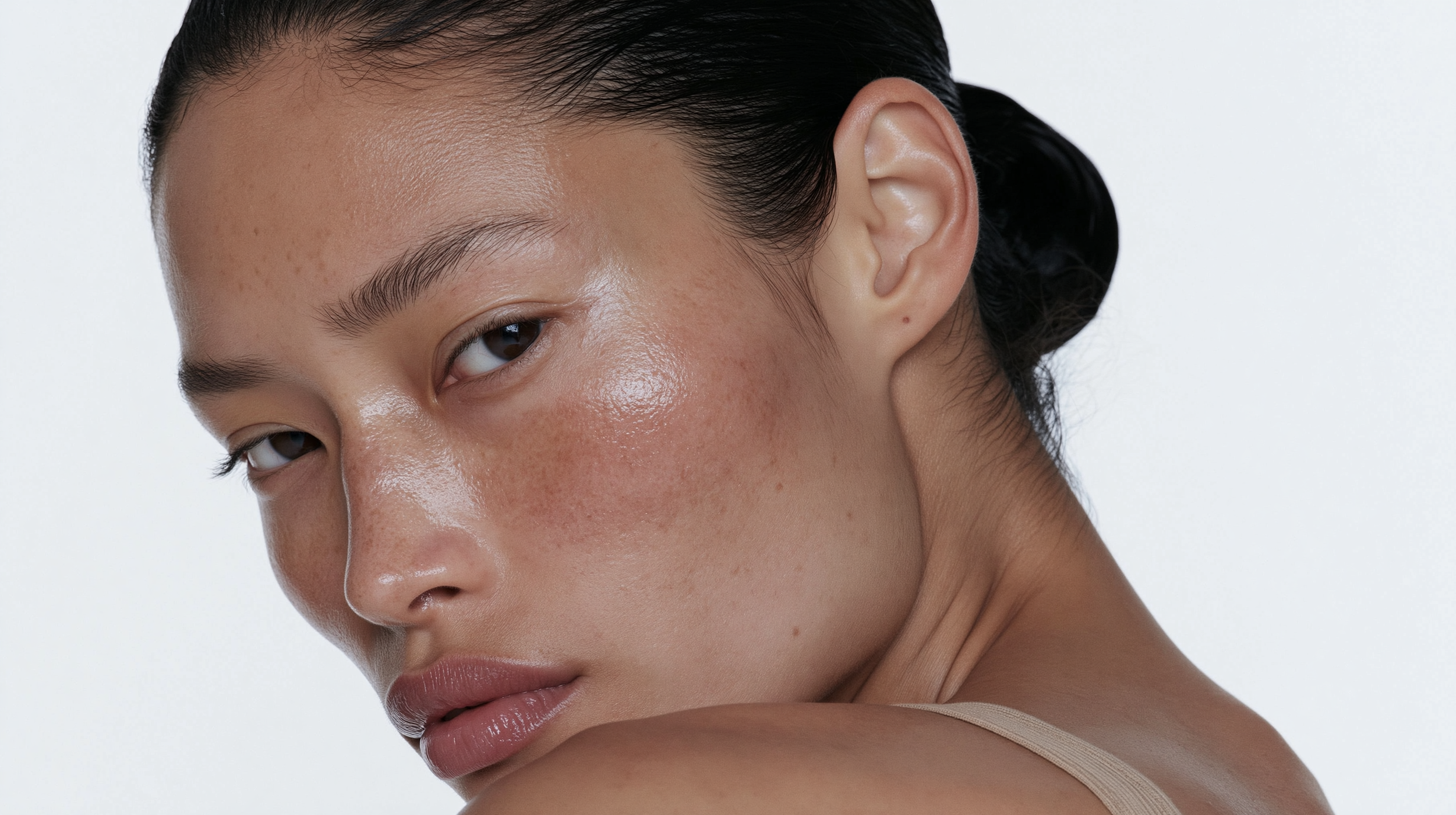
Changes in your skin can offer useful clues about hormonal shifts, especially when breakouts appear in a familiar pattern each month. Adult acne has several possible causes, so its location or timing can't provide a diagnosis on its own.
Still, tracking those details can help you choose suitable skincare and explain the wider picture clearly to a dermatologist or other healthcare professional. Understanding these patterns can be particularly useful when dealing with hormonal acne, as its cyclical nature often provides clear clues for effective treatment strategies.
Hormonal acne often improves with the right combination of gentle daily care, evidence-based treatment and support for any underlying health concerns. Here’s how to recognize common signs and know when your skin may need more than another spot treatment.
Recognizing Hormonal Breakouts
Hormonal breakouts often appear on the lower face, particularly around the chin, jawline and mouth. The spots may feel deep and tender, developing beneath the skin before they become visible. Some people notice a mixture of closed bumps, inflamed pimples and painful cyst-like blemishes.
Timing can be just as revealing as location. A breakout that returns several days before a period and settles afterward may have a hormonal component. Acne may also change during pregnancy, perimenopause or after starting or stopping certain hormonal medications. Keep in mind that skincare, stress and environmental factors can overlap with these shifts.
A simple skin diary can help you spot patterns. For two or three months, record where blemishes develop, how sore they feel, when your period begins and which products or medications you use. Photos taken in consistent lighting can be useful too. The differences between hormonal and regular acne aren’t always obvious, but recurring timing and deep lower-face blemishes are details worth sharing with a professional.
Avoid treating facial zones as a precise map of internal health. A chin spot alone doesn’t prove that your hormones are out of balance, just as forehead acne doesn’t identify one specific lifestyle cause.
The Internal Roots of Adult Acne
Hormones called androgens can stimulate the skin’s oil glands. When excess oil mixes with dead skin cells inside a pore, it creates conditions in which inflammation and acne can develop. Normal hormonal fluctuations may be enough to trigger this process in sensitive skin, so a breakout doesn’t automatically mean that hormone levels are abnormal.
Adult acne can also occur alongside irregular periods, excess facial or body hair, scalp hair thinning, unexplained weight changes or difficulty conceiving. These symptoms may prompt a clinician to consider conditions such as polycystic ovary syndrome. No single symptom confirms PCOS, and testing may include a medical history, blood tests and an ultrasound depending on the individual.
Book a medical appointment if acne arrives suddenly, becomes painful or appears with changes to your menstrual cycle. If skin symptoms sit alongside fertility concerns or possible gynecological conditions, a consultant-led fertility clinic can offer fertility testing, scans and personalized advice where appropriate. A dermatologist, primary care clinician or gynecologist may also be involved, depending on your symptoms and goals.
Bring your skin diary and a list of medications, supplements and period dates to the appointment. Mention when the acne began and whether close relatives have experienced similar concerns. Those concrete details are often more useful than guessing which hormone might be responsible.
When Topical Skincare Falls Short
A good routine still matters when hormones contribute to acne. Gentle cleansing, non-comedogenic moisturizer and daily broad-spectrum sunscreen can support the skin barrier while active ingredients address clogged pores and inflammation. The most suitable active depends on your skin, other treatments and factors such as pregnancy or plans to conceive.
Give a new acne routine time to work unless it causes significant irritation. Switching products every week makes it difficult to tell what’s helping and can leave skin dry, sore and more visibly inflamed. Introduce one active product at a time, use it at the recommended frequency and watch for persistent burning, swelling or peeling. This guide to acne-prone skin ingredients can help you understand common options before adding them to your shelf.
Topical care may fall short when breakouts follow a strong monthly pattern or continue despite consistent treatment. It also can’t assess irregular cycles or other possible signs of an underlying condition. That’s the point to speak with a qualified clinician, not to double the amount of every active in your routine.
Seek professional help sooner if you have deep painful lesions or notice scars developing. Picking and squeezing can increase inflammation and the chance of lasting marks. Guidance on breakouts and skincare treatments may provide useful background, but personalized medical advice should account for your full health history.
Targeting Balance from Within
Supporting your general health can complement acne treatment, although the phrase “hormone balancing” deserves caution. Restrictive diets, unregulated supplements and online detox plans often promise precise control over complex biological systems. Your body regulates hormones through interconnected organs and feedback processes, and persistent symptoms need proper assessment.
Start with habits that support steady energy and make your symptoms easier to monitor. Eat regular meals with sources of protein, fiber and unsaturated fats and aim for a varied diet that you can maintain. Notice whether a particular food consistently seems connected to your breakouts, but don’t remove entire food groups based on a single bad skin day. A registered dietitian can help if you suspect food-related triggers or have dietary restrictions.
Sleep and stress management also deserve attention. Stress may worsen acne in some people by influencing inflammation and daily behaviors, including sleep, eating patterns and skin picking. A consistent bedtime, regular movement and a few minutes of deliberate downtime can be realistic places to begin. These habits won’t replace medical treatment, but they may support your skin and wider well-being.
Treatment plans for persistent hormonal acne can include prescription topical products, oral medication or care for an underlying condition. Some options aren’t suitable during pregnancy or while trying to conceive, so tell every prescriber about your plans before beginning treatment. Never stop prescribed medication without speaking to the clinician who manages it.
Skin rarely tells the whole story by itself. A dated record of breakouts, cycle changes and other symptoms gives your clinician something specific to assess, helping turn a frustrating pattern into a focused conversation and an appropriate treatment plan.