From family favourites to Alpine luxury, discover Europe's best high-altitude resorts for snow-sure skiing.
The Alps' less glamorous resorts are having the last laugh. It turns out reliable snow is rather more desirable than a pretty chalet.
Nobody ever booked a week in Tignes for the architecture. For years, the purpose-built resorts of the French Alps were the sensible option. You overlooked the concrete apartment blocks in exchange for high-altitude skiing, extensive pistes and, quite often, a considerably smaller bill. If you wanted cobbled streets, traditional wooden chalets and somewhere impossibly picturesque to sip your vin chaud, you headed to one of their prettier neighbours.
How times have changed. Particularly at Easter, when a week in the mountains can involve more uncertainty than anyone spending several thousand pounds on a holiday should reasonably have to tolerate. Nobody wants to discover that their carefully planned ski trip has become an expensive exercise in carrying skis around a village where everyone else is wearing T-shirts.
With snow reliability becoming an increasingly valuable commodity, those once rather unfashionable high-altitude resorts are commanding prices that can rival their chocolate-box counterparts. When you've paid for accommodation, ski passes, equipment hire and lessons for the children, you're understandably less concerned about whether the village looks like a Christmas card and rather more interested in whether there's enough snow to justify bringing your ski boots.
And the resorts haven't been sitting around admiring their concrete. New developments are bringing beautiful apartments, sophisticated spas and genuinely impressive architecture to destinations that once regarded a balcony overlooking the piste as the height of luxury. The skiing was always the attraction; now the rest of the holiday is catching up.
“Snow reliability has become a luxury in its own right, and travellers are increasingly prepared to pay for it”
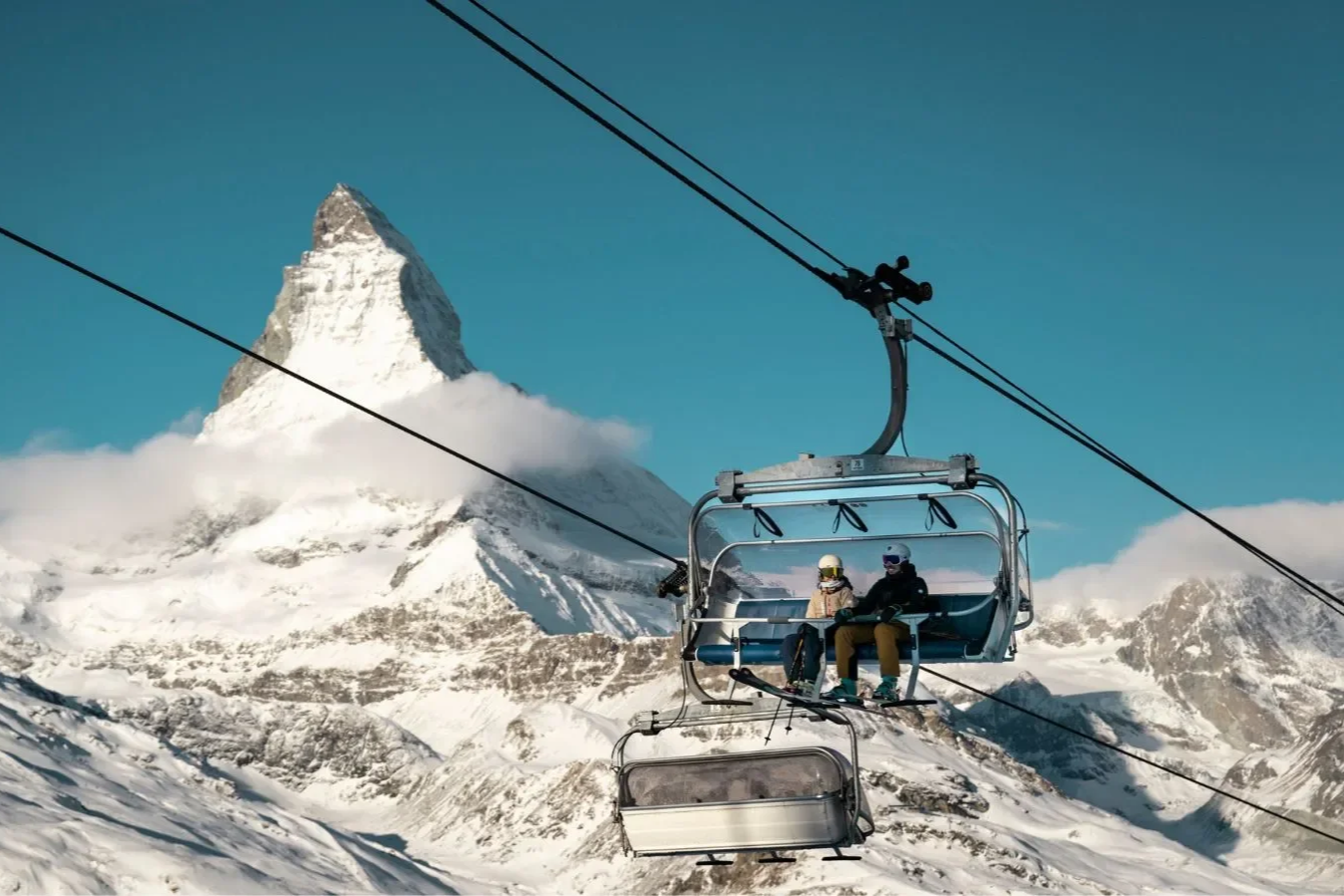
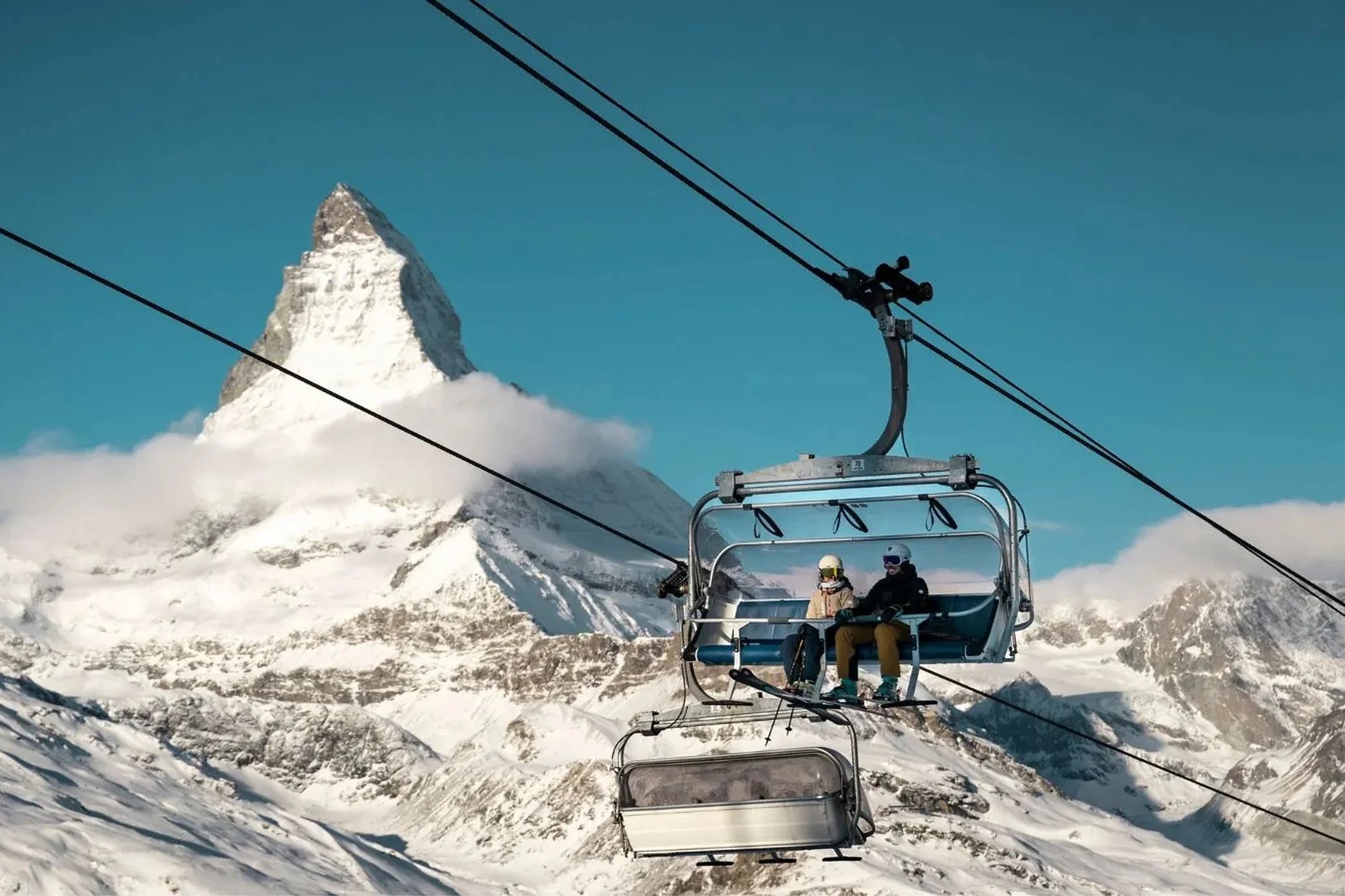
Of course, there are places that manage to have it all. Zermatt, with its traditional chalets, Matterhorn views and exceptionally high skiing, offers both Alpine charm and impressive snow credentials. The catch? You'll generally pay a handsome premium for the privilege. Not every resort needs to look like a Swiss chocolate advertisement to deliver an exceptional week on the slopes.
Altitude isn't a magic wand, of course. A resort sitting above 2,000 metres can't promise perfect powder, but with warmer winters and increasingly unpredictable snowfall, having plenty of skiing at altitude gives you considerably better odds, especially when the Easter holidays fall in April.
The good news is that snow-sure doesn't have to mean soulless. Europe's higher resorts offer everything from exceptional restaurants and spectacular spas to excellent family skiing, lively après-ski and some of the most challenging pistes in the Alps.
The trick is knowing which one suits you. Because a resort that's heaven for someone who wants first lifts and black runs might be rather less appealing when you're travelling with three children, two reluctant skiers and a husband who's more interested in the wine list.
So, whether you're planning a Christmas escape, February half-term or a late-season Easter holiday, here's where we'd put our money.
The Snow-Sure Ski Resorts Worth Booking
Tignes, France — Best For Serious Skiing And Spring Snow
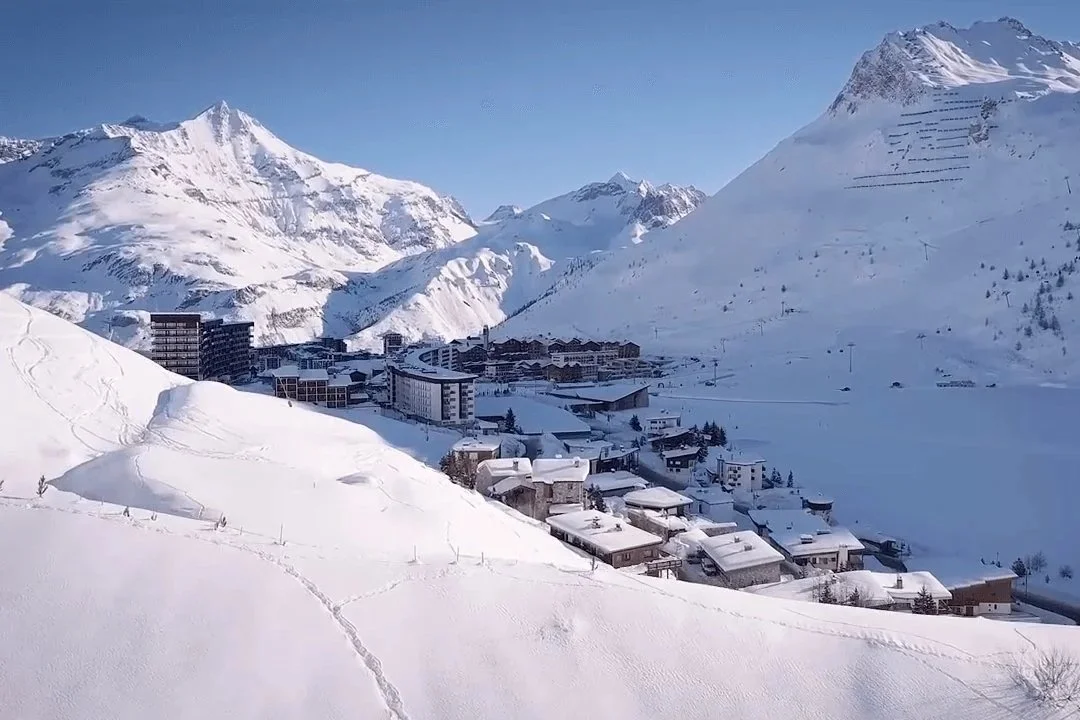
Tignes has spent decades being the slightly less attractive friend who turns out to be much more fun on holiday. The architecture might not have you reaching for your camera, but the skiing certainly will. And when Easter rolls around, those concrete apartment blocks start looking considerably more attractive if there's still snow outside them.
With Tignes Le Lac and Val Claret sitting at 2,100 metres, skiing reaching 3,456 metres on the Grande Motte glacier and 300km of pistes shared with Val d'Isère, this is a resort that takes its skiing seriously. Confident intermediates and advanced skiers could spend a fortnight here without exhausting the possibilities, while families have excellent ski schools and plenty of more forgiving terrain.
The real pleasure is having two very different resorts at your disposal. Spend the morning skiing Tignes' wide, open slopes before heading into Val d'Isère for a suitably indulgent lunch. Just remember that the ski lifts are less accommodating of a leisurely third glass of wine than the restaurant staff.
And Tignes is smartening up. Contemporary residences, beautiful apartments and increasingly sophisticated facilities mean the days of choosing between good skiing and somewhere you'd actually like to stay are numbered. The mountain was always the attraction. Now the accommodation is finally getting the memo.
Tignes Snow-sure credentials: Tignes Le Lac and Val Claret sit at 2,100m, with glacier skiing reaching 3,456m and 300km of pistes shared with Val d'Isère.
Zermatt, Switzerland — Best For Alpine Luxury
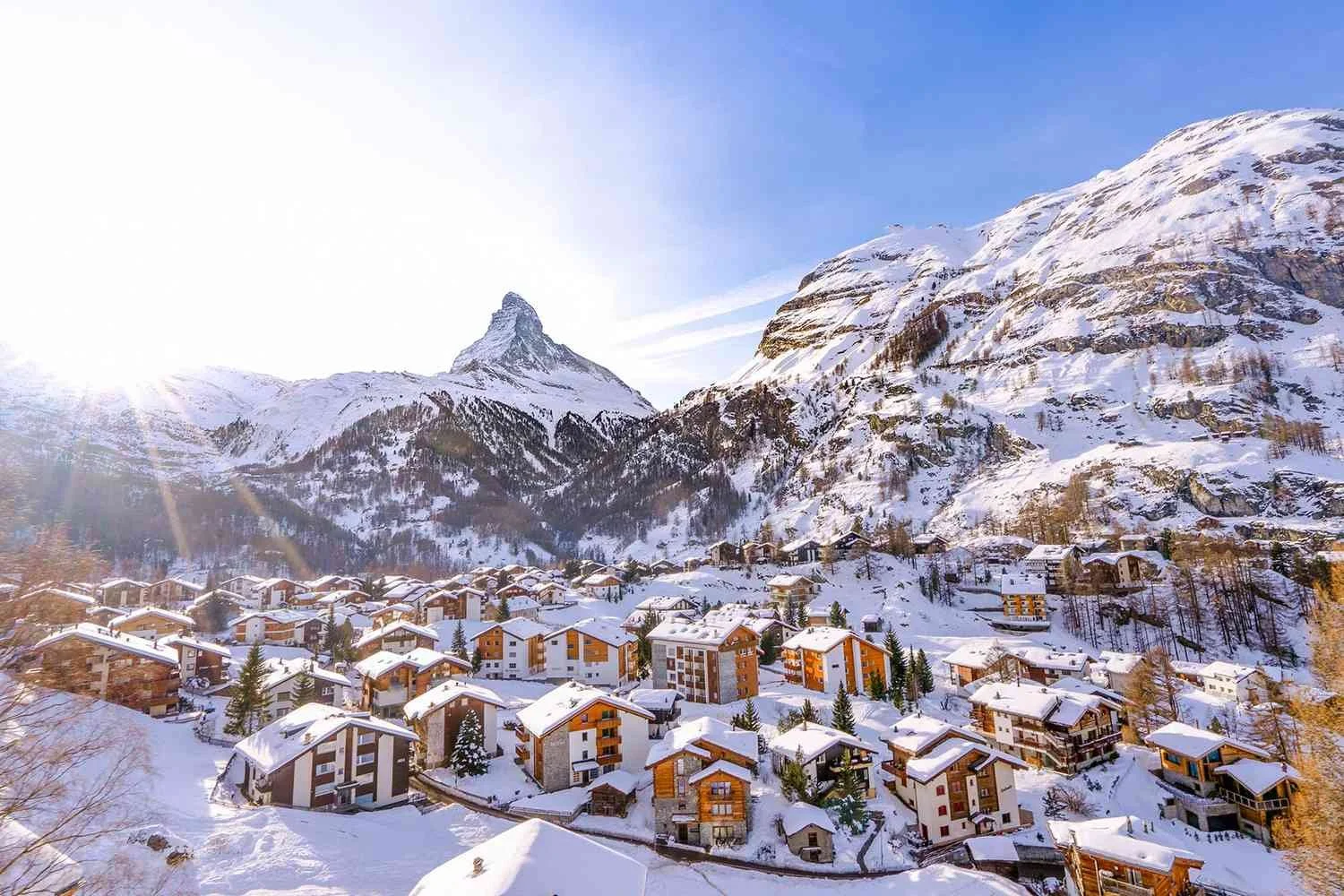
Zermatt is almost irritatingly perfect. The chalets are beautiful, the streets are car-free, the restaurants are exceptional and the Matterhorn sits above the village looking as though someone has positioned it there specifically for Instagram. Even the horses appear to know they're working somewhere expensive.
Unlike some picture-perfect Alpine resorts, however, Zermatt has the altitude to back up its considerable self-confidence. The Matterhorn Glacier Paradise reaches 3,883 metres, with skiing stretching across the border into Italy. There are glorious long runs, challenging terrain and enough excellent mountain restaurants to make choosing somewhere for lunch a surprisingly demanding decision.
It's also one of the few resorts where you don't have to choose between traditional Alpine charm and serious snow reliability. You get both, along with beautiful hotels, exceptional spas and a level of polish that extends well beyond the pistes. And while the village is car-free, don't expect to ski directly to every chalet. Electric taxis and ski buses are part of the experience.
Naturally, the bill reflects this. Zermatt was never going to be a bargain, and the combination of chocolate-box beauty and high-altitude skiing means it has little reason to become one. But if you're going to spend an unreasonable amount of money on a ski holiday, at least here you can see where it's gone.
Zermatt Snow-sure credentials: Glacier access and lifts reaching 3,883m, with some of Europe's highest skiing.
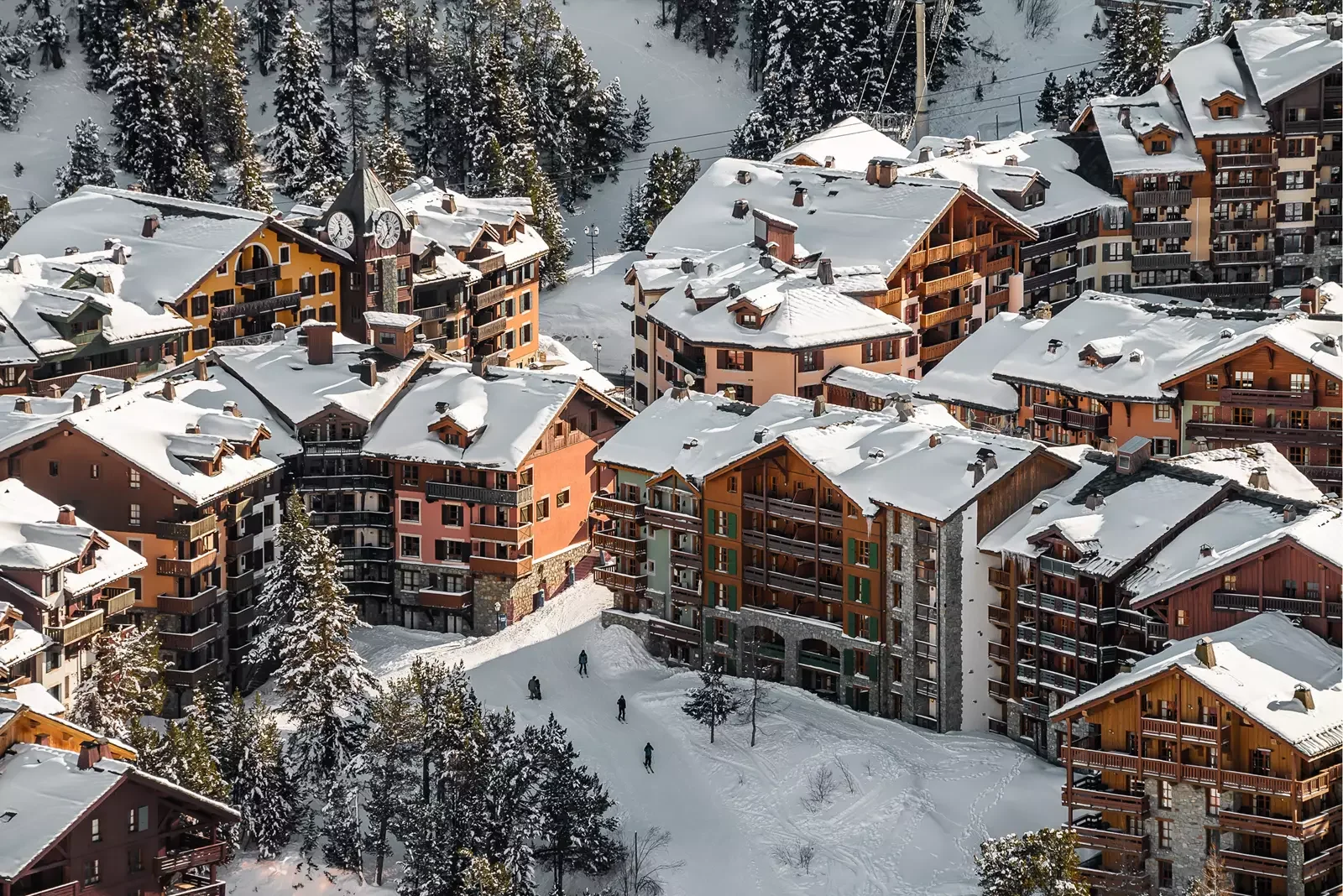
Arc 1950, France — Best For Families Who Want Alpine Charm And Serious Skiing
Arc 1950 is what happens when someone looks at a beautiful, car-free Swiss Alpine village and decides to recreate the experience from scratch. Traditional-style chalets, cobbled pedestrian streets, little shops and restaurants, all without a car in sight. The only giveaway is that the entire village was built in the 21st century. And rather cleverly, it works.
It doesn't have Zermatt's history or the Matterhorn, although the spectacular views of Mont Blanc are hardly a consolation prize. What it does offer is a similarly charming, car-free atmosphere, without quite the same eye-watering prices. And while Zermatt and Saas-Fee have the authenticity of historic Alpine villages, Arc 1950 has a rather clever trick up its sleeve.
You can ski straight through the village and right to your accommodation. The entire resort is designed around ski-in, ski-out convenience, which, when you're travelling with children, is nothing short of genius. No hauling three sets of skis across town, no complicated bus journeys and considerably less opportunity for someone to announce they've left their gloves behind just as you reach the lift.
At 1,950 metres, Arc 1950 has respectable credentials for spring skiing, with access to the enormous 425km Paradiski area and slopes reaching 3,226 metres on the Aiguille Rouge. It can't quite match Tignes for late-season snow reliability, but with extensive skiing, family-friendly residences and an altogether more civilised start to the morning, it gets an awful lot right.
Les Arc 1950 Snow-sure credentials: Village altitude of 1,950m, with access to skiing reaching 3,226m on the Aiguille Rouge.
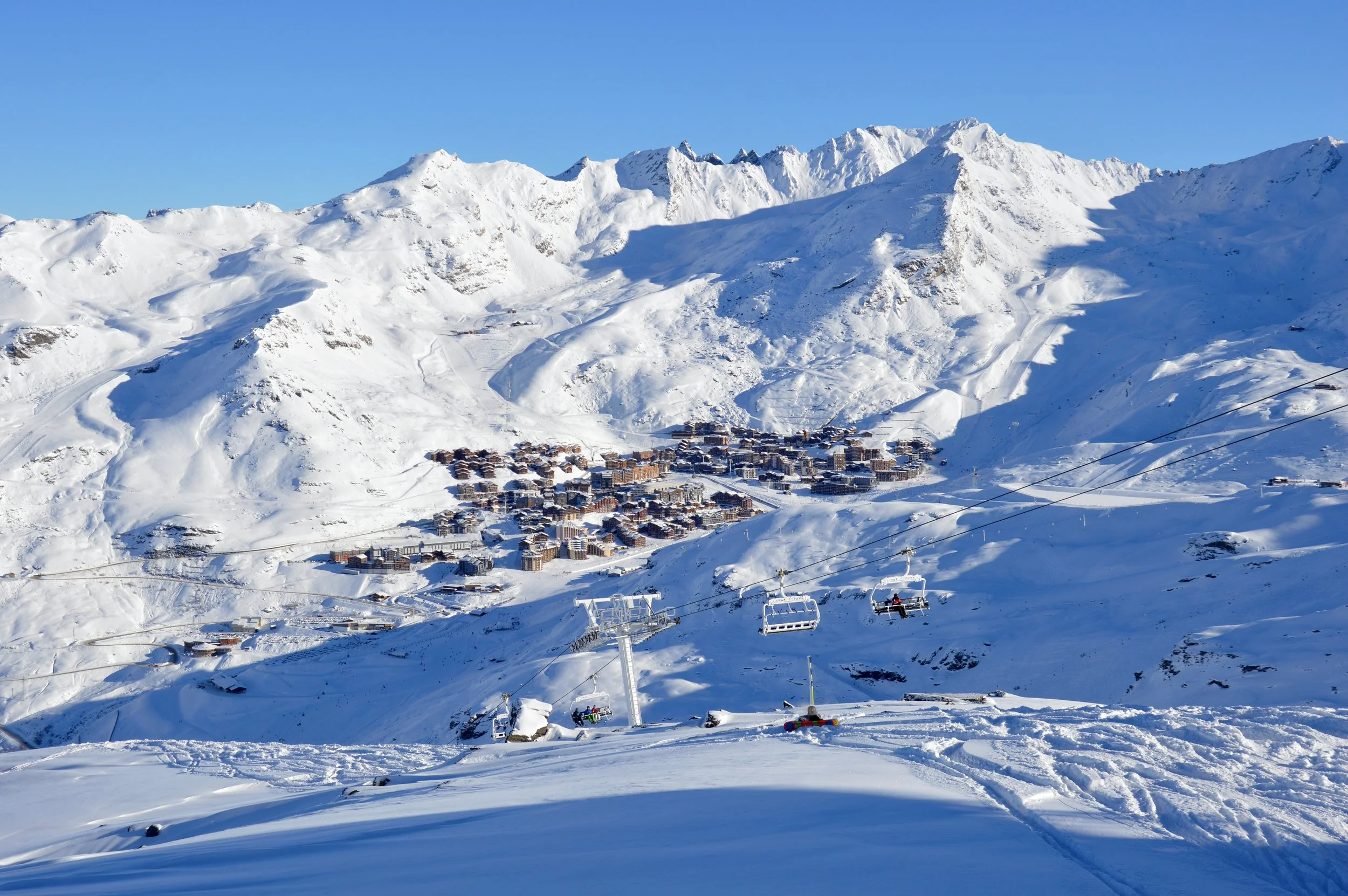
Val Thorens, France — Best For Après-Ski With Altitude
At 2,300 metres, Val Thorens has an impressive claim to fame: it's Europe's highest major ski resort. It also has a rather enthusiastic approach to après-ski, which means your chances of finding both excellent snow and someone dancing on a table are reassuringly high.
The skiing is outstanding. Almost the entire local ski area sits above 2,000 metres, and connections across the Three Valleys provide enough terrain to keep ambitious skiers occupied for considerably longer than a week. Modern lifts, extensive pistes and a long season make it one of the strongest choices for Easter, when the lower resorts may already be contemplating summer.
But Val Thorens has other ideas about how you might spend your afternoons. The après-ski scene is famously lively, with bars that rarely seem troubled by the concept of moderation. Fortunately, the resort has also developed a more sophisticated side, with impressive hotels, spas and increasingly good restaurants. You can have a beautifully civilised holiday here, provided you're selective about where you spend your evenings.
It's not the place for anyone dreaming of a sleepy Alpine village where the loudest evening entertainment is a crackling fireplace. But if your ideal holiday involves excellent skiing followed by equally enthusiastic celebrations, Val Thorens has the altitude and the attitude.
Val Thorens Snow-sure credentials: Resort altitude of 2,300m, with approximately 99% of its local ski area above 2,000m.
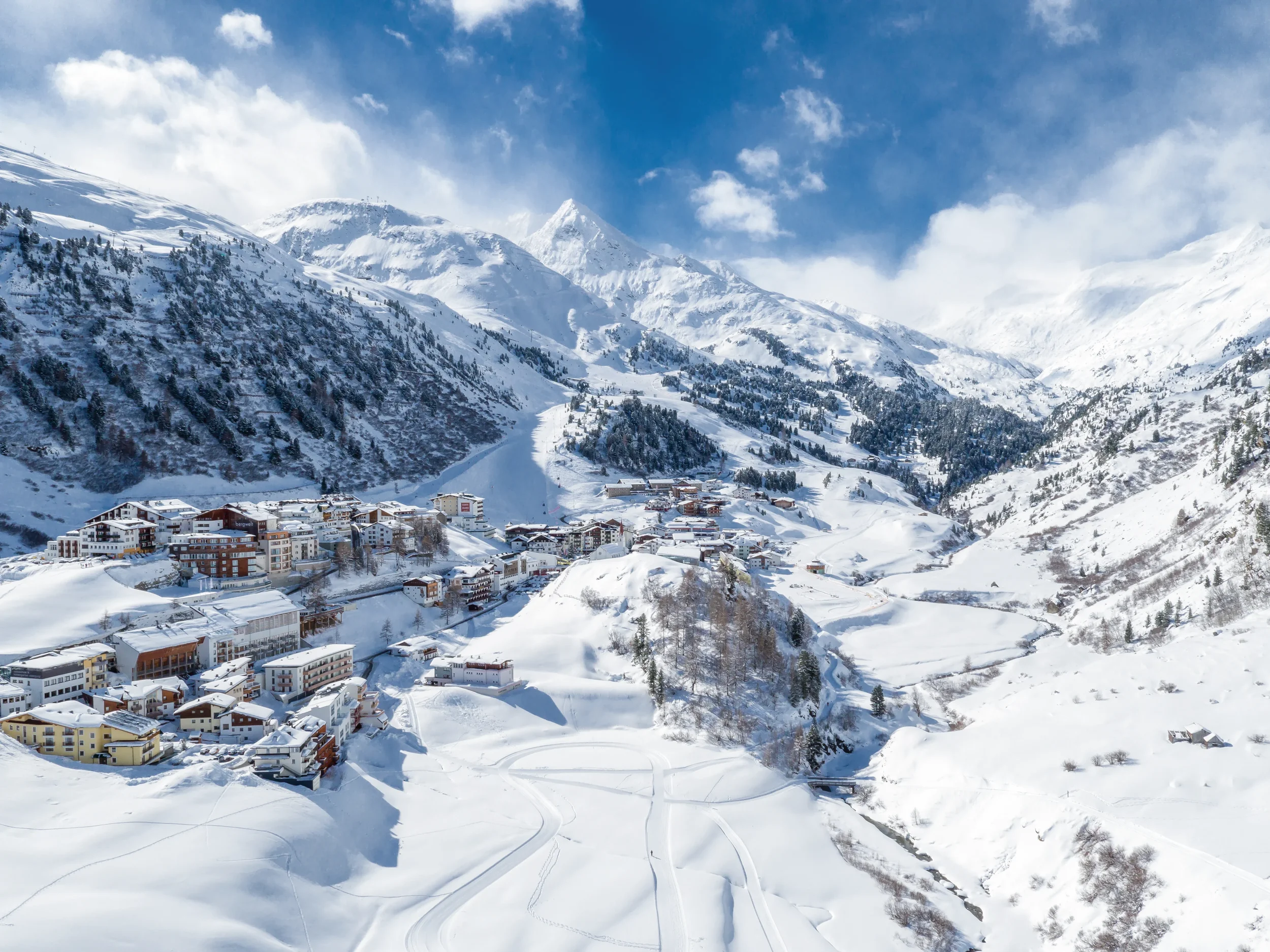
Obergurgl-Hochgurgl, Austria — Best For Beautiful Pistes And Fewer Crowds
Some skiers enjoy throwing themselves down steep, heavily mogulled runs. Others would prefer to spend their holiday making elegant turns on beautifully groomed pistes without encountering anything that resembles a frozen obstacle course. Obergurgl-Hochgurgl is very much for the latter.
Tucked into Austria's Ötztal valley, the linked resorts offer 112km of skiing between 1,800 and 3,030 metres. The slopes are wonderfully maintained, the lifts efficient and the mountain restaurants excellent. It's Austria doing what Austria does best, with the added benefit of an altitude that makes it a strong contender for early and late-season holidays.
Hochgurgl is the more exclusive of the two, with beautiful hotels and an atmosphere that encourages long dinners and early nights. Obergurgl has a livelier village centre, although neither is going to rival Val Thorens for après-ski excess. And frankly, after a day spent carving down immaculate pistes, a glass of Austrian wine and an excellent dinner might be all the excitement anyone needs.
The smaller ski area may not satisfy someone determined to cover hundreds of kilometres in a week, but there's a great deal to be said for knowing where you're going without consulting a map every ten minutes. Excellent skiing, relatively uncrowded slopes and somewhere lovely to return to afterwards. Sometimes that's quite enough.
Obergurgl-Hochgurgl Snow-sure credentials: Skiing between 1,800m and 3,030m, with a season typically extending from November into late April.
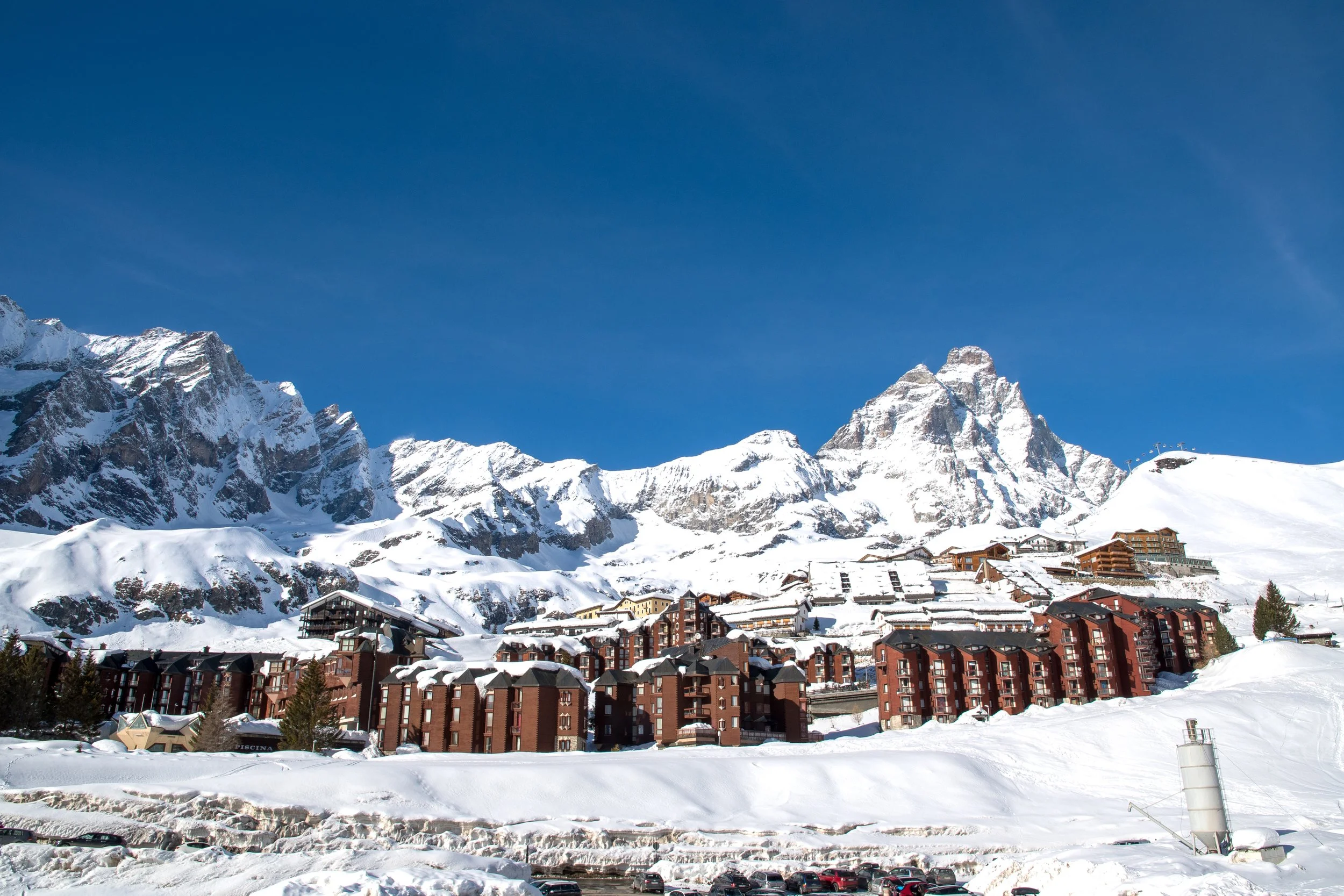
Cervinia, Italy — Best For Long Runs And Even Longer Lunches
Italy has never quite subscribed to the idea that a ski holiday should be an endurance test. Yes, there's skiing to be done, but there's also lunch, and lunch deserves considerably more attention than a hastily eaten sandwich beside a chairlift.
Cervinia sits at approximately 2,050 metres beneath the Matterhorn, offering long, wonderfully wide pistes that make confident intermediates feel like considerably better skiers than they probably are. The terrain is predominantly cruising territory rather than terrifyingly steep descents, and the connection to Zermatt opens up an extraordinary international ski area.
The village itself is functional rather than impossibly romantic, although the mountain scenery more than compensates. What Cervinia lacks in chocolate-box architecture, it makes up for in altitude, excellent skiing and the ability to order proper Italian food halfway up a mountain. It's also a strong choice for Easter, when its high-altitude slopes offer better prospects than many of Italy's lower resorts.
One thing worth knowing: the high-altitude connection to Switzerland can close in strong winds, so don't plan your entire week around being able to cross the border every day. Fortunately, there's plenty to enjoy on the Italian side, including restaurants where nobody appears remotely concerned about getting you back onto the slopes in a hurry.
Cervina Snow-sure credentials: Village altitude of approximately 2,050m, with high-altitude skiing linked to the Matterhorn Glacier Paradise.
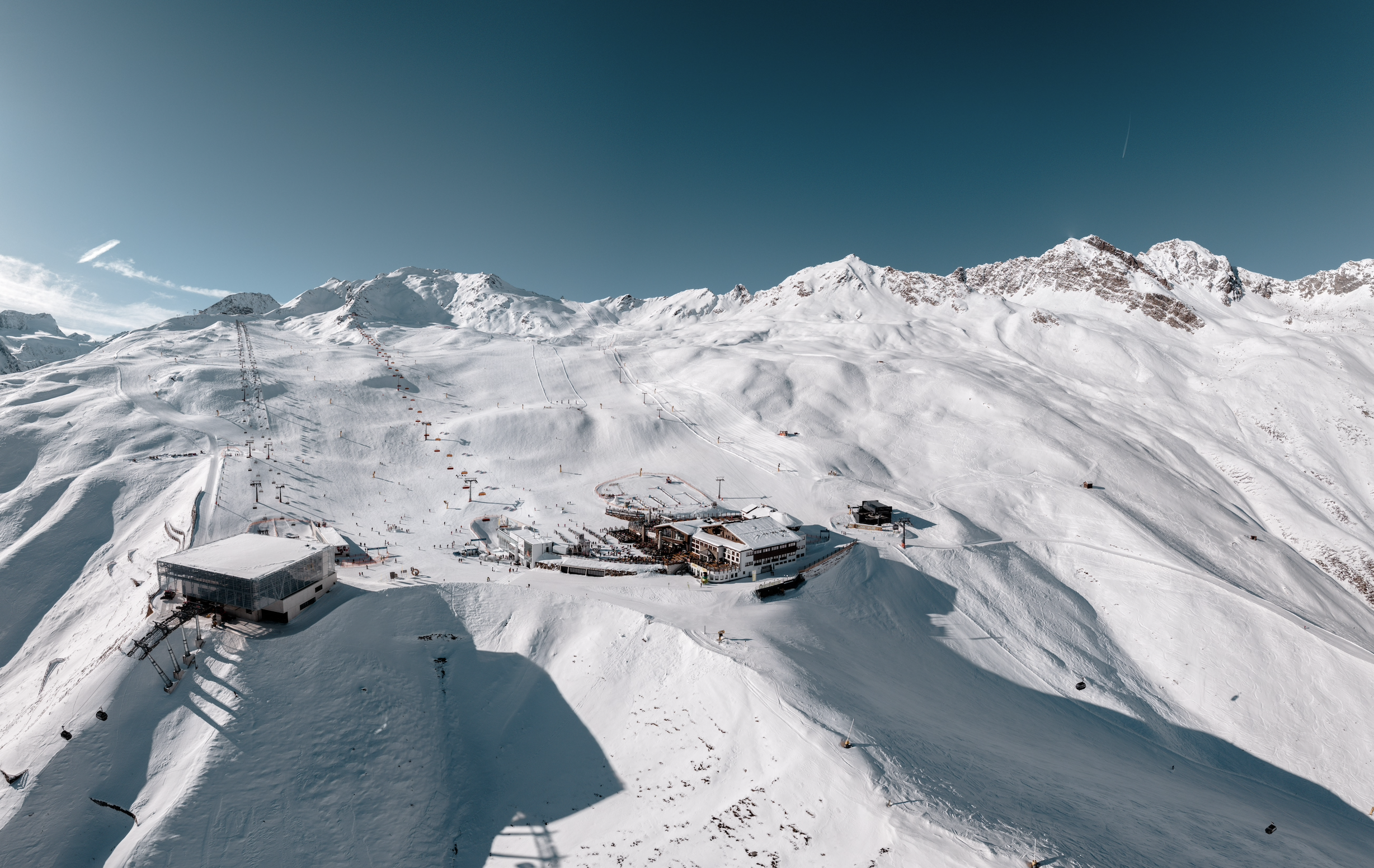
Sölden, Austria — Best For Early Starts And Late Finishes
Sölden is not a resort that believes in doing things by halves. Two glaciers, three mountains above 3,000 metres, spectacular modern lifts and an après-ski scene with enough enthusiasm to suggest nobody has an early start planned. Which is ironic, given how good the skiing is.
The resort's altitude is its greatest strength. Skiing reaches 3,340 metres, while the Rettenbach and Tiefenbach glaciers help support a season that begins earlier than most and stretches well into spring. It's the sort of place worth considering when your preferred travel dates fall outside the comfortable middle of the ski season.
There's plenty of variety too, from long intermediate pistes to more demanding descents. And if the mountain scenery looks familiar, you may recognise the futuristic ice Q restaurant from Spectre. It's a suitably dramatic setting for lunch, although the surrounding peaks are impressive enough without a Hollywood connection.
Sölden village is lively rather than quaint, with restaurants, bars and a definite appetite for entertainment. Anyone seeking a peaceful mountain retreat may find it rather energetic, but there's an impressive efficiency to the whole place. The lifts are fast, the skiing extensive and the après-ski enthusiastic. Whether you manage all three in one day is entirely up to you.
Sölden Snow-sure credentials: Two glaciers, skiing reaching 3,340m and a season that typically runs from autumn into spring.
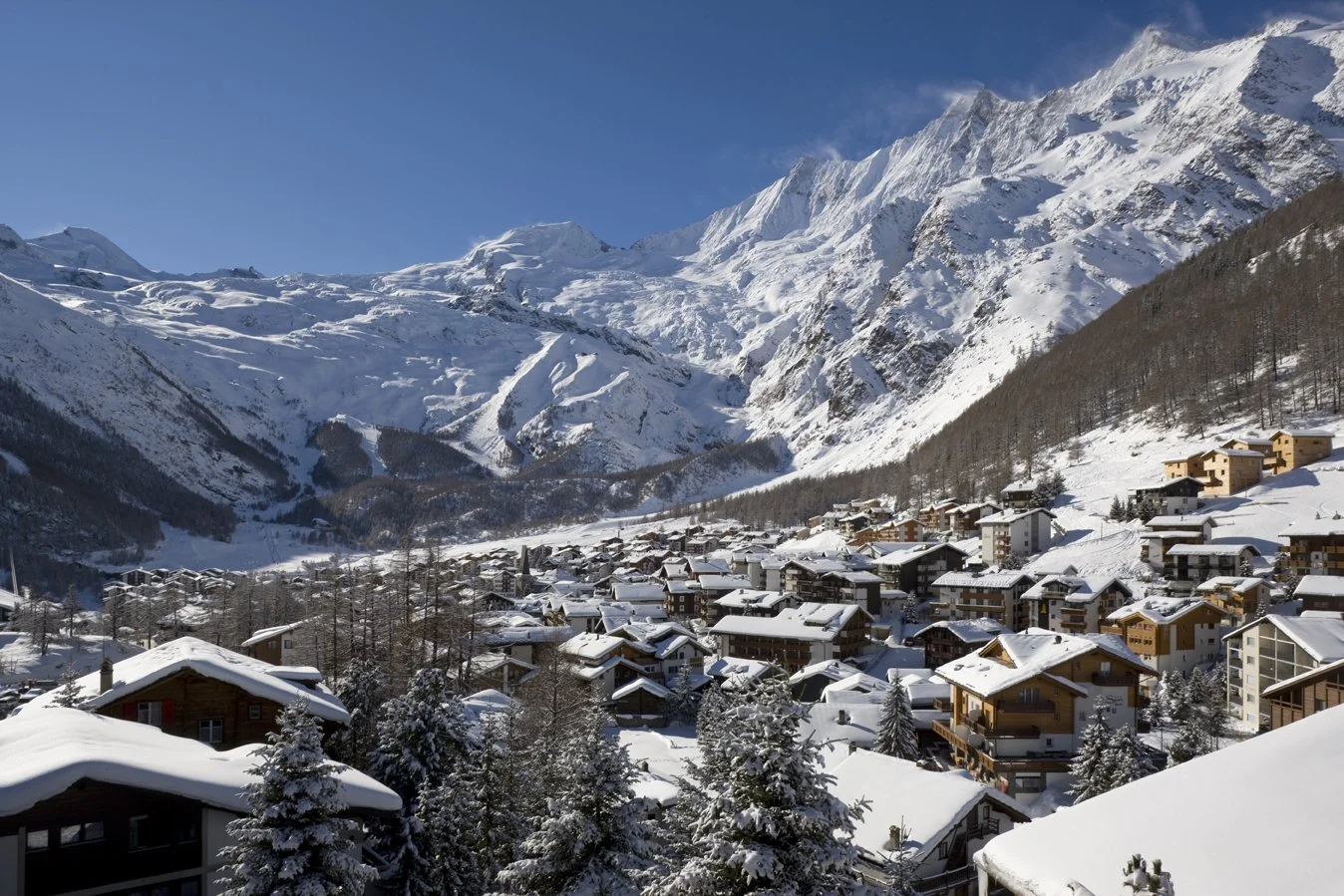
Saas-Fee, Switzerland — Best For A Quieter Kind Of Alpine Luxury
Saas-Fee is the sort of place that makes you wonder whether the Swiss have secretly employed someone to arrange the mountains. Thirteen peaks over 4,000 metres surround a village of traditional wooden chalets, narrow streets and scenery so outrageously beautiful it borders on showing off. Even the cars have been banished, presumably for spoiling the photographs.
Fortunately, there's considerably more to Saas-Fee than looking pretty. Skiing reaches approximately 3,600 metres, with glacier terrain that makes it a strong choice for early and late-season holidays. The ski area is smaller than the enormous interconnected domains of the French Alps, but there's enough to keep confident skiers entertained without requiring a military-grade understanding of the piste map.
And while other resorts compete to see who can throw the loudest après-ski party, Saas-Fee seems perfectly content with excellent restaurants, beautiful hotels and the occasional glass of wine beside a roaring fire. It's the sort of place where you might genuinely find yourself in bed before ten, entirely voluntarily, and feel rather pleased about it.
The car-free village is charming, although unlike Arc 1950, you won't generally be skiing through the streets to your accommodation. Still, for couples and families who prefer their Alpine holidays with a little less chaos and a lot more charm, Saas-Fee delivers. Just don't blame us if you return home expecting everywhere to be quite so immaculate.
Saas-Fee Snow-sure credentials: Glacier skiing reaching approximately 3,600m, with an extended season supported by its high-altitude terrain.