Family‑Friendly Escapes: From St Martin Shores to Vietnam and Cambodia Adventures
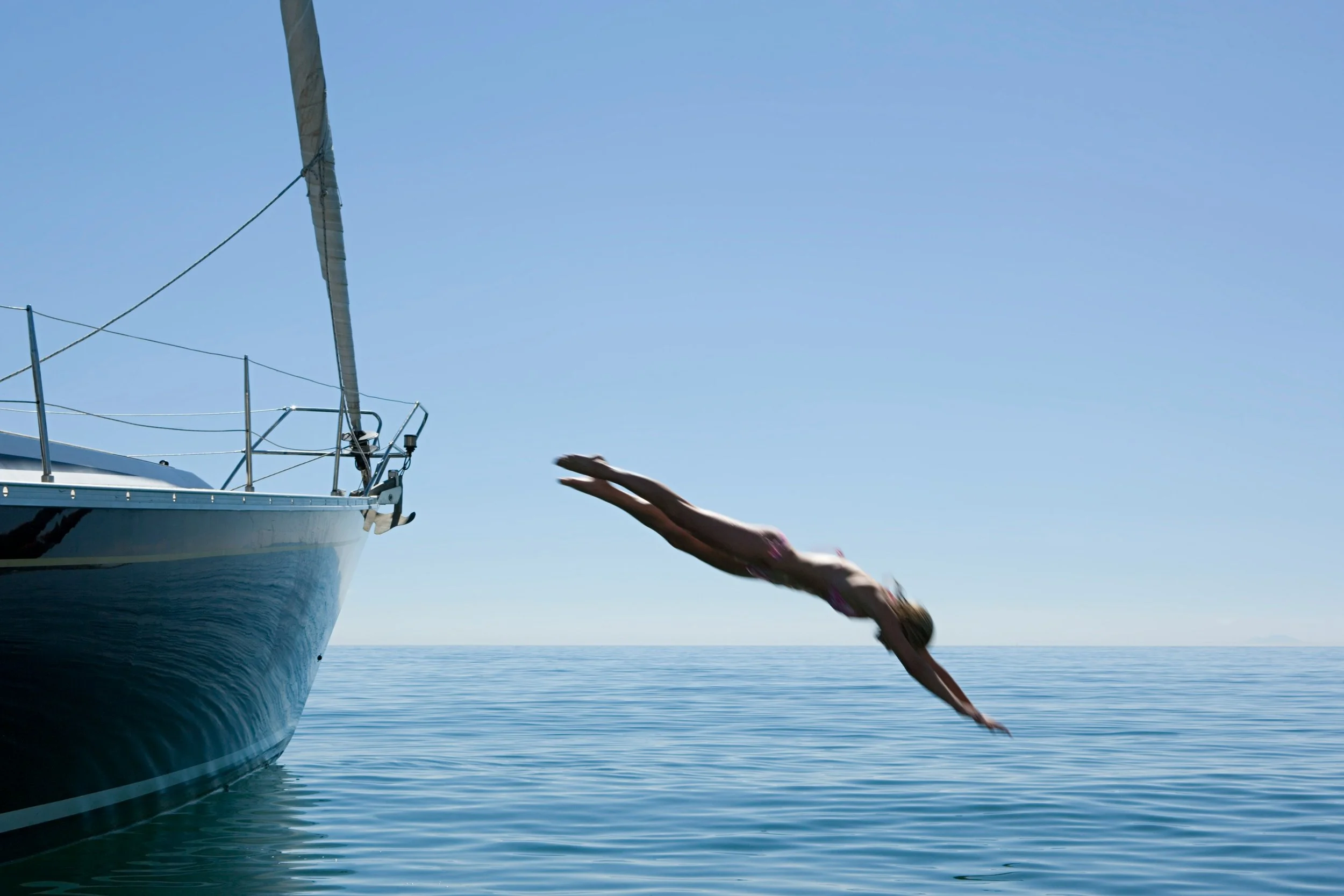
Because every family holiday needs the right backdrop — not the perfect plan.
Choosing a family holiday often feels like navigating a maze of conflicting school dates, budget spreadsheets, and varying attention spans. While some members of the group might dream of a sun lounger and a paperback, others are desperate to burn off energy in the wild. St Martin and Kenya represent two ends of this spectrum, offering vastly different rhythms for a week away.
However, the world is wide, and sometimes neither a beach nor a bush trek is the right answer. This guide looks at five distinct holiday styles to help families match the destination to their current reality.
Relaxing in St Martin
St Martin works well because it removes friction. The island is small enough to drive across in an hour, yet varied enough to prevent boredom. Staying on the French side usually guarantees better food, while the Dutch side offers more nightlife, though families often prefer the quiet of the former. Accommodation is the main driver for choosing this destination. Hotels can feel cramped with teenagers, so most visitors pivot towards the stunning St Martin villas in the lowlands. These properties offer the kind of space, multiple bathrooms and wide terraces, that keep arguments to a minimum.
Life here dictates a slow pace. Mornings are for securing fresh pastries, and afternoons are for drifting between beaches like Plum Bay or Friar’s Bay. It isn’t an adrenaline destination; it is a place for parents who are tired and need the logistics to be simple. The biggest challenge is just remembering to reapply sunblock and dodging the occasional pothole on the way to dinner.
Summer in the Alps
The European Alps in summer offer a brilliant middle ground. Resorts don't shut down when the snow melts; they just change gears. The ski lifts run for hikers and mountain bikers, making high-altitude trails accessible even to little legs that couldn't manage the climb up. It is an active holiday, but the air is fresh, and the temperatures are manageable compared to the stifling heat of the Mediterranean coast.
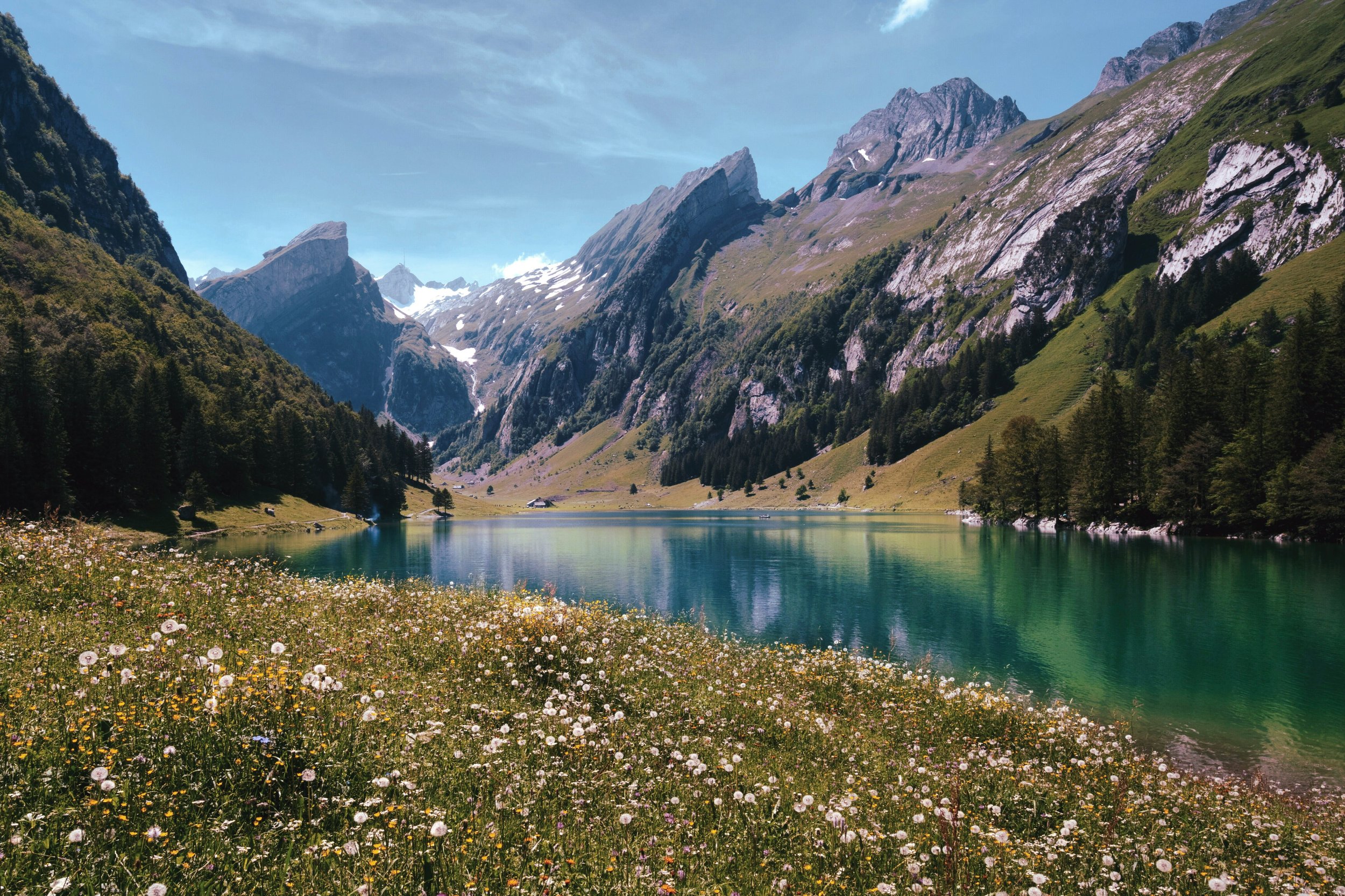
The cost is often significantly lower than the winter peak season, which is a major draw. Accommodation is plentiful, and the food, hearty cheeses and meats suits hungry kids after a day of walking. Days are spent swimming in glacial lakes or navigating high-ropes courses in the trees. It’s physically tiring in a good way, ensuring that by evening, everyone is ready to sleep soundly without a fuss.
River Journeys in Vietnam and Cambodia
Visiting Southeast Asia is a sensory education, not just a vacation. It requires curiosity and an acceptance of heat and humidity, but the payoff is immense. For families, the chaotic traffic of Ho Chi Minh City or the dusty roads to Angkor Wat can be daunting to manage on your own. This is why many experienced travellers suggest you book a cruise in Vietnam and Cambodia to bridge the gap between adventure and comfort.
A river cruise along the Mekong acts as a moving sanctuary. You unpack once, but every day brings a new country or landscape, from the floating markets of the Delta to the ancient temples of Siem Reap. It allows the family to dive into the history and bustle of the local villages during the day, then return to air-conditioning and familiar food in the evening. It is engaging for older children and teenagers who are ready to learn about global history, forcing everyone to look outwards rather than at their screens.
Sailing in Croatia
Moving a family around is tiring, which is why a sailing holiday appeals to many. It puts the hotel on water, removing the need to unpack. Croatia is the go-to spot for this, simply because the islands sit close together. This keeps sailing times short, often under two hours, keeping seasickness at bay. Most families hire a skipper. It costs extra, but having a local expert handle the mooring and check the weather takes the pressure off completely.
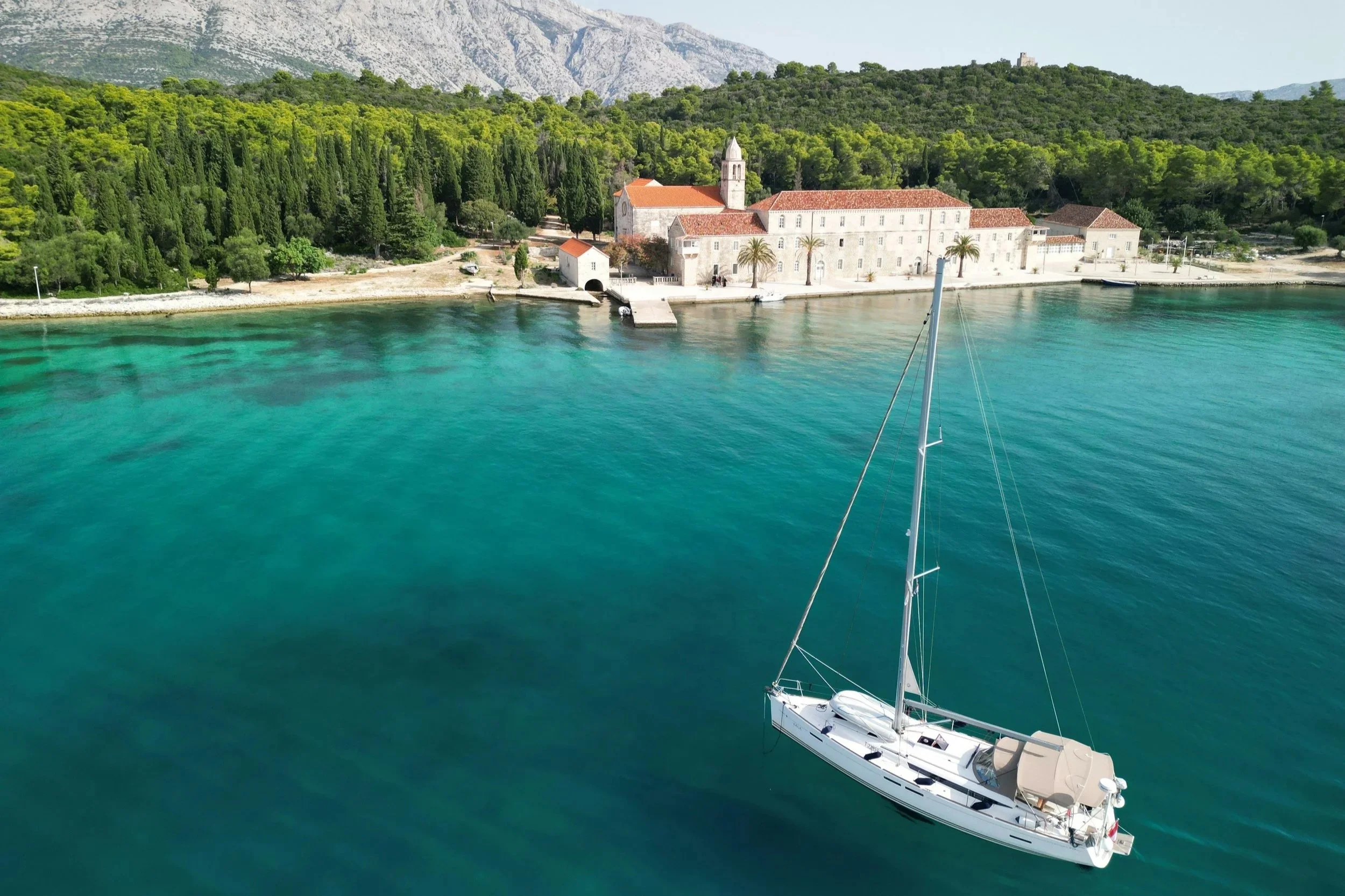
Life on board is quite relaxed. The boat anchors in small bays for lunch, allowing kids to jump straight off the deck into clear, warm water. It feels private and safe. Evenings are spent docked in harbour towns, giving everyone a chance to stretch their legs. Cabin space is tight, so luggage must be soft-sided. However, the trade-off is waking up in a new bay every morning without touching a car key.
City Breaks in Europe
Sometimes the best classroom is a city street. Taking the family to Rome or Barcelona shifts the focus from recreation to exploration. It works best with children who are old enough to walk decent distances without needing a buggy, as cobblestones are unforgiving. The key is to ration the culture. One major site, like the Colosseum or the Sagrada Família, is enough for one day. The rest of the time should be spent eating gelato and chasing pigeons in a piazza.
Dining is easier here than almost anywhere else; pizza and pasta are universal languages. However, the summer heat in southern Europe can be brutal. Smart families adopt the local rhythm: sightseeing early, a long rest or nap in the afternoon, and staying out late when the city cools down. It’s a holiday that feels busy, but it fills the camera roll with moments that aren’t just selfies by a pool.
Where Will You Go Next?
Every family goes through different seasons of travel. The year with a toddler might demand the safety of a villa, while the teenage years might be the perfect window for a dusty jeep ride or a mountain trek. It isn’t about finding the objectively "best" holiday, but rather identifying what the group can handle logistically and financially right now. Whether it is the quiet shores of the Caribbean, the roar of a theme park, or the silence of the Alps, the goal remains the same: to be together, away from the daily grind. It is simply a matter of choosing the backdrop.