Your five-minute shampoo has some competition.
Chinese head spas are changing the way we think about washing our hair. And it turns out, we might have been overlooking something important.
We'll spend hours researching the best products for our hair, comparing ingredients, reading reviews and convincing ourselves that a £40 shampoo is an entirely reasonable investment. We'll spend another hour styling it, armed with enough heat tools and finishing products to open a small salon. But how much thought do we actually put into washing it? Beyond remembering whether we're supposed to shampoo twice, probably very little.
In China, there are entire spas dedicated to the art of washing your hair. Forget a quick shampoo over the salon basin. These treatments can last an hour or more, combining scalp massages, traditional herbal preparations, gentle steam and cascading water in a ritual designed to leave hair cleaner, softer and beautifully glossy. It's an approach to hair care that extends across East Asia, with Japan and South Korea developing their own sophisticated scalp treatments. Yet while we've happily embraced their skincare innovations in the West, we've somehow overlooked the art of actually washing our hair. And frankly, the idea of lying down while someone spends an hour massaging our scalp sounds like something we should have caught on to years ago.
So, could the secret to better hair lie in the way we wash it? And more importantly, how much of this luxurious ritual can we recreate at home without installing a waterfall in the bathroom? We explore the techniques, the beauty benefits and the products worth making room for.
What Actually Happens at a Chinese Head Spa?
If your idea of a luxurious hair wash is the five-minute head massage your hairdresser occasionally throws in, you're in for a treat. At a Chinese head spa, washing your hair isn't a preliminary step before the main event. It is the main event, with treatments often lasting between 60 and 90 minutes. That's an entire appointment devoted to your scalp, without a pair of scissors or a round brush in sight.
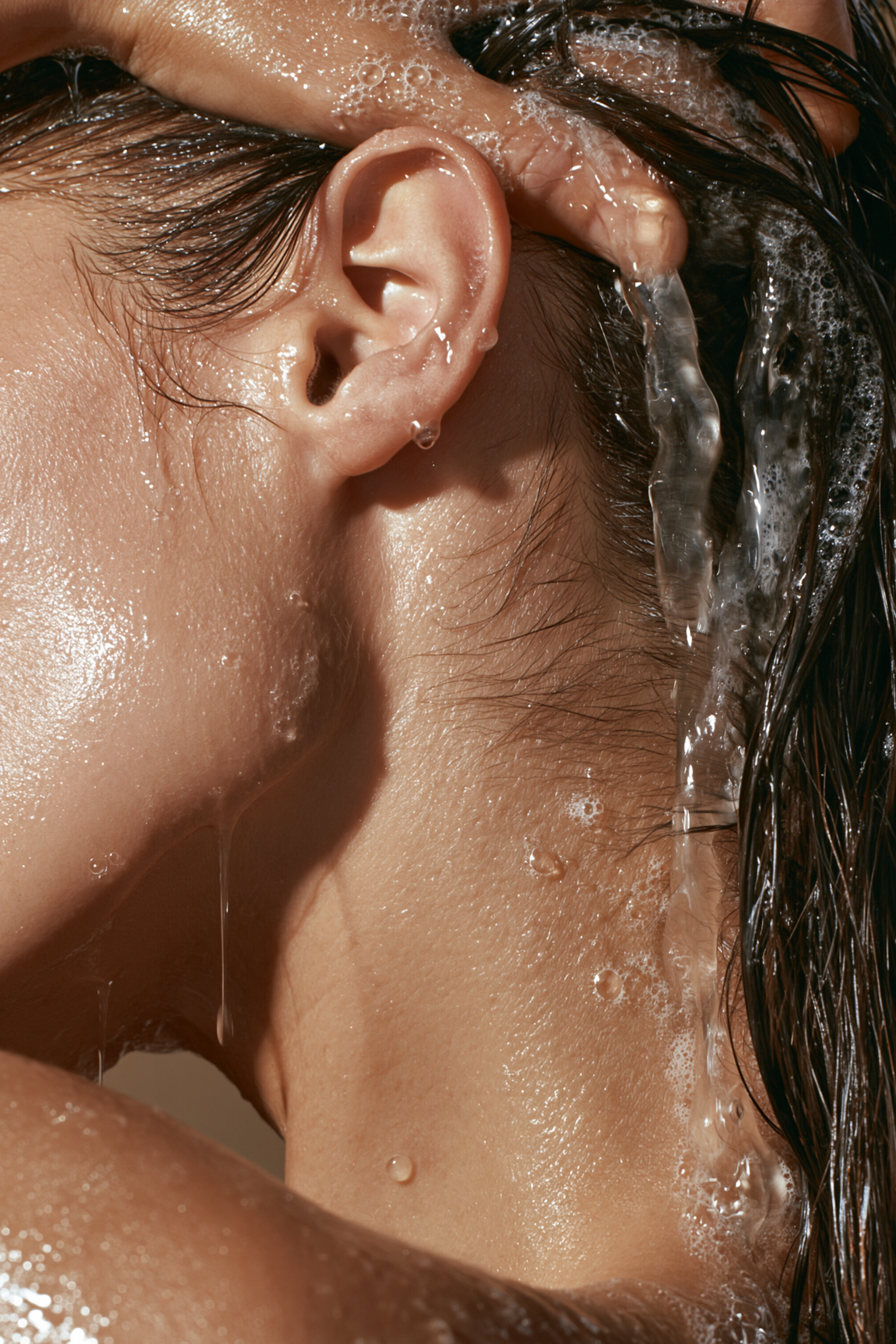
The process typically begins with a thorough scalp cleanse, followed by massage techniques inspired by traditional Chinese practices. Rather than simply working shampoo through the hair, the focus is on the scalp itself, using gentle pressure and circular movements to loosen product build-up, remove excess oil and encourage relaxation. Some treatments incorporate specialist scalp brushes, while others rely entirely on the therapist's hands. Either way, it's a different experience from frantically shampooing while wondering how the shower has already used up all the hot water.
Herbal preparations are another feature of many Chinese head spas, with ingredients such as ginseng and ginger traditionally used in scalp treatments. These may be followed by conditioning masks, gentle steam and the mesmerising waterfall treatment, where warm water continuously cascades over the head. If you've ever found yourself watching one of these treatments on social media for an unreasonable amount of time, you'll understand the appeal. It's part hair treatment, part relaxation therapy, and frankly looks like an excellent excuse to be horizontal for an hour.
And there's good reason to pay closer attention to the washing process. Our scalps produce natural oils, shed skin cells and accumulate styling products, all of which need to be removed without stripping away too much moisture. Thorough but gentle cleansing helps maintain a comfortable, healthy scalp, while conditioning treatments smooth the hair's outer surface, reducing friction and helping it reflect light. In other words, some of the most effective ways to improve the appearance of our hair have less to do with adding another styling product and more to do with how we care for it in the first place.
Scalp massage adds another dimension. Beyond being wonderfully relaxing, it can temporarily increase blood flow to the area, while the combination of warmth, water and conditioning treatments can make hair feel softer and more manageable. Traditional herbal preparations bring their own history to the ritual, although their effects depend on the ingredients and formulations used. The real appeal is how these individual elements work together, with time devoted to each stage rather than treating washing as something to get through as quickly as possible.
Of course, recreating the entire experience at home would probably require a specialist shower attachment, an extra hour in the morning and someone willing to massage our head while we lie down. Sadly, none of those are currently standard bathroom fixtures. But the principles behind the ritual are surprisingly easy to adopt, and a few thoughtful changes could make our existing products work harder for us.
How to Bring the Ritual Into Your Own Bathroom
The good news is that recreating the principles of a Chinese head spa doesn't require a bathroom renovation, an elaborate collection of equipment or an hour of uninterrupted peace. Which, depending on who's currently demanding access to the shower, might be the most unrealistic part of the whole exercise. A few changes to how you cleanse, massage and condition your hair can make an ordinary wash feel surprisingly luxurious.
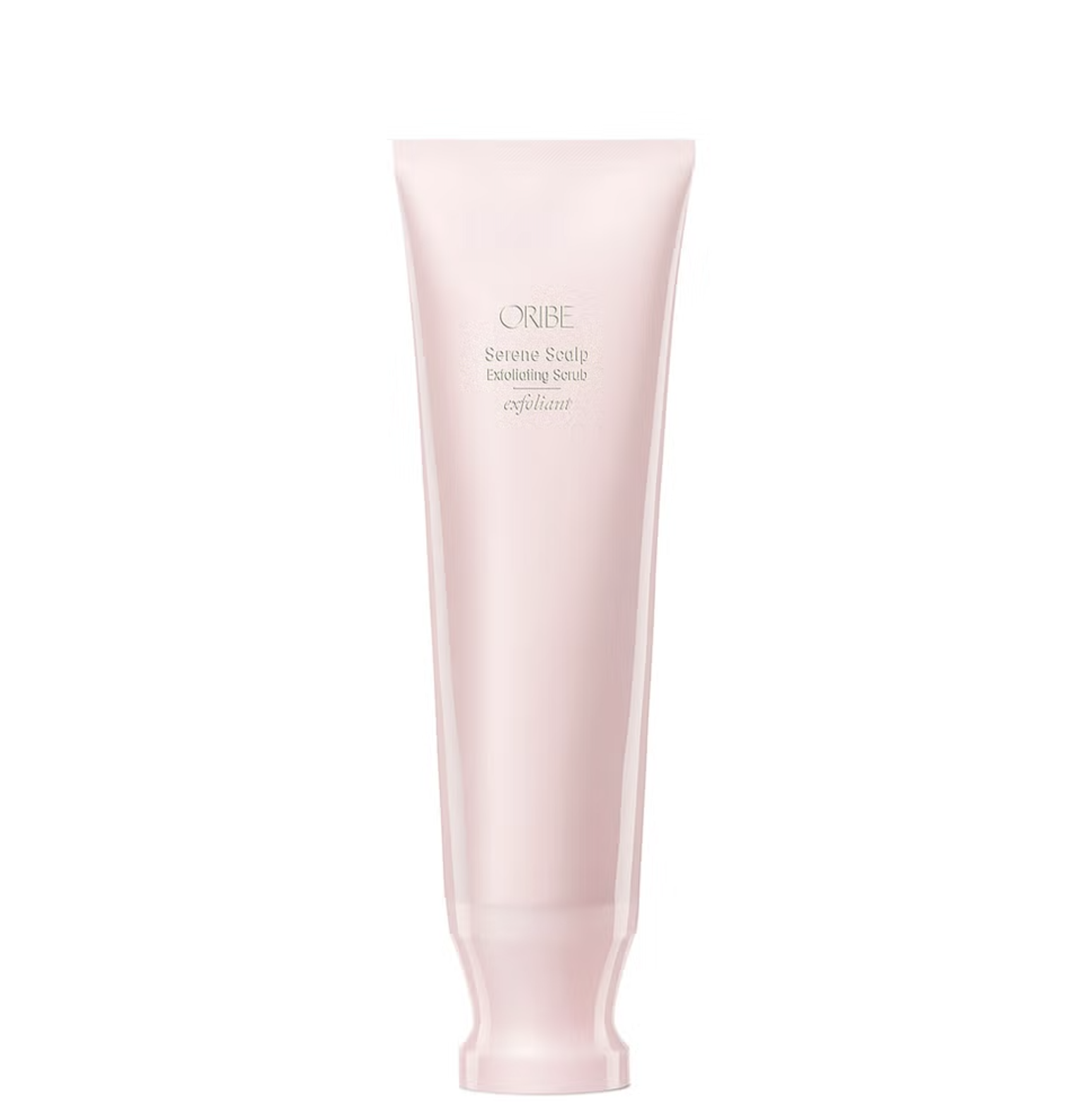
First, let's address what's happening beneath all that hair. If you've been relying on dry shampoo to disguise the fact that wash day was technically three days ago, your scalp may be harbouring a collection of oil, dead skin cells and styling residue. Oribe's Serene Scalp Exfoliating Scrub (£47) combines alpha hydroxy acids with gentle polishing beads to help shift the accumulation. Apply to a wet scalp before shampooing, massage gently and rinse thoroughly. It's essentially the facial exfoliation your scalp never knew it was missing.
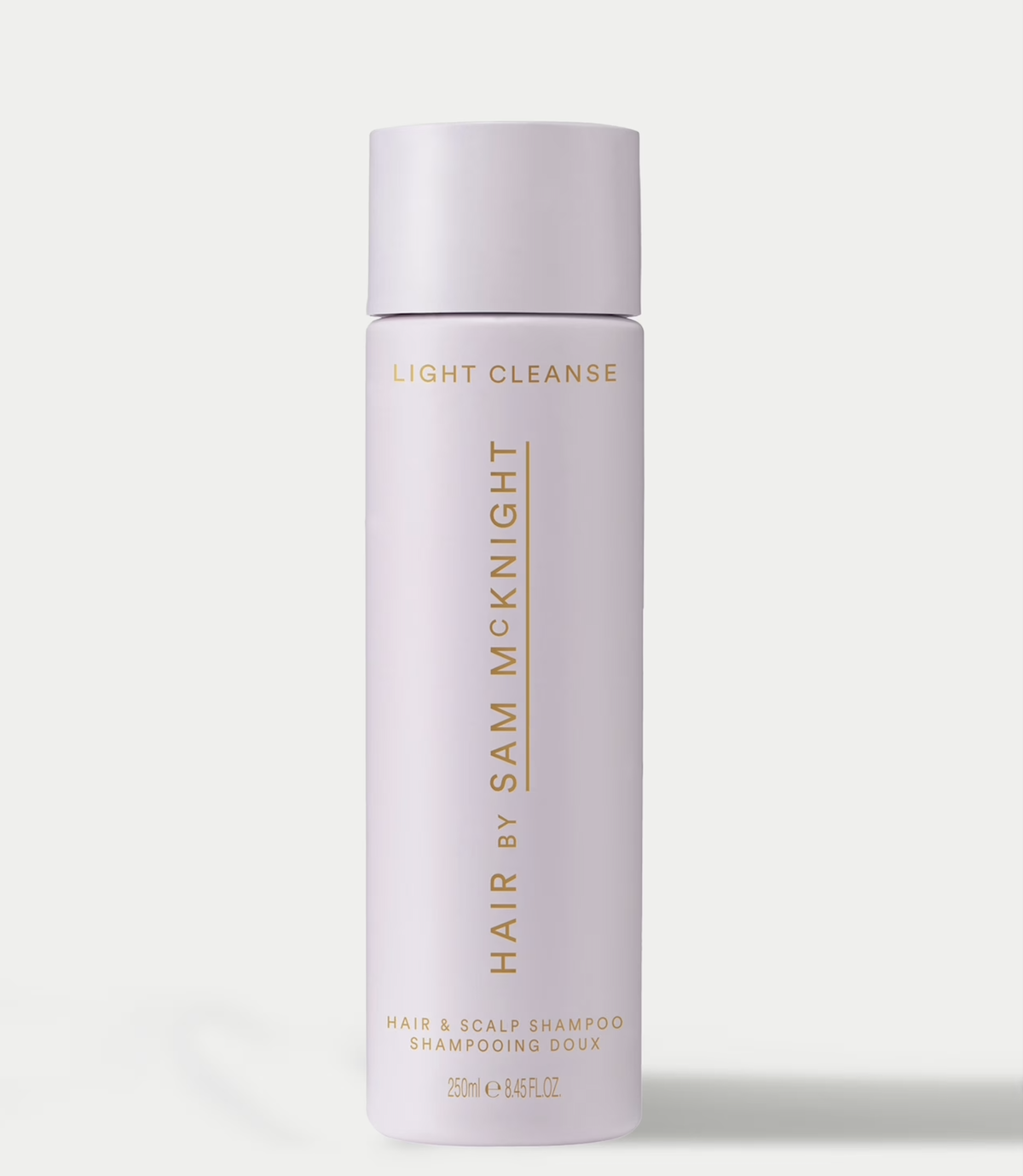
Now, the shampoo. Put the boiling-hot shower on hold — tempting as it might be during a British winter — and thoroughly saturate your hair with lukewarm water. Concentrate your shampoo on the scalp rather than gathering everything into a giant, tangled nest on top of your head. Hair by Sam McKnight's Light Cleanse Hair & Scalp Shampoo (£29) is ideal for this stage, using gentle cleansing agents, hydrating Aquaxyl and botanical extracts to remove impurities while maintaining softness and movement. Work through the hairline, crown and nape of the neck, giving each area proper attention. Your expensive shampoo deserves to do more than make a brief appearance before disappearing down the plughole.
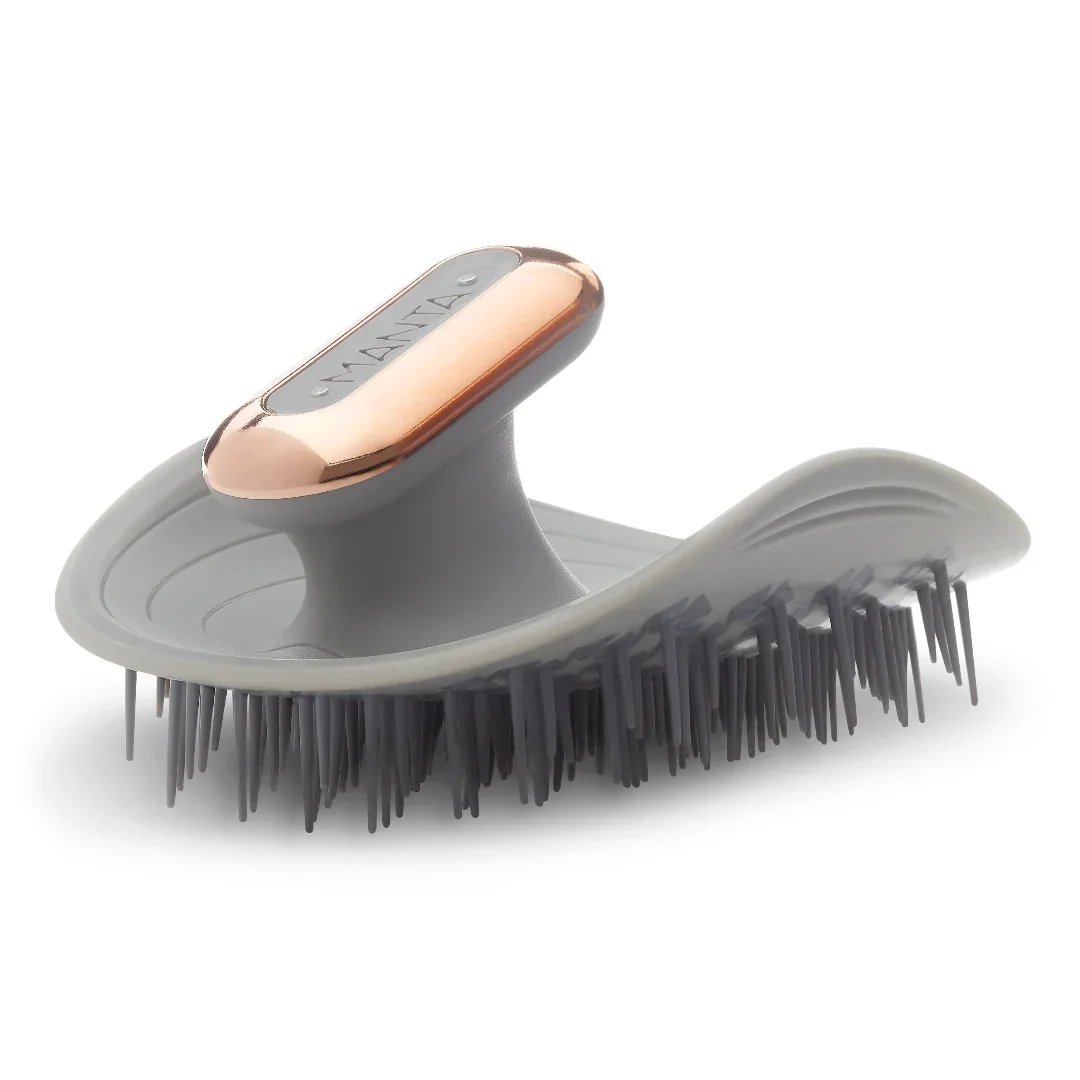
And now, the part we've been looking forward to. Scalp massage is central to the head-spa experience, and there's no reason it should be reserved for professional treatments. Use your fingertips to make slow, circular movements, applying gentle pressure without pulling at the roots. Or let MANTA's Pulse Hair & Scalp Brush (£70) do some of the work. Its ultra-flexible bristles and two vibration settings help distribute shampoo while providing a soothing massage, and it's waterproof enough to join you in the shower. An excellent alternative to requesting a head massage from someone who's already pretending not to hear you.
As for double shampooing, it's not a sacred beauty commandment. If you've been particularly enthusiastic with the hairspray, dry shampoo or styling cream, a second cleanse can help remove stubborn residue. Otherwise, one thorough wash may be perfectly sufficient. More shampoo doesn't automatically mean better hair, no matter how impressive the foam looks.
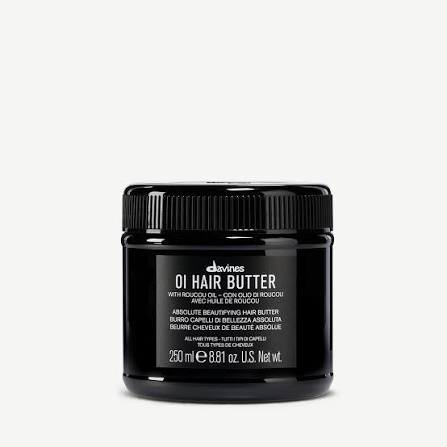
With the scalp properly cleansed, it's time to give the lengths some attention. Chinese head spas often incorporate conditioning masks and gentle steam, creating the sort of treatment that makes a quick squeeze of supermarket conditioner seem positively unambitious. Davines OI Hair Butter (£35), enriched with roucou oil, is an indulgent option for dry, coarse or heat-styled hair, helping soften strands and improve shine. For medium to thick hair, apply to damp lengths after shampooing and leave for five to ten minutes. Finer hair types can use it before shampooing instead. And do actually leave it on for the recommended time. Applying a mask and immediately rinsing it away is a bit like ordering dessert and sending it back before you've picked up your spoon.
While the mask works, enjoy the warmth of the shower without turning your bathroom into a steam room. A comfortably warm environment is perfectly adequate; the conditioning ingredients are responsible for most of the softening and smoothing. And that final blast of freezing water we've been dutifully enduring in pursuit of glossy hair? You can abandon it. There's little convincing evidence that icy water seals the hair cuticle, so unless you genuinely enjoy a surprise cold plunge before breakfast, a thorough rinse with comfortable-temperature water will do nicely. Gently squeeze out the excess moisture and reach for a soft towel rather than attacking your lengths as though you're trying to start a fire.
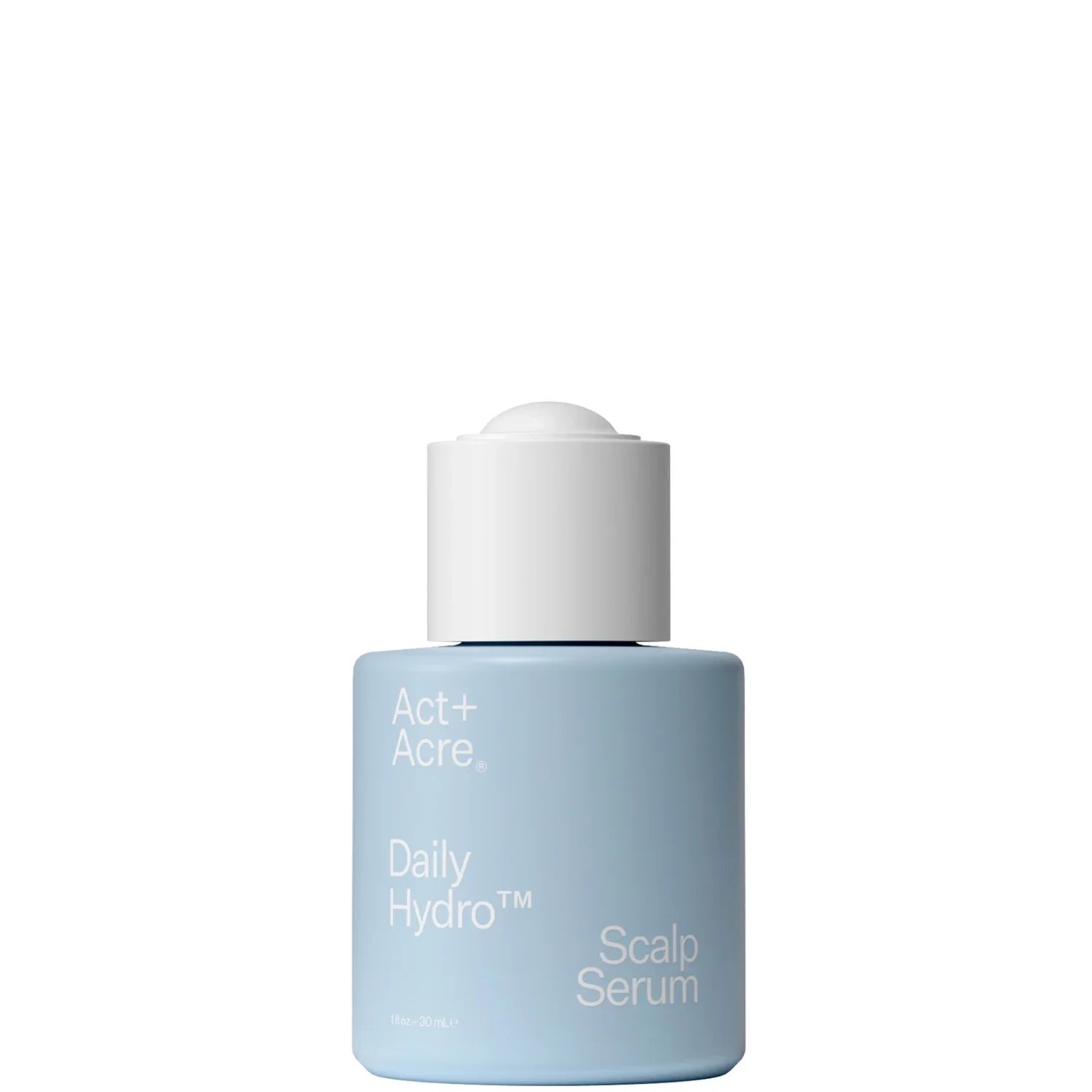
Finally, give your scalp a little post-wash attention. We wouldn't dream of cleansing our faces and leaving dry skin to fend for itself, yet our scalps are often expected to manage with whatever shampoo happens to pass through. Act+Acre's Daily Hydro Scalp Serum (£24) contains hyaluronic acid, amino acids and glycerin to help hydrate the skin without leaving roots feeling greasy. Apply directly to a clean, damp or dry scalp and massage in. No rinsing, no elaborate instructions and, mercifully, no additional 20-minute waiting period.
Will any of this recreate the bliss of lying beneath a cascading waterfall while a therapist massages your scalp for an hour? Probably not. But a more thoughtful approach to cleansing, conditioning and scalp care can make a genuine difference to how your hair looks and feels. And considering the time and money we already invest in everything that happens after washing it, giving the actual wash a little more attention seems like a very sensible place to start.