The Makeup That Makes People Ask What You’ve Been Using on Your Skin
Good glow isn’t about adding more — it’s about knowing what not to use.
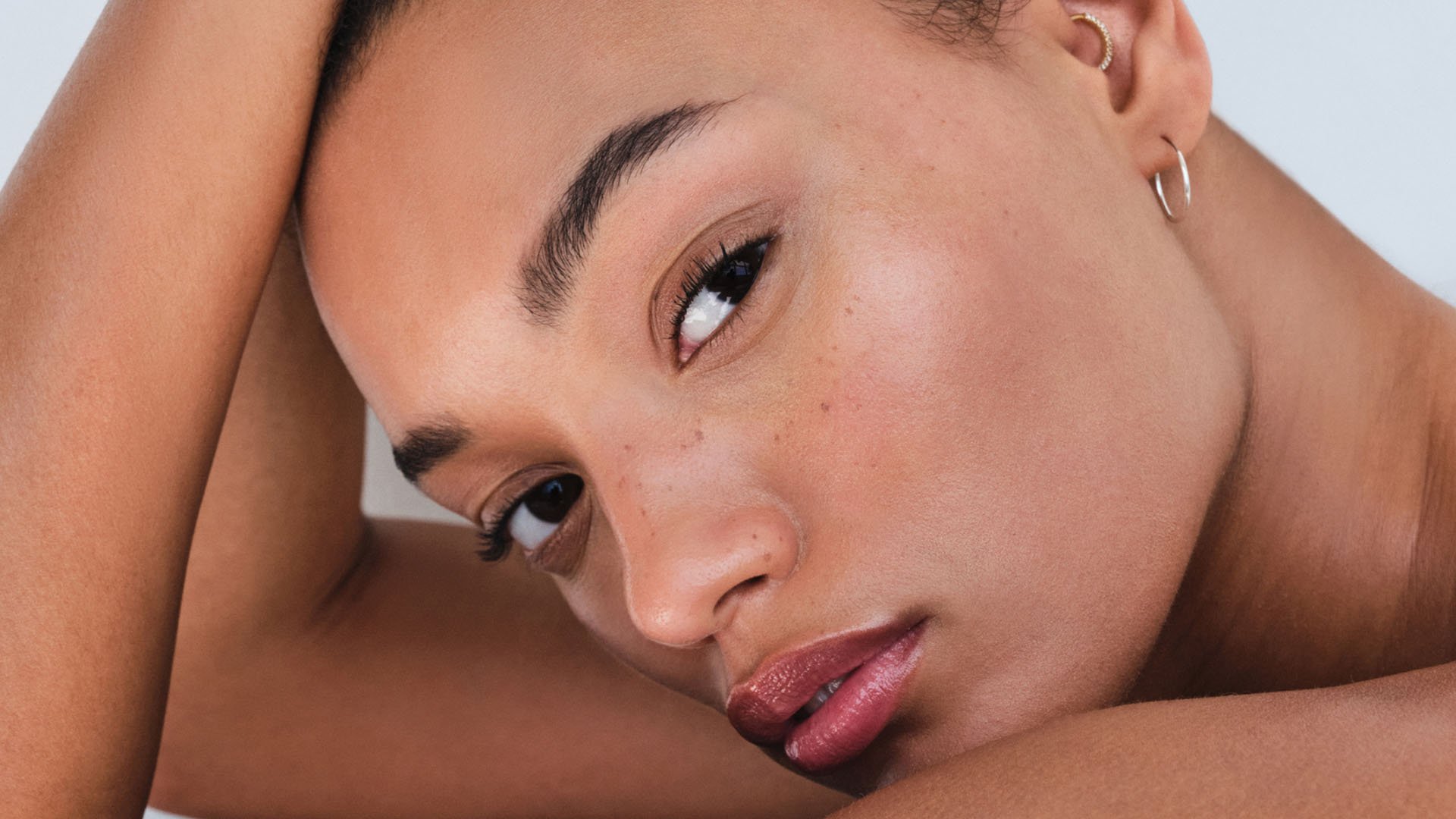
There’s a certain compliment that lands differently from the rest. Not “I love your makeup” — which is pleasant enough — but “Your skin looks amazing… what have you been using?” It’s usually delivered slightly quieter, often with a closer look, as if the answer might be something surprisingly simple. A new serum, perhaps. More sleep. A sudden devotion to water.
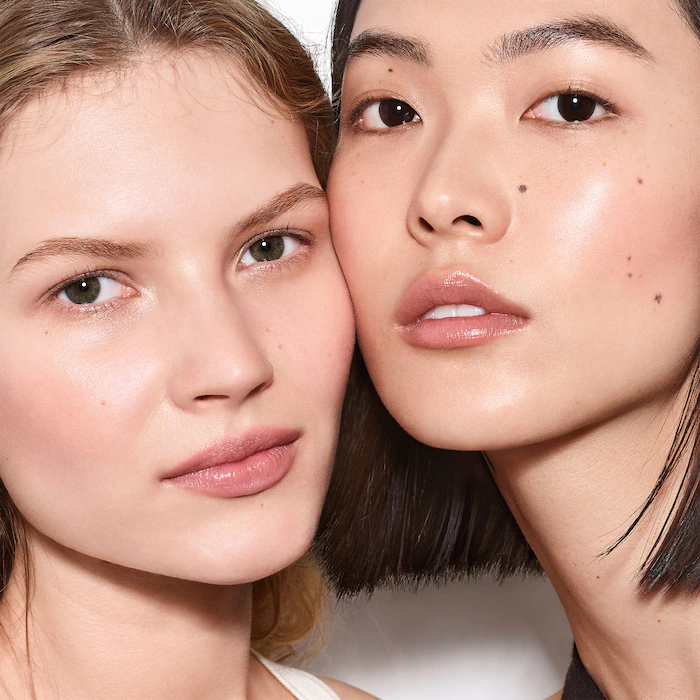
The truth, of course, is rarely that tidy. That kind of glow — the convincing kind — isn’t about shine, sparkle, or whatever’s currently being described as “glass”. It’s about balance. Skin that looks even but not flattened. Luminous, but still dimensional. Alive, but not overly enthusiastic. The sort of radiance that reads as health rather than effort.
“The most convincing glow doesn’t announce itself — it just makes skin look like it’s having a very good day.”
Where glow makeup often goes wrong is in trying to do too much, too loudly. Layered luminisers, reflective finishes stacked on top of each other, products all chasing the same effect from slightly different angles. The result is rarely subtle, and often tips into something greasy, textured, or just a bit… obvious. It’s the same reason skin can look strangely depleted after late nights, stress or overdoing it — a pattern we explored in our deep dive into hangover skin, where radiance disappears long before dryness sets in.
Real glow, the kind that fools people into thinking it’s skincare, works the other way around. It’s edited, considered, and built quietly.
Glow, but with restraint
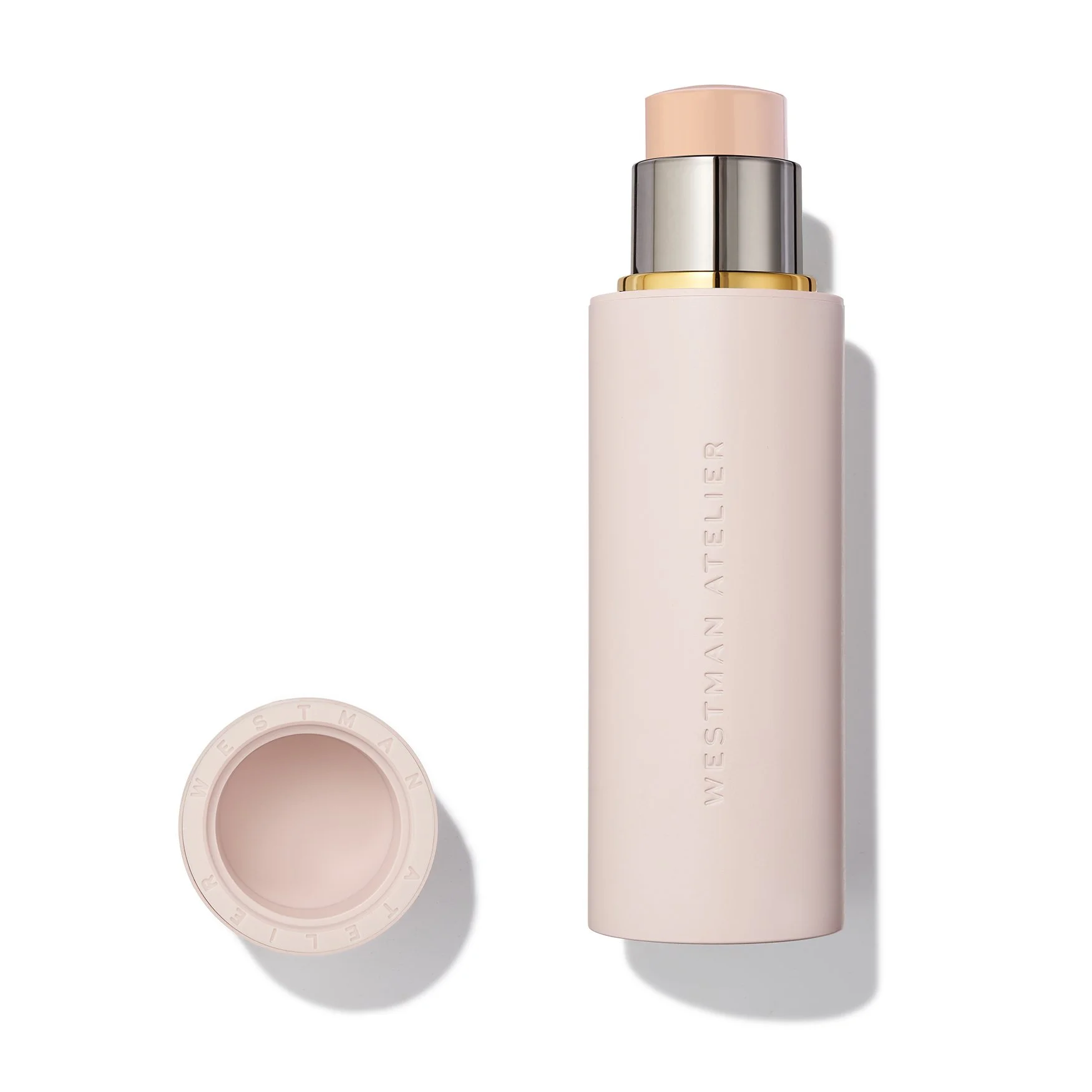
Everything starts with skin that still looks like skin. A base such as Westman Atelier Vital Skin Foundation Stick(£62) does the heavy lifting without announcing itself, evening tone and calming redness while leaving freckles, pores and natural variation intact. Used sparingly, it gives the face that composed, well-rested look that makes everything layered on top behave better.
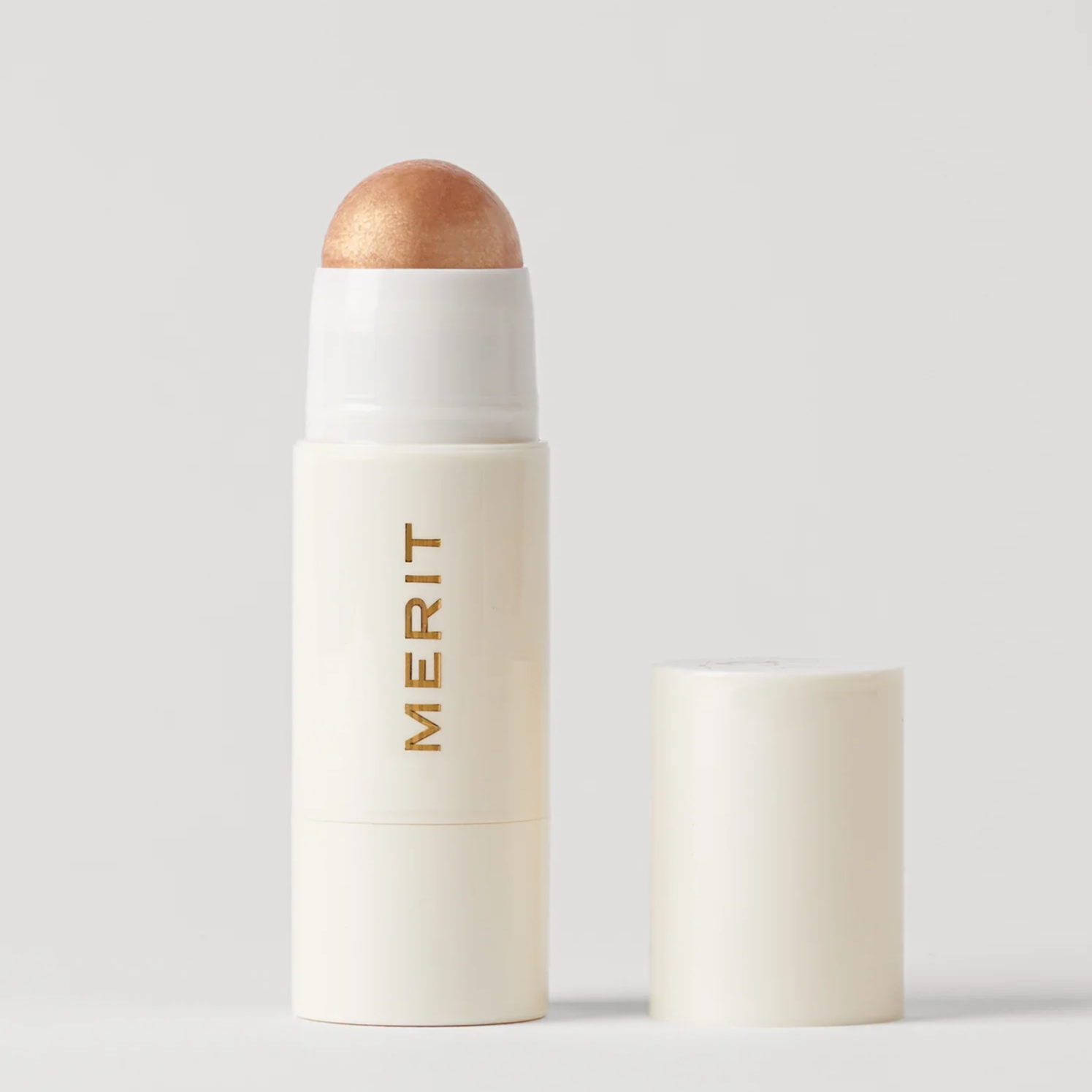
From there, glow isn’t something you pile on at the end — it’s something you decide how to introduce. On days when skin feels a little flat or tight, Merit Beauty Day Glow (£28) works best earlier on, pressed into the skin before foundation or mixed lightly into it. The effect isn’t reflective so much as moisturised — that subtle sheen skin gets after a really good facial, where light seems to sit within the skin rather than on top of it.
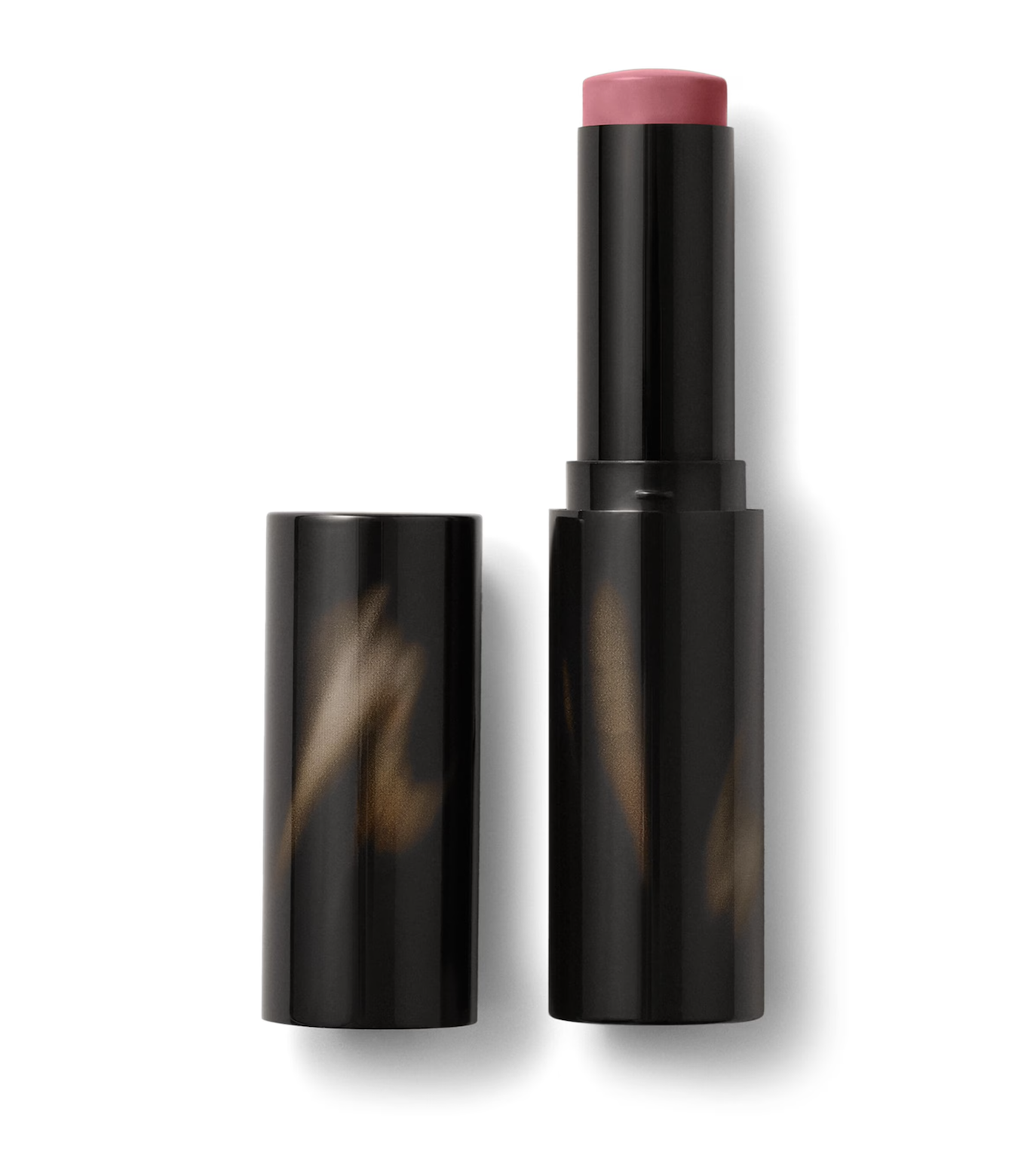
Colour then needs to return in a way that feels believable. Victoria Beckham Beauty Cheeky Posh Cream Blush (£28) does this beautifully, melting into the skin and mimicking natural circulation rather than obvious pigment. It’s the difference between looking flushed and looking healthy — small, but crucial.
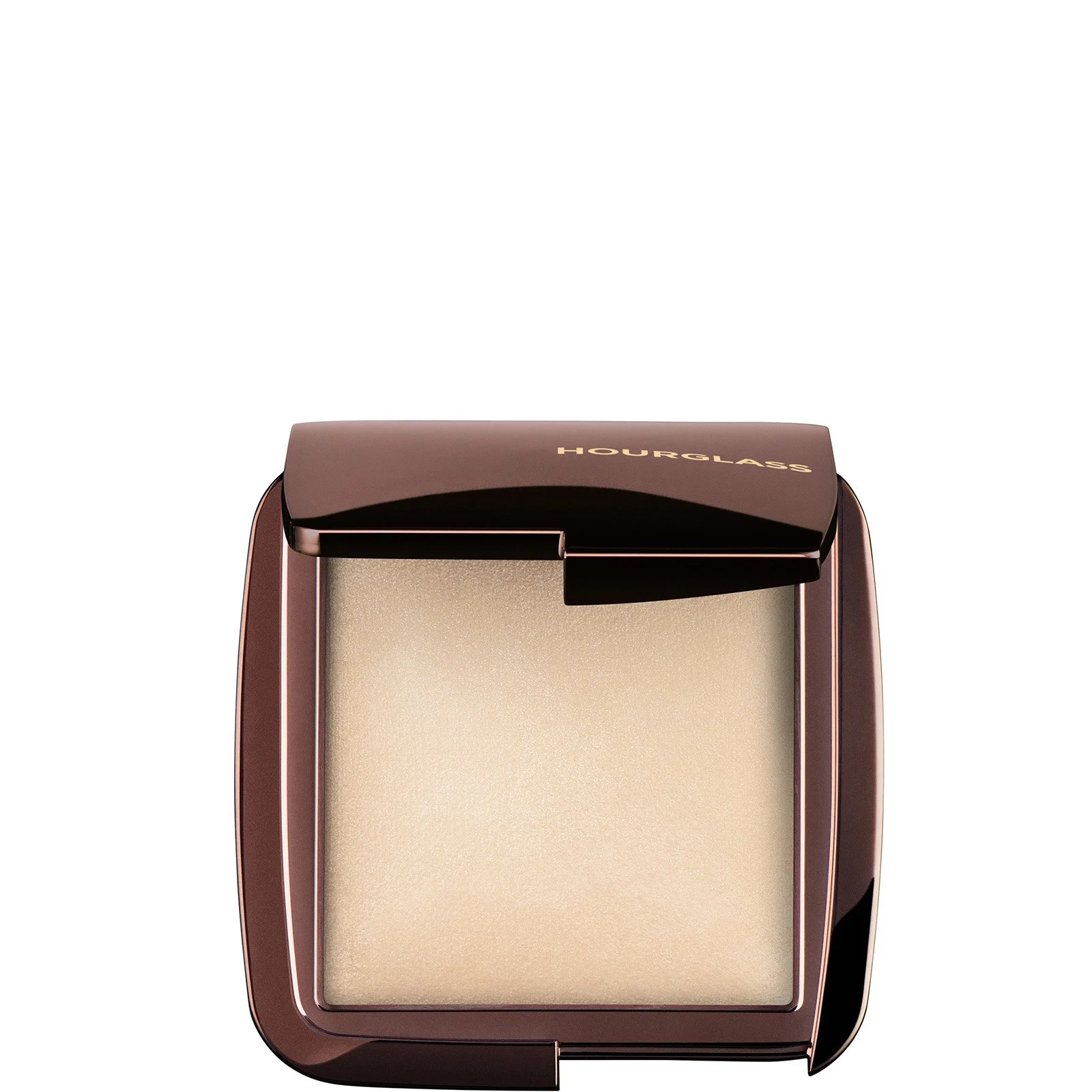
On days when skin already feels balanced and hydrated, glow doesn’t need any help from balms at all. This is where a softer finishing approach comes into its own. A light dusting of Hourglass Ambient Lighting Powder (£52) gently diffuses light across the face, smoothing and editing rather than adding shine. Everything looks a touch more polished, a touch more intentional — the beauty equivalent of good lighting.
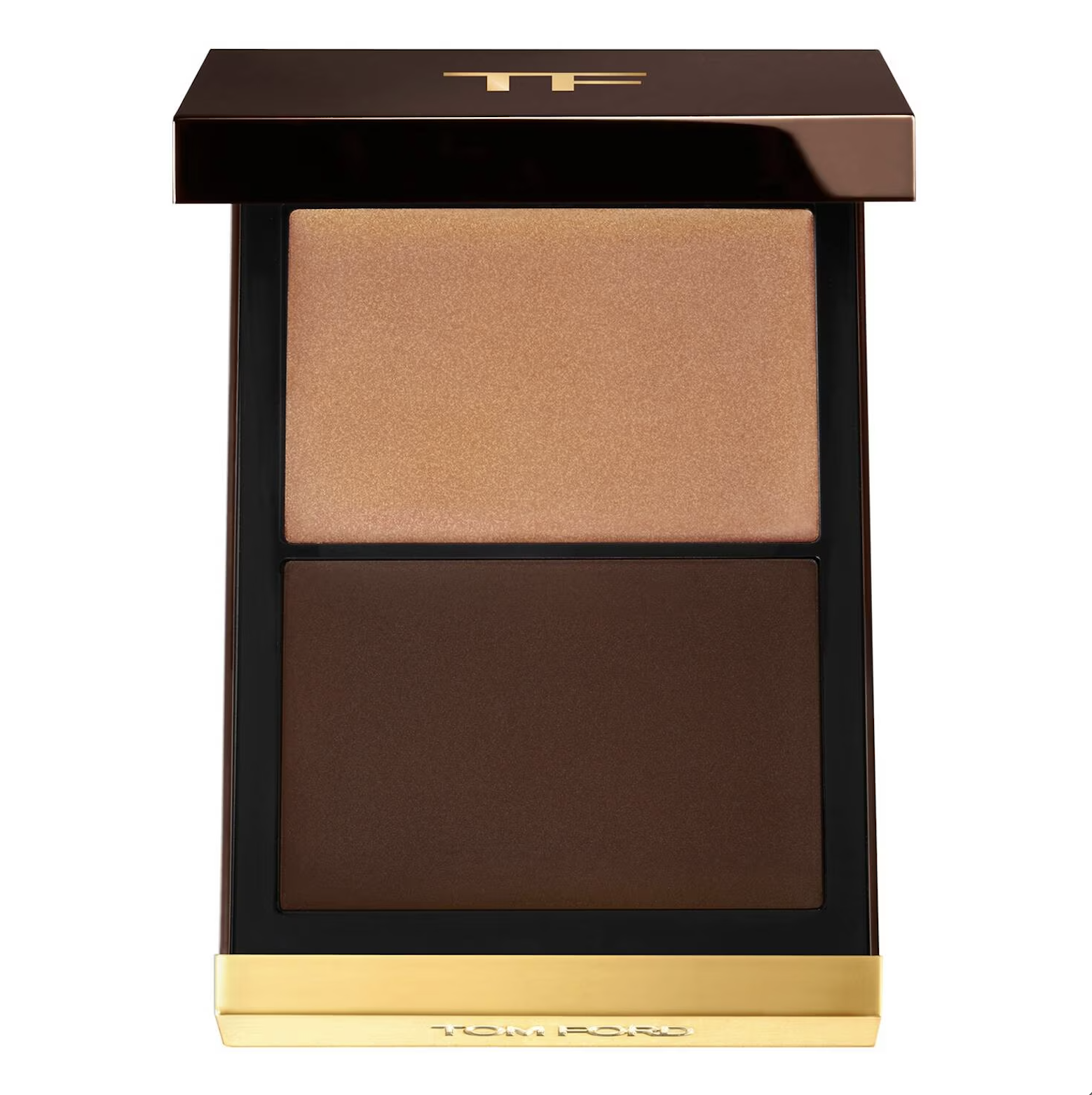
What keeps all of this from drifting into softness overload is structure. Glow without contrast rarely convinces, which is why Tom Ford Beauty Shade and Illuminate (£84) earns its place. Used with restraint, it restores subtle definition to cheekbones and contours, ensuring the face still has shape beneath all that radiance. It’s not there to glow — it’s there to make the glow look real.
The finishing touch comes not on the cheeks, but on the lips. Charlotte Tilbury Life Changing Lip Mask in Pillow Talk Fresh Glow (£28) does exactly what the rest of the routine does: it suggests care rather than effort. The ceramide-rich formula leaves lips looking hydrated, softly plumped and genuinely healthy, without the shine of a traditional gloss or the commitment of a lipstick.

When glow is built this way, it doesn’t read as makeup at all. It just looks like good skin having a very good day. And that’s why the reaction is different. People don’t ask about highlighter, or blush, or coverage. They lean in and ask what you’ve been using on your skin.
Which is, of course, precisely the point.