Hangover Skin Isn’t Just About Alcohol — Here’s What Your Face Is Actually Reacting To
Your skin didn’t misbehave over Christmas. It was overworked, under-rested — and it’s asking for support, not discipline.

There’s a very specific kind of skin you wake up with after Christmas. Not quite a breakout. Not quite dryness. Just a faint sense that your face has been through something — and hasn’t fully forgiven you for it yet. It’s puffier than usual, a little dull, oddly uneven. Makeup doesn’t sit. Skincare feels either pointless or irritating.
And no, it’s not just the champagne.
“Post-holiday skin doesn’t need fixing. It needs calm, hydration — and a chance to recover.”
Post-holiday skin is rarely about one indulgence. It’s the cumulative effect of late nights, sleep that slipped, sugar and salt in unfamiliar quantities, central heating on full blast, rushed cleansing, routines quietly abandoned somewhere between Christmas Eve and Boxing Day. Skin is a responsive organ; it reflects disruption quickly, and sometimes bluntly — particularly when sleep and stress throw the nervous system out of balance, something we explore more deeply in why calm skin starts in the nervous system, not your bathroom cabinet.
What you’re seeing isn’t “bad skin”. It’s imbalanced skin — inflamed rather than congested, dehydrated rather than dry, overstimulated rather than neglected. And that distinction matters, because the solution isn’t harsher products or a sudden purge. It’s restoring calm, hydration and bounce.
This isn’t a detox. It’s simply helping your skin find its footing again.

Beneath the surface, the pattern is familiar. Inflammation rises after poor sleep and excess, showing up as redness and uneven tone. The barrier — already under pressure from winter weather and indoor heating — becomes less efficient, so skin loses water more easily. Fluid movement slows, leading to puffiness around the eyes and jaw. And when sleep is fragmented, repair quietly falls behind.
So, what does skin actually need right now?
The fix, then, isn’t dramatic. It’s strategic.
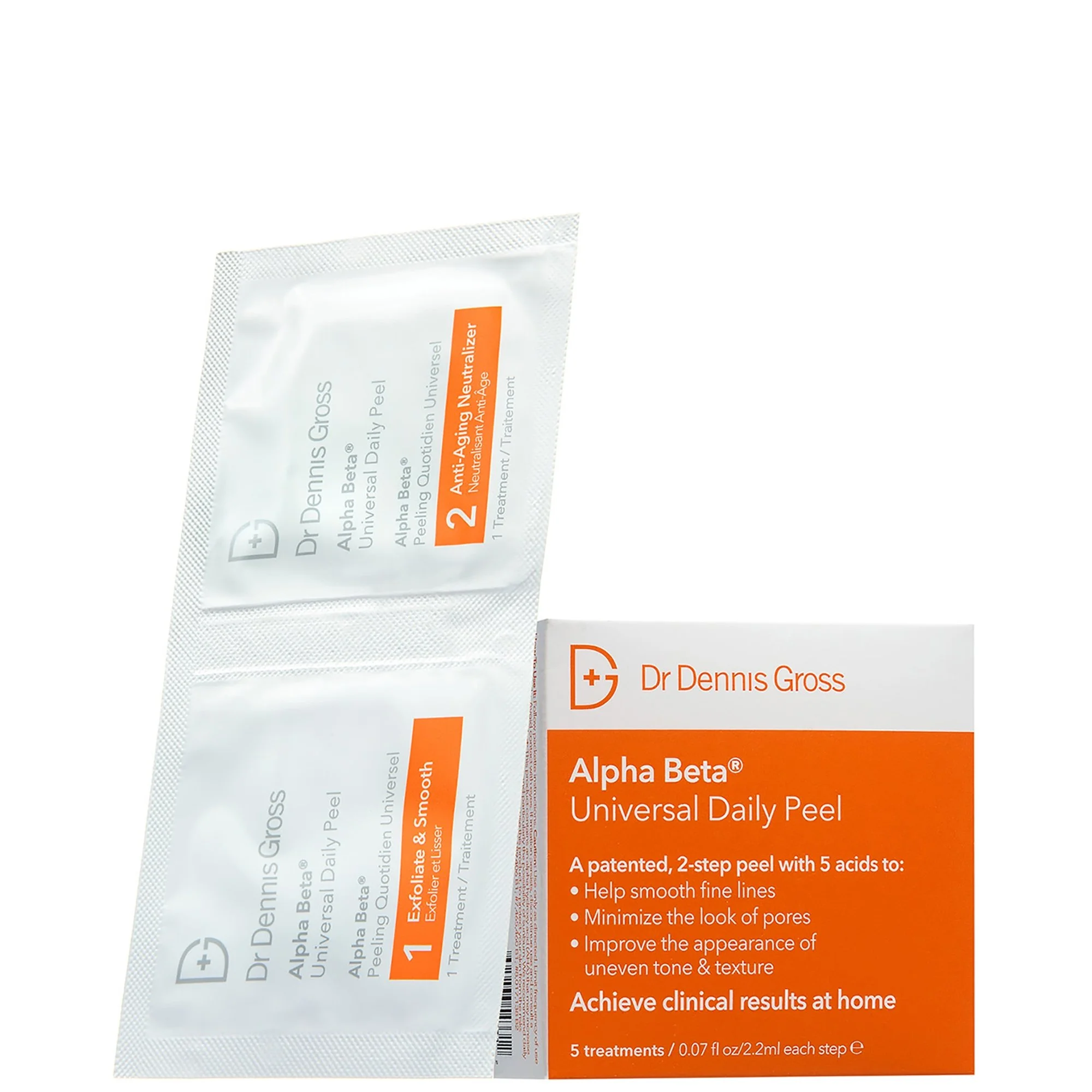
The first step is clearing away what’s dulling the surface. Dr Dennis Gross Skincare Alpha Beta Extra Strength Daily Peel (£146 for pack of 60) is formulated for daily use, designed to gently resurface skin, smooth texture and restore clarity without physical exfoliation. In normal conditions, it’s one of the most reliable ways to keep skin bright and even. Post-holiday, when skin may feel slightly sensitised, using it a few times a week can be enough to reset radiance without tipping into irritation — daily-capable, but responsive to what your skin is actually asking for.
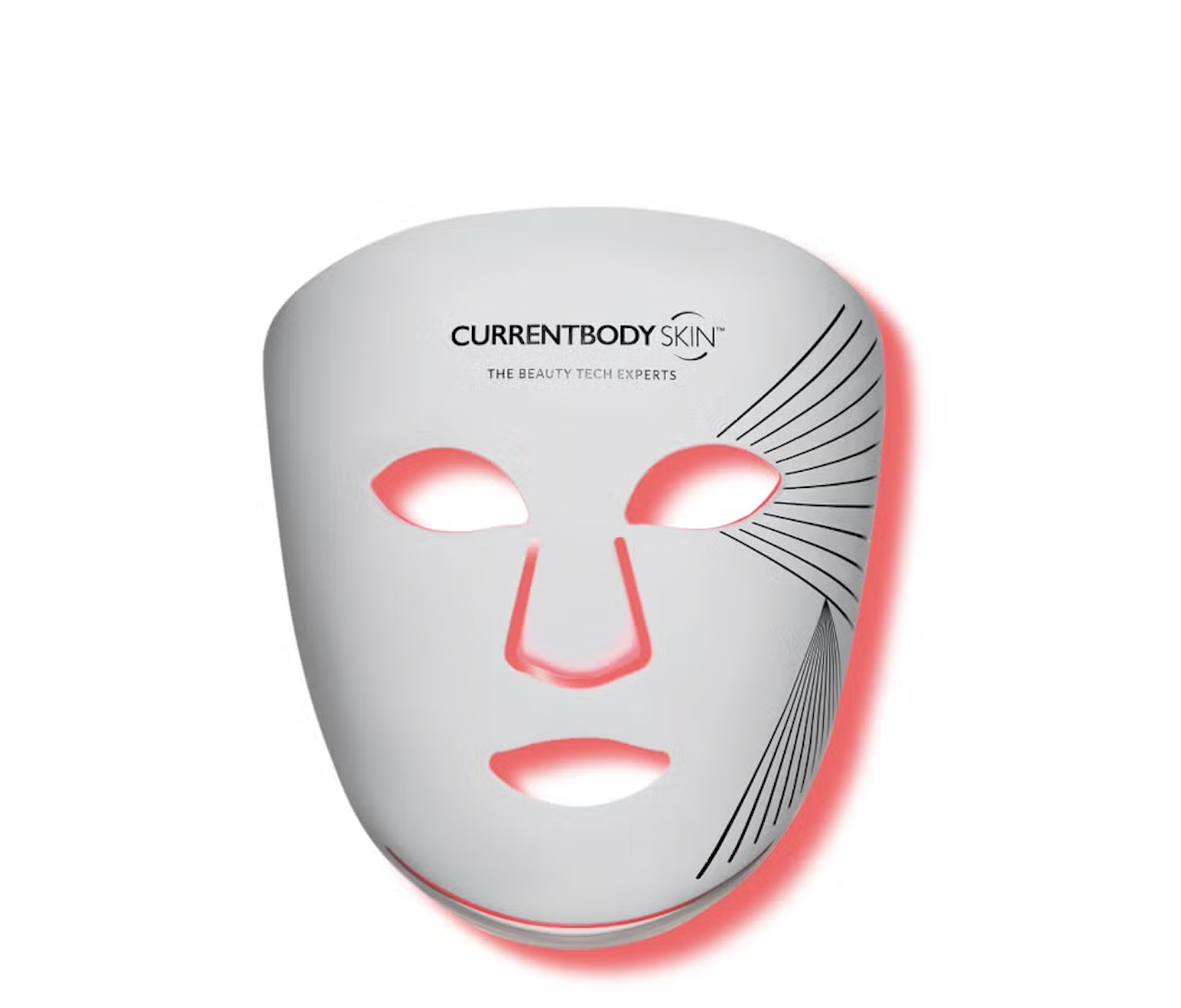
When skin looks tired, dull or simply out of rhythm, light therapy comes into its own. CurrentBody’s LED Red Light Therapy Face Mask: Series 2 (£399) uses red and near-infrared light to support visible calm, recovery and radiance. It’s one of the easiest ways to help skin look more rested — not by doing more, but by giving it the conditions it needs to repair.
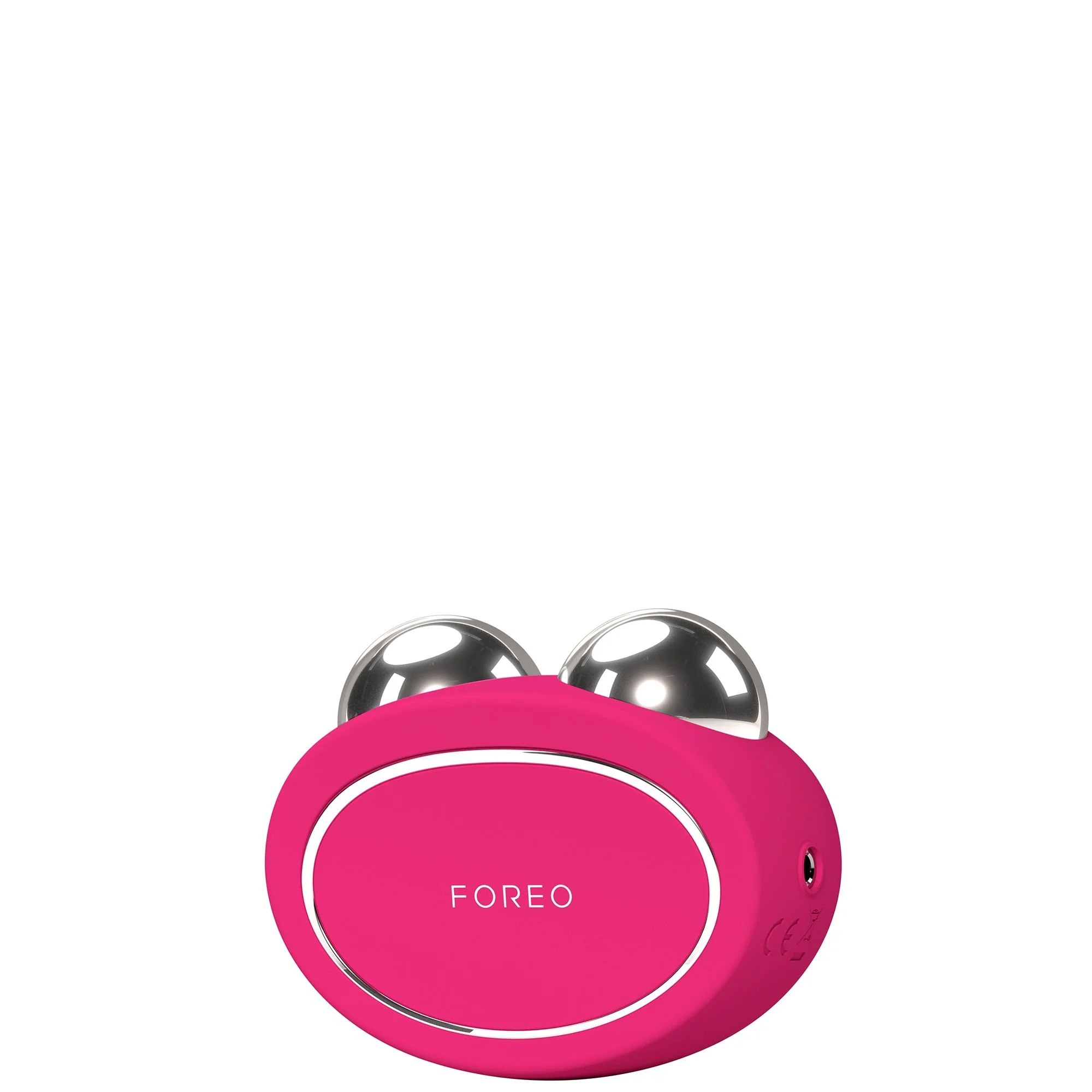
Puffiness, meanwhile, is often more about circulation than product choice. FOREO Bear 2 Facial Toning Device (£379), used gently, helps encourage lymphatic movement and restore definition — the kind that disappears after festive salt and disrupted sleep. Five minutes in the morning is usually enough to make skin look more awake, without tipping into overcorrection.
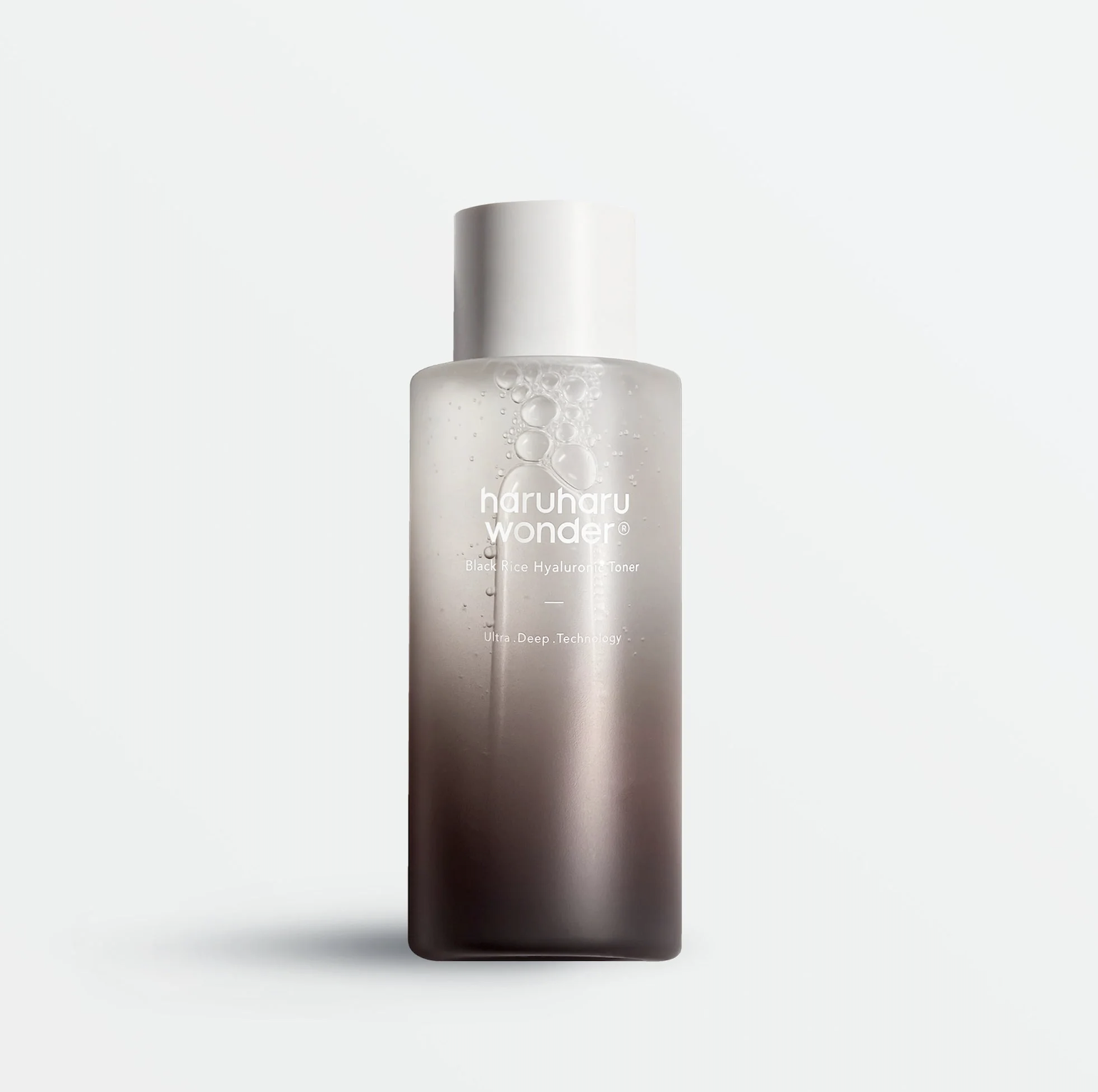
Once skin feels calmer and more awake, hydration is what brings the bounce back. Haruharu Wonder Black Rice Hyaluronic Toner (£16) is a quietly brilliant step here. Lightweight but deeply hydrating, it draws water back into the skin, softening texture and restoring that slightly elastic, well-rested look that tends to disappear after late nights. Think plumpness, not shine — a flexible surface that makes everything layered on top work better.
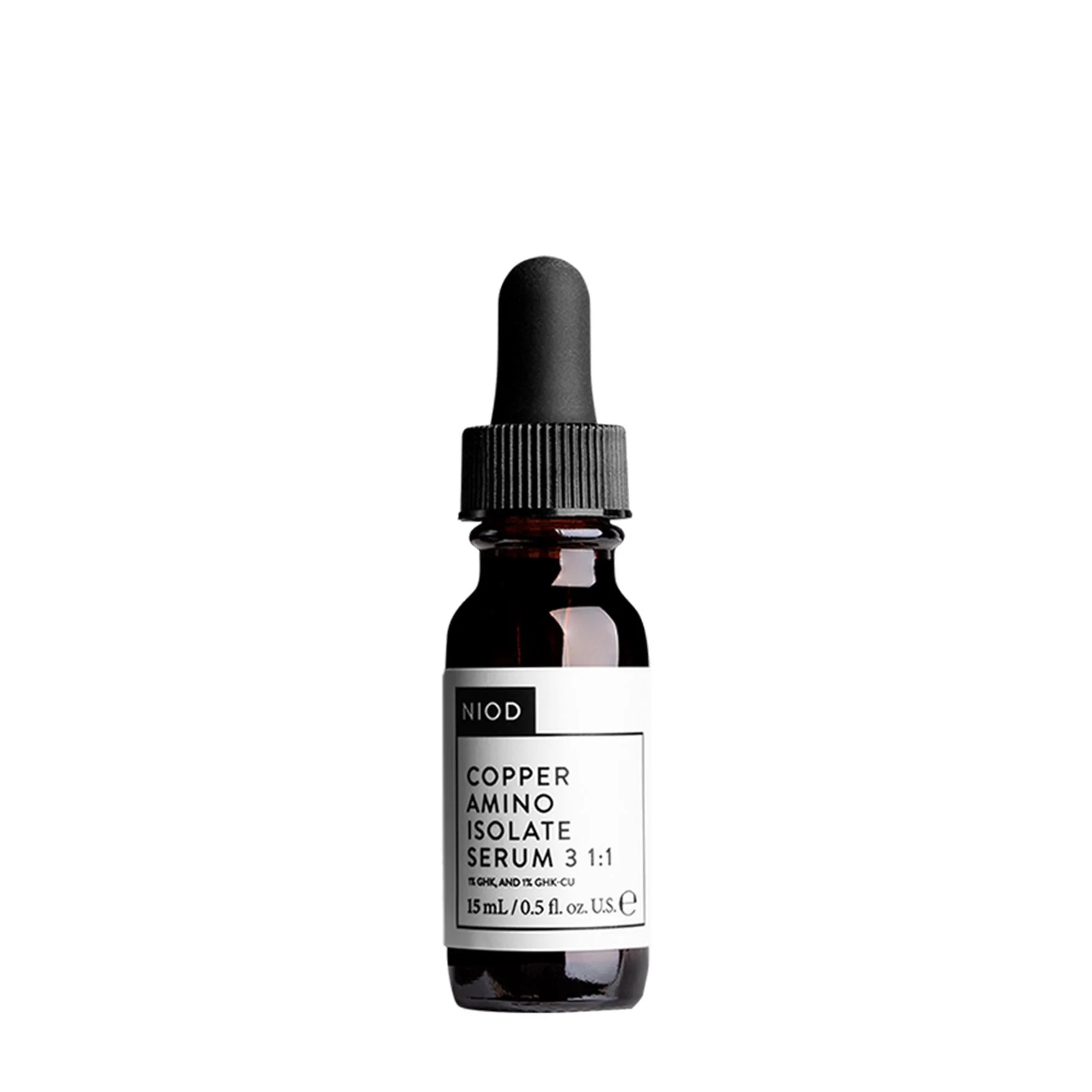
With hydration in place, this is the moment for a serum — not to correct, but to strengthen. NIOD Copper Amino Isolate Serum 3 1:1 (£70) supports skin integrity and elasticity at a deeper level, helping depleted skin regain bounce and resilience over time. It’s the kind of quiet, cellular support that doesn’t announce itself immediately — you just notice your skin behaving better.
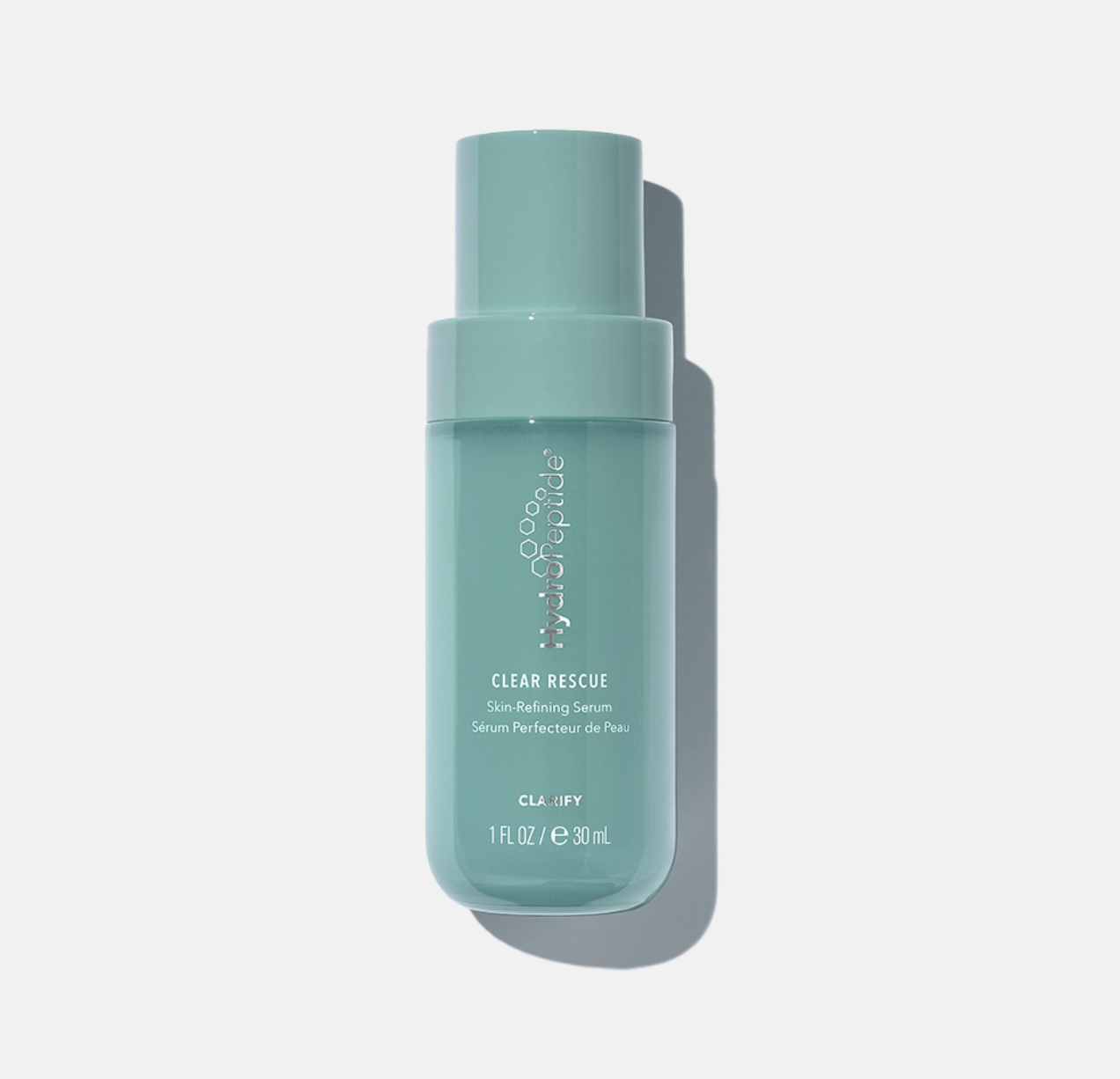
If congestion does appear, tailoring the routine matters. HydroPeptide Clear Rescue Peptide Acne Serum (£72) works well for stress- or hormone-led breakouts, supporting clarity without stripping or overstimulating the skin.
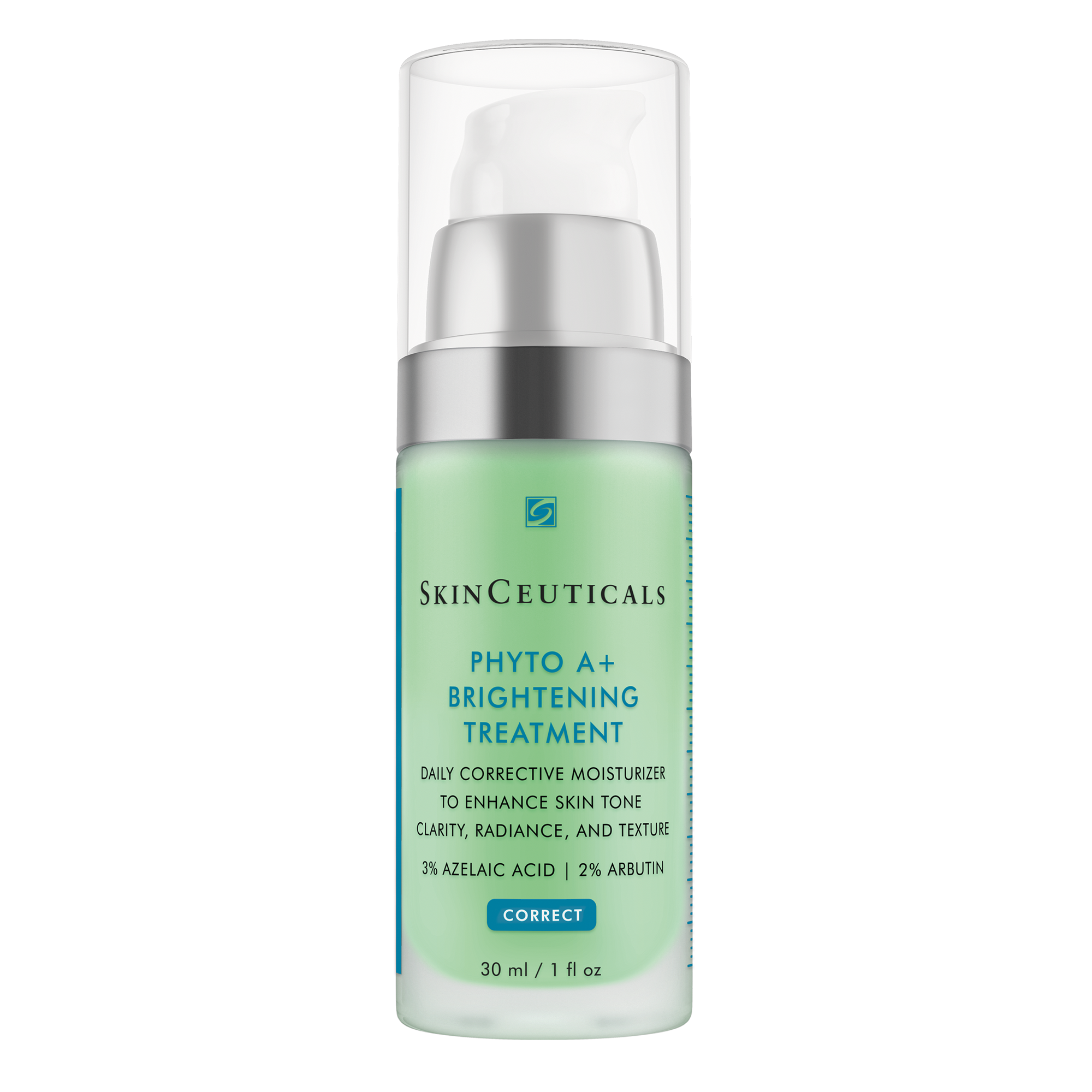
Daily moisturising comes last. SkinCeuticals Phyto A+ Brightening Treatment (£96), an oil-free corrective moisturiser with 3% azelaic acid and 2% alpha arbutin, helps refine texture, balance oil and restore clarity while keeping skin calm and comfortable. It seals everything in without heaviness — exactly what unsettled skin needs.
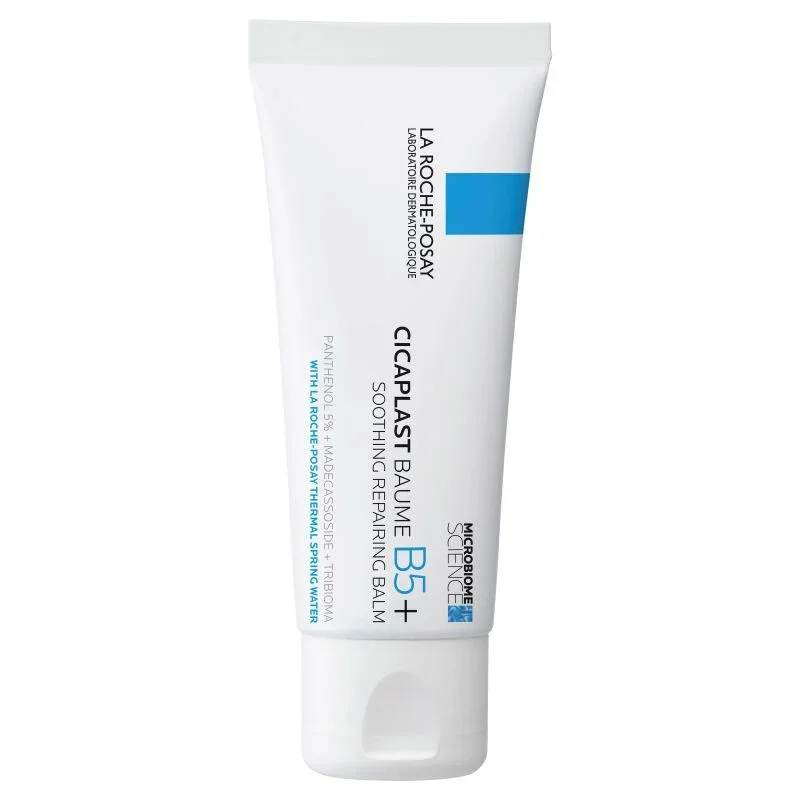
For moments when skin feels genuinely overwhelmed, La Roche-Posay Cicaplast Baume B5+ (£11) remains the emergency option worth keeping close. Not elegant, perhaps, but deeply effective at restoring comfort and calm when the barrier needs a brief reset.
Used together, this isn’t a routine that asks your skin to transform overnight. It simply removes the noise, restores hydration, and lets balance — and bounce — return at its own pace. It’s the same thinking behind our Gentle January Reset — recovery works best when it’s supportive, not punitive.
You don’t need a “new you” on January 1st. You just need your skin to feel supple, supported and awake again. When hydration returns and inflammation settles, glow tends to follow — quietly, reliably, and without drama.