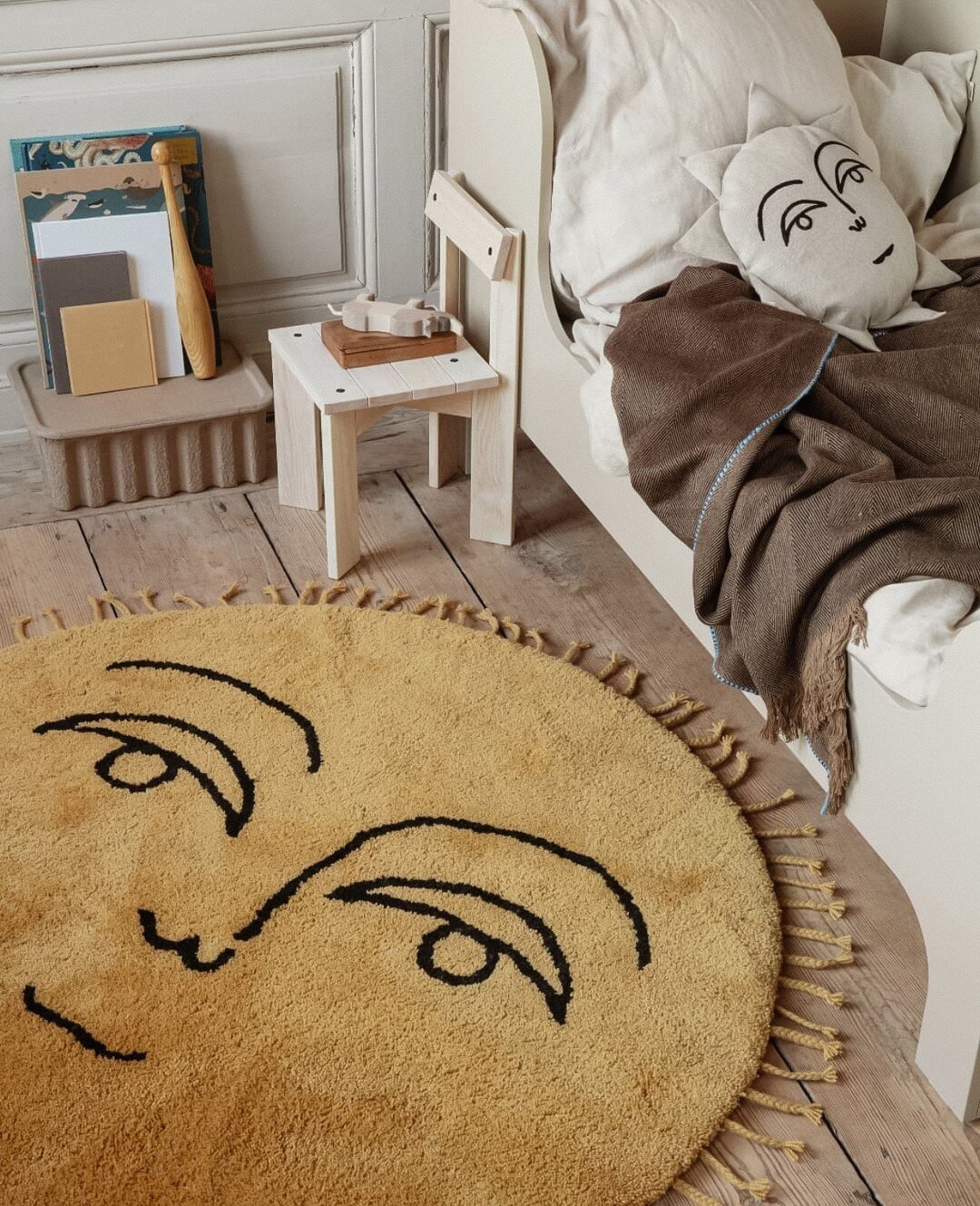
Because winter doesn’t just nip — it nibbles at your sanity.

There’s a particular flavour of winter fatigue that settles in long before Christmas decorations appear and long after your diary has stopped pretending to be manageable. It’s that sensation of being slightly behind your own life — a little brittle, a little fogged, as if your nervous system is buffering like hotel WiFi in a storm.
Nothing is wrong, exactly. But everything feels about 8% harder.
This isn’t a personal failing. It’s biology negotiating conditions it never designed itself for.
Evolution expected short daylight hours and gentle pacing — not school runs, inboxes, cold floors, bright overheads and the perpetual chorus of “Mum?”. Winter, as we live it now, is a full sensory assault.
“Your nervous system isn’t dramatic — it’s just honest. It tells the truth long before you do”
Luckily, your body doesn’t need a reinvention plan. It just needs a few small, sensory-aware tweaks — the sort that shift you from coping to could breathe again if I tried.
Winter relief doesn’t always come from fixing things — sometimes it comes from changing your environment altogether.
This is your quiet winter reset.
And sometimes, that change is as simple as warmth, daylight and a short break that makes winter feel less relentless.
Start with Warmth, Not Willpower
Most winter mornings begin with a jolt: alarms, cold floors, a kitchen that feels like a refrigerated co-working space. Your nervous system reads all of this as threat.
Replace that opening spike with warmth. Wrap yourself in something soft before you even attempt consciousness — a Chelsea Peers fleece striped dressing gown works beautifully here, all gentle weight and softness without the bulk. Hold a hot mug close to your chest. Let heat land on your body before the day lands on your mind. A quick rise in core temperature lowers circulating noradrenaline — the jumpy, alert hormone — which is why even a minute of warmth can feel like emotional first aid.
Even one minute of warmth shifts your system out of alert mode and into “I can do this.”
And when the house is icy, draping a TOAST Wool Blanket over your lap while you answer early emails is a small act of nervous-system kindness disguised as winter style.
Rewrite Your Light Cues (Your Cortisol Will Thank You)
Your body is far more literal than you think: it believes what light tells it. Overhead brightness at 6pm? Your brain thinks it’s midsummer. Gloomy rooms all morning? Cue sluggishness.
Give it better cues.
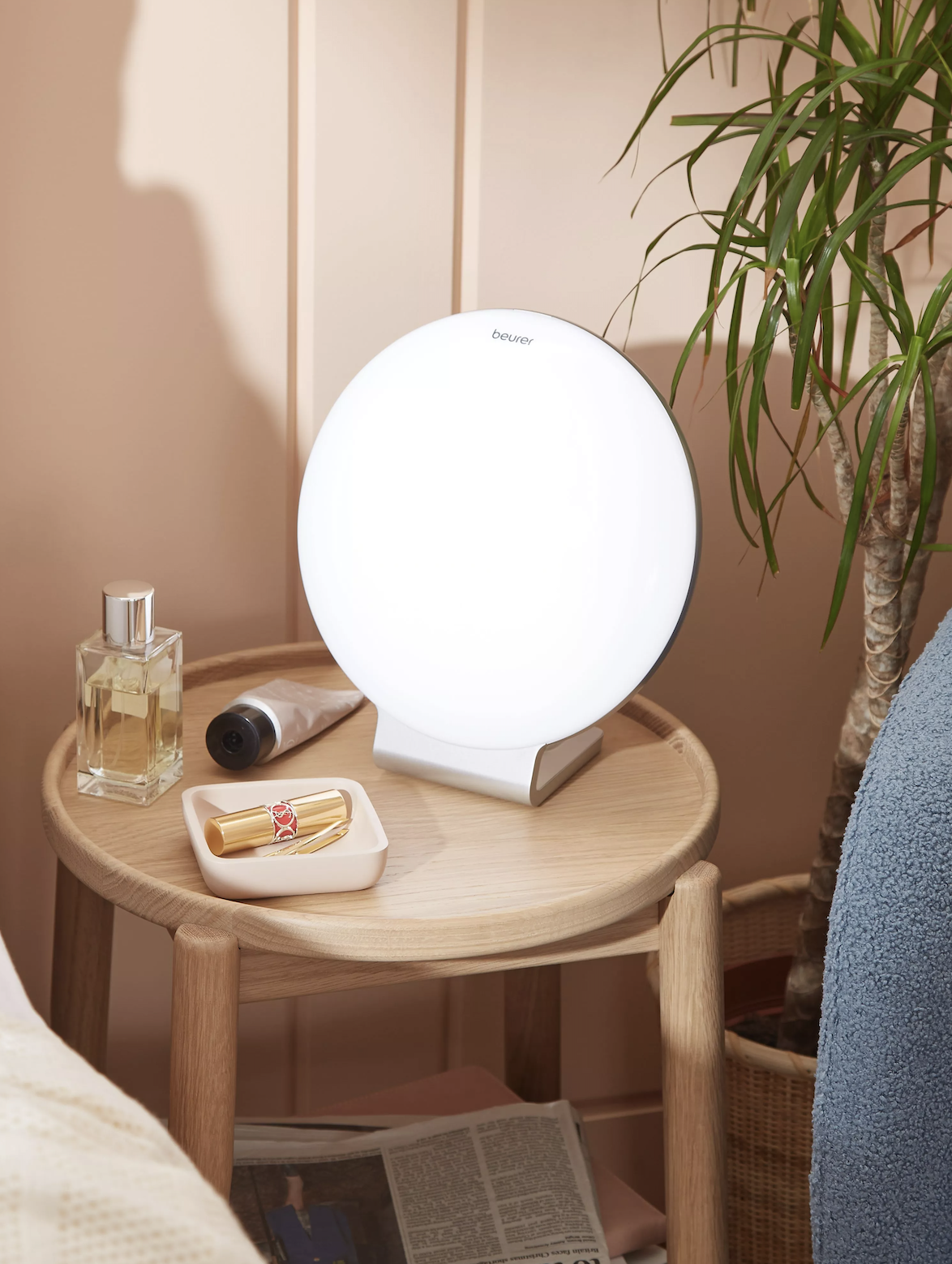
Switch on one warm-toned lamp every afternoon to signal the shift into evening — something low, golden, soft. And in the mornings, when “daylight” still looks like late dusk, sit beside the Beurer TL 50 SAD Therapy Light while you drink your coffee. Twenty minutes is enough to coax your circadian rhythm into wakefulness and stop that cotton-wool morning fog from taking hold. Bright light in the morning suppresses leftover melatonin and boosts daytime cortisol — the good, steady kind that helps you focus rather than spiral.
Light isn’t aesthetic in winter. It’s medicinal.
Treat Your Senses Like They Have a Limit (Because They Do)
Winter is loud — not in noise, but in pressure. Short days, busy rooms, crammed diaries, overlapping demands. Your senses spend half the season negotiating truces.
Make it easier for them.

Slip out of anything stiff the second you’re home. Soft, seamless textures calm the body far faster than the mind realises. Pull on Bed Folk’s cashmere socks and feel your system immediately drop half a gear. Wrap your hands around a smooth ceramic mug. Choose a single texture that makes your body sigh and use it as your daily decompression point. our nervous system doesn’t distinguish between emotional stress and sensory stress — both pull you toward fight-or-flight — which is why tiny shifts in texture or sound can ease tension faster than logic ever could.
As we explored in our Soft Signs of Overload guide, the body doesn’t wait for big problems — it reacts to tiny ones. Winter is just the season that collects them faster than usual.
And in our Overstimulation Epidemic feature, we talked about that invisible load modern life puts on the system. Winter doesn’t create it; it just removes the buffering.
The Three-Minute Reset You’ll Actually Use
When the day feels jagged — when children are melting, dinner is boiling over, and your brain is trying to process six things at once — this is your reset:
Warm your hands on a mug.
Dim the brightest light in the room.
Take one long exhale — slower than you think.Long exhales activate the vagus nerve, the body’s built-in braking system, instantly slowing your heart rate and pulling everything back into range.
Swap an irritating texture for a soft one.
Remove a single input: close a door, mute a notification, leave the room for thirty seconds.
No reinvention. Just relief.
For evenings when your thoughts feel knotted, taking Diome’s Rested before bed works with the body’s calming GABA pathways — helping you shift from wired to rest-ready without any heaviness.





And Therabody’s SmartGoggles use gentle heat and pressure around the eyes to activate the oculocardiac reflex — a surprisingly effective way to release forehead tension, slow the pulse and quiet that racing, end-of-day mind.