We Learned How to Repair the Face. The Body Is Next.
The case for treating your body skin with the same intelligence we now reserve for our faces.

For years, we treated facial skin like something fragile, precious and deeply personal — while subjecting the rest of our bodies to scrubs that feel like gravel, shower temperatures best suited to pasta, and the occasional acid “just because it worked on my face”.
And then we wondered why our arms felt tight, our legs looked dull, and our backs were somehow dry and congested at the same time.
Body skin hasn’t suddenly become difficult. It’s just been asked to tolerate far more — friction, foam, heat, effort — with very little strategic thinking behind it.
Somewhere along the way, we learned how to calm the face. We learned about barriers, lipids, regulation. About when stimulation stops being clever and starts being counterproductive. The body, meanwhile, was left behind — treated as if thicker skin meant tougher skin, rather than skin that simply behaves differently.
That assumption is where most body-care frustration begins.
Why body skin feels harder to get right
Body skin is thicker than facial skin, but it’s also poorer in oil, more exposed, and under constant mechanical stress — clothing, towels, workouts, water that’s almost always too hot. It copes impressively, until it doesn’t. And when it stops coping, the signs are rarely neat: dryness alongside congestion, roughness alongside sensitivity.
The solution isn’t escalation. It’s ingredient intelligence.
“When body care becomes responsive rather than prescriptive, skin stops misbehaving”
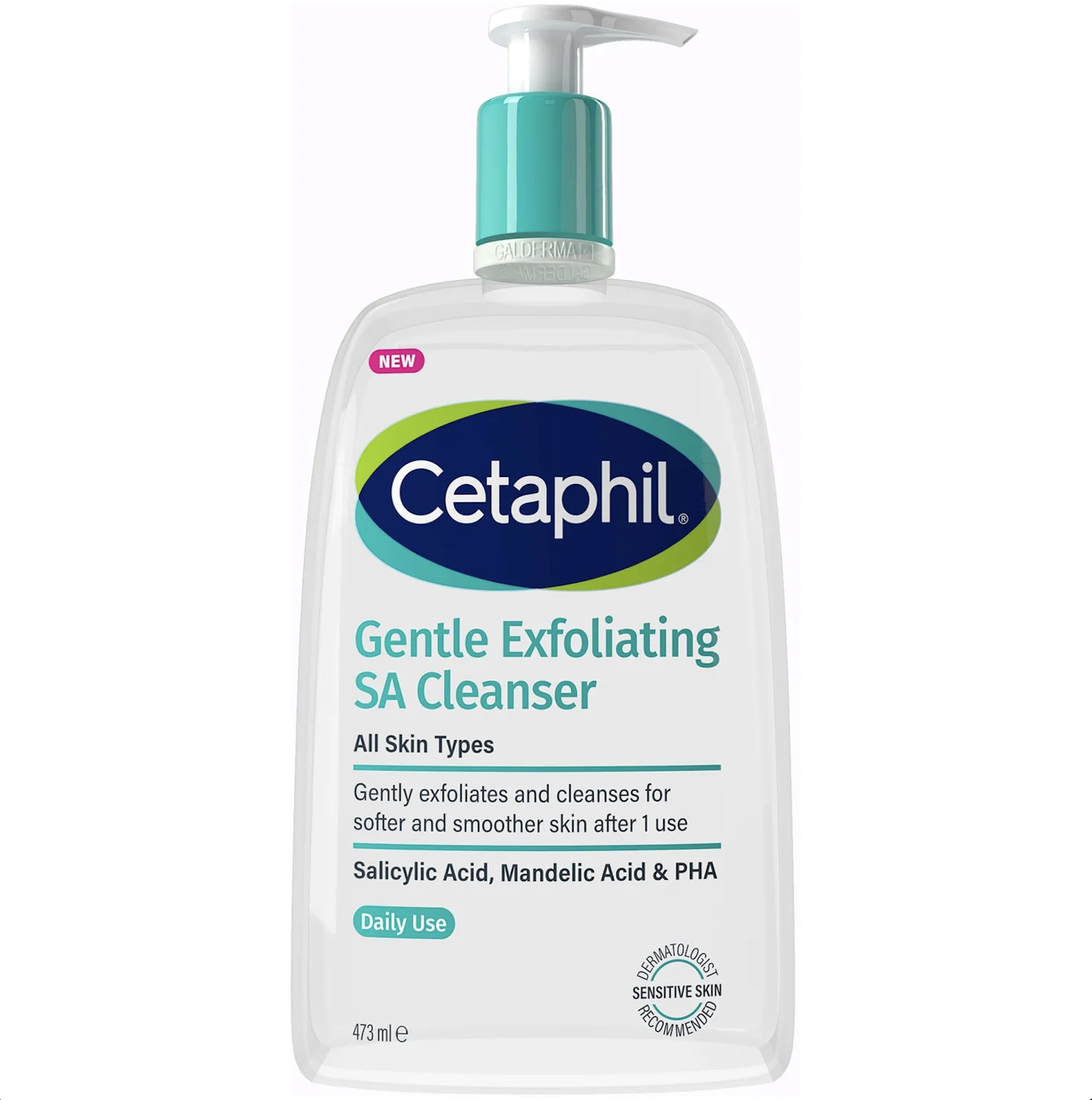
Cleansing is where this becomes obvious. When congestion or texture is part of the picture, Cetaphil Gentle Exfoliating Salicylic Acid Cleanser for Face & Body (£22) earns its place not by being aggressive, but by being consistent. Salicylic acid works inside the pore, keeping congestion and roughness in check, while the formula itself remains gentle enough for regular use. It’s practical, unfussy, and quietly effective — the sort of product that improves skin behaviour without demanding attention.
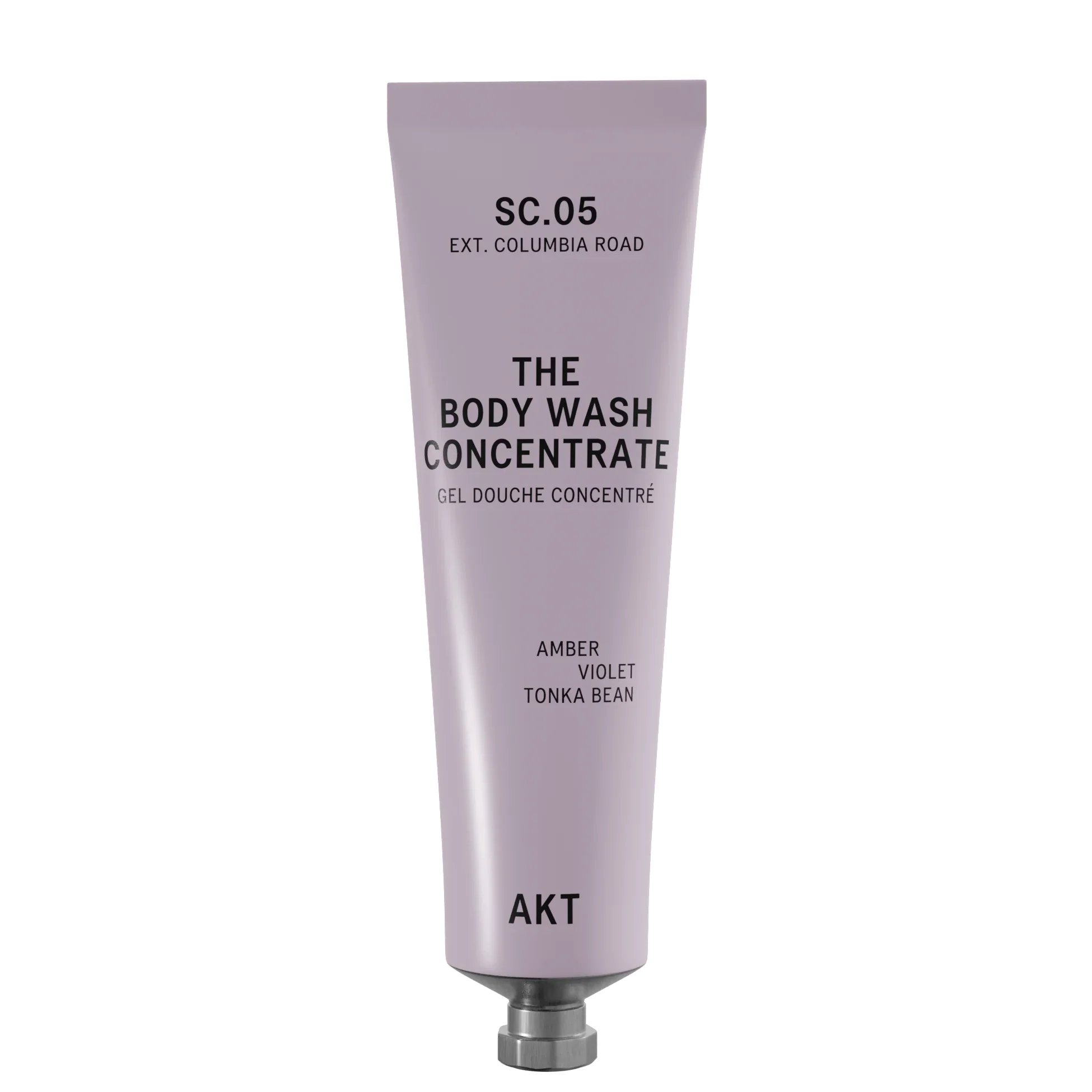
At other times, exfoliation simply isn’t what skin is asking for. When body skin feels tight, reactive or depleted, disruption becomes the enemy. This is where AKT The Body Wash Concentrate (£26) makes sense — low-foam, pH-considered, and designed to clean without flattening the barrier. Skin feels intact afterwards, not “done”. It’s the cleanser you reach for when you want everything to settle.
That idea — intact skin — is the through-line most body routines miss.
Ingredients that work together, not against each other
Once skin isn’t being quietly undermined in the shower, treatment becomes far more intuitive.
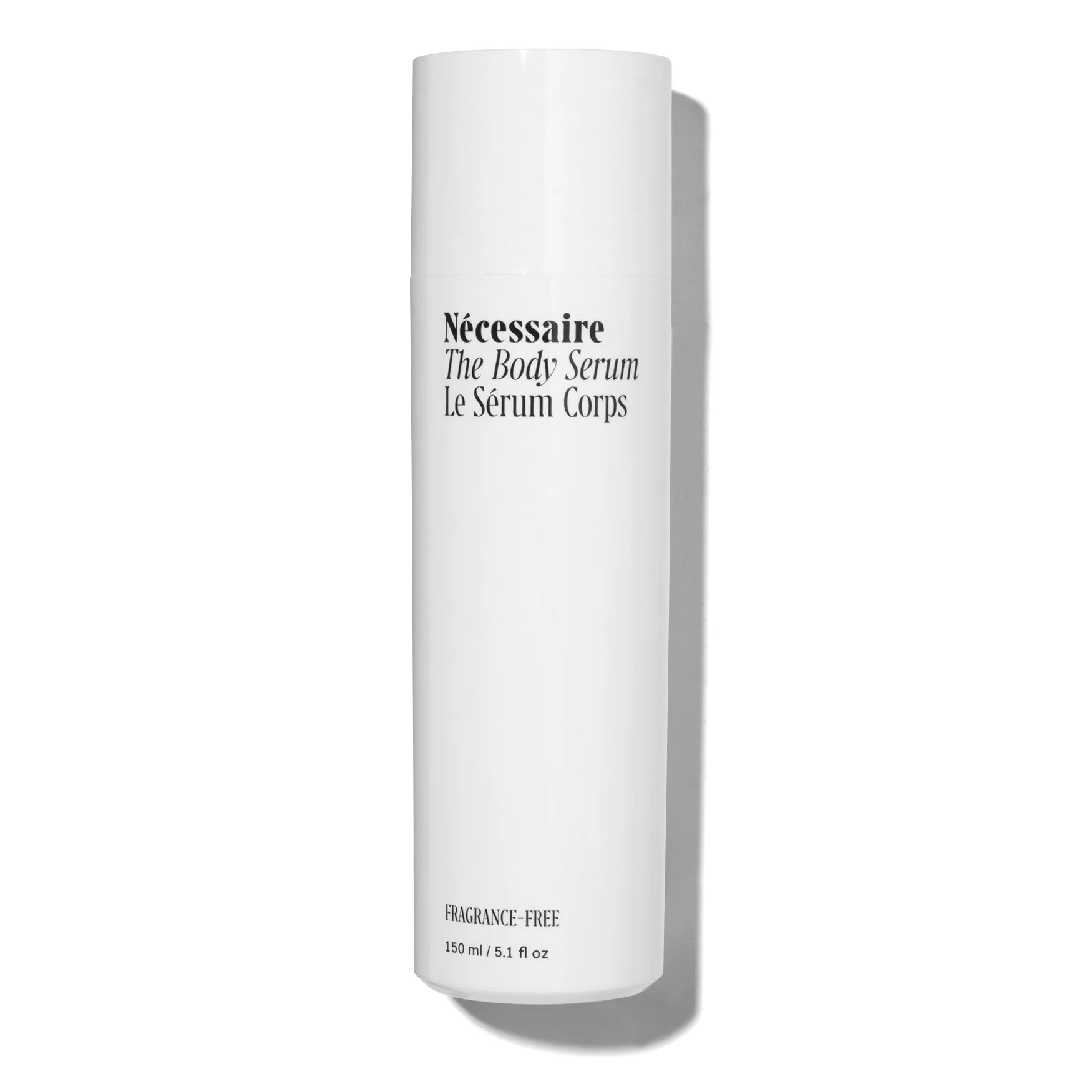
At the centre of that thinking sits Nécessaire The Body Serum (£48). Niacinamide plays a quietly important role here, helping skin regulate itself, improve hydration efficiency, and strengthen the barrier so everything feels more predictable and less erratic. Used alone, it’s often enough to bring skin back into balance.
Where it really comes into its own, though, is as a base.
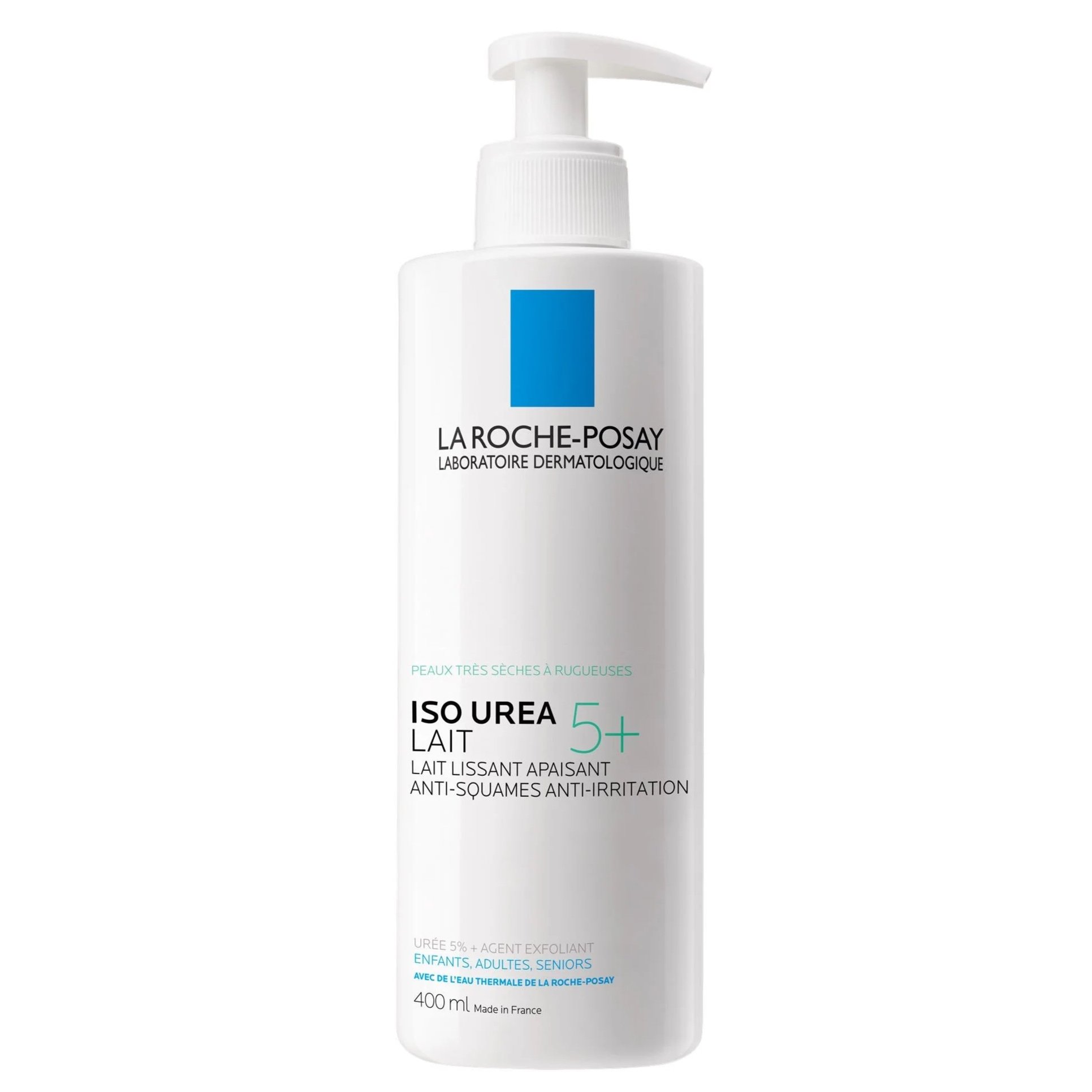
Paired with La Roche-Posay Lipikar Urea 5+ (£28.50), it becomes a considered response to texture. Urea softens roughness and draws moisture back into the skin — not by forcing exfoliation, but by encouraging cells to shed more normally. The serum underneath helps skin accept that process more easily, resulting in skin that feels smoother, more flexible, and better behaved over time. This pairing makes sense when skin feels calm, but stubbornly rough. For more persistent or medically linked dryness conditions, more targeted support — including dedicated ichthyosis vulgaris treatment — may also be worth considering.
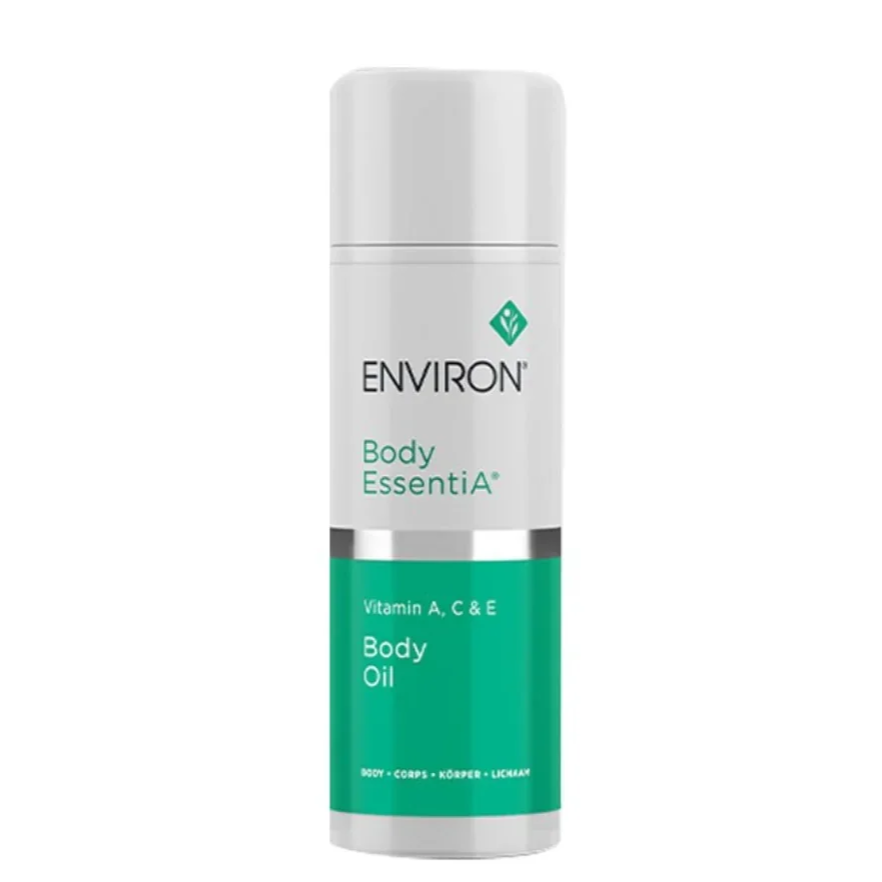
When skin isn’t textured so much as underperforming — dry, sun-worn, lacking resilience — the logic shifts again. Here, the same serum becomes the natural partner to Environ ACE Body Oil (£48). Vitamin A works steadily in the background, encouraging healthier skin function over time, while vitamin E plays a crucial supporting role — buffering the retinoid action and contributing hydration through the oil base. It’s disciplined rather than dramatic, familiar rather than forceful — the same logic we already trust on the face, simply applied further down.
Nothing here is competing.
The serum anchors everything; what follows depends on whether skin needs smoothing or strengthening.
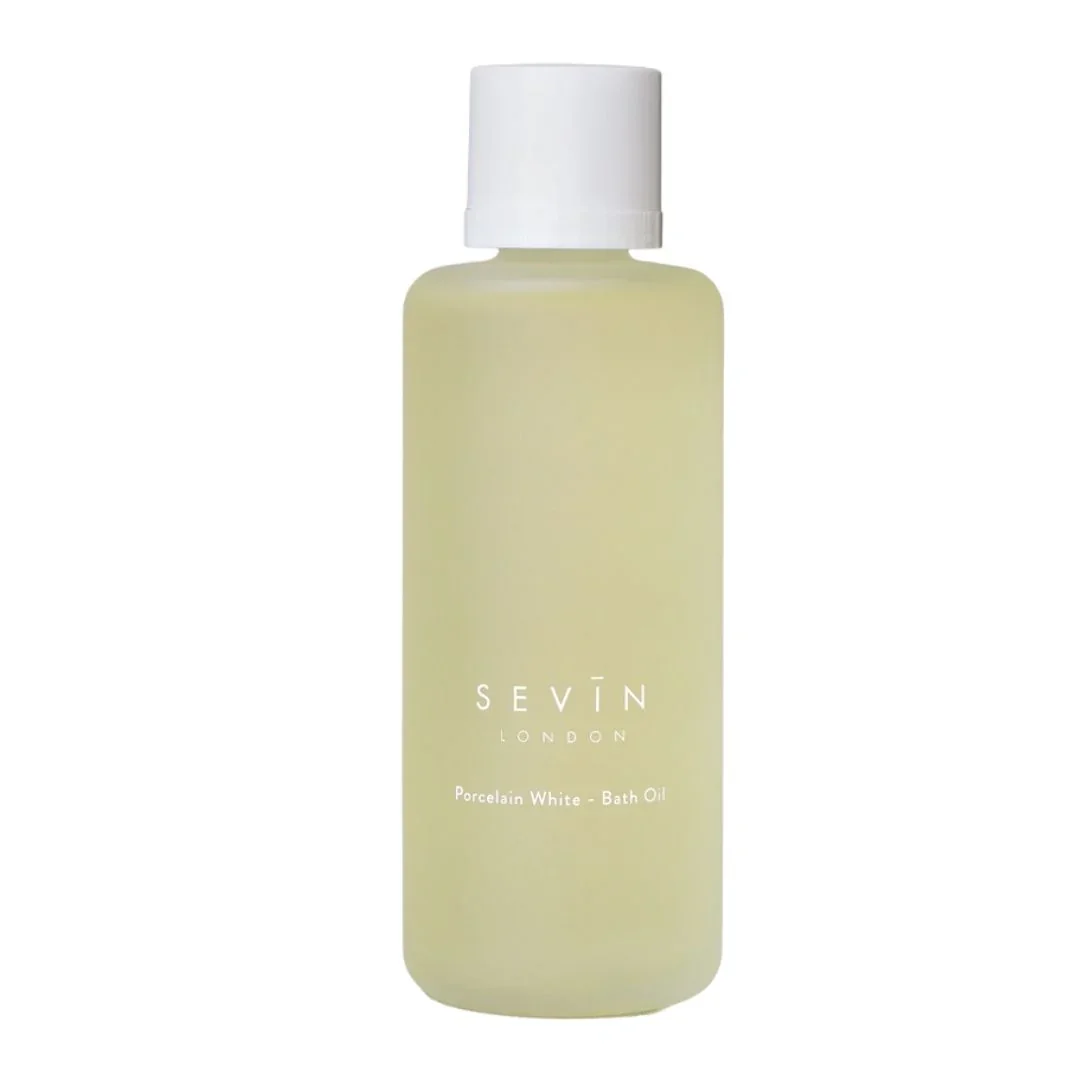
There are also moments when skin isn’t asking for exfoliation or repair so much as relief. Tightness, dullness and sensitivity can be as much about cumulative stress as they are about dehydration or barrier damage. This is where Sevin London Bath Oil (£35) becomes a legitimate skin treatment in its own right. Used in the bath, it works on two levels at once: softening the skin while also calming the nervous system — a combination that matters more than we tend to acknowledge. Skin that’s constantly in a state of low-grade stress doesn’t repair as efficiently, no matter how good the products are. When that load is reduced, skin often follows — a connection we’ve explored more deeply in our feature on good skin being built in the nervous system, not just the bathroom cabinet.
That’s the part many body routines overlook. Skin doesn’t exist in isolation. It responds to stress, friction, sleep, season — to how hurriedly or thoughtfully it’s treated.
When body care becomes responsive rather than prescriptive, things settle. Texture softens. Reactivity fades. Skin behaves less like a problem to be solved and more like something that remembers what it’s meant to do.
We didn’t need to reinvent body care. We just needed to apply the same ingredient-led thinking we already trust — a little lower down.