Beyond Perfection: Fashion Designer Polina Mikhailova on Vulnerability, Burnout and the Pressure to Perform
Somewhere between burnout and perfection fatigue, vulnerability has quietly become the new form of rebellion.
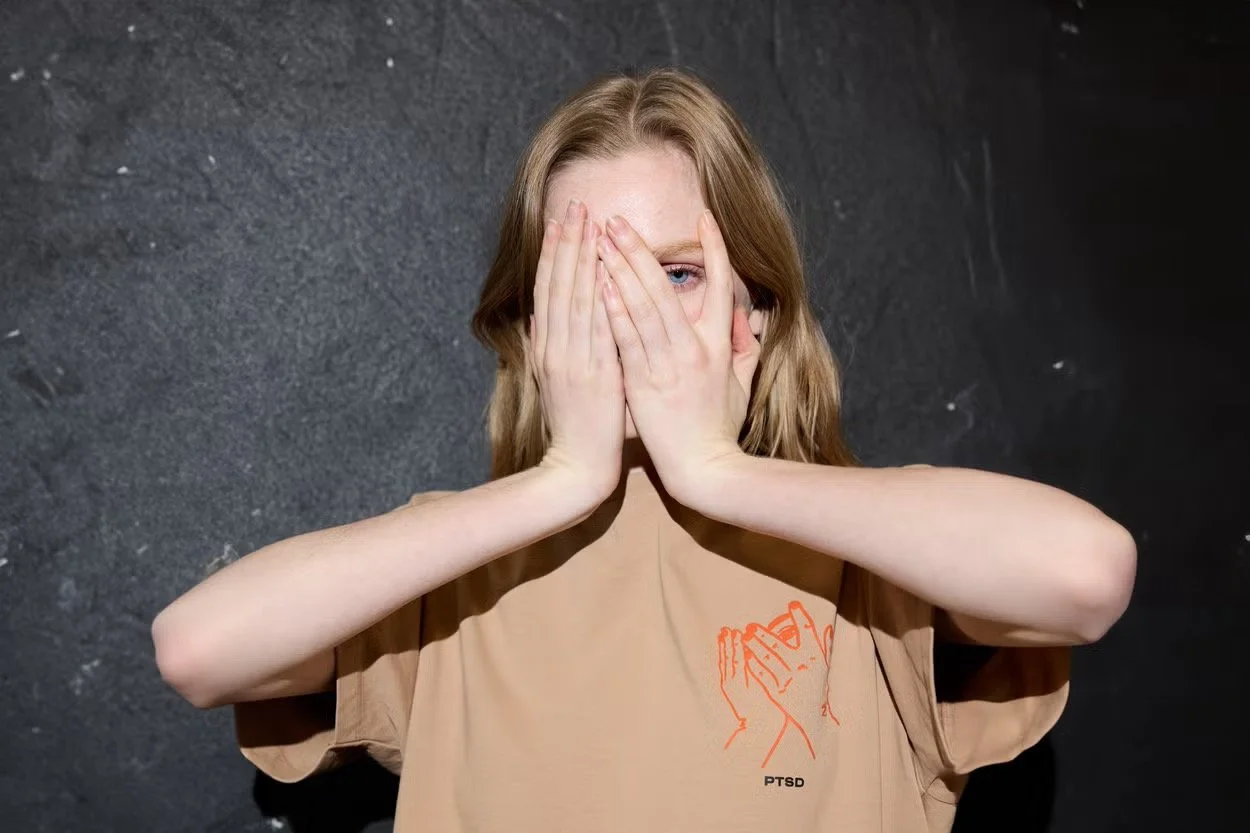
The 11:11 LUCK founder discusses emotional exhaustion, self-optimisation and why younger generations are becoming more conscious of the brands, people and culture they invest in.
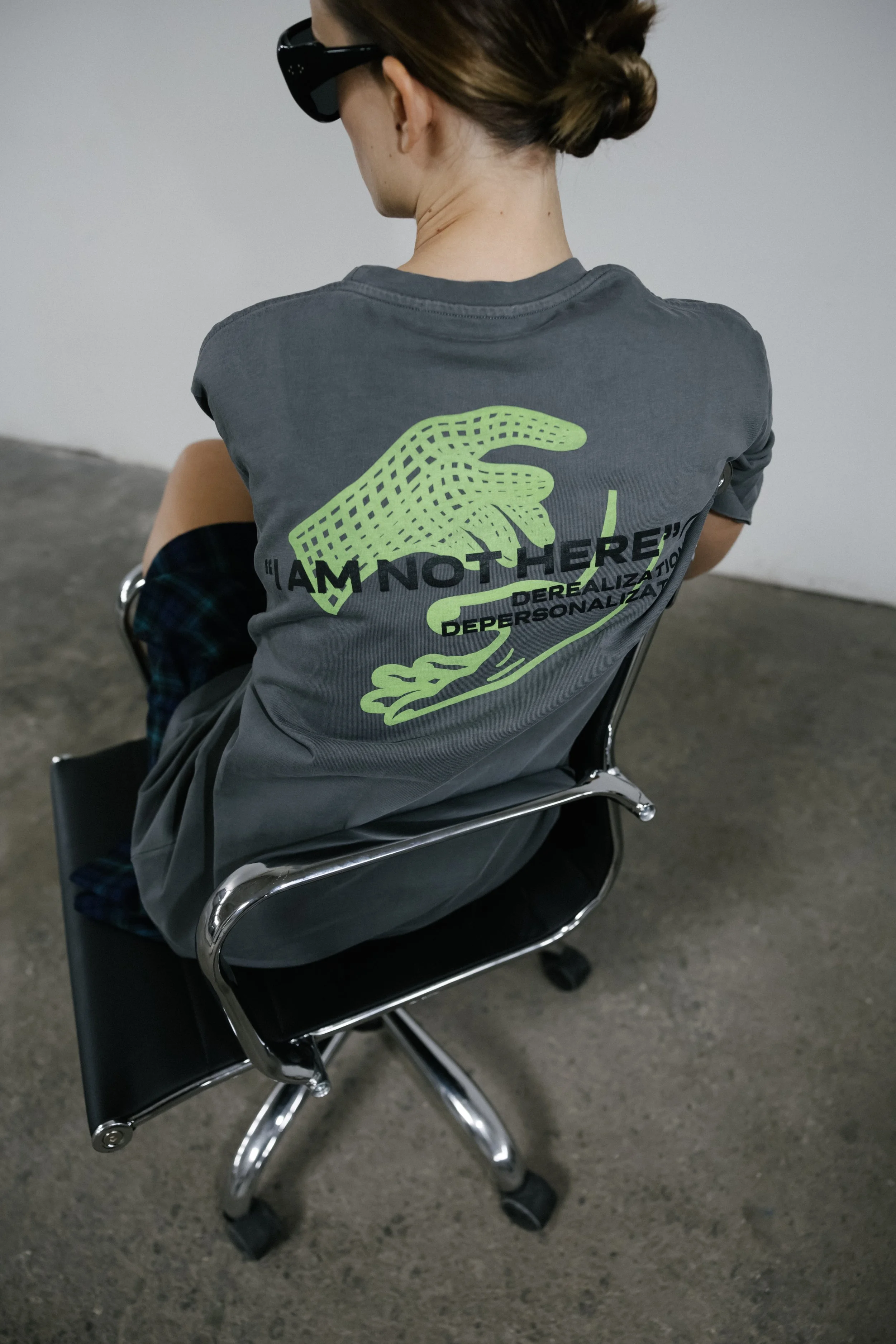
For years, social media has intensified pressures around beauty, success and self-image, particularly for younger women growing up online. At the same time, there’s been a recent noticeable shift away from hyper-curated perfection and towards something more honest, individual and emotionally aware.That shift is reflected in the rise of brands like 11:11 LUCK, the London-born label founded by former professional tennis player Polina Mikhailova following her own experience of burnout within high-performance environments. Known for its emotionally charged phrases, like Triggered and Depresso, the brand explores pressure, vulnerability, resilience and identity in a way that feels unusually candid for modern fashion. We spoke to Mikhailova about womanhood, burnout, ambition, vulnerability and why perfection no longer feels as aspirational as it once did.
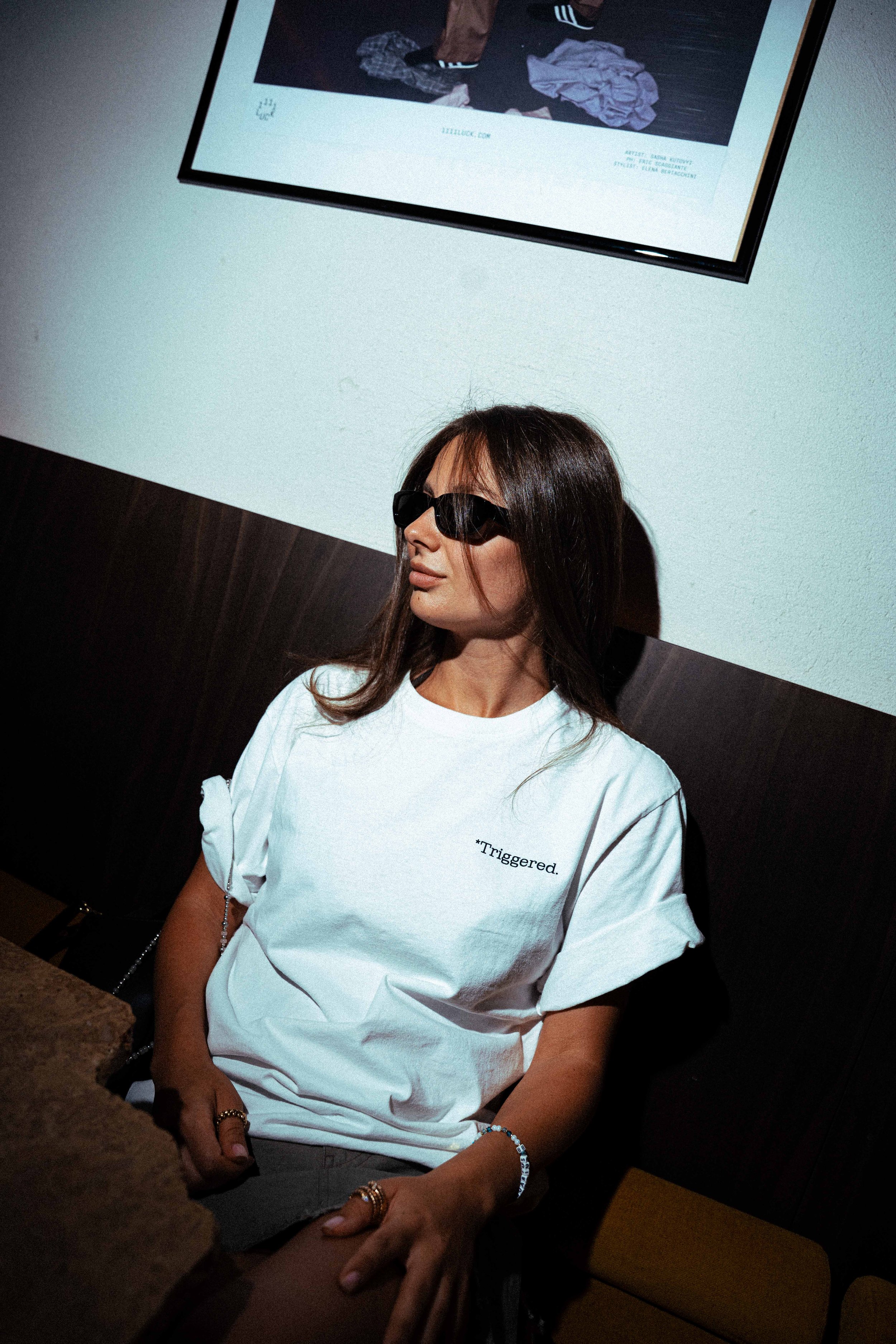
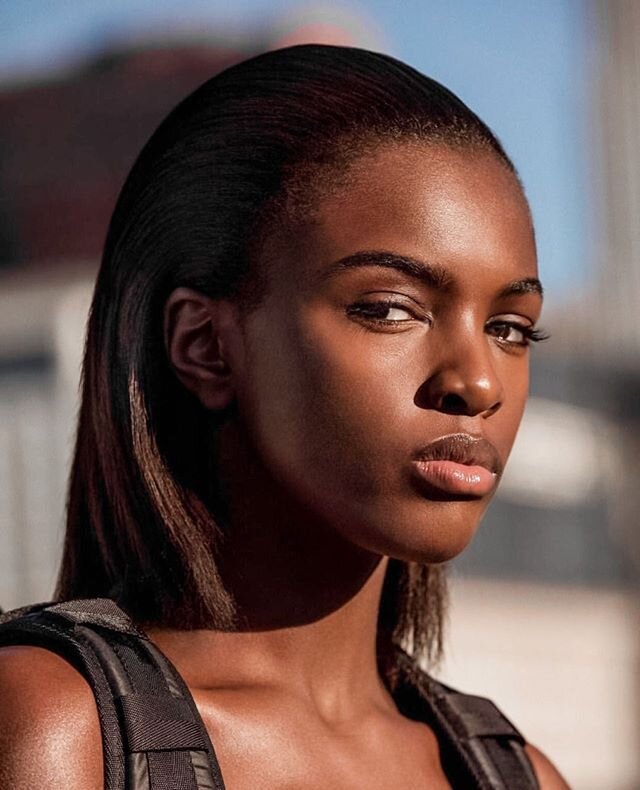
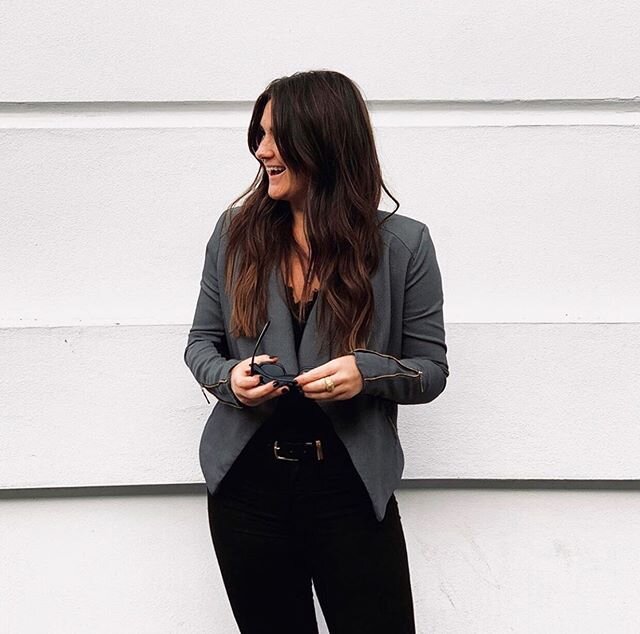
Polina Mikhailova, founder of 11:11 LUCK
Editors Beauty: Do you think people are starting to become more fatigued by the pressure to constantly appear “put together”, productive, successful and aspirational online?
Mikhailova: Social media still creates a huge amount of pressure for people to look perfect and appear like they have the perfect lives. Naturally that can make us feel like we’re not good enough, or that other people are doing better than us; there’s a huge comparison culture online, but I also think there has been a big shift, especially among Gen Z.Younger generations are becoming much more open about imperfections, vulnerability and showing the parts of life that previous generations maybe tried much harder to hide. After COVID especially, people had more time to sit with themselves and reflect on what actually matters to them. I think people today are craving more meaningful experiences, a deeper sense of connection, community, time in nature, and overall depth.Aspiration and beauty will always exist, of course, but I think the brands, artists and platforms that have substance, purpose and humanity behind them will become much more important moving forward. It’s not about people becoming disillusioned at all, it’s actually the opposite. I think people are becoming more emotionally aware, and more drawn to what feels human, honest and emotionally “real.”
Editors Beauty: Fashion and beauty trends often reflect the wider cultural mood. What do you think the current shift away from perfection and towards authenticity says about where people are mentally and emotionally right now?Mikhailova: I think it says people are craving more honesty, depth and emotional realism in the way they present themselves and connect with others.What feels different culturally is that younger generations seem much more comfortable embracing contradictions within themselves. They still love fashion, beauty and aesthetics, but they are also far more open about vulnerability, anxiety and imperfections, whereas before there was much more pressure to seem like you had everything under control emotionally all the time.
Editors Beauty: Your brand uses phrases and symbolism that tap into anxiety, humour, contradiction and vulnerability. What made you want to move away from more traditional aspirational messaging?
Mikhailova: The message behind the brand is actually very positive. I would not describe it as negative at all, I would describe it as very direct and honest. What we are trying to do is give people hope by embracing vulnerability instead of hiding it, and create a community of compassionate people where imperfections, fears, traumas and emotional struggles are not treated as something shameful.I think human nature is often to hide vulnerabilities because people are afraid of judgement, rejection or appearing weak. People spend so much time trying to uphold an image of being composed, successful or perfect, but sometimes that actually creates even more loneliness and pressure internally.For me, there is something very empowering about being open and direct about the parts of yourself that people usually try hardest to conceal. Because once you are honest about who you are, it becomes much harder for people to stigmatise you, shame you or weaponise those vulnerabilities against you.
“People spend so much time trying to uphold an image of being composed, successful or perfect, but sometimes that actually creates even more loneliness and pressure internally.”
That is why the brand uses contradiction, humour and emotionally charged language. Not to romanticise suffering, but as an antidote to stigma. I want to make people feel more understood, more connected and less alone. I think people are craving that kind of self-expression right now.
Editors Beauty: We’ve seen a rise in people openly discussing therapy, anxiety, burnout and emotional struggles online. Do you think vulnerability has become more socially accepted, or just more visible?
Mikhailova: It has definitely become more visible, and in some respects more accepted, but unfortunately there are also some increasingly toxic areas of the internet that are polarising these conversations, particularly around toxic masculinity and some of the more extreme online spaces emerging around it. I really hope people ignore it and continue to be open about their struggles in order to empower others and remind them they’re not alone.Vulnerability is a very difficult thing for people to truly embrace though, especially online where trolls can hide behind faceless avatars. Human nature is still to protect yourself and hide the parts of yourself you think might be judged. There is still fear around appearing weak, unstable or “too much”.We often say people should speak more openly about mental health, but there is still discomfort around the very real, messy reality of it. It’s difficult to be fully open if you’re worried about it affecting your career, relationships or how people perceive you. I think there needs to be real systemic change around that.
Editors Beauty: Do you think modern culture has made women feel like they always need to be “working on themselves” in some way?
Mikhailova: Yes, absolutely. I think there is enormous pressure on women now to constantly improve themselves emotionally, physically, professionally and socially all at once. You are expected to look beautiful, be successful, self-aware, mentally healthy, productive, interesting and emotionally balanced at the same time.What becomes dangerous is that eventually people start feeling like they are never enough as they are. There is always something else to optimise or fix.I think younger generations are starting to question that mentality more now because it becomes emotionally exhausting to constantly feel like a project instead of a person. Self-growth is positive, of course, but there also has to be acceptance and compassion towards yourself too.
Editors Beauty: Do you think younger generations are becoming more critical of the way beauty and fashion industries sell perfection and self-improvement?
Mikhailova: I think younger generations are becoming much more suspicious of perfection and of the idea that people constantly need to transform themselves in order to be worthy or accepted.
Beauty and fashion will always be aspirational, but younger audiences are much more aware of messaging now. People can usually sense the difference between a brand with genuine values behind it and one that is simply selling aspiration or insecurity.
Editors Beauty: You came from the world of professional sport, which is incredibly performance-driven and competitive. How did that environment shape the way you think about ambition, comparison and success as a woman?Mikhailova: Sport made me very resilient and determined. It taught me how to fight until the end and shaped me into a strong person mentally. It also helped me enormously in business, but competitive environments can make you overly competitive in real life too, and honestly it took me years and therapy to move away from that mindset.Eventually I realised that somebody else succeeding does not take anything away from me and that you do not always need to compete with others. You can build together instead.I think modern culture sometimes confuses pressure and exhaustion with ambition. There is this obsession now with constantly proving yourself, and I do not think that is psychologically healthy long term. Self-improvement is positive, of course, but not when it becomes obsessive.
Editors Beauty: Do you think younger women are becoming more selective about the kind of people, brands and culture they emotionally invest in now?
Mikhailova: I think younger women are becoming much more conscious of where they place their attention, energy and loyalty. People are overwhelmed by life in general now, so there is less patience for things that feel empty, overly polished, contrived or out of touch.
Younger generations want to know that the brands they buy into are inclusive, ethical or have genuine meaning behind them. For me, the most interesting brands and platforms are the ones that make people feel seen rather than inadequate. Those are the brands that will succeed moving forward.