The Most Picturesque European Destinations for an Aesthetic Escape
Not every beautiful place needs a filter. These are the European destinations where the scenery does the work.
Europe tends to reveal more when you take your time and actually notice what’s around you. The most visually satisfying places aren’t always the loudest or most famous; they’re often found along quiet walking paths, coastal switchbacks, or early-morning streets before day-trippers arrive.
If you pay attention to how places feel and function, Europe rarely disappoints. This isn’t about chasing photo trends. It’s about places where the scenery, history, and everyday life line up naturally. From lavender fields in southern France to volcanic beaches in Iceland, these destinations offer a grounded kind of beauty that holds up long after the photos have been captured.
The Artistic Walking Routes of the French Countryside
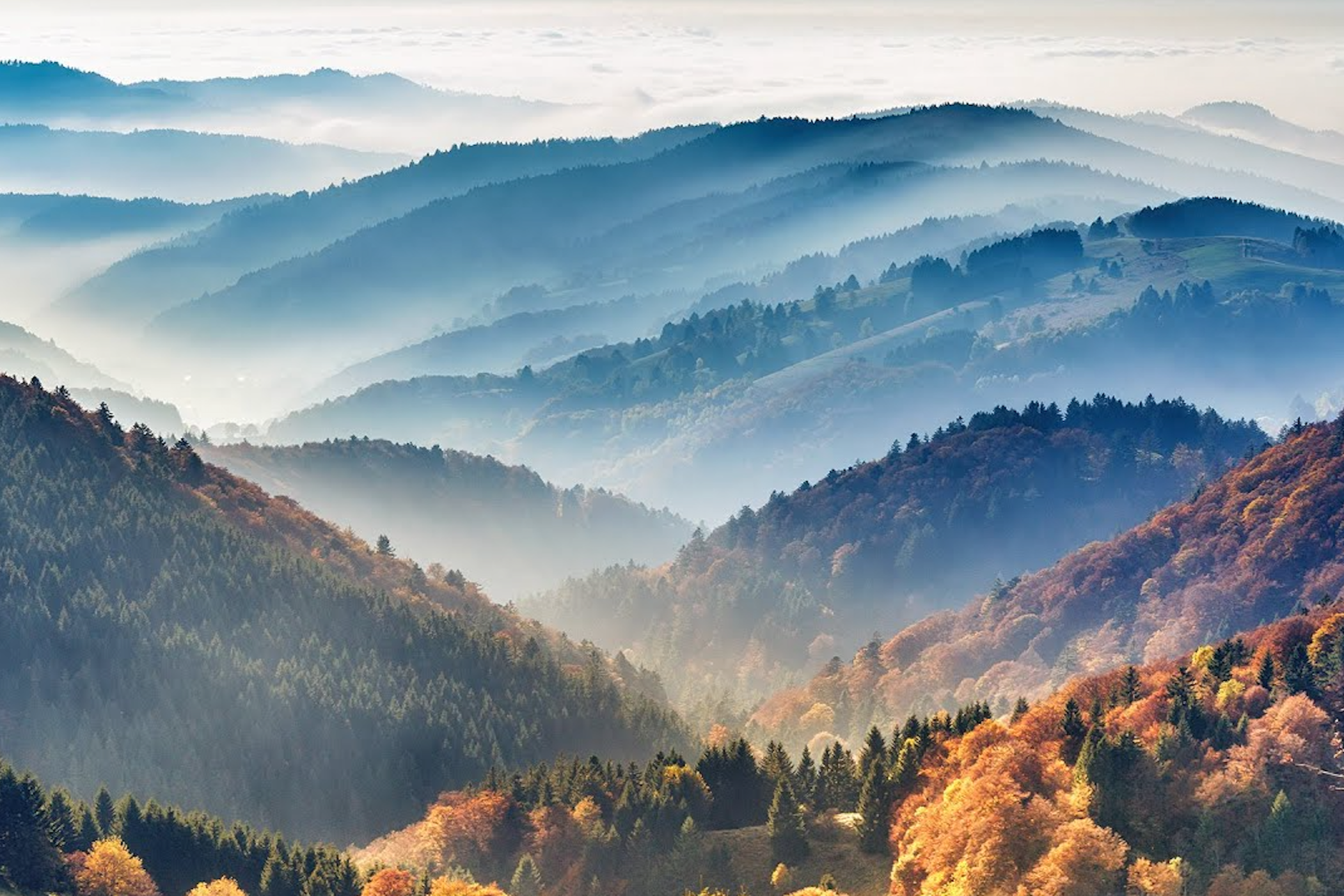
Walking through Provence feels less like sightseeing and more like moving through a familiar painting, especially in the quieter villages of the Luberon or around Saint-Rémy-de-Provence.
The pace matters here. On foot, the details come into focus: limestone farmhouses with faded shutters, olive groves edged by low stone walls, and the soft colour shifts that happen as the sun drops lower in the sky. Early evening is when the region really shines, with long shadows cutting across vineyards and village squares.
Many visitors follow trails once used by local farmers, which now double as routes favoured by artists and photographers. These paths pass through lavender fields that bloom from late June to early August, depending on altitude. The scent is noticeable, but it’s the visual rhythm of purple rows against pale soil that draws people in. Villages like Gordes and Roussillon sit slightly apart from these fields, built from the same stone that defines the surrounding landscape.
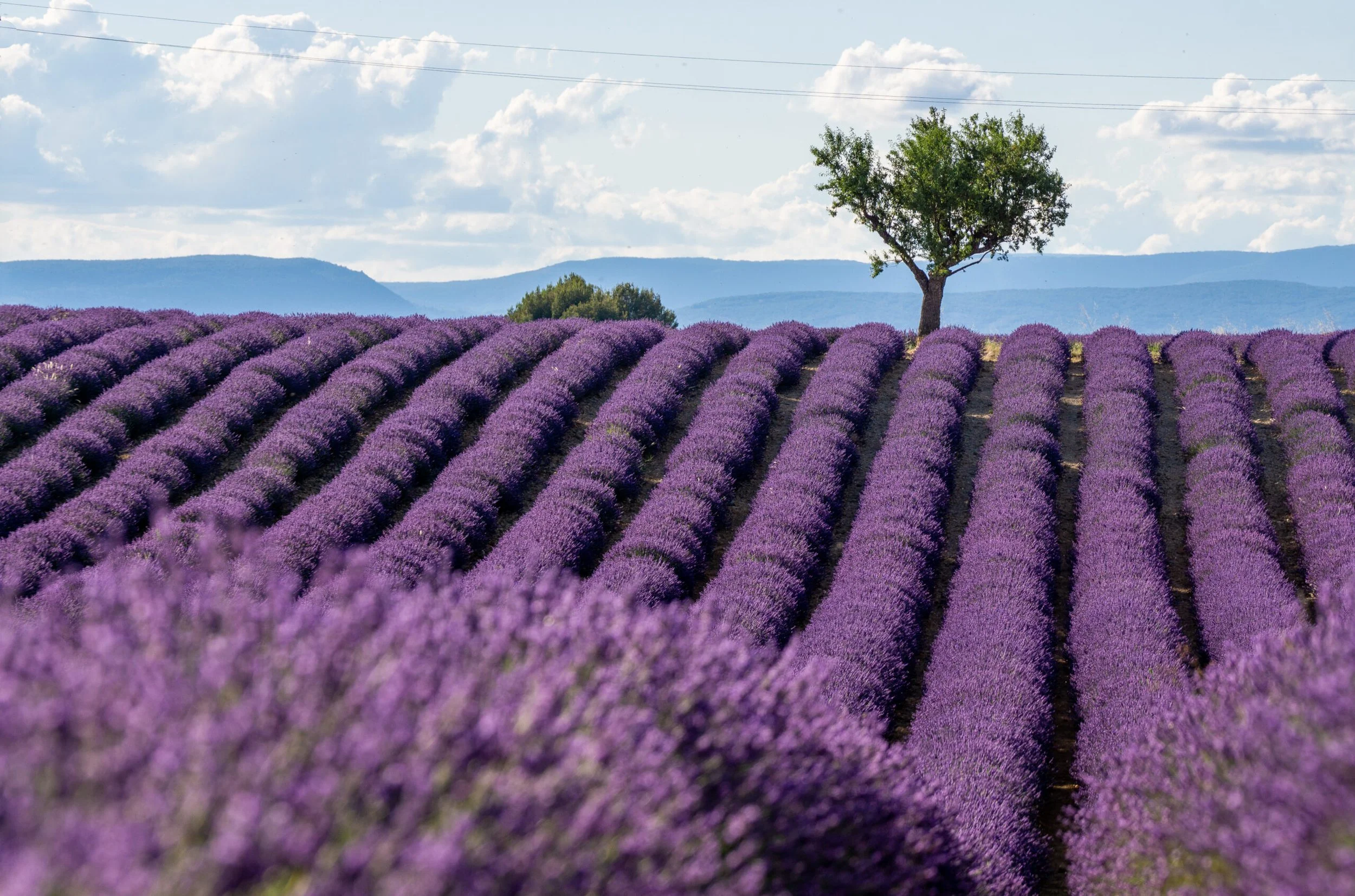
This is where diverse walking holidays in France make sense, particularly for those who want structure without losing flexibility. Routes are well-marked, accommodation is often family-run, and distances are manageable. There’s no rush to see everything. Lunch stops stretch longer than planned, and evenings tend to revolve around simple meals and local wine. That’s the appeal.
The Pastel Cliffs and Coastal Architecture of Southern Italy
The Amalfi Coast looks almost engineered for visual impact, but it’s the result of centuries of adaptation rather than design. Positano is the most recognisable stop, with its vertically stacked houses painted in soft pinks, yellows, and creams. From the water, the town appears tightly packed. Walking through it reveals narrow staircases, small churches, and shops wedged into unlikely spaces.
Ravello offers a different perspective. Set higher above the coast, it’s quieter and more composed. Villa Cimbrone and Villa Rufolo are worth the time, not just for their gardens but for how they frame the coastline below. The views are open and steady, especially in the morning before cruise traffic increases. The light here is flatter earlier in the day, which suits photography and slow wandering.
Moving between towns by ferry rather than car avoids the narrow coastal roads and gives a clearer sense of how the cliffs shape daily life. The architecture follows the terrain closely with no wasted space. Cafés spill onto terraces, laundry hangs from balconies, and gardens cling to rock faces.
The Medieval Heritage and Ancient Gardens of Ireland
Ireland’s visual appeal is quieter, built around texture rather than colour. The Rock of Cashel rises sharply from flat farmland, its medieval structures weathered and uneven, especially striking under low cloud. It’s one of those places where arriving early makes a difference. Morning mist softens the edges and keeps crowds thin, giving the site a more grounded feel.
Glendalough, tucked into the Wicklow Mountains, offers a similar experience. The gothic ruins sit beside two lakes connected by walking trails that feel unchanged for decades. The paths are well-maintained, but the setting remains raw. Weather shifts quickly here, which adds to the atmosphere rather than disrupting it.
Kilkenny brings contrast with its compact streets and brightly painted shopfronts. Viking history sits alongside more recent architecture, creating a layered look that feels lived-in.
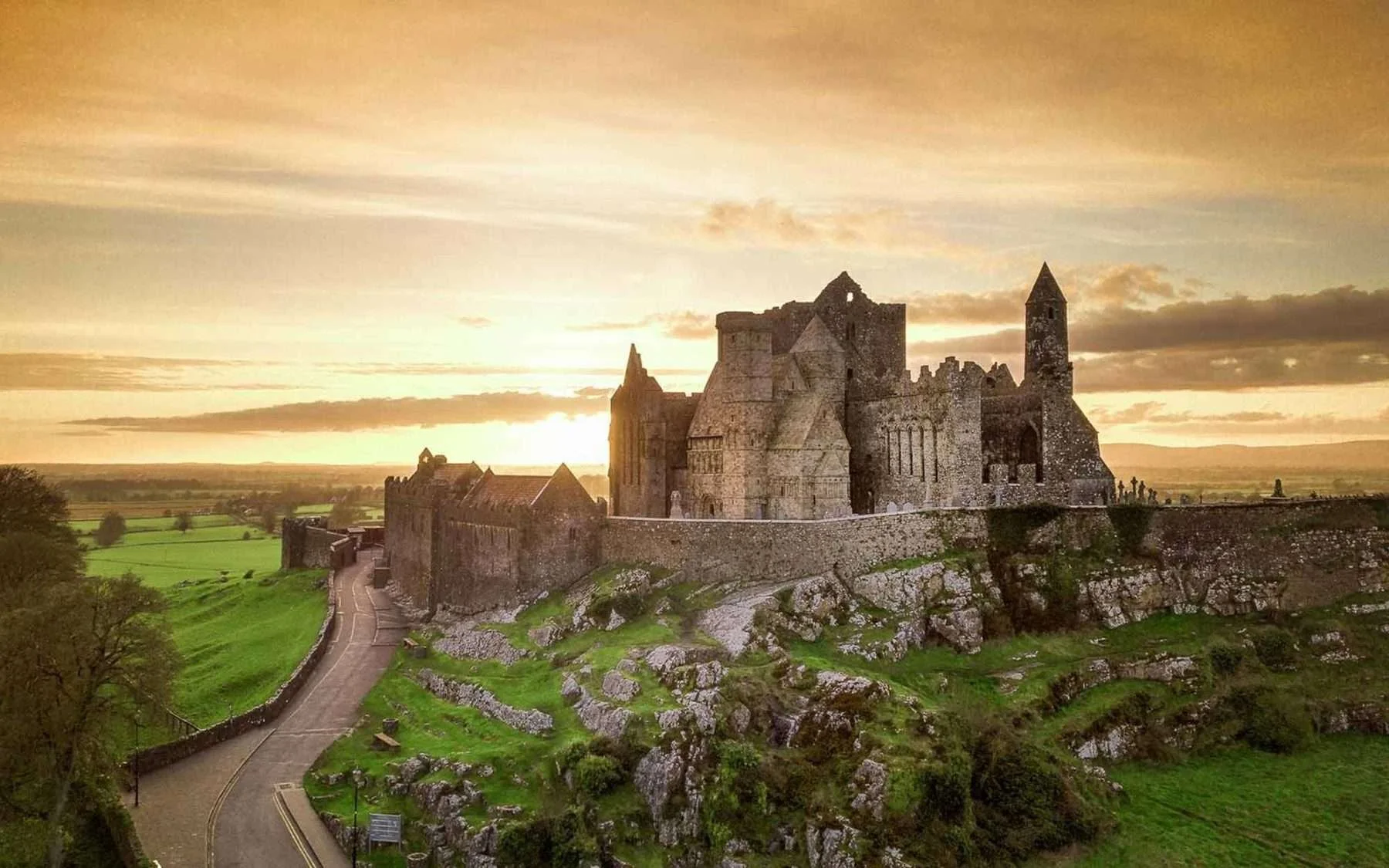
For travellers who want context without planning every detail, Ireland guided tours can be useful, especially when covering multiple regions. They help with access to private estates and gardens that aren’t always open to the public, many of which are carefully maintained and truly impressive.
The Monochromatic Beauty of Iceland
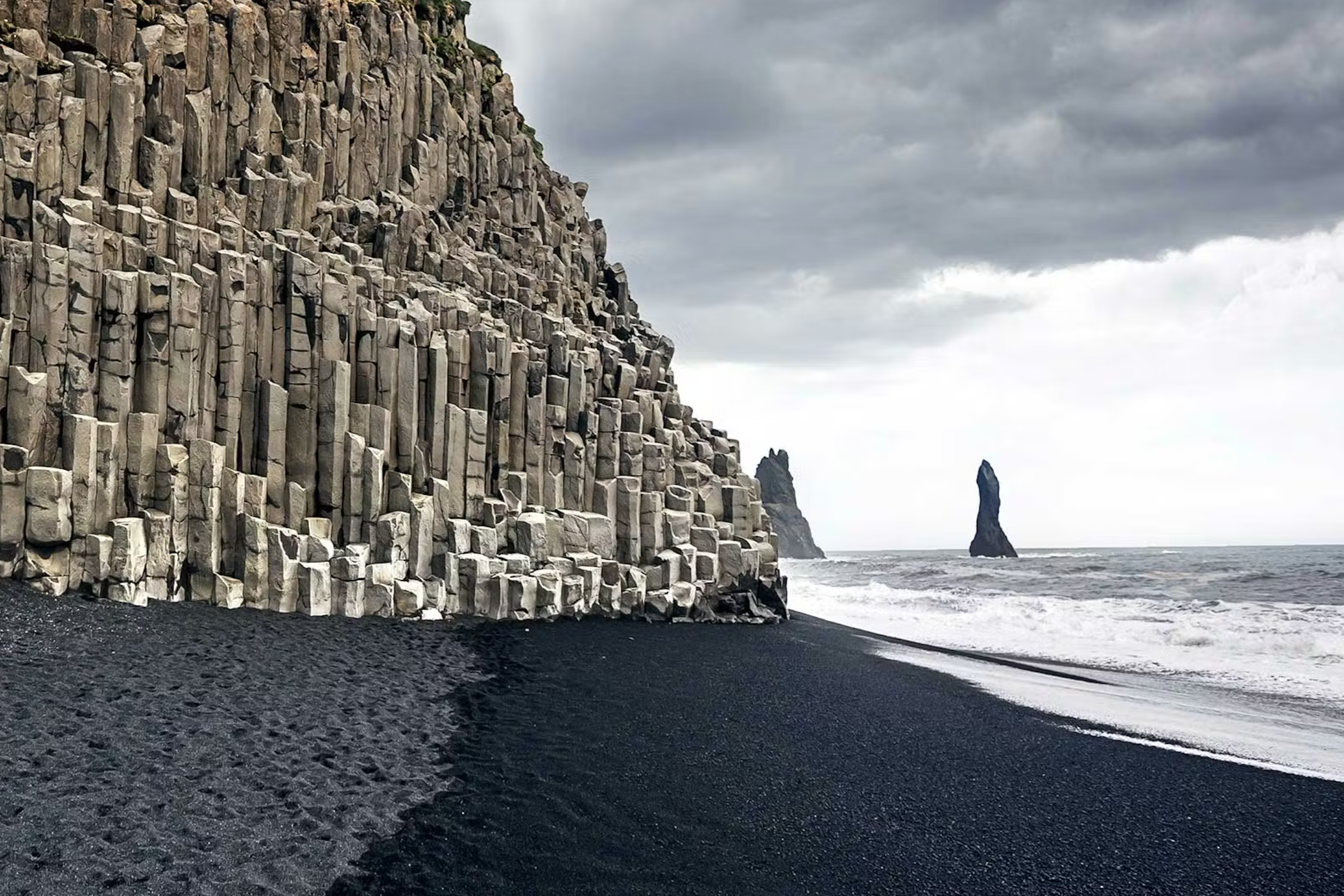
Iceland’s appeal lies in contrast, but not in the dramatic sense people often expect. Reynisfjara’s black sand beach, for instance, is most striking on overcast days when the sand, sea, and sky blend into a narrow range of tones. The basalt columns rise sharply, geometric and practical, shaped by volcanic activity rather than aesthetic intent.
Glaciers add another layer to this stripped-back palette. At places like Sólheimajökull, the ice carries streaks of ash and sediment, giving it depth and texture. It’s cold, exposed, and not especially comfortable, which keeps visits brief but memorable.
The Blue Lagoon sits somewhere between natural and managed. Its milky water contrasts with the surrounding lava fields, and while it’s carefully controlled, it still feels connected to the landscape. Visiting early or late in the day avoids peak crowds and lets the setting speak for itself.
The Sun Drenched Cliffs of the Greek Cyclades
Santorini’s reputation is well-earned, but timing and location matter. Oia gets the attention, largely because of its light. Late afternoon brings a clarity that sharpens edges rather than softening them, which is why the whitewashed buildings and blue-domed churches photograph so cleanly.
Beyond the main viewpoints, smaller villages like Pyrgos offer a more practical view of island life. Streets are narrower, homes less polished, and daily routines more visible. The contrast between white walls and dark volcanic soil remains, but without the crowds. Coastal paths link beaches formed from volcanic rock, where the colour palette shifts toward greys and reds.
The Aegean Sea provides a constant backdrop, changing tone with the weather and time of day. It’s not dramatic, just steady. That consistency is part of the Cyclades’ appeal. Architecture, landscape, and light work together without effort, which is why the region continues to define Mediterranean style without needing reinvention.
Isn’t this what an aesthetic escape should actually look like?
The most picturesque destinations aren’t about chasing perfection. They’re about places where visual appeal comes from, how people live with their surroundings. Walking paths in Provence, cliffside towns in Italy, misty ruins in Ireland, and Iceland’s stark coastlines all reward attention rather than speed. Santorini, despite its fame, still fits this pattern when approached thoughtfully.
For travellers planning an aesthetic escape, the takeaway is simple. Choose destinations that offer structure without rigidity, landscapes that change with the light, and towns that function as real places, not backdrops.