The Curated Edit for a Slower European Escape
Less rushing. Better places. Travel that gives you time to notice.
There’s been a quiet shift in how people travel through Europe. Less rushing, fewer box-ticking itineraries, and more time spent in places that reward patience. A slower escape isn’t about doing less for the sake of it; it’s about choosing experiences that make sense at an unhurried pace.
Luxury, in this context, has very little to do with excess. It’s about space, flexibility, and the freedom to stop when something catches the eye. Europe lends itself well to this approach. From mountain roads that invite detours to river valleys shaped by centuries of work, these destinations suit travellers who value time as much as setting.
Alpine Journeys and the Art of the Swiss Detour
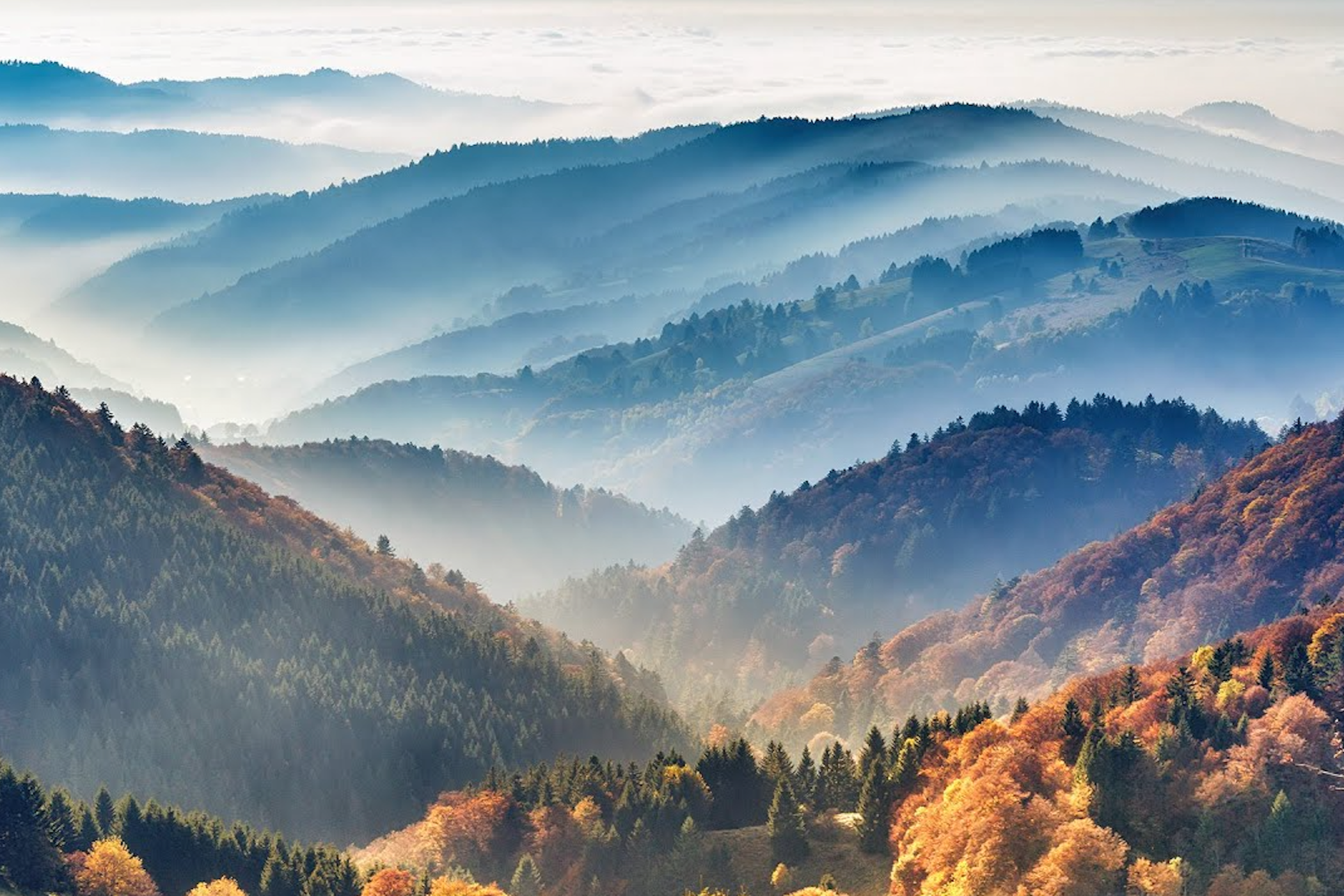
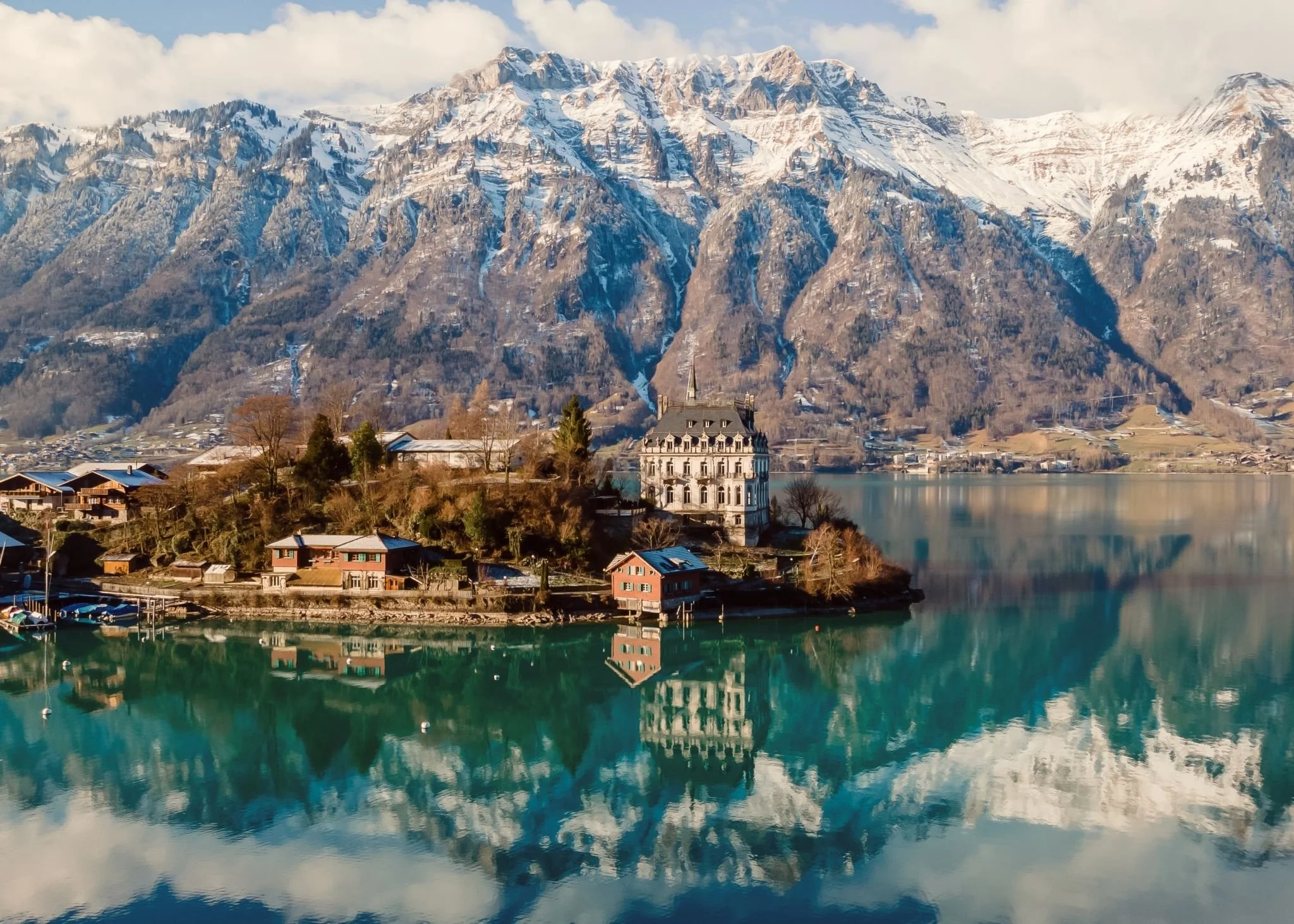
Switzerland looks designed, even when it isn’t. Alpine villages like Wengen, Andermatt, and Sils Maria sit neatly within landscapes that feel carefully composed, with lakes reflecting snow-lined peaks and meadows that seem untouched despite constant maintenance. The appeal lies in how orderly everything feels without being sterile. Trains run on time, roads are immaculate, and viewpoints appear just often enough to justify pulling over.
Slow travel suits Switzerland because the landscape shifts dramatically over short distances. Private itineraries leave room for detours and pauses, from Lake Brienz to quieter valleys near Val Bregaglia. This approach sits at the core of how Luxury Tours Switzerland operates, shaping journeys that allow plans to adapt as the day unfolds. Time stretches. Routes change. The experience feels less structured and more personal.
Travelling in Switzerland feels like a genuine indulgence. There’s no pressure to rush through highlights because the spaces in between are often the most interesting. Mountain passes, small dairy farms, and cable car stations all become part of the experience.
The Sun Drenched Vineyards and River Terraces of the Douro Valley
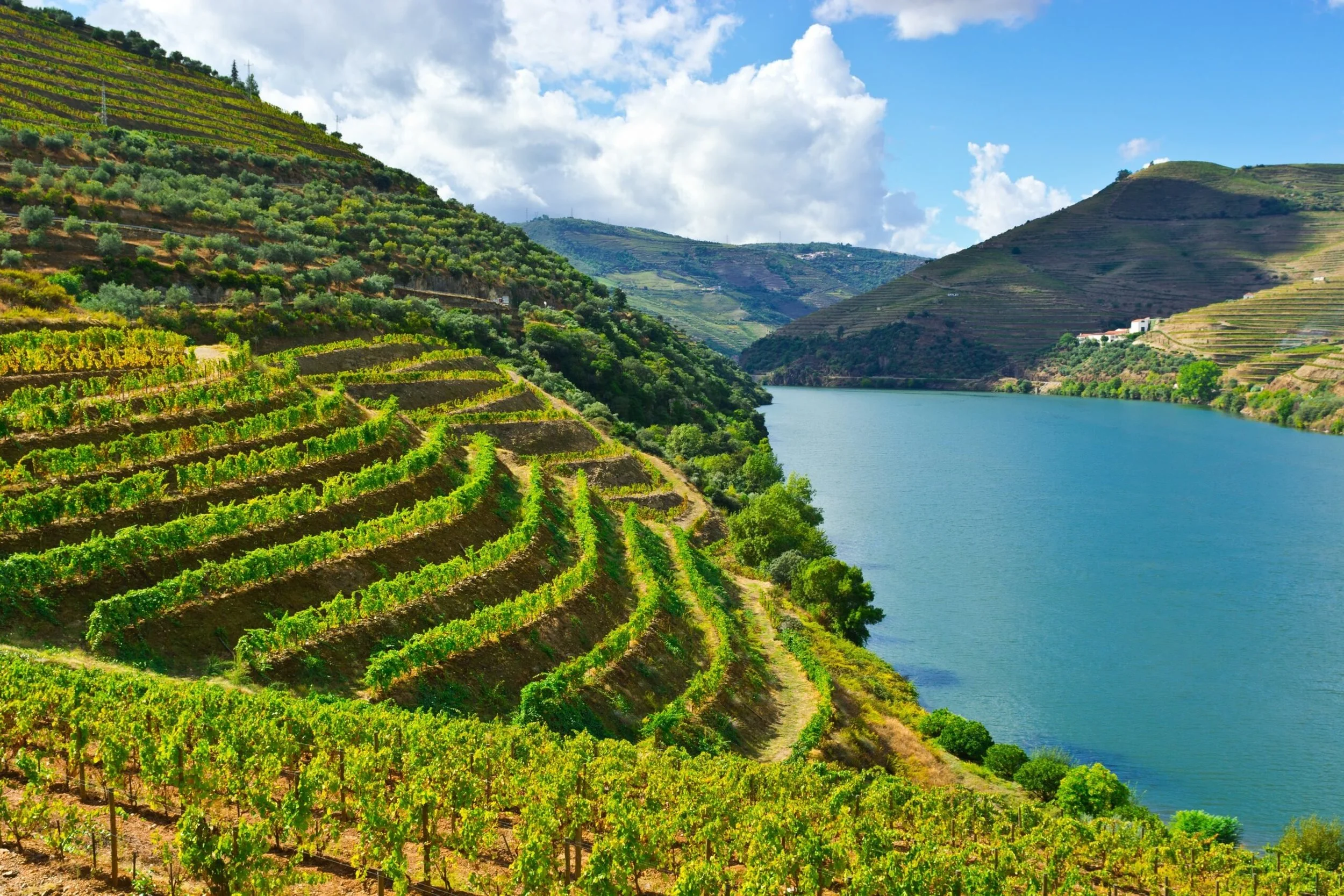
The Douro Valley unfolds slowly, which suits it. The river curves through steep hills lined with terraced vineyards, each layer built by hand over generations. From towns like Peso da Régua or Pinhão, the landscape feels deliberate but worn-in. The colours stay muted for most of the year, shifting from dusty greens in summer to deep browns after harvest.
Exploring the region by car or boat makes a difference. Roads follow the river closely, offering long views across estates such as Quinta do Bomfim or Quinta da Pacheca. Many wineries welcome visitors without fuss, especially outside peak season. Tastings often happen in working cellars, with conversations drifting easily into family history and seasonal rhythms.
Time moves differently here. Lunch stretches on, river cruises glide at a steady pace, and afternoons tend to be quiet. The Douro isn’t built for rushing. Its appeal lies in repetition and routine, in watching light change across the hills and understanding how deeply the land influences daily life.
Traditional Narrowboat Voyages Through the Welsh Valleys
Wales offers a kind of slow travel that’s often overlooked, particularly along its canal network. Travelling by narrowboat through areas like the Llangollen Canal introduces a different rhythm altogether. Movement is gradual, dictated by locks, bends, and weather rather than schedules. The surrounding landscape, thick with trees and rolling hills, becomes the main focus.
The Pontcysyllte Aqueduct is the standout stretch. Crossing it by boat is quieter than expected, with little more than the sound of water and distant traffic. The engineering is impressive without being overwhelming, and the views across the Dee Valley are impressive. Mooring spots along the route are simple, often close to walking paths or small villages.
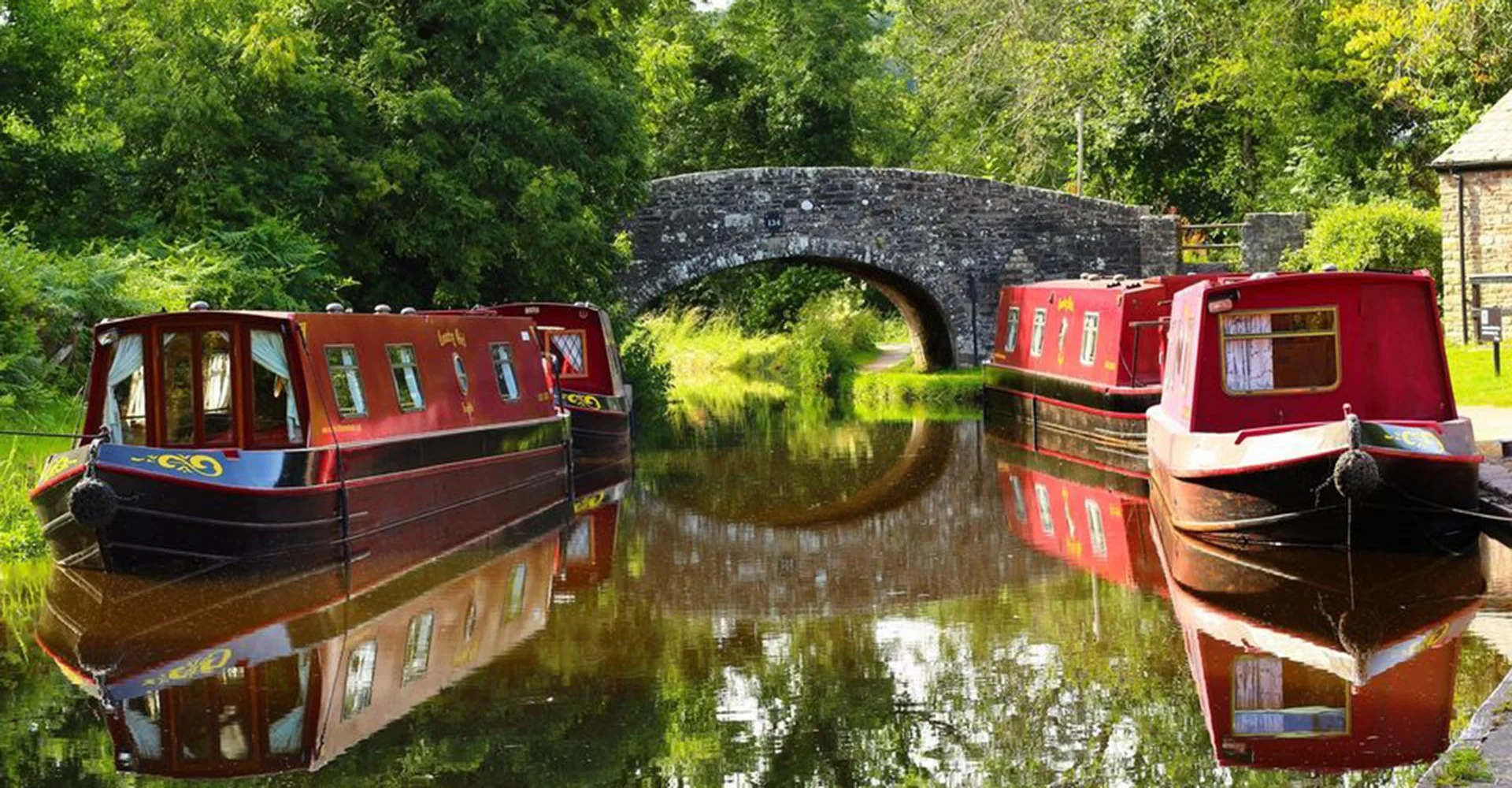
Narrowboat holidays in Wales suit travellers who don’t need constant stimulation. Days revolve around short journeys, simple meals, and time spent outside. Evenings are calm, with little to do beyond reading or watching light fade over the water. It’s a meditative way to see the countryside, grounded and unpretentious.
The Belle Époque Glamour and Gardens of the French Riviera
The French Riviera balances history and colour in a way few regions manage. Nice is a good starting point, particularly the streets around Cimiez and the Promenade des Anglais. Belle Époque buildings sit alongside more modern structures, but the overall feel remains cohesive. The city moves at a steady pace outside peak summer, making it easy to explore on foot.
The Villa Ephrussi de Rothschild, perched on the Cap Ferrat peninsula, offers a different perspective. Its gardens are carefully maintained but not overly precious. Each section, from the Italian garden to the Japanese garden, feels distinct without competing for attention.
What works about the Riviera is its practicality. Trains connect towns efficiently, beaches are accessible, and cafés operate year-round. The colours are saturated but familiar: terracotta roofs, pale facades, deep blue water. There’s sophistication here, but it’s lived-in.
The Minimalist Design and Deep Waters of the Norwegian Fjords
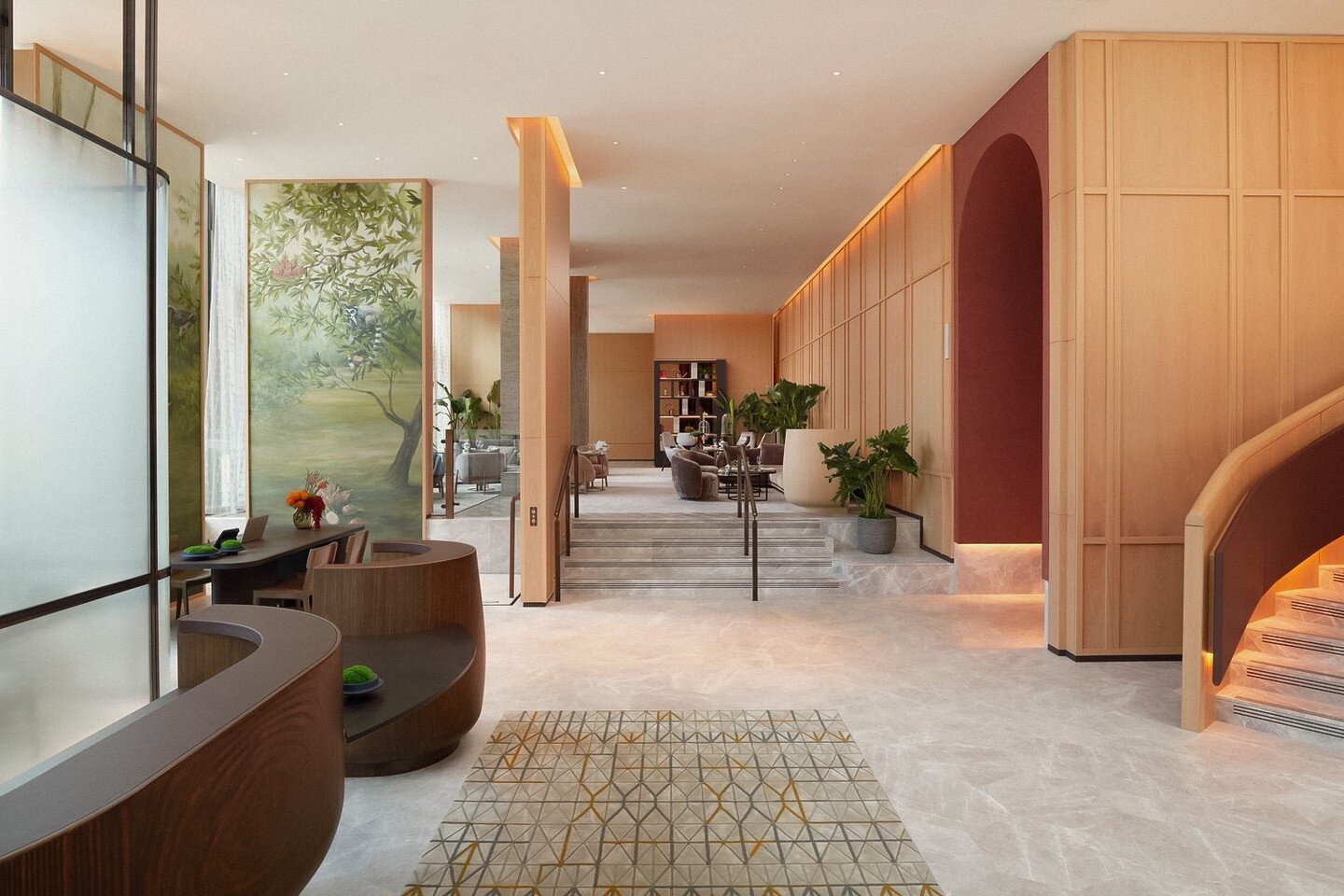
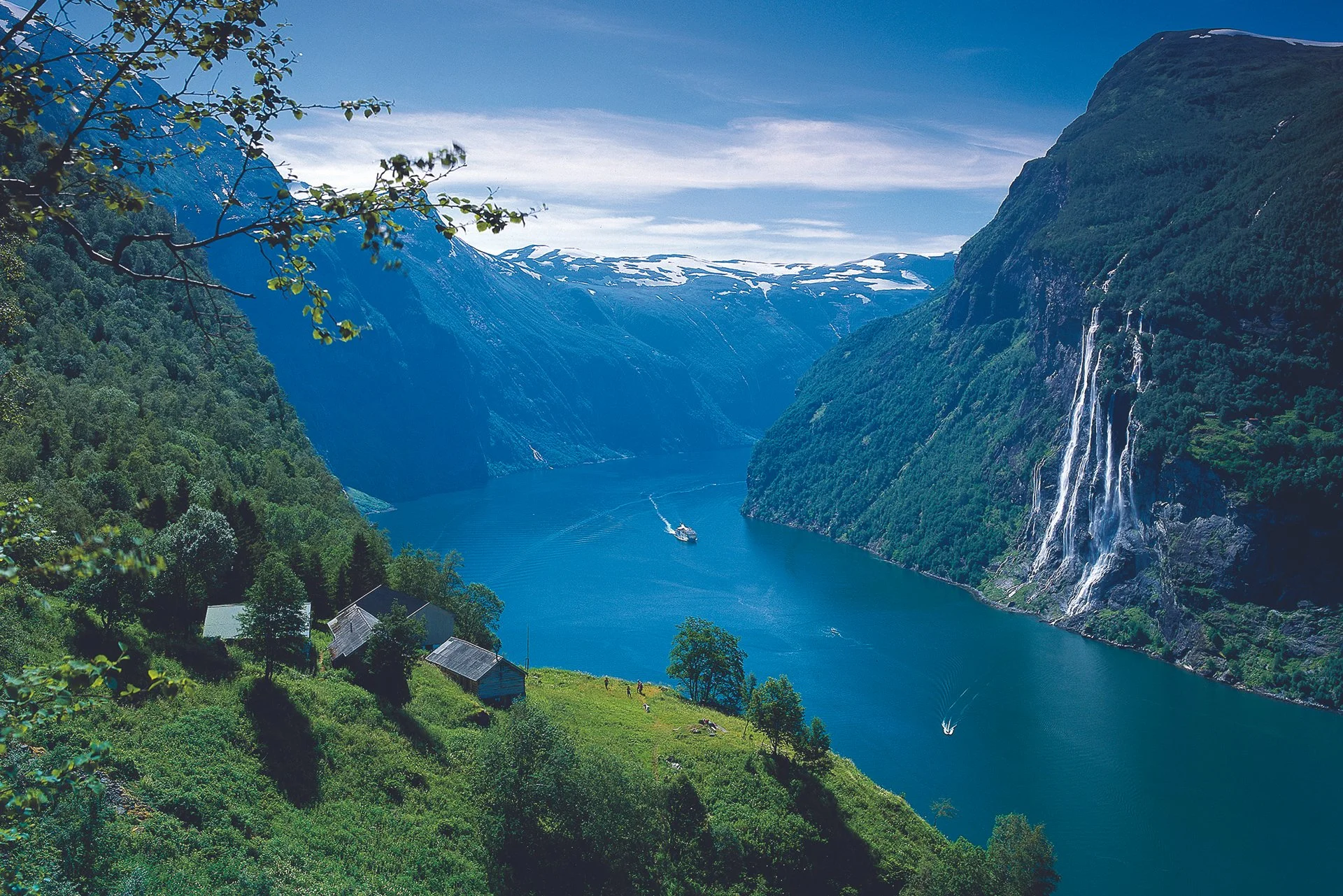
Norway’s fjords demand a quieter kind of attention. Places like Geirangerfjord or the areas around Aurland and Flåm are defined by scale rather than detail. Mountains rise sharply from dark water. When buildings do appear, they tend to be modern and restrained, using glass and wood to blend into the surroundings.
Travelling through the fjords by ferry or car allows for flexibility. Short hikes lead to viewpoints that feel remote even when they’re close to the road. Small towns offer limited but thoughtful accommodation, often designed with simplicity in mind. Interiors are clean, functional, and warm, reflecting a practical approach to comfort.
This is the perfect destination for those who appreciate intentional design and silence. There’s less to do in the traditional sense, which is part of the appeal. Days revolve around weather, light, and water.
Isn’t slowing down the most thoughtful way to see Europe now?
A slower European escape isn’t about opting out of luxury; it’s about redefining it. Whether it’s detouring through the Swiss Alps, lingering in the Douro Valley, drifting along Welsh canals, or settling into the measured pace of the Riviera and the fjords, these destinations reward travellers who value time and attention.
The common thread isn’t style or status. It’s the freedom to move deliberately, to pause without explanation, and to experience places as they function day to day.