From Lake Como to St. Moritz, these European destinations combine beautiful surroundings with neighbourhoods best explored on foot.
Europe has no shortage of beautiful places, but a high-end escape usually depends on more than attractive scenery. Where you stay, which neighbourhood you choose, and how easily you can explore nearby streets often shape the entire experience.
Some destinations naturally lend themselves to this kind of travel. A compact historic district might place galleries, cafés, and old streets within easy walking distance. Lakeside towns reveal their character through ferry routes and promenades, while island villages or mountain resorts offer entirely different landscapes without losing that sense of refinement.
The following destinations stand out for travellers who enjoy comfort but still want to explore on foot, wander through historic neighbourhoods, and experience places that feel naturally shaped by local life rather than carefully curated.
Boutique Luxury in London
Marylebone sits quietly between Oxford Street and Regent’s Park, yet the atmosphere feels noticeably calmer than nearby Soho or Mayfair. Marylebone High Street runs through the centre of the neighbourhood, lined with independent shops and historic buildings that still give the area a village-like character. From there, it’s an easy walk south along Baker Street toward Oxford Circus, or north to Regent’s Park, where broad paths circle the boating lake and formal gardens.
Travellers searching for unique hotels in Marylebone often end up staying near the smaller Georgian streets branching off the High Street. These properties occupy converted townhouses, placing guests a few minutes from the Wallace Collection on Manchester Square or the quiet gardens around Paddington Street. That location makes it easy to move between areas on foot: a walk east leads into Fitzrovia and Bloomsbury, while heading west takes you toward the grand terraces of Hyde Park.
What makes Marylebone appealing for a luxury stay isn’t extravagance but convenience. Streets like Chiltern Street and Dorset Street keep everything close together, so visitors can explore several districts in a single afternoon without relying much on taxis or the Underground.
Italian Elegance on Lake Como
Lake Como reveals itself gradually as travellers move along the shoreline towns. Many visitors first arrive in Como itself, where the funicular climbs from the waterfront near Piazza Cavour to the hillside village of Brunate. From that viewpoint, the lake’s narrow branches and surrounding mountains suddenly make sense.
Further north, towns such as Bellagio and Varenna offer a completely different perspective. Bellagio sits where the lake divides, and its steep stone staircases connect the harbour with quiet residential streets higher up the hill. A short ferry ride across the water leads to Varenna, where narrow alleys climb away from the small harbour toward Castello di Vezio, a medieval fortress that still overlooks the central lake.
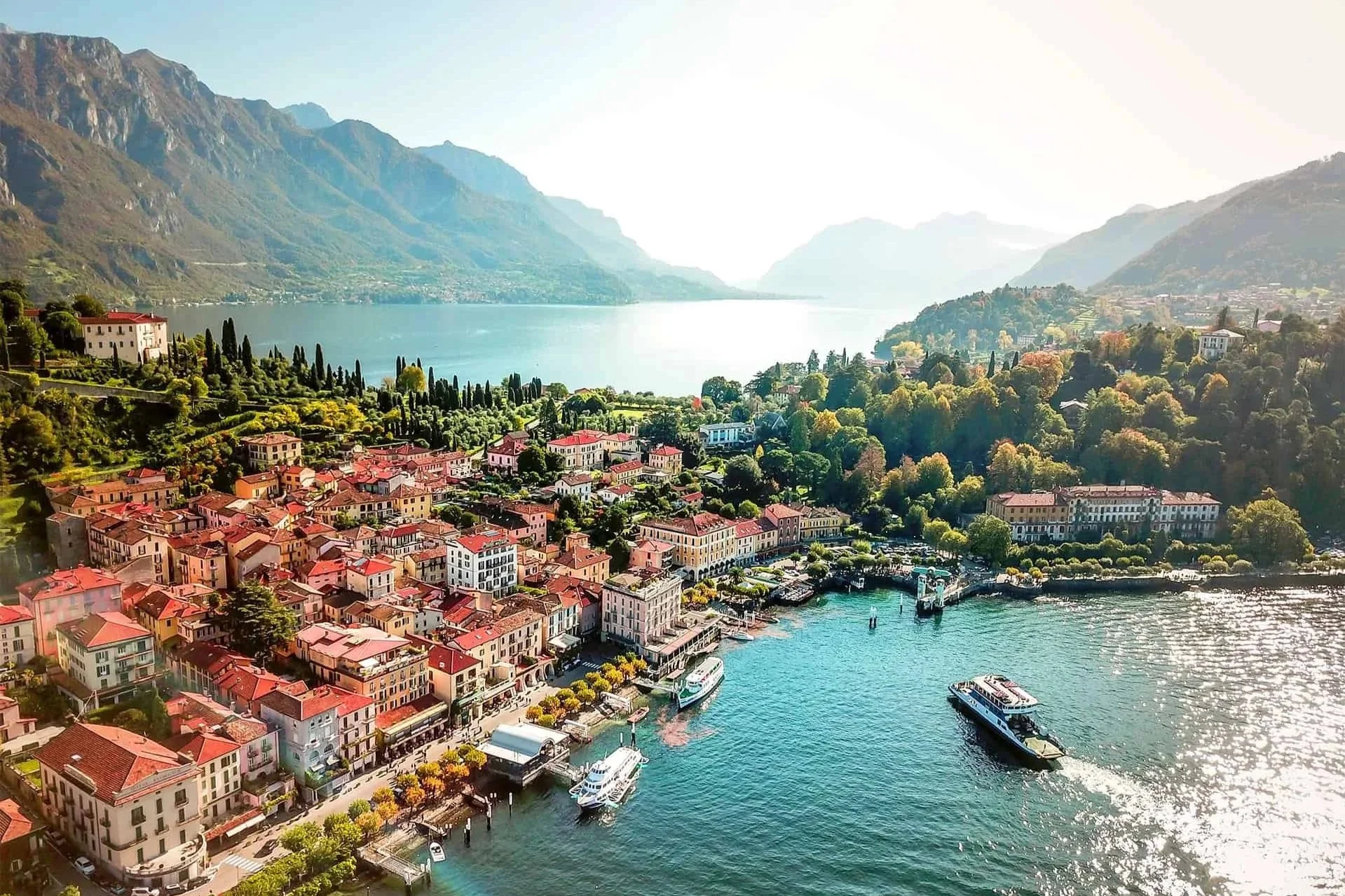
Moving between towns by ferry becomes part of the experience. Boats connect the main villages every day, allowing travellers to step off in a different harbour each afternoon. The lakeside promenades, old villas with terraced gardens, and small marinas make it clear that Lake Como has long been shaped by people arriving by water.
Island Elegance on Patmos
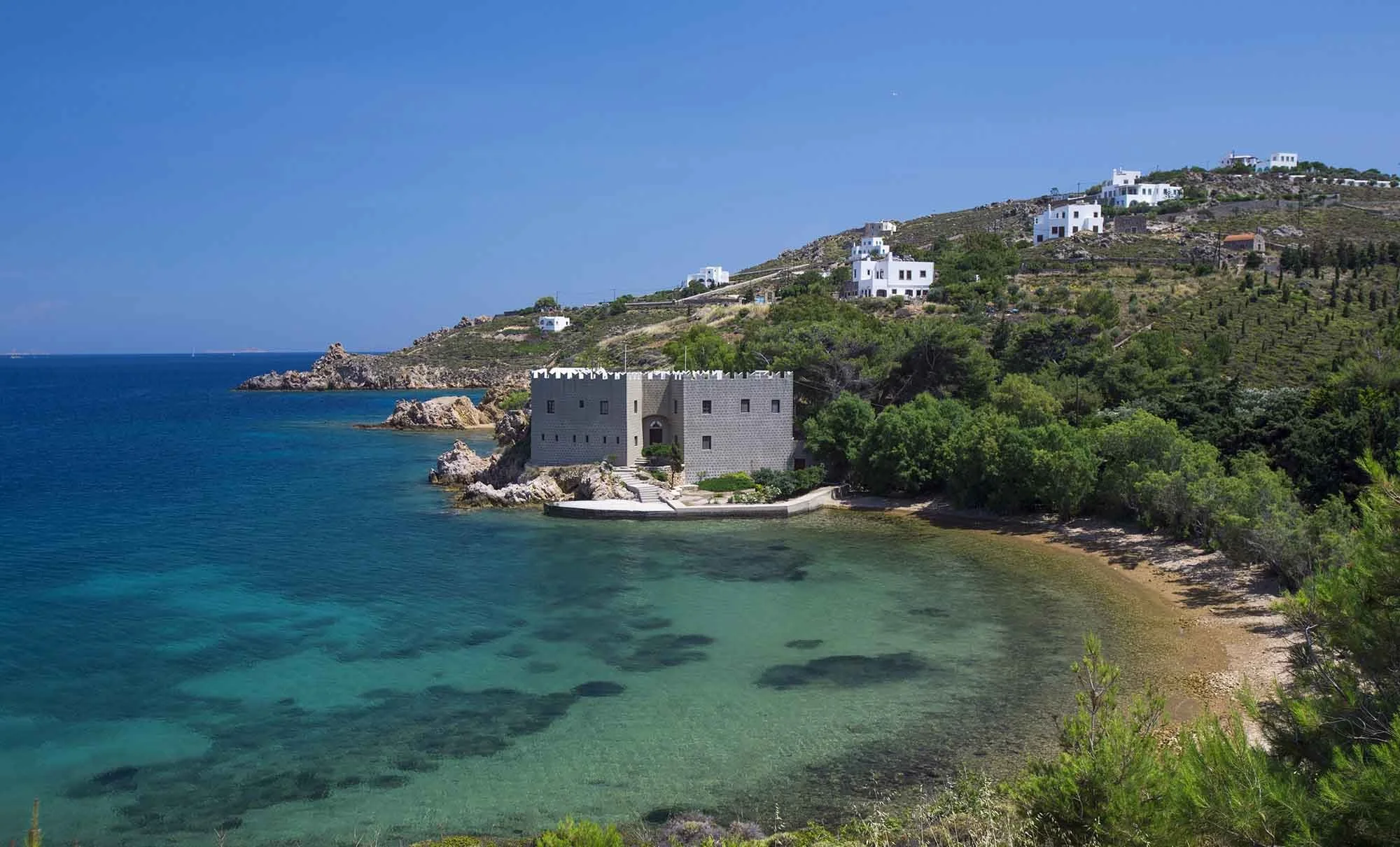
Patmos sits far out in the Aegean, closer to Turkey than mainland Greece. Ferries arrive at the harbour of Skala, a working port where fishing boats share space with small passenger vessels. The harbour road curves past shops and whitewashed houses before climbing inland toward the island’s most recognisable landmark, the Monastery of Saint John.
The monastery dominates the skyline above Chora, the island’s hilltop town. Stone lanes weave through the settlement, often narrowing to the point where only pedestrians can pass. Some houses date back several centuries, with thick walls and small courtyards that stay surprisingly cool even during the height of summer.
Many visitors prefer to stay at amazing Patmos villas along the island’s quieter parts, such as Grikos Bay or the hillside above Petra Beach. These properties tend to overlook the Aegean while remaining close enough to drive into Chora for an evening walk through the old streets. From there, narrow roads continue toward smaller coves scattered along the island’s eastern coastline.
Alpine Elegance in St. Moritz
St. Moritz sits high in Switzerland’s Engadin Valley, surrounded by mountains that attract visitors in every season. The town itself spreads around the edge of Lake St. Moritz, where a wide lakeside path connects the railway station with the older centre uphill.
The historic heart of St. Moritz stands above the lake near Via Serlas and the leaning tower of the former St. Mauritius church. From this area, small streets climb further into residential neighbourhoods where traditional Engadin houses sit beside grand hotels that have hosted winter visitors for more than a century.
The surrounding landscape shapes most daily activities here. Cable cars leave from the valley floor and climb toward Corviglia and Piz Nair, where ski slopes dominate the winter months. In summer, those same lifts carry hikers to alpine trails that wind across high meadows and rocky ridgelines. The altitude keeps the air crisp even in July.
Despite its reputation for glamour, St. Moritz still feels closely tied to the valley’s geography. The lake, the railway, and the surrounding peaks all remain part of everyday life.
Historic Charm in Vienna
Vienna’s historic centre forms a ring inside the broad boulevard known as the Ringstrasse. Within that circle lies the Innere Stadt, where many of the city’s major landmarks stand within walking distance of each other. St. Stephen’s Cathedral rises above Stephansplatz, its patterned roof visible from several surrounding streets.
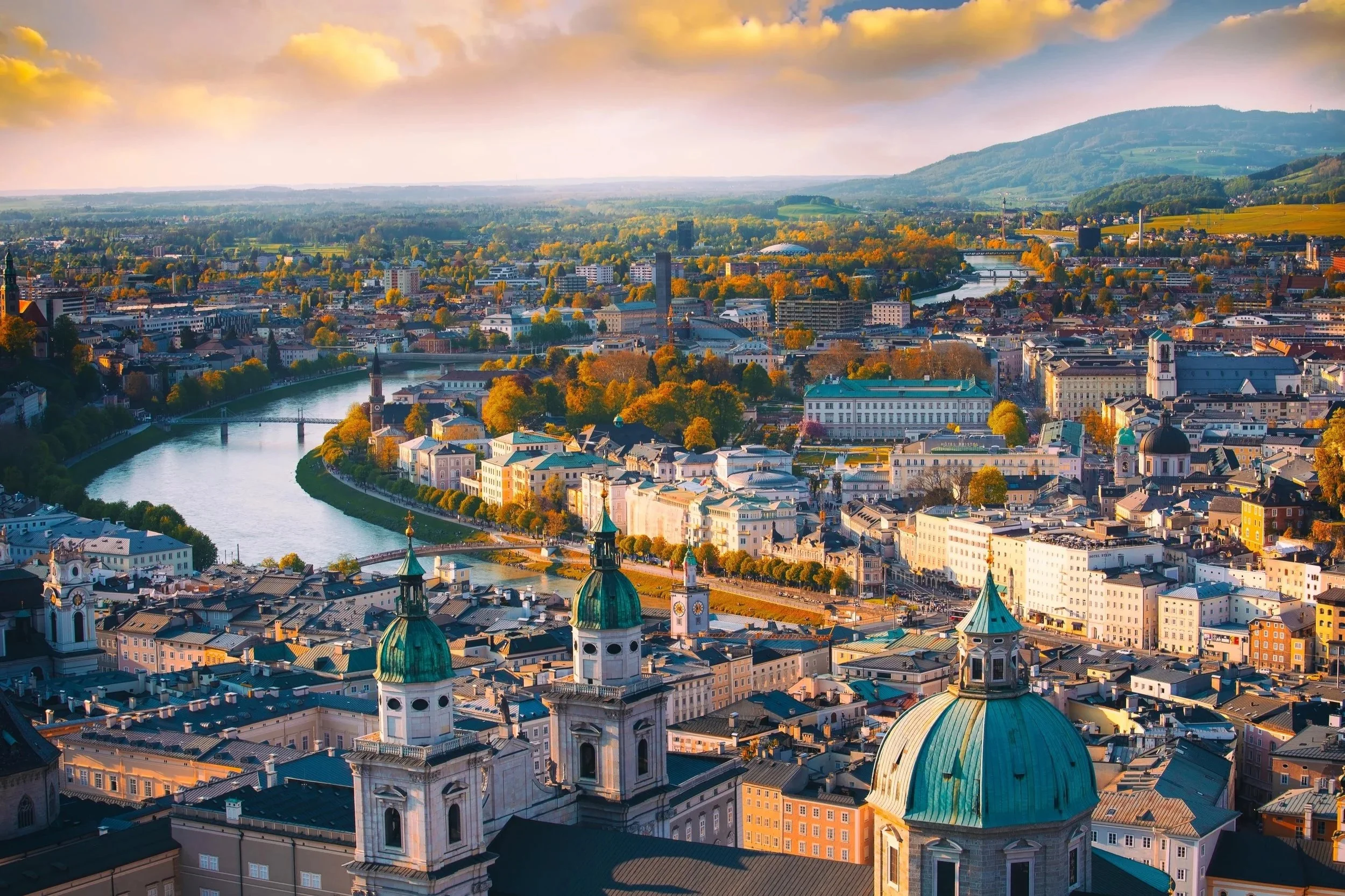
Vienna’s historic centre forms a ring inside the broad boulevard known as the Ringstrasse. Within that circle lies the Innere Stadt, where many of the city’s major landmarks stand within walking distance of each other. St. Stephen’s Cathedral rises above Stephansplatz, its patterned roof visible from several surrounding streets.
Vienna’s markets offer another side of the city. Naschmarkt runs for several blocks along the Wien River just outside the historic centre, while smaller neighbourhood markets appear across districts like Leopoldstadt and Neubau. Travellers often move between these areas using the city’s efficient tram network, which circles the Ringstrasse before branching out toward residential districts.
Which European Escape Feels Right for Your Next Journey?
Luxury travel in Europe doesn’t always revolve around famous resorts or grand hotels. Often it comes down to the character of the neighbourhoods themselves. A few streets in Marylebone place visitors close to London’s museums and parks.
Lake Como reveals centuries of lakeside life through ferry routes and hillside villages. Patmos offers a quieter island landscape shaped by monasteries and fishing harbours, while St. Moritz combines alpine scenery with a long tradition of mountain tourism. Vienna brings together imperial landmarks, markets, and walkable streets in the centre of one of Europe’s most historic capitals.
The real question isn’t choosing the right escape - it’s deciding where to begin.