A little precision can make quite the difference.
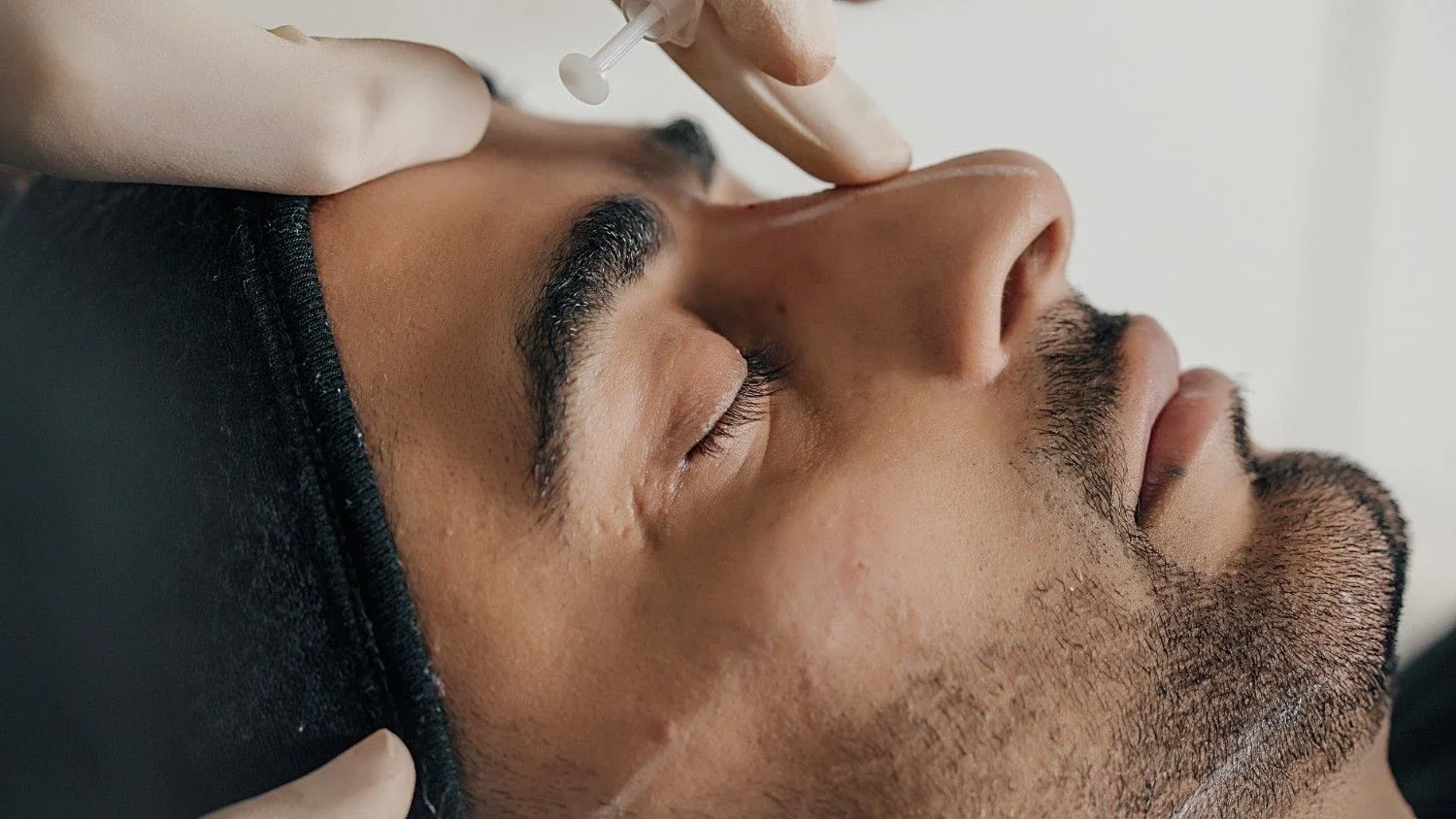
The promise of a new nose without surgery sounds rather appealing. But before you book an appointment, it's worth understanding what a syringe can realistically achieve — and where its limitations begin.
Non-surgical rhinoplasty has a marketing problem. The name promises the outcome of a procedure it isn't, and that gap between expectation and what injectable filler can realistically achieve is where most disappointment starts. A good practitioner spends as much of the consultation on what the treatment won't do as on what it will, and that honesty is exactly what we wanted to understand before including this one in our wellbeing pages.
Who it's actually right for, before anything else
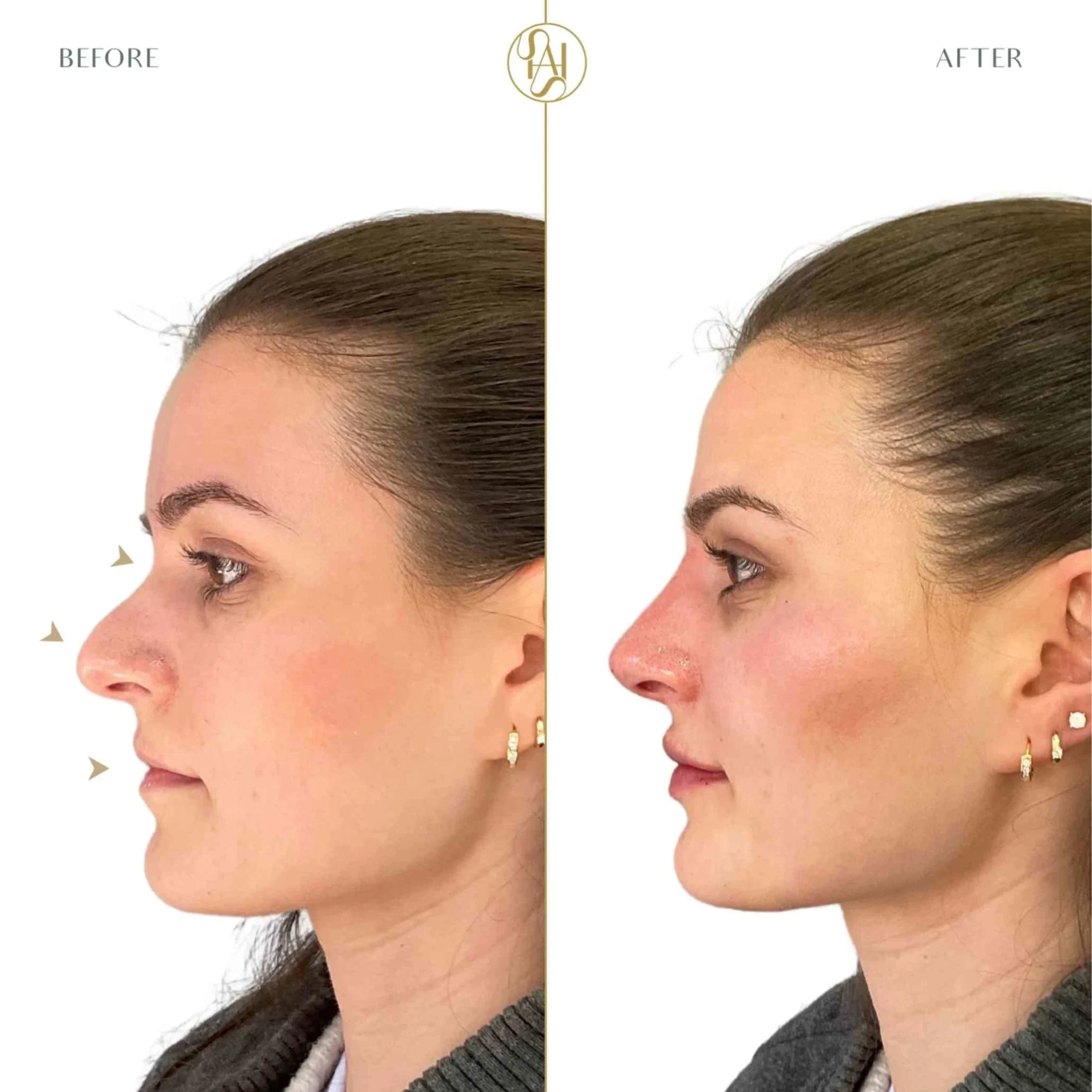
Good candidates have a structurally sound nose with one specific, isolated concern: a small bump, mild asymmetry, a tip that could sit slightly higher. It's a refinement, not a resizing, and the mums in our community who've had the best experiences with it are the ones who went in already knowing that, rather than discovering it mid-consultation.
The bit that's easy to skip past
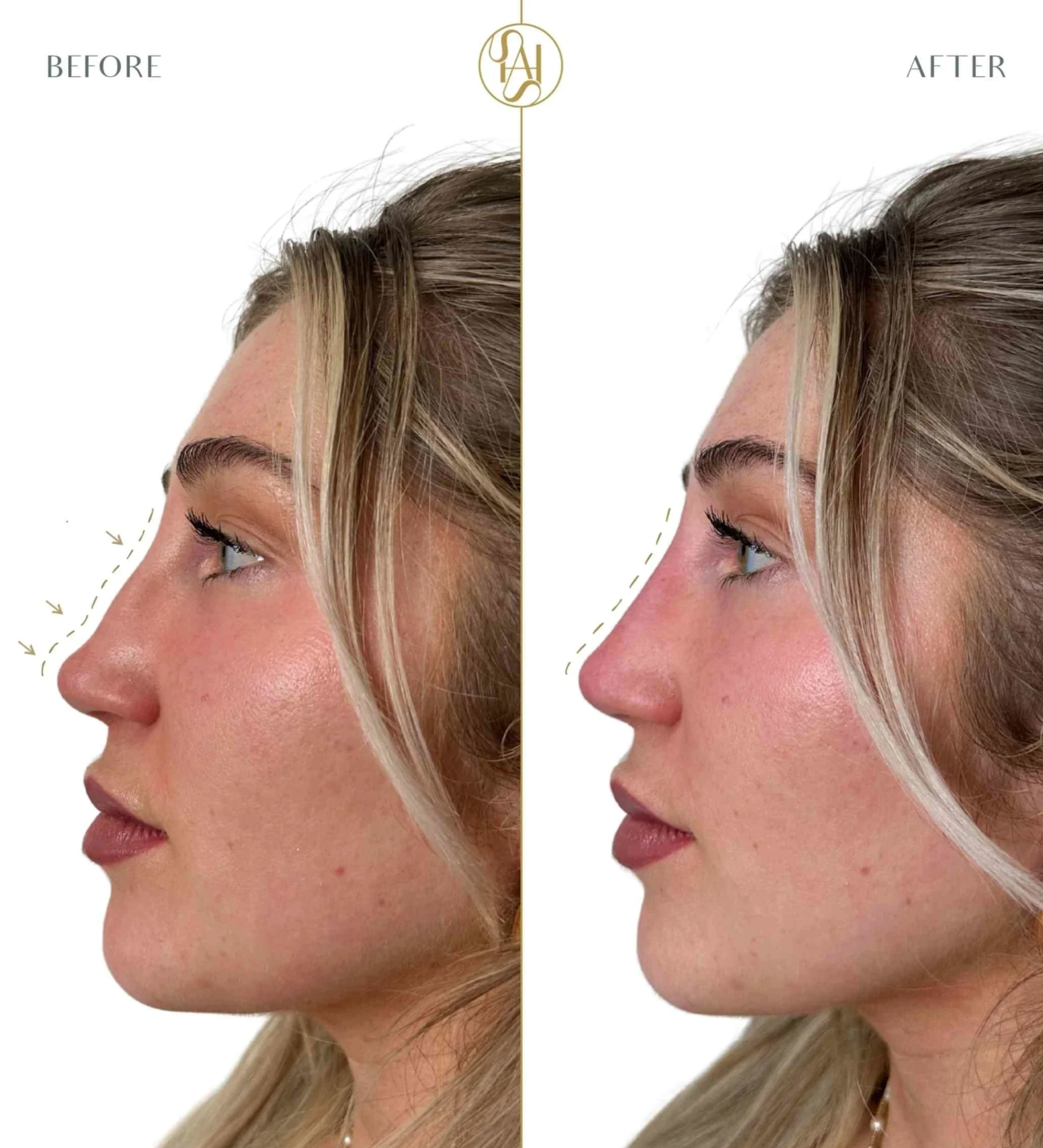
Filler can only add, never subtract. That's the whole mechanism in one sentence, and it's also the treatment's central limitation. Nose filler uses hyaluronic acid, injected with what the clinic calls millimetre accuracy, to smooth the dorsal profile, lift a drooping tip, or correct subtle asymmetry. It works by building up the areas around a bump or irregularity until the overall line reads as straighter, not by removing the bump itself.
What it genuinely can't do
A nose that's too large for someone's face, or one with real structural deviation, like a prominent hump that needs reducing rather than disguising, isn't a filler case. Dr Hasaneen Al Janabi, the GMC-registered surgeon and Royal College of Surgeons member who founded Dr Hass Clinic, offering non-surgical rhinoplasty in Mayfair, has treated over 10,000 patients and is refreshingly direct about where the ceiling sits: filler refines minor bumps, corrects subtle asymmetry, and adds height or definition, but it cannot reduce the size of a nose or correct significant structural problems. Those need surgery, full stop. If you're weighing this up for yourself, a practitioner willing to say that plainly, rather than promising everything, is a far better sign than any before-and-after gallery.
What booking one actually involves
A session takes 15 to 30 minutes under topical numbing, which most people describe as pressure rather than pain. Swelling and tenderness usually settle within 24 to 48 hours, with results visible straight away and the final shape softening into place over one to two weeks. It typically lasts 9 to 18 months, depending on metabolism and how much was used.
The one risk worth actually understanding
The nose sits close to blood vessels supplying the surrounding skin, and the rare but serious complication practitioners watch for is vascular occlusion, where filler compromises blood flow to the area. It's minimised through careful, methodical technique and immediate access to hyaluronidase, the enzyme that dissolves hyaluronic acid filler if anything needs correcting. Because the whole treatment is reversible this way, it's genuinely one of the lower-risk injectables when the person holding the syringe knows the anatomy underneath properly, which is the question worth asking before you book anywhere, not after.